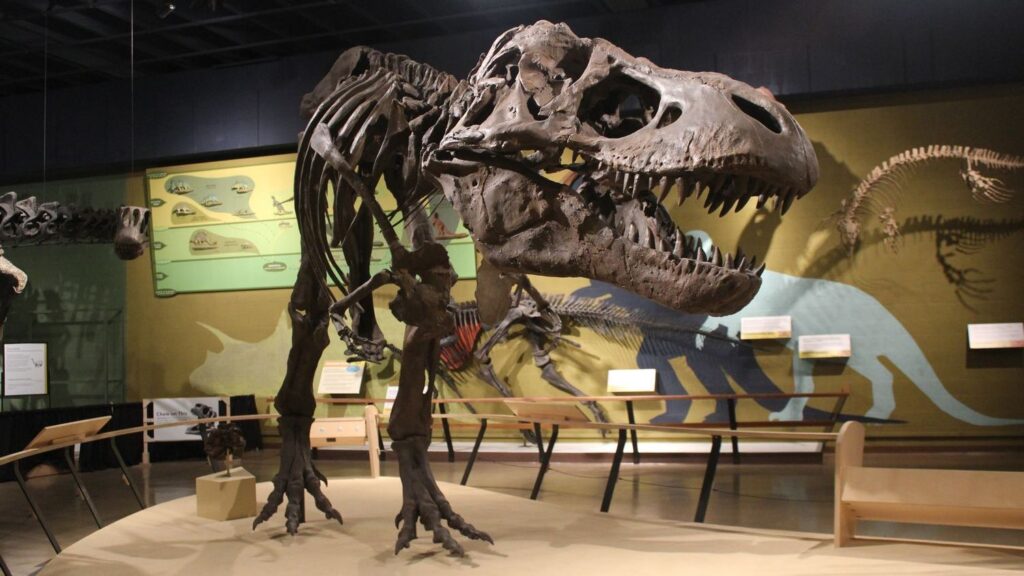
Ever wonder where the king of dinosaurs actually called home? You’ve probably seen those massive Tyrannosaurus rex skeletons towering over museum halls, but have you ever stopped to think about where these incredible creatures were dug up from the ground? It’s a fascinating story of ancient coastlines, lucky ranchers, and paleontologists spending weeks under the scorching sun. Let’s be real, when it comes to T-Rex fossils, not all states are created equal. Some places are absolute treasure troves while others have barely turned up a single tooth. Let’s dive into which American states have struck dinosaur gold.
Montana: The Undisputed T-Rex Capital
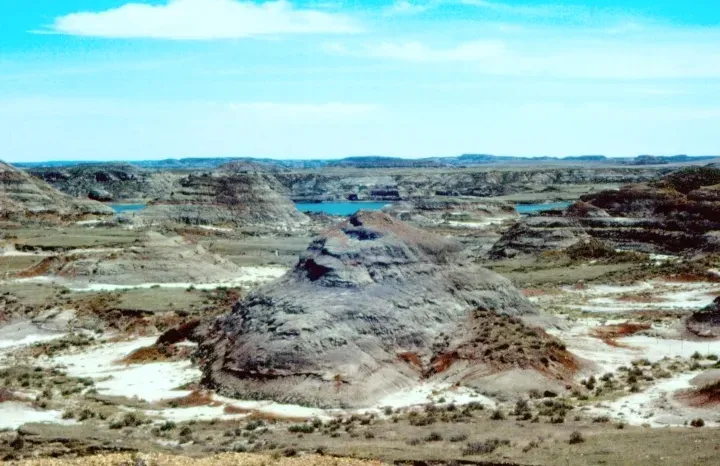
Montana, particularly areas around the Northwest region, has yielded of any US state. This isn’t just a slight lead either. The first skeleton of Tyrannosaurus rex was discovered in 1902 in Hell Creek, Montana, and six years later, a nearly complete T-Rex skeleton was found at Big Dry Creek, Montana. The sheer concentration of finds in this state is honestly mind-blowing.
These discovery sites are most highly concentrated in Garfield County with 10 sites and Carter County with 6 sites in Montana. The geology here is perfect for fossil preservation, with ancient riverbeds and floodplains that buried dinosaurs quickly after death. Montana sits atop the Hell Creek Formation, a 300-foot-thick bed of sandstone and mudstone dating between 66 million and 67.5 million years ago, making it one of the richest fossil locations in the world. It’s hard to say for sure, but Montana’s dominance in this field seems unshakeable.
South Dakota: A Close Second in T-Rex Territory
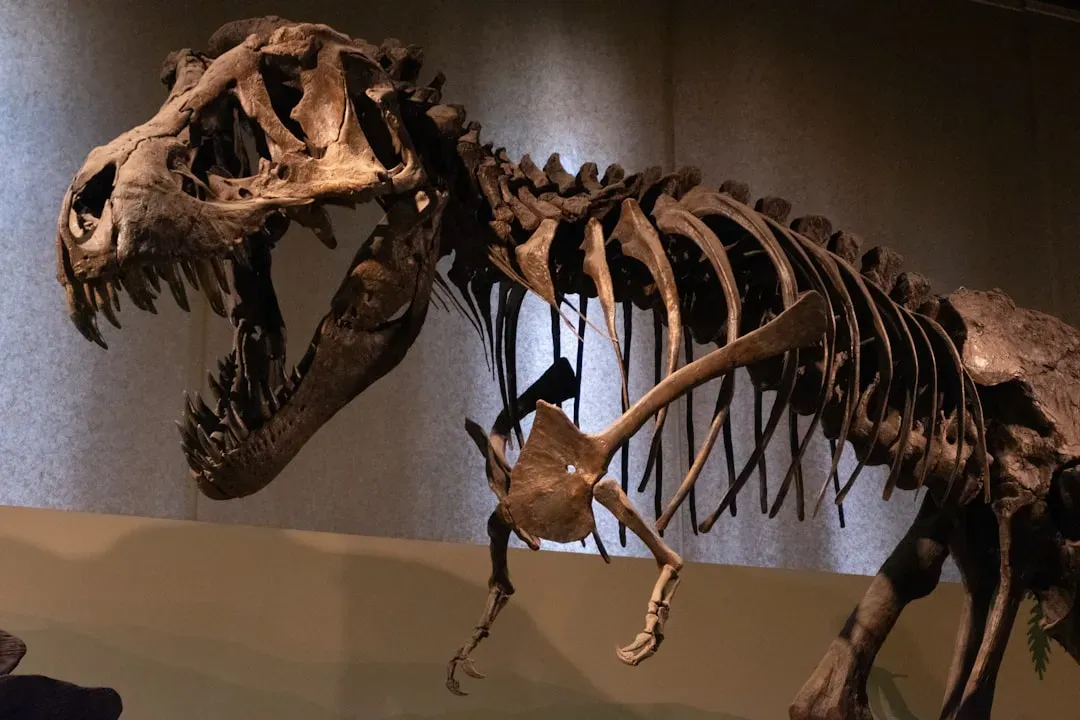
Paleontologists have found most T-Rex fossils in states such as Montana, Wyoming, North and South Dakota. South Dakota deserves serious recognition because it’s home to some of the most famous T-Rex specimens ever discovered. The best-preserved Tyrannosaurus currently known was discovered in the Hell Creek Formation near Faith, South Dakota, on August 12, 1990, with about 90 percent of the skeleton recovered.
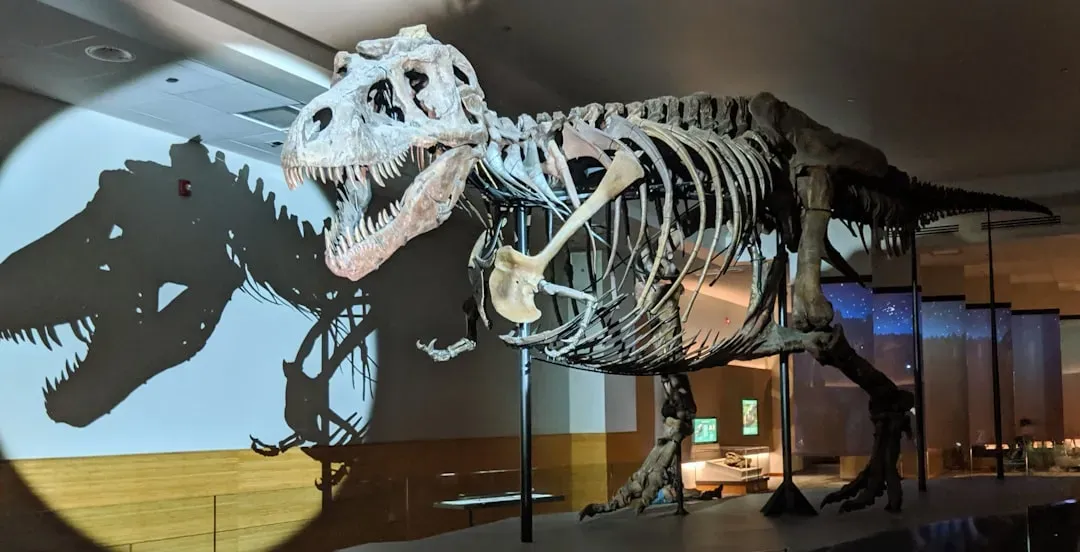
That specimen, known as Sue, became a global sensation and now resides in Chicago’s Field Museum. Stan, the second most complete T-Rex skeleton with over 185 bones recovered, was also excavated in South Dakota. Harding County in the extreme northwestern corner of South Dakota has 7 documented T-Rex discovery sites. The state’s badlands provide ideal erosion conditions that expose fossils, making them easier for paleontologists and even lucky ranchers to spot.
Wyoming: Hell Creek’s Western Extension
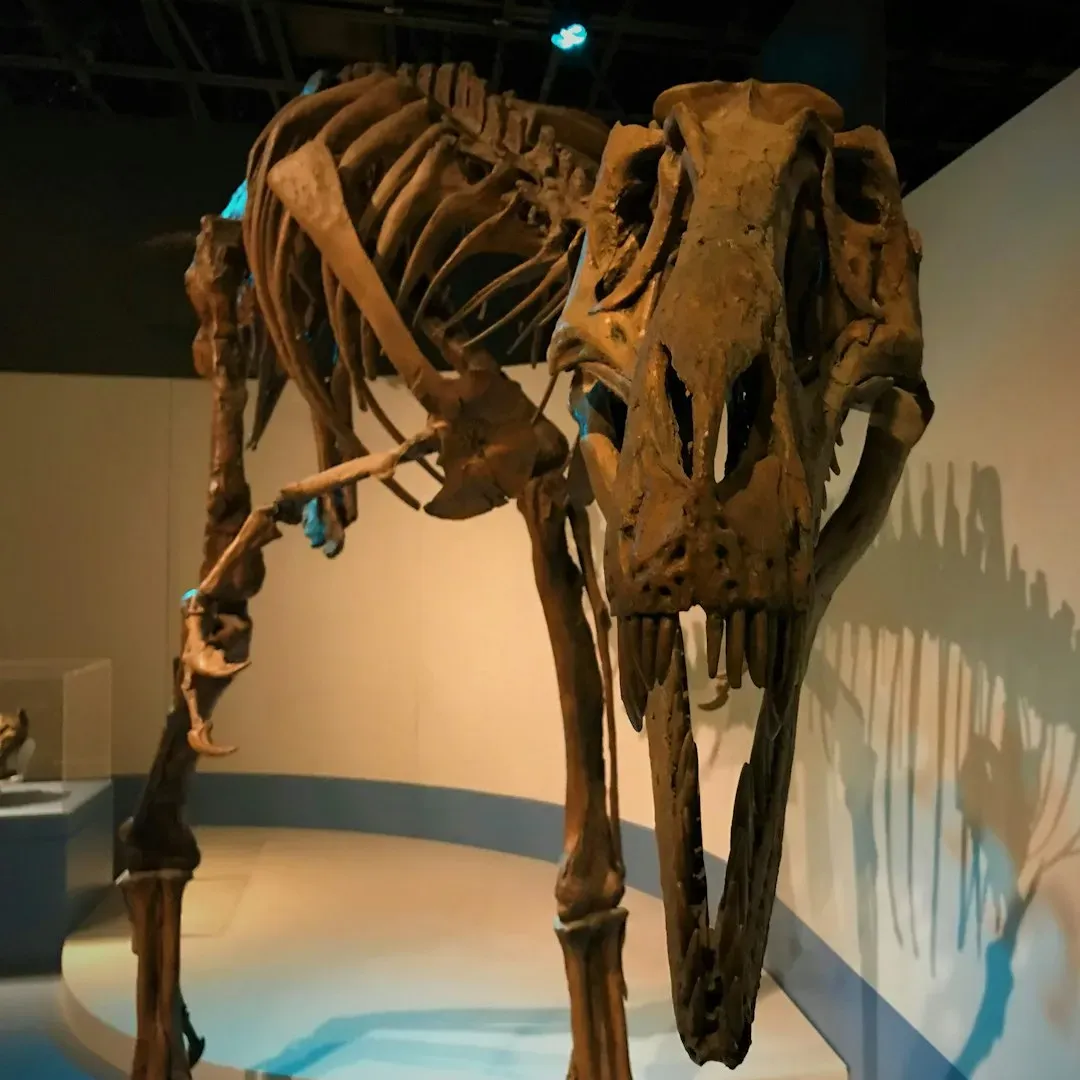
The Hell Creek Formation, which dates back 65.5 million years, stretches across parts of Montana, North Dakota, South Dakota and Wyoming. Wyoming’s contribution to T-Rex discoveries is significant, though perhaps less celebrated than its neighbors. Six skeletons have been disinterred from exposures of the Lance Formation in northeastern Wyoming, which is essentially the Wyoming equivalent of Montana’s Hell Creek Formation.
The Lance Formation represents the same time period and similar environmental conditions. Both formations were deposited along what was then the eastern coast of an ancient landmass called Laramidia. Wyoming’s fossil sites tend to cluster in the northeastern part of the state, where badlands expose Cretaceous-age rocks. While Wyoming might not grab headlines as often as Montana or South Dakota, it’s still a crucial piece of the T-Rex puzzle.
North Dakota: The Overlooked Contributor
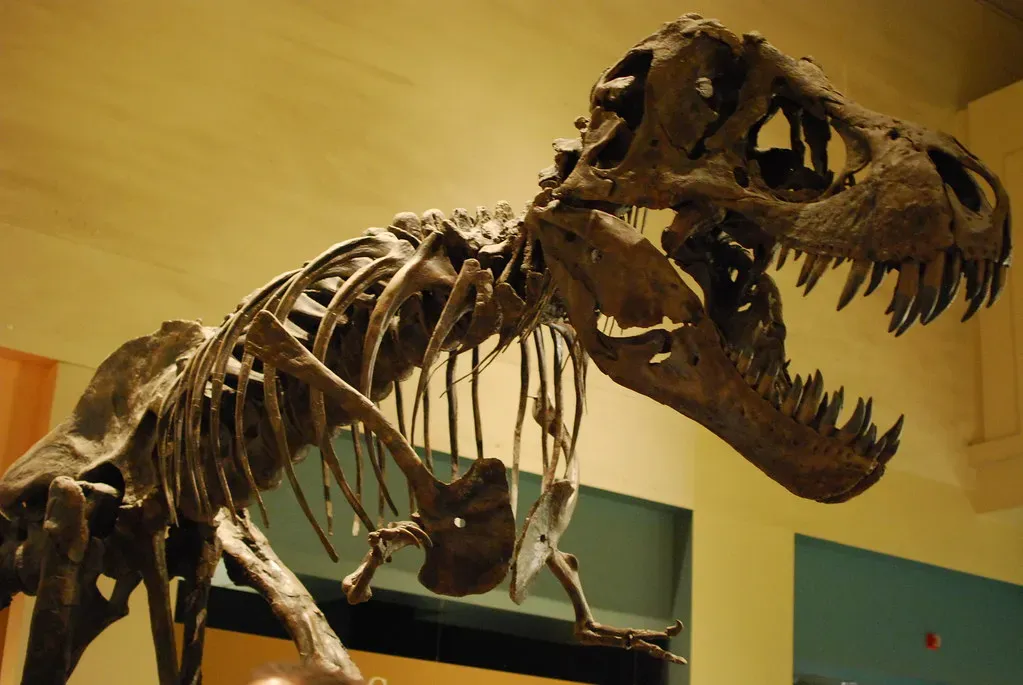
North Dakota often gets overlooked in discussions about T-Rex fossils, but that’s a mistake. North Dakota is among the states where paleontologists have found most T-Rex fossils. In 2019, a T-Rex skull was found in North Dakota featuring a unique cranial pathology that shed light on the dinosaur’s health and disease. The state may not have the sheer volume of Montana, but it’s produced important specimens.
In the summer of 2022, three boys made a rare scientific find while hunting for fossils on a hike in the Badlands near Marmarth, North Dakota, discovering the fossilized remains of a young Tyrannosaurus rex. Honestly, I think North Dakota deserves more credit. The Hell Creek Formation extends significantly into this state, and the badlands near the Montana border are incredibly fossil-rich. It’s just that fewer people go looking there compared to Montana’s better-known sites.
Colorado: A Surprising Early Entry
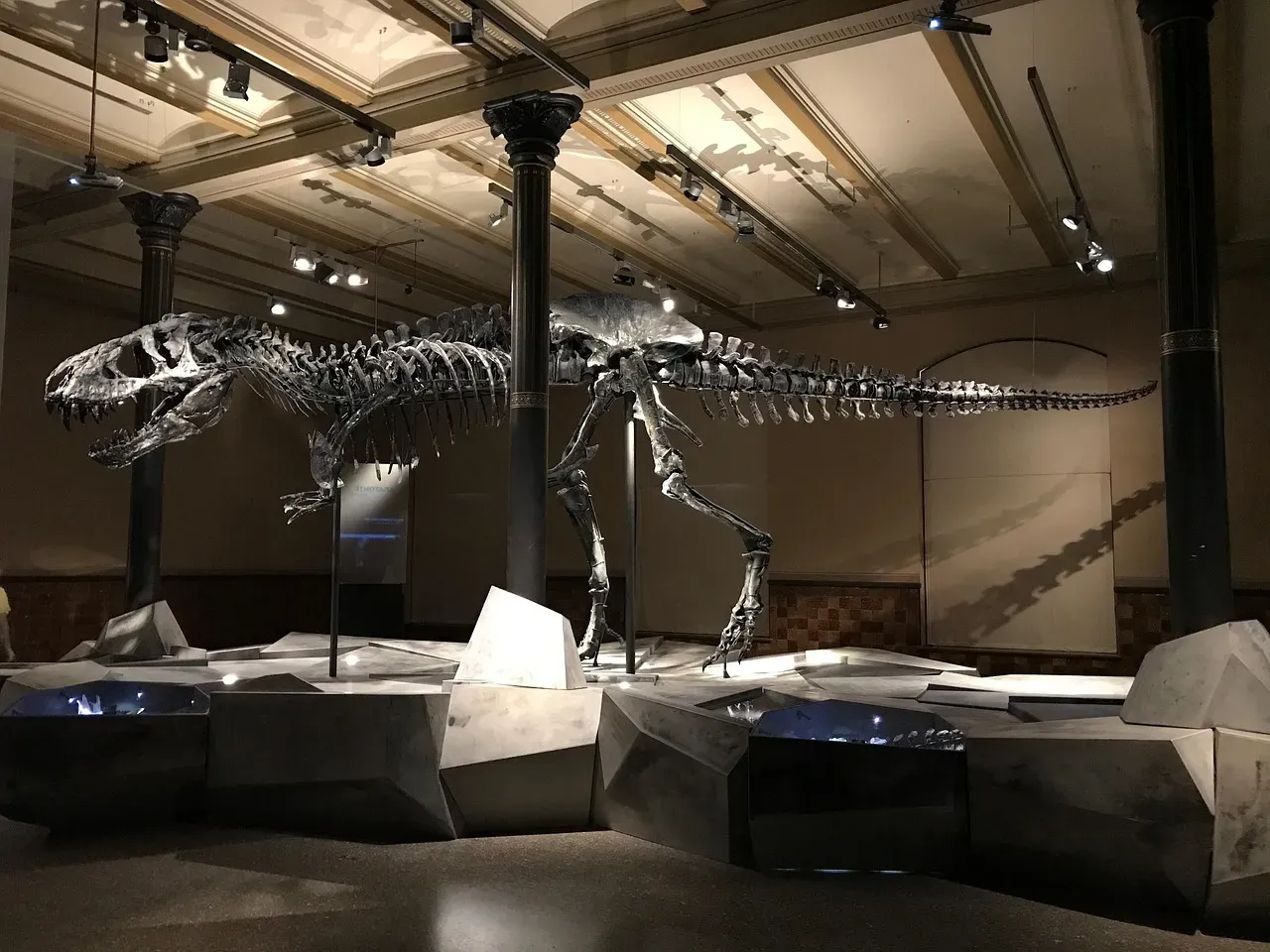
Colorado might surprise you on this list. T-Rex has been found in Colorado, along with Alberta, Saskatchewan, Montana, New Mexico, North Dakota, South Dakota, and Wyoming. The state’s T-Rex finds are relatively rare compared to the northern states, but they’re historically significant. Isolated skeletal elements and teeth were collected in 1874 by Arthur Lakes near Golden, Colorado, predating many of the more famous Montana discoveries.
The fossilized remains of this carnivore have been recovered from sites in northeastern Colorado. Colorado represents the southern edge of T-Rex territory during the late Cretaceous period. The finds here help scientists understand the full geographic range these massive predators once roamed. While you won’t find dozens of specimens here like in Montana, Colorado’s contributions to T-Rex science are valuable pieces of the larger story.
New Mexico: The Southern Outlier
One of the few fossils of Tyrannosaurus rex reported from New Mexico, a lower jaw, was found near Elephant Butte Reservoir. New Mexico represents an interesting case because T-Rex fossils here are exceptionally rare. T-Rex is found very rarely in New Mexico and Texas, marking the southern extent of its known range. Near Raton, a giant footprint made by Tyrannosaurus was discovered, named Tyrannosauripus, and it is the largest known footprint of a meat-eating dinosaur.
The rarity of finds in New Mexico makes each discovery incredibly valuable. These southern specimens help paleontologists understand environmental limits and habitat preferences of T-Rex. In 1983, members of a Las Cruces sailing club stopped on the eastern shore of Elephant Butte Reservoir and discovered a tooth. The fact that recreational boaters stumbled upon T-Rex remains shows just how unexpected these southern finds can be.
Texas and Utah: Honorable Mentions
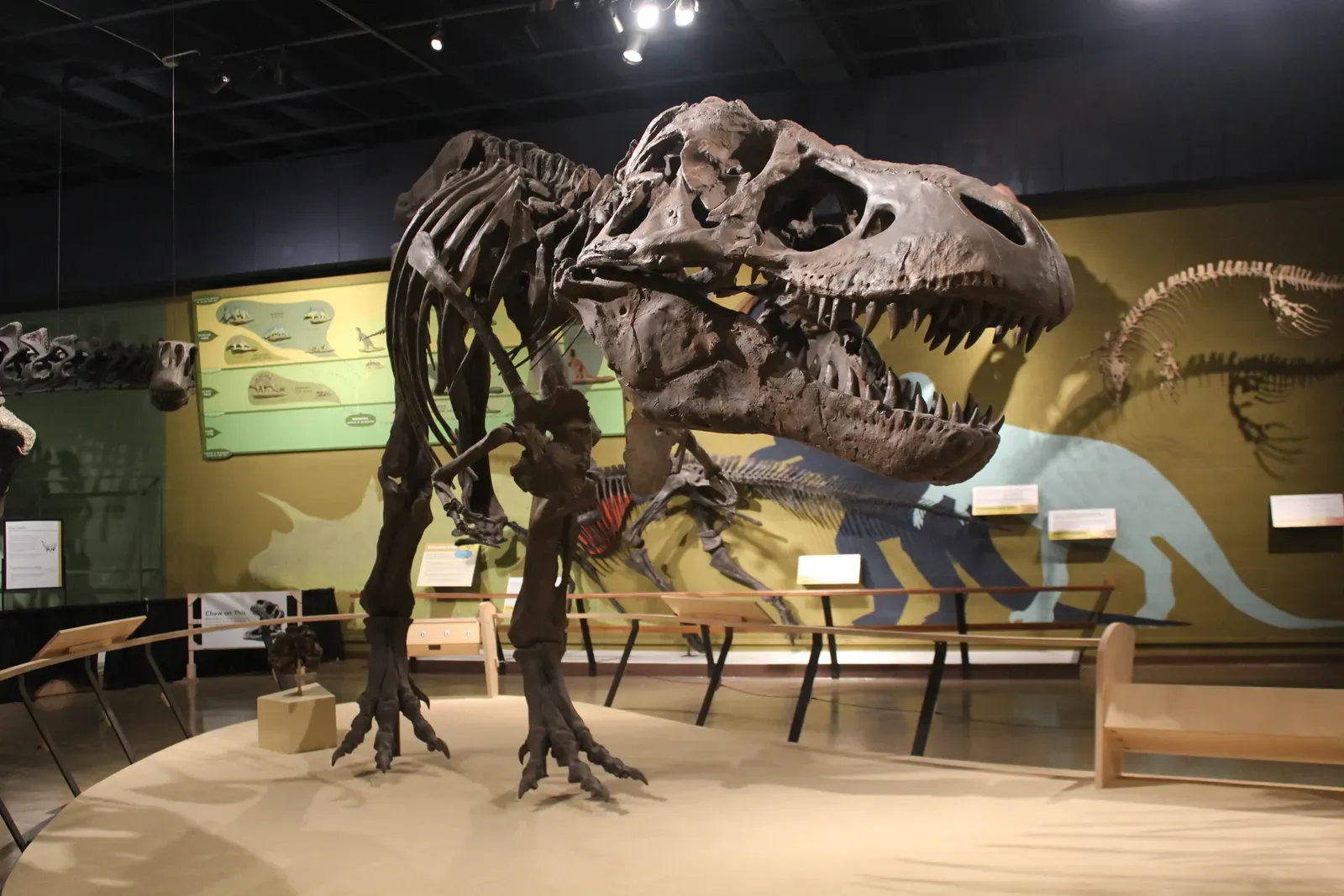
Fossils of different Tyrannosaurus species have been found in the USA in Montana, Texas, Utah, and Wyoming. Both Texas and Utah round out the list of states with documented T-Rex fossils, though finds in these states are extremely limited. Texas, like New Mexico, represents the far southern edge of T-Rex territory. Utah’s specimens are similarly rare but scientifically important for mapping the western boundaries of T-Rex habitat.
The scarcity of fossils in these states actually tells us something important about T-Rex. These creatures had preferred habitats and environmental conditions, and they apparently didn’t venture too far south or west from their core territory. The handful of specimens from Texas and Utah are outliers that help define the edges of the T-Rex world during the late Cretaceous period.
Conclusion: Montana’s Crown Remains Secure
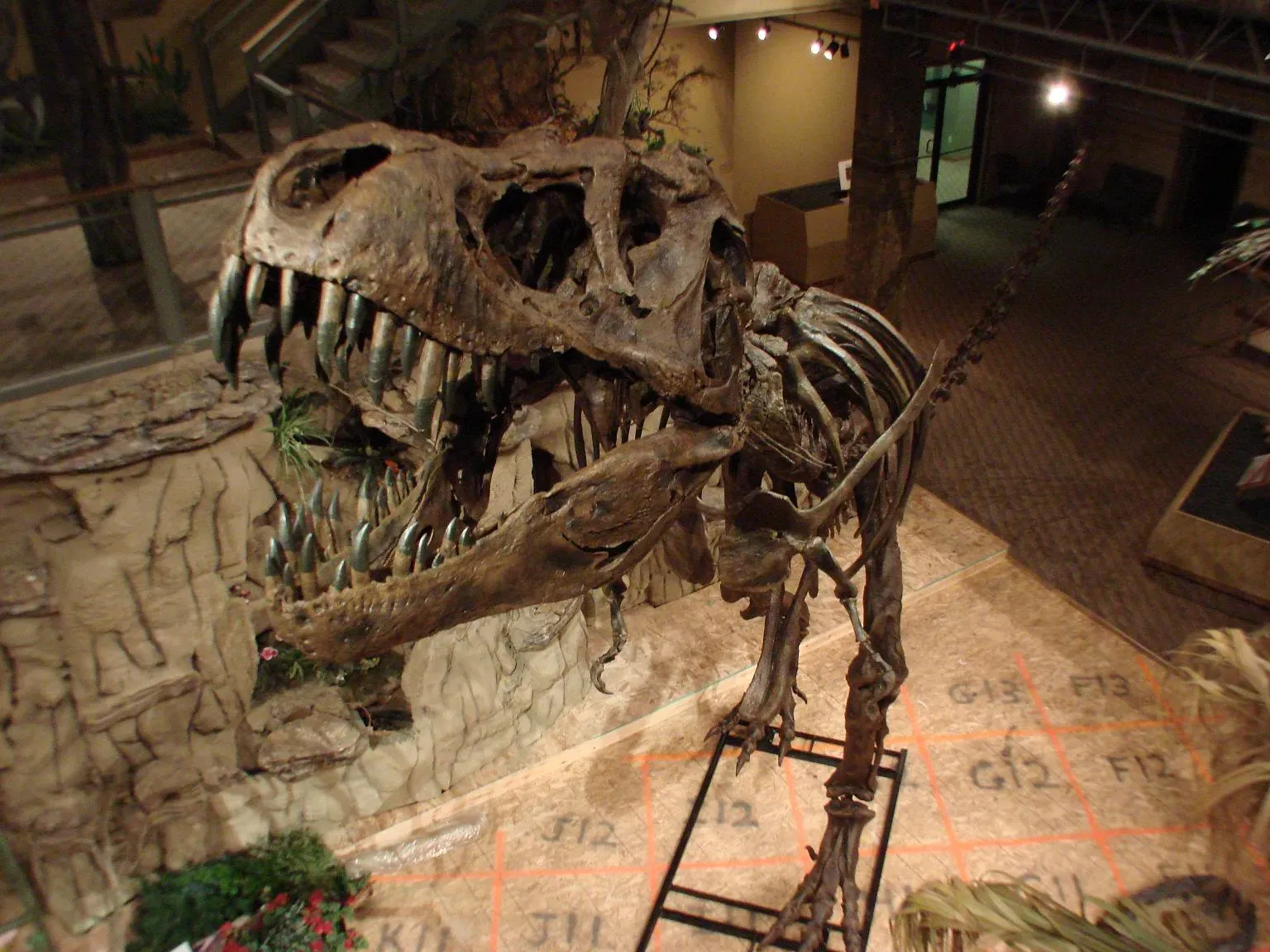
When you look at the evidence, Montana’s position as the T-Rex fossil capital is absolutely secure. Paleontologists have discovered 75 different species of dinosaurs in Montana, more than any other state in America. The Hell Creek Formation that stretches across Montana, the Dakotas, and Wyoming created the perfect conditions for fossilization roughly 66 million years ago. These ancient river systems buried dinosaurs in sediment that preserved their bones for future discovery.
Fewer than 100 T-Rex individuals had been recovered as of April 2021, many represented only by teeth or one fossilized bone, with the 32 relatively well-preserved, post-juvenile T-Rexes in museum collections accounting for perhaps one in 80 million. That makes every single specimen precious, regardless of which state produced it. South Dakota gave us Sue and Stan, Montana gave us the very first T-Rex ever found, and the other states filled in crucial gaps in our understanding. What’s your favorite T-Rex specimen, and have you ever visited one in person? The next time you see one of these magnificent skeletons in a museum, take a moment to appreciate the incredible journey it made from a Montana hillside or South Dakota badland to that climate-controlled hall.