Every now and then, popular culture takes a scientific idea, twists it just enough for drama, and accidentally creates a whole new myth. The Jurassic Park “Velociraptor” is one of those accidents. Sold as a real dinosaur, it has become so divorced from the actual animal that it might as well be an entirely separate species, born in Hollywood rather than the Late Cretaceous.
What started as a cinematic shortcut has turned into a cultural juggernaut. Kids grow up terrified of kitchen-stalking raptors, adults reference pack tactics at work, and even people who love dinosaurs often picture the movie monster instead of the real thing. Let’s unpack how this happened, point by point, and why the Jurassic Park raptor now lives in its own strange, fascinating corner of modern mythology.
Movie Raptor vs. Real Velociraptor: A Dinosaur by Any Other Name
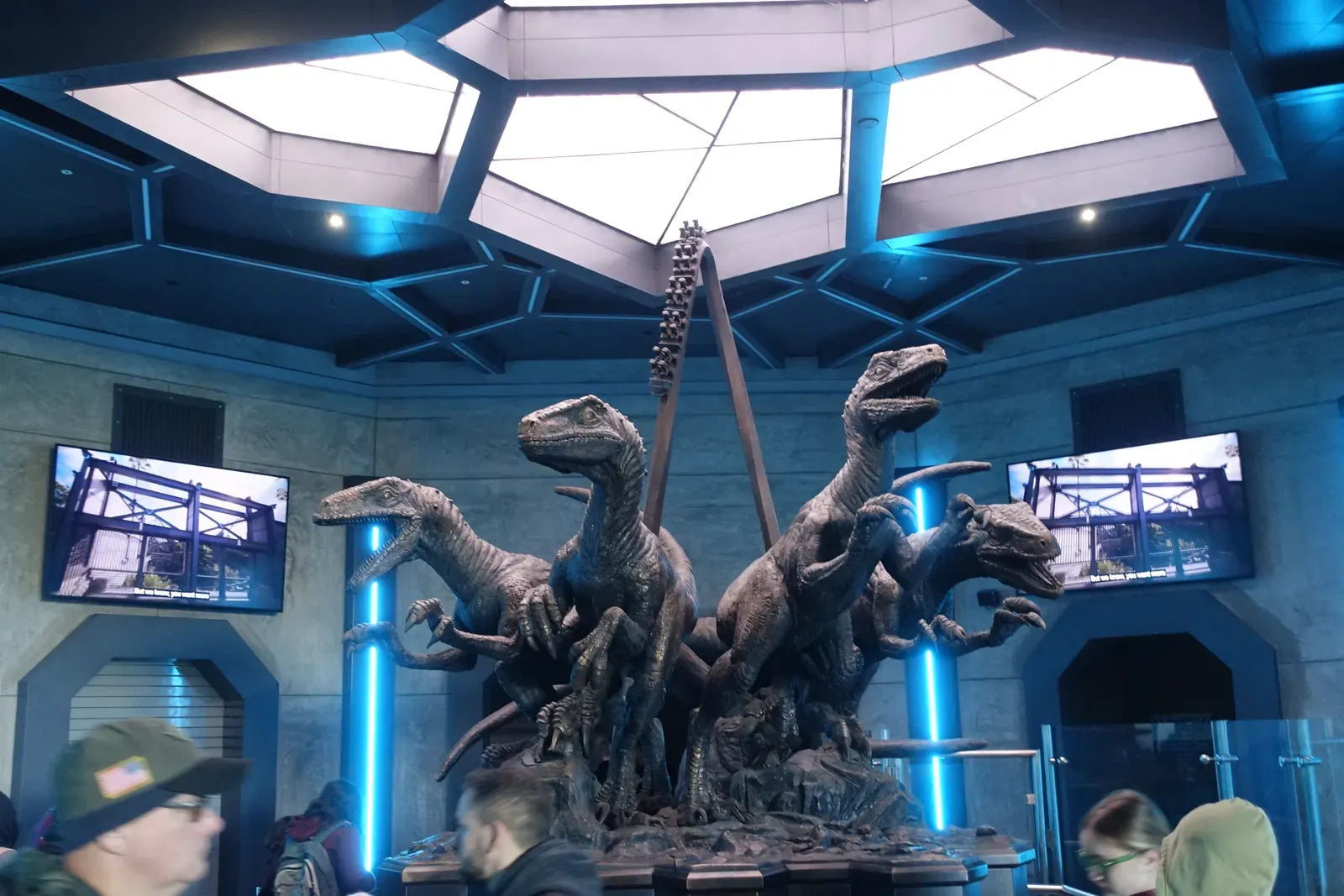
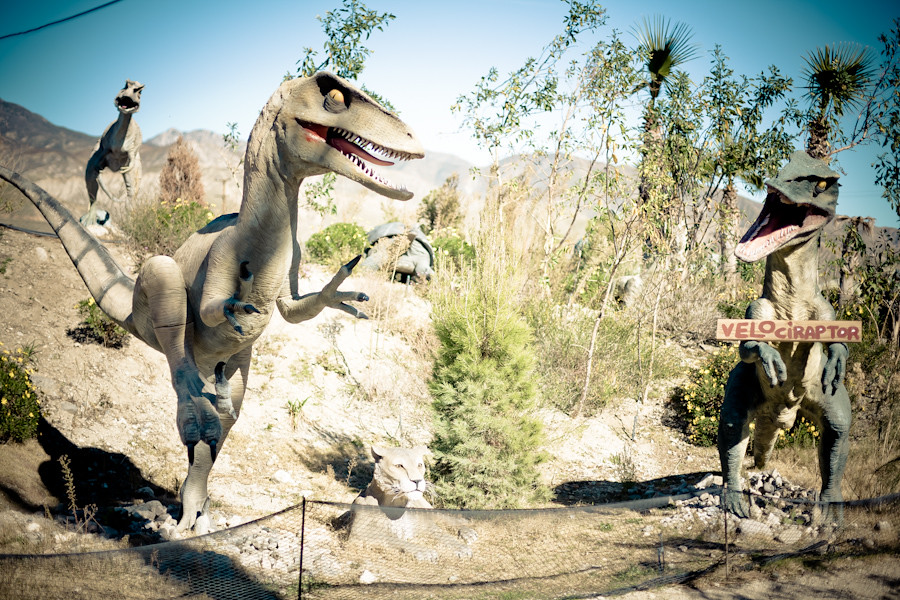
If you put the real Velociraptor and its movie counterpart side by side, the first feeling you’d probably have is disbelief. The animal described in paleontology papers was roughly turkey-sized, light, and agile, while the film version is a two‑meter-tall nightmare built like a scaly, murderous linebacker. In everyday terms, it’s like calling a golden retriever a lion because it sounds cooler on the poster.
The name mismatch is not an innocent slip; it reshaped public understanding of the species. Jurassic Park drew design inspiration from a much larger relative, something closer to Deinonychus or Utahraptor, and then slapped the shorter, punchier name “Velociraptor” on top. That branding decision turned a modest, feathery predator into a cinematic apex monster and trapped the real animal, unfairly, in its shadow.
Size Matters: From Turkey-Sized Predator to Man-Sized Monster
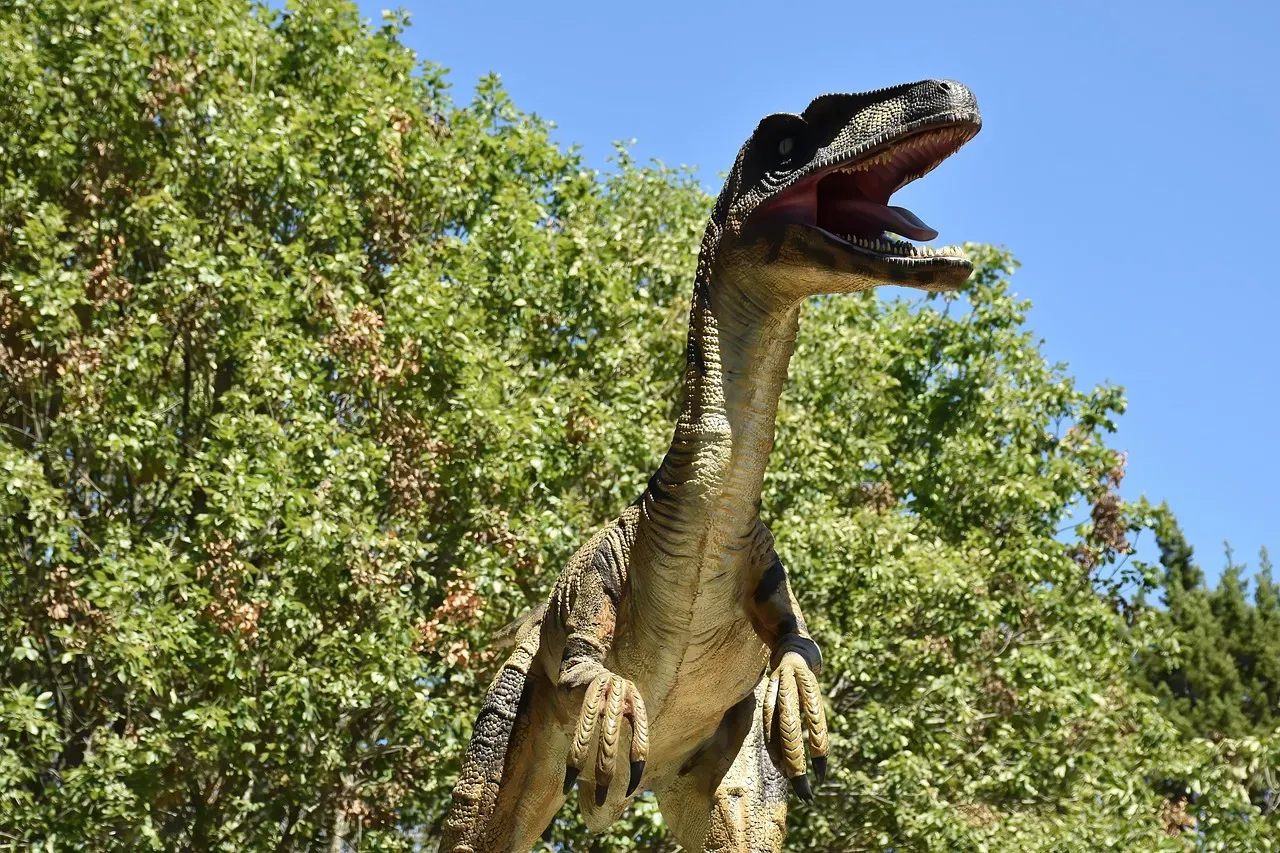
In reality, Velociraptor was closer in size to a big bird you might actually see in a park, not something that could stare you in the eyes and open doors. It stood about knee‑high to an adult human, with a long tail but a relatively slim body, designed more for agility than intimidation. The movie raptor, by contrast, towers over people, its head level with a person’s chest or shoulders, all coiled power and bared teeth.
That scale jump has a huge emotional effect. A turkey‑sized predator is dangerous, absolutely, but it does not trigger the same primal horror as a human‑sized hunter moving through dark corridors. By stretching the animal’s size, the film wasn’t just dramatizing; it was rewriting biology into myth, the way legends once turned wolves into supernatural beasts of the forest. After a few decades of repetition, the larger‑than‑life version simply became “what a Velociraptor is” in the public imagination.
Feathers, Scales, and the Fashion Crisis of the Jurassic Park Raptor
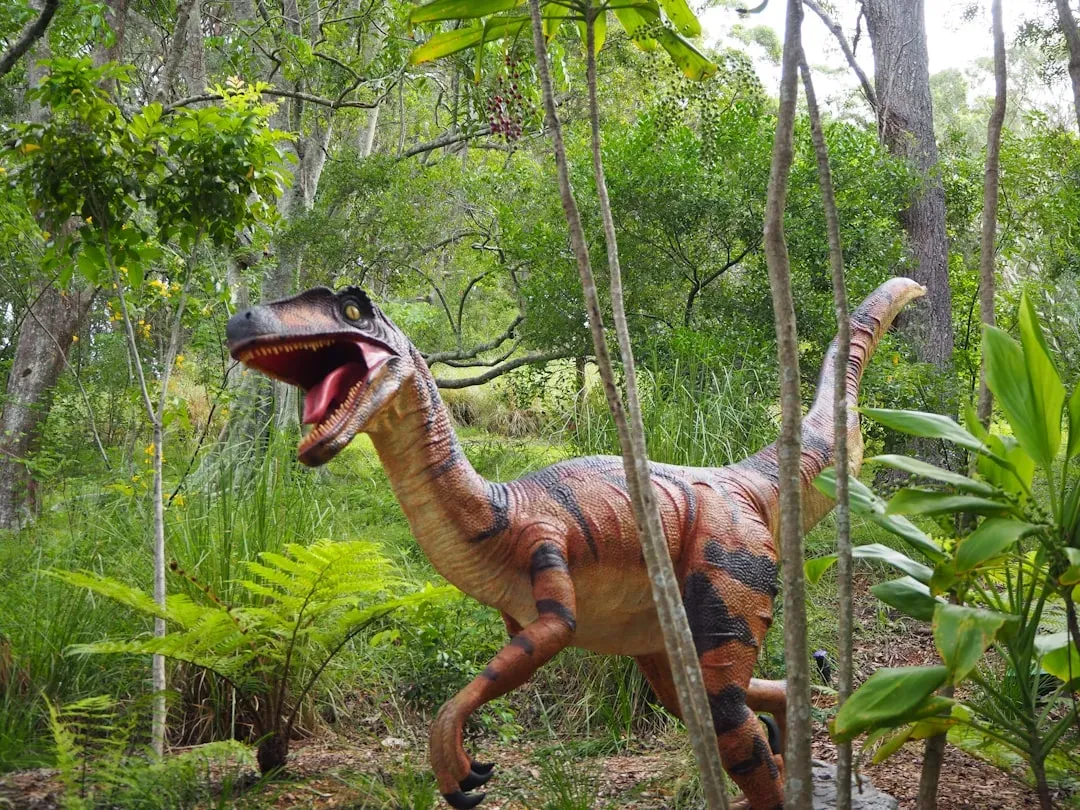
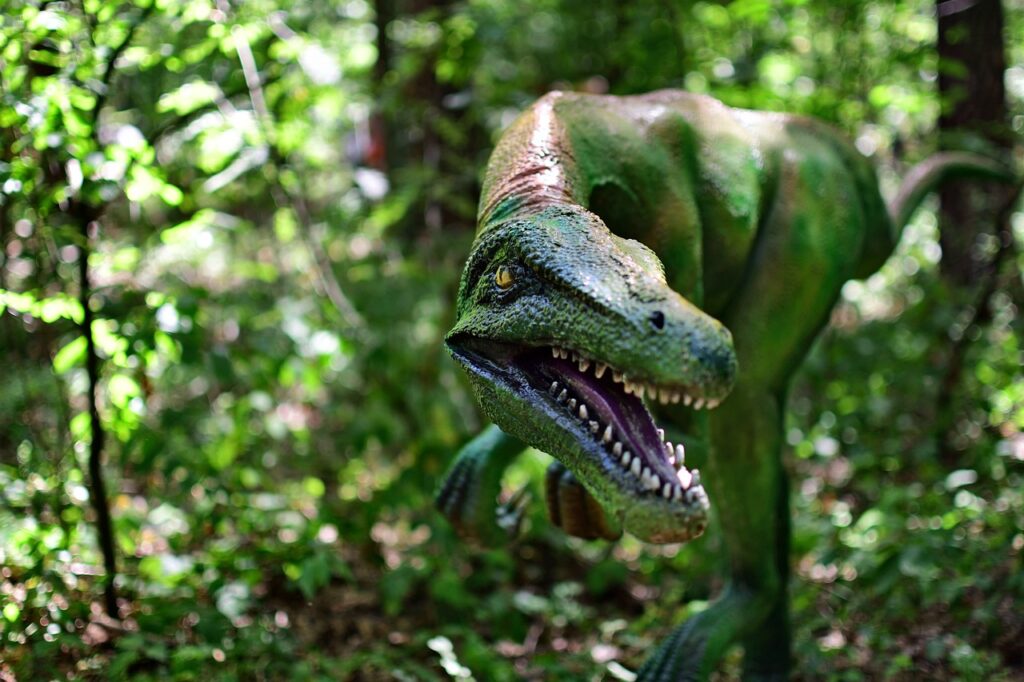
One of the biggest scientific clashes is also the most visible: feathers. Actual Velociraptor almost certainly had a coating of feathers, with evidence of quill knobs on its bones that strongly suggests a feathery covering. The movie raptor, especially in its early incarnations, is a smooth, scaly reptilian killer, more crocodile than bird, designed to look like a classic movie monster rather than a weird, lethal bird on legs.
This matters because feathers change everything about how we emotionally relate to the animal. A feathered predator feels uncanny and alien, like a hawk scaled up and turned loose on the ground. The movie version, stripped of feathers, looks like a sleek prehistoric lizard, tapping into older expectations of what dinosaurs “should” look like. As a result, the Jurassic Park raptor did not just diverge from reality; it helped delay public acceptance of feathered dinosaurs by making the unfeathered look feel more “correct” and cinematic.
Intelligence and Door Handles: From Smart Predator to Evil Genius
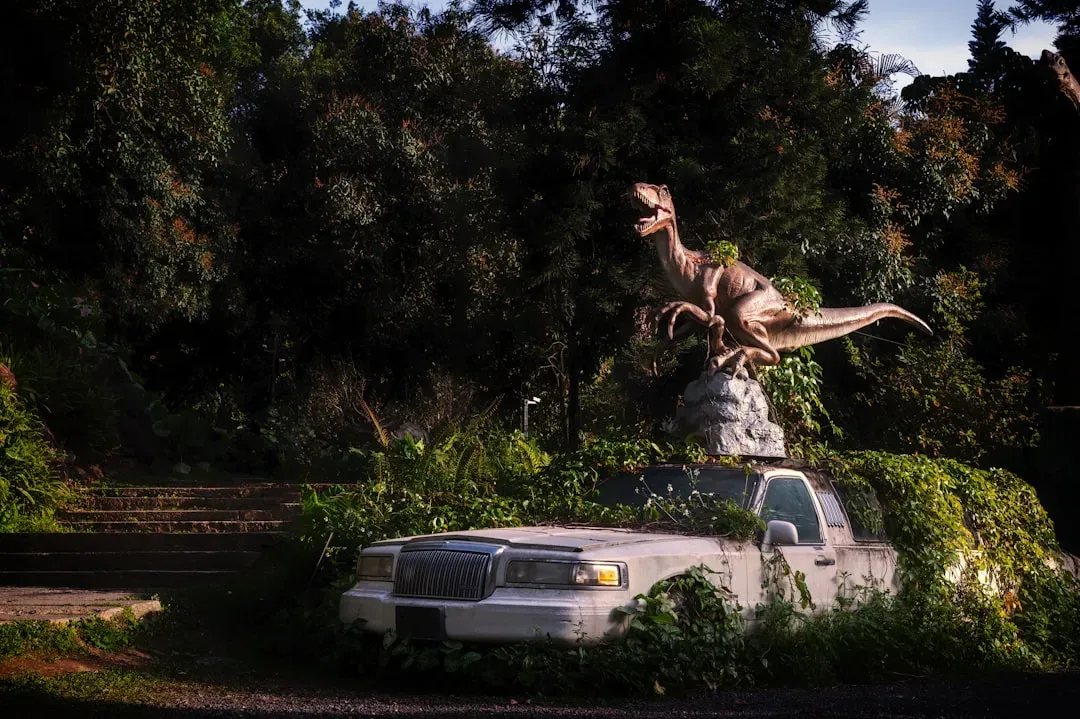
There is decent evidence that dromaeosaurs, the broader group Velociraptor belongs to, were relatively intelligent compared with many other dinosaurs. Braincase studies and body proportions suggest an alert, curious, problem‑solving predator – smart, but still an animal. Jurassic Park took that seed of truth and grew a whole science‑fiction forest from it, turning its raptors into door‑opening, trap‑setting villains that seem one step away from using walkie‑talkies.
That leap is fun, but it pushes the movie raptor way past anything supported by fossil evidence. These creatures are framed as near‑human masterminds, testing electric fences, coordinating ambushes with almost military precision, and staring at characters with unnerving, calculating awareness. At that point, we’re no longer talking about a clever dinosaur; we’re dealing with a movie monster that exists to embody our fear of being outsmarted by the natural world. It is less Velociraptor mongoliensis and more a cinematic demon that happens to have claws.
Pack Hunters, Social Strategists, or Just Our Projections?
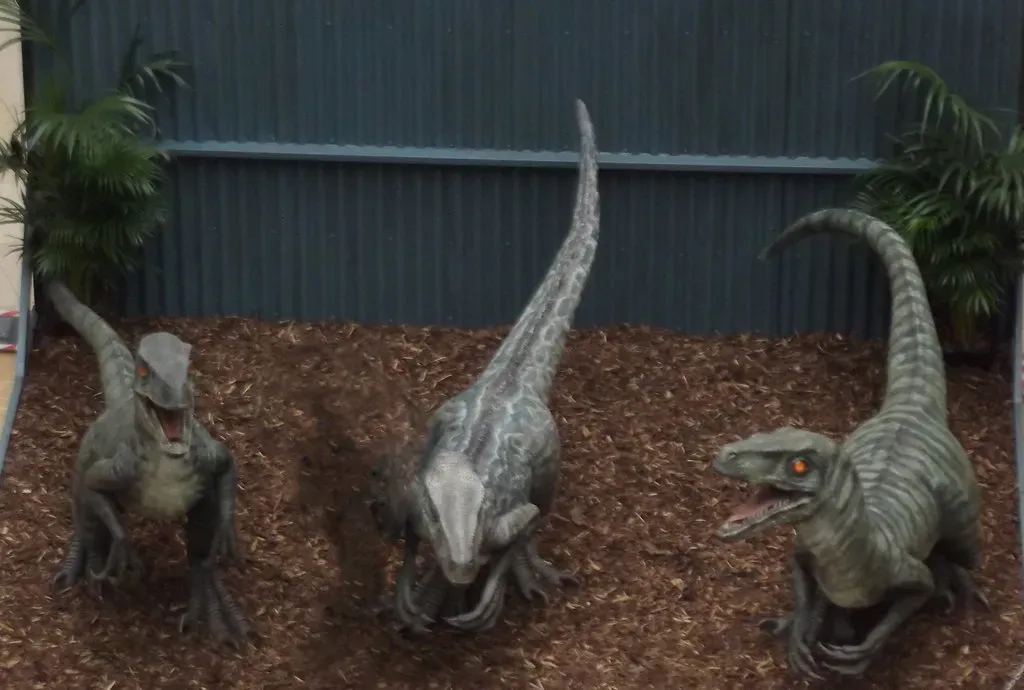
The image of coordinated pack‑hunting raptors is so ingrained that it feels like a historical fact, but the fossil record is frustratingly quiet on that front. Some trackways and bonebeds hint that certain dromaeosaurs may have lived or at least died together, yet scientists still debate whether that means organized pack hunting or something more opportunistic, like several solitary predators converging on the same food source. The evidence is intriguing but far from definitive.
The film did not hesitate to skip that nuance, turning its Velociraptors into military‑grade tacticians with flanking maneuvers, decoys, and complex communication. That choice made them unforgettable on screen, but it also wrote an entire social structure onto an animal we barely understand behaviorally. The “raptor pack” has become a story we tell about ourselves: that true danger is coordinated, relentless, and always thinking a step ahead, even if the fossils do not clearly back up that story.
Hybrid by Accident: How Jurassic Park’s Raptor Became a New Mythical Species
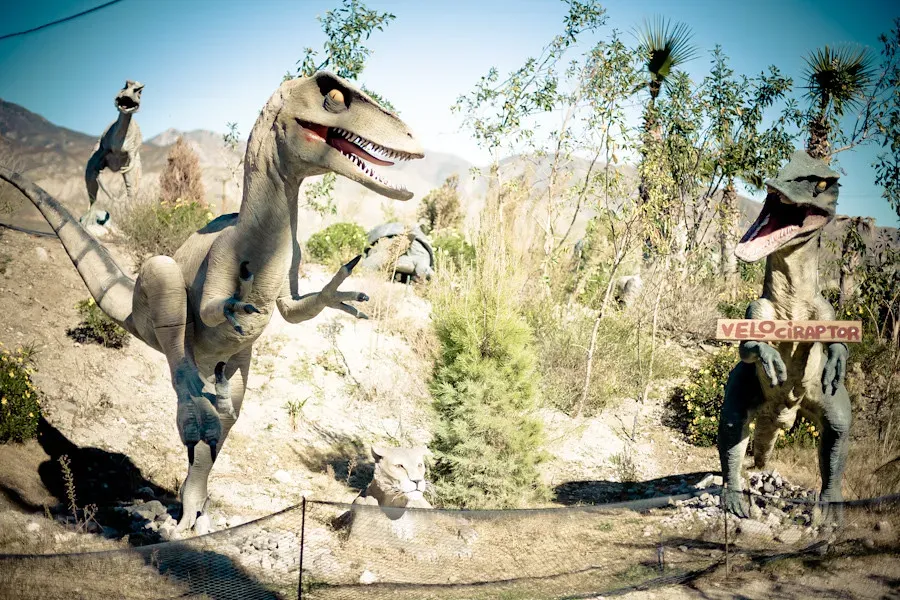
When you stack all the changes together – size, feathers, intelligence, social behavior – you end up with something that simply is not Velociraptor anymore. It is a hybrid built from bits of Deinonychus, Utahraptor, artistic license, and pure narrative need. Over time, that hybrid has grown so distinct that treating it as the same animal as the fossil species almost feels dishonest. We are dealing with a creature that was imported from paleontology, heavily edited, and re‑exported as pop‑culture canon.
At this point, the Jurassic Park raptor functions like a separate creature in the same way that dragons are separate from real lizards. It has its own shared look, its own behaviors, its own “lore” that fans recognize instantly, no fossils required. It shows up across games, comics, toys, fan art, and memes as the archetypal super‑raptor, passing from generation to generation as a modern monster legend. Crucially, people react to it emotionally as a character, not as a scientific reconstruction, which is exactly how mythology works.
The Raptor Effect: How a Wrong Dinosaur Rewired Our View of Prehistory
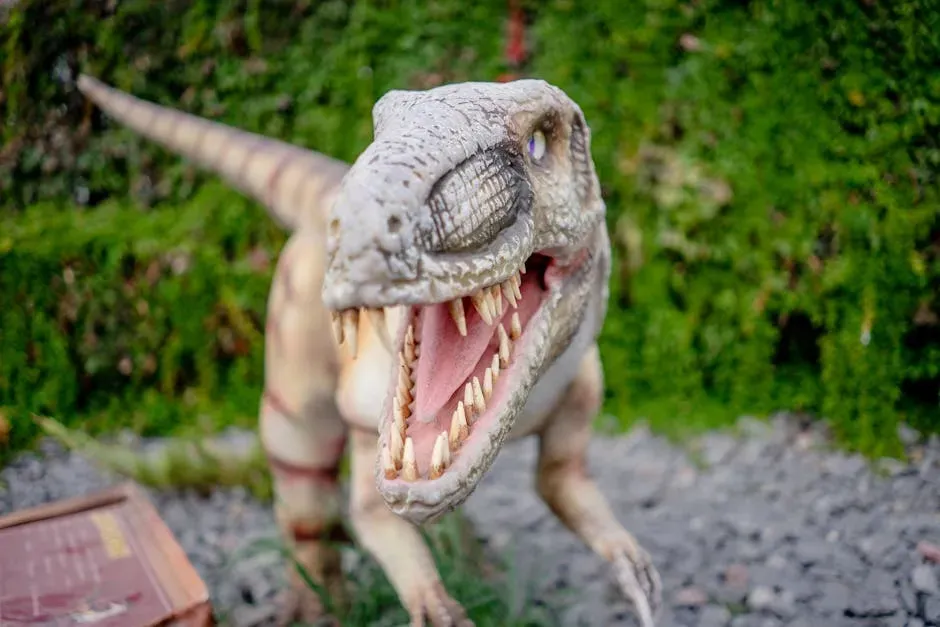
Despite being wrong on so many scientific levels, the Jurassic Park Velociraptor completely changed how people think about dinosaurs. Before it, many still imagined slow, lumbering reptiles dragging their tails through swamps. After it, even casual viewers started to see dinosaurs as fast, dynamic, terrifyingly alive creatures, more like big birds than oversized crocodiles. That cultural shift, ironically, brought public perception closer to modern science, even while the specific raptor design stayed inaccurate.
There is also a generational imprint here that I’ve seen firsthand. I’ve met plenty of people whose childhood fear of raptors turned into a lifelong fascination with paleontology. They’ll admit the movie was wrong, but they still love that wrongness because it was their gateway drug to real science. In that sense, the fictional raptor became a bridge: a monster that led people to the fossils it only loosely resembles, like a flashy movie trailer for a much slower, but deeper, documentary called reality.
Conclusion: The Velociraptor We Deserved, Not the One Nature Gave Us
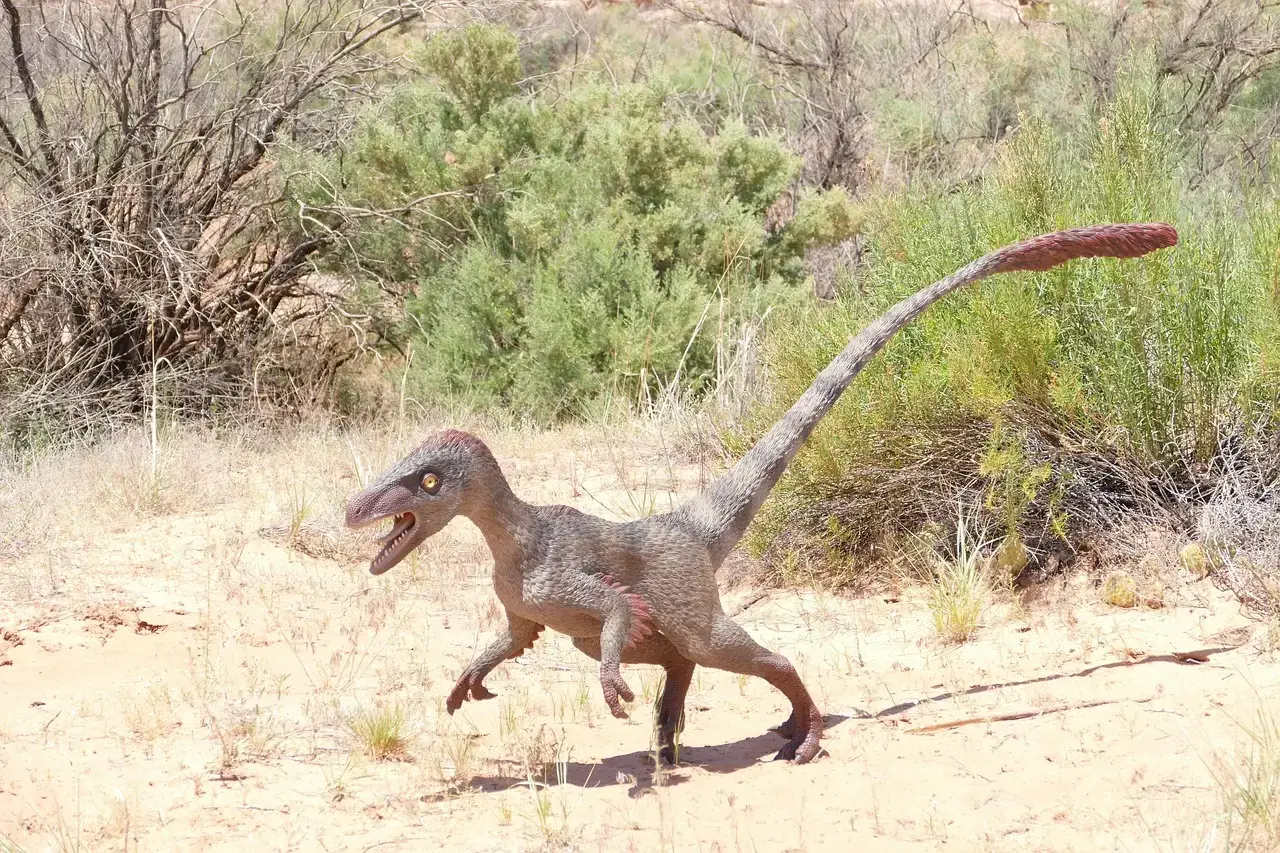
When you take a step back, the verdict is pretty clear: the Jurassic Park Velociraptor fails as a faithful reconstruction but succeeds spectacularly as a piece of modern mythology. It is too big, too smooth, too smart, and too coordinated to match the real Velociraptor, yet it has carved out a permanent place in our shared imagination. In a strange way, the movie did not just misrepresent a dinosaur; it accidentally created a new monster species that lives entirely in stories, screens, and plastic toys.
Personally, I think that’s both a problem and a gift. It is a problem because many people still walk around believing the movie version is how things really were, and that blurs the line between entertainment and science. But it’s also a gift because this fictional raptor has pulled countless curious minds toward the truth hiding in the rocks. Maybe the fairest way to see it is this: the Jurassic Park raptor is not Velociraptor at all – it is our fear, our wonder, and our love of dinosaurs stitched into one loud, impossible animal. Knowing that, which raptor are you going to picture the next time someone says the name – fossil or myth?