Have you ever wondered what stories lie hidden in the darkness, preserved for hundreds of thousands of years beneath the earth? Scattered across continents, deep within mountains and along forgotten coastlines, ancient caves hold extraordinary evidence of who we once were. These underground chambers have sheltered our ancestors, captured their artistic visions, and frozen moments from a time when survival itself was an act of creativity. What makes these places even more fascinating is how recently we’ve begun to truly understand them. The secrets they contain are rewriting what we thought we knew about early human life, intelligence, and culture.
Wonderwerk Cave: The World’s Oldest Home
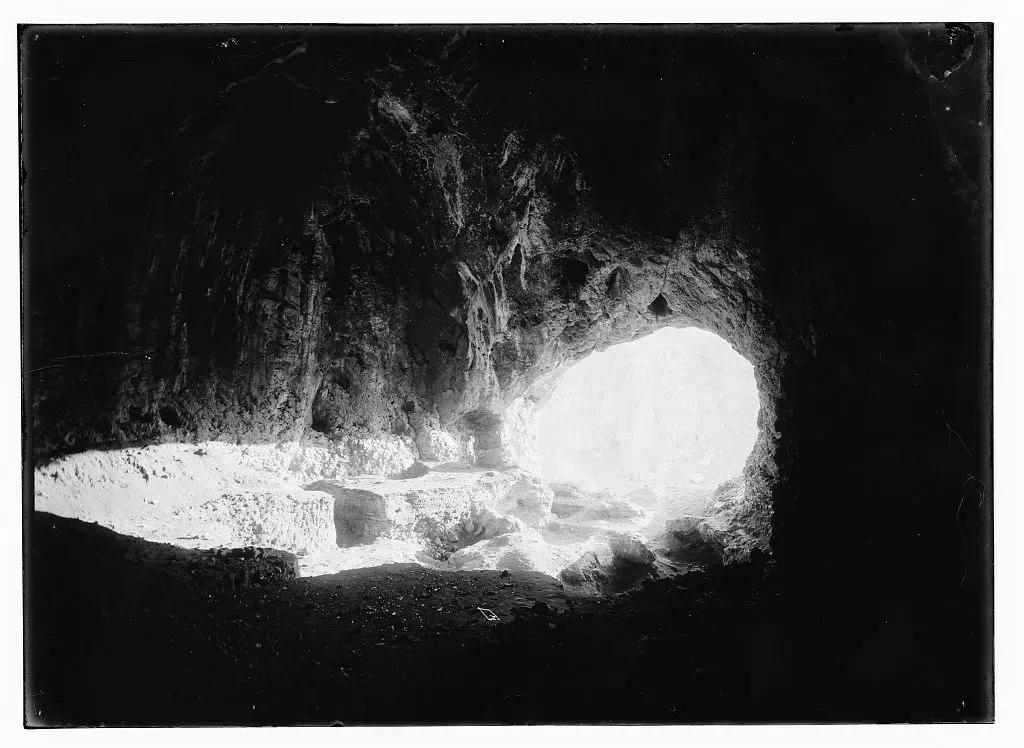
Wonderwerk Cave in South Africa’s Kalahari Desert has been identified as the world’s oldest home, occupied by humans some two million years ago. Think about that for a moment. While you’re reading this on a device that didn’t exist a few decades ago, early human ancestors were making this cave their dwelling place when the planet looked entirely different.
Researchers confirmed that human ancestors were making simple Oldowan stone tools inside Wonderwerk Cave around one point eight million years ago. Even more impressive, the cave contains the first evidence of early humans using fire, some one million years ago. The evidence was found deep enough inside the cave that it couldn’t have been brought there by wildfire, proving intentional use by humans.
The Sterkfontein Caves and the Cradle of Humankind
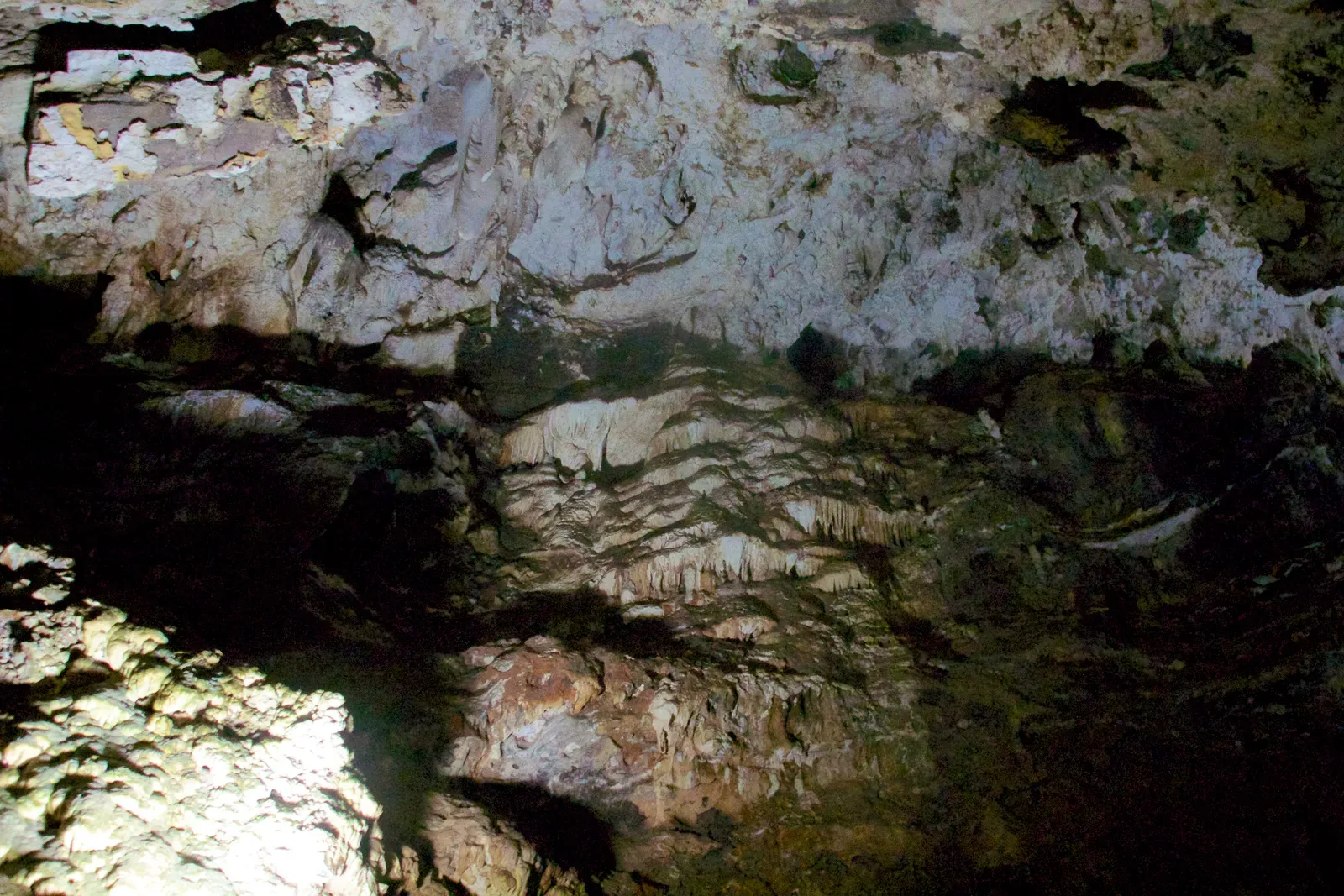
The Sterkfontein Caves, boasting a remarkable history of more than two point six million years, are near Johannesburg in South Africa and are renowned for their significant contribution to paleoanthropology. This isn’t just another archaeological site. It’s literally where some of the most important pieces of the human evolutionary puzzle were found.
The caves revealed crucial insights into human evolution, including the discovery of the famous fossil Mrs Ples and Little Foot, estimated to be approximately three point six seven million years old. Let’s be real, finding fossils this ancient challenges everything about how we perceive time and our place in natural history. These limestone caves have yielded numerous fossils of early hominids, making them invaluable to understanding where we came from.
The Remarkable Hand Stencils of Indonesia
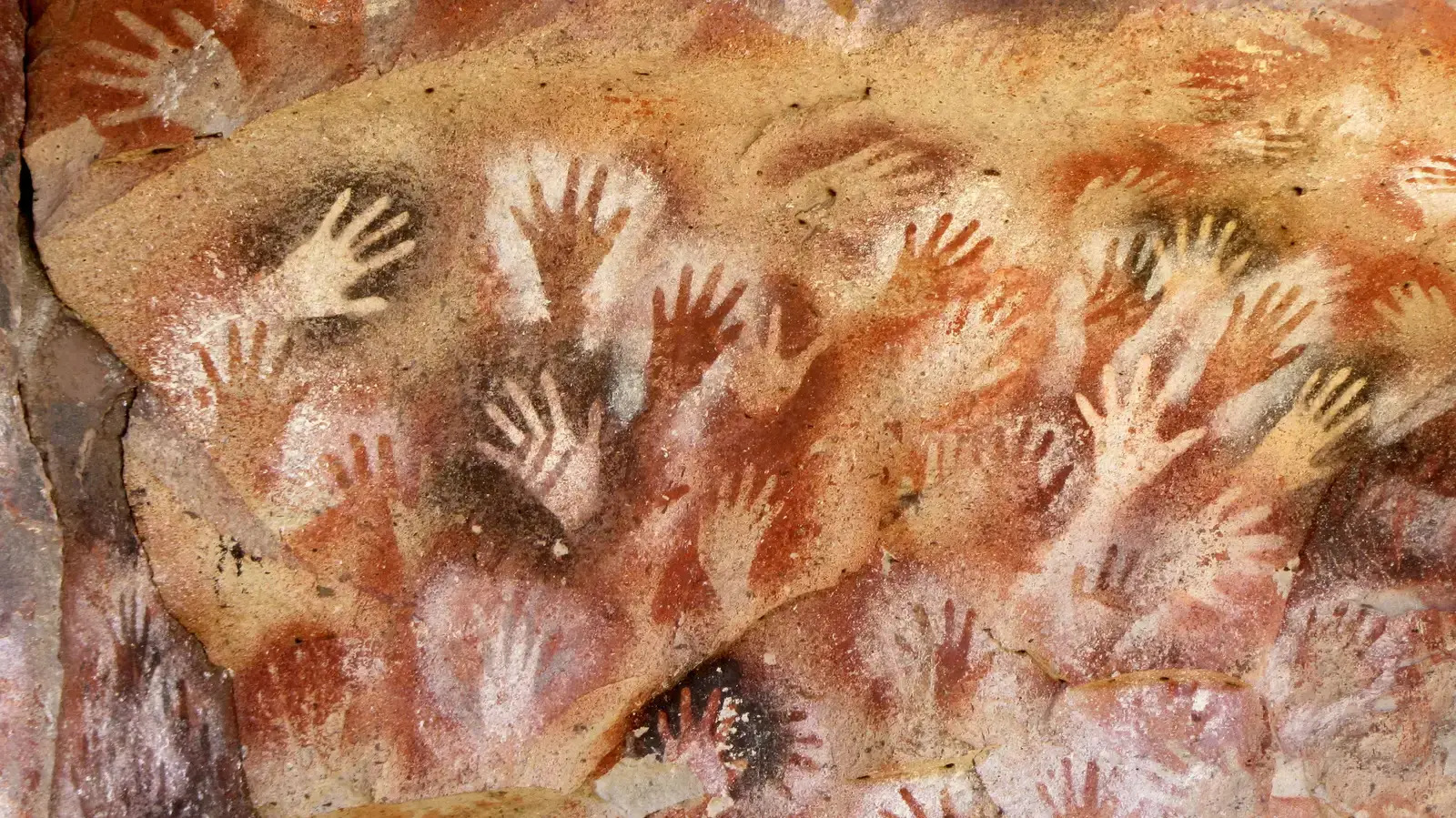
Here’s something that genuinely surprised researchers. Archaeologists found that handprints stencilled on limestone caves on the Indonesian island of Muna could be up to sixty seven thousand eight hundred years old, making them the oldest known paintings in the world. Imagine standing in front of a cave wall and seeing the outline of a hand pressed there by someone who lived nearly seventy millennia ago.
The tan-coloured drawings were made by blowing pigment over hands placed against the cave walls, leaving an outline. The tips of the fingers were carefully reshaped to make them appear pointed. Why would they do this? We can only speculate, yet this artistic choice reveals something profound about the cognitive abilities and creative expression of our earliest ancestors.
Neanderthals Were Artists Too
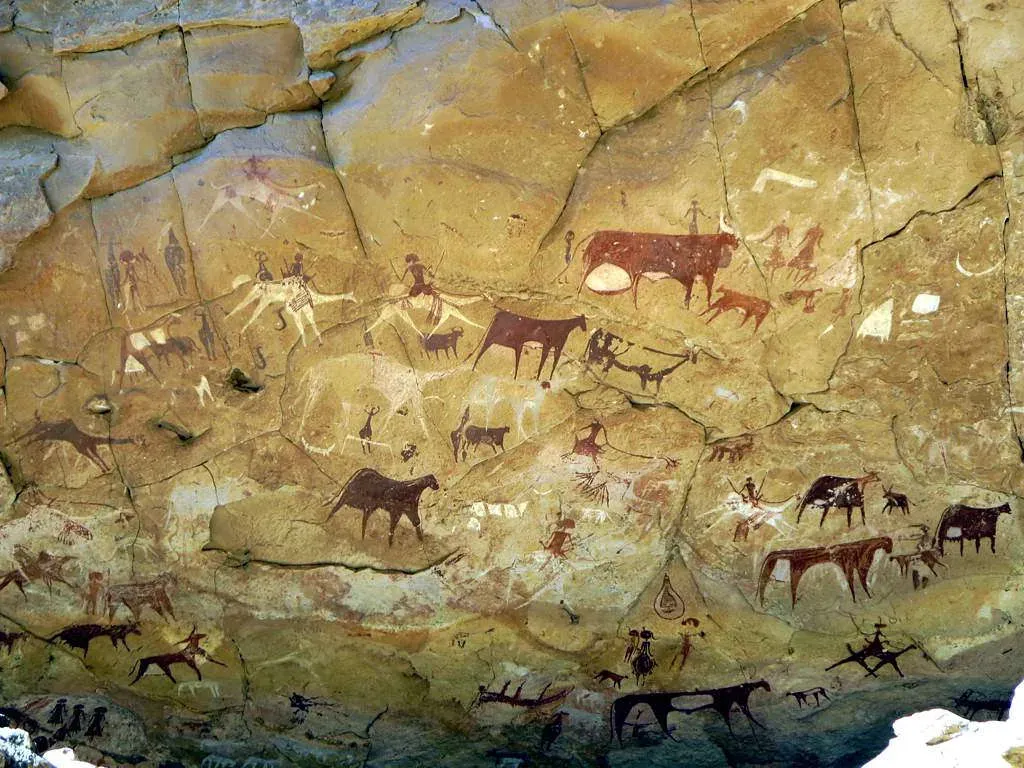
In 2018, researchers announced the discovery of the oldest known cave paintings, made by Neanderthals at least sixty four thousand years ago, in the Spanish caves of La Pasiega, Maltravieso and Ardales. For decades, we assumed Neanderthals were cognitively inferior. Turns out, that assumption was completely wrong.
Archaeologists who study these caves have discovered drawings of ladder-like lines, hand stencils and a stalagmite structure decorated with ochre. Even more intriguing, perforated seashell beads and pigments found at Cueva de los Aviones in southeastern Spain are at least one hundred fifteen thousand years old, representing the oldest such objects of personal ornamentation known anywhere in the world. These discoveries force us to reconsider the divide between modern humans and Neanderthals.
Greece’s Theopetra Cave: A Window Into Continuous Habitation
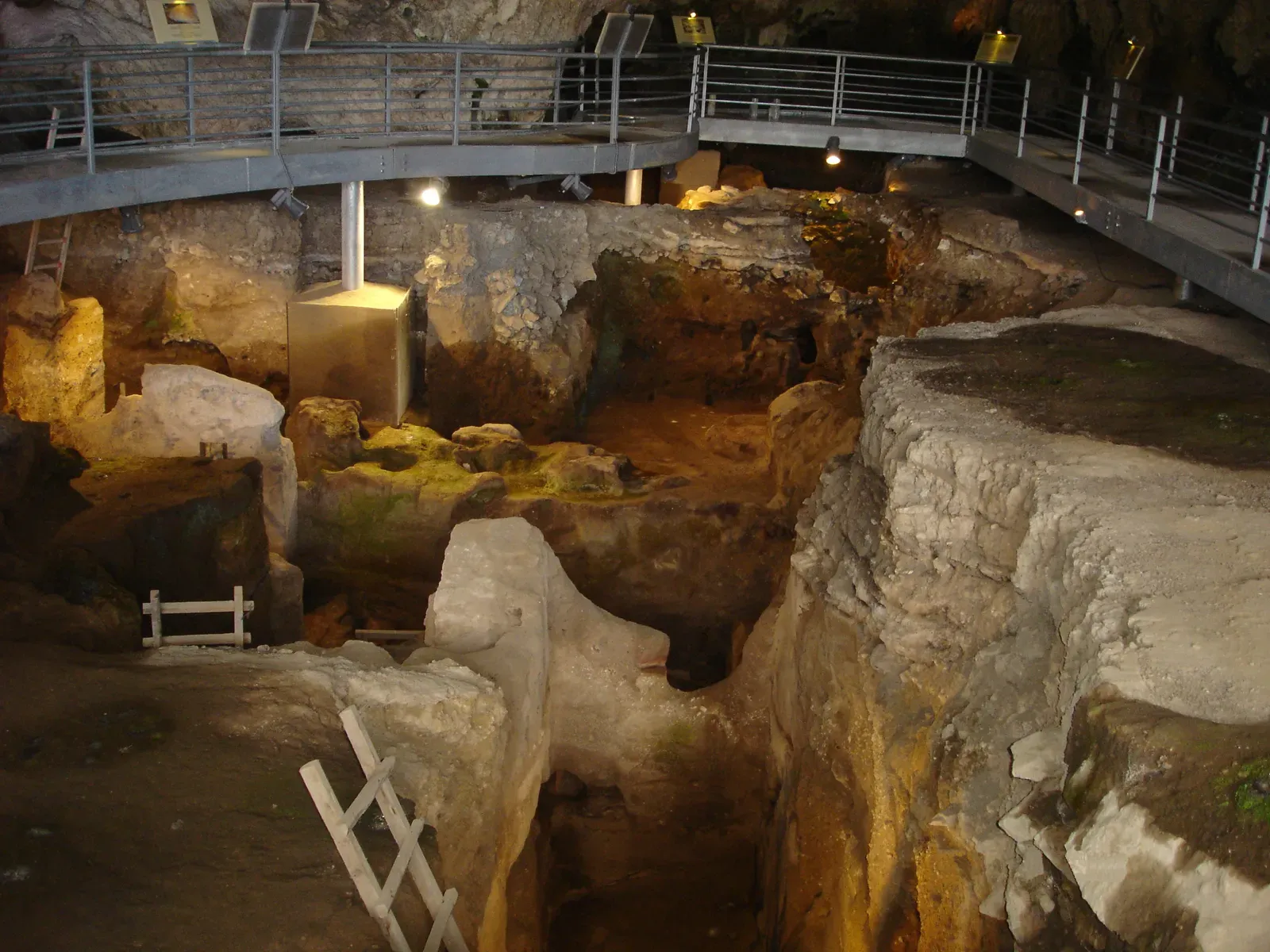
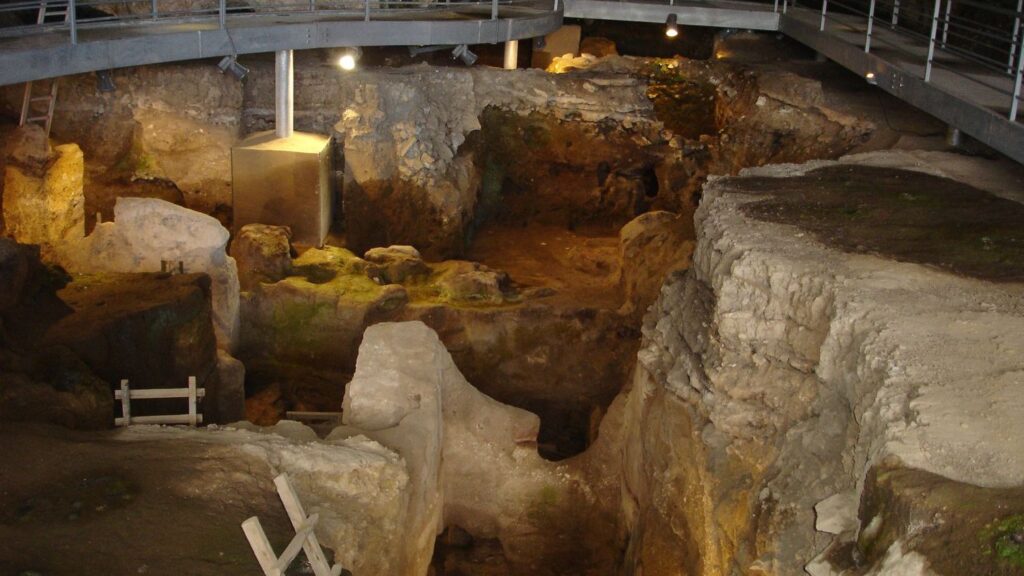
Theopetra Cave, located in the Meteora limestone rock formations of Thessaly, Central Greece, was inhabited as early as one hundred thirty thousand years ago, making it the site of the earliest human construction on Earth. Archaeological digs revealed the cave had been continually occupied during the Middle and Upper Palaeolithic, Mesolithic, and Neolithic time periods.
A stone wall in the cave, dated to roughly twenty three thousand years old and corresponding to the last glacial epoch, is claimed to be the oldest known man-made structure in Greece, and possibly even in the world. It’s hard to say for sure, but researchers believe the cave’s residents may have built it to keep out the cold during the ice age. Simple, practical, and utterly human.
Atapuerca and the Pit of Bones
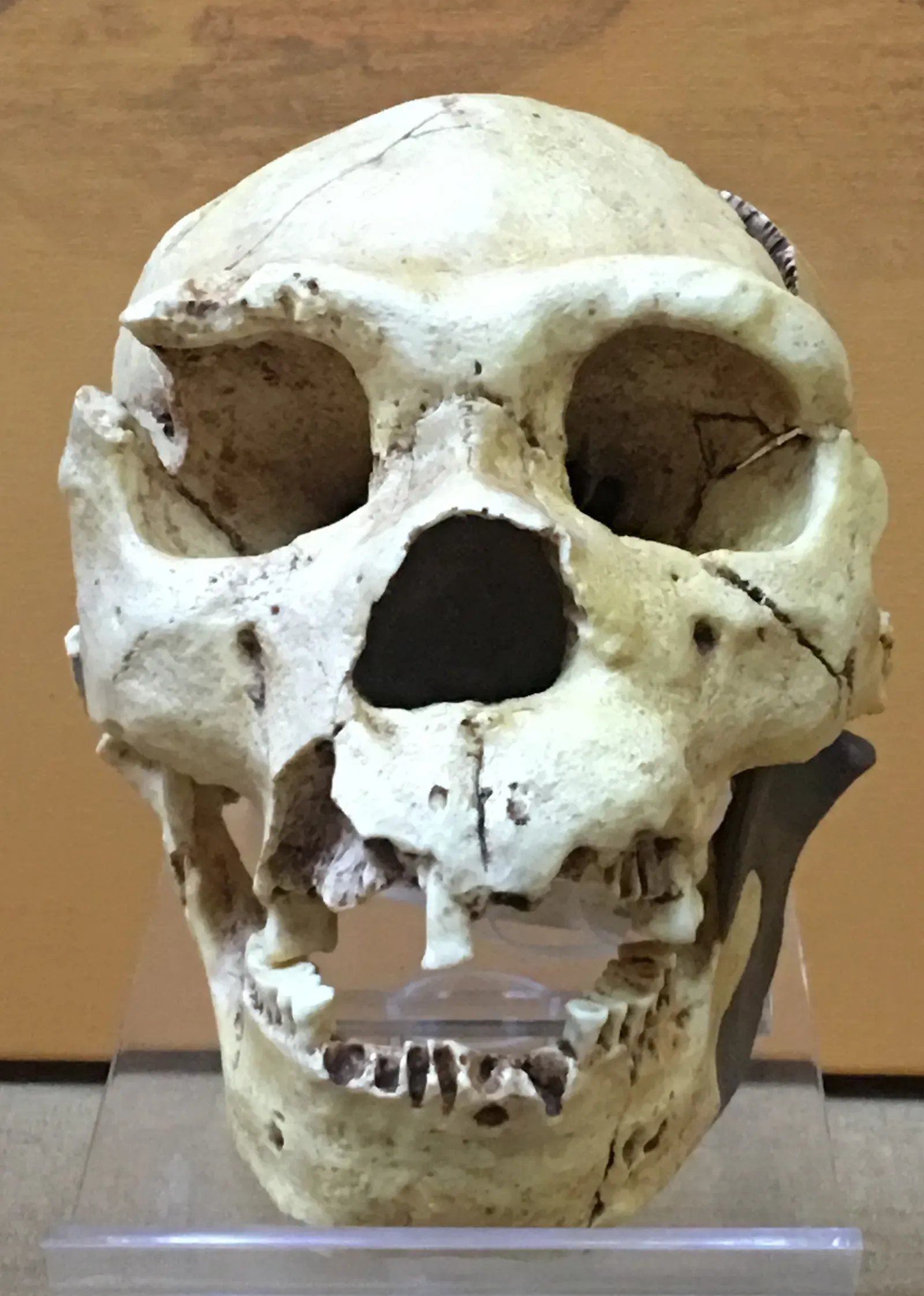
The significance of Atapuerca in Spain was fully realized when a student discovered a human jawbone in 1976, revealing early human remains ranging from Homo erectus to Homo antecessor. Located at the foot of a high chimney reached through the Cueva Mayor cave system, the fossils of bears, wolves, and lions had a minimum age of three hundred fifty thousand years, and among them were remains of about thirty skeletons of Homo heidelbergensis, a direct ancestor of the Neanderthals.
At the Gran Dolina cave site, archaeologists found bones of six human ancestors mixed with stone tools and the remains of deer, bison and rhinoceros, with fossils dating back seven hundred eighty thousand years that may be early evidence of cannibalism among human ancestors. The human bones bore unmistakable traces of butchery, matching patterns seen on nearby animal bones.
Cave Art and the Birth of Human Expression
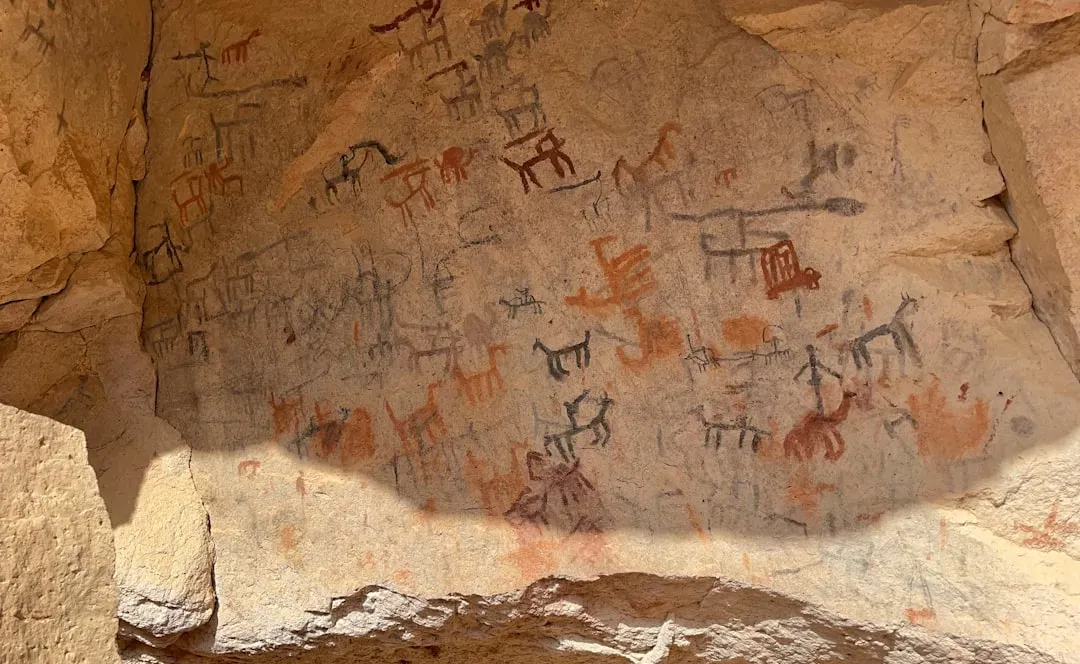
Images painted, drawn or carved onto rocks and cave walls reflect one of humans’ earliest forms of communication, with possible connections to language development. The earliest known images often appear abstract and may have been symbolic, while later ones depicted animals, people and hybrid figures that perhaps carried some kind of spiritual significance.
Cave art is generally considered to have a symbolic or religious function, sometimes both, and some experts think they may have been created within the framework of shamanic beliefs and practices. We’ll never know the full story behind why prehistoric people ventured deep into dark caves to leave their mark. Still, the fact that they did tells us something essential about the human spirit. We’ve always needed to create, to express, to leave something behind that says we were here.
Conclusion: What the Darkness Reveals
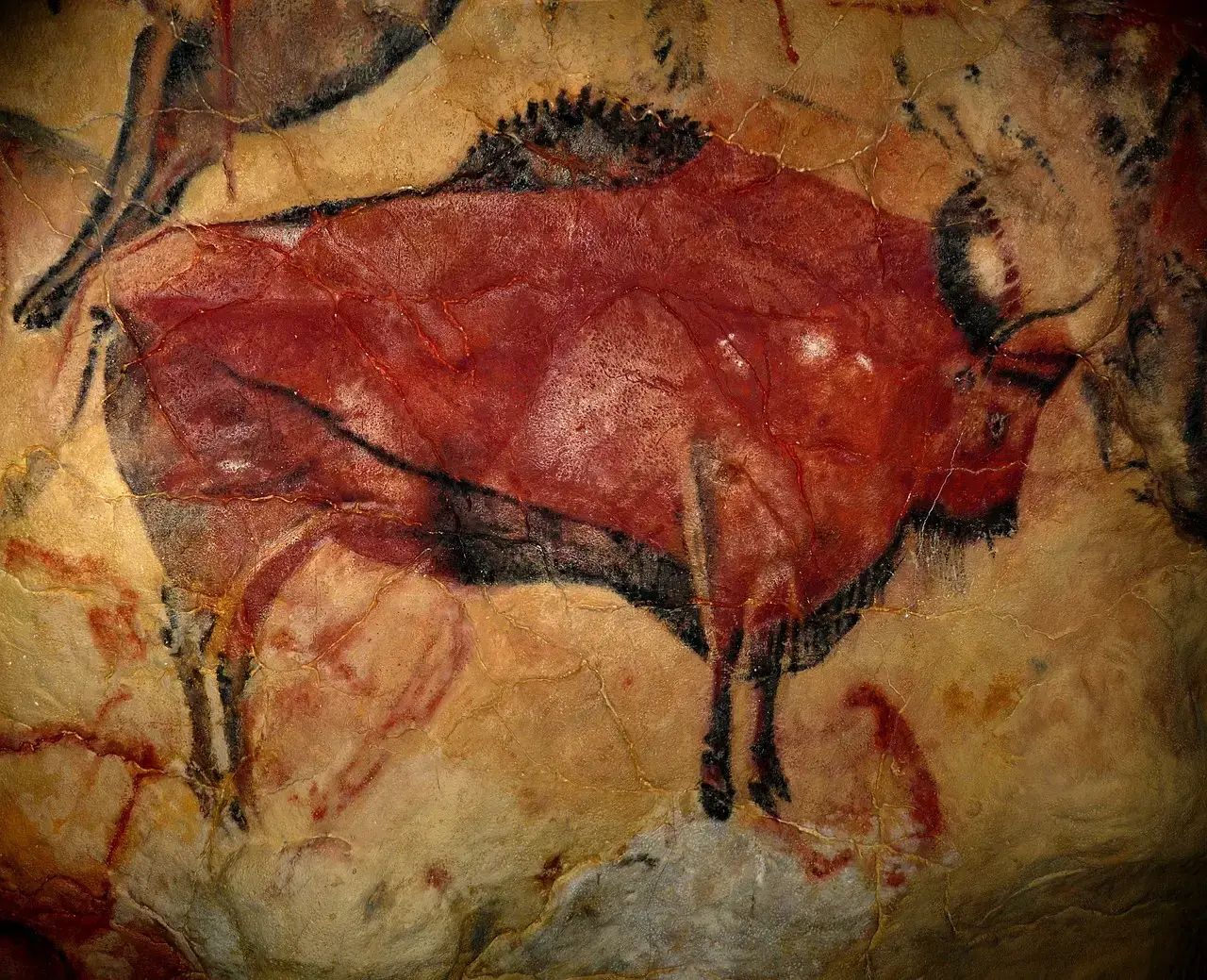
These ancient caves scattered across the globe are far more than geological formations. They’re time capsules, preserving the earliest evidence of human creativity, resilience, and complexity. From the handprints in Indonesia to the stone tools in Wonderwerk, from Neanderthal art in Spain to the continuous habitation of Theopetra, each discovery adds another layer to our understanding of who we are and where we came from.
The most remarkable thing? We’re still uncovering new secrets. With every expedition, every new dating technique, every careful excavation, we’re peeling back another layer of mystery. What will the next discovery reveal? What do you think our ancestors were trying to tell us through their art and tools? The story is far from over, and honestly, that’s what makes it so thrilling.