When you think about prehistoric survival, your mind probably jumps to massive predators and their unfortunate prey. It’s easy to imagine helpless creatures getting crushed by overwhelming force. Yet evolution had other plans entirely.
The ancient world was a brutal testing ground where only the most inventive survived. We’re not talking about simple fight or flight responses here. These animals developed defenses so outrageous, so borderline ridiculous, that they seem ripped from a fever dream. Their strategies were extreme because the threats they faced were equally monstrous. Let’s be real, when you’re sharing your neighborhood with creatures the size of buses sporting teeth like daggers, normal just won’t cut it.
Hallucigenia: The Spiky Nightmare That Confused Scientists
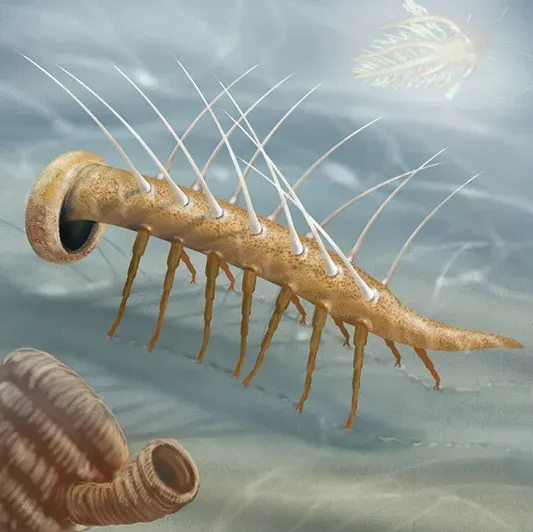
Picture an organism so bizarre that scientists initially couldn’t figure out which side was up, sporting long spines on its back and multiple leg-like appendages that gave it an alien-like appearance. These spines served as a formidable defense mechanism against predators, creating a nearly impenetrable barrier around its tiny body. This creature lived during the Cambrian period, roughly half a billion years ago, when life was just starting to experiment with truly wild body plans.
Honestly, Hallucigenia looks like something a child would draw if you asked them to create the weirdest animal possible. Though small, its appearance was enough to make it a nightmare for any creature of its time. The sheer density of protective spikes meant predators had nowhere safe to bite, turning this miniature oddity into an untouchable morsel in the ancient seas.
Spicomellus: The Punk Rocker of Dinosaurs
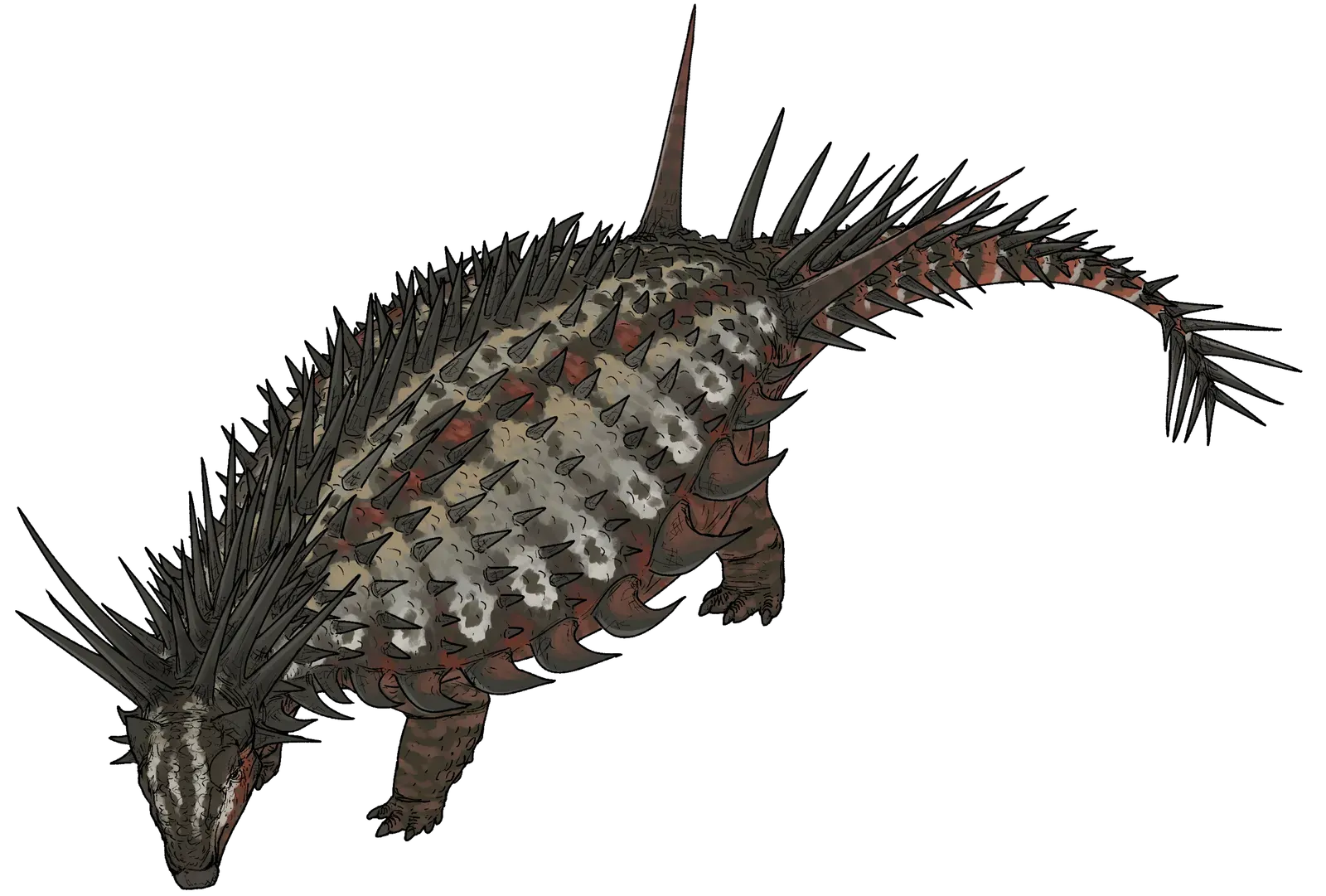
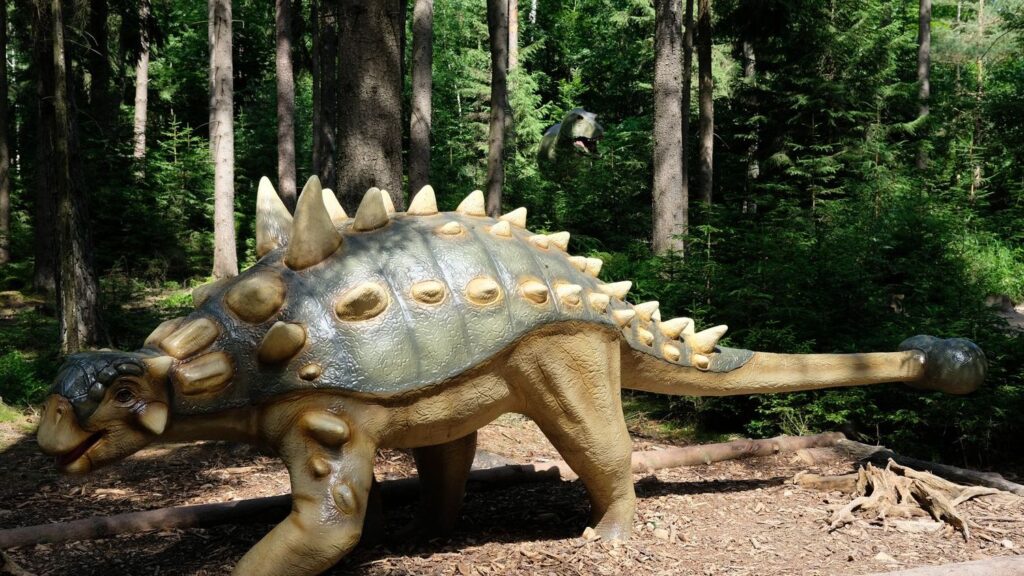
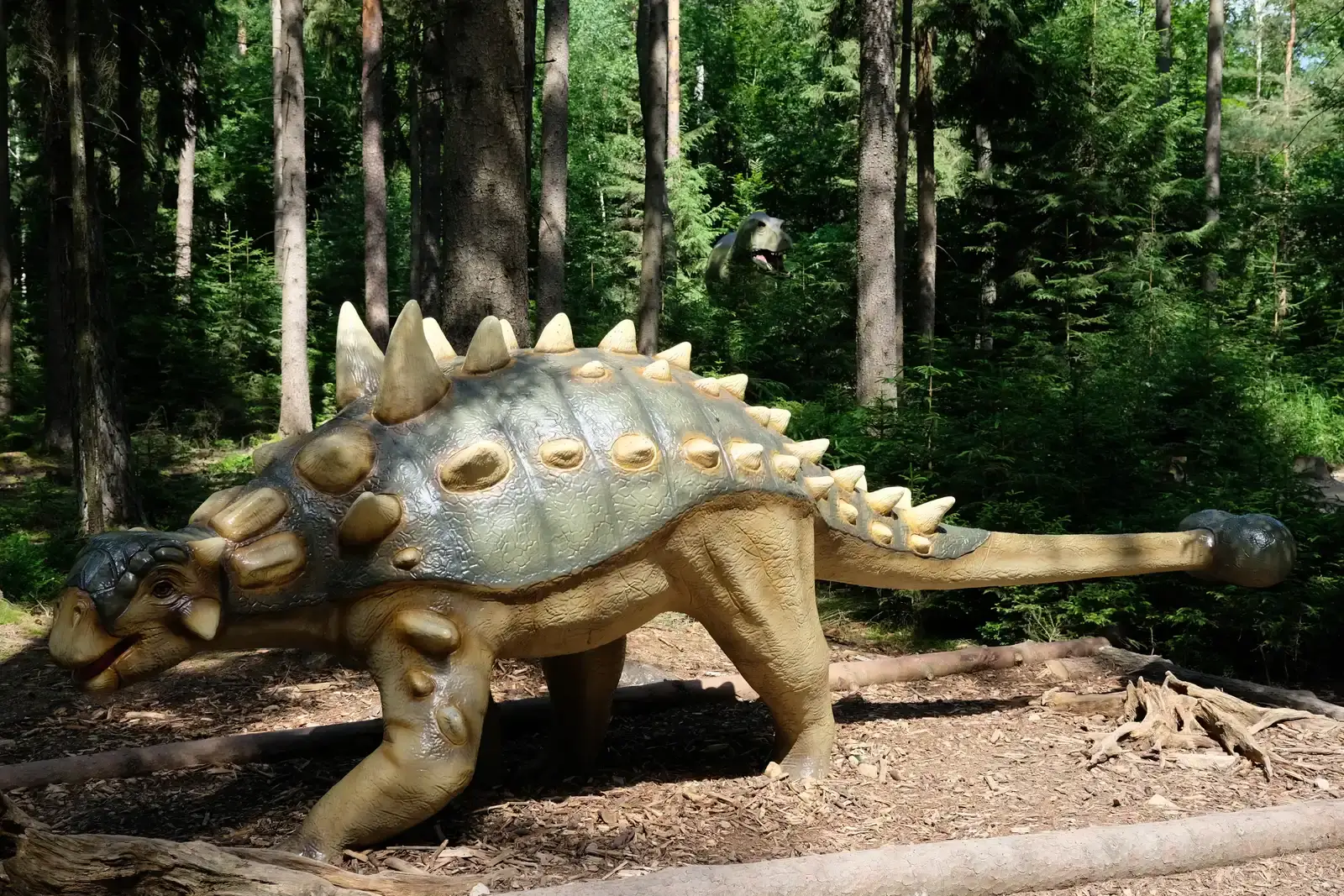
This ancient beast from Morocco, dating back roughly 165 million years, bristled with meter-long spikes jutting from its neck like a prehistoric punk rocker. The ribs were lined with fused spikes projecting outward, a feature never witnessed before in any other vertebrate, living or extinct. Think about that for a moment. Evolution basically took this creature and decided to make it the most over-the-top, spike-covered tank imaginable.
This four-legged herbivore, about the size of a small car, was much more elaborately armored than originally believed. Early ankylosaurs may have flaunted their spikes to impress mates or intimidate rivals, only later co-opting simpler armor for pure defense when predators grew larger and more dangerous. The extravagance here is staggering. We’re talking about a creature that wore its defenses like a fashion statement.
Dunkleosteus: The Armored Fish With Bone-Crushing Jaws
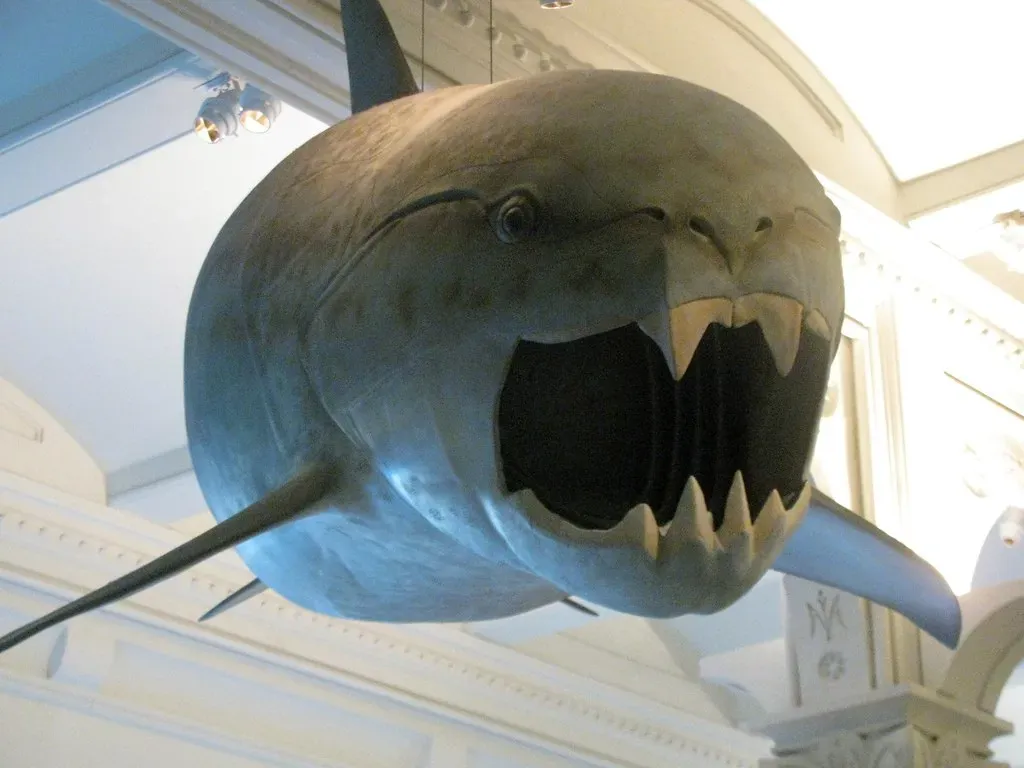
This prehistoric armored fish dominated the oceans during the Devonian period with its massive bony jaw that could shear through flesh and bone. Reaching lengths of up to 33 feet, it was a top predator, asserting dominance over other marine life. Here’s the thing though: Dunkleosteus wasn’t just about offense. Its entire head was encased in thick bony plates that functioned like medieval armor.
This fish was essentially a swimming fortress. Instead of teeth, it had razor-sharp bony plates that self-sharpened as they ground against each other. The armor covering its head could withstand attacks from virtually anything sharing its environment. No wonder it ruled the ancient seas with such authority.
Therizinosaurus: The Herbivore With Wolverine Claws
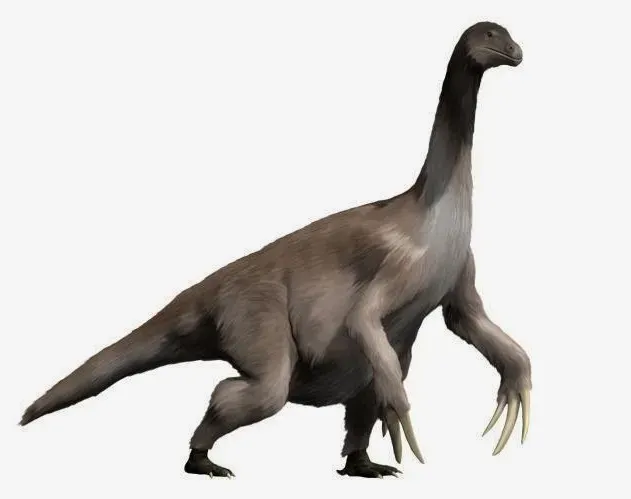
This dinosaur possessed terrifying, scythe-like claws reaching lengths of nearly three feet, which were likely used for defense and gathering vegetation during the late Cretaceous period. Imagine being a plant-eater with weaponry that could rival any predator’s arsenal. That’s the evolutionary paradox Therizinosaurus represented.
These claws weren’t just for show. They could disembowel a Tyrannosaurus if provoked, making this gentle giant one of the most dangerous herbivores to ever walk the Earth. It’s hard to say for sure, but those massive claws probably made most predators think twice before attacking. The sheer length and curvature of those weapons transformed what could have been easy prey into a formidable opponent.
Glyptodonts: The Mammalian Tanks With Spiked Clubs
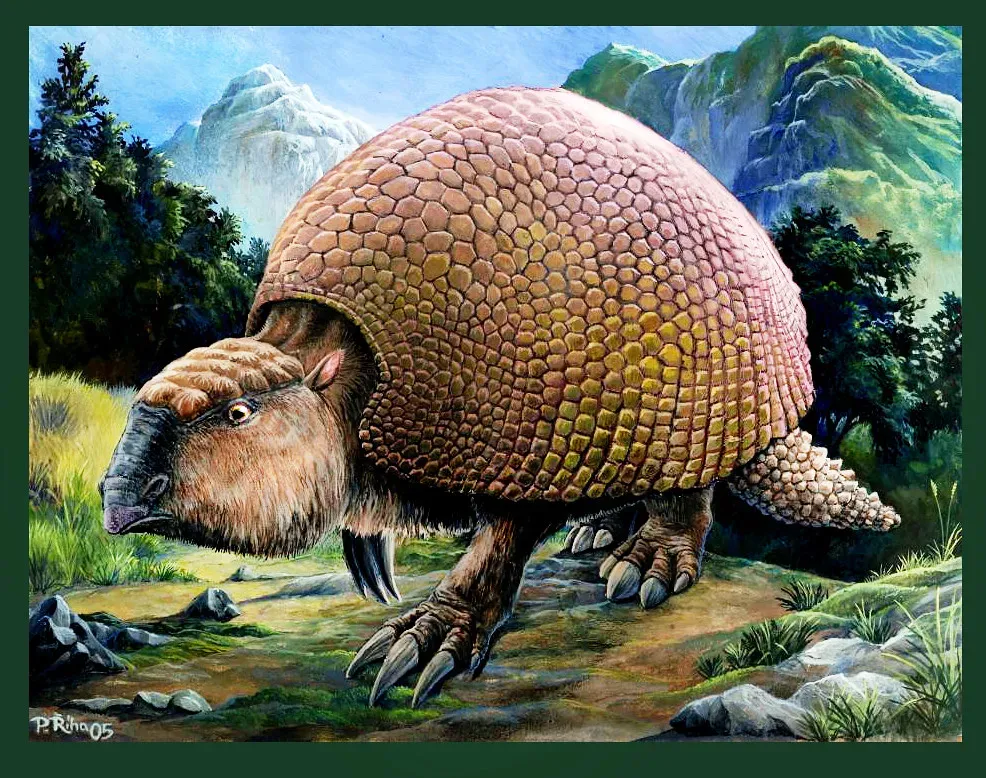
Some glyptodont species had clubs at the end of their tails covered in keratinous spikes, like medieval morning stars, and fascinatingly, as mammals, they did not descend from ankylosaurs yet evolved many of the same characteristics. This is what scientists call convergent evolution, where completely unrelated species independently develop similar solutions to similar problems.
These Ice Age armadillo relatives were built like living tanks. Their bodies were covered in thick bony shells that could deflect attacks from saber-toothed cats and other megafauna predators. Tails could cave in the side of an SUV if you transported them to modern times. The combination of impenetrable armor and a devastating tail weapon made glyptodonts nearly invincible in their ecosystem.
Spanish Ribbed Newt: Breaking Bones as a Defense Strategy
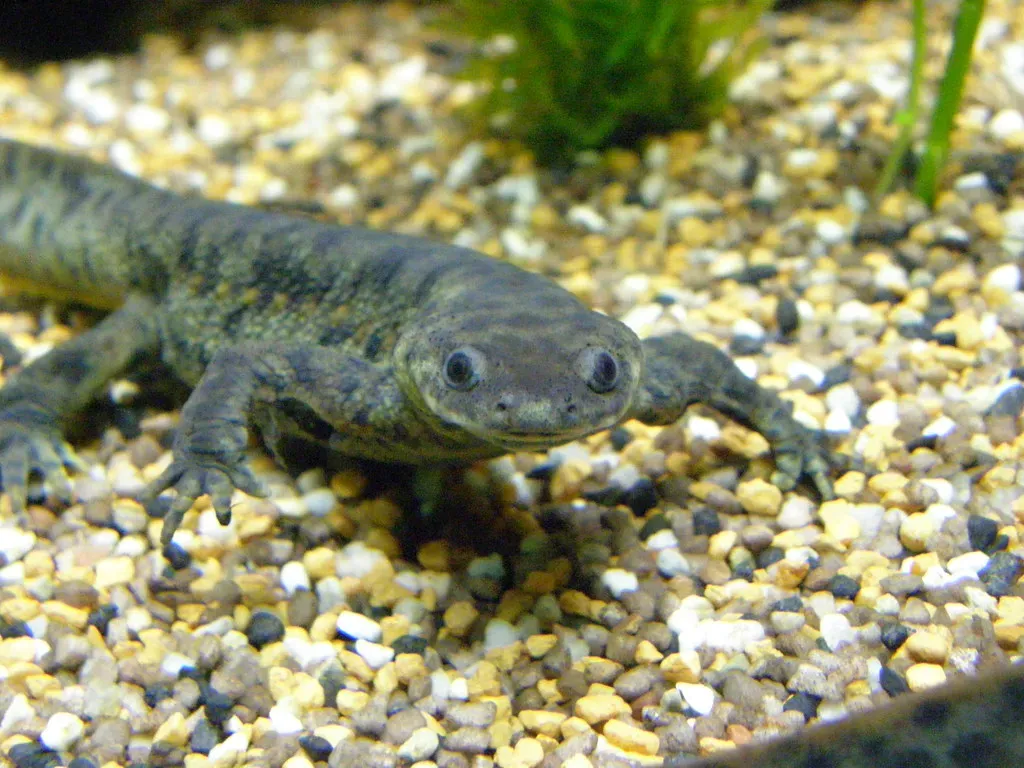
When attacked, this newt shifts its ribs forward at an angle and pushes them through its stretched skin, creating a row of spikes on either side of its body. It pushes its ribs through the skin out of tubercles on the side of its body, which act as weapons to ward off attackers, and despite the rupturing of skin, the process causes no pain. Let that sink in for a moment. This creature weaponizes its own skeleton.
At the same time, a poisonous substance is secreted through pores on the skin, the spiky ribs puncture the attacker’s skin, and then the poison enters, which can even cause death. Talk about a multi-layered defense system. The newt doesn’t just stab you with its ribs, it also poisons you simultaneously. Nature really went all out with this one.
Hagfish: The Slime Machine of Ancient Seas
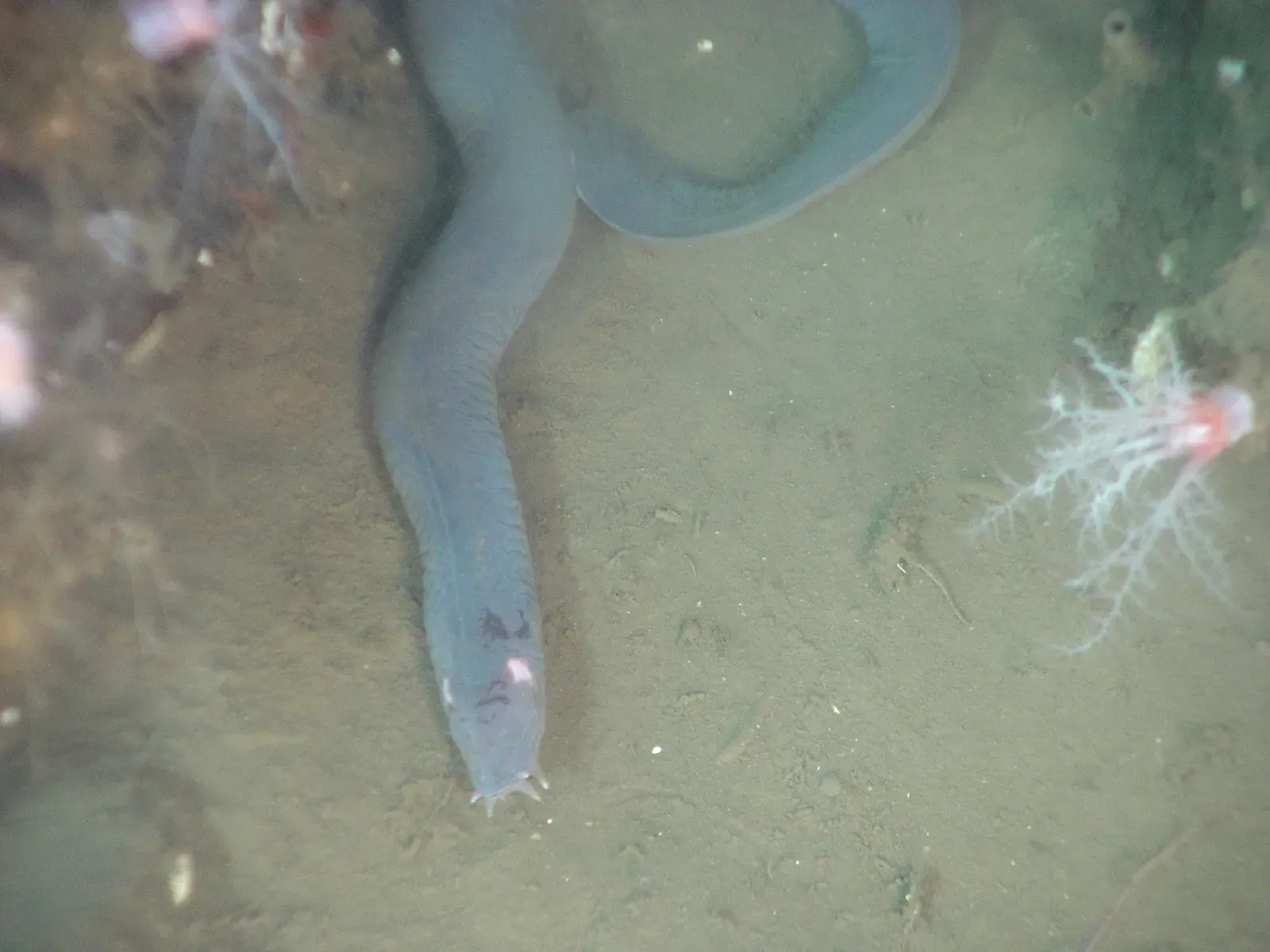
When threatened, these eel-shaped marine animals emit slime from their pores that, when mixed with water, expands into a gelatinous goo that can either trap predators or suffocate them by clogging their gills. This ancient organism, which has existed for about 300 million years, expels this disgusting, slimy substance that mixes with water, expands, and proceeds to choke fish as it accumulates in the gills.
In video documentation, a hagfish was attacked 14 separate times by sharks and other big fish, coming out completely unharmed, with each predator taking one bite before immediately spitting it out and swimming away, gagging. The effectiveness is absolutely remarkable. This isn’t just defensive mucus we’re talking about. It’s a biological weapon that turns the water around the hagfish into an unbreathable gel nightmare.
Horseshoe Crab: The Living Fossil With Impenetrable Armor
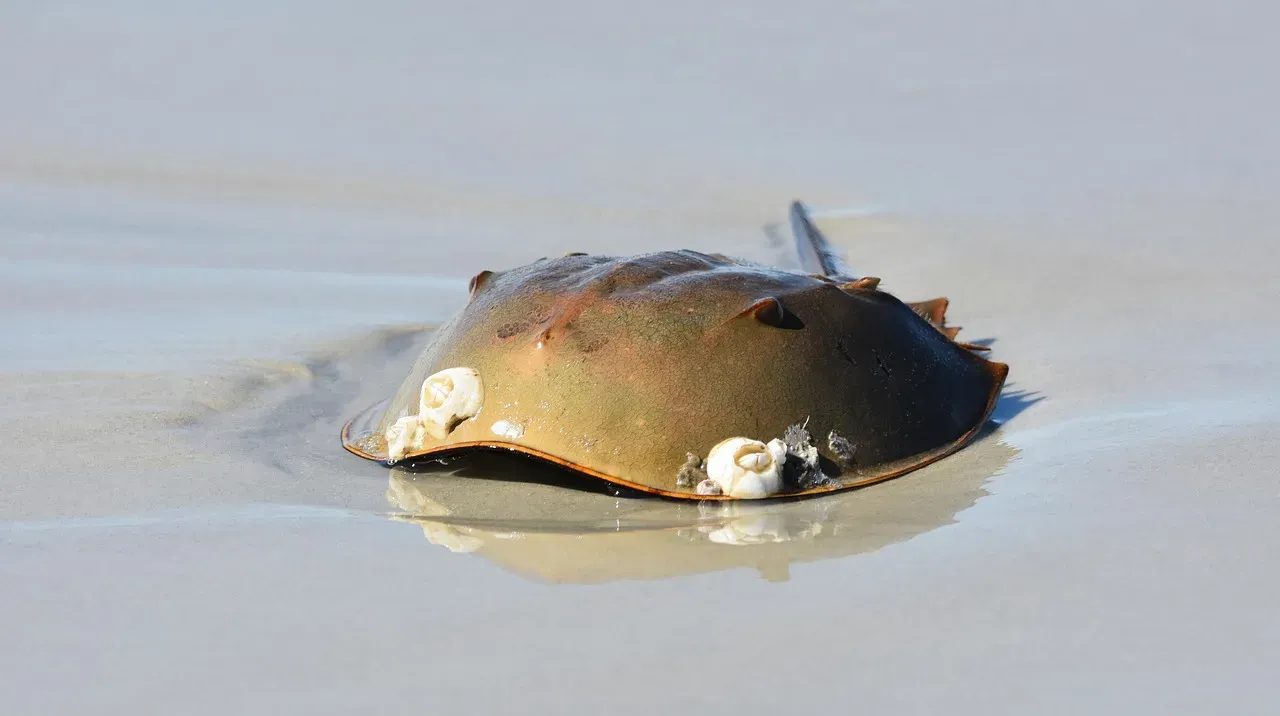
These creatures rely on their tough exoskeleton and spiky tail, or telson, for protection, with the hard shell acting as armor against predators while the telson helps them flip over if turned upside down. One of the oldest inhabitants has survived the ocean floor for over 440 million years, even survived the dinosaur extinction, and is considered a living fossil, all because of their protective and defensive mechanisms.
The exoskeleton is composed of durable chitin material providing strength and flexibility, and can withstand attacks from predators and navigate the often harsh conditions of their coastal environments. What makes horseshoe crabs truly remarkable is their staying power. They’ve outlasted countless species that seemed far more dominant. Their simple but effective armor has protected them through multiple mass extinction events, proving that sometimes the best defense is just being really, really hard to kill.
Conclusion
The prehistoric world forced creatures to innovate or perish. These eight animals responded with defenses so extreme they still capture our imagination millions of years later. From spikes fused to ribs to self-generated slime clouds, from bone-breaking weaponry to virtually indestructible shells, evolution tested every possible strategy.
What’s fascinating is how different lineages independently arrived at similar solutions. Armor, spikes, and chemical warfare appeared again and again across completely unrelated species. The message is clear: when giants roam your neighborhood, normal defenses simply won’t do.
These bizarre adaptations remind us that survival demands creativity. The meek didn’t just inherit the earth, they armored themselves, weaponized their bodies, and fought back with everything nature could provide. What defense mechanism surprised you the most?