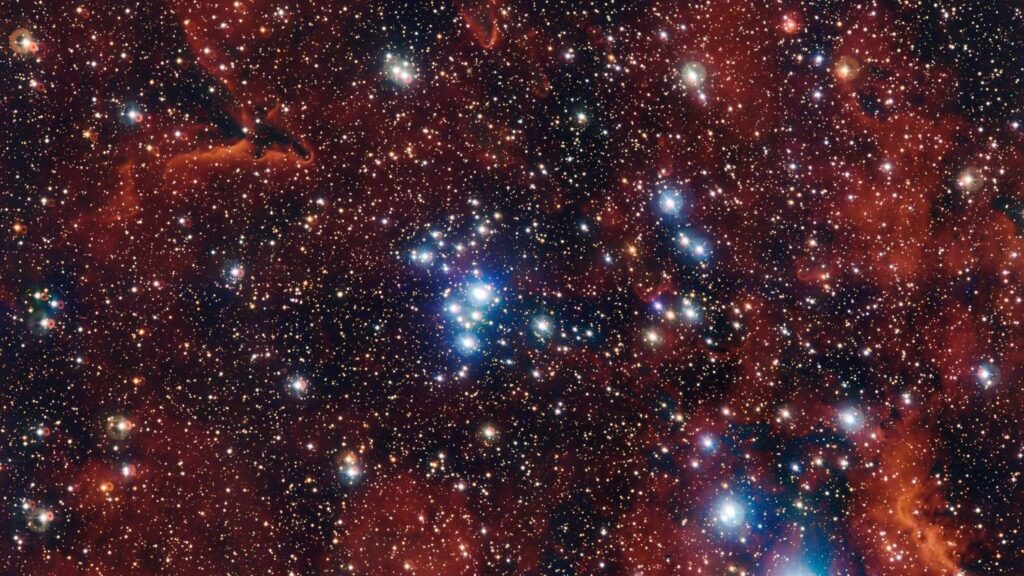
Somewhere deep in the Milky Way’s crowded heart, a few tiny, faint stars may have watched the universe switch on. They were around when galaxies were just learning how to be galaxies, when heavy elements like carbon and iron barely existed, and when the cosmos was still more dark than light. Astronomers now think we might be seeing some of these ancient survivors, possibly among the oldest stars ever detected in our galaxy, and that thought alone can make you feel very small in the best possible way.
What makes these stars so fascinating is not just their age, but what they remember. Locked inside their atmospheres is a chemical time capsule from the era just after the Big Bang, before generations of stars lived and died to enrich the cosmos. The evidence is subtle, often contested, and full of caveats, but the overall picture is becoming clearer: the Milky Way is harboring stellar relics that may stretch almost all the way back to cosmic dawn. Let’s dig into how scientists find them, why they think these stars are so old, and what that means for how our galaxy – and by extension, we – came to be.
Why Astronomers Think Some Milky Way Stars Are Almost As Old As The Universe
At first glance, it sounds impossible to say a star is nearly as old as the universe itself, which has been around for about thirteen and a half billion years. Nobody can just look at a star through a telescope and read its age like a date stamped on a coin. Instead, astronomers piece it together from clues: how bright the star is, how hot its surface looks, how much fuel it has left, and especially what it is made of. The most promising ancient candidates tend to be very low-mass, faint stars that burn their hydrogen fuel incredibly slowly, allowing them to shine for longer than the age of the cosmos.
The other critical sign is that these stars are almost completely lacking in heavier elements like iron, magnesium, and calcium. Those elements are forged in earlier generations of massive stars and then scattered by supernova explosions. If a star contains hardly any of them, it must have formed before the galaxy had time to get chemically “polluted” by many previous stellar deaths. That combination – long-lived, low-mass structure plus an almost pristine chemical mix – is what makes astronomers seriously consider that some of these stars date back to within a few hundred million years of the Big Bang. The uncertainty is real, but the direction of the evidence keeps pointing the same way.
The Hunt For Ancient Stars Starts With Their Chemical Fingerprints
If you want to know how old a star might be, the most powerful tool is not a clock but a spectrum – a rainbow of its light spread out into fine detail. When astronomers pass a star’s light through a spectrograph, they see dark lines where certain wavelengths are absorbed by specific elements in the star’s atmosphere. Each element leaves a kind of chemical barcode. The fewer of these lines from heavy elements, the more primitive the star’s material appears to be. The most extreme examples are sometimes described as “ultra metal-poor” stars, meaning they have only a tiny fraction of the heavy element content of the Sun.
Some of the most striking candidates in the Milky Way’s halo and bulge have iron levels that are tens of thousands of times lower than the Sun’s, an almost shocking level of scarcity. In practical terms, that suggests they may have condensed out of gas enriched by at most one or a handful of early supernovae. Think of it like tasting a soup that barely has any seasoning: you can guess that only one pinch of spice ever went in. These extreme compositions do not prove an exact birthday, but they strongly hint that these stars were born before the galaxy had much time to stir and enrich its ingredients.
Population II And The Shadow Of The Very First Stars
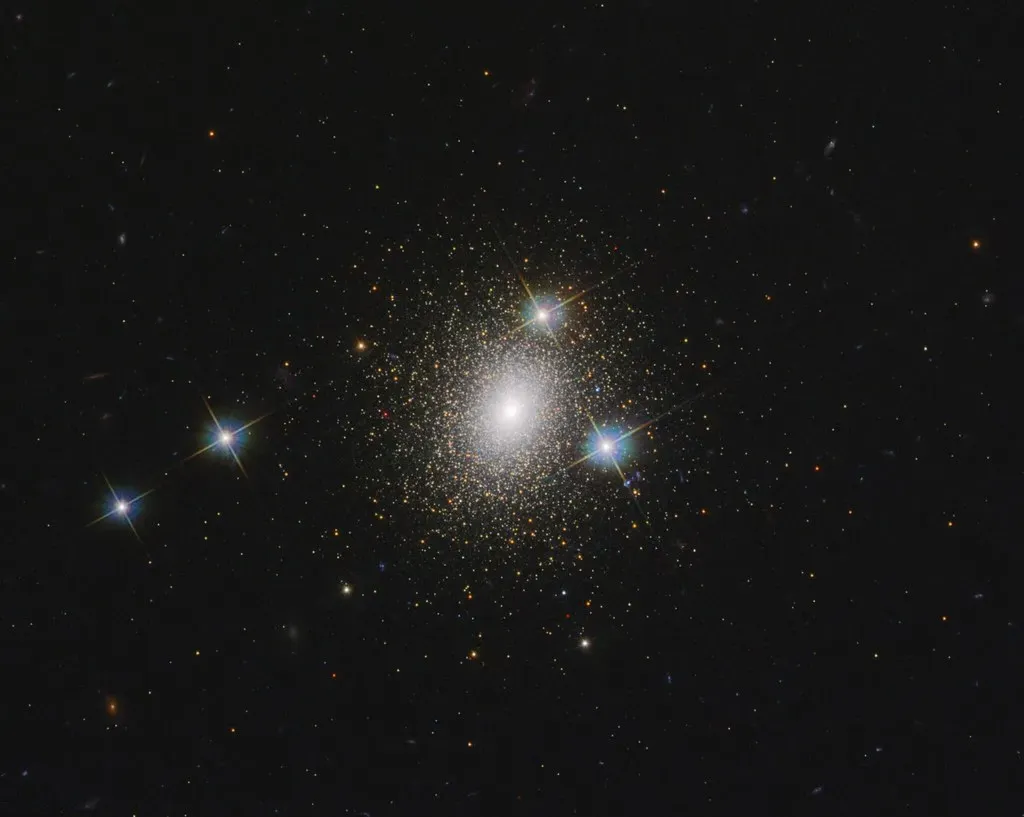
Astronomers often talk about “stellar populations” as a kind of family tree. Population I stars, like our Sun, are relatively young and rich in heavier elements. Population II stars are older, more primitive, and poorer in those elements. Then, in theory, there were Population III stars – the very first generation after the Big Bang, made almost entirely from hydrogen and helium. We have not yet definitively seen a Population III star, and most models suggest they were massive and short-lived, long gone by now. The ultra old stars we detect in the Milky Way today are thought to be second-generation or later, but they carry the imprint of those vanished first giants.
That is part of what makes these ancient Population II stars so valuable: they are like the grandkids of the first stars, still alive and carrying their genetic memory. Their unusual ratios of elements – say, carbon compared with iron, or magnesium compared with calcium – can hint at the kinds of supernovae that seeded the gas they formed from. In that sense, every very metal-poor star comes with a ghost story: it encodes the life and death of one of the universe’s first massive stars without us having to see that original star directly. We are reading the shadows rather than the source, but the shadows are surprisingly detailed.
The Milky Way’s Oldest Stars Hide In Strange And Dangerous Places
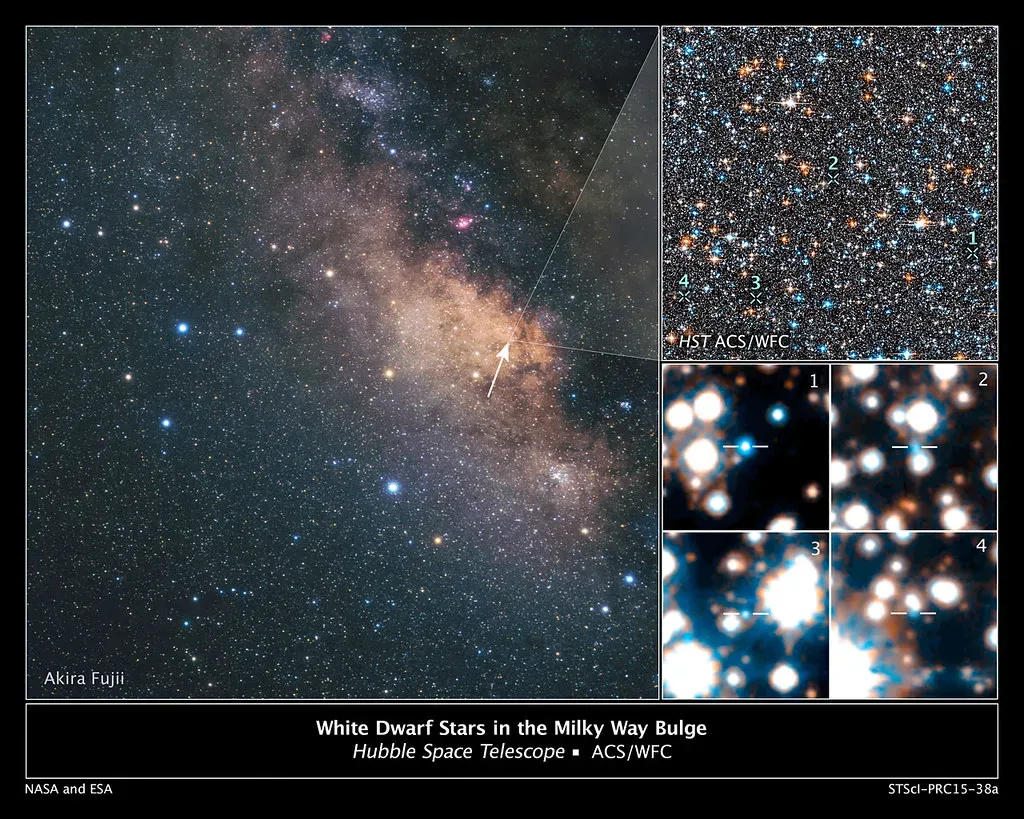
One of the more surprising twists is where astronomers have started finding some of the best candidates for the galaxy’s oldest stars. You might imagine they live mostly in the outer halo, far from the busy star-forming disk, drifting in quiet isolation. And yes, many very old, primitive stars have been found out there. But recent work has also revealed potential ancient stars buried deep in the Milky Way’s bulge – the crowded, dusty central region near the supermassive black hole, where the environment is anything but peaceful or simple to study.
Observing the bulge is difficult, especially in visible light, because dust blocks and reddens the starlight. Astronomers increasingly rely on infrared surveys and large telescopes with sensitive instruments to peer through the dust and pick out individual stellar spectra. When they do, they sometimes find stars with astonishingly low heavy-element content right in the middle of this chaos. That suggests that at least some of the very first generations of stars in the Milky Way formed early in the central regions and somehow managed to survive all the gravitational shuffling and violent history of the galaxy’s inner core.
How Gaia, Ground Telescopes, And Future Observatories Are Rewriting The Story
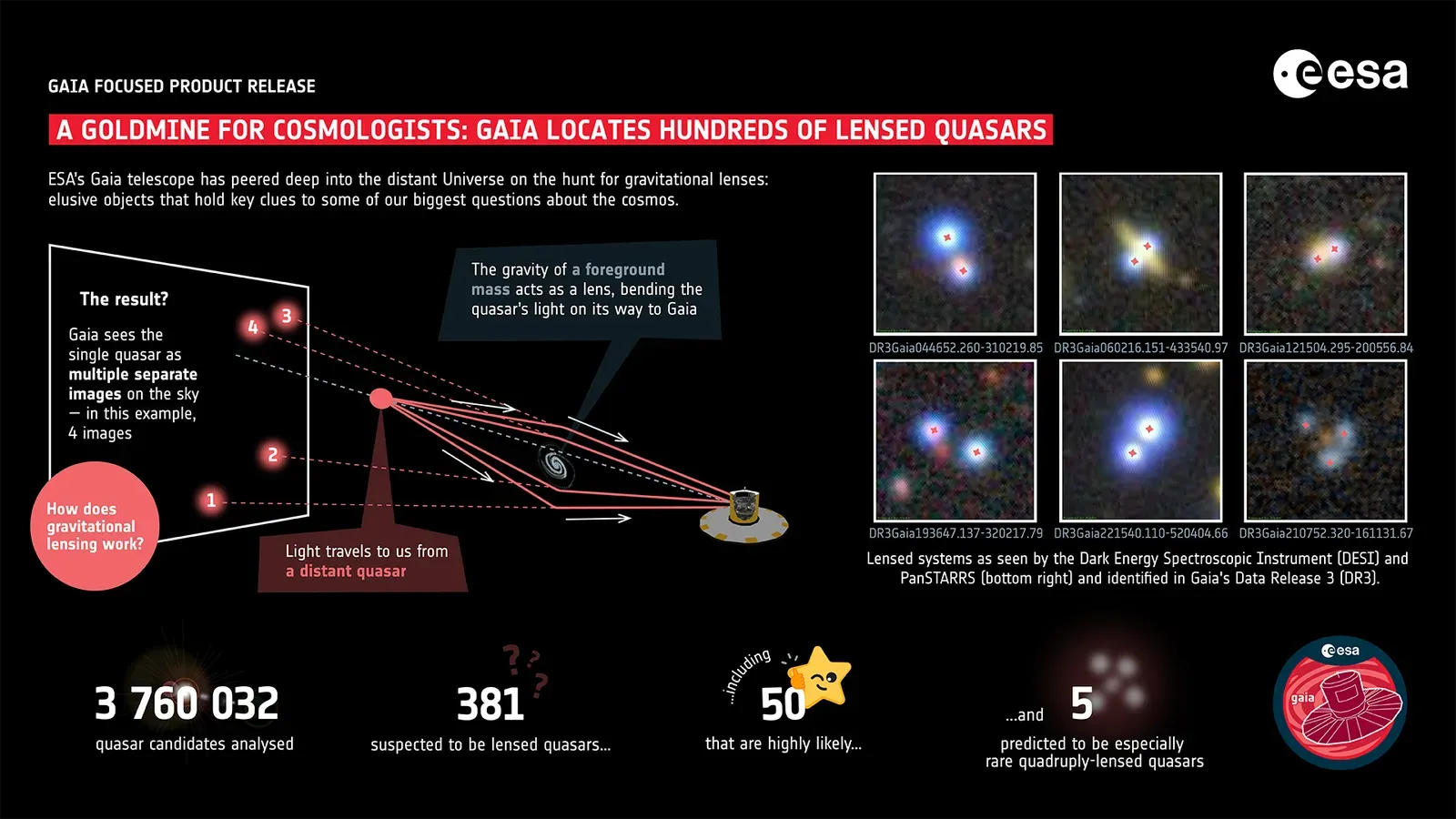
In the last decade, the European Space Agency’s Gaia mission has completely changed how we see the Milky Way by mapping the positions, motions, and brightness of well over a billion stars. That data lets astronomers trace stellar orbits and identify populations that move differently from the rest, such as old halo stars plunging through the disk or tightly bound bulge stars that have been in the inner galaxy for nearly its entire history. When Gaia’s precise motions are combined with detailed spectra from ground-based telescopes, researchers can not only say that a star is chemically ancient, but also show that its orbit fits the story of an early relic.
Large spectroscopic surveys from observatories in both hemispheres are now collecting millions of stellar fingerprints, dramatically increasing the odds of catching rare, primitive stars. Future instruments – including even more sensitive infrared spectrographs and space telescopes – will push deeper into dusty regions and fainter magnitudes. The trend is clear: as our tools get sharper, the picture of the galaxy’s oldest stars is becoming less of a sketch and more of a true portrait. We are not just discovering one or two curiosities anymore; we are starting to map an entire ancient substructure woven through the Milky Way.
What These Ancient Stars Reveal About The Milky Way’s Violent Youth
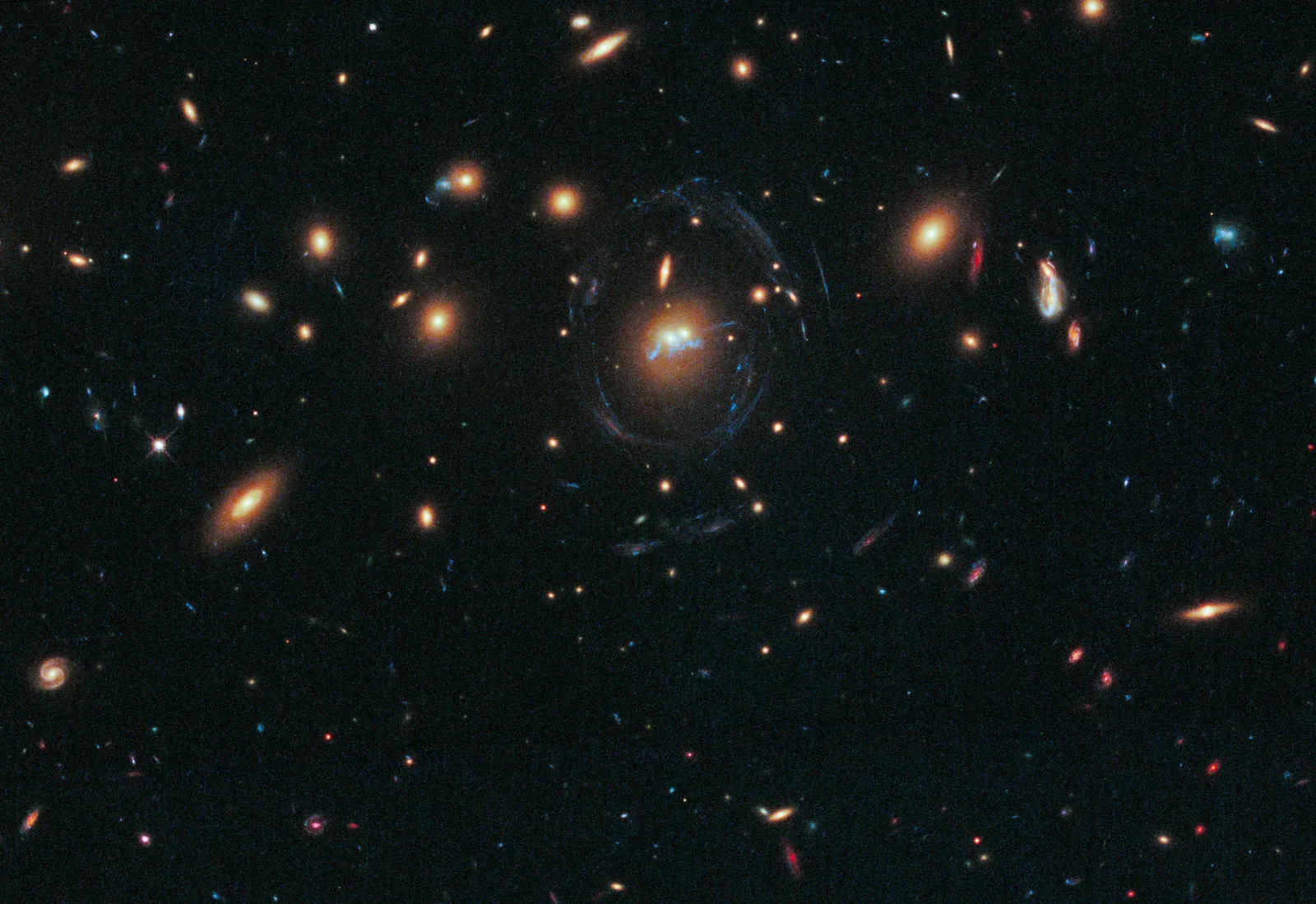
The chemical patterns and motions of very old stars do more than just satisfy our curiosity about their age. They tell a story about how the Milky Way itself grew up. Many models suggest that our galaxy assembled through a series of mergers with smaller protogalaxies early on, a cosmic version of a city built by absorbing nearby towns. If that is true, the oldest stars we see today should carry signatures of those bygone building blocks, both in their compositions and in their orbits around the galactic center.
Indeed, astronomers have already identified distinct stellar streams and halo populations that seem to trace back to ancient collisions and mergers. Some extremely metal-poor stars appear to belong to these remnants, implying they may have formed in tiny, primitive galaxies that were later swallowed by the Milky Way. The stars in the bulge with very low heavy-element content may record an even earlier phase, when the central mass of the galaxy was still taking shape. Piece by piece, the distribution and chemistry of these old stars lets scientists reconstruct a timeline of violent growth, long before the Sun and its planets ever existed.
The Limits Of Certainty: Why “Oldest” Always Comes With A Caution Label
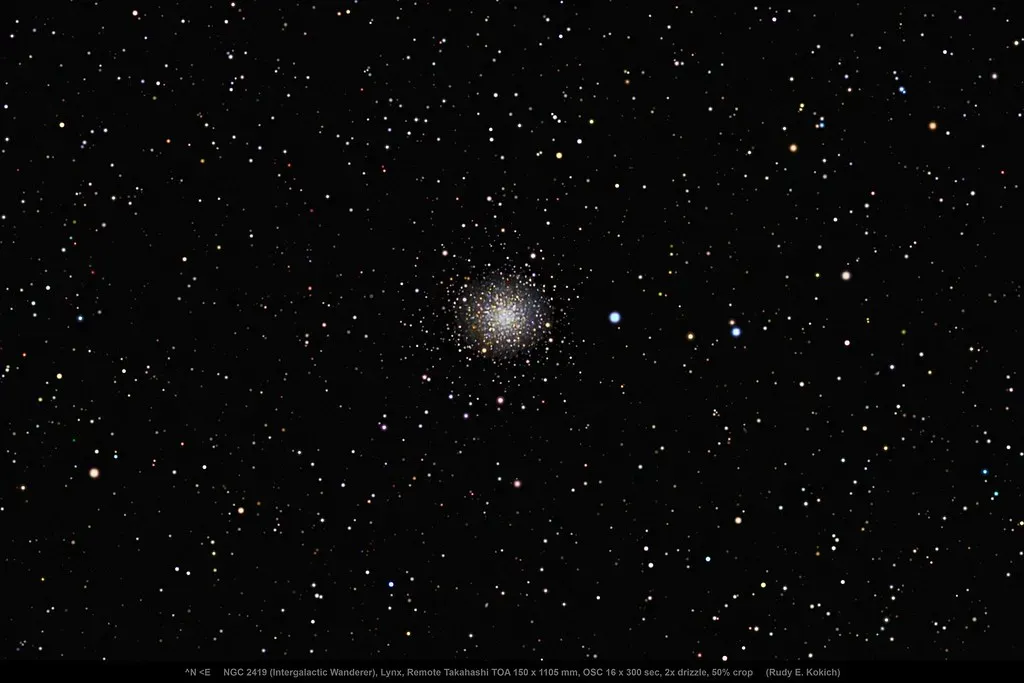
As tempting as it is to slap a headline on a discovery and declare a star the oldest ever found, the reality is more cautious. Stellar ages, especially for very old, low-mass stars, are notoriously tricky to pin down precisely. Models of stellar evolution rely on assumptions about how stars mix their interiors, how much mass they might have lost, and what their initial compositions were. Even small changes in those assumptions can shift an age estimate by hundreds of millions of years, which matters a lot when you are near the beginning of cosmic history.
On top of that, observations are always imperfect. Dust can distort colors, faint stars push instruments to their limits, and different analysis methods sometimes disagree. That is why most careful studies talk about these stars as “among the oldest” or “consistent with extreme ages” instead of claiming a definitive record holder. For me, that uncertainty actually makes the story more interesting. Science here is not about finding a single champion star but about constraining a whole era, figuring out how early the galaxy could have formed long-lived stars, and how those surviving relics are distributed today.
Why These Ancient Stars Matter To Us, Even From A Human Perspective
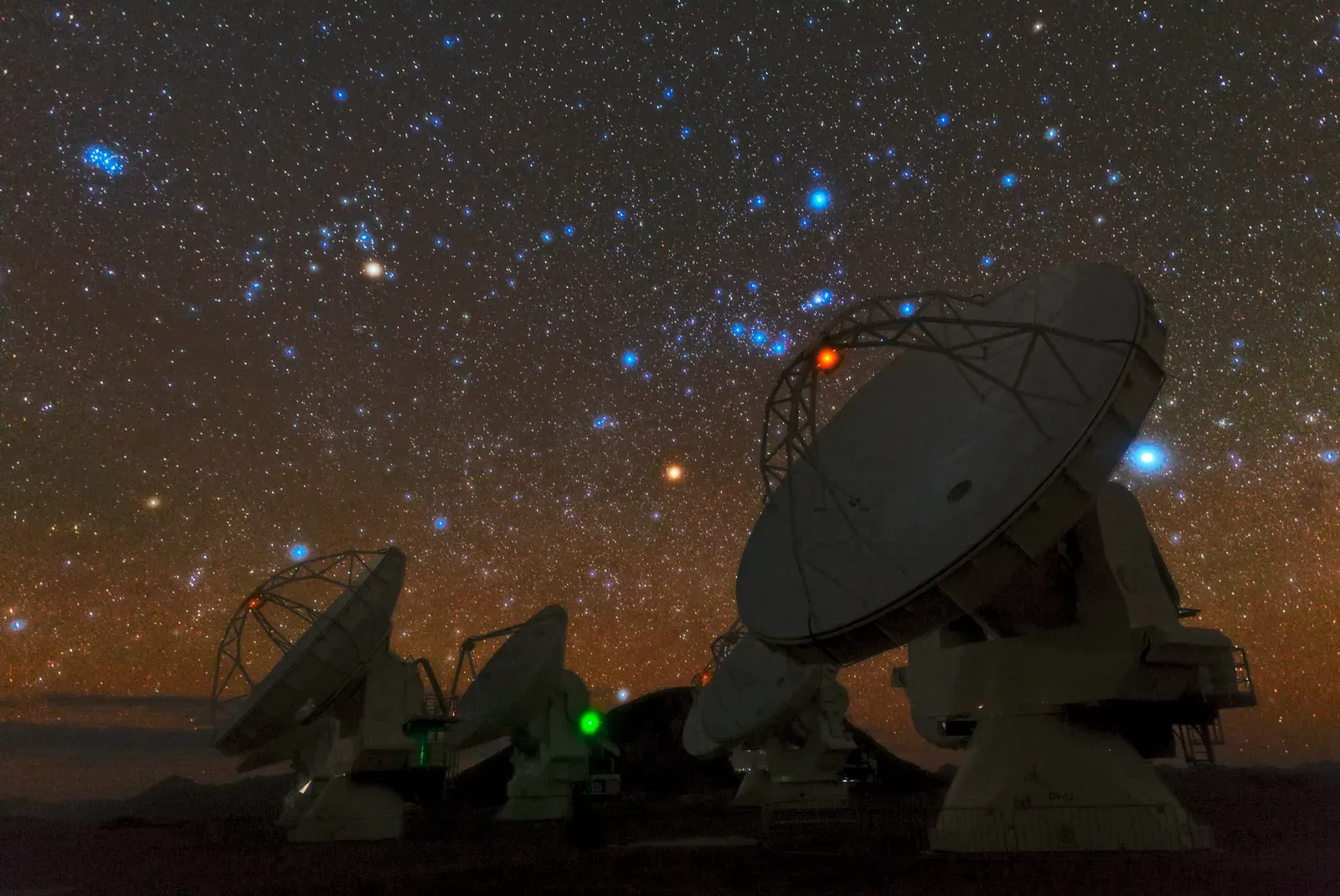
It is easy to treat this as abstract astronomy, but I find something deeply personal in the idea that our galaxy still shelters stars that were already old by the time Earth formed. When you look up on a clear night, you are not just seeing pretty points of light; you are looking at a layered fossil record of time. Some of those stars are cosmic teenagers, some are middle-aged like the Sun, and a rare few are elders that have watched the Milky Way grow from a rough sketch into the sprawling spiral city we see today. Knowing that changes how the sky feels – less like a wallpaper and more like a living archive.
There is also a humbling connection to our own existence. The heavy elements that make up your bones, your blood, your phone, and the screen you are reading this on were forged over billions of years by successive generations of stars. The ultra ancient stars we are finding now sit right at the root of that chain, bridging the almost element-free universe after the Big Bang and the rich chemistry that later allowed planets and life. In a way, learning their stories is like learning your family history but on a cosmic scale. It makes our brief human lifetimes feel both tiny and profoundly connected to something vast.
Conclusion: My Take On The Oldest Stars And What They Really Tell Us
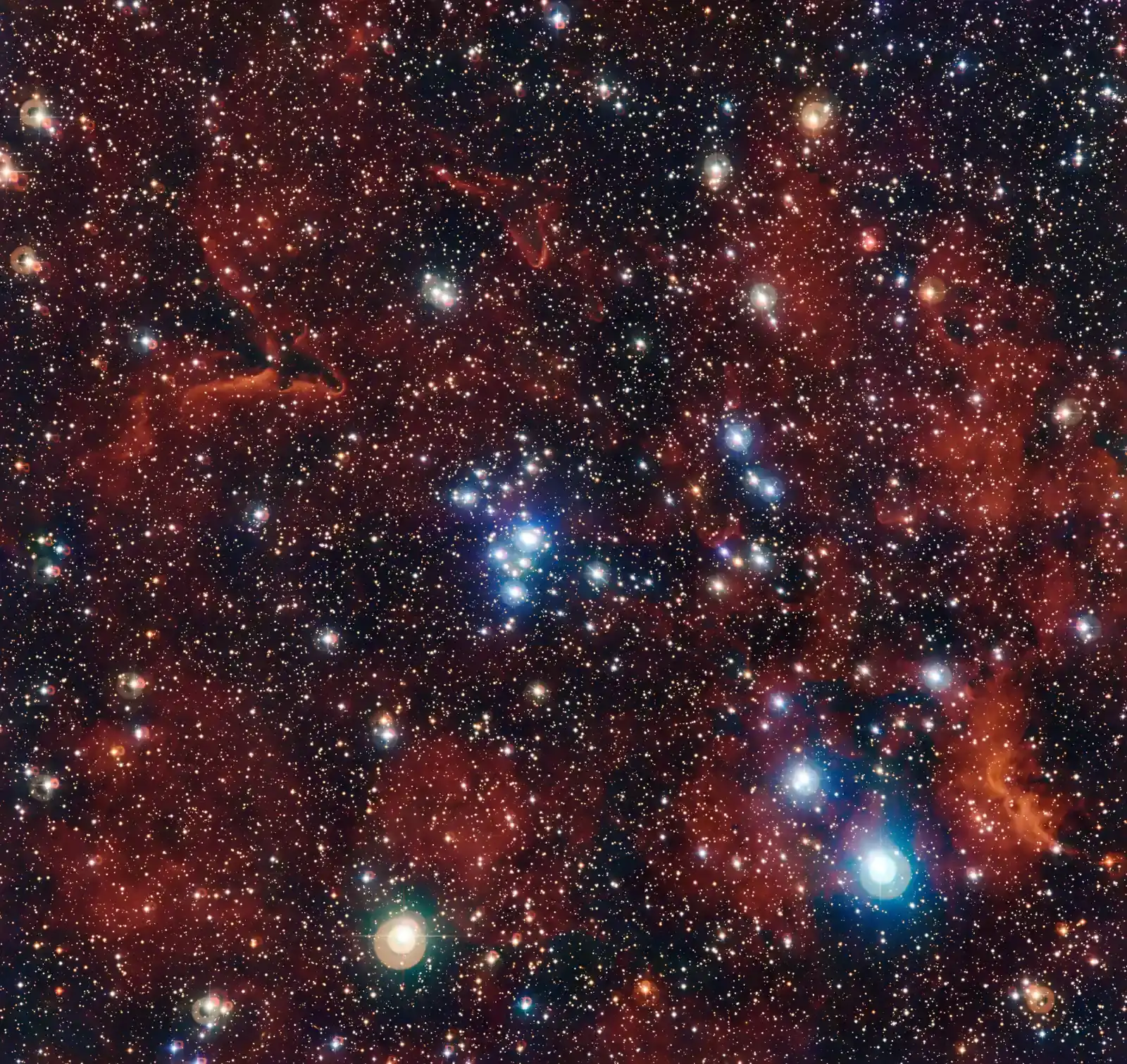
If you ask me, the most exciting part of these discoveries is not the race to declare a single “oldest star” in the Milky Way, but the realization that our galaxy is laced with an entire hidden population of ancient survivors. Each time astronomers uncover another extremely primitive star – especially in unexpected places like the crowded bulge – it is a quiet challenge to our assumptions about how galaxies form and evolve. It is a reminder that the universe is often more patient and more inventive than our neat models suggest. These stars are telling us that the Milky Way started building long-lived, low-mass stars astonishingly early, and then managed to keep some of them intact through eons of mergers, explosions, and chaos.
Personally, I think we should be just as cautious about overhyping claims as we are bold in chasing the next discovery. The data are still sparse, the uncertainties are large, and there will almost certainly be surprises as new telescopes and missions push deeper. But that tension – between bold interpretation and careful skepticism – is where the best science happens. To me, the real headline is this: our galaxy is old enough, messy enough, and resilient enough to carry living witnesses from its earliest days right into our own. The next time you step outside at night, it is worth wondering whether one of those faint, unassuming points overhead has been shining since almost the beginning; would you have guessed that one of the universe’s oldest storytellers might look so ordinary?