Think about a landscape where mighty rivers didn’t just flow through the land – they actually controlled where gigantic creatures could survive. You’re standing at the intersection of geology and biology, looking back at a time when waterways literally meant life or death for animals that would dwarf anything walking the planet today. The relationship between ancient river systems and prehistoric animal migration is far more complex than you might imagine, and honestly, it’s one of those topics that completely reshapes how we think about the natural world during the ice ages.
During the Pleistocene epoch, which stretched from roughly two and a half million years ago until about twelve thousand years ago, these waterways carved out more than just channels in the earth. They created invisible highways for megafauna, those colossal beasts that dominated every continent. Let’s dig into how these rivers shaped the movement, survival, and ultimate fate of creatures that we can barely comprehend today.
Rivers as Ancient Superhighways for Giant Beasts
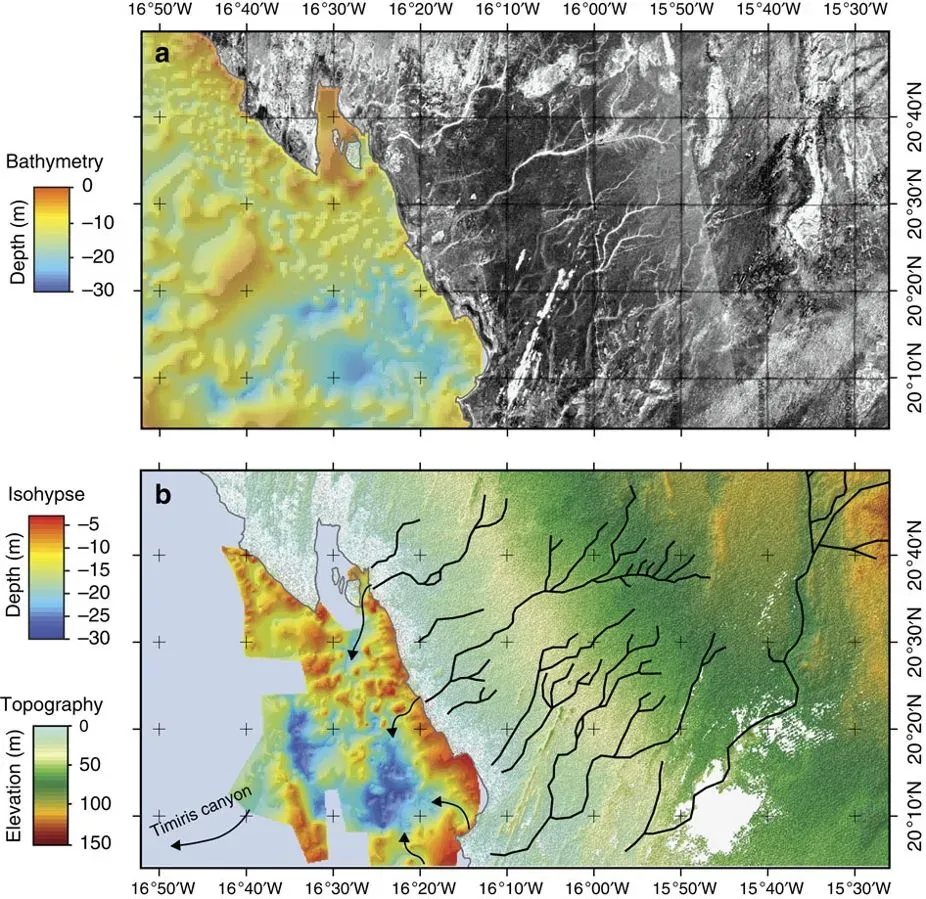
Paleoriver systems played a crucial role in shaping Europe’s prehistoric landscapes, serving as conduits for water, nutrients, and organisms, as well as migration corridors for humans and animals. These weren’t your typical modern rivers. We’re talking about massive drainage systems that extended far beyond their current boundaries.
During the last glacial maximum, the Thames, Rhine, and Seine extended far beyond their modern boundaries, converging into a vast river system that drained into what is now the North Sea. Picture this: where you see ocean today, prehistoric animals once followed lush river valleys teeming with vegetation. These corridors provided everything a migrating herd could need – fresh water, abundant plant life, and predictable routes through otherwise hostile terrain. For mammoths trudging across ice age Europe, these river systems were essentially nature’s version of interstate highways.
The Perfect Storm: Water, Food, and Survival
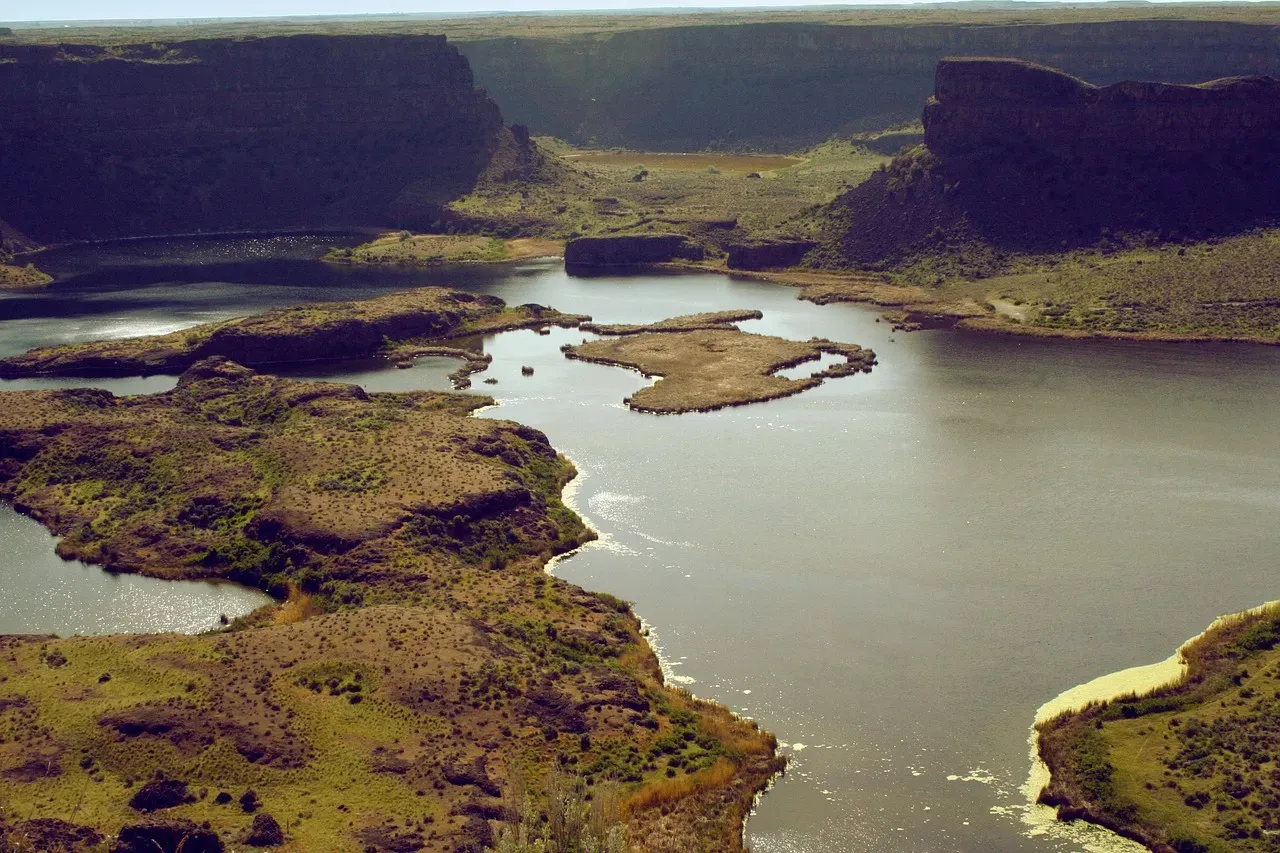
Here’s the thing about megafauna – they needed absolutely massive amounts of resources to survive. A single mammoth required hundreds of pounds of vegetation daily. Powerful river systems supplied the expanded coast, thus animals didn’t have to be migratory. This completely changes our understanding of how these animals lived.
In regions where rivers provided consistent resources, some herbivores actually abandoned their migratory patterns altogether. Scientists drilled ancient herbivore teeth to find that many local animals stayed put in the ecologically rich ecosystem, which may explain why humans flourished there, too. The fossil record tells us something remarkable: when rivers were robust and dependable, even species known for long-distance migrations would settle down. It was the ultimate prehistoric real estate market – location mattered more than almost anything else.
Green Corridors Through Impossible Terrain
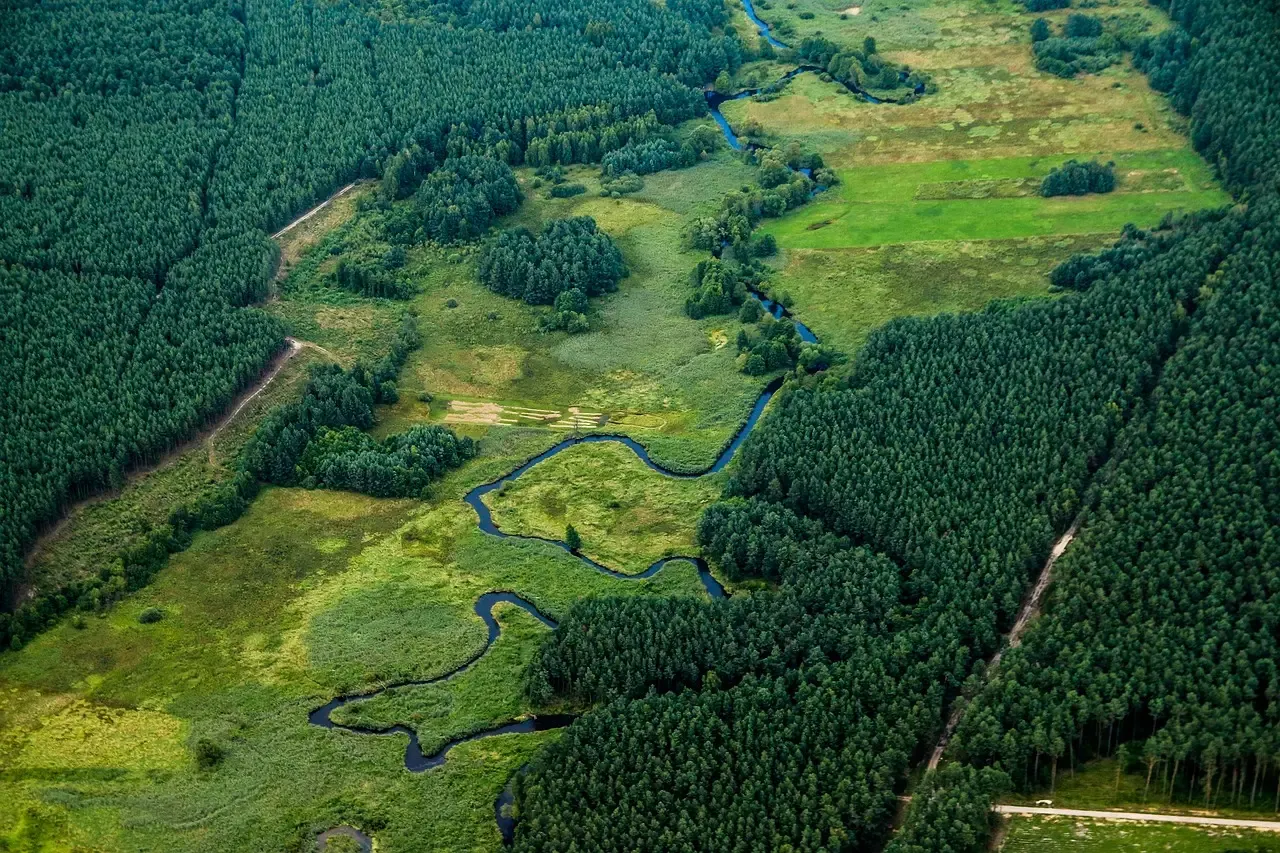
The green corridor theory suggests rivers would have provided fertile habitats for animals and crops allowing humans to migrate north. This wasn’t just theoretical speculation. Computer simulations have reconstructed how ancient river systems transformed barren landscapes into passable routes.
Consider the Sahara Desert during certain periods of the Pleistocene. During periods of increased rainfall, ancient rivers transformed the arid landscape into a network of ‘green corridors’, lush with vegetation and teeming with wildlife. What appears today as endless, lifeless sand dunes was once dotted with flowing waterways that supported entire ecosystems. Giant ground sloths, massive elephants, and countless other species followed these verdant pathways across continents. The rivers didn’t just provide water – they fundamentally changed the environment around them, creating ribbons of life through otherwise uninhabitable zones.
Climate Shifts and River-Dependent Populations
Animals migrated vast distances in response to dramatic climate change during the ice ages of the Pleistocene, which began about 2.6 million years ago. The relationship between climate, rivers, and animal migration created a delicate balance that could shift dramatically within mere generations.
During warm interglacials, previously frozen regions grew new forests and wetlands that provided new food sources for animals like the mastodon, enticing them northward. Rivers expanded and contracted with glacial cycles, and megafauna populations followed these changes obsessively. When glaciers retreated and rivers swelled, northern territories opened up. When ice advanced again, those same waterways could disappear beneath massive ice sheets, forcing populations southward or into isolated refuges. It’s hard to say for sure, but this constant push and pull probably prevented many species from developing stable, permanent ranges.
The River Systems That Supported Prehistoric Giants
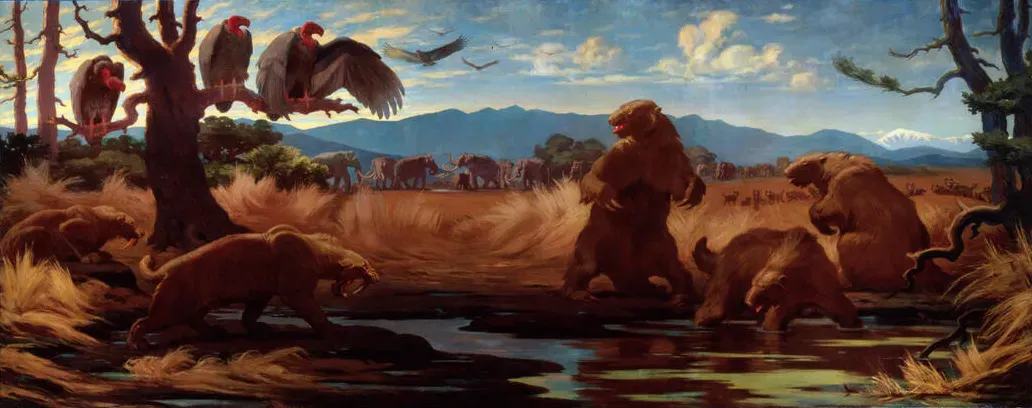
Ancient river systems in the Sahara were “stuffed full of gigantic fishes, each two to four metres long.” These waterways didn’t just support terrestrial megafauna – they hosted their own oversized residents.
During the Cretaceous a river as wide as the Danube flowed across the densely vegetated landscape. Think about what this means for the food chain. Massive fish populations supported enormous crocodilians. Those predators, in turn, shaped how land animals approached water sources. A mammoth herd needed to drink daily, but approaching a river inhabited by prehistoric crocodiles fifteen feet long required careful consideration. Rivers created meeting points where different species intersected, sometimes cooperatively, often competitively.
When Rivers Failed: The Beginning of the End
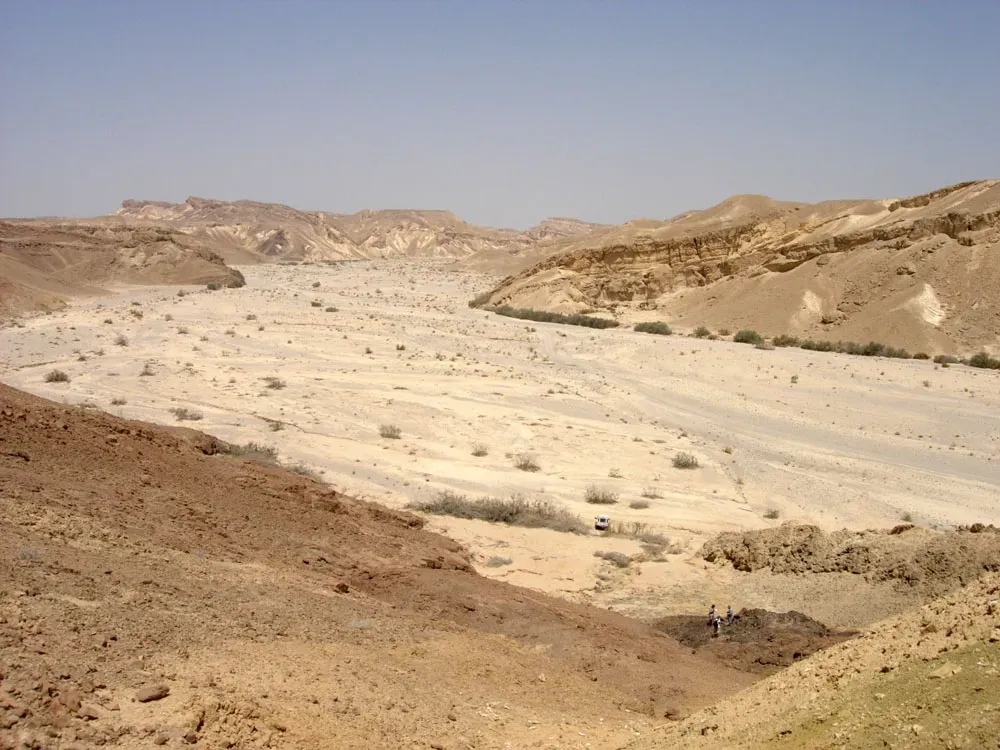
Most large, predominantly browsing animals lost their habitat and retreated to a narrow band in eastern Australia, where there was permanent water and better vegetation. As the Pleistocene drew to a close, changing climate patterns altered river systems dramatically.
Archaeological evidence indicates that animals under stress gathered at dwindling water sources. This concentration at shrinking waterholes made megafauna incredibly vulnerable, both to predators and to human hunters. In South America’s Amazon Basin, lateral diffusion of nutrients by megafauna was reduced over 98% following the megafaunal extinctions that occurred roughly 12,500 years ago. The loss of these animals fundamentally changed how rivers themselves functioned, creating a cascading effect that reshaped entire ecosystems. Rivers had dictated where megafauna could thrive, and the disappearance of megafauna, in turn, altered the rivers themselves.
Human Hunters Followed the Same Rivers
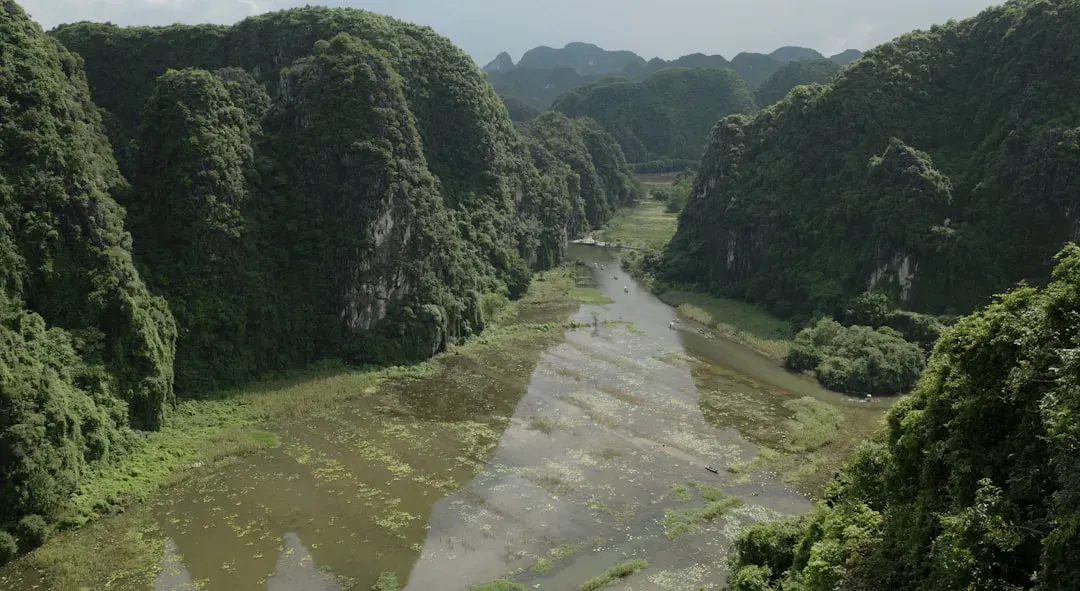
Rivers played a pivotal role in hominid evolution and migration, serving as lifelines that guided and sustained early human species on their expansive journeys across continents. Humans weren’t separate from this story – they were intimately woven into it.
Archaeological findings indicate that Homo erectus often established settlements near rivers and lakes, underscoring the significance of these environments in their daily lives. Early human populations tracked the same river corridors that megafauna used. This created inevitable intersections where prehistoric hunters encountered massive herds concentrated along waterways. Some researchers argue this proximity accelerated megafaunal extinctions, while others point to climate change as the primary culprit. Honestly, it was probably a combination of both factors. Rivers brought humans and giant beasts together in ways that ultimately proved unsustainable for the larger animals.
Conclusion: The Lasting Legacy of Ancient Waterways
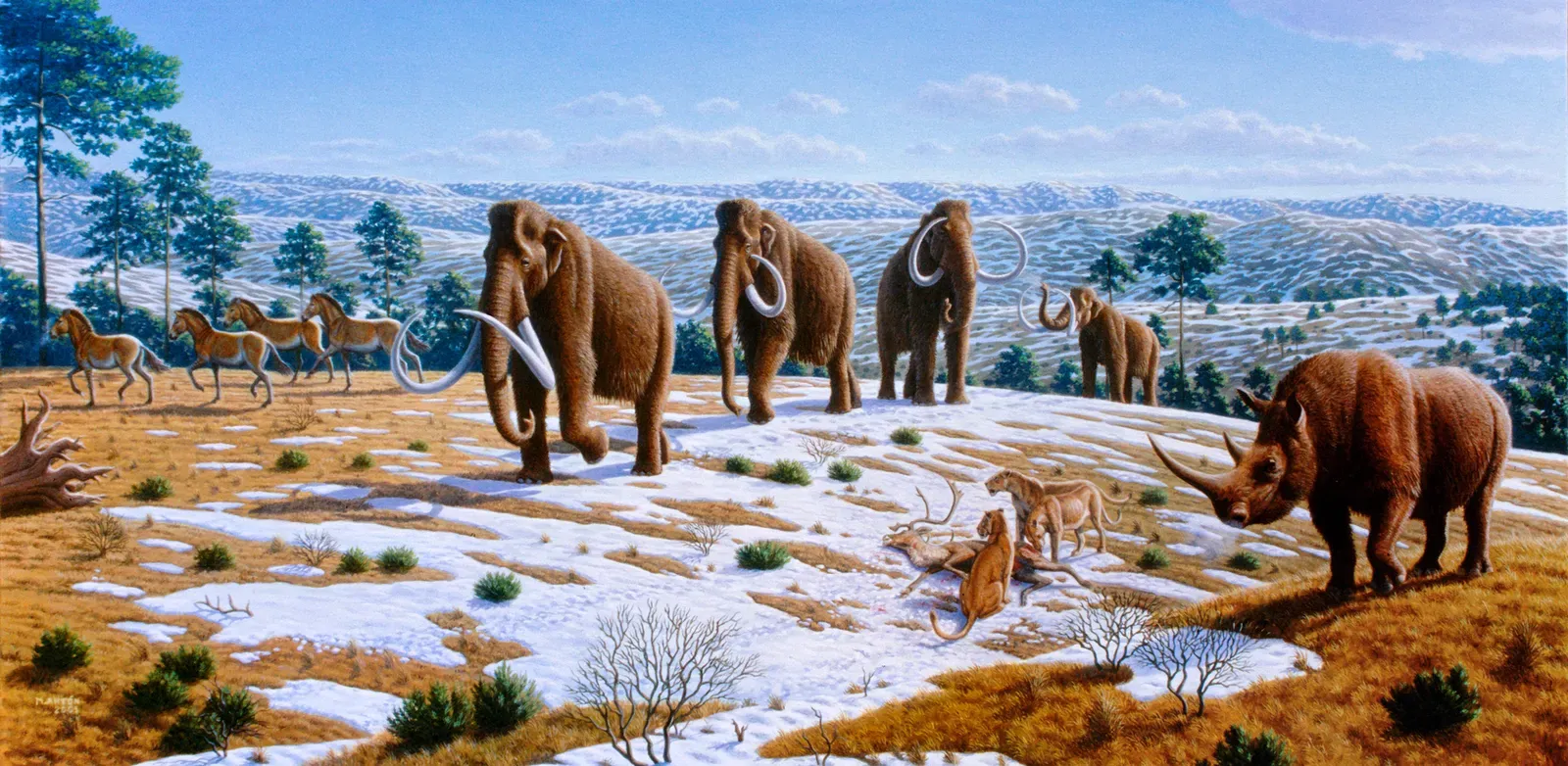
Submerged riverbeds provide critical insights into the continent’s prehistoric landscapes, ecosystems, and human migrations. Today, many of these ancient river systems lie buried under sediment or submerged beneath rising seas, but their influence echoes through the fossil record and modern ecosystems alike.
Understanding how rivers dictated megafauna migration patterns offers crucial lessons for conservation biology in our current era of rapid climate change. Species today face similar pressures – shifting water availability, changing vegetation patterns, and fragmented habitats. The megafauna that thrived for millions of years ultimately couldn’t adapt fast enough when their river-dependent ecosystems collapsed. The loss of megafauna can trigger an ecological cascade, and habitat loss driven by human expansion is a major factor, as megafauna require vast territories to sustain their populations.
What do you think shaped prehistoric migration patterns more – the rivers themselves or the climate changes that altered them? The relationship between ancient waterways and the giants that depended on them reminds us that no species, regardless of size or evolutionary success, exists in isolation from the landscape that sustains it.