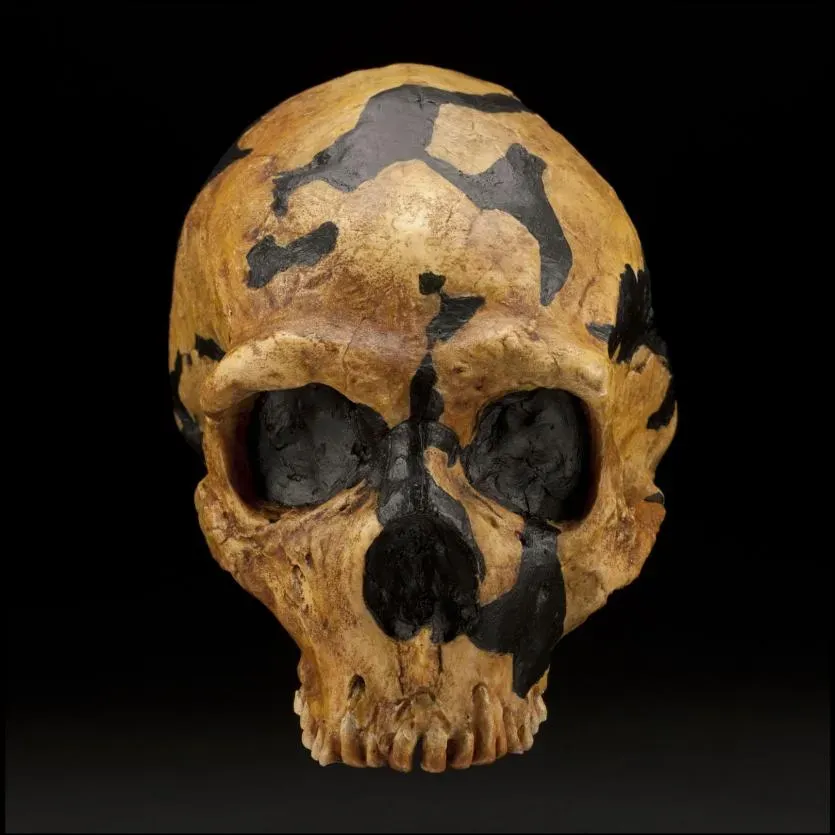
Picture an ancient ape clambering through trees in Chad seven million years ago, looking much like a chimpanzee with a small brain to match. Now imagine that same creature stepping down onto the ground and confidently walking upright on two legs. It’s hard to believe, right? Yet a barely visible bump on a fossilized thigh bone has sparked one of the most exciting debates in human evolution today, potentially rewriting the story of how our ancestors first learned to walk like us.
The discovery of a never-before-seen bump on the leg bone of a 7 million-year-old fossil ape shows it walked upright on two legs has sent ripples through the scientific community. For decades, scientists have argued about Sahelanthropus tchadensis and whether this ancient creature truly belonged to the human family tree. Now, new evidence suggests this species might be the earliest known human ancestor, and it all comes down to a tiny protrusion that most people would never even notice.
The Discovery That Nearly Slipped Through the Cracks
Here’s something that’ll surprise you. In 2004, a then–master’s student at Poitiers, Aude Bergeret, spotted the shaft of a thighbone and a lower arm bone in a drawer full of fossils of animals labeled “indeterminate” by the team that originally found the famous skull. This bone fragment had been sitting in a drawer for years, overlooked among hundreds of other specimens collected from Chad’s Djurab Desert.
Brunet’s team didn’t give it a serious analysis until 2017 when a specialist in postcranial bones, Guillaume Daver, began to study it. Think about that for a moment – one of the most important fossils in human evolutionary history sat waiting for over a decade because researchers had other priorities. Sometimes the most groundbreaking discoveries are hiding right under our noses.
The Femoral Tubercle: A Telltale Sign of Walking Upright
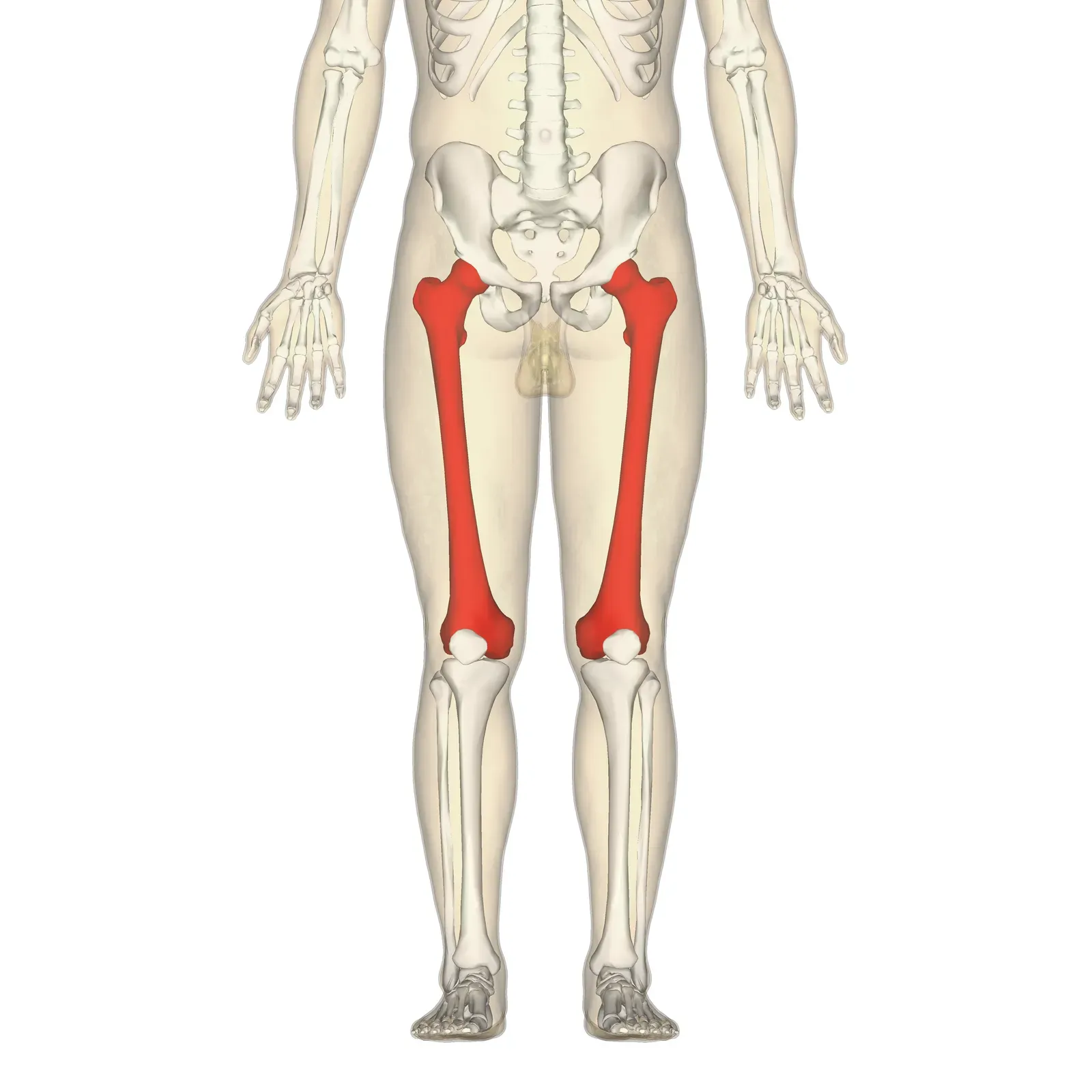
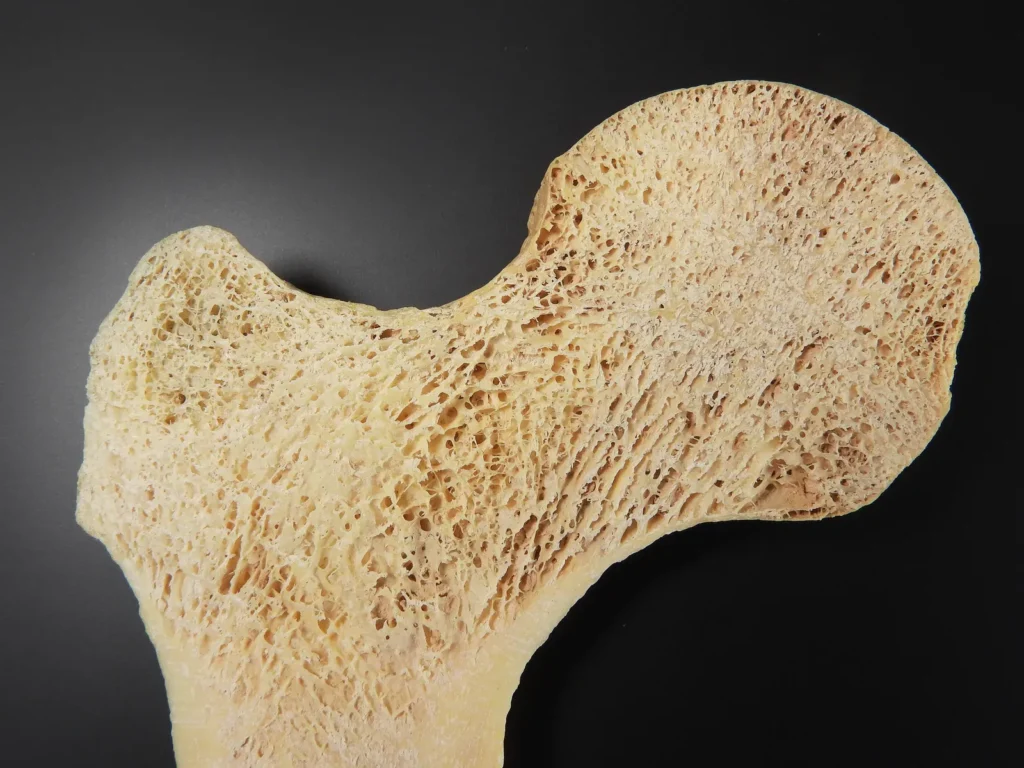
Let’s get real about what makes this discovery so compelling. The most distinctive feature they identified was a femoral tubercle – a small projection on the thigh bone that serves as the attachment point for the iliofemoral ligament, which happens to be the strongest ligament in your entire body. You probably never think about it, but this ligament is working every single moment you stand or walk, stabilizing your hip and keeping you balanced.
Only members of the human lineage have this lump, called the femoral tubercle. That makes the species, Sahelanthropus tchadensis, the earliest known hominin, according to research published in Science Advances. The bump is so small you could miss it if you weren’t specifically looking for it, yet it carries enormous implications. It’s like finding a fingerprint that only humans and their direct ancestors possess.
More Evidence Than Just One Bump
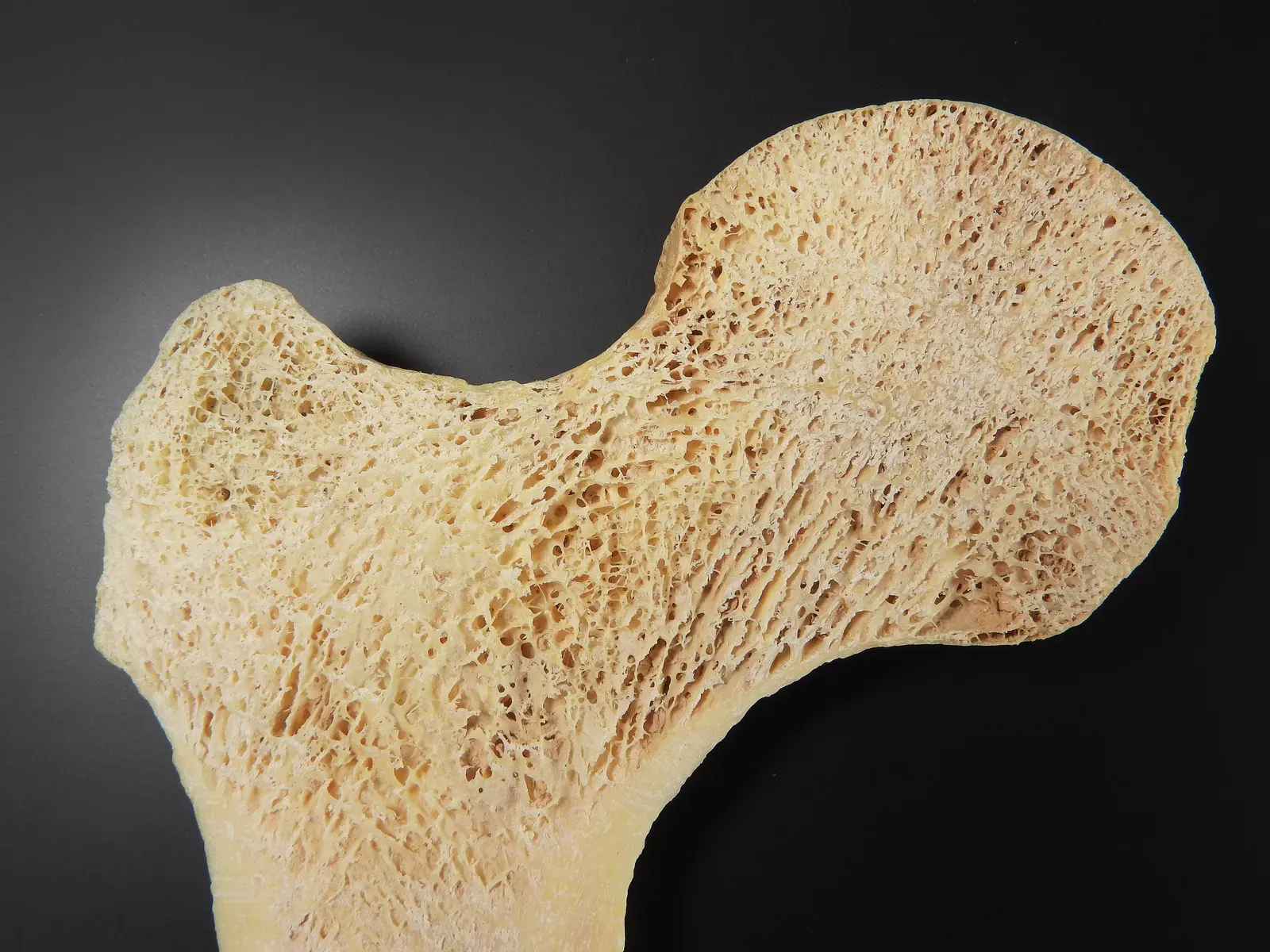
The femoral tubercle wasn’t the only giveaway, though. The analysis revealed three features that point to bipedalism in Sahelanthropus: The presence of a femoral tubercle, A natural twist in the femur that helps legs to point forward, and gluteal, or butt, muscles similar to those in early hominins. Two of these features had been spotted before by other research teams, but combining all three creates a much stronger case.
In upright walkers, such a twist helps align knees and feet for forward movement. Measurements showed strong antetorsion within the range seen only in human ancestors. Modern apes show the opposite pattern, which makes sense when you think about it – climbing requires different mechanics than walking does. The team also used advanced 3D geometric morphometrics to analyze the bone shapes in extraordinary detail, leaving little room for doubt about what they were seeing.
An Ape That Lived Between Two Worlds
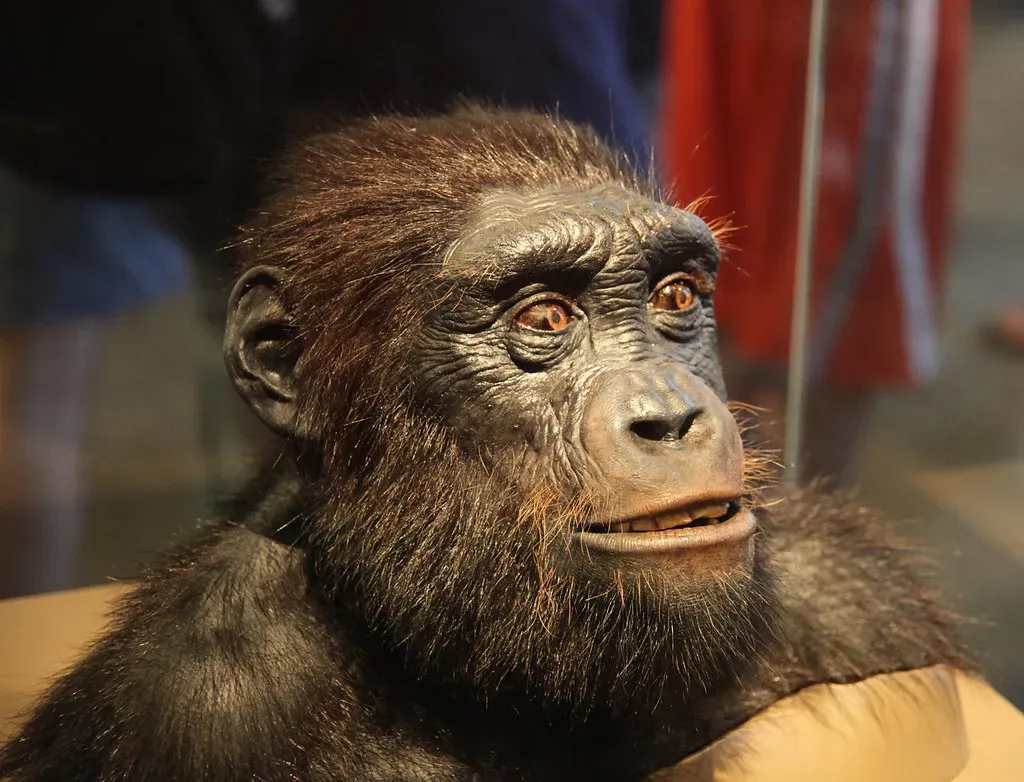
Honestly, what makes Sahelanthropus so fascinating is that it didn’t fully commit to either lifestyle. “Sahelanthropus tchadensis was essentially a bipedal ape that possessed a chimpanzee-sized brain and likely spent a significant portion of its time in trees, foraging and seeking safety,” says Scott Williams. Picture this creature spending its days foraging in the branches, then descending to walk confidently across the ground on two legs before climbing back up to sleep safely out of reach of predators.
The researchers also found that Sahelanthropus had a relatively long femur compared to its ulna. Apes typically have long arms and short legs, while hominins show the opposite pattern. Although Sahelanthropus had much shorter legs than we do today, its limb proportions were distinctly different from modern apes and fell somewhere between bonobos and early members of the human lineage. It represents an evolutionary step, not the finished product.
Why This Discovery Matters So Much
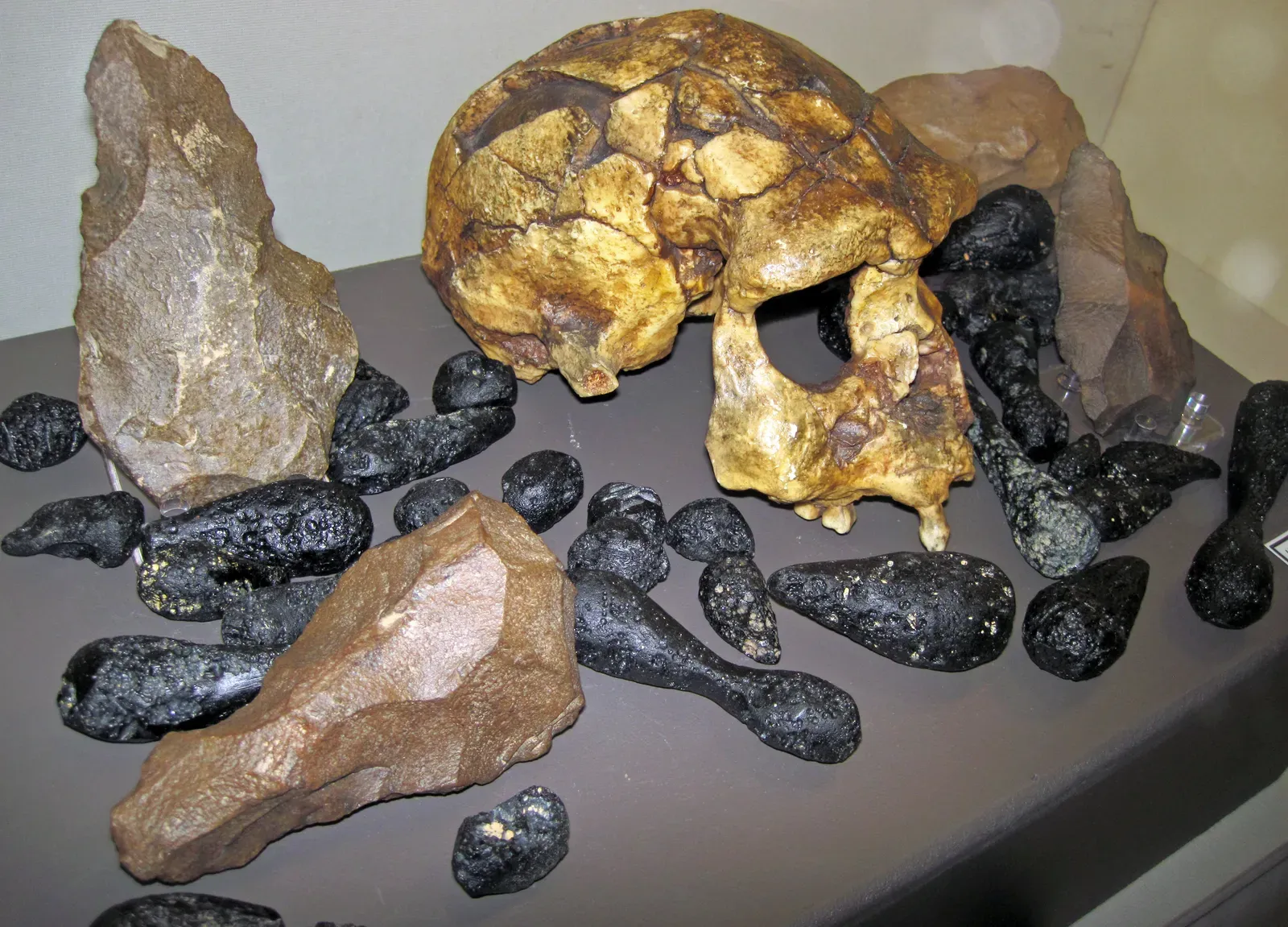
The ape lived around the time scientists believe the last common ancestor of humans and chimpanzees lived, approximately 6 million to 7 million years ago. That timing is crucial. If Sahelanthropus was indeed bipedal, it means upright walking wasn’t something that evolved gradually over millions of years after we split from other apes. Instead, it was one of the very first traits that set our lineage apart.
Taken together, the findings challenge long-standing assumptions about how and when upright walking evolved. Rather than emerging suddenly, the scientists argue, bipedalism developed gradually. The researchers emphasize that the evolution of bipedalism was a process rather than an event, which fundamentally changes how we need to think about our origins. It’s hard to say for sure, but this gradual development makes more evolutionary sense than a sudden transformation.
The Skeptics Weigh In
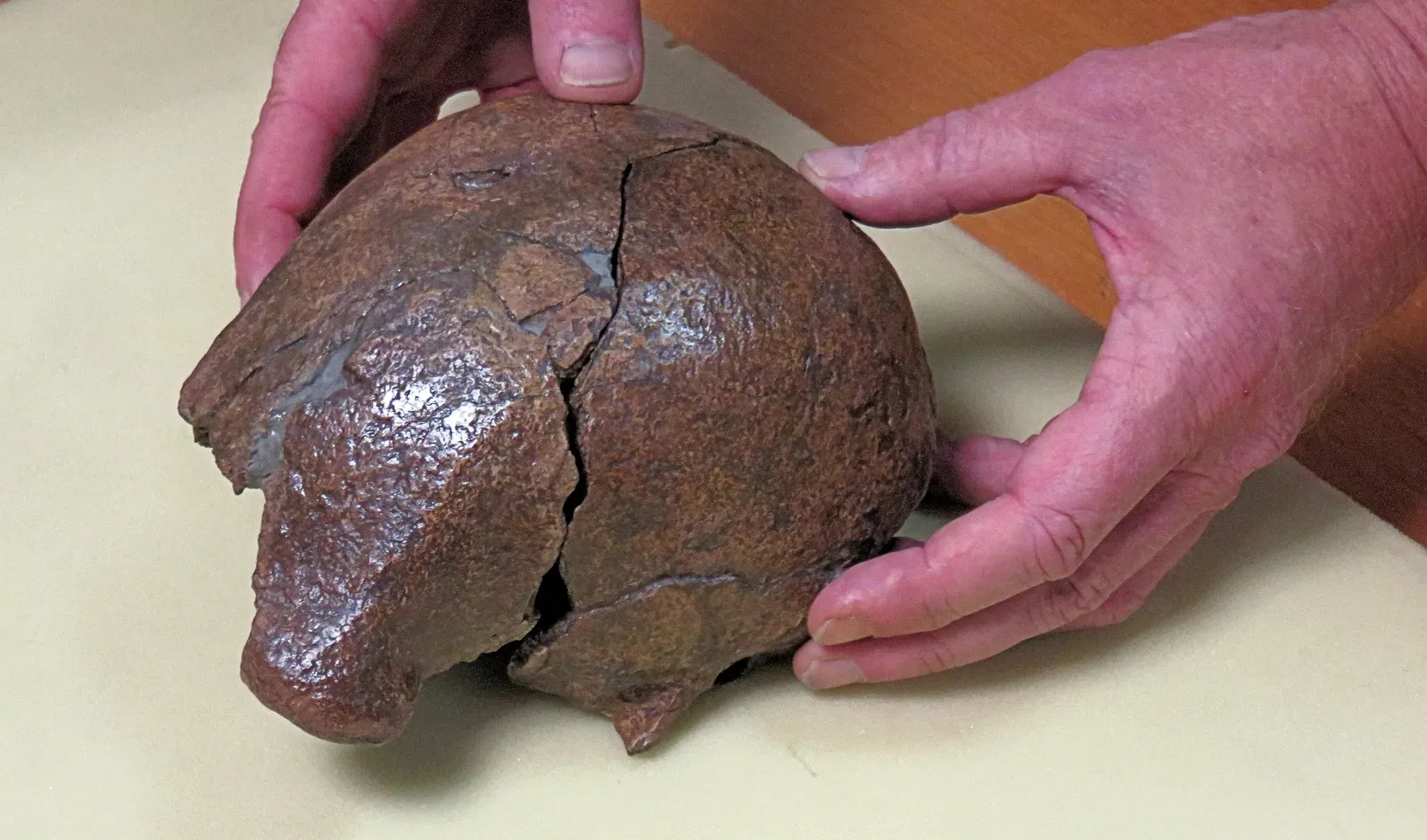
Not everyone is convinced, though. Marine Cazenave, a paleoanthropologist at the Max Planck Institute for Evolutionary Anthropology in Leipzig, Germany, says the new study offers only “weak evidence” for bipedalism. She points out that some nonbipedal primates also have inward-twisted femurs, and the fossil’s damaged condition makes it difficult to know the true extent of the femoral tubercle.
“At some point hominins become bipedal, but exactly how and when that transition took place is one of the most interesting, important questions about our lineage,” says paleoanthropologist Carol Ward of the University of Missouri. She expressed hope that these fossils would provide conclusive information, though she acknowledged they still leave some questions unanswered. The debate will likely continue for years as more fossils are hopefully discovered.
What This Means for Human Origins
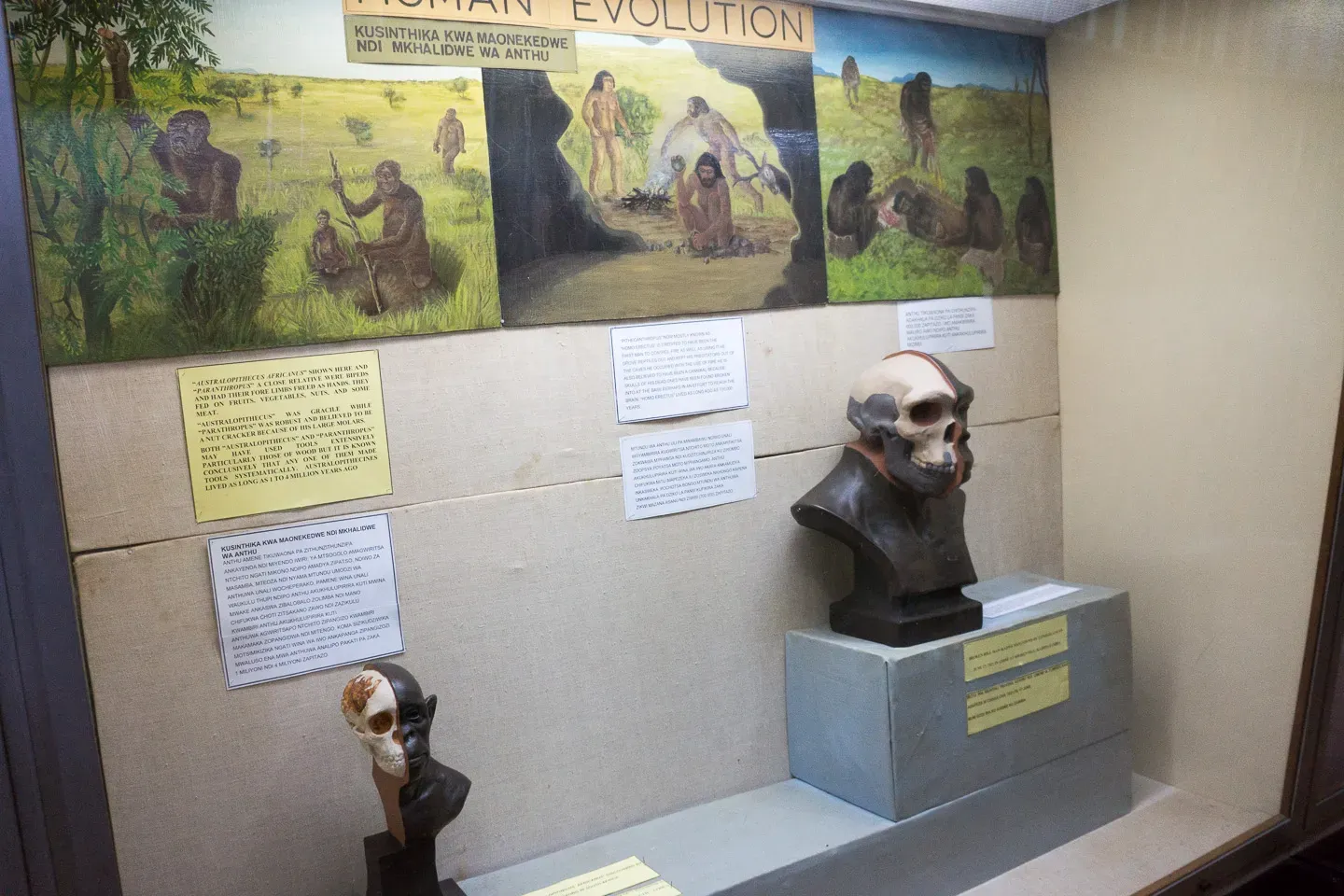
Williams concludes that bipedalism evolved early in our lineage and from an ancestor that looked most similar to today’s chimpanzees and bonobos. Let’s be real – this challenges the popular image many people have of human evolution as a straight line from ape-like creatures gradually becoming more human-like. Instead, it suggests that our chimp-like ancestors were already experimenting with walking upright right from the start of our evolutionary journey.
The finding places bipedalism near the very root of the human family tree, which raises fascinating questions about why this trait emerged so early. Was it for carrying food? Seeing over tall grass? Keeping cool under the African sun? We may never know for certain, but each new fossil brings us closer to understanding this pivotal moment in our history. The fact that Sahelanthropus still had adaptations for tree climbing suggests that early bipedalism offered enough advantages to be worth developing, even while maintaining the safety net of an arboreal lifestyle.
Conclusion
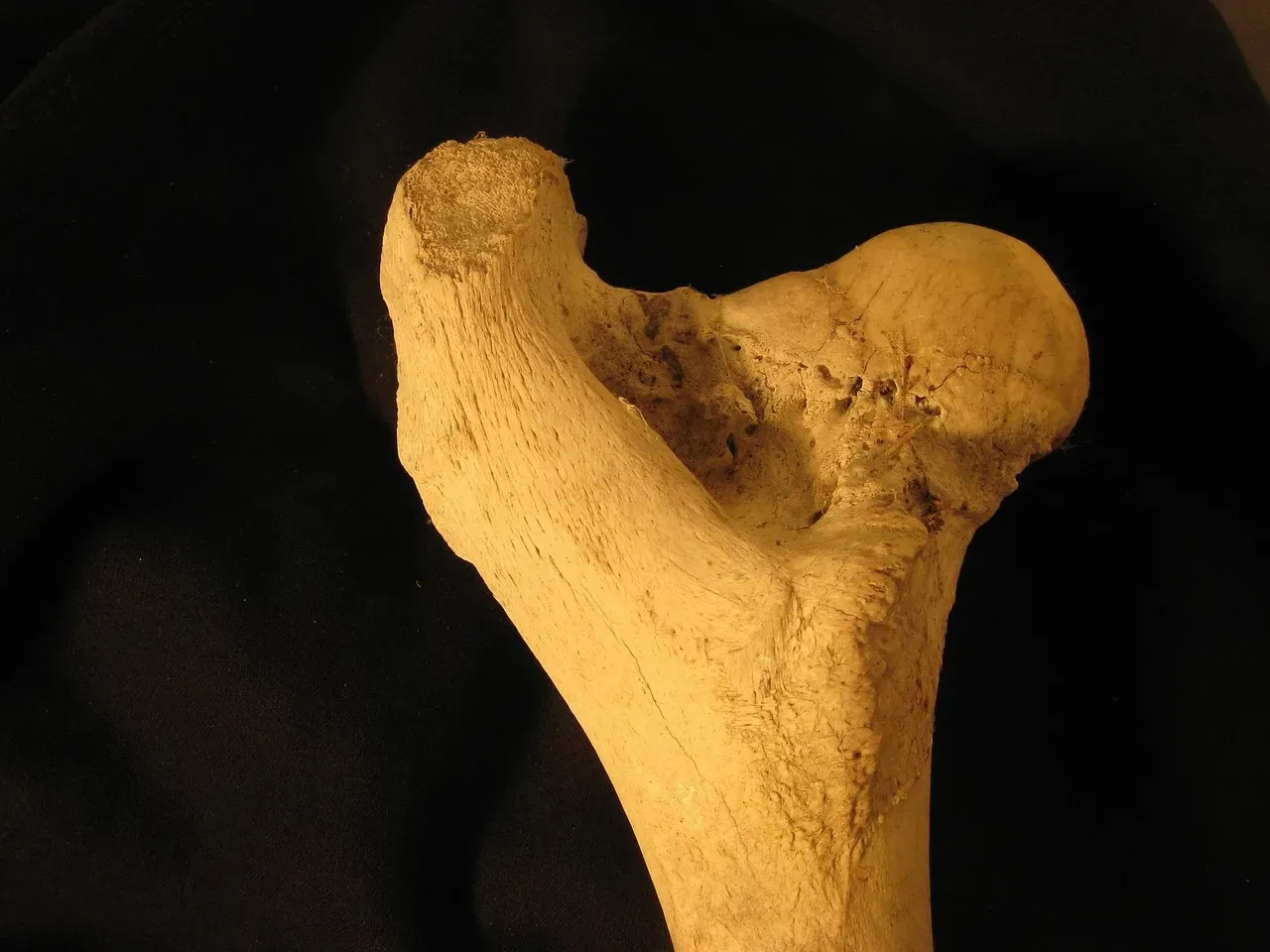
The tiny bump on this ancient femur tells a story far bigger than its size would suggest. It reveals that seven million years ago, our earliest potential ancestors were already taking their first tentative steps toward becoming human, even while they still looked remarkably ape-like. Whether Sahelanthropus tchadensis definitively belongs in the human family tree remains a subject of vigorous scientific debate, but the evidence is mounting that this remarkable creature walked on two legs.
What’s truly exciting is knowing that somewhere in the earth, more fossils are waiting to be discovered that might finally settle these questions once and for all. Until then, we’re left with this fascinating glimpse of a creature caught between two worlds – part ape, part something new – taking its first upright steps on a journey that would eventually lead to us. Did you expect that a bump smaller than your fingernail could hold such enormous significance for understanding where we came from?