If you thought dinosaur discoveries were slowing down, think again. This past year has delivered a treasure trove of prehistoric revelations that have left paleontologists buzzing with excitement. From massive horned giants to tiny burrowing herbivores, 2024 has been nothing short of spectacular for dinosaur science.
What makes these findings particularly fascinating is how they’ve challenged everything we thought we knew about dinosaur diversity, behavior, and evolution. These discoveries span continents and millions of years, painting a richer picture of life during the Mesozoic Era than ever before. Let’s dive into the ten most groundbreaking dinosaur discoveries that have defined this remarkable year.
Lokiceratops rangiformis: The Blade-Horned Giant from Montana
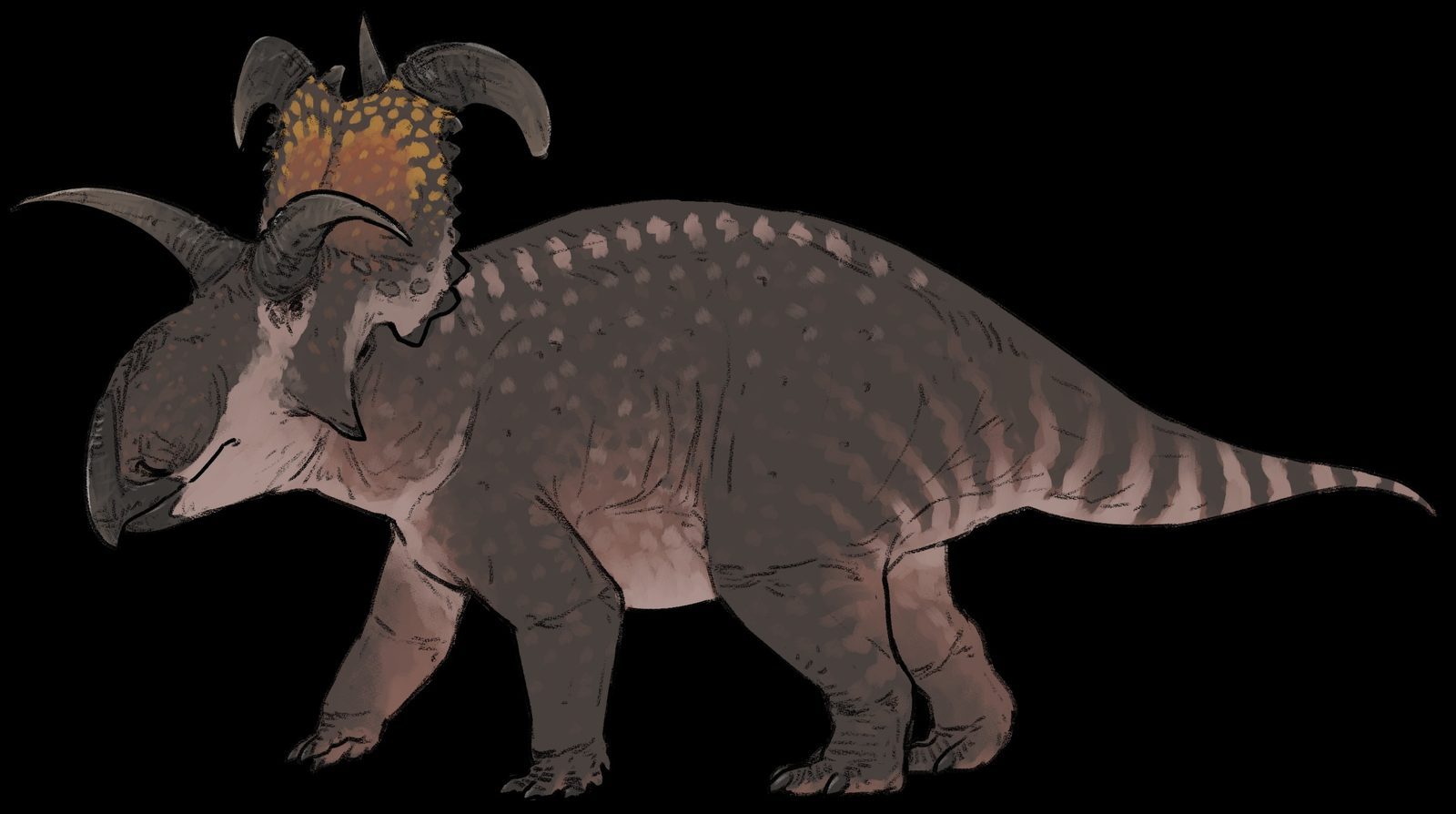
Among the most spectacular finds was Lokiceratops rangiformis, which possesses several unique features, including the absence of a nose horn and huge, curving blade-like horns on the back of the frill – the largest ever found on a horned dinosaur. The distinctive horn pattern inspired its name, Lokiceratops rangiformis, meaning “Loki’s horned face that looks like a caribou.”
Estimated to be 22 feet (6.7 meters) long and weigh 11,000 pounds (5 metric tonnes), Lokiceratops is the largest dinosaur from the group of horned dinosaurs called centrosaurines ever found in North America. The fossil remains of Lokiceratops were discovered in 2019 and cleaned, restored and mounted. Lokiceratops rangiformis lived approximately 78 million years ago and was the largest horned dinosaur of its time.
Fona herzogae: The Underground Pioneer
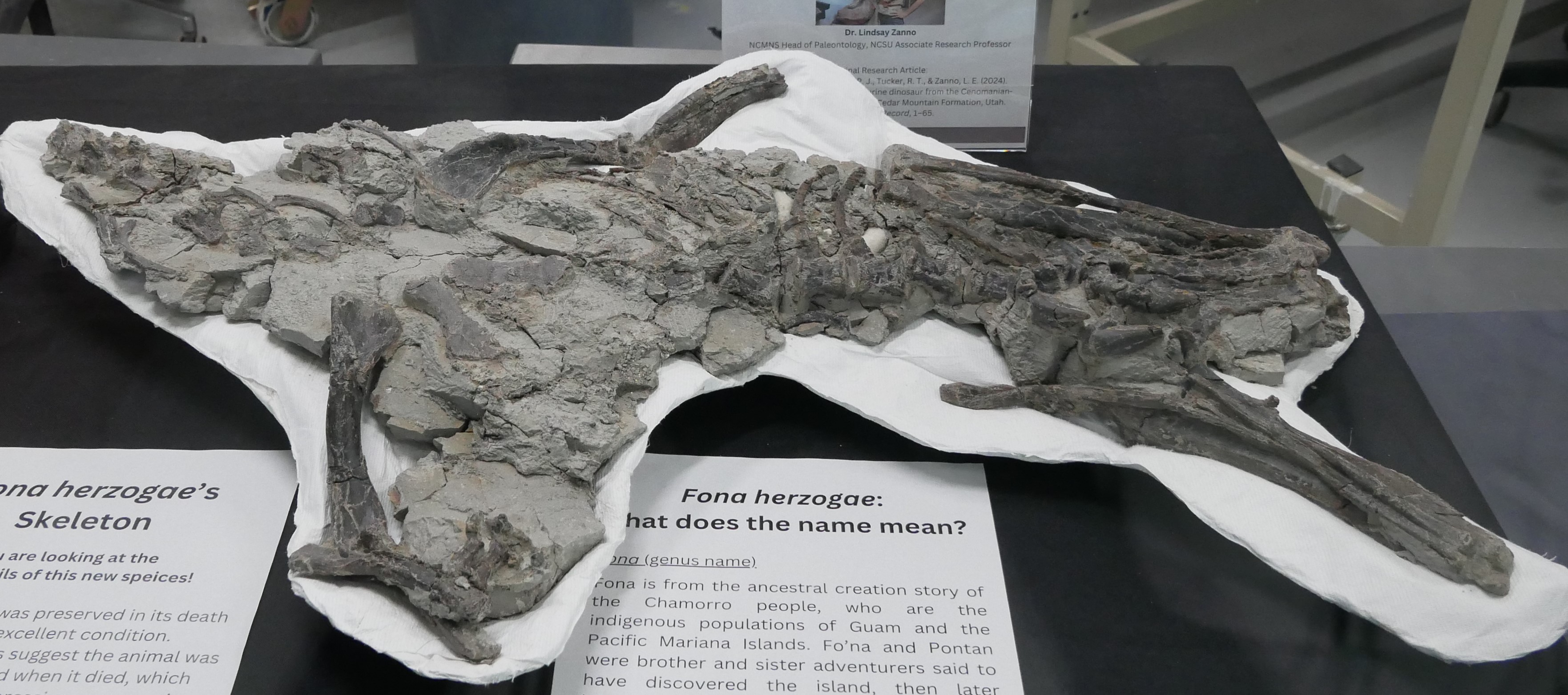
Fona herzogae was a small dinosaur about the size of a dog that lived underground, making it one of the few known burrowing dinosaurs from 99 million years ago. While a relatively small dinosaur, Fona was about three feet long. This dinosaur had strong legs and muscles suited for digging, helping it create burrows in the ground for shelter.
According to the findings, F. herzogae had strong bicep muscles, strong muscle attachment points on the hips, and fused bones on the pelvis. These elements indicated that F. herzogae had the necessary build for burrowing. These small, plant-eating dinosaurs are one of the most poorly understood groups of dinosaurs in general. It’s like a black hole of knowledge in the field, especially in regard to their evolution and their family tree.
Eoneophron infernalis: The Pharaoh’s Dawn Chicken from Hell
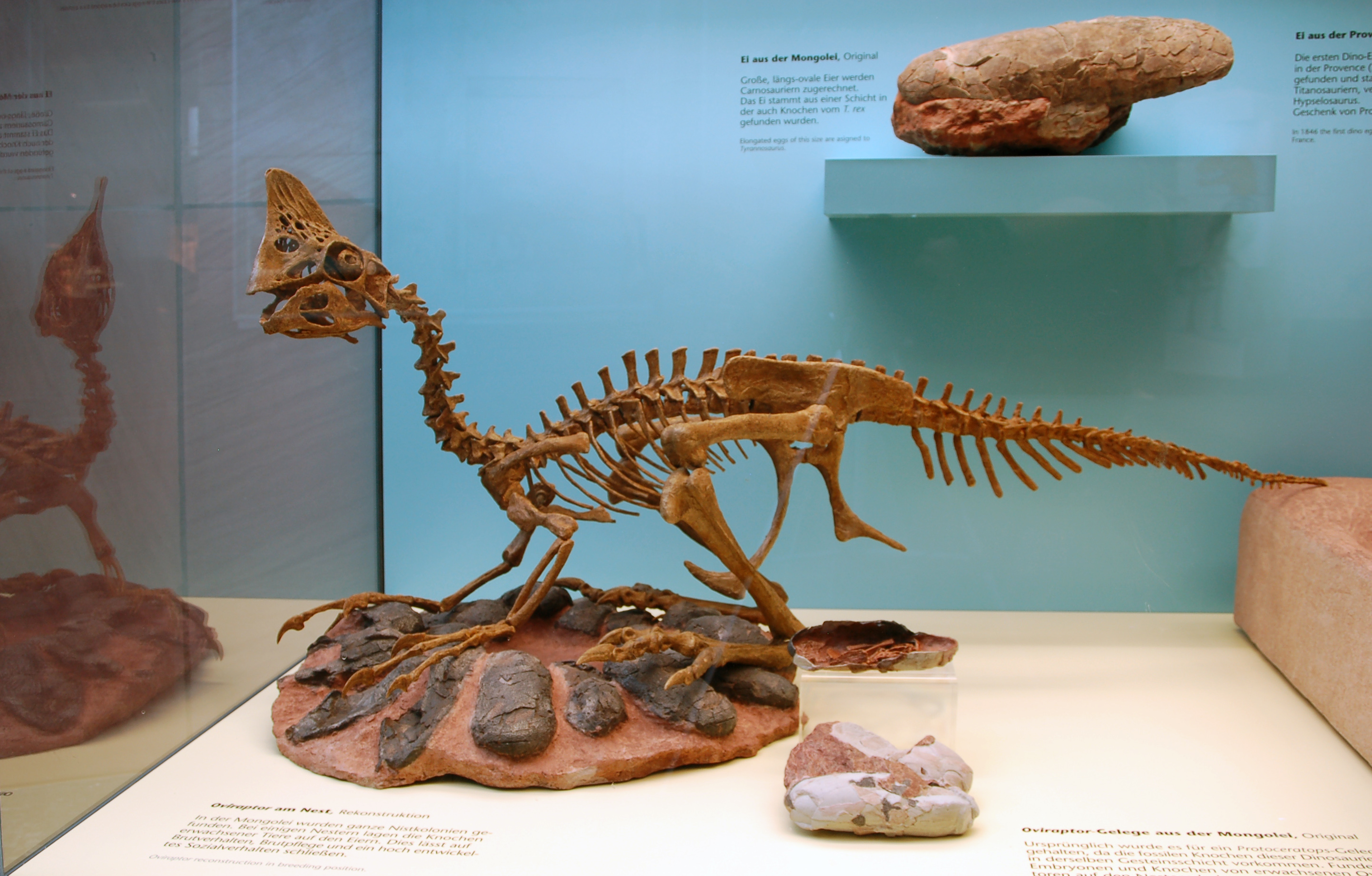
Atkins-Weltman named the new dinosaur Eoneophron infernalis, which translates to Pharaoh’s dawn chicken from hell. With a nickname like “Hell chicken,” it’s a good thing that Eoneophron infernalis is no longer roaming the world. The oviraptor earned the moniker after paleontologists found E. infernalis in the Hell Creek Formation in the U.S.
Based on rough estimates, Eoneophron weighed around 150 to 160 pounds and stood about 3 feet tall at the hip, about the size of a human. The leg had come from a dinosaur larger than the smallest caenagnathid but not so large as Anzu, a distinct species. Along with another, as-yet-unnamed species, at least three caenagnathids have been found in the Hell Creek Formation.
Qunkasaura pintiquiniestra: The Spanish Wanderer
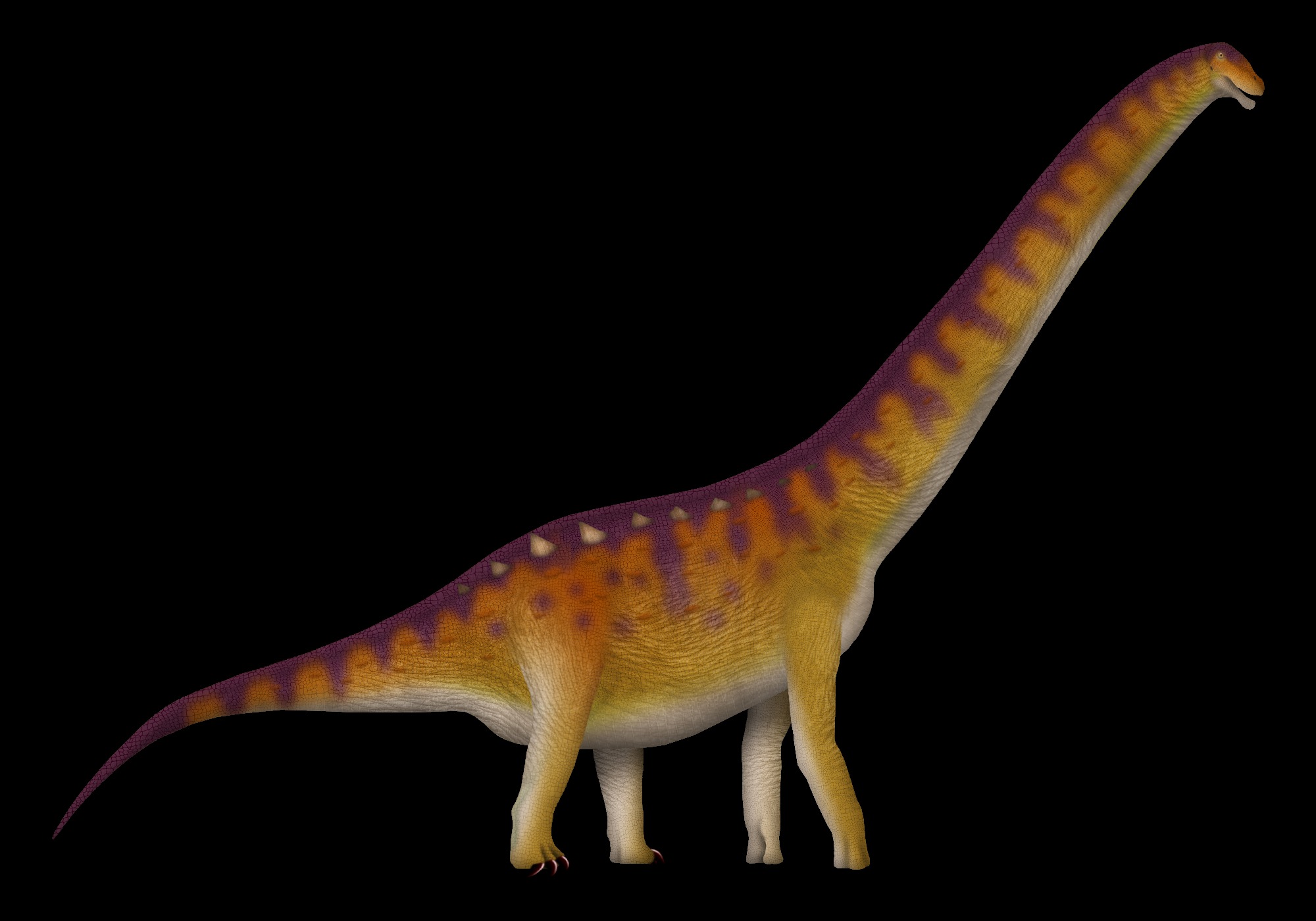
After years of research, a team of paleontologists from Portugal has identified a new species of sauropod that lived in what is now Spain about 75 million years ago. The new sauropod, Qunkasaura pintiquiniestra, likely measured 32 feet to 50 feet long and could have weighed 11 tons.
Besides this being a fantastic discovery, the research team also realized that this sauropod was much bigger than the sauropods usually found in the area. Along with that, Qunkasaura’s tail was also curved in a way that is similar to sauropods found in South America, not in Europe. This indicates that Qunkasaura may have had unique migration patterns, giving researchers a better look at how sauropods migrated during the Late Cretaceous.
Chakisaurus nekul: The Swift Runner from Patagonia
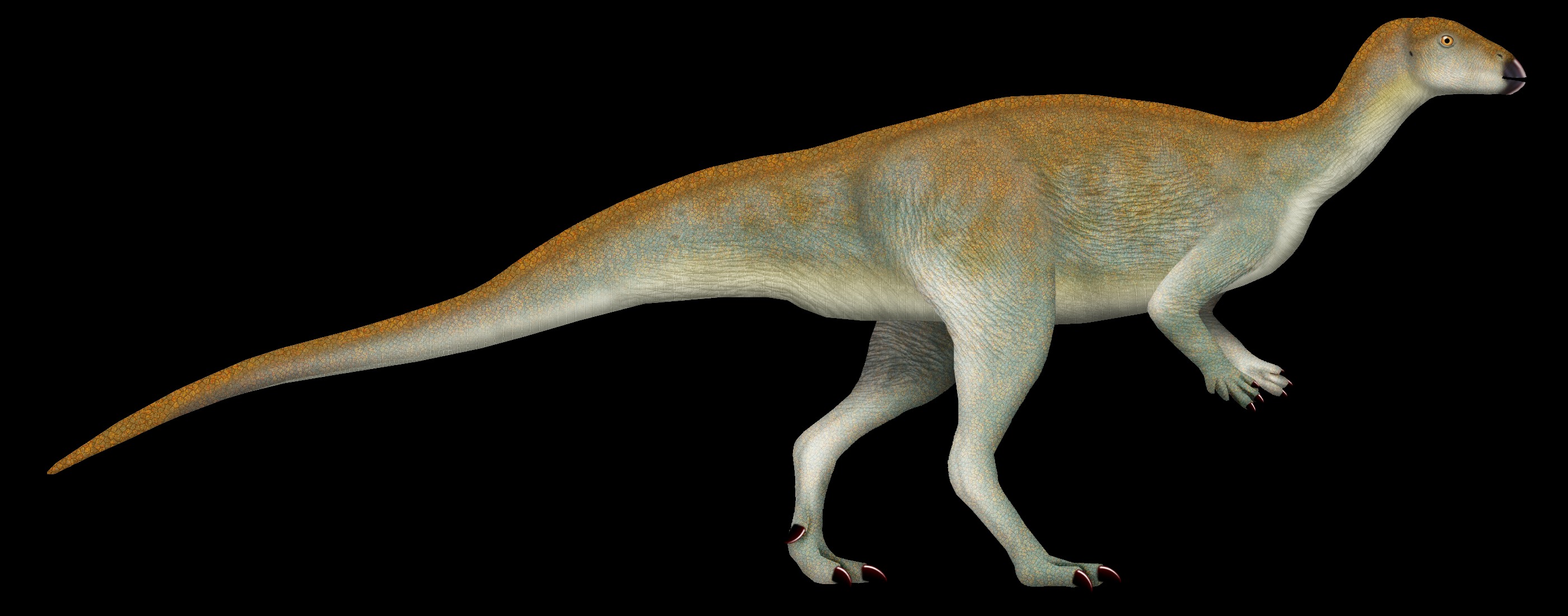
The dinosaur, named Chakisaurus nekul was about 8 feet to 10 feet long and just over 2 feet tall. Its medium build likely meant it was a fast runner. It lived about 90 million years ago during the late Cretaceous period in what is now Patagonia.
According to the research team, C. nekul had a long tail with a unique downward curve that is unlike other dinosaur tails. The team found C. nekul in the Pueblo Blanco Natural Reserve in Río Negro. This remarkable discovery adds another piece to the puzzle of South American dinosaur diversity during the Cretaceous period.
Riojavenatrix lacustris: The Spanish Lake Hunter
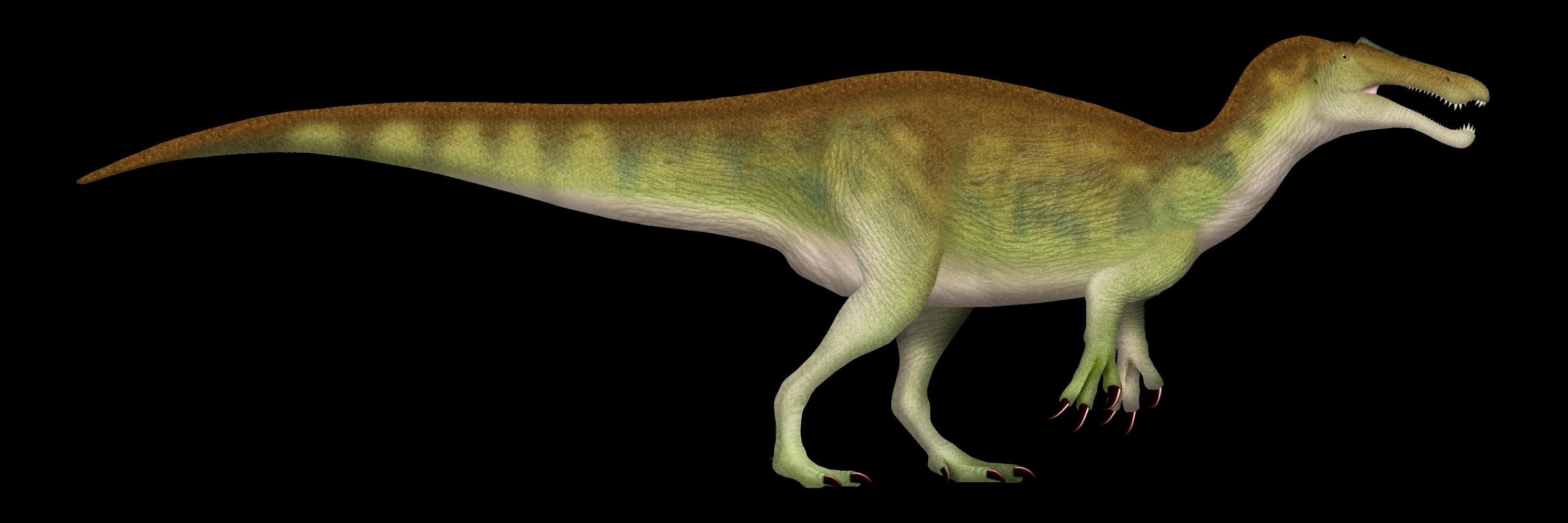
The newly named spinosaurid Riojavenatrix lacustris lived during the early Cretaceous period about 120 million years ago in what is now Spain. R. lacustris was likely 23 feet to 26 feet long and weighed about 1.5 tons. With long snouts and crocodile-like hands, spinosaurids were large, fearsome predators that dominated the mid-Cretaceous period.
According to the study, R. lacustris is the latest to join a group of other spinosaurids to live on the Iberian Peninsula. The group includes Camarillasaurus, Vallibonavenatrix, Protathlitis, and Iberospinus. This new discovery leaves researchers wondering how these predators coexisted in this environment.
Titanomachya: The Cow-Sized Titanosaur
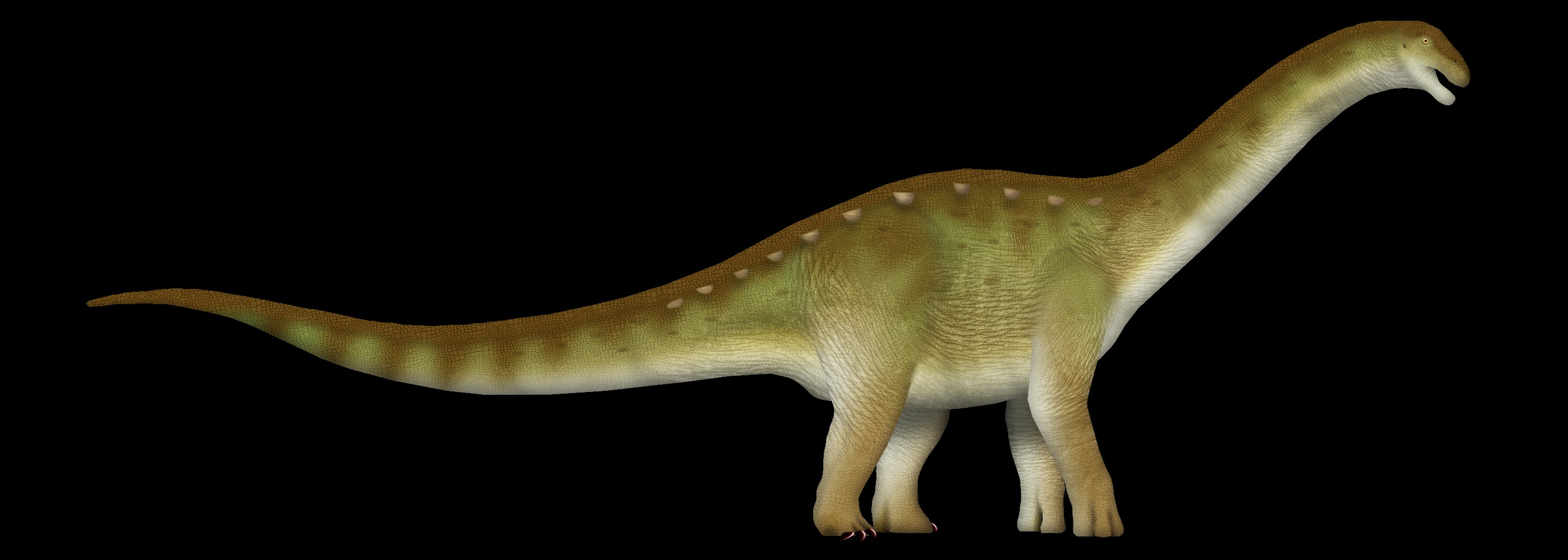
Named this year, Titanomachya was about the size of a cow. Described earlier this year in Historical Biology, the new dinosaur was found in the 70-million-year-old rocks of Patagonia. It was uncovered as experts have tried to better understand the Late Cretaceous in South America, and researchers found it within the same geologic formation where the famous horned carnivore Carnotaurus was discovered.
Perhaps the carnivore would have given Titanomachya reason to fear, as the herbivore was ten times smaller than its giant relatives like Patagotitan. This discovery proves that not all titanosaurs were titans, adding valuable insight into the diversity of this massive dinosaur group.
Tyrannosaurus mcraeensis: A New King of the Lizards
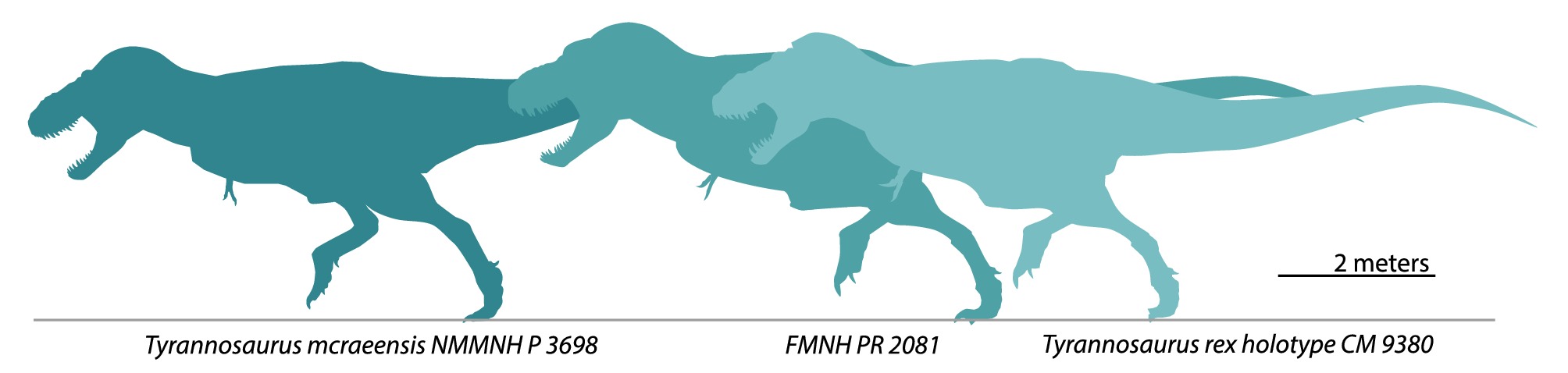
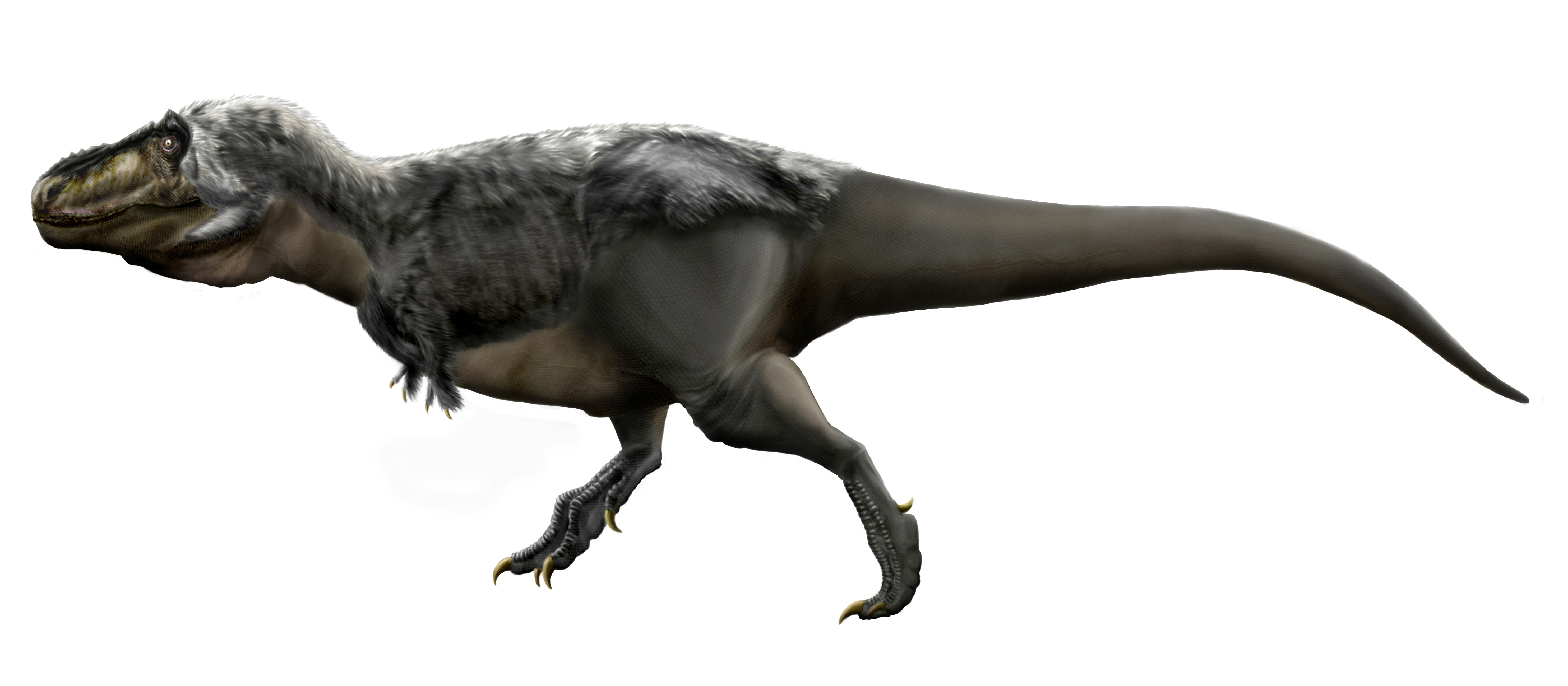
Breaking the trend of genera, this animal is actually a new species of the most famous dinosaur of all: Tyrannosaurus. While new species of this dinosaur have been proposed before, Tyrannosaurus mcraeensis remains controversial, with many paleontologists questioning whether it represents a distinct species.
This discovery has sparked considerable debate in the paleontology community. The identification of a second Tyrannosaurus species challenges decades of assumptions about the iconic predator and suggests that the diversity of these apex predators may have been greater than previously understood.
Harenadraco prima: The Sand Dragon
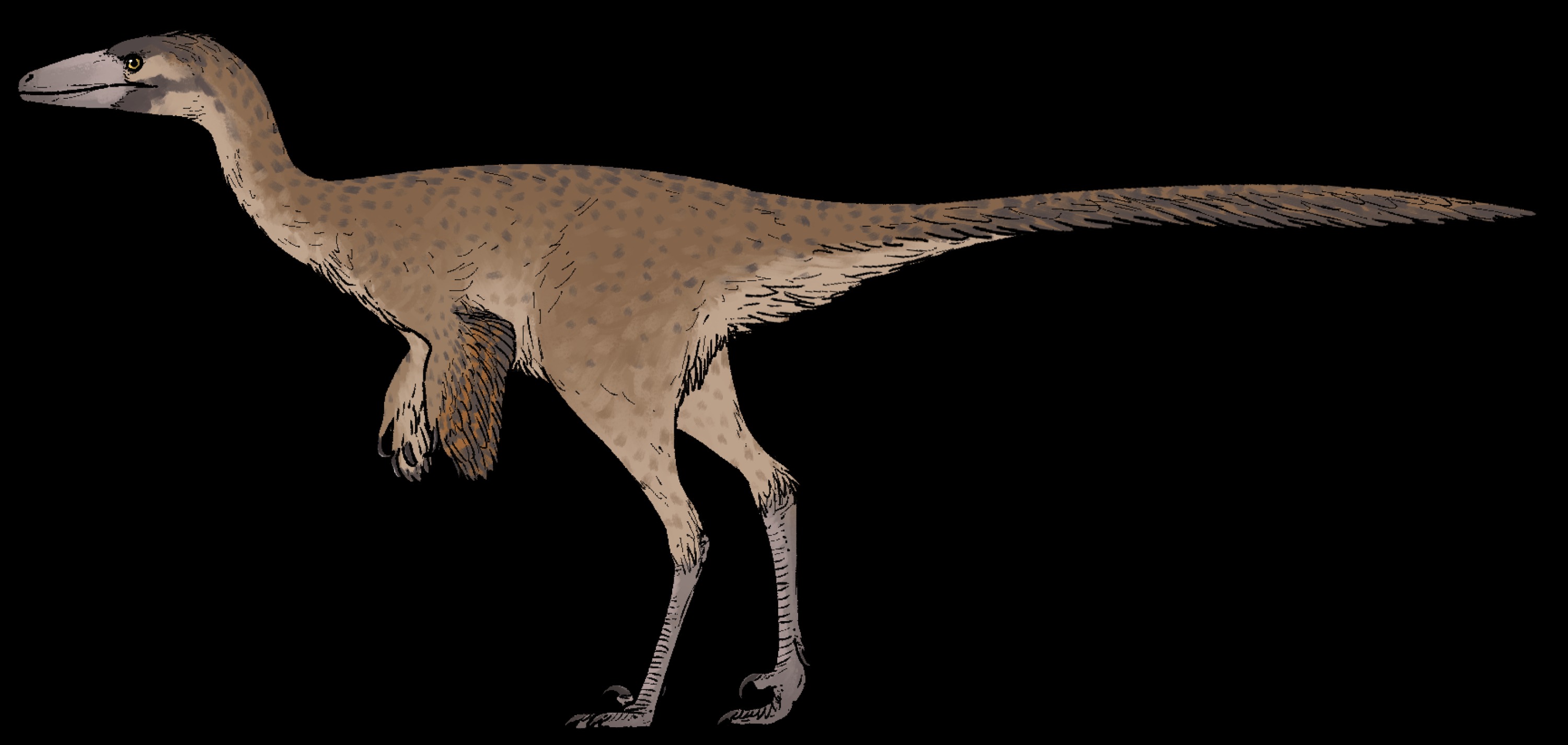
From the windswept deserts of Mongolia comes another fascinating find. Harenadraco prima (Troodontidae), Fleischfresser aus der Mongolei 🇲🇳, späte Oberkreide. This small theropod dinosaur represents an important addition to our understanding of Mongolian dinosaur fauna during the Late Cretaceous period.
The discovery of Harenadraco highlights the incredible diversity of small carnivorous dinosaurs that inhabited Asia during the final chapter of the dinosaur age. Its classification within the Troodontidae family suggests it was likely an intelligent, bird-like predator with keen senses and swift movement capabilities.
Feathered Dinosaurs: New Species from Asia
Sichuan Province, China: A new species of feathered dinosaur has been discovered, offering further evidence for the link between dinosaurs and birds. Rio Grande do Sul, Brazil: A well-preserved fossil of a feathered dinosaur has been discovered, providing additional insights into dinosaur appearance and behavior.
The discovery of feathered dinosaurs has revolutionized our understanding of the evolutionary link between these ancient reptiles and modern birds. These feathered dinosaurs, with their diverse array of plumage, provide compelling evidence for the hypothesis that birds evolved from a specific group of theropod dinosaurs. The preservation quality of these specimens continues to astound researchers and provide unprecedented detail about dinosaur appearance.
Conclusion
The year 2024 has been nothing short of extraordinary for dinosaur paleontology. From the massive horned face of Lokiceratops to the underground lifestyle of Fona herzogae, these discoveries have dramatically expanded our understanding of dinosaur diversity and behavior. Each find tells a unique story about life during the Mesozoic Era, revealing ecosystems far more complex and varied than we previously imagined.
Perhaps most importantly, these discoveries remind us that there’s still so much we don’t know about dinosaurs. Experts have continued to name new species and reveal previously unknown details of dinosaur lives at a rapid pace, allowing us to envision the Mesozoic world in ever more detail. As technology advances and more fossil sites are explored, who knows what incredible creatures await discovery in the years to come. What do you think about these amazing finds? Tell us in the comments.