Imagine standing on ancient ground, the same ground that once shook beneath the footsteps of the largest creatures to ever walk the Earth. It’s a thought that genuinely gives you goosebumps, right? The Jurassic Period, spanning roughly from about 200 to 145 million years ago, was the golden age of dinosaurs and a time of extraordinary biological diversity. What’s left of it is locked in layers of rock scattered across nearly every continent.
The sites where you can access that ancient world today are among the most breathtaking and scientifically important places on the planet. Some are tourist-friendly parks. Others are remote, windswept badlands that only the most dedicated researchers dare visit. All of them carry jaw-dropping stories. So let’s dive into the ten most remarkable Jurassic paleontological sites the world has to offer.
1. The Morrison Formation, USA: The Jurassic Giant
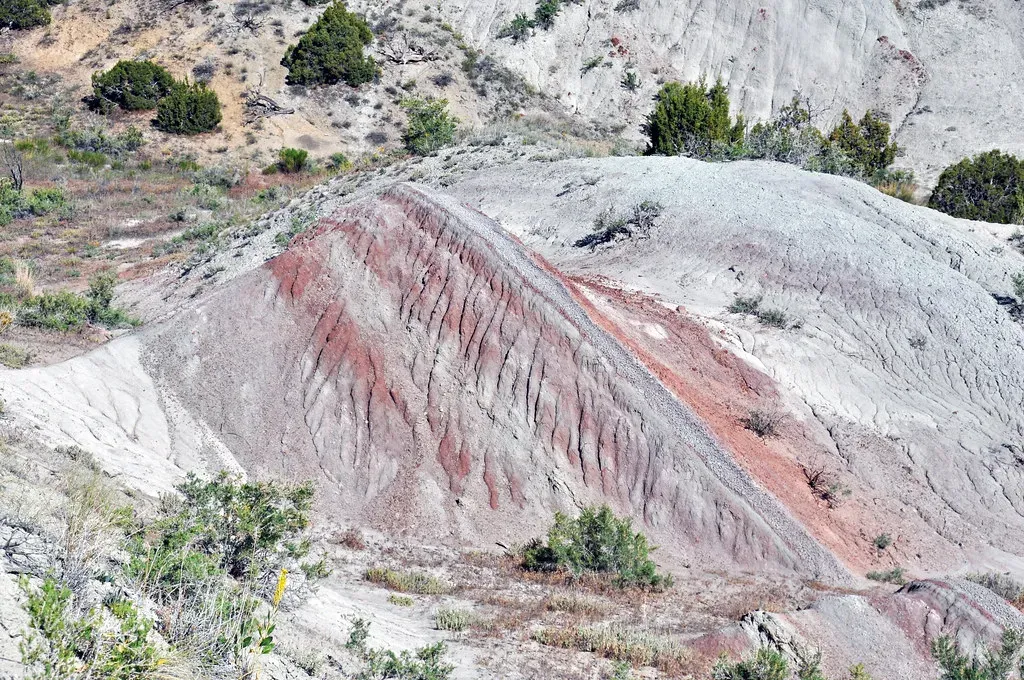
If you could pick only one Jurassic site in the entire world to visit, honestly, this might be it. The Morrison Formation stretches across several U.S. states, but certain parts are particularly famous hotspots for Late Jurassic fossils, including iconic dinosaurs like Stegosaurus and Apatosaurus. Think of it as a massive prehistoric graveyard spread across the American West, so large that it almost defies comprehension.
The Morrison Formation is significant not only for its sheer quantity of fossils, but also for the extraordinary diversity of life it represents, from massive sauropods to tiny mammals and amphibians. Famous species like the sharp-toothed predator Allosaurus, the giant long-necked Brontosaurus and Diplodocus, and the plate-backed Stegosaurus have all been found here. When you realize that some of those very bones are still waiting to be uncovered, this whole region starts to feel incredibly alive.
2. Dinosaur National Monument, Colorado and Utah, USA: Touch the Past
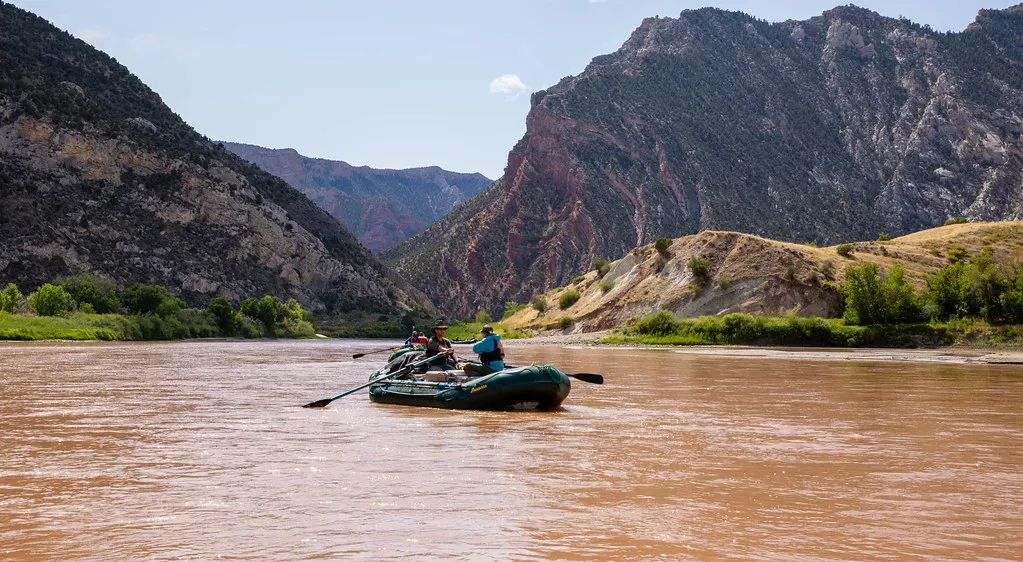
Spanning over 210,000 acres across Colorado and Utah, Dinosaur National Monument is one of the largest and most famous fossil sites in the United States, known for its rich deposits of Jurassic-era fossils, including dinosaur bones, footprints, and other ancient remains. Let’s be real, a site this size isn’t just a museum visit. It’s practically a prehistoric continent.
Located in both Colorado and Utah, the monument features about 1,500 dinosaur bones from the Jurassic period, including Allosaurus, Apatosaurus, Camarasaurus, Diplodocus, and Stegosaurus among many others. The refurbished Quarry Exhibit Hall provides the perfect environment to learn about, see, and even touch 149-million-year-old dinosaur fossils. Where else on Earth can you literally lay your hands on bones that are nearly 150 million years old?
3. Solnhofen Limestone, Germany: Where Archaeopteryx Was Born
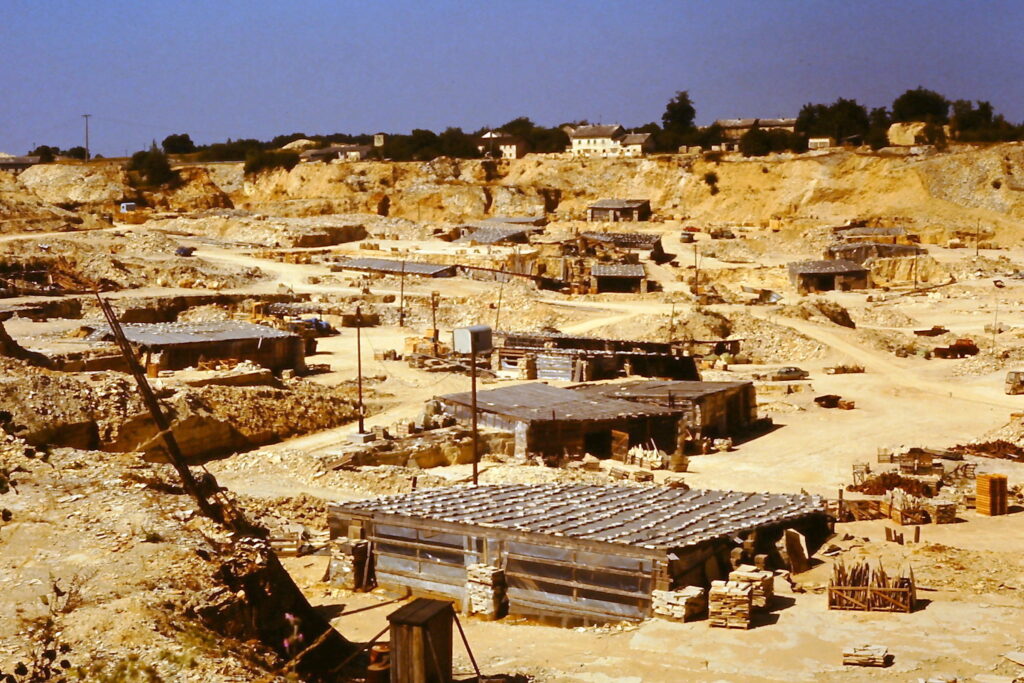
The Solnhofen Limestone, located in southern Germany, covers an area of about 100 square miles and is famous for its exceptional preservation of fossils from the Late Jurassic period, around 150 million years ago. It’s the kind of site that turns seasoned scientists into wide-eyed children. The reason? The fossils here aren’t just bones. They’re almost impossibly detailed.
The Solnhofen Limestone is a sedimentary rock formation that was once a shallow lagoon, providing ideal conditions for fossilization, and the fine-grained limestone helped preserve even the most delicate features of organisms, including feathers, skin, and even soft tissues. Fossils from Solnhofen have been studied for over 150 years, with the discovery of Archaeopteryx in 1861 marking a pivotal moment in the history of paleontology. That single discovery, a creature bridging dinosaurs and birds, changed everything scientists thought they knew about evolution.
4. Tendaguru Formation, Tanzania: Africa’s Greatest Jurassic Secret
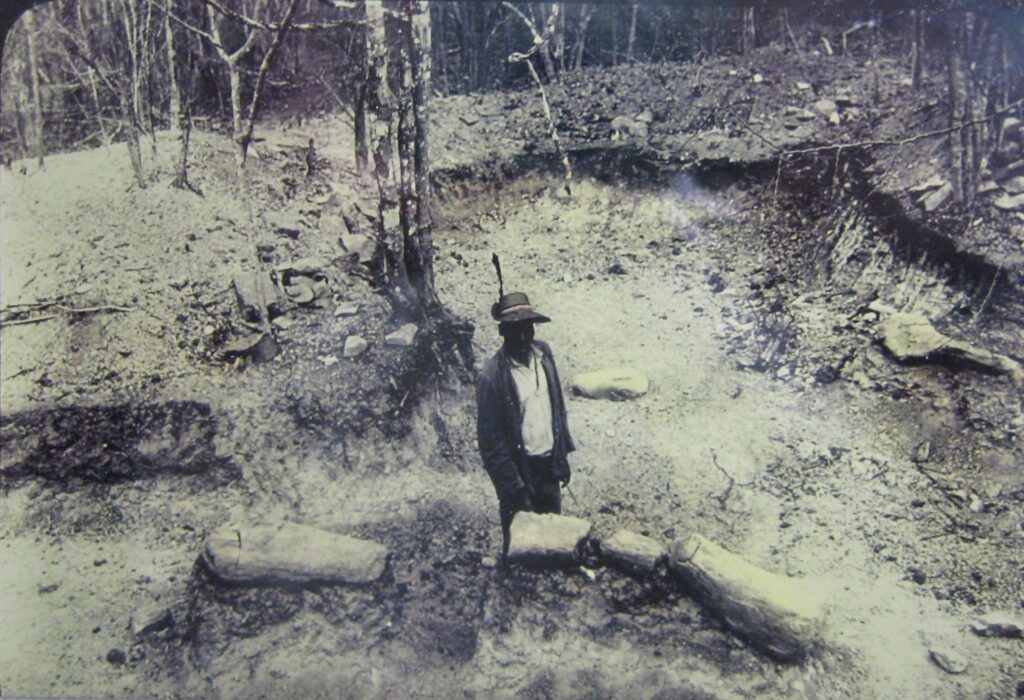
If you’ve never heard of Tendaguru, you’re not alone. It’s the kind of place that rarely makes the headlines, yet its importance to science is staggering. The Tendaguru Formation is considered the richest Late Jurassic strata in Africa and has provided a wealth of fossils of different groups, including early mammaliaforms, several genera of dinosaurs, crocodyliforms, amphibians, fish, invertebrates, and flora. In short, it’s an entire ancient ecosystem preserved in rock.
The first find was discovered in 1906 by German engineer Bernhard Wilhelm Sattler, who was in charge of a garnet mine in the region and noticed an enormous bone on the path, a discovery that led to decades of investigations in the area. The largest skeleton found at the site is of the Giraffatitan brancai, which is about 13 metres high and 23.5 metres long, believed to be the biggest dinosaur to have lived in Africa. That’s a creature taller than a four-story building.
5. Jurassic Coast, England: A Living Timeline of Ancient Life
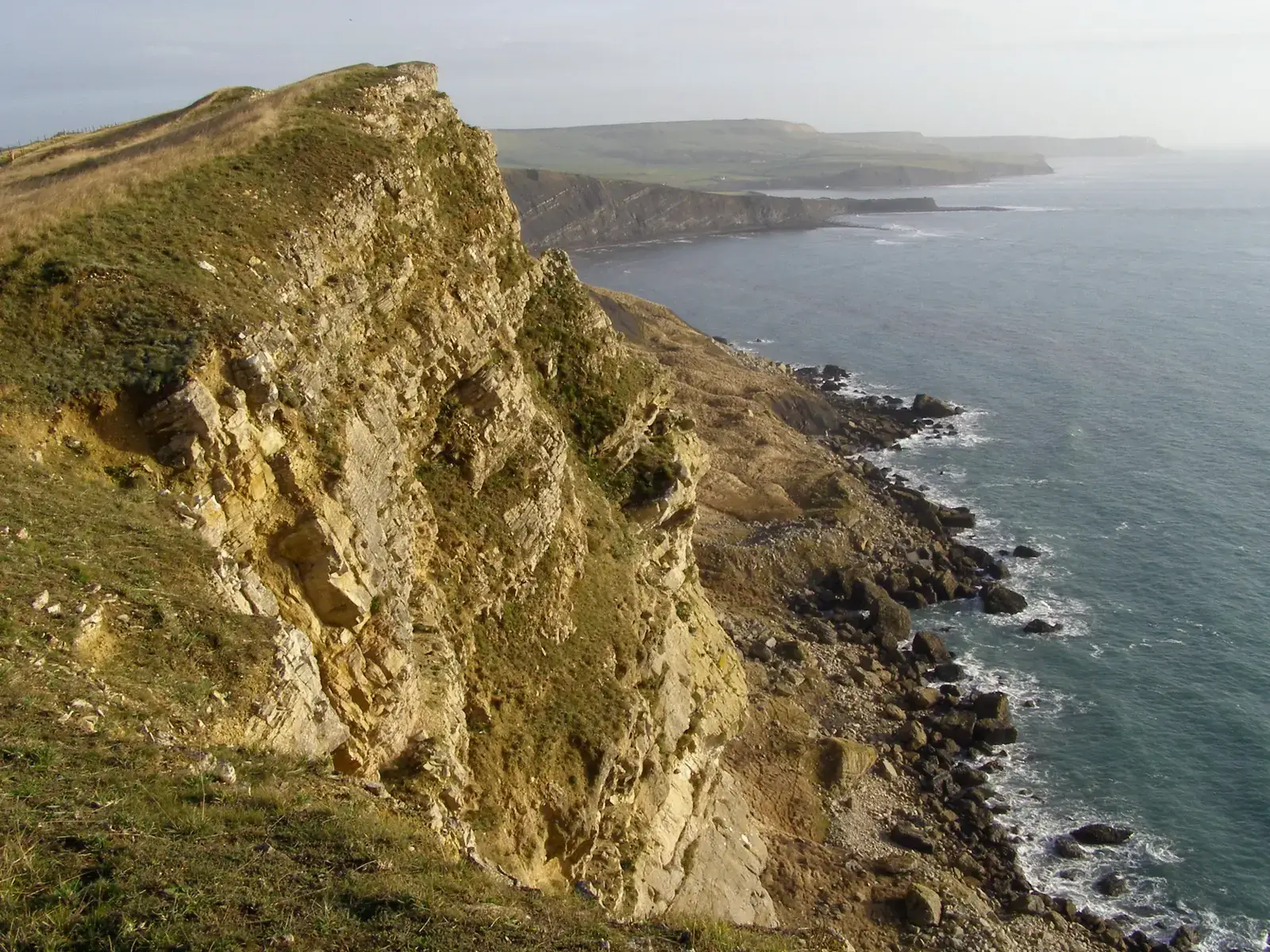
You might expect the most extraordinary Jurassic fossil hunting to take place in some remote desert or jungle. Yet here’s England offering one of the world’s finest sites right along a scenic coastline. England’s Jurassic Coast stretches 95 miles between Exmouth and Old Harry’s Rocks, spanning the counties of Devon and Dorset, England’s only natural UNESCO World Heritage Site, dating back 185 million years and renowned for its rock formations, prehistoric fossils, and dramatic limestone cliffs.
The cliffs at Charmouth and Lyme Regis in Dorset contain thousands of fossils of marine reptiles that swam in the Jurassic seas 145 million years ago, representing one of the richest slices of life in Jurassic times anywhere in the world. The discoveries by Mary Anning, who is often referred to as the world’s greatest fossil hunter, changed scientific thinking about prehistoric life and the history of the Earth in the first half of the 1800s. You can still walk those same beaches today and find fossils literally washing out of the cliffs after a storm.
6. Dashanpu Dinosaur Fossil Site, Zigong, China: Asia’s Jurassic Treasure
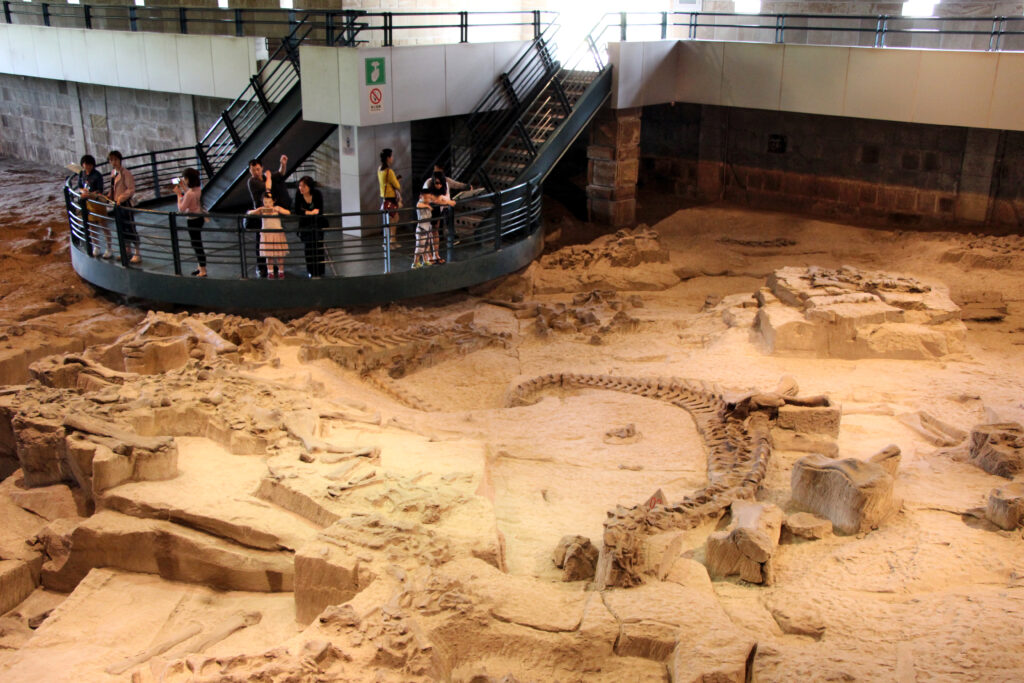
Here’s the thing about China: it’s been quietly producing some of the most extraordinary fossil discoveries in the world for decades, and Zigong is the crown jewel of that story. The Dashanpu Dinosaur Fossil Site, located less than 10 km east of Zigong City in Sichuan Province, covers over 70,000 square meters and preserves a remarkable snapshot of the Middle Jurassic ecosystem, including sauropods, stegosaurs, theropods, and small ornithopods like Agilisaurus.
As Zigong has the largest number of dinosaur fossils in the world and attracts over seven million visitors per year, it’s no wonder that this relatively small Chinese city leads the world when it comes to paleontology tourism. Recognised nationally and internationally, the site forms part of the Zigong UNESCO Global Geopark alongside the Zigong Dinosaur Museum. When a city attracts that many visitors specifically for its dinosaur fossils, you know something remarkable is buried there.
7. Cleveland-Lloyd Dinosaur Quarry, Utah, USA: A Mystery No One Has Solved
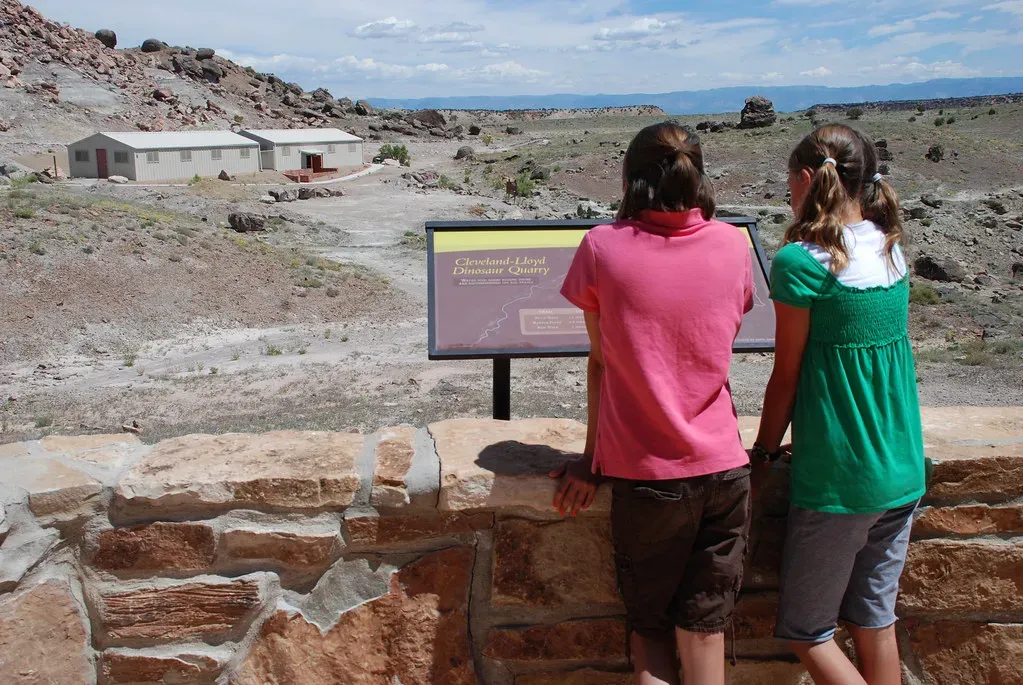
I think this site might be the most genuinely puzzling spot on this entire list. The Cleveland-Lloyd Dinosaur Quarry contains the densest concentration of Jurassic-aged dinosaur bones ever found, and scientists are still puzzled as to why more than three-quarters of the bones found in this area are from carnivores. Picture a mass grave of predators from 150 million years ago. No one fully knows why.
Cleveland-Lloyd Dinosaur Quarry at Jurassic National Monument houses over 12,000 bones and an authentic dinosaur egg. This Utah quarry is often described as having the densest concentration of Jurassic dinosaur bones ever found, with well over 12,000 bones excavated, coming from a bonebed that scientists still debate, since so many remains accumulated in one spot. If unsolved prehistoric mysteries are your thing, this place will keep you thinking for years.
8. Lourinhã Formation, Portugal: Europe’s Hidden Dinosaur Capital
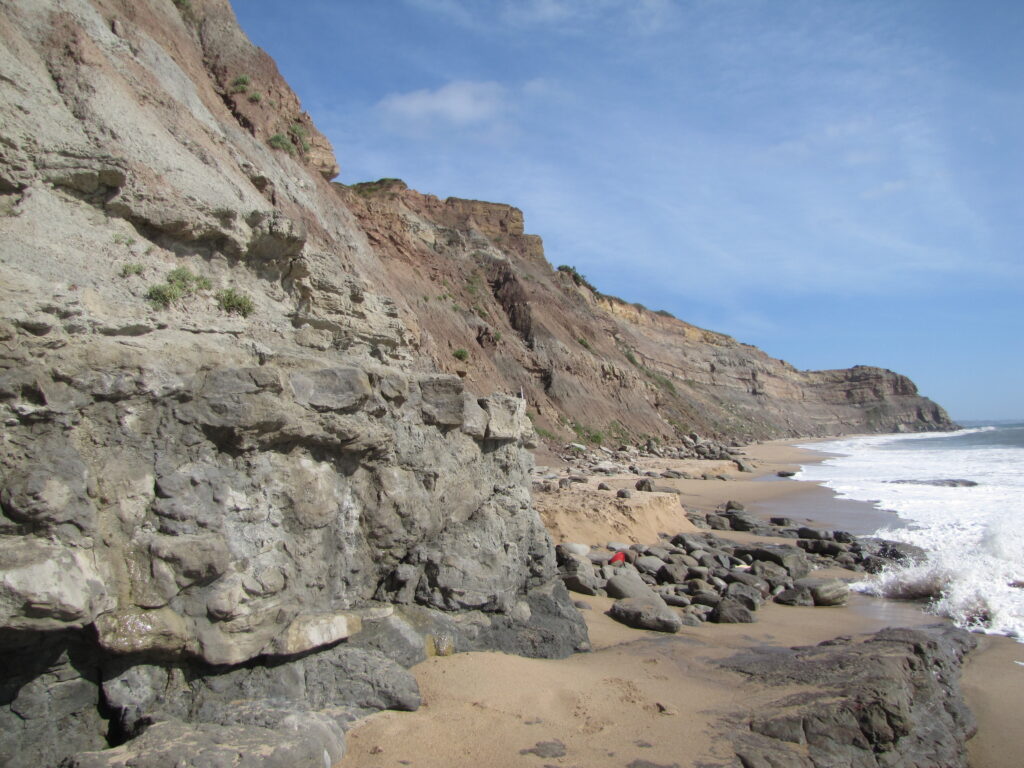
Most people think of Portugal as a destination for beaches and pastéis de nata. Few realize it sits on one of Europe’s most important Jurassic fossil beds. The area is so rich in dinosaur remains that it has been officially labelled the Lourinhã Formation, a geological treasure trove dating back 150 million years to the Late Jurassic period, where key finds include the world’s oldest sauropod and theropod nest complete with embryos. That’s a world record that even most paleontology enthusiasts don’t know about.
Western Portugal’s Lourinhã Formation has yielded dinosaur bones as well as eggs and tracks, with the coastal cliffs and beaches exposing rock layers that researchers can study as erosion reveals new material, making it one of Europe’s best-known regions for repeatedly producing dinosaur finds, especially from the Late Jurassic. Remarkably, the formation is notable for containing a very similar fauna to that of the Morrison Formation in the USA and the Tendaguru Beds in Tanzania. It’s almost as if the Jurassic world was smaller than we imagined.
9. Karoo Basin, South Africa: Where Mammals Came From
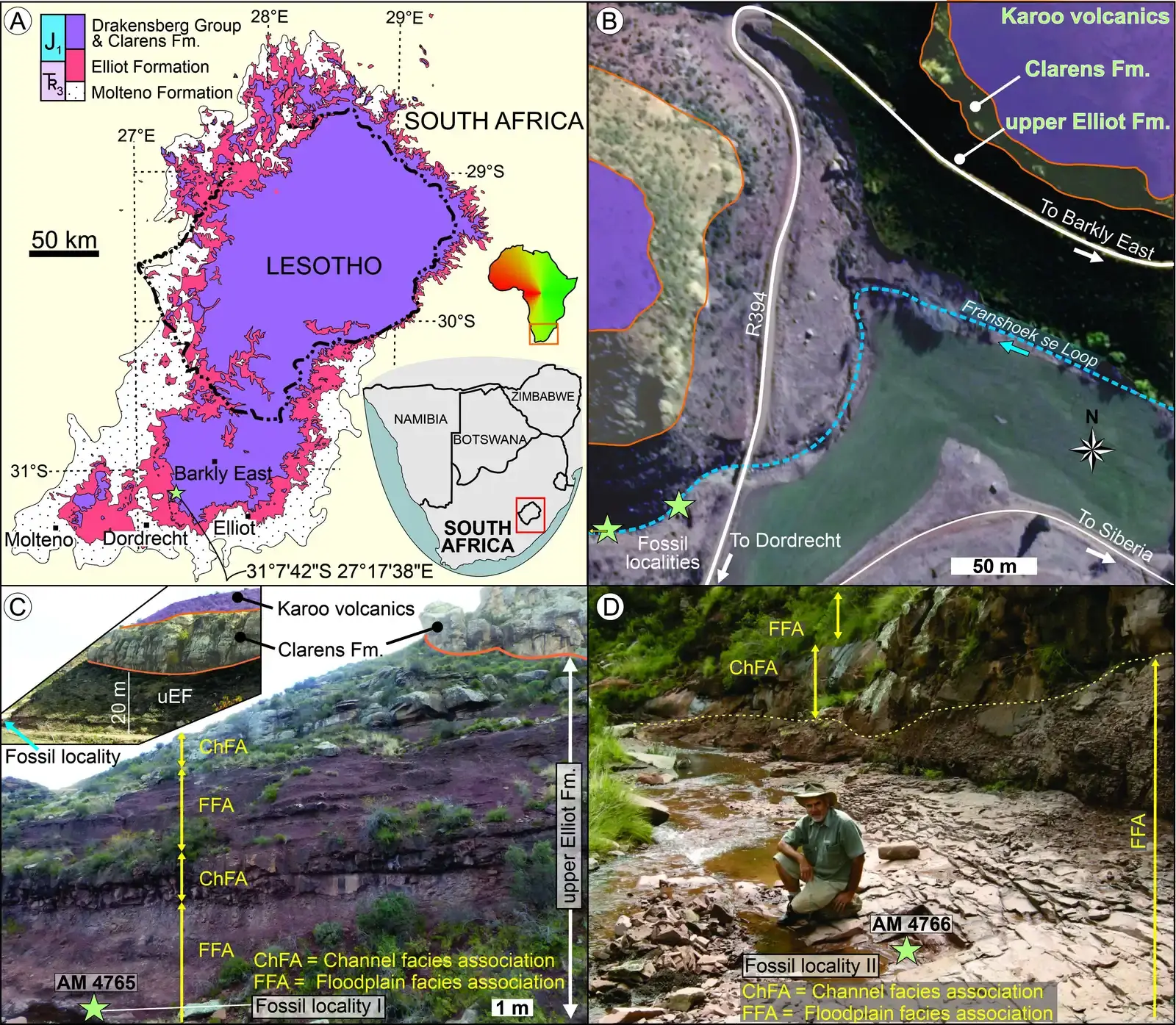
The Karoo Basin might not shout “dinosaur paradise” the way some other sites do, but what it offers is arguably even more profound. The Karoo Basin is a goldmine for paleontologists, offering a continuous record of fossil deposits from the late Carboniferous to the early Jurassic periods, and is particularly famous for its therapsid fossils, which provide clues about the evolution of mammals from reptilian ancestors. Think about that for a second: this is where the story of your own distant ancestors begins.
The Karoo is essentially a geological time machine. Its sedimentary layers span an enormous swath of prehistoric time, making it one of the most complete fossil records anywhere on Earth. Extensive Jurassic deposits can be found across the Rocky Mountains of the United States, England and western Europe, central Russia, and many other parts of the world, but the Karoo’s unbroken sequence from a pivotal evolutionary transition remains a singular treasure. It’s hard to say for sure, but this site may hold more answers about the origins of land-dwelling life than almost anywhere else.
10. Normandy’s Dinosaur Coast, France: Europe’s Forgotten Gem
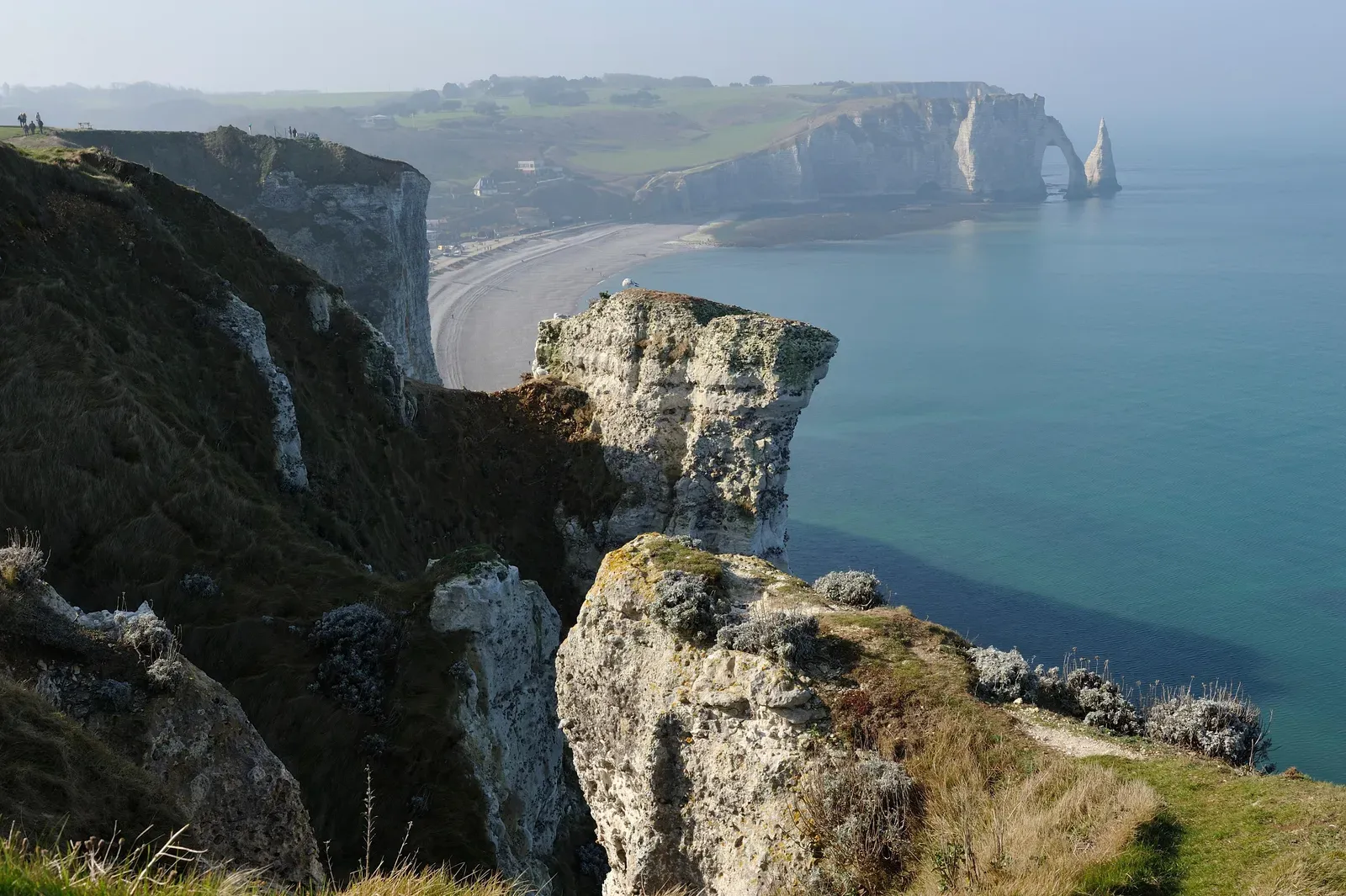
Normandy is famous for its history, its food, and the beaches that changed the course of the Second World War. Yet it also harbors a much older kind of history, one that stretches back to the Jurassic. Normandy’s Dinosaur Coast is a treasure trove of Jurassic and Cretaceous period fossils, with its cliffs and beaches having revealed numerous dinosaur bones, footprints, and even fossilized plant life, providing a unique window into the prehistoric world that once existed in this region.
What makes Normandy fascinating is precisely how unexpected it is. You walk through small coastal villages, turn a corner toward the sea cliffs, and there it is: the Jurassic Period, embedded right in the rock face in front of you. Extensive Jurassic deposits can be found in England and western Europe, and France’s coastal formations are among the most accessible examples of this, welcoming both professional researchers and curious amateur fossil hunters who stumble upon them almost by accident. This is what makes paleontology such an enduring joy: discovery can happen anywhere.
Conclusion: The Ground Beneath Your Feet Has Secrets
From the sweeping badlands of the American West to the windswept cliffs of England, from the remote African savanna to the bustling tourist parks of China, these ten sites share something profound. They are the places where the past refuses to stay buried. Each one reveals a different chapter of the same astonishing story, a story about a planet teeming with life unlike anything alive today.
What strikes you most, when you look at these sites together, is how global the Jurassic world truly was. Similar creatures roamed Africa and North America. Portugal and Tanzania shared animals. The world was one enormous connected ecosystem, and the evidence of it is scattered across every continent, waiting to be found. You don’t have to be a scientist to feel the weight of that. You just have to stand at the right place and look down.
Which of these sites would you most want to visit first? Tell us in the comments below.