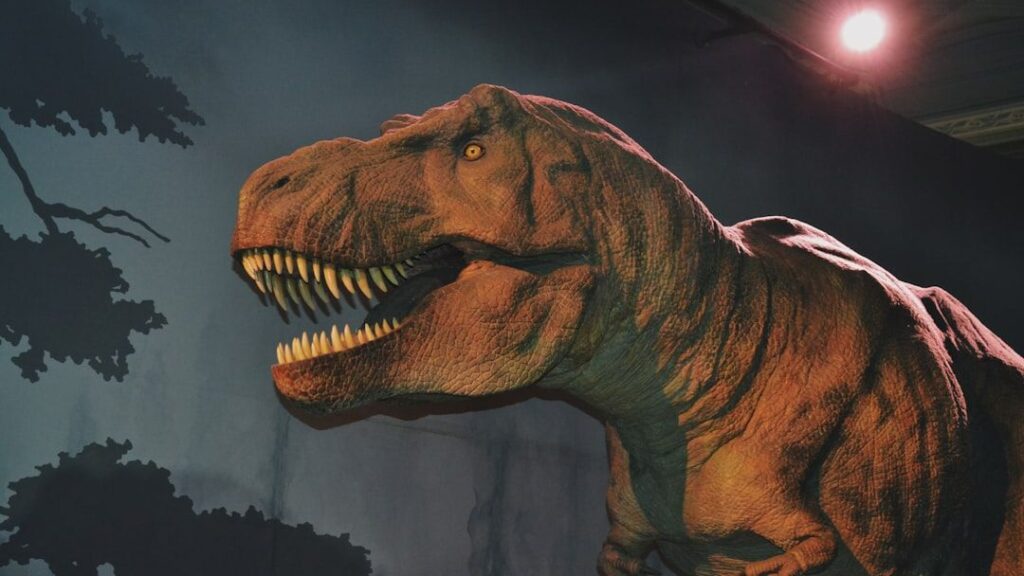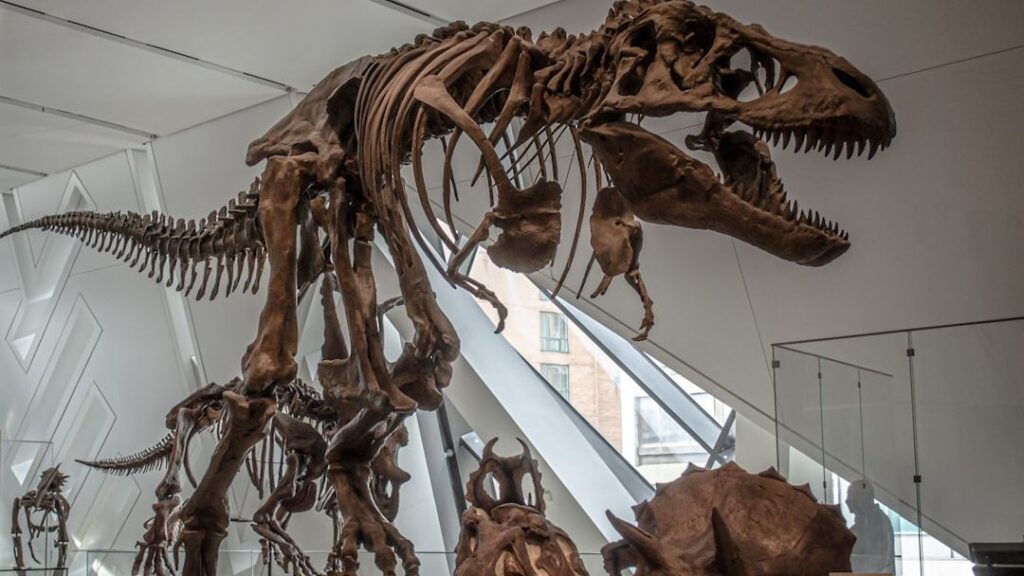
If you thought we already knew the basics about dinosaurs, was the year that proved just how wrong that assumption really is. From a tiny tyrannosaur settling a decades-long debate to a 150-million-year-old bird rewriting the textbooks, paleontology had one of its most breathtaking years on record. Honestly, it felt less like science and more like a string of plot twists, each one more surprising than the last.
Around 1,400 dinosaur species are now known from more than 90 countries, with the rate of discovery accelerating dramatically over the last two decades. The year alone saw the description of 44 new dinosaur species, nearly one a week. That’s the kind of pace that would make even the most seasoned paleontologist’s jaw drop. Let’s dive into the ten discoveries that shook the prehistoric world this year.
1. Nanotyrannus Is Real – And It Changed Everything We Thought We Knew About T. rex
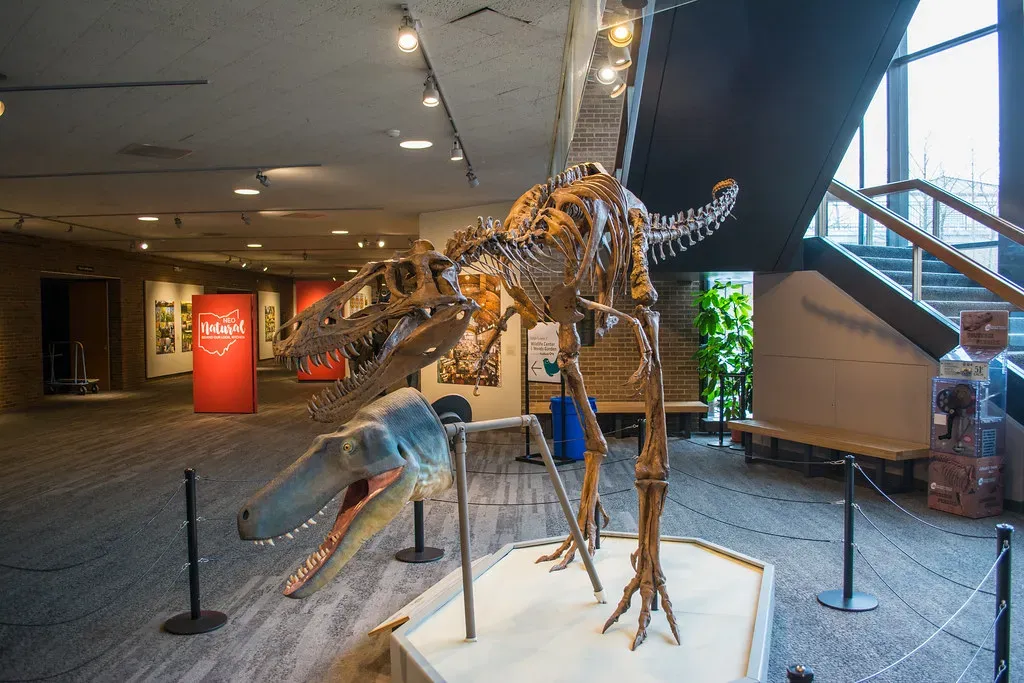
You may want to sit down for this one. For many years, one of the fiercest debates in dinosaur paleontology centered on Nanotyrannus, a 66-million-year-old predator from Montana. First named in 1988, it was suggested to be a small tyrannosaurid, around five meters long, that lived alongside the giant Tyrannosaurus rex. Many other paleontologists disagreed, arguing that fossils of Nanotyrannus were simply young T. rex individuals.
In 2025, paleontologists Lindsay Zanno and James Napoli published a description of a new Nanotyrannus fossil specimen, preserved as part of the famous “Dueling Dinosaurs” fossil alongside a herbivorous Triceratops. They showed that this Nanotyrannus was nearly an adult, but also different from T. rex in ways that cannot be explained by growth alone, including a notably longer hand. A subsequent study on the original Nanotyrannus specimen demonstrated that it, too, was fully grown. For decades, paleontologists had used Nanotyrannus fossils to model T. rex growth and behavior. The new evidence revealed that those studies were based on two entirely different animals, and that multiple tyrannosaur species inhabited the same ecosystems in the final million years before the mass extinction.
2. Baminornis: The Second Jurassic Bird That Rewrote Bird Evolution
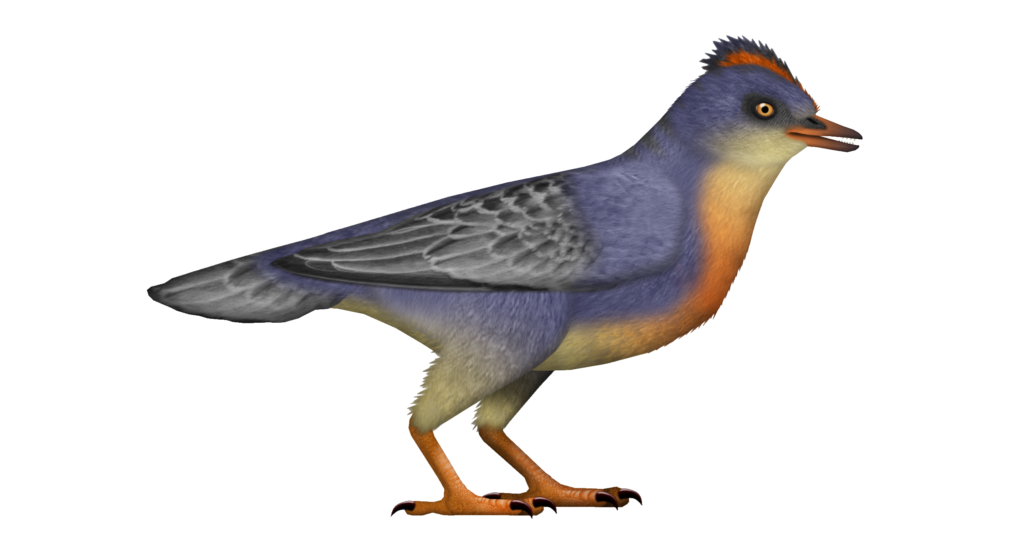
Think of Archaeopteryx as the celebrity of early birds, the one everyone knew about, the one that supposedly had the spotlight all to itself. Then 2025 happened. A new species found in China, known as Baminornis zhenghensis, shows that early birds already had some of their characteristic features 149 million years ago. It is the oldest known bird with a short, modern tail.
Its short tail ends in a compound bone called the pygostyle, a feature uniquely present in modern birds. This indicates that the body structure of modern birds emerged in the Late Jurassic Period, roughly 20 million years earlier than previously known. The fossils fill a spatiotemporal gap in the early evolutionary history of birds and provide the best evidence yet that birds were diversified by the end of the Jurassic period. It’s a reminder that for every “earliest known” fossil, there’s almost always something older waiting to be found.
3. Zavacephale Rinpoche: The Oldest Dome-Headed Dinosaur Ever Found
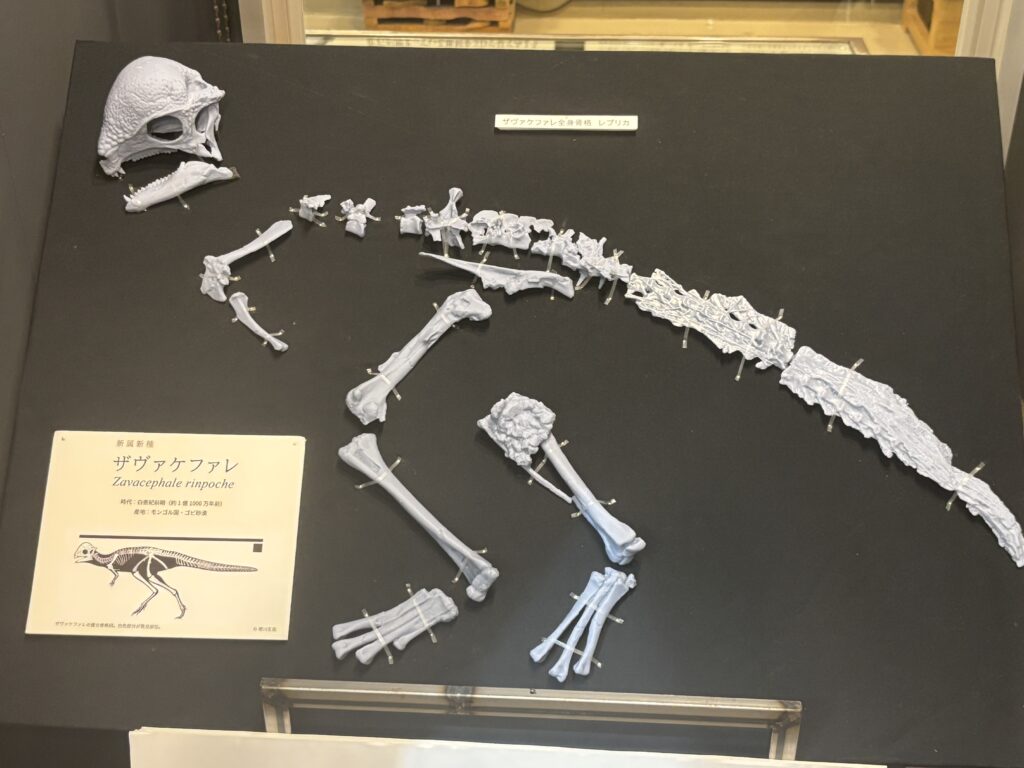
Some fossils are so exciting that when first shown at academic conferences, they draw audible gasps even from experienced paleontologists. Zavacephale is one of these. The stunning skeleton of this one-meter-long plant-eating dinosaur was discovered in 110-million-year-old rocks in the Gobi Desert of Mongolia. Zavacephale is the oldest known member of the pachycephalosaurs, a group of dinosaurs famed for their domed skulls, probably used to butt heads like today’s bighorn sheep.
Contrary to paleontologists’ expectations, Zavacephale already had a domed skull 14 million years before researchers thought these dinosaurs evolved the characteristic trait. The dome appears to have developed well before the animal finished growing, suggesting it was important for visual displays or even head-butting behavior at a very young age. Think of it like finding a toddler already wearing a helmet – it tells you a lot about how early that instinct kicks in.
4. Diamantinasaurus and Its Last Meal: The First Sauropod Gut Contents Ever Found
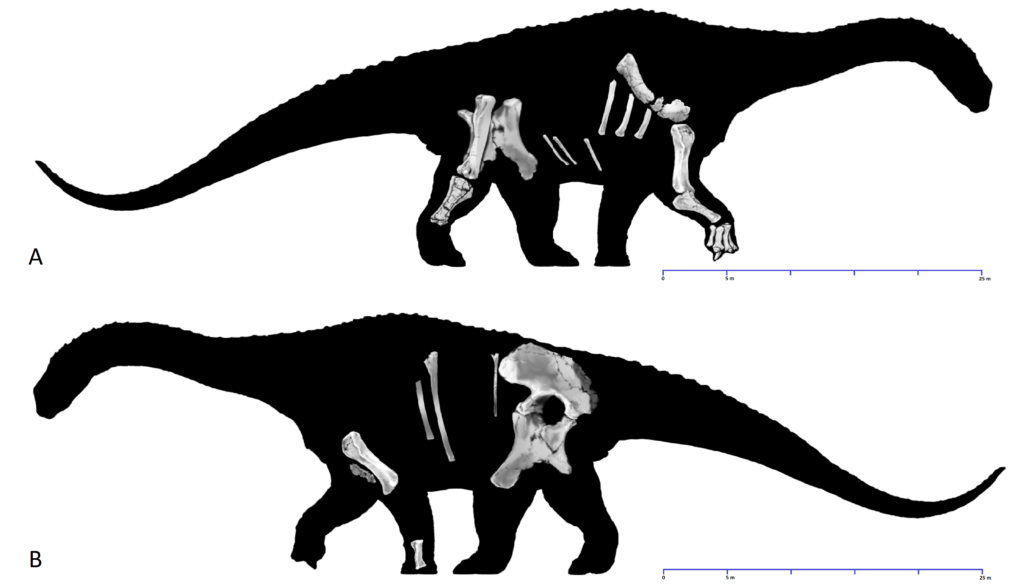
Here’s the thing – scientists have long assumed that giant sauropods ate plants. Obvious, right? But assuming and actually knowing are two very different things in science, and 2025 finally delivered the proof. For the first time, scientists pieced together the diverse diet of the sauropod Diamantinasaurus, using advanced technology to assess fossilized stomach contents that make up the dinosaur’s last meal, which took place around 95 million years ago. Researchers from Australia’s Curtin University used micro-CT, synchrotron scanning, neutron tomography, and geochemical analyses to determine what the young Australian sauropod Diamantinasaurus matildae had eaten before death.
Diamantinasaurus matildae, a species of sauropod that lived around 94 million years ago, ate conifers, seed ferns, and flowering plants, and relied almost entirely on its gut microbes for digestion. Researchers confirmed that sauropods were bulk-feeders, a method still used by herbivorous reptiles and birds today. This means they would not have chewed their food, instead swallowing it whole and letting their digestive system do the rest of the work. Any given meal would likely have resided in their digestive tract for up to two weeks before waste was excreted. Essentially, they were nature’s most enormous slow cookers.
5. Spicomellus Afer: The Oldest Ankylosaur With Wildly Bizarre Armor
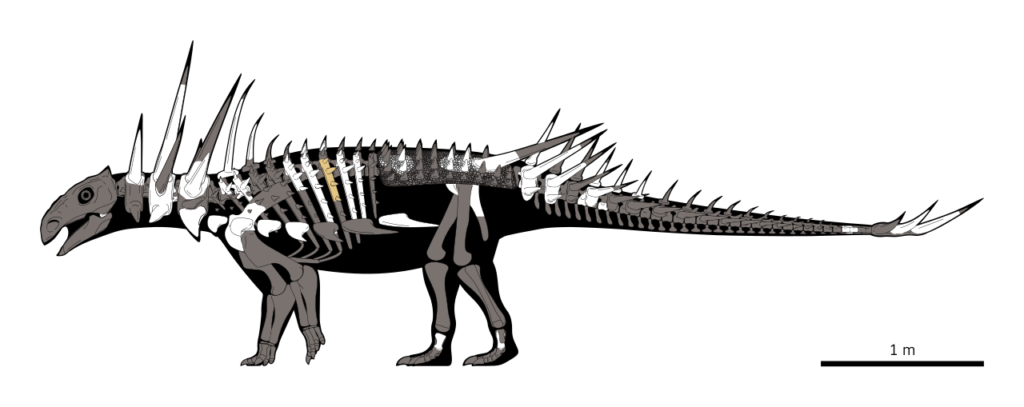
If you imagine the armored dinosaurs you’ve seen in museums – the stout, tank-like creatures with bony backs and club tails – you still might not be prepared for Spicomellus. In August 2025, researchers described the oldest ankylosaur fossil yet discovered. This ancient armored reptile was a spectacularly weird creature, with massive, dangerous spikes sticking out in nearly every direction from its body. It likely also had a spiked weapon at the end of its tail, similar to later ankylosaurs.
It dates back to the Middle Jurassic and was discovered in Morocco. The discovery, announced in a study published in the journal Nature, contained vertebrae, dorsal ribs, and spikes fused directly onto the dinosaur’s bone. The longest spikes on Spicomellus afer are an incredible 34 inches long, extending along a bone collar that sits around its neck. It’s hard to say for sure what terrifying predator prompted that kind of defense, but you have to respect the commitment.
6. Khankhuuluu Mongoliensis: The Dragon Prince and the Missing Tyrannosaur Link
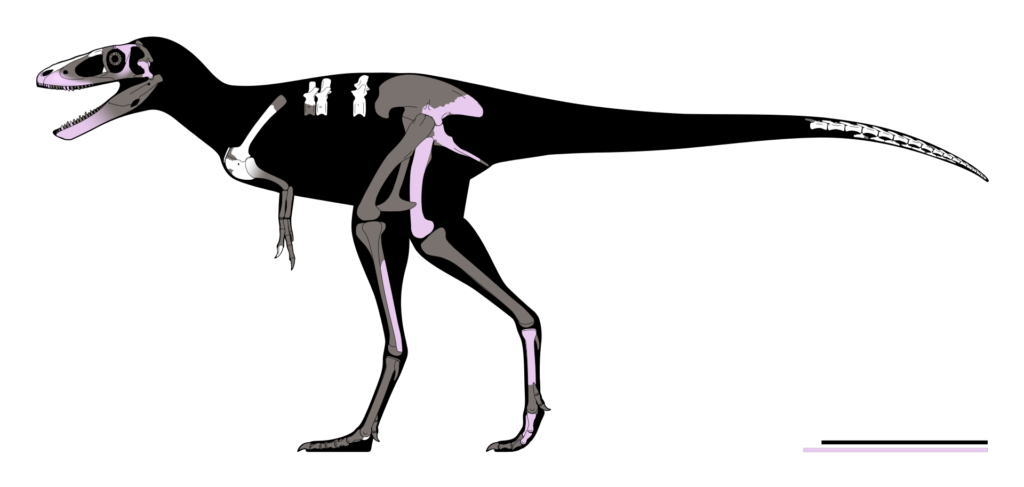
The word “missing link” gets thrown around a lot in paleontology, but this one genuinely earned the title. In June, researchers announced the discovery of the Khankhuuluu mongoliensis dinosaur, meaning “Dragon Prince of Mongolia,” with those 86-million-year-old bones appearing to be connected to a dinosaur closely linked to the direct ancestor of all tyrannosaurs.
The more researchers studied the bones, the clearer it became that they represented an important missing link in the family tree of tyrannosaurs. The Khankhuuluu helps fill a critical gap in the origin story of tyrannosaurs. This dinosaur may have sat in a Mongolian museum’s collection for years before it was discovered to be an unknown tyrannosaur species. That’s the kind of plot twist that makes you wonder what else might be quietly sitting in a museum drawer somewhere, waiting to be recognized for what it truly is.
7. Istiorachis: The Sail-Backed Dinosaur From the Isle of Wight
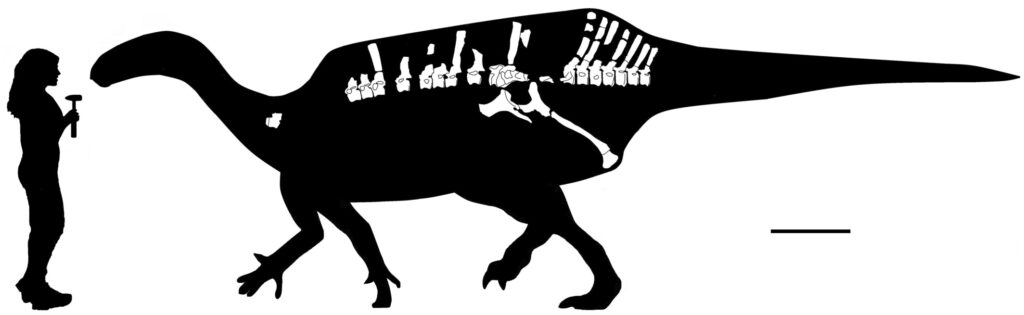
The Isle of Wight, a small island off the south coast of England, has been yielding remarkable dinosaur fossils for nearly two centuries. Yet it still had surprises left. Jeremy Lockwood, a retired doctor turned dinosaur expert, has since 2021 named three new species of large ornithopods, one of the most common groups of plant-eating dinosaurs. These new species are closely related to Iguanodon, a four-legged ornithopod from Belgium with a very distinctive thumb spike. Lockwood’s latest discovery, the six-meter-long Istiorachis, is another herbivorous ornithopod with a striking sail-like structure running along its back.
This sail may have been a display structure used to attract mates and to deter predators by making this 128-million-year-old animal look bigger. I think that’s a fascinating reminder that dinosaurs were, in many ways, just like animals we know today – using visual signals, display features, and bold physical adaptations for survival and reproduction. A retired doctor making this kind of discovery is also, frankly, one of the most inspiring stories .
8. Huayracursor Jaguensis: Revealing the Earliest Roots of Sauropod Necks
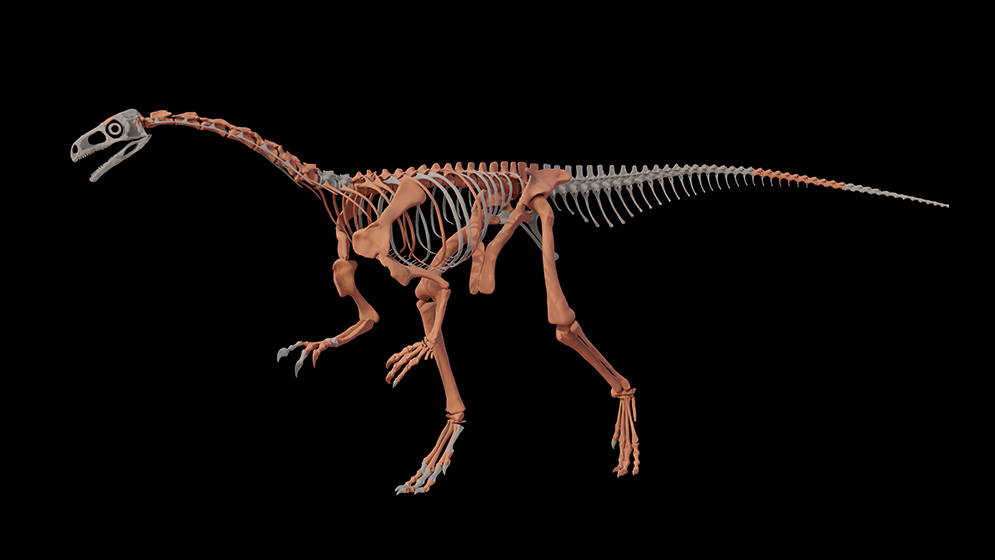
The long necks of dinosaurs like Brachiosaurus and Diplodocus are iconic. But how did that extreme elongation begin? Important new information on sauropod origins came from the Triassic Period rocks of Argentina, long a key source of dinosaur discoveries. The two-meter-long Huayracursor was described from 228-million-year-old rocks in the Andes, making it one of the oldest known sauropod ancestors. It has a much longer neck than other species from the dawn of dinosaur evolution, revealing the earliest stages in the evolution of the extreme neck elongation seen in later sauropods.
This discovery is like finding the very first sketch in a long series of architectural drafts, the moment where the blueprint for something enormous began to take shape. The Triassic Period rocks of Argentina have long been a key source of dinosaur discoveries, and this finding continues that tradition beautifully. It’s also a compelling case for why Argentina remains one of the most important places on Earth for understanding dinosaur evolution.
9. Enigmacursor Mollyborthwickae: The Mysterious Little Runner Nobody Noticed for a Century
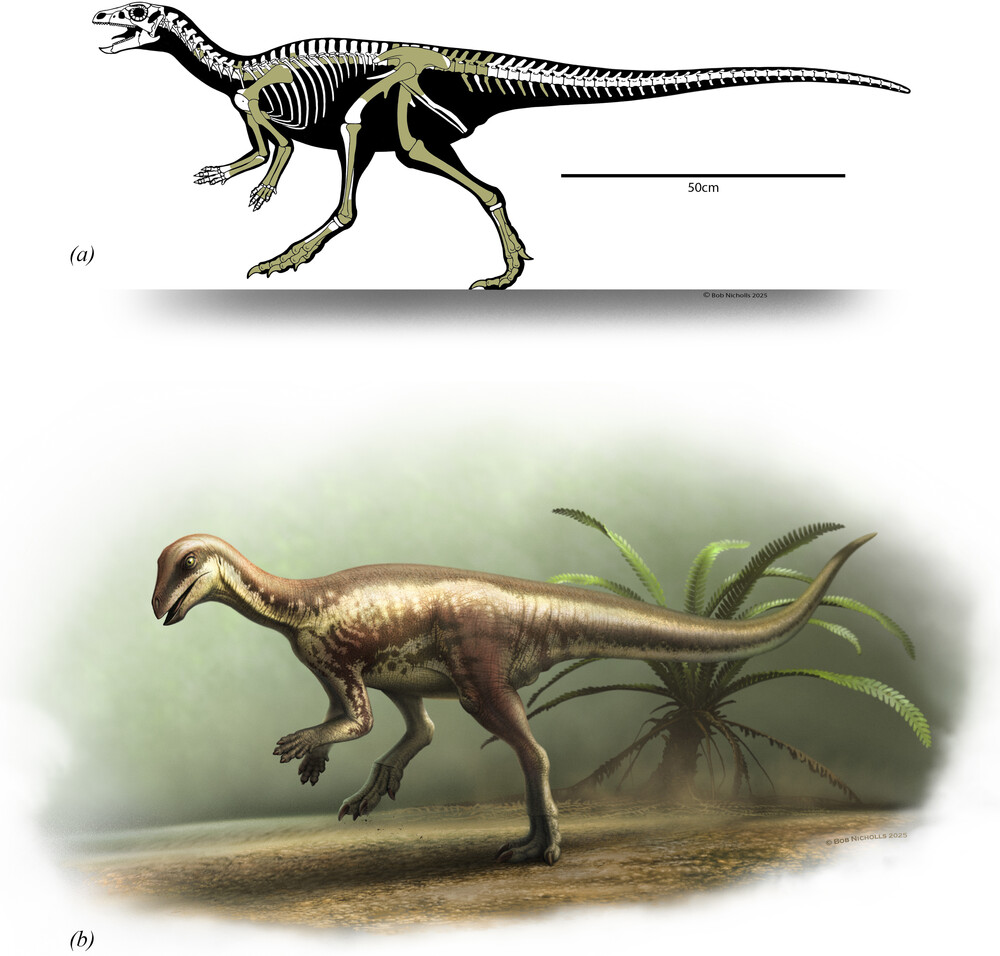
Sometimes the most fascinating discoveries aren’t the biggest ones. The new species, named Enigmacursor mollyborthwickae, is the most complete named specimen of its kind and is now on permanent display at the Natural History Museum in London. It emerged from a “taxonomic tangle” more than a century in the making. The USA’s Morrison Formation has produced some of the most famous dinosaurs in the world, such as Allosaurus and Stegosaurus. Yet not all of its species are well known, with many smaller herbivorous dinosaurs having been historically overlooked. Researchers named this new species of little herbivore to help change that.
The Enigmacursor mollyborthwickae was about the same size as a Labrador retriever, with a tail that made up about half of its length. Its long legs would have allowed this small herbivore to dart away from danger, keeping it one step ahead of its predators – a speedy lifestyle that inspired the dinosaur’s name. Enigmacursor means “mysterious runner,” while the species name honours Molly Borthwick, whose generous donation allowed for the purchase and display of the dinosaur. The fact that a dog-sized dinosaur slipped through the cracks of science for more than 100 years says a lot about how much we still have left to discover.
10. The Jurassic Highway: 200 Footprints and a Window Into Daily Dinosaur Life
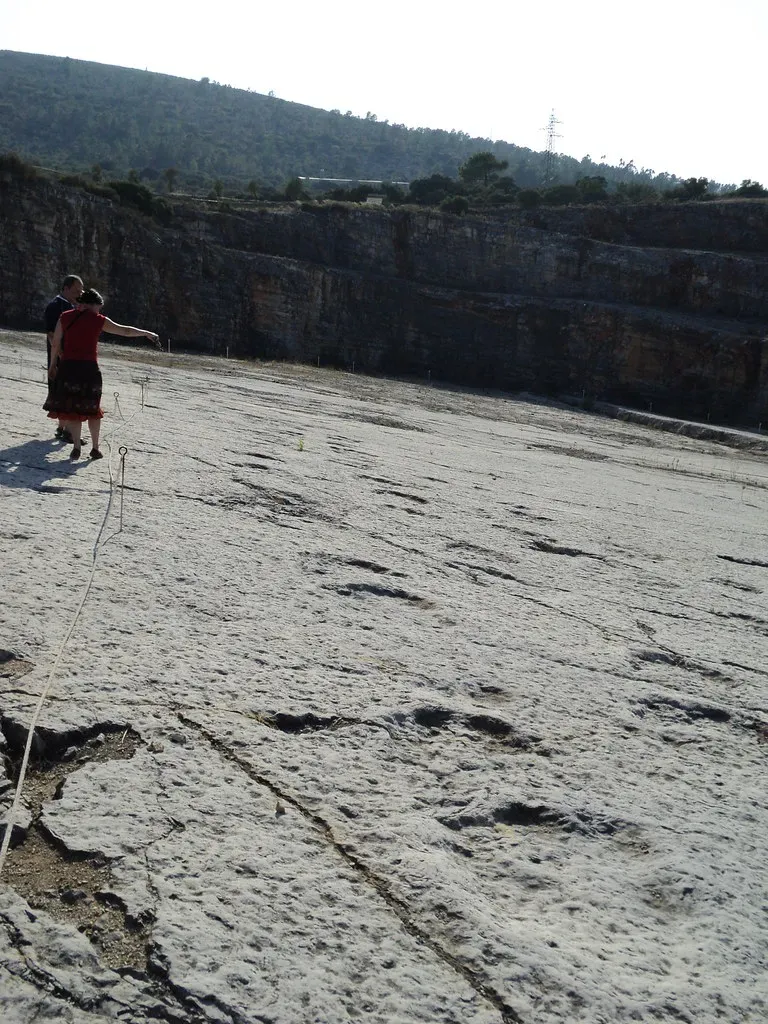
Most of the discoveries on this list involve bones. This one involves footprints, and it’s no less thrilling for it. A quarry in south-east England yielded a fascinating paleontological discovery: long tracks with a total of 200 footprints left by enormous dinosaurs that roamed the Earth during the Middle Jurassic Period, some 166 million years ago. In the summer , researchers revealed hundreds more footprints in an enormous “dinosaur highway” first uncovered a year earlier in Oxfordshire, UK.
Gigantic, four-legged, long-necked plant-eating sauropod dinosaurs of the Jurassic and Cretaceous periods, such as Brachiosaurus, were the largest animals to ever walk the Earth, weighing up to 70 metric tons, the equivalent of 12 African elephants. Imagine standing in that quarry, looking down at the preserved footprints of creatures that weighed more than a dozen elephants, walking in the same direction 166 million years ago. From reinterpretations of iconic predators to ancient trackways that capture fleeting moments of Jurassic life, 2025’s research showed how much information is still locked inside bones, teeth, and footprints that have been studied for decades. The year reminded us that paleontology is not about dusting off the past, but opening new windows to peer into it.
Conclusion: The Golden Age of Dinosaur Discovery Is Far From Over
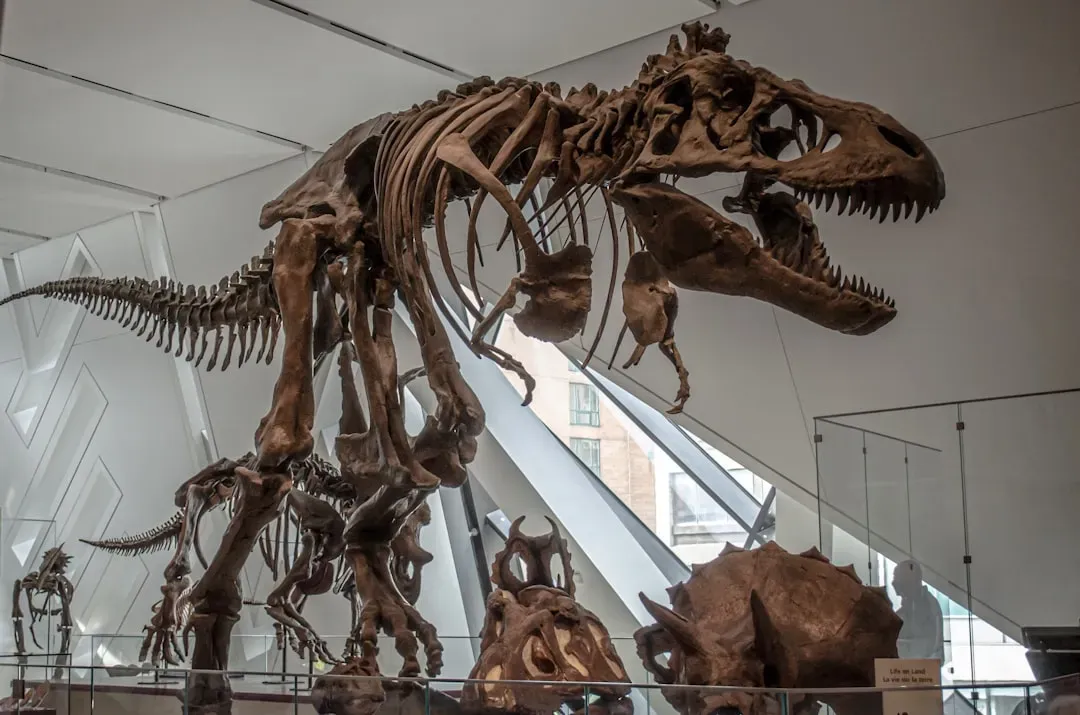
What made 2025 so extraordinary wasn’t just the sheer number of finds. It was the quality of the questions they answered, and the even bigger questions they opened up. Dinosaurs may be long extinct, but 2025 made it abundantly clear that they are anything but settled science. Over the past year, new fossils, reanalyses of famous specimens, and the use of increasingly sophisticated tools continued to upend what we thought we knew about how these animals lived, moved, fed, and evolved. Some discoveries filled in long-missing gaps in the fossil record, while others forced researchers to confront the uncomfortable reality that a few long-held assumptions were simply wrong.
From a tiny tyrannosaur that was never really a baby T. rex, to the preserved last meal of a giant Australian sauropod, each story in 2025 added a richer, more vivid layer to our picture of prehistoric life. Around 1,400 dinosaur species are now known from more than 90 countries, with the rate of discovery accelerating in the last two decades. The year 2025 saw the discovery of 44 new dinosaur species alone. Many new discoveries come from paleontological hotspots such as Argentina, China, Mongolia, and the US, but dinosaur fossils are also being found in many other places, from a Serbian village to the rainswept coast of north-west Scotland.
The real takeaway? Every year we think we’ve figured out the broad strokes of the dinosaur story, something new stomps in and proves us gloriously wrong. What do you think the next big discovery will be – and would you have ever guessed this much could change in just one year?