Imagine trying to understand how a person lived by only studying their bones after death. You might learn how tall they were or whether they had old injuries. However, you would know nothing about how fast they walked, what they had for breakfast, or whether they raised their children with care. That is almost exactly the challenge that paleontologists face when working with dinosaur skeletons alone. Bones are remarkable, but they only tell part of a much richer story.
This is where trace fossils step in and completely change the game. These are not the remains of actual bodies. They are the preserved records of behavior, the footprints, nests, dung, bite marks, and stomach stones that ancient animals left behind simply by living. They are, in the most literal sense, frozen moments of daily life from tens of millions of years ago. Get ready to be genuinely surprised by what these remarkable clues have revealed about the creatures that once ruled this planet. Let’s dive in.
What Exactly Are Trace Fossils and Why Do They Matter So Much?
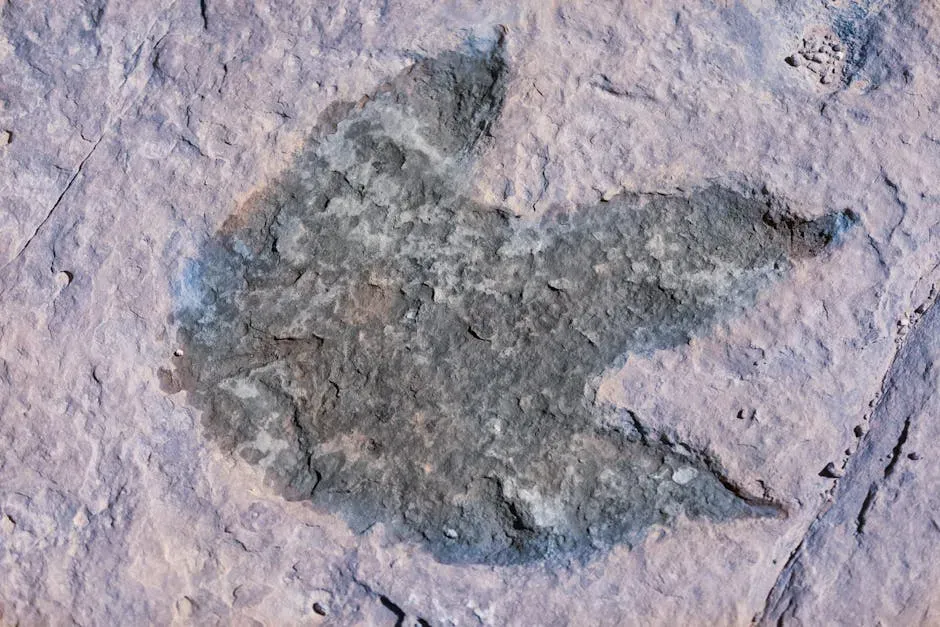
Trace fossils are formed by organisms performing the functions of their everyday life, such as walking, crawling, burrowing, boring, or feeding. Think about that for a second. Every mundane thing a dinosaur did, every step it took across a muddy riverbank, potentially left behind a record we can still read today. It is one of science’s most quietly stunning ideas.
Trace fossils provide us with indirect evidence of life in the past, such as the footprints, tracks, burrows, borings, and feces left behind by animals, rather than the preserved remains of the body of the actual animal itself. This distinction is what makes them so powerful. Body fossils inevitably provide evidence of an ancient dinosaur’s death, but trace fossils can give us evidence of a dinosaur’s life.
Footprints and other trace fossils such as burrows, which record the activities of ancient organisms, are often more numerous than bones, shells, and other physical remains of the organisms themselves. Because trace fossils reflect interactions between animals and their environments, they can reveal aspects of behavior difficult to discern from body fossils, such as preferred habitats and locomotion styles. Honestly, when you put it that way, they might be even more scientifically valuable than bones.
Footprints and Trackways: Reading the Gait of Giants
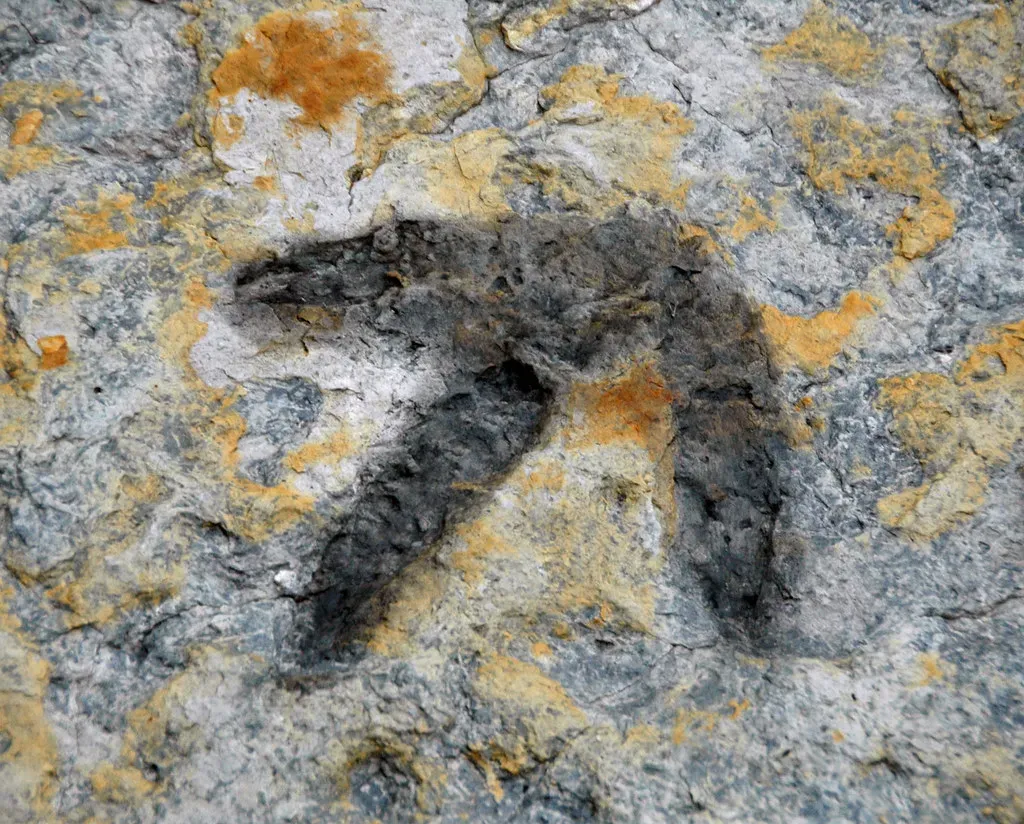
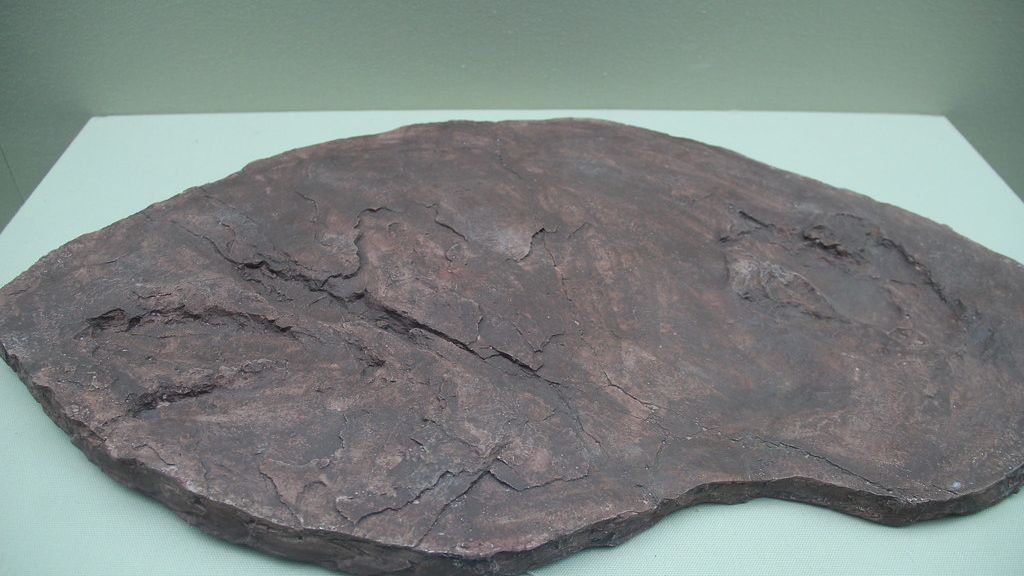
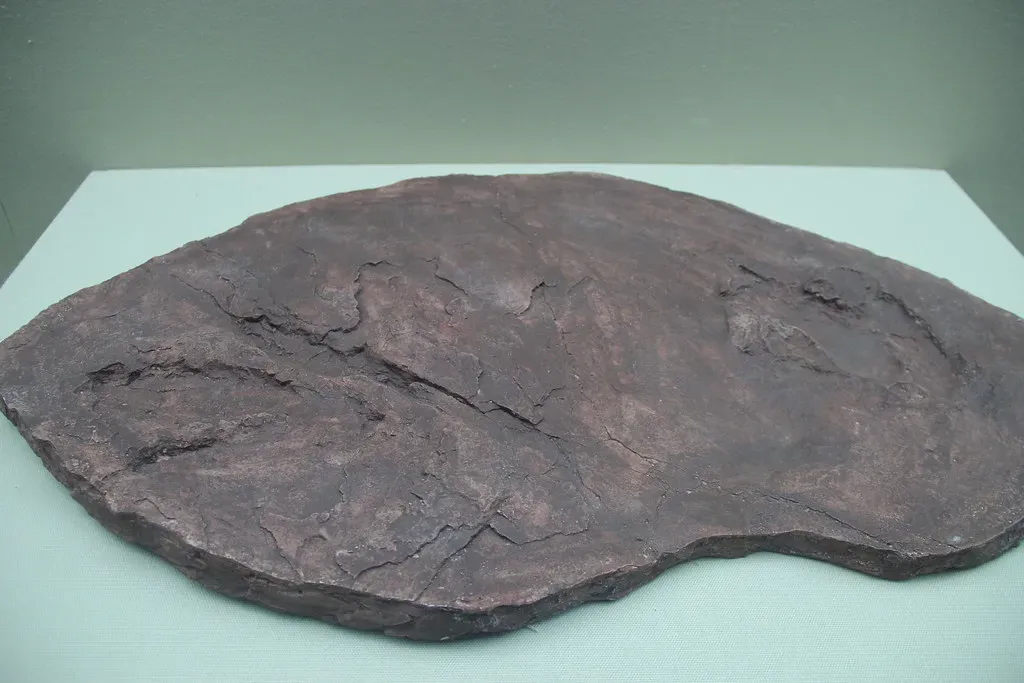
Perhaps the most spectacular trace fossils are the huge, three-toed footprints produced by dinosaurs and related archosaurs. These imprints give scientists clues as to how these animals lived. Although the skeletons of dinosaurs can be reconstructed, only their fossilized footprints can determine exactly how they stood and walked. That is a detail worth pausing on. Bones can be assembled. Only tracks can tell you how the living animal actually moved.
While they don’t reveal much about your appearance, footprints reveal the direction you were moving, whether you were traveling alone or in a group, and also provide clues about whether you were walking or running. Dinosaur footprints provide the best examples of movement trace fossils and provide paleontologists with the same kinds of clues that human footprints do. There is also a fascinating wrinkle from research published through the University of Maryland: an interesting discovery in ichnology is that Mesozoic dinosaurs, like extant birds, did not have discrete gaits like walk-jog-run. Instead, they had a continuous transition of speed, stride length, and step width.
One interesting note: almost no dinosaur trace fossil shows tail drag marks – this was some of the first evidence that dinosaurs held their tails up above the ground. For decades, museum displays depicted dinosaurs dragging their heavy tails like lazy lizards. A simple absence of marks in ancient mud overturned all of that.
Herd Behavior and Social Life Revealed in Stone
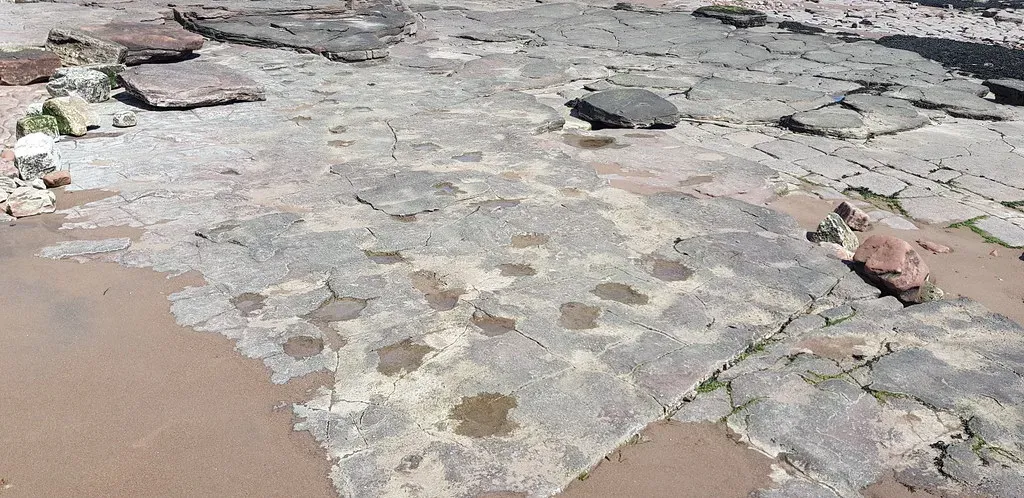
Here is the thing – dinosaurs were once imagined as largely solitary brutes. Trace fossils have given us strong reason to question that entirely. Trace fossils can help us understand something about group behavior. A study of Alaskan hadrosaurs showed many individuals moving in the same direction at the same time, based on the similar quality of footprint preservation. Additionally, by counting up the trackways of different sizes, it helped to give an estimate of the relative fraction of the herd of different growth stages.
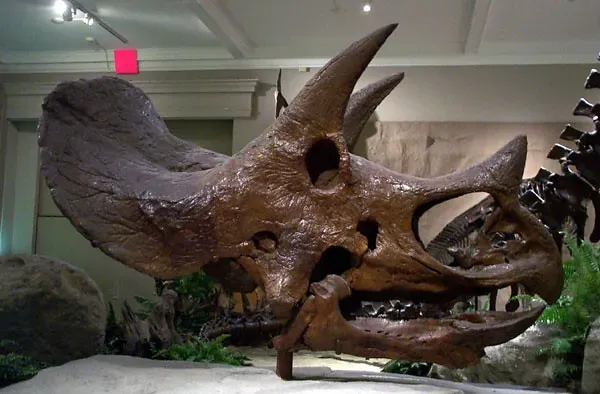
Some fossil records show that a few species, especially herbivores, lived in groups. Based on fossils scientists have unearthed, it is very likely that specific species, such as Styracosaurus and Triceratops, traveled in massive herds. In a stunning recent discovery, in December 2025, paleontologists from Loma Linda University in California discovered 16,600 footprints left by theropods, the dinosaur group that includes Tyrannosaurus rex. After six years of regular field visits, this finding sets the highest number of theropod footprints ever discovered in the world. The footprint sizes indicated that giant creatures roughly 10 meters tall existed alongside tiny theropod footprints the size of a chicken.
Swimming and Courtship: Surprising Behaviors Captured in Rock
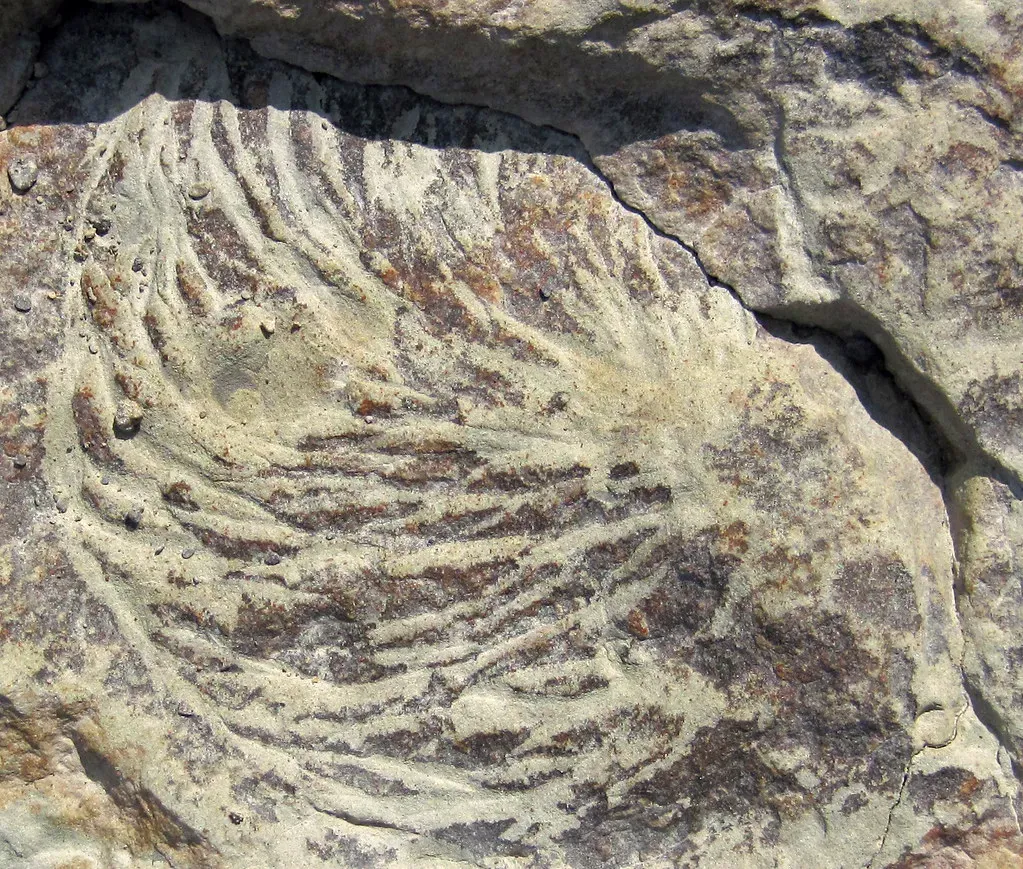
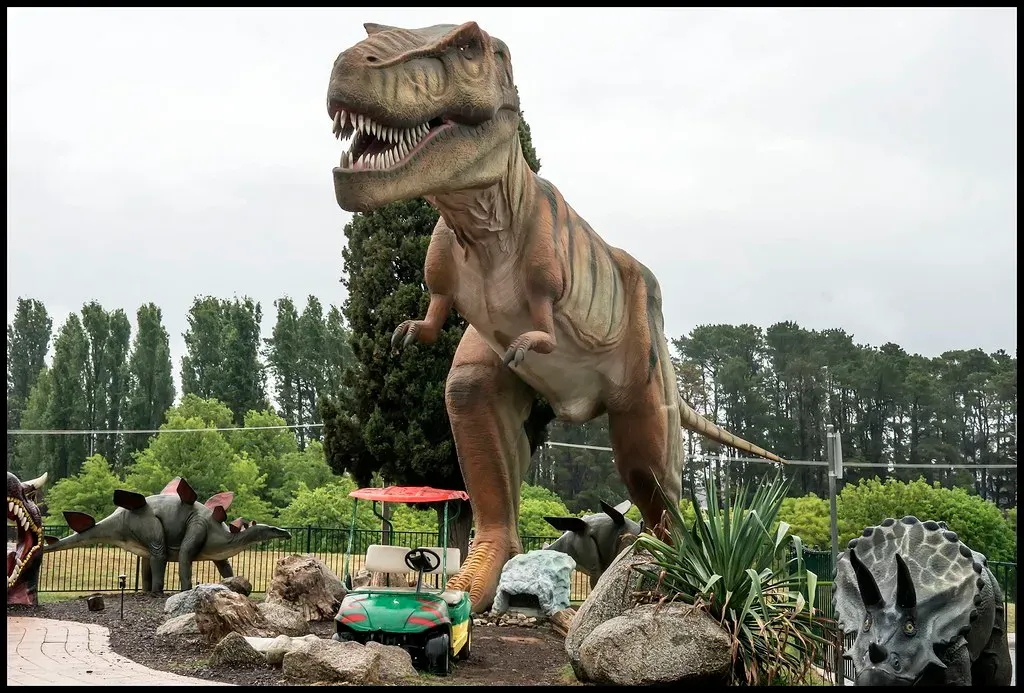
I know it sounds crazy, but yes – there is fossil evidence of swimming dinosaurs. There are even traces of swimming dinosaurs. Some tracks show just long scrapes from the tips of the claws of theropods, paced and arranged in such a fashion that could only be caused by the dinosaur being buoyed up in the water. Picture a Tyrannosaurus paddling around in an ancient lake, and you start to appreciate how wild paleontology can really get.
Even more extraordinary is the evidence of dinosaur courtship rituals. In China and Colorado, fossilized scratches in the ground made by theropod dinosaurs match similar tracks made by birds in mating dances. These large scrapes were studied in detail: numerous large scrapes, up to 2 meters in diameter, were evidenced at several Cretaceous sites in Colorado. Based on track morphology, the trackmakers would be large theropods, and most likely the traces would be associated with territorial activity in the breeding season. The authors concluded that such scrapes indicate stereotypical avian behavior hitherto unknown among Cretaceous theropods. No body fossil in the world could have told you that.
Nests, Eggs, and the Surprising Truth About Dinosaur Parenting
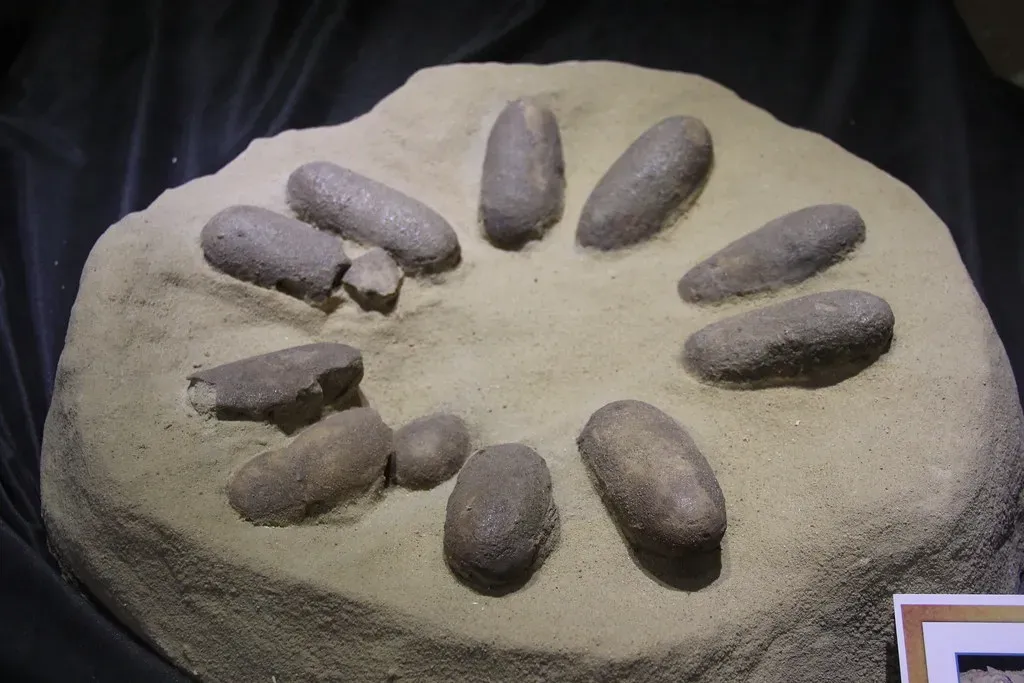
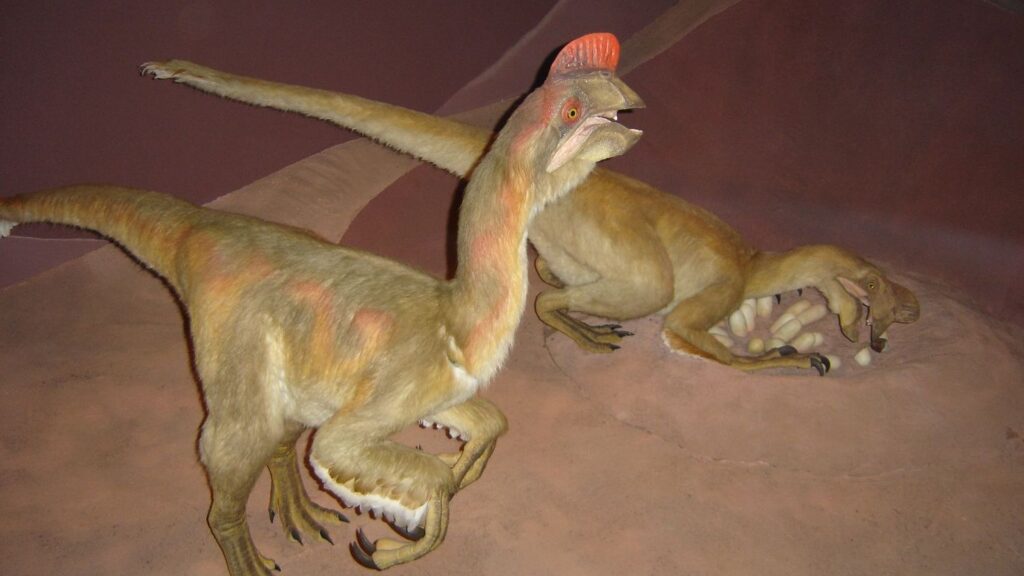
Eggs and nests are indirect evidence of reproductive behavior, and their fossilized equivalents are trace fossils. As structures that were primarily made for facilitating the development of younger animals, nests may or may not include eggs. Some dinosaur eggs have preserved embryo remains, which are body fossils, but the egg itself is a trace fossil. The distinction matters, because the nest as a whole tells us everything about parental strategy.
The most jaw-dropping example is the story of Oviraptor, which translates to “egg thief.” When first described, Oviraptor was interpreted as an egg-eating dinosaur given the close association of the holotype with a dinosaur nest. However, findings of numerous oviraptorosaurs in nesting poses have demonstrated that this specimen was actually brooding the nest and not stealing nor feeding on the eggs. The discovery of remains of a small juvenile or nestling have been reported in association with the holotype specimen, further supporting parental care. The dinosaur’s name was a mistake that stuck for decades.
Research published as recently as March 2026 took this even further. Scientists recreated a life-size oviraptor nest to understand how these dinosaurs hatched their eggs. Their experiments showed the parent likely couldn’t heat all the eggs directly, meaning sunlight played a key role. This uneven heating could cause eggs in the same nest to hatch at different times. The results suggest oviraptors used a hybrid incubation method unlike modern birds. This is genuinely new science, happening right now in 2026.
Coprolites and Gastroliths: What Dinosaurs Ate for Dinner
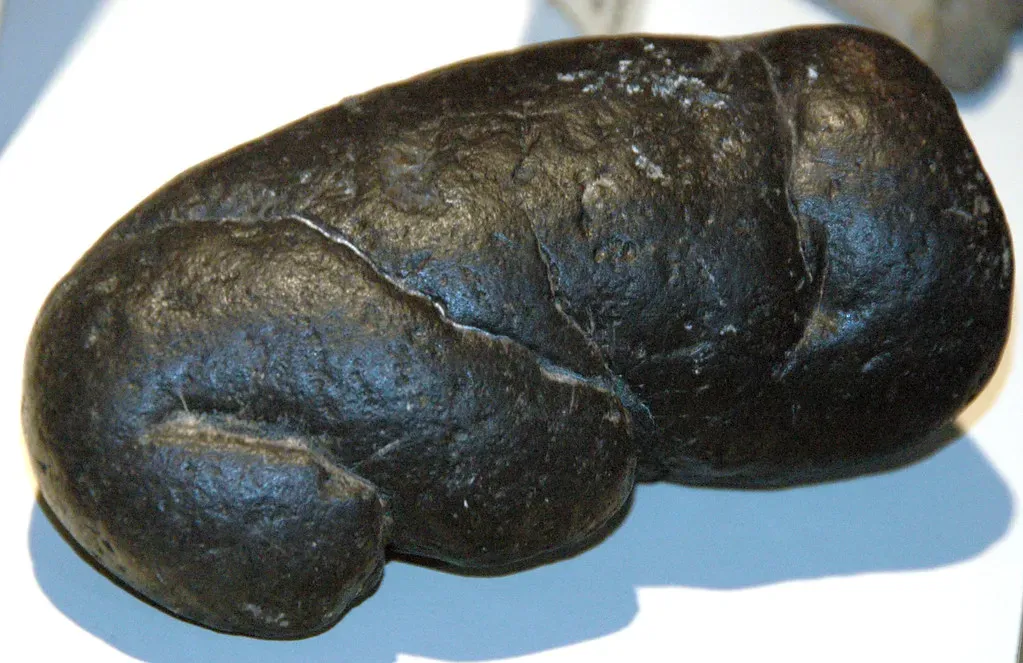
Let’s be real – there is something wonderfully absurd about the fact that fossilized dinosaur poo is one of science’s most valuable resources. Coprolites are classified as trace fossils as opposed to body fossils, as they give evidence for the animal’s behaviour – in this case, diet – rather than morphology. They serve a valuable purpose in paleontology because they provide direct evidence of the predation and diet of extinct organisms.
Coprolites provide direct evidence of the diets of dinosaurs, revealing what specific species ate, how they processed their food, and their role in ancient ecosystems. For example, carnivorous coprolites with bone fragments indicate that theropods consumed large prey, while herbivorous coprolites filled with plant fibers reveal their feeding strategies and preferences for certain plants. In one astonishing case, grass phytoliths, microscopic remnants, were found in sauropod titanosaur dinosaur coprolites from the Late Cretaceous of India. This is the oldest evidence of grasses in the world.
Then there are gastroliths – the stomach stones that dinosaurs swallowed intentionally. Gastroliths are stomach stones. Some modern birds and reptiles swallow stones during their lives that remain in their stomachs and help the animals grind up tough food, thereby aiding in digestion, or act as ballast to aid in swimming. Studies of gastroliths from theropod skeletons are a closer match to modern ostrich stomach stones, suggesting that theropod dinosaurs had bird-like gastric mills in their stomachs.
Bite Marks and Tooth Traces: Evidence of Predation and Feeding Strategy
Paleontologists can measure the length of a dinosaur’s stride from a series of footprints and then estimate the animal’s speed. The shape and depth of individual footprints hint at a dinosaur’s posture, and changes in the impressions from one footprint to the next can indicate grazing behaviors or stalking techniques. Bite marks, meanwhile, paint an equally detailed picture of predator-prey dynamics.
Scientists can look inside coprolites and at bite-marked bones to see what they contain. If there are bone fragments, the animal was a carnivore. Tooth marks on the fragments, if present, can reveal how the animal ate its prey. The contents of coprolites can provide insights into the digestive processes of dinosaurs. For example, the presence of well-digested bone in theropod coprolites suggests that these dinosaurs had strong stomach acids capable of breaking down hard materials. It is a remarkable picture, painted entirely from what was left behind, not from what was found.
Feeding trace fossils are important because they provide a record of ancient ecological interactions between species, as well as indicate how these interactions may have changed over time. Even a single set of tooth marks on a bone can reveal whether a predator killed its prey actively or scavenged it after death, changing everything we think we know about how that species hunted.
Conclusion: The Living Record That Changed Everything
It is hard to overstate just how much trace fossils have transformed our understanding of dinosaurs. Where bones once gave us shape and size, footprints, nests, dung, bite marks, and stomach stones give us something infinitely more intimate: behavior, personality, daily routine. These creatures were not just anatomical curiosities. They walked in groups, performed courtship dances, cared for their young, and paddled through ancient lakes. Trace fossils are the proof.
Trace fossils provide insights into an organism’s behavior. By studying modern and ancient traces, ichnologists use a comparative approach that looks at how traces are made and how they get preserved in the fossil record. Every new site discovered, every new footprint unearthed, adds another page to a story that has been millions of years in the writing. In 2026, we are still only just beginning to read it properly.
The next time you look at a dinosaur skeleton in a museum, remember that the bones are just the beginning. Somewhere out in ancient stone, a dinosaur’s actual morning is still waiting to be found. What do you think that morning looked like? Drop your thoughts in the comments – we’d love to know.