New England – Deep into winter, with wetlands locked in ice and woodlands silenced by heavy snow, conservation teams at Zoo New England venture out to monitor turtles equipped with specialized radio transmitters.
Defying Winter’s Grip
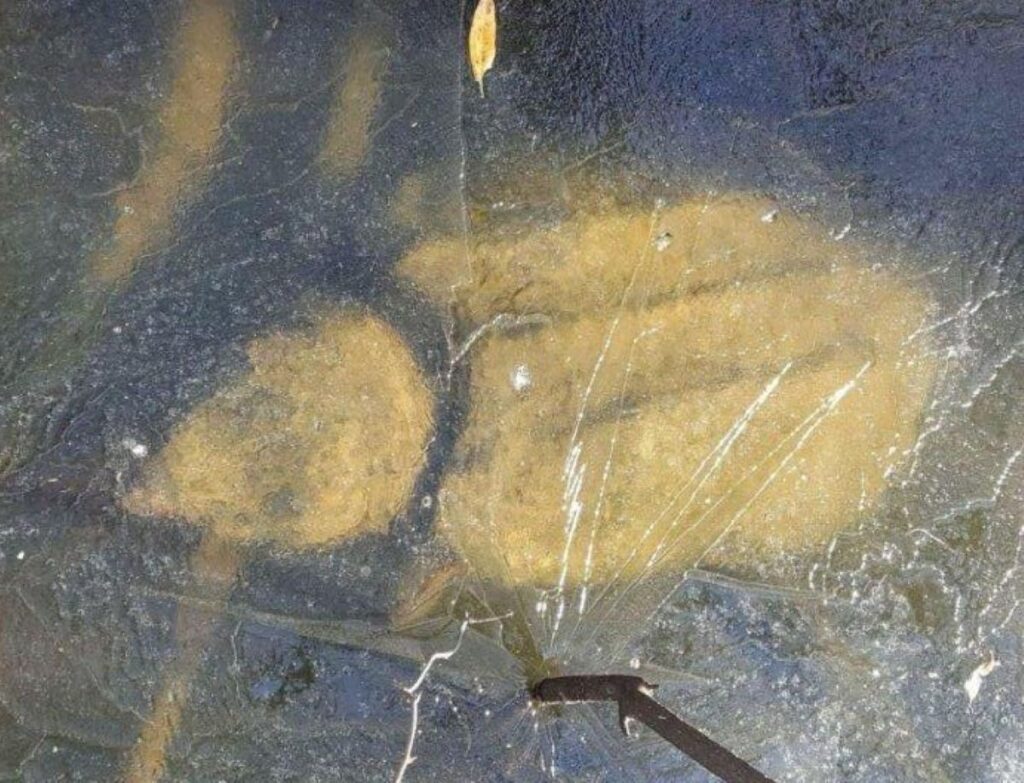
Defying Winter’s Grip (Image Credits: Reddit)
Staff members brave subzero temperatures and deep drifts to continue their work. Turtles remain active beneath the surface long after the first freeze, and tracking them provides critical data on their survival strategies. The radio transmitters, securely attached to individual shells, emit signals that guide field workers through the challenging terrain.
These efforts persist because winter reveals unique aspects of turtle behavior not visible during warmer months. Teams snowshoe across frozen landscapes, listening for beeps that pinpoint exact locations. Such dedication ensures no data gaps in understanding these resilient reptiles.
Precision Technology in the Cold
Radiotransmitters serve as lifelines to hidden turtles. Glued directly onto shells, the devices withstand ice and submersion while broadcasting location data. Handheld receivers allow staff to triangulate positions with remarkable accuracy, even under several feet of snow.
This method has proven reliable across seasons, but winter tests its limits. Batteries must endure extreme cold, and signals sometimes weaken in heavy cover. Still, advancements in lightweight, durable tech keep the program effective.
Revelations from Snowy Trails
The snow itself becomes a canvas for discovery. Fresh powder captures subtle signs of turtle activity before full hibernation sets in, such as emergence from water or short surface movements. Combined with transmitter data, these clues paint a fuller picture of overwintering patterns.
Teams note how turtles select hibernation sites near water edges or in wooded burrows. Observations confirm preferences for insulated mud layers beneath ice, protecting against freezing. This information refines habitat protection strategies.
Steps in the Tracking Process
Fieldwork follows a structured routine to maximize safety and efficiency.
- Teams assemble gear including snowshoes, receivers, and GPS units before dawn.
- They scan known turtle ranges, adjusting antennas for optimal signal capture.
- Upon locating a signal, staff record coordinates, depth estimates, and environmental notes.
- Data uploads occur daily to track movements and health indicators.
- Follow-up visits assess any changes in position or activity levels.
- Seasonal reports compile findings for broader conservation use.
Key Takeaways
- Winter tracking fills vital data gaps on turtle hibernation.
- Radio transmitters enable precise monitoring in inaccessible areas.
- Snow provides visual cues that complement tech-based findings.
These winter pursuits underscore the commitment to safeguarding turtle populations amid changing climates. As data accumulates, it informs restoration projects and policy advocacy. What insights from nature’s quiet season have surprised you most? Share in the comments.