Imagine spending tens of thousands of years in deep, daily conversation with the natural world. No textbooks. No laboratories. Just the land, the animals, the seasons, and generations of careful, patient observation passed down like fire from elder to child. That is the reality of indigenous tribal knowledge, and it is far more sophisticated than most people in the modern world have ever paused to consider.
What tribal communities have always known about animals is now beginning to stun modern scientists. There are insights locked inside ancient oral traditions, ceremonies, and ecological practices that took researchers decades to even begin to verify. Let’s dive in.
Animals as Relatives, Not Resources
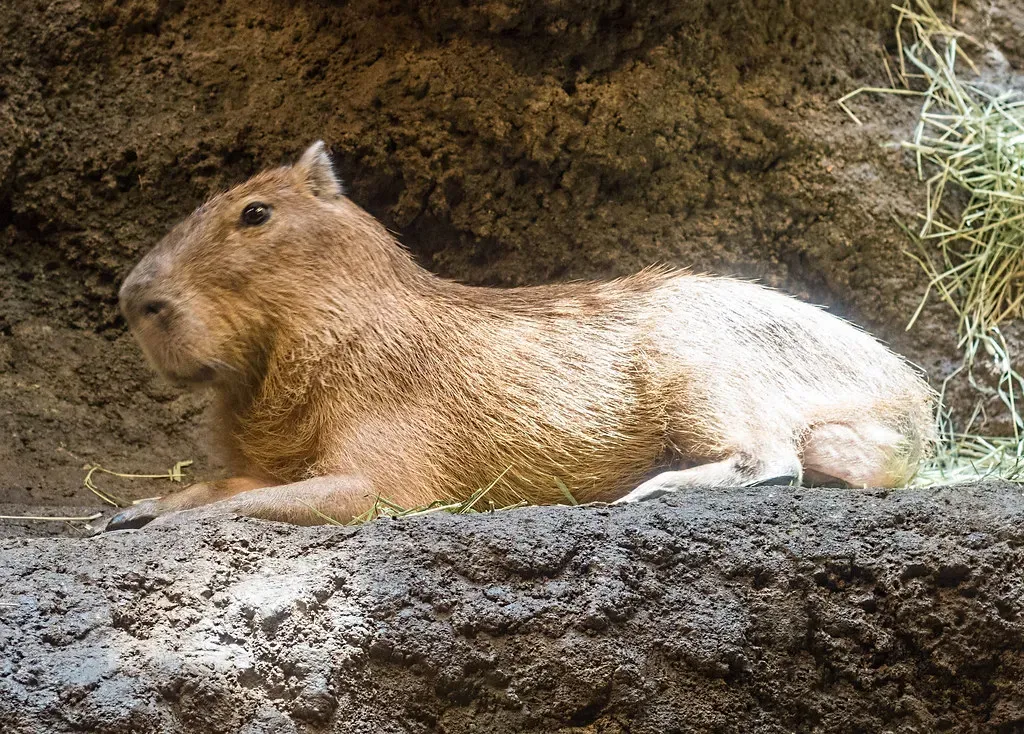
Here’s the thing that changes everything once you truly grasp it: many indigenous cultures have never seen animals as commodities to be exploited. Indigenous intellectual traditions position animals as persons, relatives, and knowledge holders. That’s not poetry. That is a foundational worldview that shaped how entire civilizations behaved toward the natural world for millennia.
Without a doubt, animals are a huge part of native culture. They are considered brothers and sisters, among winged, four-legged, and swimming family members. They are part of creation stories, messengers to the ancestors and the Creator, and teachers on this world. When you think of animals that way, you behave very differently around them. You think before you take. You give back when you receive.
Every part of the animal was used, and in many cultures, there were accompanying celebrations and rituals of appreciation. There was no stock or species depletion due to over-harvesting. There was also no need for artificial wildlife management, which is an alien concept to numerous indigenous cultures. Compare that to how modern industrial society has managed animal populations, and honestly, the contrast is almost embarrassing.
The Sacred Science of Traditional Ecological Knowledge
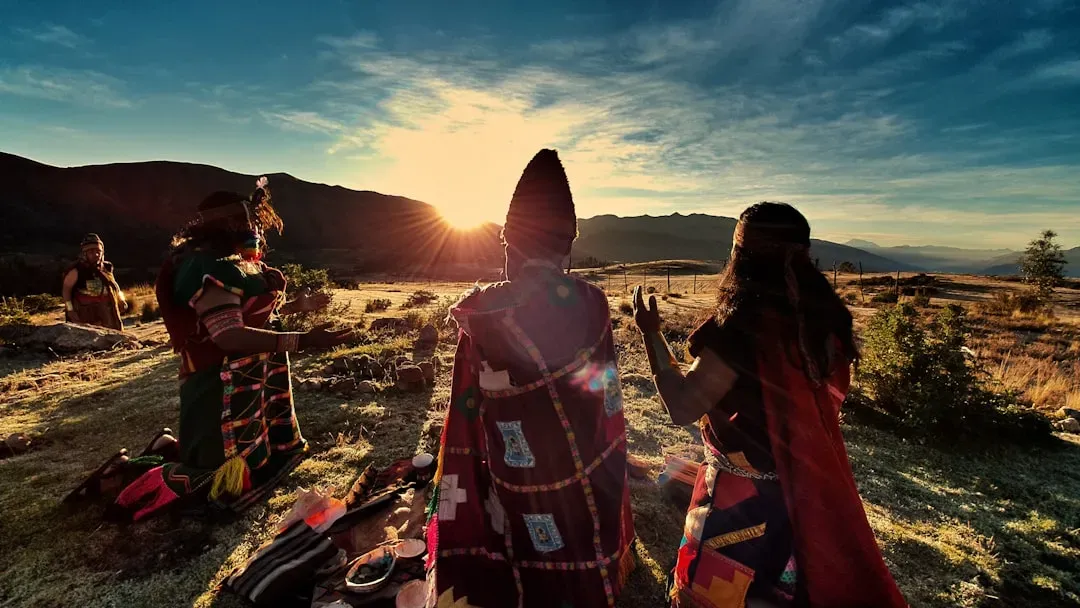
Traditional Ecological Knowledge (TEK) is the ongoing accumulation of knowledge, practice, and belief about relationships between living beings in a specific ecosystem that is acquired by indigenous people over hundreds or thousands of years through direct contact with the environment, handed down through generations, and used for life-sustaining ways. Think of it less like a library and more like a living conversation with the land itself.
Indigenous Knowledge is distinct from science, local knowledge, and citizen science in that it includes not only direct observation and interaction with plants, animals, and ecosystems, but also a broad spectrum of cultural and spiritual knowledges and values that underpin human-environment relationships. That layered complexity is exactly what makes TEK so powerful. It is not just data. It is context, meaning, and relationship all woven together.
Indigenous peoples’ long history within their respective lands means they have knowledge that conservationists often don’t have. This has come to be known as Traditional Ecological Knowledge, which is knowledge of a specific place discovered by those who adapted to it over thousands of years. This includes knowledge of the relationships between all the living organisms, natural phenomena, and the landscape, giving indigenous people a more holistic view of the ecosystems they live in. You cannot replicate that with a five-year research grant.
What Tribal Elders Knew About Animal Ecosystems That Scientists Missed
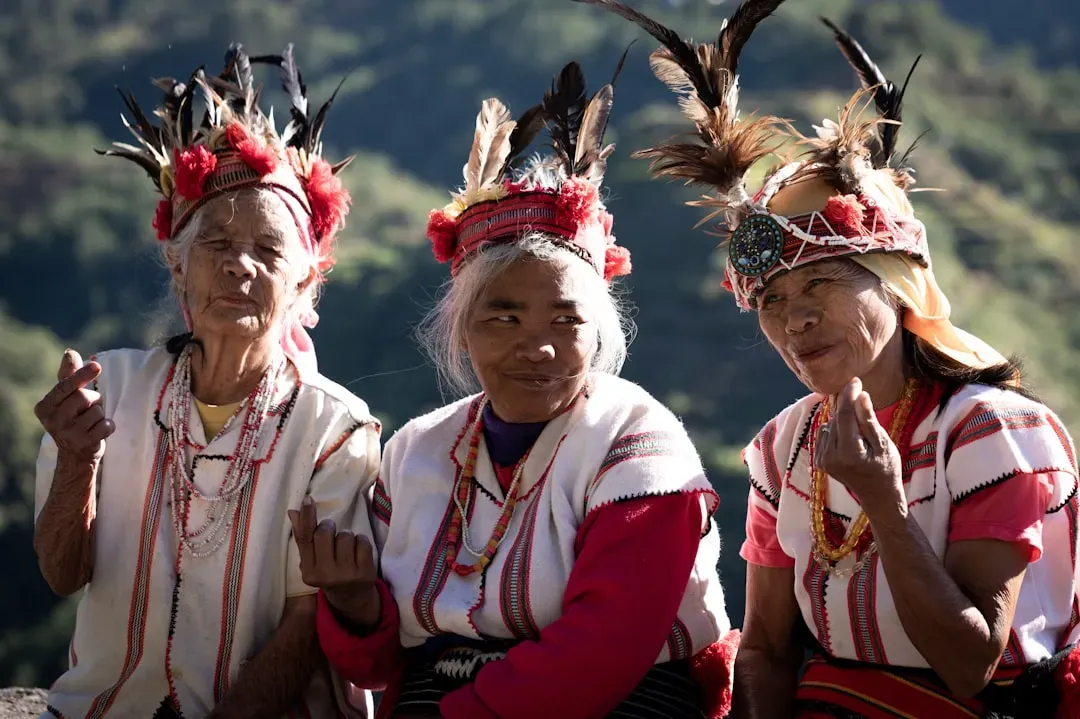
I think one of the most jaw-dropping examples of tribal animal knowledge comes from the Inuit. While a researcher was interviewing Inuit elders in Alaska about beluga whales, hunters suddenly switched from talking about whales to beavers. It turned out they were still really talking about whales. There had been an increase in beaver populations, they explained, which had reduced spawning habitat for salmon and other fish, which meant less prey for the belugas and so fewer whales. A researcher studying belugas alone would never have connected those dots.
Around the globe, researchers are turning to what is known as Traditional Ecological Knowledge to fill out an understanding of the natural world. The Inuit story is just one thread in a vast tapestry of ecosystem insight that tribal communities have held quietly for generations while Western science was still trying to catch up. It is humbling, really.
A great example of the long-lasting effects of indigenous land management are patches of forest managed by indigenous communities in British Columbia over a century ago. These still support more pollinators, more seed-eating animals, and more plant species than the natural conifer forests that surround them. The reason these patches are more ecologically diverse is because the indigenous communities used them for growing food and medicinal plants, even bringing seeds from hundreds of miles away. These communities were displaced from their lands long ago, but the vegetation they planted continues to grow, supporting more animals than would be present without indigenous intervention.
Animal Totems and the Deep Psychology of Species Understanding
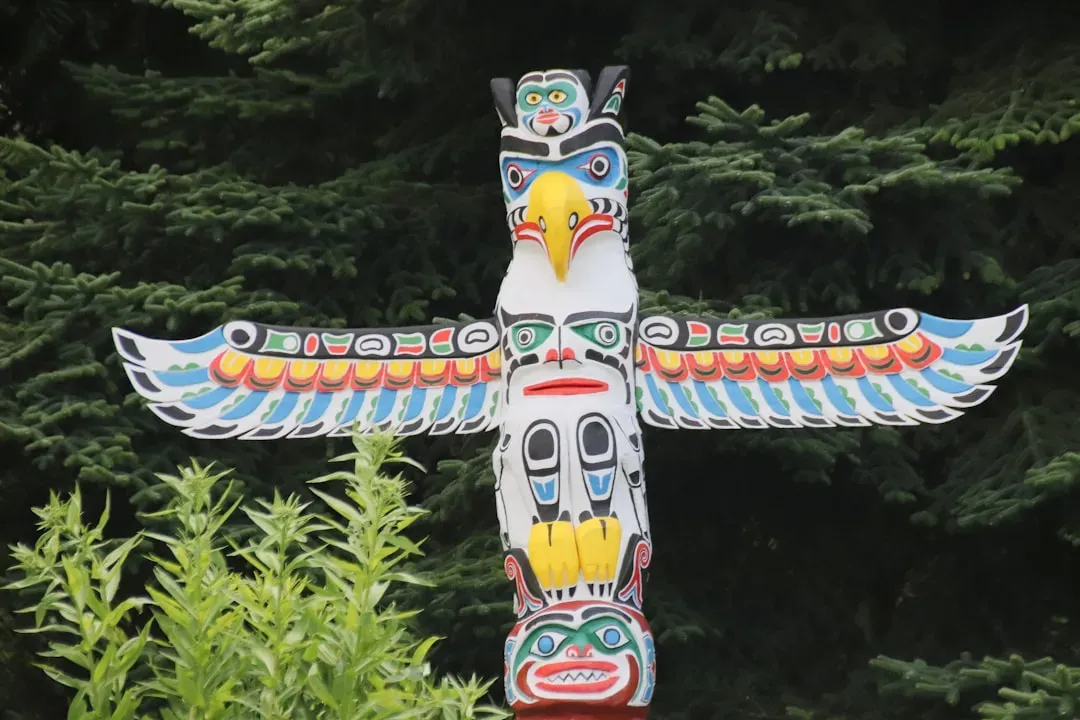
In the Seven Sacred Teachings, the traditional concepts of respect and sharing that form the foundation of the Aboriginal way of life are built around the seven natural laws, or sacred teachings. Each teaching honors one of the basic virtues intrinsic to a full and healthy life. Each law is embodied by an animal to underscore the point that all actions and decisions made by humans are manifest on a physical plane. This is not just symbolic decoration. It is a structured behavioral and ethical system built around observed animal traits.
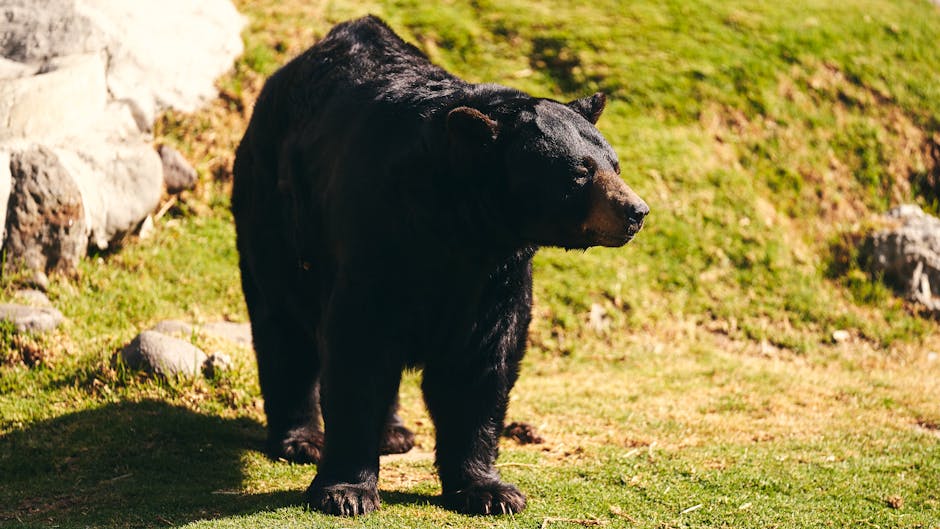
Totems represented a collective spiritual identity, often believed to be the mythical ancestor or protector of the clan. For instance, a person from the Bear Clan might embody the traits of the bear, such as strength, leadership, and healing abilities, and be expected to uphold the values associated with that animal. These totems reinforced social structure, kinship ties, and a shared connection to the animal world. Think about that for a moment. Your social identity, your responsibilities, your role in community life, all anchored to a specific animal and its observed characteristics. That requires extraordinary depth of animal knowledge to build such a system in the first place.
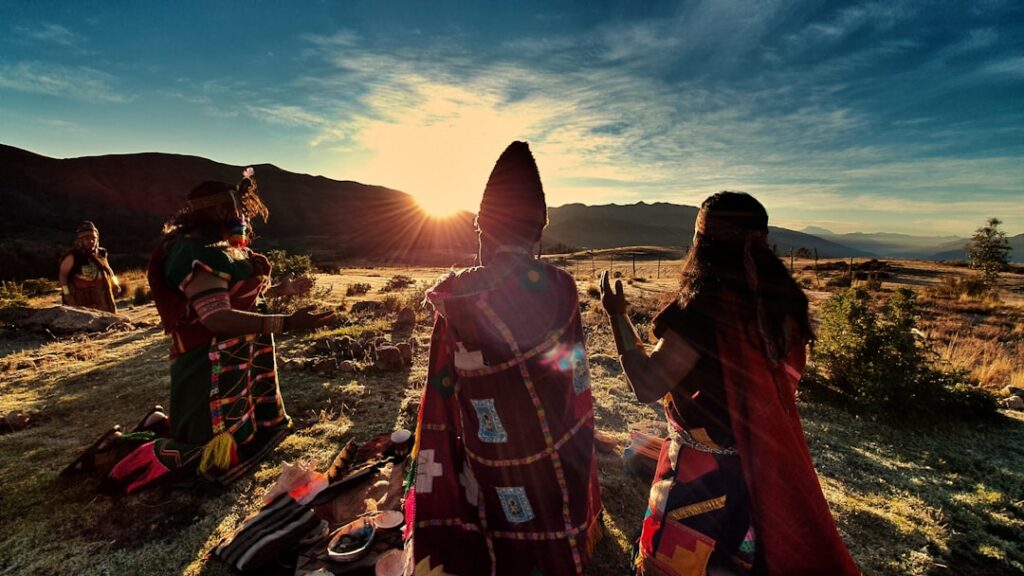
The knowledge of animal spirits was, and continues to be, passed down through generations primarily through oral tradition, including stories, songs, and ceremonies. Creation myths frequently feature animals as central figures, often responsible for bringing light, land, or life to the world. These narratives encode profound spiritual truths, ethical guidelines, and practical wisdom about living in harmony with the environment. That is essentially a multi-generational ecological education program, delivered through storytelling.
How Indigenous Land Stewardship Quietly Protected Animal Populations
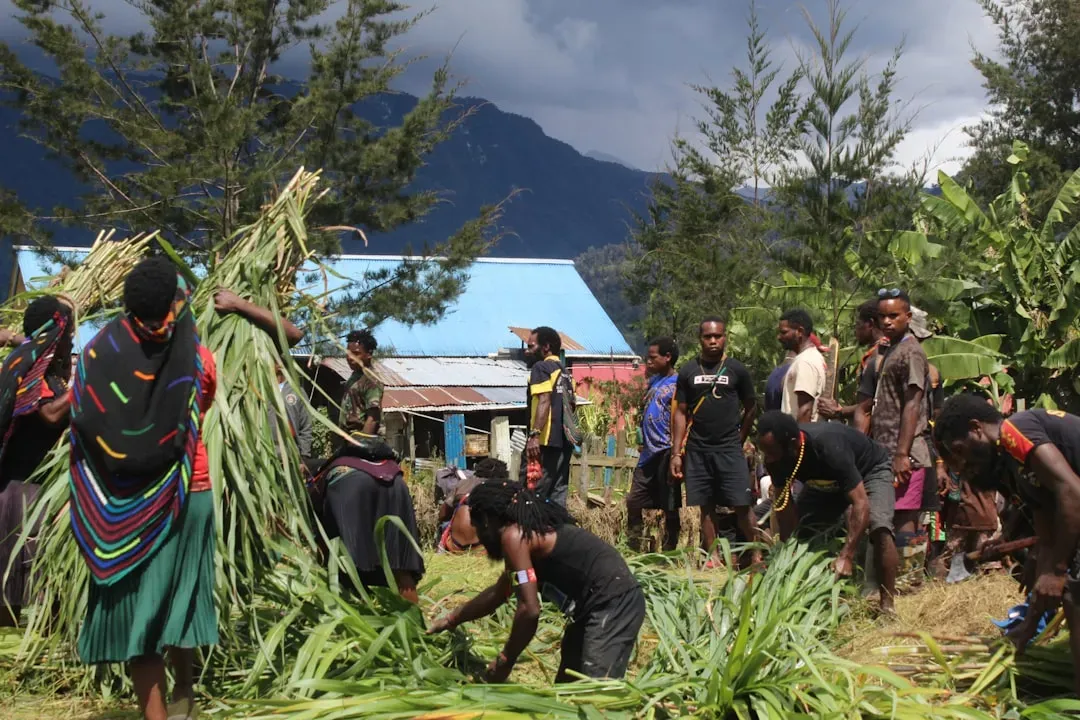
Indigenous cultures generally view humans as part of nature, meaning that humans belong in the natural world. Because indigenous peoples’ cultures and livelihoods are so dependent on nature, their way of life is essentially conservation. They apply the knowledge and skills they’ve accumulated over generations to manage and protect their ancestral lands, and their traditional laws often provide guidelines about accessing and using the land’s resources. No enforcement agencies needed. The cultural framework was the law.
Traditional beliefs often play an important role in protecting wild animals and their habitats. Totem and taboo animals are not to be killed or consumed, and sacred areas are to be protected, which in turn helps protect the animals that live there. Indigenous peoples’ spiritual connection to nature, their view of humans as part of nature, and their traditional knowledge of the ecological dynamics going on in their lands all work together to protect the animals found on their lands. It is a self-reinforcing system of protection that modern conservation policy still struggles to replicate.
Although indigenous peoples make up only roughly five percent of the world’s population, they are responsible for guarding most of the planet’s remaining biodiversity. This is because their knowledge and traditions allow them to care for their homelands in ways proven over thousands of years. Let that sink in. A tiny fraction of humanity has been holding the biological riches of the entire planet together. That is staggering.
What Modern Science Is Finally Learning from Tribal Animal Wisdom
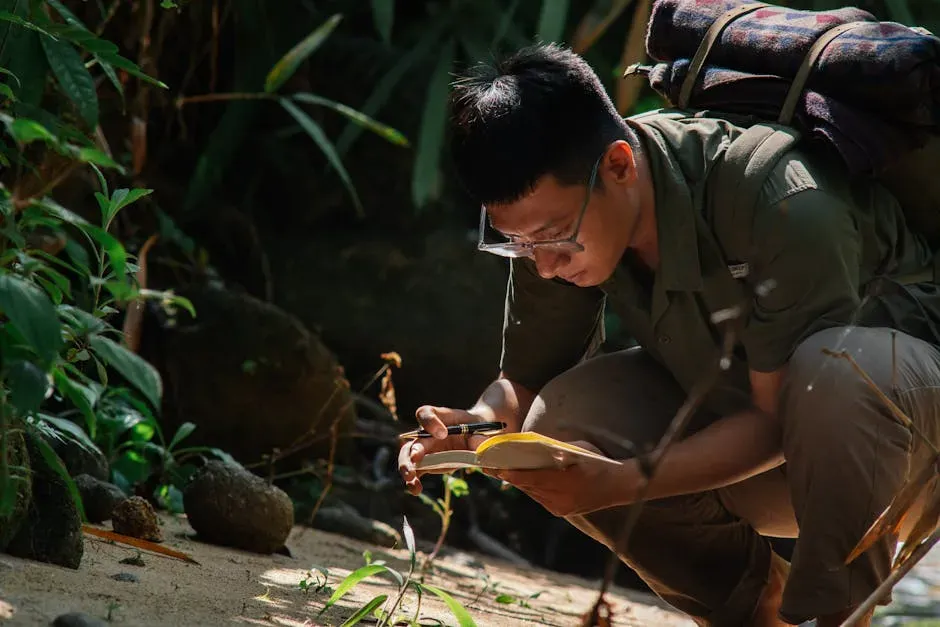
Let’s be real. Western science spent a very long time dismissing or simply ignoring indigenous animal knowledge. Honestly, that oversight has cost us dearly. Despite millennia-long and continued application by indigenous peoples to environmental management, non-indigenous Western scientific research and management have only recently considered Indigenous Knowledge. Detailed and diverse examples now highlight how it is increasingly incorporated in research programs, enhancing understanding of and contributing novel insight into ecology and evolution, as well as physiology and applied ecology.
It is estimated that a million animal and plant species face extinction, some within decades. Although biodiversity is rapidly declining throughout the world, the decline is generally lower in indigenous lands. That statistic alone should trigger a complete rethinking of whose knowledge we prioritize when it comes to wildlife protection. The evidence is clear, and it has been sitting in plain sight the whole time.
Indigenous peoples have been observing wildlife for many generations, and their insights can assist western scientists in monitoring the health of wild populations. Researchers working alongside tribal communities in places like the Arctic and the Amazon are now reporting breakthroughs in animal behavior and ecosystem dynamics that no amount of satellite monitoring could have provided on its own. The collaboration, it turns out, is long overdue.
Conclusion: The Oldest Library on Earth Is Still Open
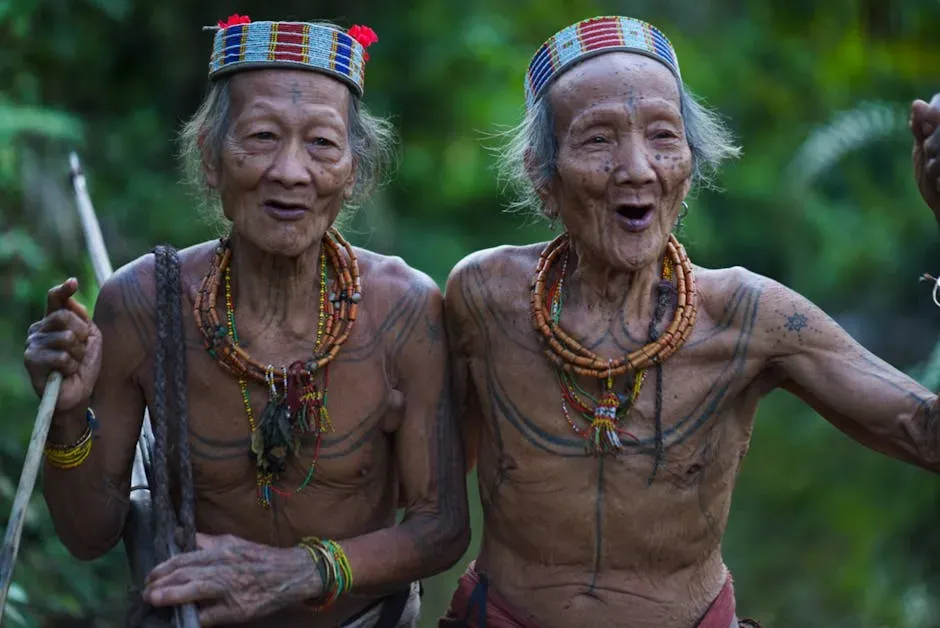
There is something deeply moving about realizing that the most sophisticated animal knowledge on earth was not written in any journal or discovered in any laboratory. It was carried in the voices of elders, woven into ceremonies, and lived out on the land across generations. Indigenous tribal wisdom is built from hands-on learning and watching the natural world, improved from generation to generation. It shows how people can live in one place for centuries and really get to know how to live respectfully with the land and with each other. This knowledge is always changing to fit new circumstances, while staying true to long-held ideas.
What is exciting about where we stand in 2026 is that the scientific community is increasingly willing to listen. Ecosystem management is a multifaceted approach to natural resource management that can incorporate science and TEK to collate long-term measurements that would otherwise be unavailable. This can be achieved by scientists and researchers collaborating with indigenous peoples through a consensus decision-making process while meeting the socioeconomic, political and cultural needs of current and future generations.
The planet’s animals need every ally they can get right now. You would do well to think about where the most enduring, time-tested knowledge of those animals actually lives. It has never been in a textbook. What would happen if the world truly committed to listening? Tell us your thoughts in the comments below.