Have you ever wondered what the world looked like when dinosaurs roamed across what we now call North America? Picture a landscape vastly different from today’s familiar forests and grasslands. Long before flowering roses or oak trees dominated the land, an entirely different cast of botanical characters held the stage. These ancient plants sustained some of the largest creatures to ever walk the Earth.
The flora of dinosaur times tells a story of resilience, adaptation, and dramatic transformation. While we’re all familiar with Tyrannosaurus rex and Triceratops, the plants that fed them and shaped their ecosystems remain largely unknown to most people. Let’s dive into this forgotten world and discover what was growing beneath those massive reptilian feet.
The Prehistoric Forests of Conifers
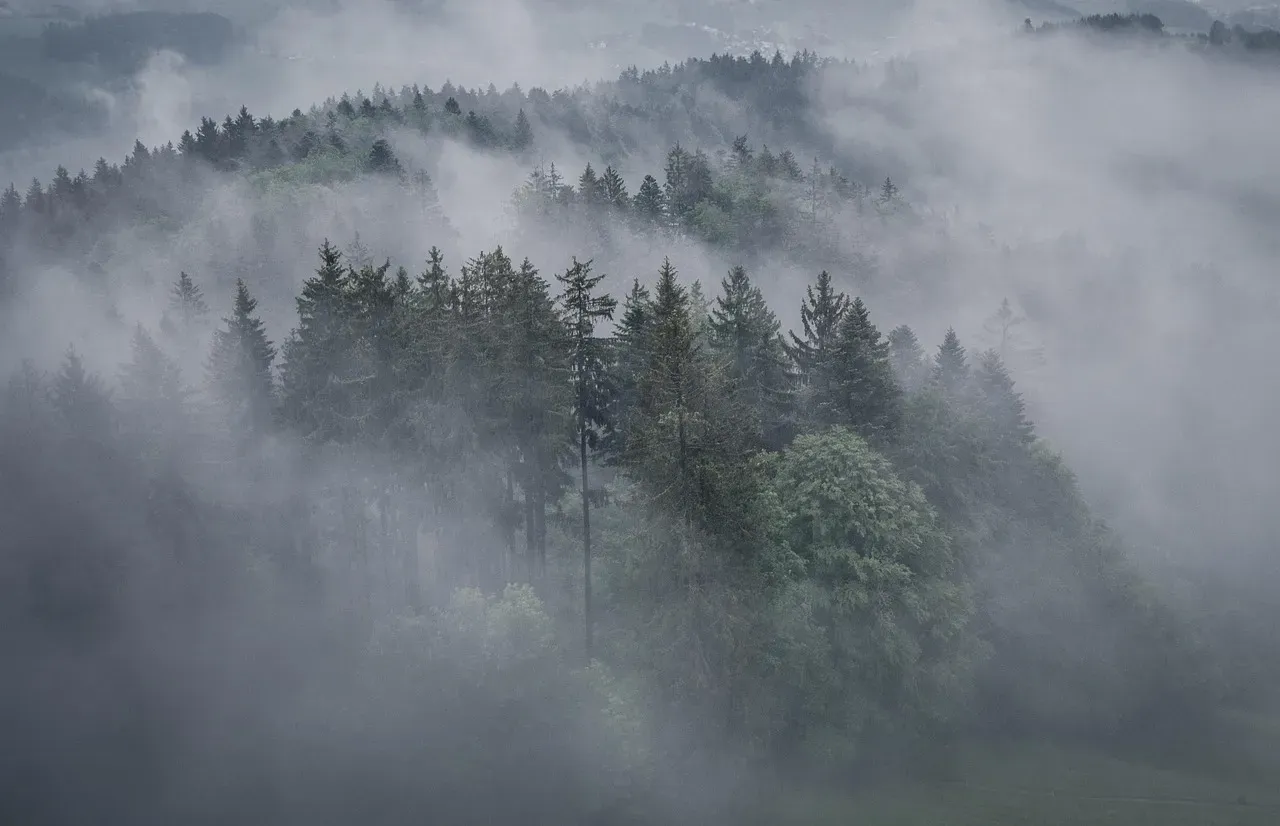
Conifers dominated the landscape millions of years before flowering plants came on the scene, and they played an absolutely vital role in American dinosaur habitats. Think of them as the towering giants that formed the backbone of ancient forests. Leaf imprints and petrified wood of ancestral dawn redwoods resembling present-day species have been found in Cretaceous deposits throughout North America, with some fossils dating back nearly 90 million years.
The most diverse flora was found in North America, with the presence of evergreens, angiosperms, and conifers, especially the redwood, Sequoia. These weren’t just background scenery either. Picture massive sauropods stretching their long necks high into the canopy, stripping branches from trees that stood like ancient skyscrapers. Lush ferns, conifers and palmlike cycads dominated the landscape when dinosaurs flourished on earth.
Cycads: The Palm-Like Survivors
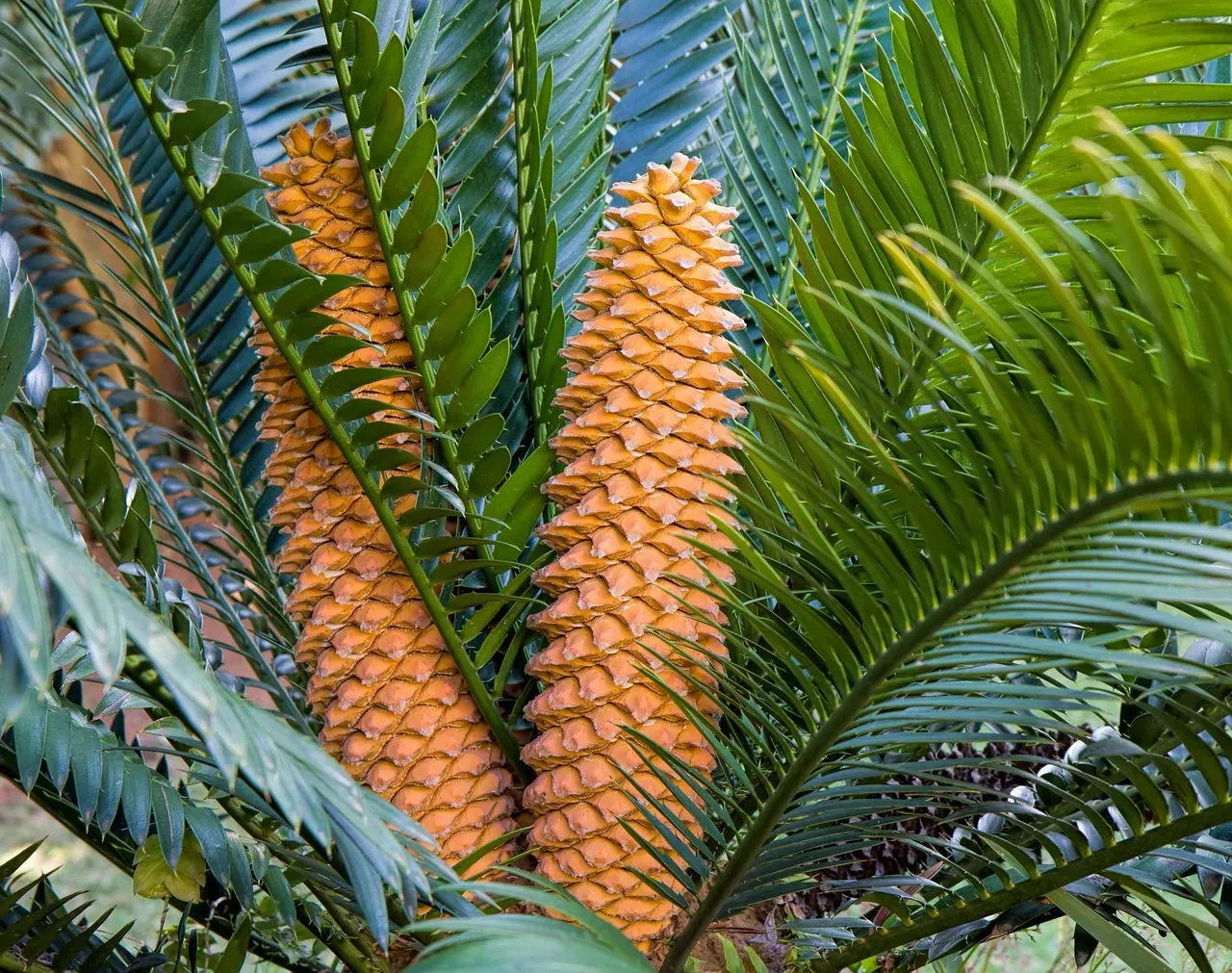
Let’s be real here. These plants were so numerous in Mesozoic times that this era is often called the “Age of Cycads and Dinosaurs”. Honestly, that tells you everything you need to know about their importance. They looked somewhat like modern palm trees but were actually an entirely different group of plants with cone-like structures.
Cycads first appeared in the Pennsylvanian and so have existed for approximately 300 million years, appearing before there were dinosaurs, existing alongside them. These hardy survivors could grow in deserts, swamps, shaded areas, sunny spots, and even on rocky surfaces. Their versatility made them dinosaur food in basically every habitat across ancient America. Cycads became so abundant and diverse that the Jurassic is sometimes called the “Age of Cycads”.
Ferns That Towered Over Giants
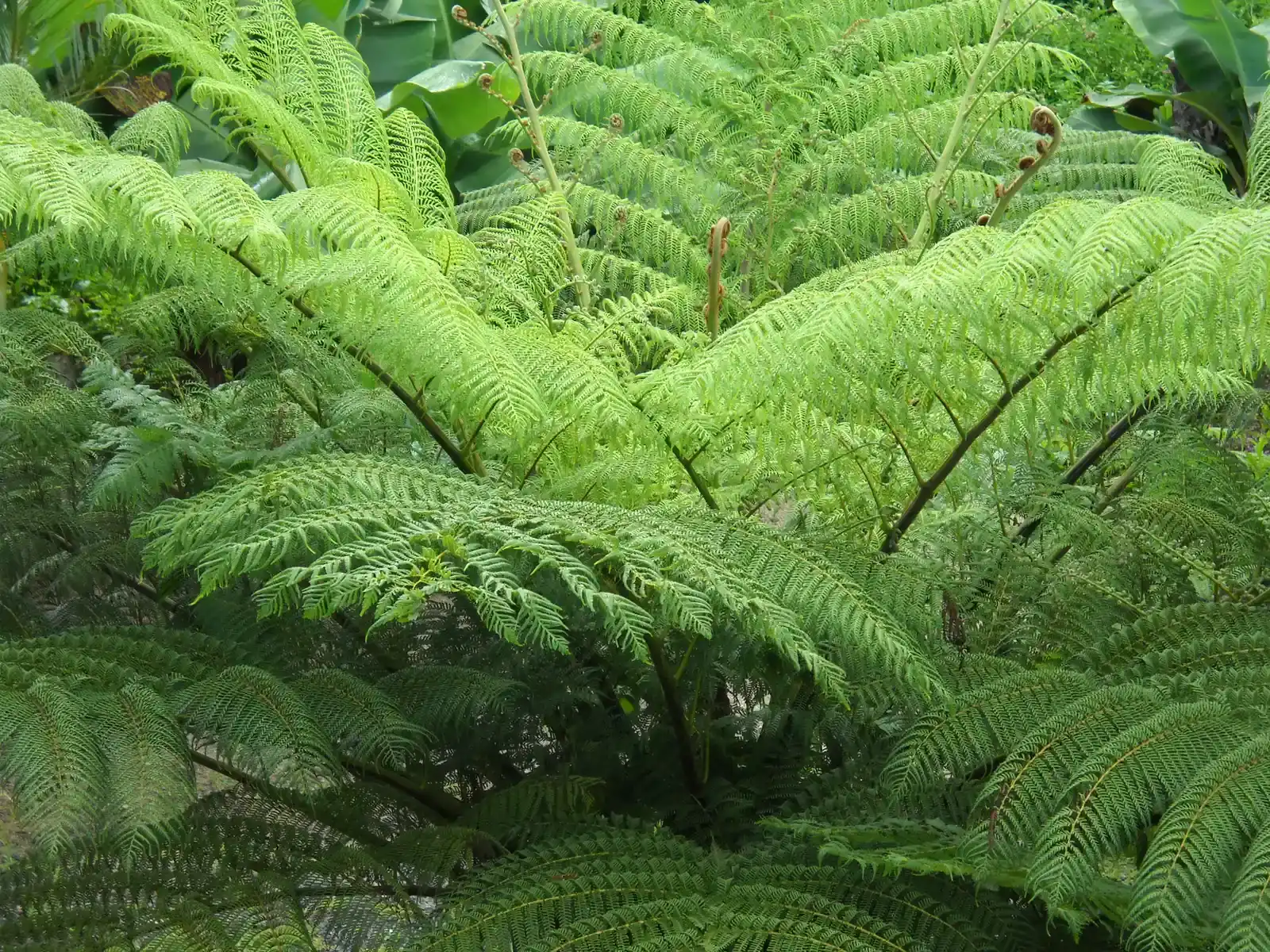
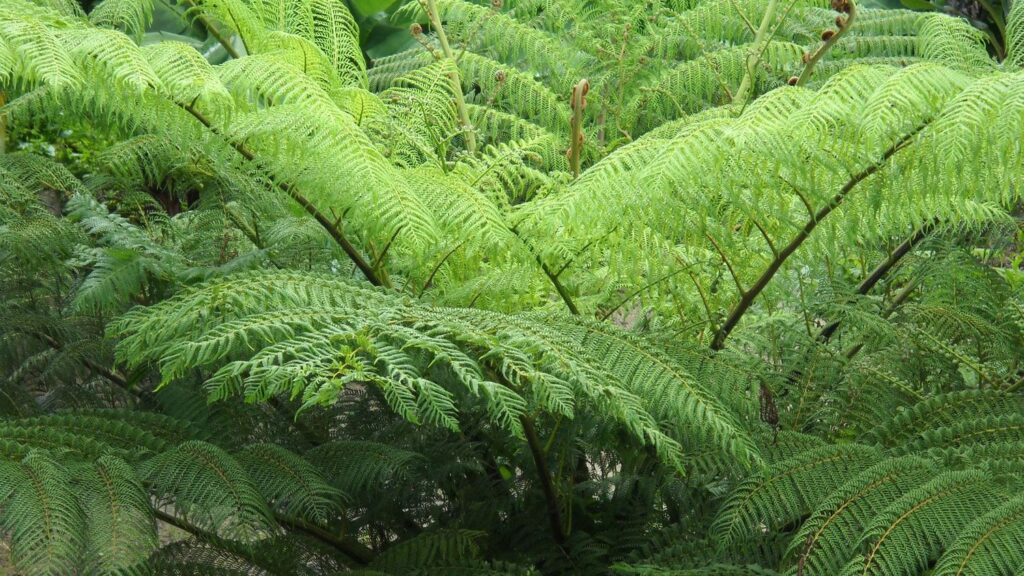
Here’s something that might surprise you. While you might think of ferns as delicate understory plants in modern forests, some ancient ferns reached absolutely staggering proportions. The prehistoric ancestors of modern-day ferns evolved over 300 million years ago, and like the dinosaurs, some ancient ferns reached massive proportions of 30 m (100 ft) tall. That’s the height of a ten-story building!
In the Triassic period, the landscape featured ferns, cycads, and conifers, pioneering the way for more complex plant ecosystems. Tree ferns created dense, humid understories where smaller dinosaurs could find shelter and food. These weren’t the tiny ferns you might see in a garden center today. They were architectural features of the prehistoric landscape, providing layers of vegetation at different heights.
Ginkgoes: Living Fossils From Dinosaur Days
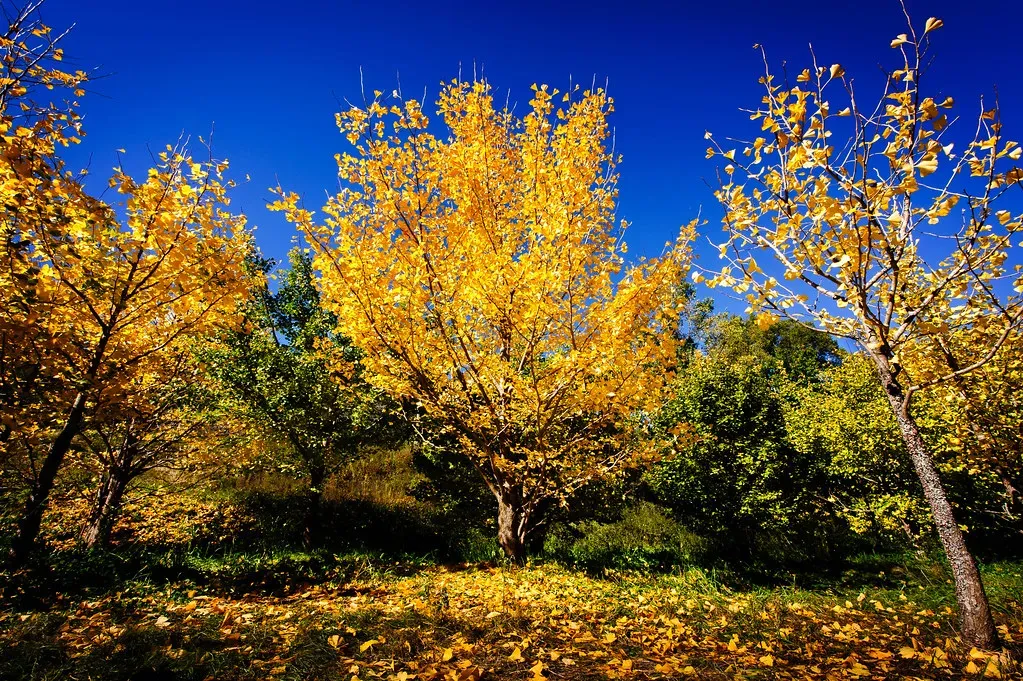
I think one of the most fascinating stories involves the ginkgo tree. This remarkable tree has changed very little since its ancestors grew in ancient forests more than 200 million years ago. Walking past a ginkgo tree today is like encountering a genuine time traveler. Ginkgo plants that are very similar to the species still alive today show up in the fossil record as early as 290 million years ago, and at that time they would have provided food and shelter to the reptiles that eventually gave rise to dinosaurs.
Ginkgoes carpeted the mid- to high northern latitudes during the Jurassic. Their fan-shaped leaves created distinctive forests across much of prehistoric North America. These trees witnessed the entire rise and fall of the dinosaur empire, yet they’re still with us today, though now confined to a much smaller range than during their heyday.
The Flowering Plant Revolution
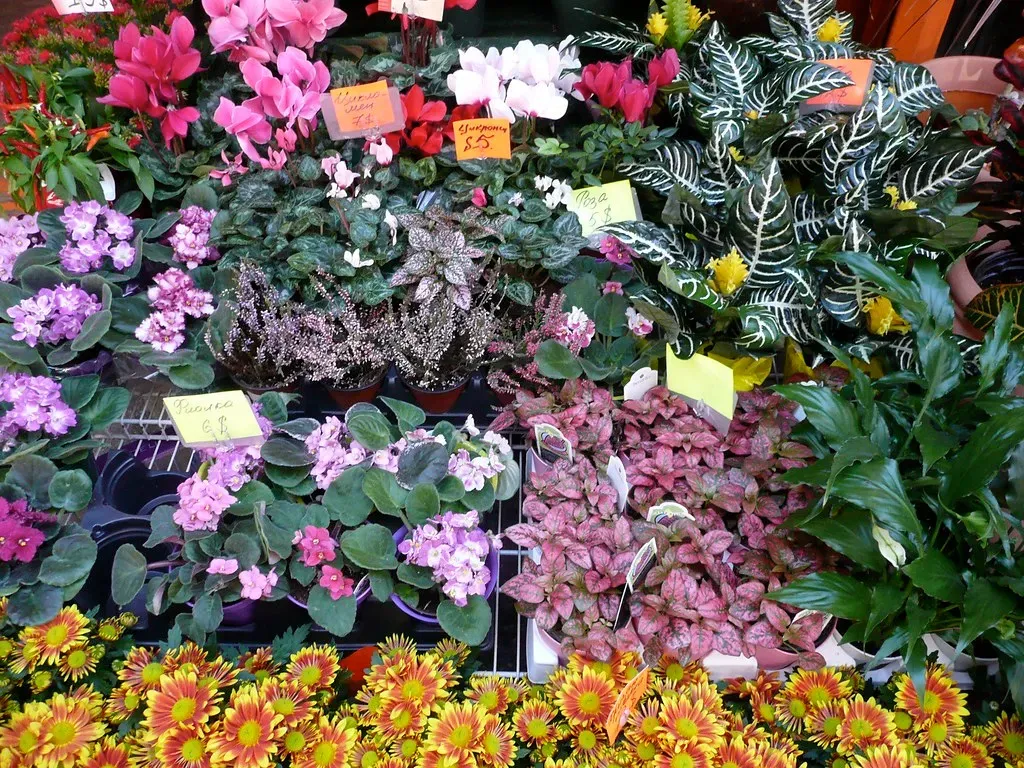
Now here’s where things get really interesting. First appearing in the Lower Cretaceous around 125 million years ago, flowering plants first radiated in the middle Cretaceous, about 100 million years ago. This was a botanical revolution that changed everything. Flowering plants similar to modern magnolias, dogwoods, and oaks appeared rather abruptly in the fossil record, about 90 mya.
Flowering plants ruled the Cretaceous period, with these angiosperms including magnolias, sycamores, figs, beech, poplar, and palms. It’s hard to say for sure, but this explosion of new plant types may have contributed to a surge in dinosaur diversity. More nutritious food sources meant herbivorous dinosaurs could grow larger and more diverse, which in turn supported bigger predators. Most dinosaurs that have been found date from the late Cretaceous period, when flowering plants were supplying plant-eating dinosaurs with plentiful and nutritious food.
Strange Extinct Plant Groups
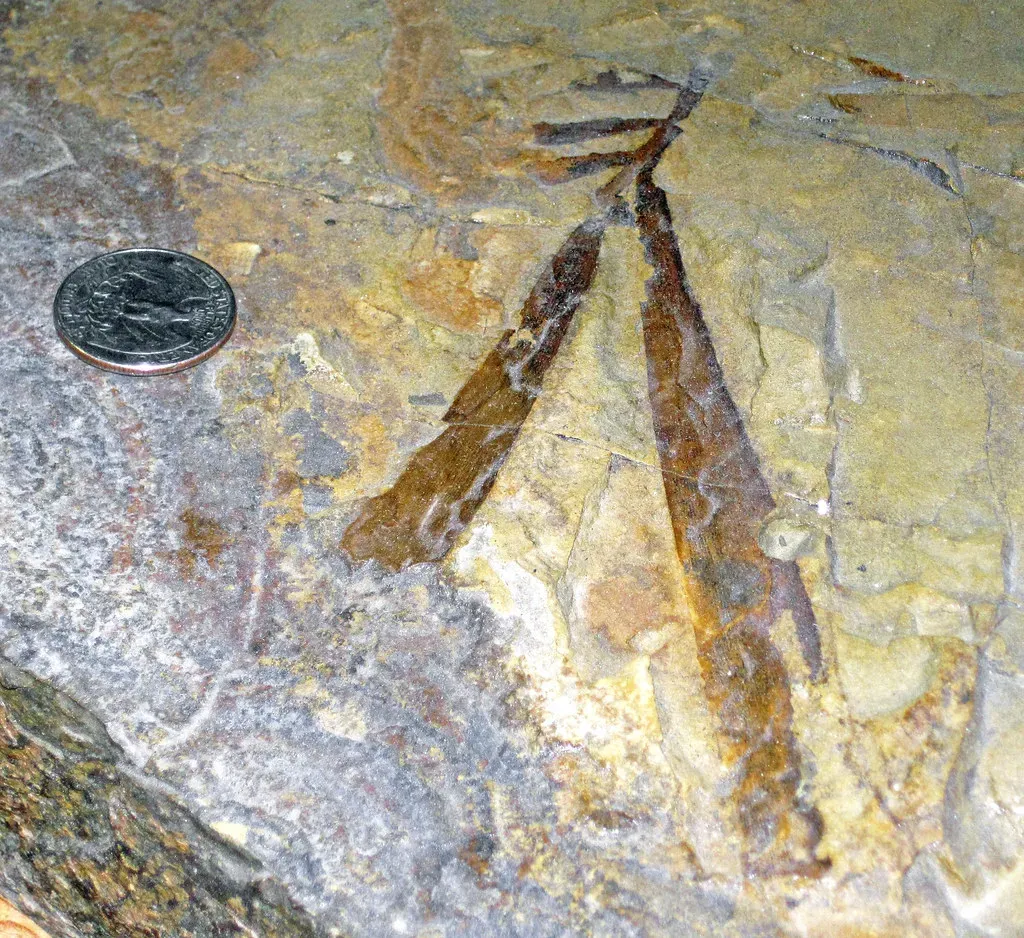
Not everything from the dinosaur era survived to tell its tale. The early Mesozoic was dominated by ferns, cycads, ginkgophytes, bennettitaleans, and other unusual plants. Those bennettitaleans, also called cycadeoids, looked superficially similar to cycads but represented an entirely separate evolutionary lineage. They vanished completely by the end of the Cretaceous.
Researchers have documented more than 12 different leaf types, many sticks and stems of woody and herbaceous plants, and at least 25 pollen and spore types in the Cretaceous rocks of Denali, where these plant communities thrived in the Cantwell Basin. Each of these extinct groups played specific ecological roles we can only begin to understand through fragmentary fossil evidence. Some produced strange cone-like structures that weren’t quite cones, while others had reproduction strategies unlike anything alive today.
Ancient Plants Still Living Among Us
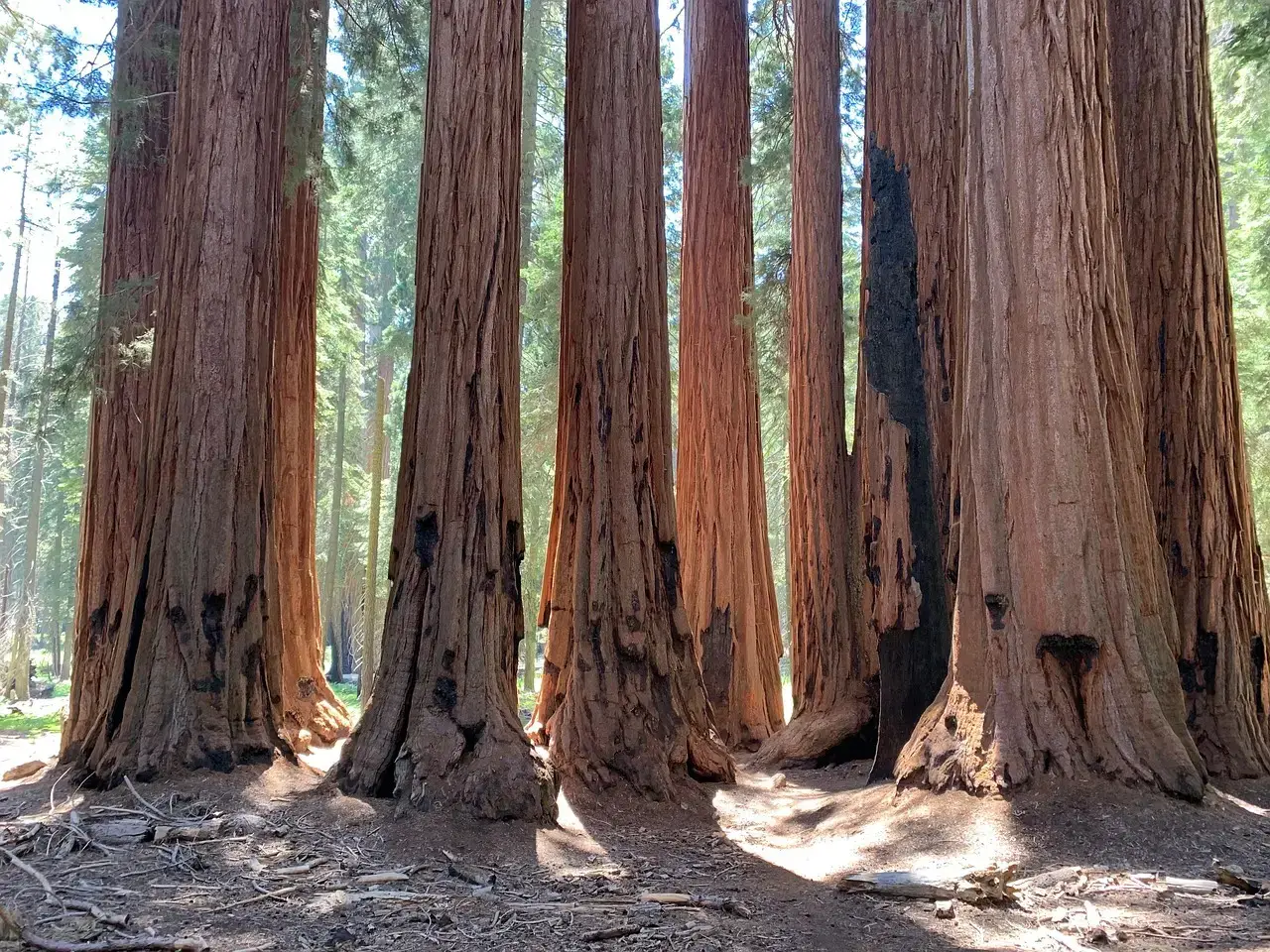
Perhaps the most remarkable thing about dinosaur-era flora is how much of it persists today. Many of these plants went extinct with the dinosaurs, but a few are still alive today, with pine trees, redwoods, and ferns being the most common. Walking through a forest of redwoods in California or encountering cycads in a botanical garden connects you directly to the age of dinosaurs.
Scientists have come across a prehistoric plant called Lychnothamnus barbatus in North America for the first time, although before this finding, the only record of the plant outside of Europe and Australasia was in Cretaceous-era fossils from Argentina. Discoveries like this remind us that ancient lineages may still be hiding in plain sight. In North America, about 50% of the plant species went extinct at the end of the Cretaceous period, but afterwards the evolution of flowering plants was rapid.
The flora that coexisted with dinosaurs in America created ecosystems more complex and diverse than many people realize. From towering conifers to revolutionary flowering plants, these botanical pioneers shaped the world that dinosaurs called home. Next time you see a ginkgo tree or walk through a stand of redwoods, remember you’re experiencing a living connection to a time when thunder lizards shook the earth. What would those ancient forests have sounded like with dinosaurs moving through them? The plants can’t tell us, but their descendants still grow among us today, silent witnesses to an incredible chapter in Earth’s history.