Picture a world where towering mammoths, massive ground sloths, terrifying saber-toothed cats, and enormous short-faced bears roam across a vast, untamed continent. You’re not watching a sci-fi film. This was North America, not millions, but just tens of thousands of years ago. The landscape would have felt simultaneously breathtaking and deadly.
The question of exactly how the first humans to arrive on this continent interacted with these colossal creatures is one of the most electrifying puzzles in all of archaeology. Was it a peaceful coexistence, or did our ancestors chase these beasts to extinction? The truth, as you’re about to discover, is far more layered, nuanced, and honestly more fascinating than any single-sentence answer could capture. Let’s dive in.
The First Footprints: When Did Humans Arrive Alongside These Giants?
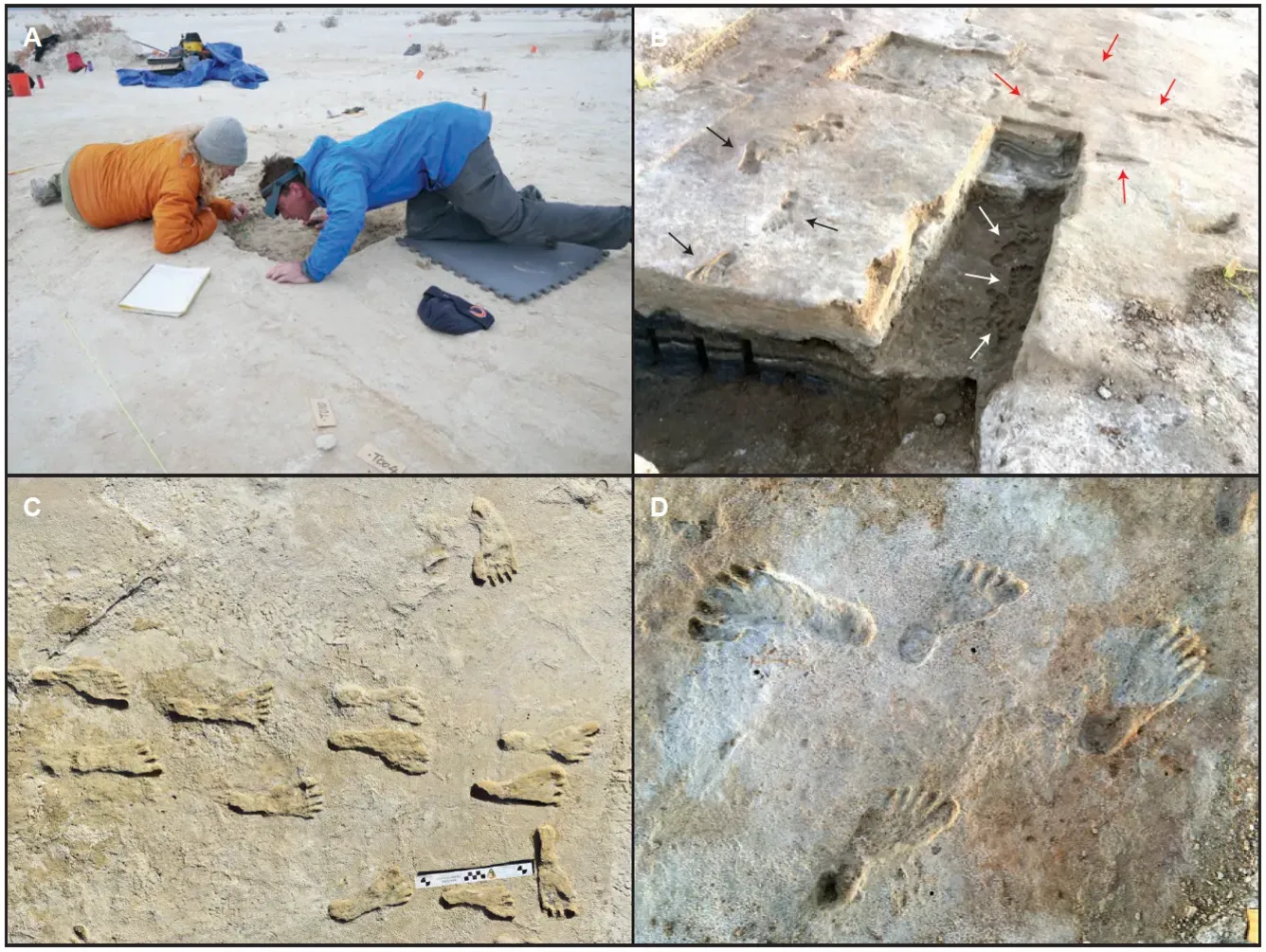
Here’s a fact that genuinely reframes the whole conversation: the story of humans and megafauna in North America begins much earlier than most people think. The footprints discovered at White Sands National Park belong to humans and other animals who lived during the Last Glacial Maximum, roughly 23,000 years ago, representing the earliest unequivocal evidence of human presence in the Americas, while also offering a remarkable snapshot of the relationship between early people and the megafauna living alongside them. That’s a timeline-shifting revelation.
Though Indigenous peoples of the Americas have an established archaeological presence dating back about 15,000 years, more recent research suggests a human presence dating to between 18,000 and 26,000 years ago, during the Last Glacial Maximum. The most generally accepted theory is that Ancient Beringians moved when sea levels were significantly lowered due to glaciation, following herds of now-extinct Pleistocene megafauna along ice-free corridors that stretched between the Laurentide and Cordilleran ice sheets. Think of it like ancient people literally following their food supply across continents, one herd of giants at a time.
Ghost Tracks and Giant Sloths: What the Fossil Footprints Reveal
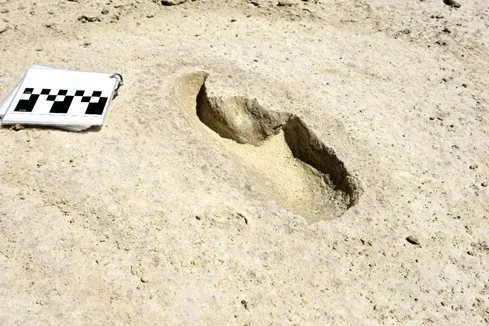
The footprints discovered in White Sands National Park paint a picture of early humans and animals co-existing on the edge of an ancient lake. What makes this site extraordinary is not just the age of the prints, but the remarkable behavioral story they preserve. Among the prints were some that showed humans walking in the footprints of an extinct giant sloth, which provided clear evidence that humans were living alongside these huge animals, and also that they appeared to be stalking and probably hunting them.
The discovery carries huge implications for understanding how humans interacted with prehistoric fauna and their role in the extinction of megafauna. It was previously thought that these species were driven to extinction very rapidly after the arrival of humans, a phenomenon attributed to over-hunting. However, the dates of these footprints suggest that humans were coexisting with, and probably hunting, these animals for 10,000 years before they became extinct. That long timeline of coexistence completely changes the narrative. This points to much more sustainable subsistence practices that allowed people to live alongside these species for millennia, before human population numbers grew to the point where megafauna populations could no longer recover.
The Clovis People: North America’s First Known Big-Game Hunters
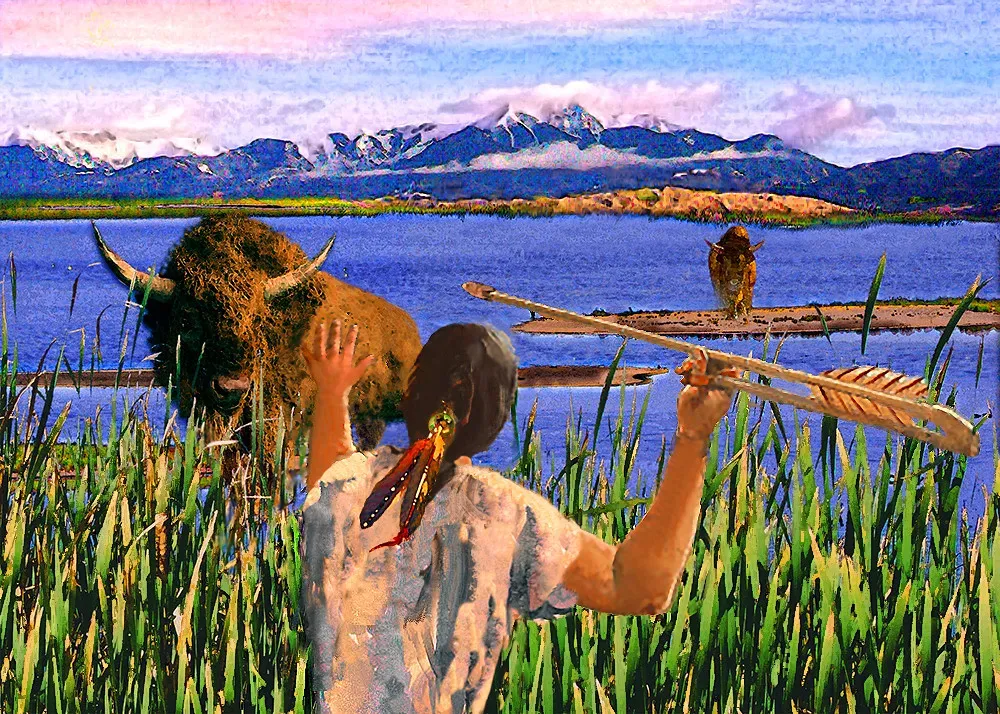
The Clovis culture, known for its distinctive style of stone projectile points, roamed North America between 13,500 and 12,500 years ago and has long been viewed as consisting of effective hunters who preyed on mammoths, mastodons, bison, and other megafauna of the Ice Age. Honestly, when you consider the weapons they crafted, the label “big-game hunters” feels almost like an understatement. Dating to between 13,150 and 12,850 years ago, Clovis represents the earliest widespread archaeological culture in the New World, readily identified by large, lanceolate, and fluted stone spear points, and in a handful of sites these Clovis points have been recovered in association with extinct fauna, the vast majority being mammoth.
It is generally agreed that these groups were reliant on hunting big game, and Clovis peoples had a particularly strong association with mammoths, and to a lesser extent with mastodons, gomphotheres, bison, and horse, while also consuming smaller animals and plants. Recent dietary science has added a stunning layer to this picture. A study published in the journal Science Advances used stable isotope analysis to model the diet of the mother of an infant discovered at a 13,000-year-old Clovis burial site in Montana. Before this study, prehistoric diet was inferred only from secondary evidence such as stone tools or preserved prey remains. The findings support the hypothesis that Clovis people specialized in hunting large animals rather than primarily foraging for smaller animals and plants.
Weapons and Tactics: How Early Humans Actually Hunted Megafauna
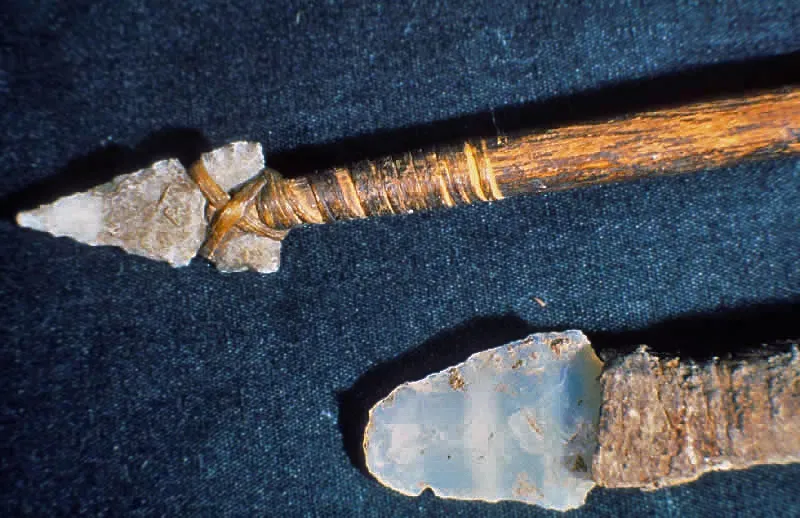
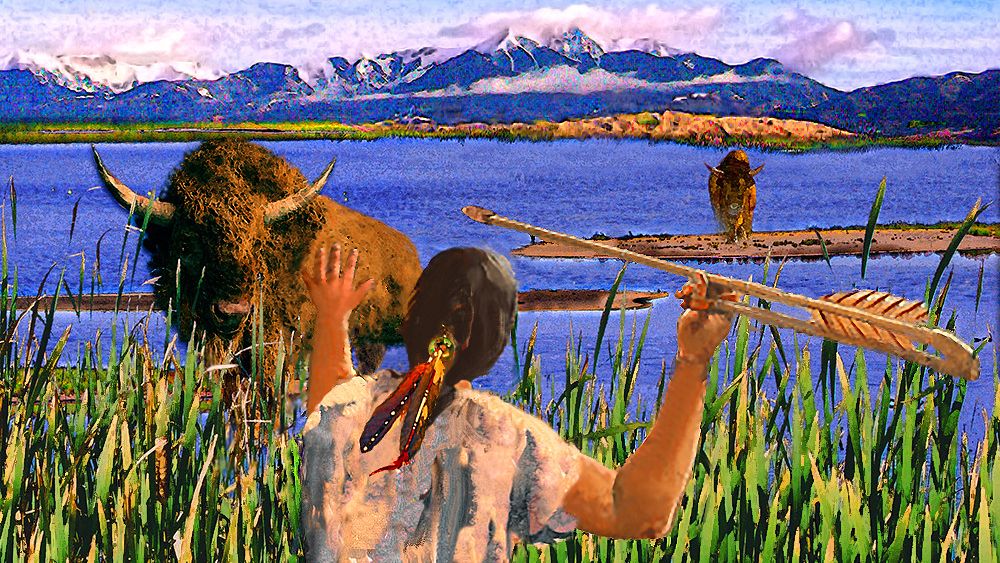
This is where things get genuinely interesting, and still hotly debated. You might picture a prehistoric hunter hurling a spear at a charging mammoth, but the reality was probably far more calculated and clever. Researchers say humans may have braced the butt of their pointed spears against the ground and angled the weapon upward in a way that would impale a charging animal. The force would have driven the spear deeper into the animal’s body, unleashing a more damaging blow than even the strongest prehistoric hunters could have managed on their own.
Kilby’s team reviewed ethnographic and experimental studies from the 20th century documenting that African hunters armed with only spears are capable of successfully hunting elephants, and that archaeological experiments using recently deceased elephant carcasses demonstrated that stone Clovis spear points can penetrate deeply enough to reach vital organs. The sophisticated Clovis technology that developed independently in North America is testimony to the ingenuity and skills that early Indigenous people employed in their cohabitation of the ancient landscape with now-extinct megafauna. It’s a powerful reminder that “primitive” is very much the wrong word to apply to these people.
Blood on the Tools: Forensic Science Confirms the Hunt
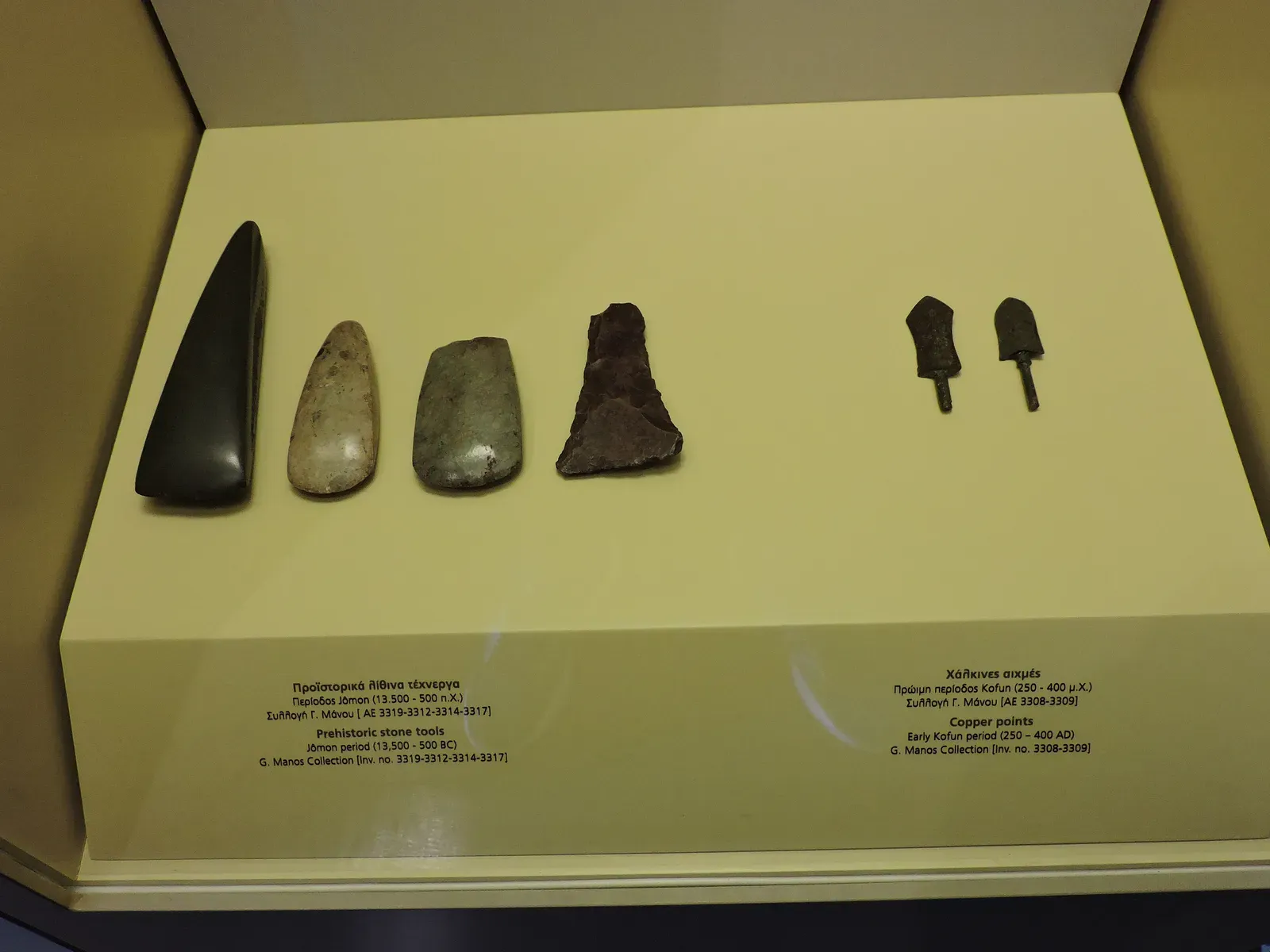
Perhaps one of the most dramatic breakthroughs in understanding human-megafauna interactions came not from bones or stone tools alone, but from something microscopic, something you would never expect to survive tens of thousands of years: blood residue. An archaeologist explains how novel applications of forensic methods, namely blood residue analyses, have yielded evidence that Paleoindians hunted mastodons, mammoths, and other megafauna in eastern North America 13,000 years ago. That is the kind of evidence that makes even skeptics sit up straight.
The blood residue analysis provided unambiguous proof that the tools had had contact with ancient animal blood proteins. The results included the first direct evidence on ancient stone tools of the blood of extinct mammoth or mastodon and the extinct North American horse on Paleo-American artifacts in eastern North America. This evidence is significant because it proves that these animals were present in the Carolinas and were hunted or scavenged by early Paleo-Americans. In addition to proboscidean and horse blood, bison blood residues were most common, adding to earlier research suggesting a focus on bison hunting by Clovis and other Paleo-American cultures.
The Great Debate: Did Humans Kill Off the Megafauna, or Did Climate?
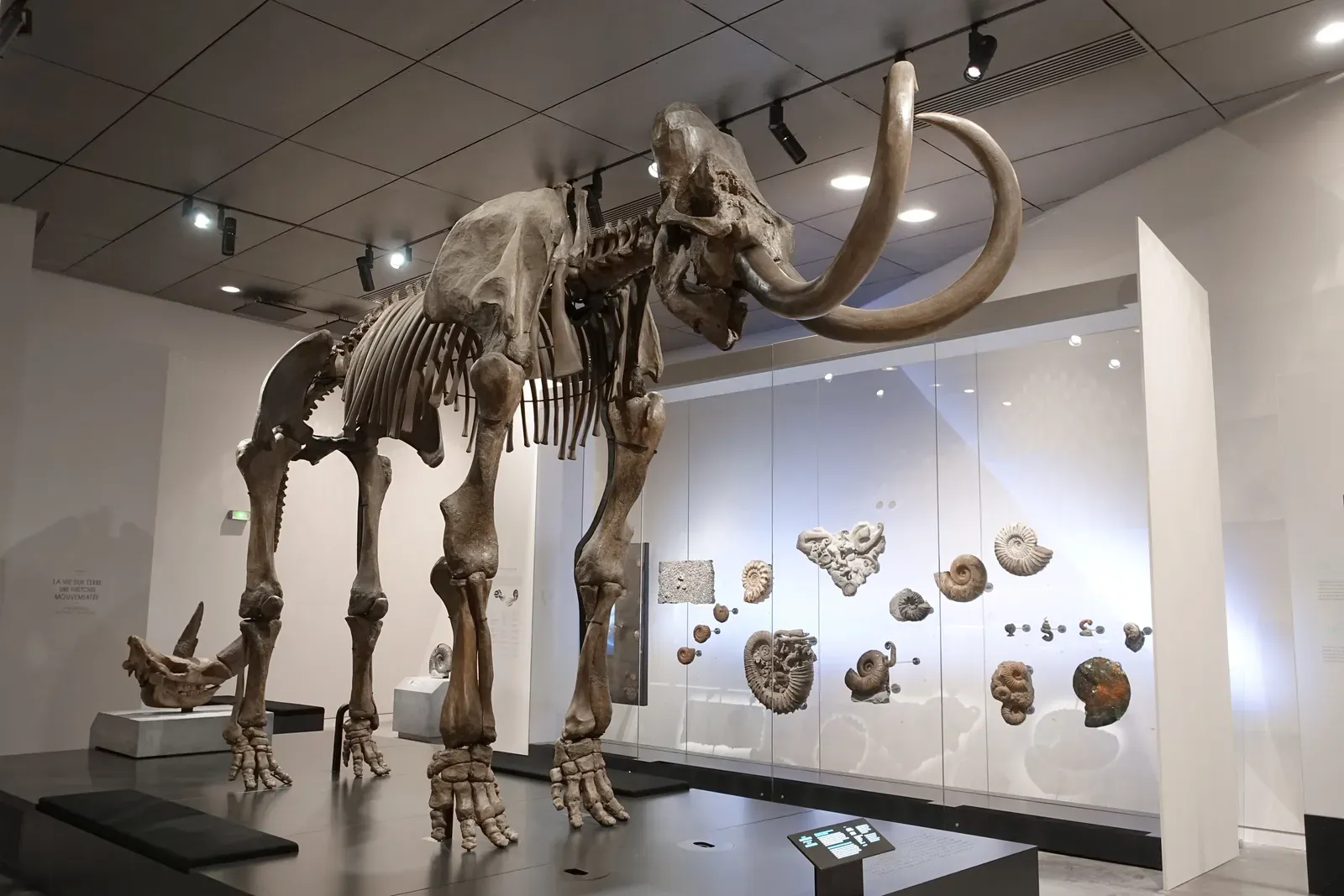
Let’s be real: this is the question that has divided researchers for decades, and it still does. Dozens of large mammals such as mammoth and mastodon disappeared in North America at the end of the Pleistocene, with climate change and “overkill” by human hunters being the most widely argued causes. On one side, you have the dramatic “overkill” camp. On the other, scientists who point to the planet itself as the real culprit. In a survey of archaeologists, roughly four out of five believed that the extinctions were caused by multiple variables, with climate change being the only single cause identified. In a separate survey of 112 archaeologists, nearly two thirds identified a combination of factors as the cause.
Research results suggest that the causes for extinctions varied across species and by region, with three cases where extinctions appear linked to hunting, while in five others they are consistent with the ecological effects of climate change, and in a final case both hunting and climate change appear responsible. Some researchers in archaeology, Quaternary sciences, and ecology are now focused on multicausal explanations for Late Quaternary extinctions, with humans often seen as the final tipping point on already dwindling megafauna populations. That framing, humans as the last straw rather than the sole executioner, feels like the most honest and most intellectually satisfying place to land, at least for now.
Conclusion: A Story Still Being Written in the Dirt
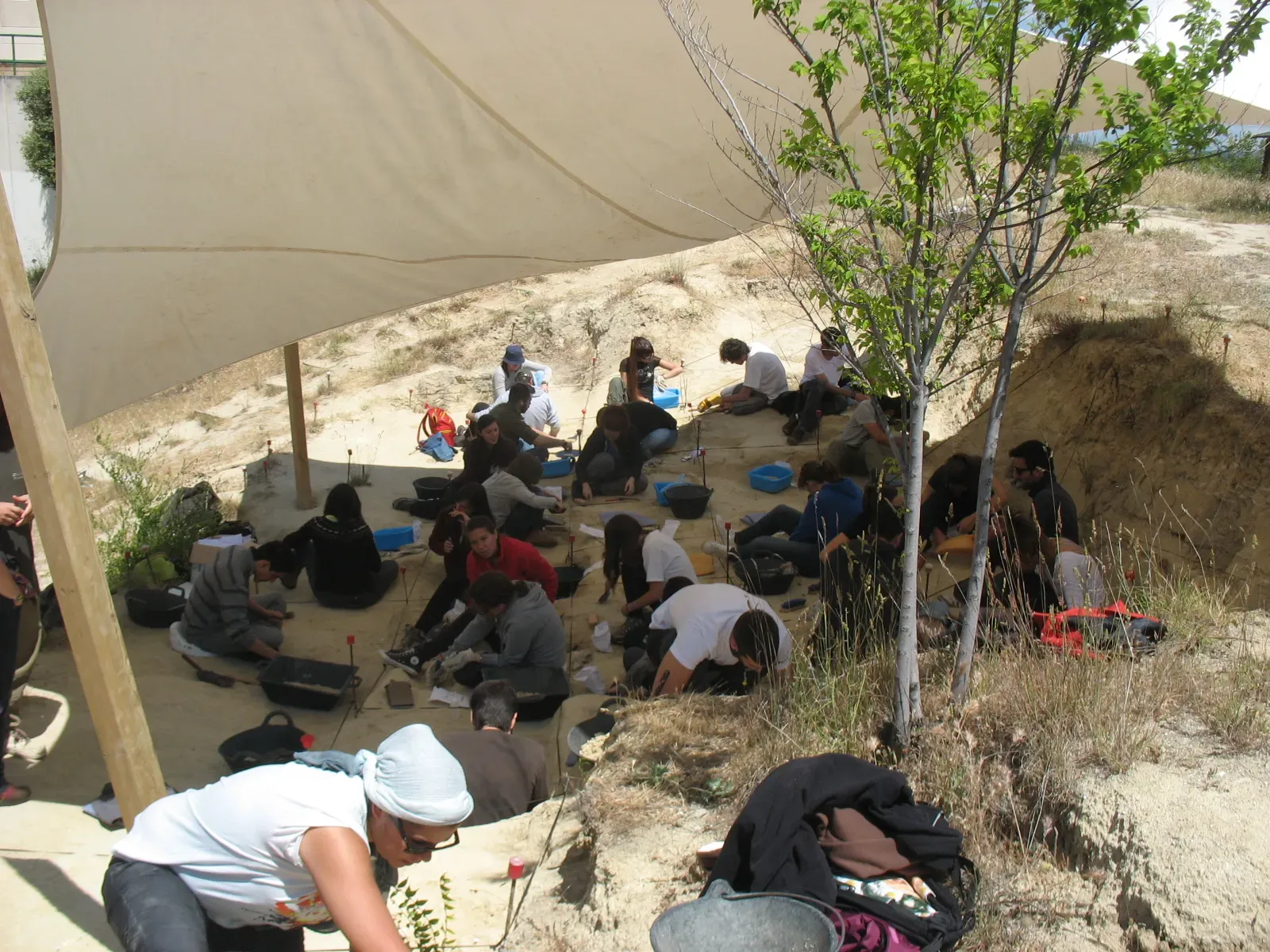
What you’ve just read is not a closed case. It’s an ongoing excavation, both literal and intellectual. Every new footprint unearthed, every blood residue analysis, every isotope study adds another layer to a story that began tens of thousands of years before any written word existed. The relationship between early humans and North American megafauna was not simply one of hunter and prey. It was a complex, dynamic coexistence that played out across millennia.
What’s especially striking is how the science keeps reshaping old assumptions. The neat, tidy narrative of humans arriving and immediately wiping out these giants is almost certainly wrong. While the exact timing of humans’ arrival in the Americas remains contested, it seems clear that if the first people arrived earlier than once thought, they didn’t immediately decimate the giant beasts they encountered, and the White Sands footprints preserve a few moments of their early interactions. The truth is messier, more human, and far more interesting than any simple headline.
Perhaps the most humbling takeaway is this: the very giants that early humans hunted, feared, and coexisted with for thousands of years are now gone forever, and the debate over what role our ancestors played in that loss still echoes into the present day. What do you think? Were early humans nature’s greatest disruptors, or simply one piece of a much larger and more chaotic puzzle? Tell us in the comments.