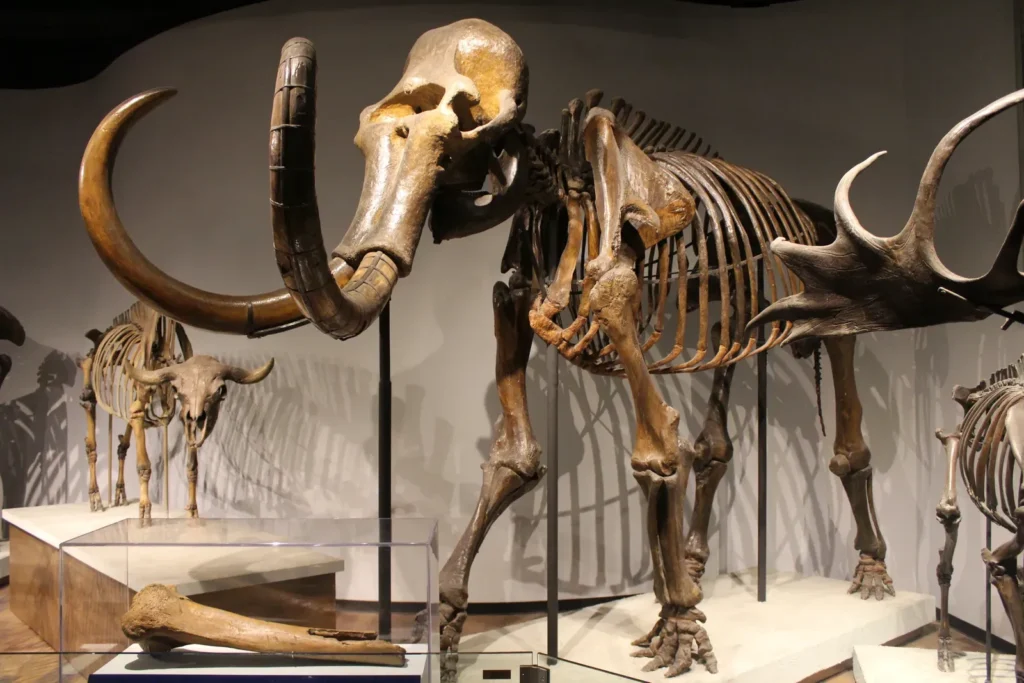
Picture a world where humans and enormous, thunder-footed beasts moved across the same landscape. Not as myth. Not as legend. But as daily reality. Long before modern civilization carved up the earth, ancient tribes walked alongside woolly mammoths, giant ground sloths, cave lions, and creatures so large they make today’s elephants look modest. This was not a fantasy world. It was the Pleistocene, and the people who lived in it forged relationships with megafauna so profound that the echoes can still be heard in cave walls, ancient bones, and oral traditions thousands of years old.
You might assume that prehistoric people were simply trying to survive, scrambling to eat and stay warm. Honestly, that is part of the story. Yet there is so much more beneath the surface. The connection between ancient tribes and megafauna was not just about food. It was about identity, culture, spirituality, and perhaps even a kind of ecological responsibility that modern humans are still trying to fully understand. Let’s dive in.
A World Teeming with Giants: What Prehistoric Life Actually Looked Like
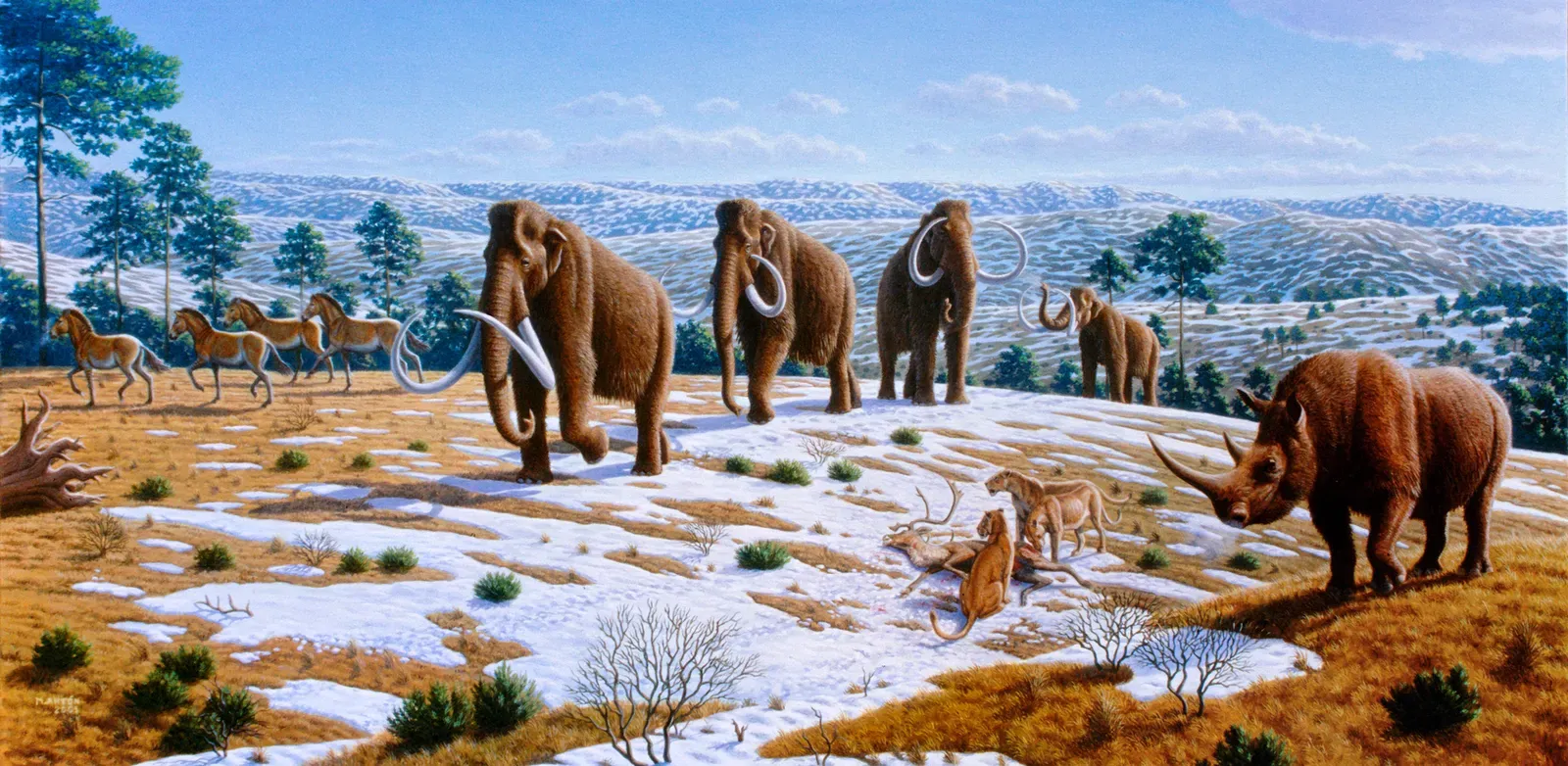
Forget modern Africa for a moment. Roughly 13,000 years ago, North America was home to a megafaunal community that was arguably richer and more diverse. About 13,000 years ago, North America had a mammoth megafauna community that was more diverse than in modern-day Africa, with woolly mammoths, llamas, camels, ground sloths, short-faced bears, Smilodon, and cave lions all sharing the same continent. It sounds almost impossible, doesn’t it? A continent packed with creatures that would dwarf anything alive today, roaming landscapes that were equally unfamiliar.
During the Pleistocene, megafauna were diverse across the globe, with most continental ecosystems exhibiting similar or greater species richness in megafauna compared to ecosystems in Africa today. For the ancient tribes navigating those environments, this was simply home. You did not get to opt out of sharing your territory with a woolly rhinoceros. You adapted, or you did not last long.
Following the Giants: How Ancient Peoples Tracked Megafauna Across Continents
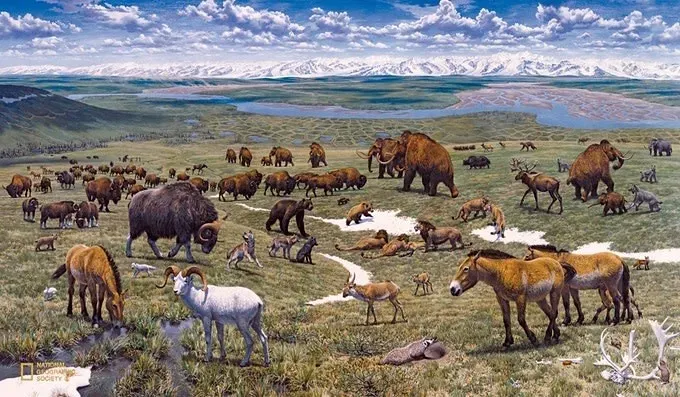
Here’s something that still blows my mind. The very migration patterns of early humans were, in many cases, guided by the movements of massive animals. Around 18,500 to 15,500 years ago, hunter-gatherers are believed to have followed herds of now-extinct Pleistocene megafauna along ice-free corridors that stretched between the Laurentide and Cordilleran ice sheets. Think about that. The route humans took to populate an entire continent was essentially a trail blazed by animals.
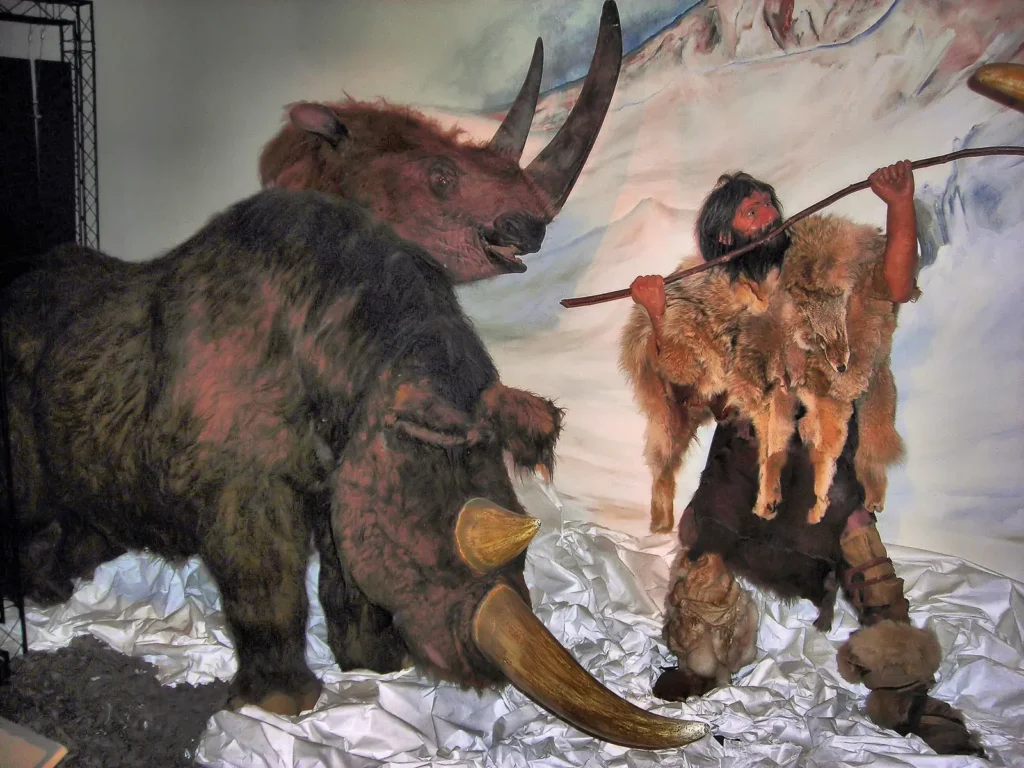
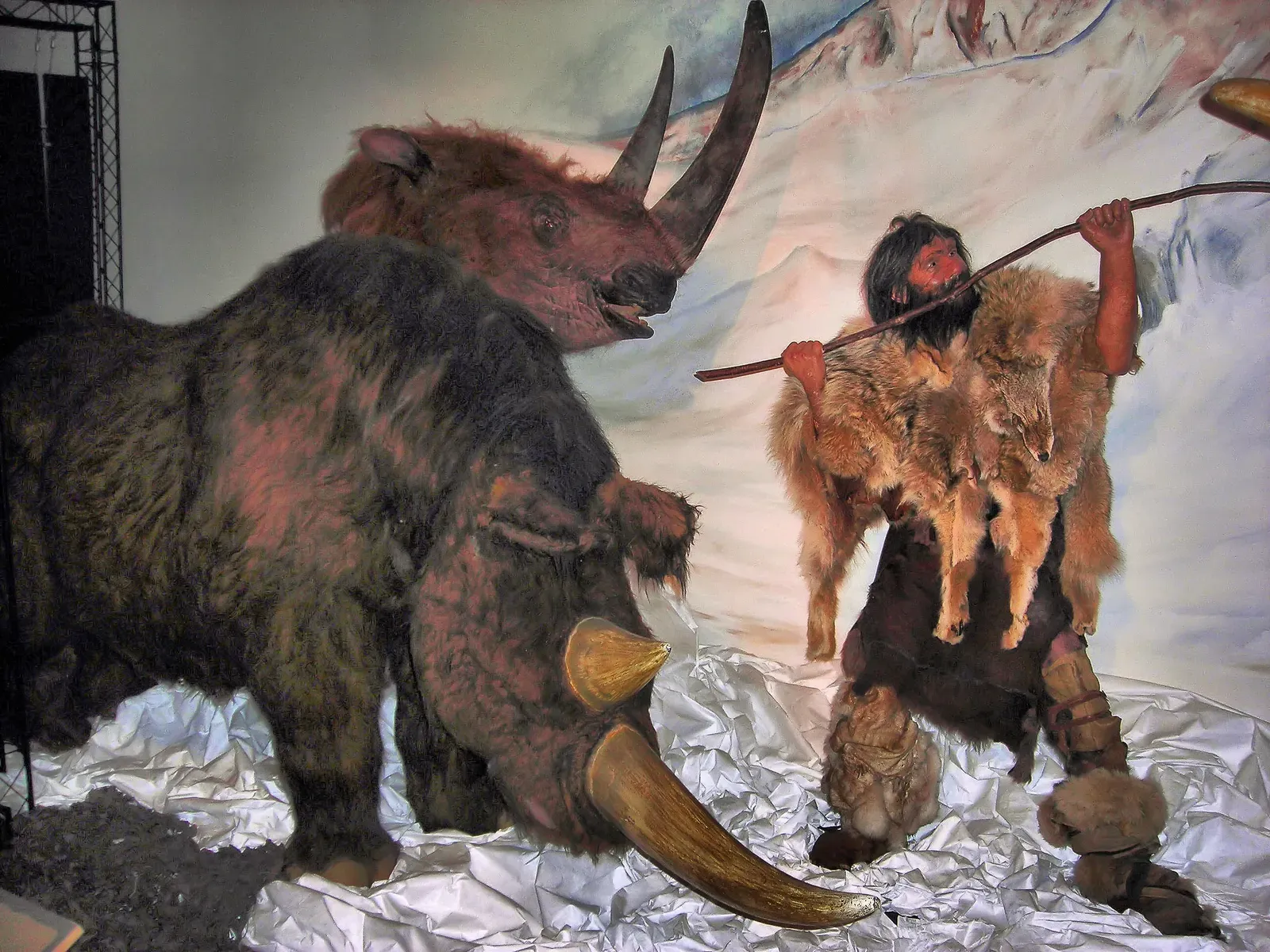
Ancient North Eurasians lived in extreme conditions of the mammoth steppes of Siberia and survived by hunting mammoths, bison, and woolly rhinoceroses. These were not casual encounters. These were survival-level interdependencies. These hunters followed mammoths, musk oxen, and woolly rhinoceroses across Siberia, going farther north and east until they happened upon a land bridge leading to the New World. You were, in a very real sense, walking in the footsteps of giants.
The Clovis People: Masters of Megafauna Hunting
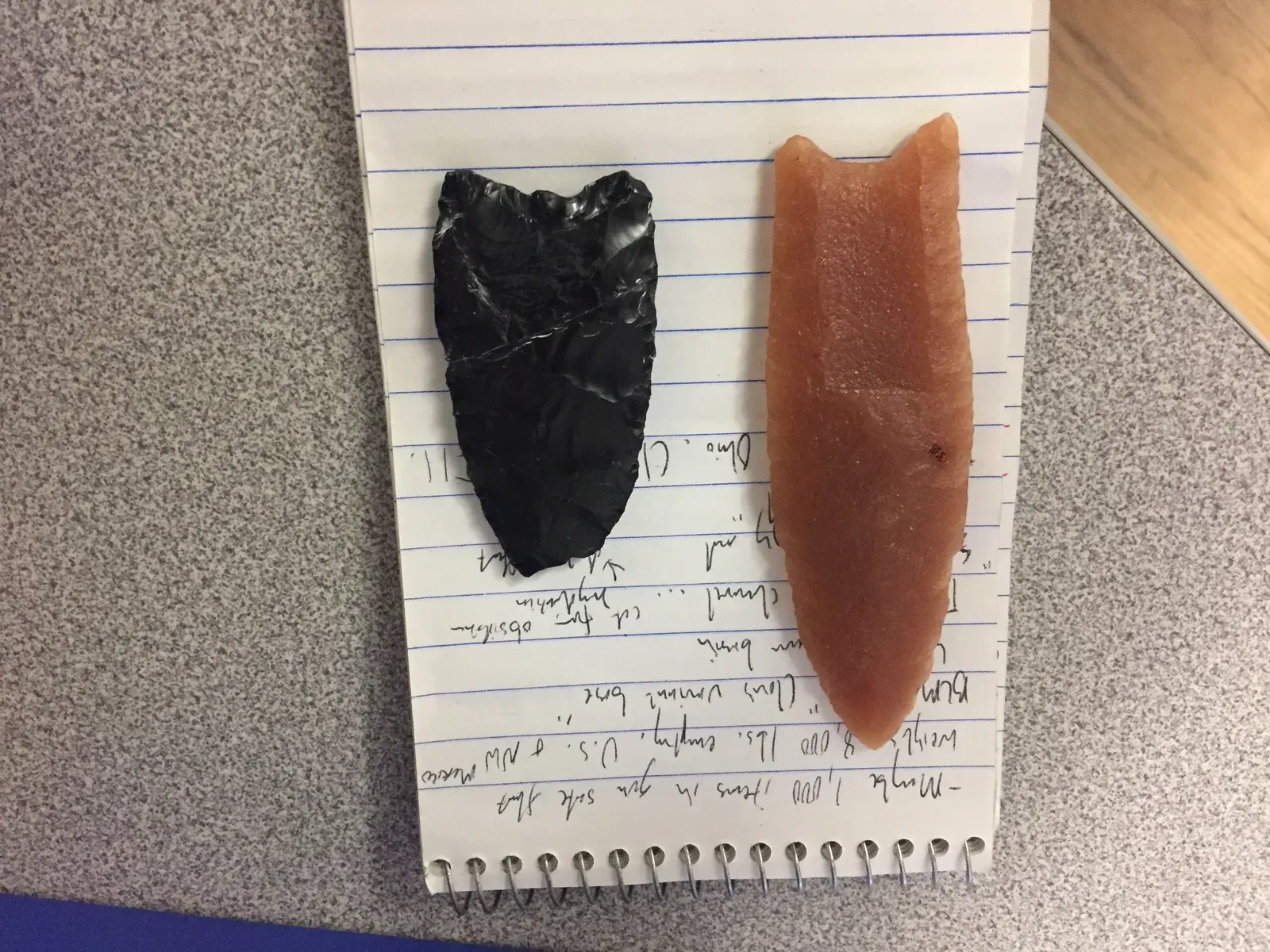
You have probably heard the name Clovis before, but you may not know just how remarkable this culture was. The Clovis Culture represents one of the earliest known prehistoric cultures in North America, dating back approximately 13,000 years, with Clovis people being skilled hunter-gatherers who primarily hunted megafauna including mammoths, bison, and extinct horse species. What made them special was the tool they invented to do it. They are recognized for their distinctive spear points, known as Clovis points, which are finely crafted, fluted stone tools designed for improved hunting efficiency, and these points have been discovered across a vast range of North America, indicating either a widespread migration or the rapid dissemination of innovative tool-making ideas among groups.
Let’s be real about the scale of the challenge these people faced. The massive Columbian mammoths that Clovis people hunted stood 14 feet high, weighed 8 to 10 tons, and ate over 700 pounds of vegetation daily. Hunting something like that with a handmade stone-tipped spear required extraordinary coordination, courage, and skill. Beyond its nutritional importance, megafauna hunting also held cultural significance for the Clovis people, with successful hunts likely celebrated as communal events, fostering social bonds and a sense of shared identity, and with the spiritual significance of these animals possibly influencing hunting rituals and practices.
Reading the Walls: How Cave Art Captured the Human-Megafauna Bond
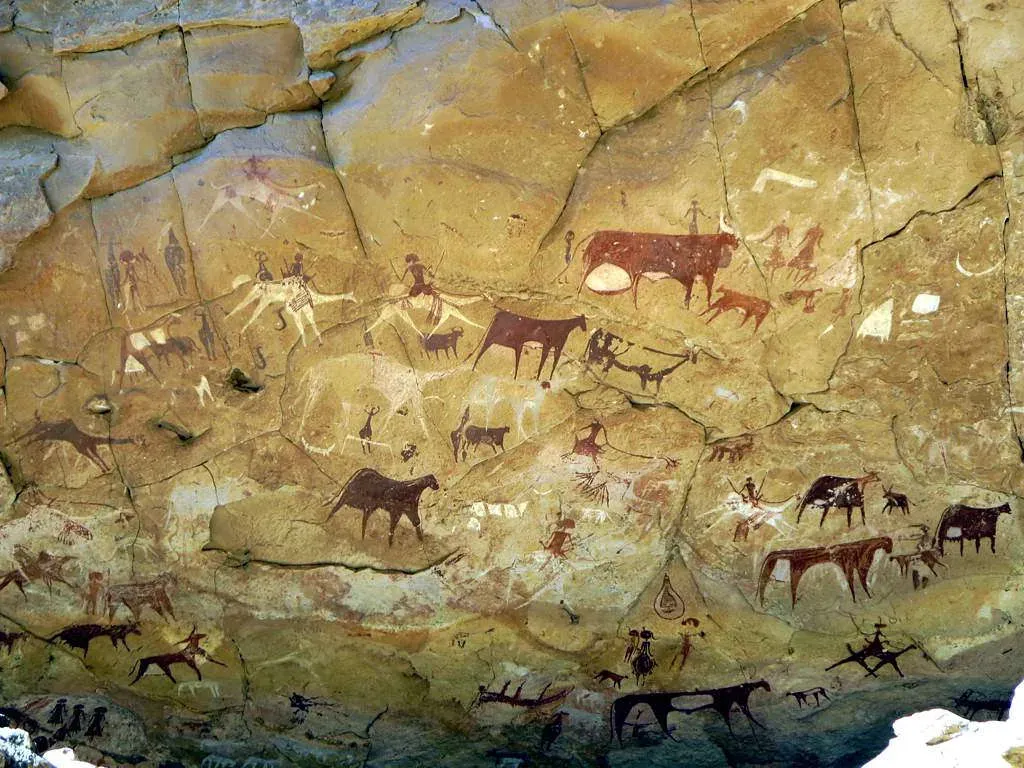
You want direct evidence of how ancient tribes felt about megafauna? Look at what they painted on cave walls. Animal figures always constitute the majority of images in caves from all periods, and during the earliest millennia when cave art was first being made, the species most often represented were the most-formidable ones, now long extinct, including cave lions, mammoths, woolly rhinoceroses, and cave bears. These were not random doodles. These creatures clearly occupied a central place in the minds and souls of the people who painted them.
A series of vivid drawings created approximately 12,600 to 11,800 years ago in the Colombian Amazon deliver solid evidence that the rainforest’s first inhabitants resided beside Ice Age mega-mammals such as the giant sloths, camelids, horses, mastodons, and three-toed ungulates sporting long trunks. Even in Australia, the story repeats itself. Cave paintings have been found on the Arnhem Land plateau showing megafauna which are thought to have been extinct for over 40,000 years. Across every continent, ancient humans painted what mattered most to them. The giants were always there.
Bones, Blood, and Tools: The Physical Proof of Tribal-Megafauna Contact

Sometimes the most powerful stories are told not in art, but in blood. Tools found during a dig in the Red Hill Valley have been tested for blood protein residue, and show that Paleo Indigenous people living in the Mount Albion settlement hunted and butchered mammoth. This kind of forensic discovery changes everything. You are no longer speculating about whether ancient people interacted with these creatures. You are looking at direct chemical evidence preserved for over 13,000 years.
Mammoth or mastodon blood residues are found on Clovis artifacts, while blood residues for ancient horses are found not only on Clovis points but also on Paleoindian points that are slightly more recent, which may suggest the extinctions of mammoths and mastodons were complete in this region by the end of the Clovis period, and the extinction of ice age horse species took longer. You can practically trace the timeline of extinction through the blood on stone tools. It is simultaneously incredible and sobering. Bone fragments from seven horses and a camel suggest that the First Americans hunted and butchered these animals in North America at least 13,300 years ago after migrating from northeast Asia.
Mythology, Memory, and the Spiritual Weight of Megafauna
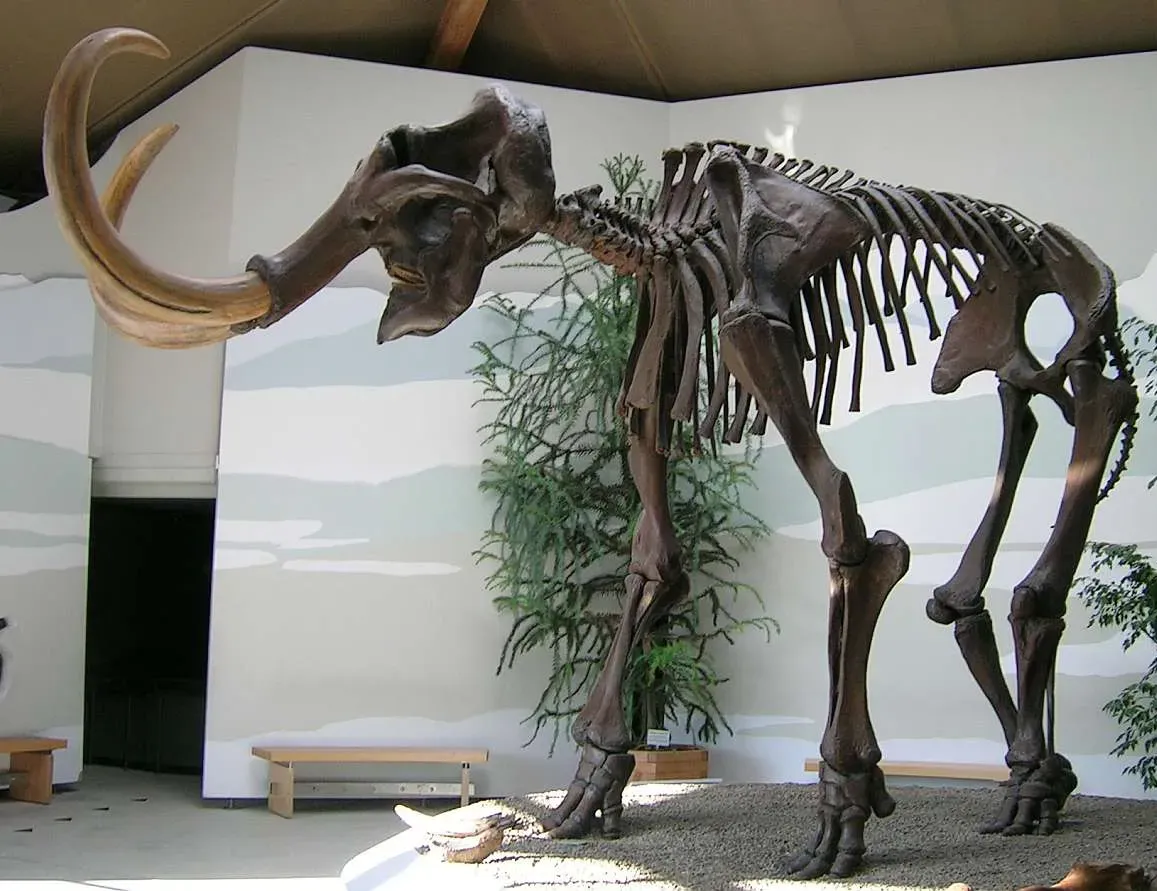
It’s hard to say for sure exactly what ancient people believed about the giant animals around them, but the evidence suggests the relationship went far deeper than food. In the mythology of the Evenk people, the woolly mammoth featured in tales about the underworld, while the Yakuts regarded mammoths as water spirits. These were not just large animals to be butchered. They were beings wrapped in spiritual meaning, woven into cosmologies and traditions that shaped entire cultures.
Images of woolly rhinoceroses are found among cave paintings in Europe and Asia, and evidence has been found suggesting that the species was hunted by humans. Indigenous peoples of Siberia had their own remarkable interpretations of the remains they encountered. Native peoples of Siberia believed the rhinoceros horns were the claws of giant birds. When you think about it, discovering a massive fossilized horn jutting from frozen ground without the context of modern science, that conclusion makes perfect sense. Ancient tribes were doing their own version of archaeology, and they were building rich spiritual worlds from what they found.
Conclusion: A Bond That Shaped Human History
Uploaded by FunkMonk, CC BY 2.0)
The story of ancient tribes and their connection to megafauna is one of the most gripping chapters in all of human history. It is a story of survival, yes. But it is also one of art, spirituality, ingenuity, and a kind of entangled destiny between humans and the largest animals that ever walked alongside us. If we accept the increasing evidence for a strong human role in these early extinctions, it forces a look inwards and recognition of the deep prehistoric entanglement between humans and environmental change, a realization that some of the most dramatic human-induced changes to the nature of life on Earth may have occurred even before the dawn of agriculture.
Prehistoric artworks have been discovered on numerous cave walls around the world, and they tell us about the minds and lives of ancient humans as well as about their relationship with the now-extinct megafauna that surrounded them. You can trace this connection in bloodstained stone tools, in painted cave walls, in oral traditions, and in the fossils that keep rising from permafrost to this day. The giants are gone, but the evidence of a profound human bond with them is very much still with us.
What is most striking is not just how deeply ancient people depended on megafauna, but how much those animals defined who those people were. When the giants disappeared, entire cultures transformed alongside them. Perhaps the more important question is this: what does humanity lose when the largest creatures in its world vanish forever? The past may already have answered that question. Are you paying attention to the answer?