You probably grew up watching movies where dinosaurs were terrifying loners, stalking through foggy jungles with nothing but murder on their minds. That mental picture has stuck with us for generations. Yet fossils scattered across the globe have been quietly telling a different story altogether.
Scientists now recognize that these ancient creatures engaged in remarkably complex social behaviors, from communal nesting to age-segregated herds. Honestly, some of the evidence is so compelling it makes you wonder what else we’ve gotten wrong about the distant past.
Living Together Was the Norm, Not the Exception
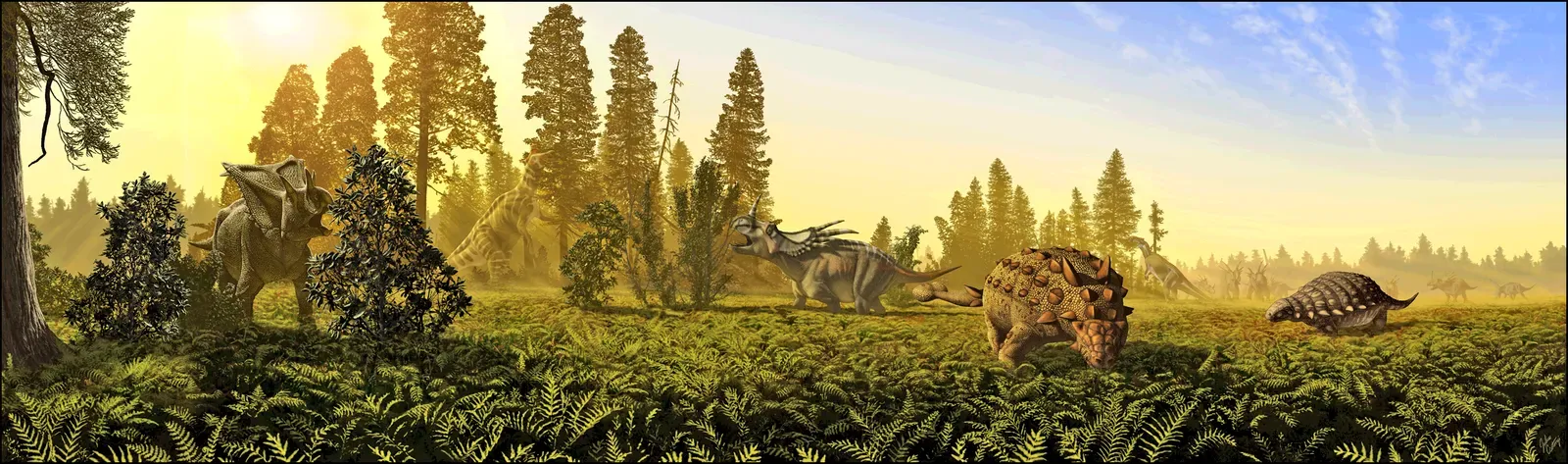
Here’s the thing: evidence now suggests that dinosaurs developed strategic and well-organized herd structures over 40 million years earlier than scientists first thought. Research from Patagonia provides the earliest evidence of complex social behaviour in Dinosauria, predating previous records by at least 40 million years. Let’s be real, that’s a massive adjustment to our understanding.
An exceptional fossil occurrence from Patagonia includes over 100 eggs and skeletal specimens of 80 individuals of the early sauropodomorph Mussaurus patagonicus, ranging from embryos to fully-grown adults. Animals of similar age were buried together in what’s known as age segregation, a strong indication of herding behavior. The young ones stayed close while adults foraged and protected the entire community.
Nesting Colonies Reveal Sophisticated Communities
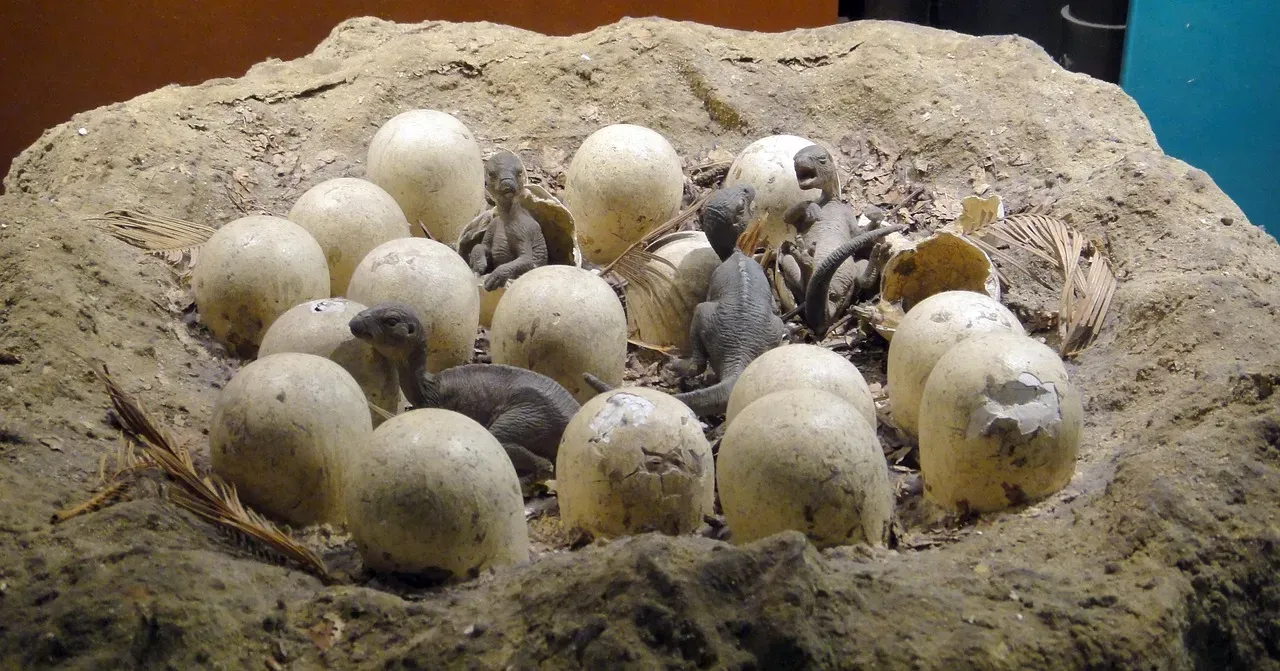
Dinosaurs likely worked as a community, laying their eggs in a common nesting ground, with juveniles congregating in schools while adults roamed and foraged for the herd. Think about that for a second. This wasn’t just random animals dying near each other.
Nesting sites discovered preserve nests and eggs numbering from dozens to thousands at sites that were possibly used for thousands of years by the same evolving populations of dinosaurs. Different species made annual treks to the same nesting ground, showing that site fidelity was an instinctive part of dinosaurian reproductive strategy. It’s hard to say for sure, but this level of organization rivals what we see in modern elephant herds or wildebeest migrations.
Pack Hunting Remains Hotly Debated
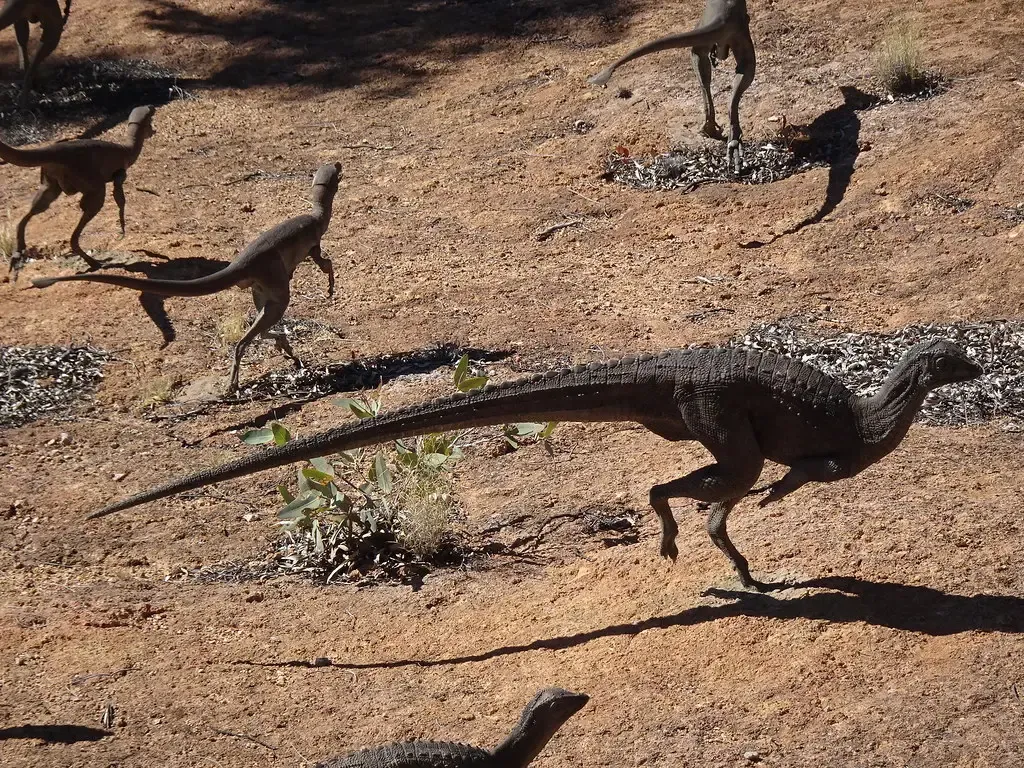
Popular movies made pack-hunting raptors iconic, yet the actual evidence tells a messier story. There’s actually not very much direct evidence for pack hunting in dinosaurs, according to museum experts. Recent studies conclude that dromaeosaurids like Deinonychus probably did not hunt in a coordinated, cooperative manner, suggesting they were probably not complex, social hunters.
Paleontologists recently proposed a different model for behavior in raptors that is thought to be more like Komodo dragons or crocodiles, in which individuals may attack the same animal but cooperation is limited. Still, fossils of four or five tyrannosaurs at a single site in southern Utah suggest the imposing predators may have lived and even hunted in packs. The jury’s still out, honestly.
Communication Through Sound and Visual Displays

Forget the roaring beasts from Hollywood. Scientists theorize that many dinosaurs may have produced closed-mouth vocalizations by inflating their esophagus or tracheal pouches while keeping their mouth closed, producing something comparable to a low-pitched swooshing, growling, or cooing sound. Research suggests that dinosaurs, especially larger species, were mostly limited to low-frequency, closed-mouth booms and hoots.
The Parasaurolophus apparently emitted a resonating low-frequency rumbling sound that could change in pitch, with each individual probably having a voice distinctive enough to not only distinguish it from other dinosaurs but from other members of its own species. Based on analyses of dinosaur ears, scientists concluded the beasts had excellent low-frequency hearing, and such sounds could penetrate through thick vegetation and over large distances. Nature had its own prehistoric communication network running millions of years before we showed up.
Parental Care Was Surprisingly Common
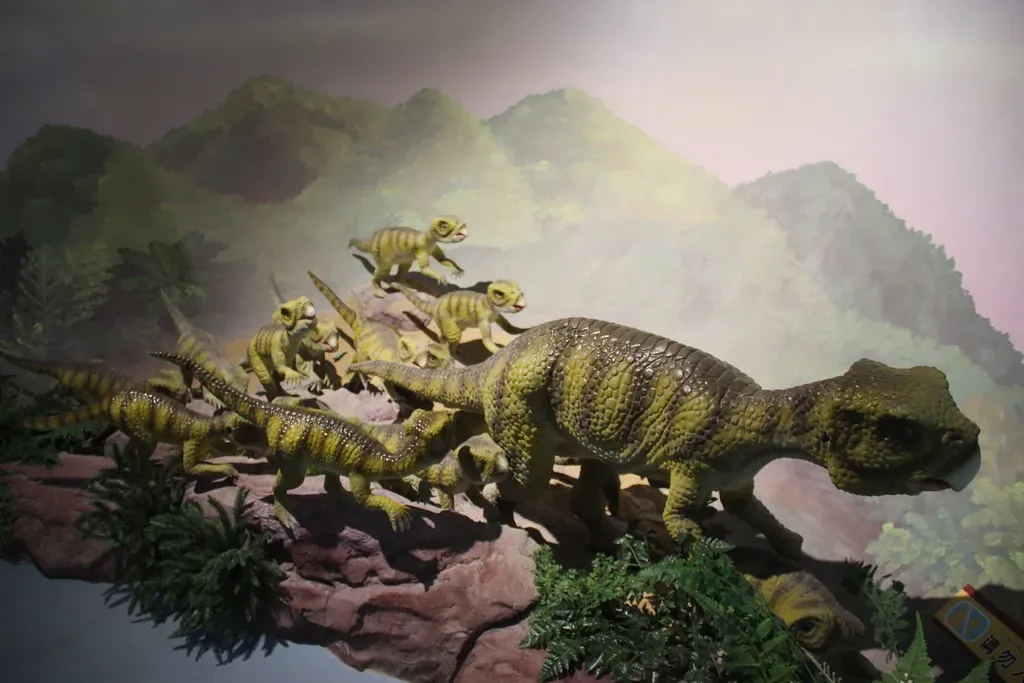
Paleontologists have found powerful evidence that dinosaurs protected their nests, such as the skeleton of a carnivorous Oviraptor preserved with its arms stretched over its eggs. A group of fossils shows that an adult dinosaur died together with 34 hatchlings, offering new evidence about how dinosaurs may have looked after their young.
Finding nests with juvenile dinosaur bones, such as in the proposed Maiasaura nesting colonies in Montana, suggests that the hatchlings were cared for by a parent. However, not all species were attentive parents. For sauropods like Apatosaurus and Brachiosaurus, there’s no evidence of post-laying care, with findings pointing to little further care beyond carefully burying their eggs. Different species, different strategies.
Trackways Tell Tales of Group Movement
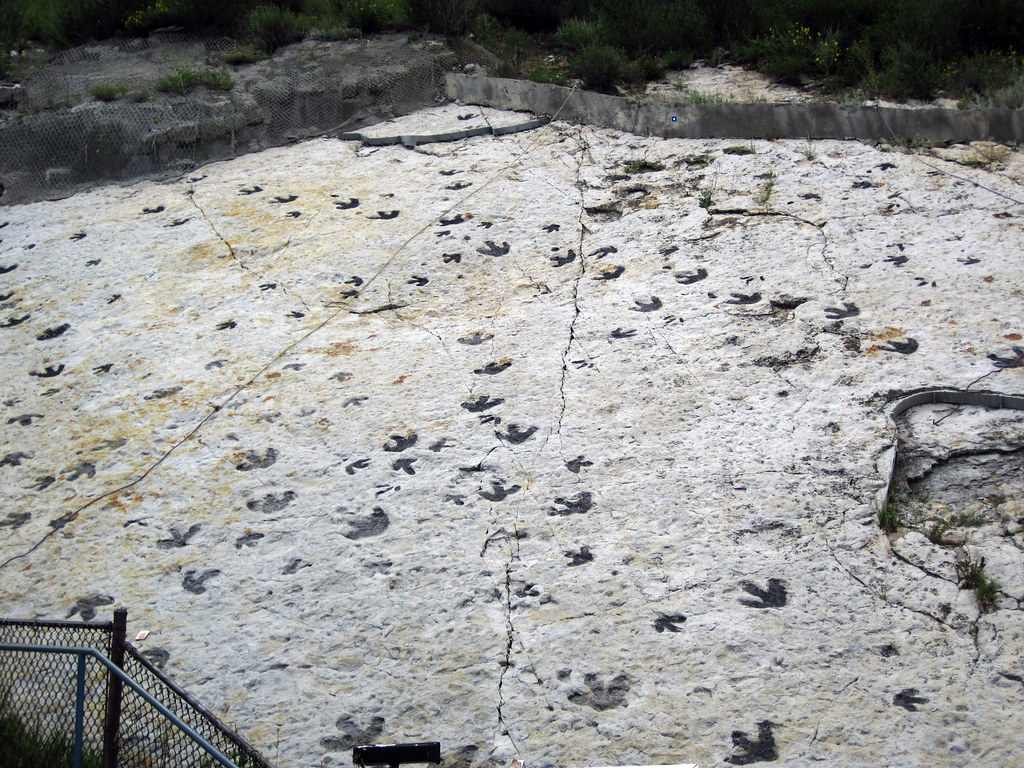
Large trackway sites exist across the world, dating from the Late Triassic Period through the latest Cretaceous, documenting herding as common behaviour among a variety of dinosaur types. Some dinosaur trackways record hundreds, perhaps even thousands, of animals, possibly indicating mass migrations.
However, interpreting these frozen footprints requires caution. Komodo dragons leave similar trails because when they smell or hear that one has taken down an animal, all the dragons in the area head to the kill site, which if fossilized would look like numerous individuals heading in the same direction but definitely not because they were pack hunting. Context matters immensely when reading ancient clues.
Modern Birds Offer Living Clues
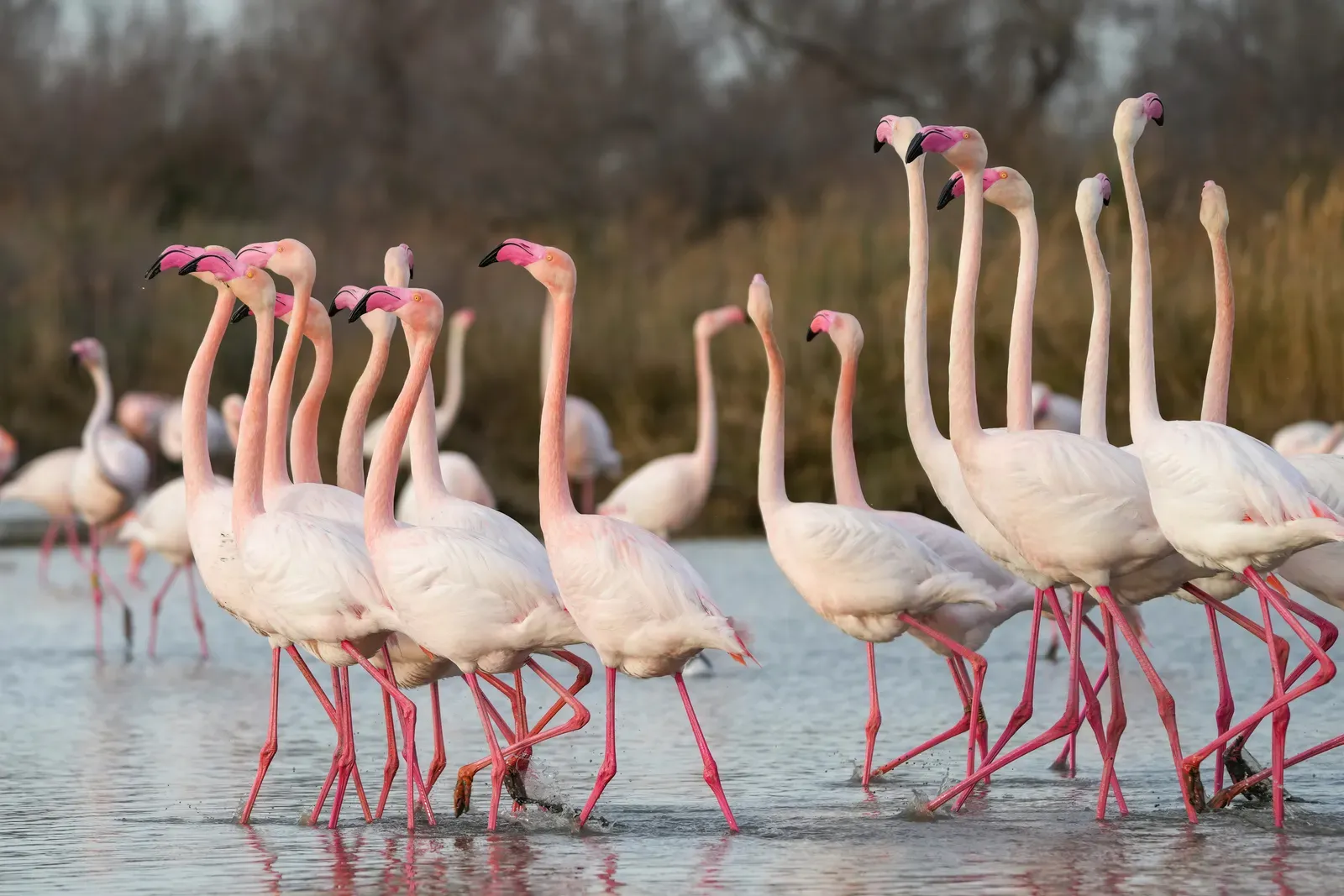
Birds are living dinosaurs, which makes them invaluable for understanding their extinct relatives. Both birds and crocodilians have large repertoires of calls and signals, so almost assuredly non-avian dinosaurs did the same. Extinct dinosaurs may have talked via song, dance, scent and colorful plumage, though soft tissues rarely preserve in fossils.
Many animals alive today have soft tissue structures which enhance their sound producing abilities, and such features are often elastic and delicate in nature and so are unlikely to preserve in the fossil record. This means we’re probably missing huge chunks of how dinosaurs actually looked and sounded. What we don’t know could fill museums.
The Social Revolution in Paleontology
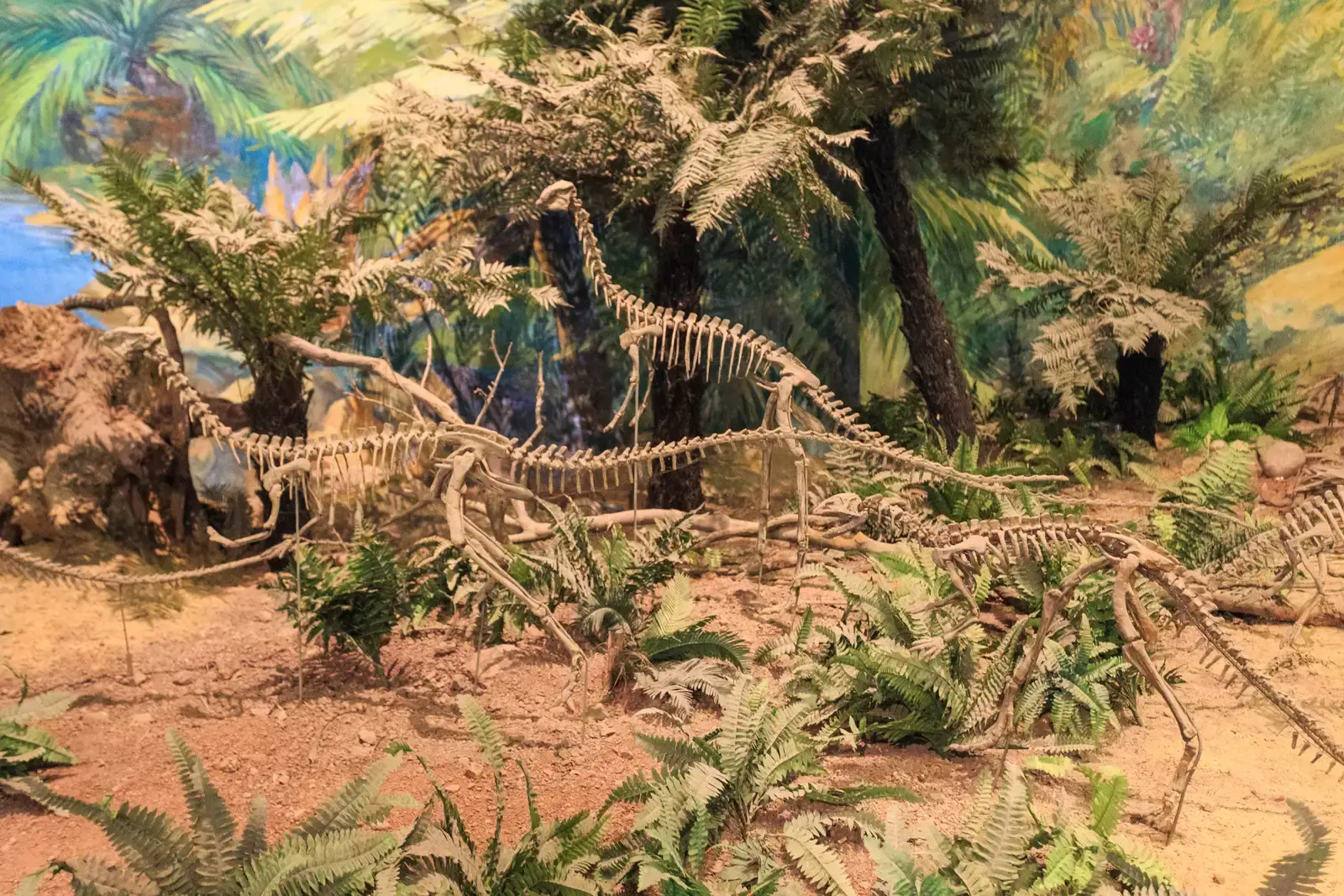
New technologies and a growing number of researchers are enhancing our understanding of dinosaur physiology, diet, and social structures. With the discovery of new specimens and the development of new and cutting-edge techniques, paleontologists are making major advances in reconstructing how dinosaurs lived and acted.
Yet challenges remain. The problem with bonebeds is that fossils found in groups did not necessarily live or even die together as the taphonomic history matters, but equally, many groups will have lost members individually so solitary fossils do not exclude social behaviour. Although numerous examples exist of several individuals of a dinosaur species found together, this doesn’t mean the species habitually lived in groups, and taking the position that one group died near each other means they and their relatives lived together won’t help us understand how they were really living. Science demands rigorous standards.
Rethinking Everything We Thought We Knew
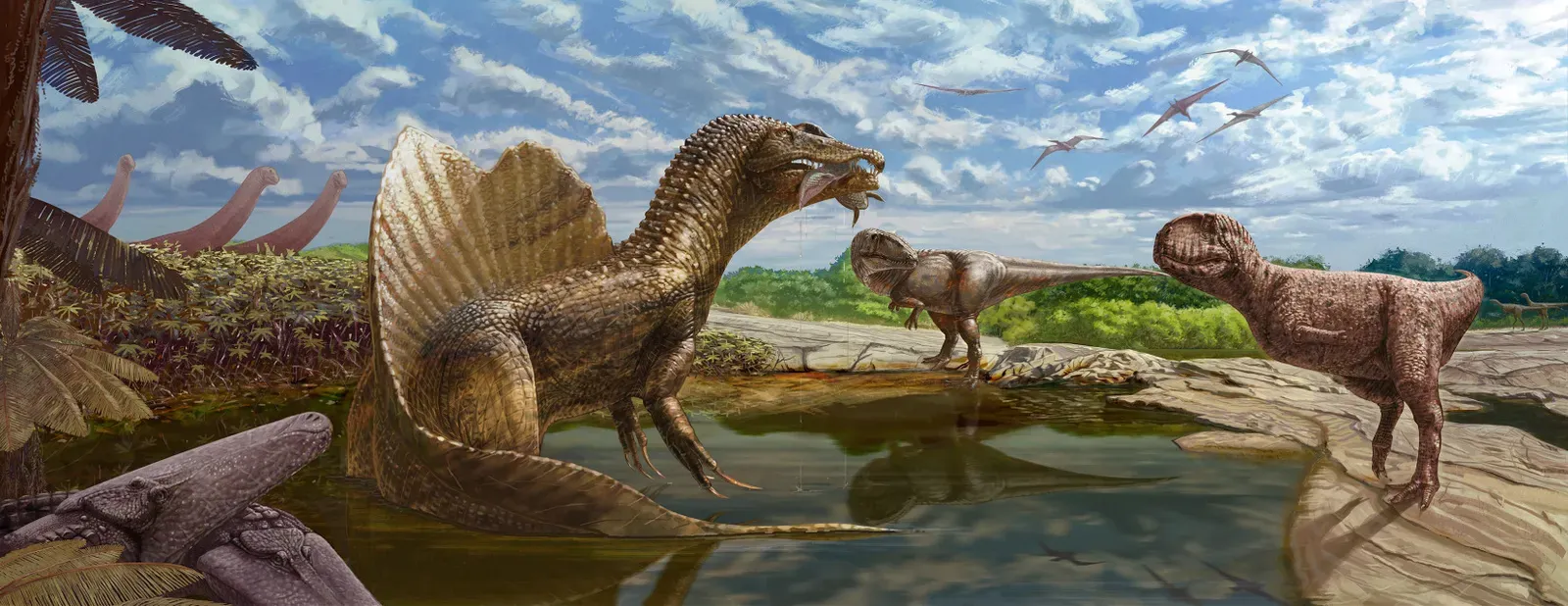
The traditional image of solitary, aggressive dinosaurs wandering alone through prehistoric landscapes needs serious updating. A new research study has come to a very different conclusion that some of the earliest dinosaurs flourished by living socially within herds. Being social and protecting their young together as a herd may have been part of the reason these long-necked dinosaurs were so common in all continents.
Living in groups offered tangible advantages. Group living gave the advantage of protection with more eyes to spot predators and larger groups potentially scaring off some predators, plus for carnivores the ability to attack as a group may have allowed for strategies that a single hunter couldn’t use. Though admittedly, it means that more mouths were feeding from the same food sources since each species is ultimately its own biggest competitor. Trade-offs existed even in the Mesozoic.
What’s truly remarkable is how much evidence has accumulated in recent decades. From communal nesting grounds to age-segregated herds, from complex vocalizations to devoted parental care, dinosaurs exhibited social behaviors that rival or exceed those of many modern mammals. They weren’t mindless monsters. They were living, breathing animals navigating complex social worlds we’re only beginning to understand. Every new fossil discovery rewrites another chapter of their story, and honestly, that makes them even more fascinating than any movie ever could. What else are we going to discover about these incredible creatures in the decades ahead?