Houston – Black Moon Energy Corporation has announced a groundbreaking collaboration with NASA’s Jet Propulsion Laboratory to explore the Moon’s potential as a source of clean energy through a robotic mission targeting Helium-3.
A Rare Resource with Immense Power

A Rare Resource with Immense Power (Image Credits: Flickr)
Helium-3, a lightweight isotope scarce on Earth, holds the key to revolutionizing fusion energy production. Scientists have long eyed this element for its ability to enable cleaner, more efficient nuclear reactions without the radioactive byproducts associated with traditional fission. On the lunar surface, billions of years of solar wind bombardment have deposited vast quantities in the regolith, the Moon’s dusty soil layer.
Black Moon Energy Corporation sees this as more than a scientific curiosity; it represents a pathway to sustainable power for generations. The company positions itself at the forefront of a new era in energy extraction, bridging lunar resources with Earth’s growing demand for fusion fuel. This mission marks a pivotal step, as Helium-3 could power advanced reactors capable of meeting global energy needs with minimal environmental impact.
Experts estimate that even modest lunar yields could supply Earth for thousands of years, transforming the energy landscape. Black Moon’s initiative builds on decades of space exploration knowledge, ensuring feasibility without relying on unproven technologies.
Strategic Alliance with Space Pioneers
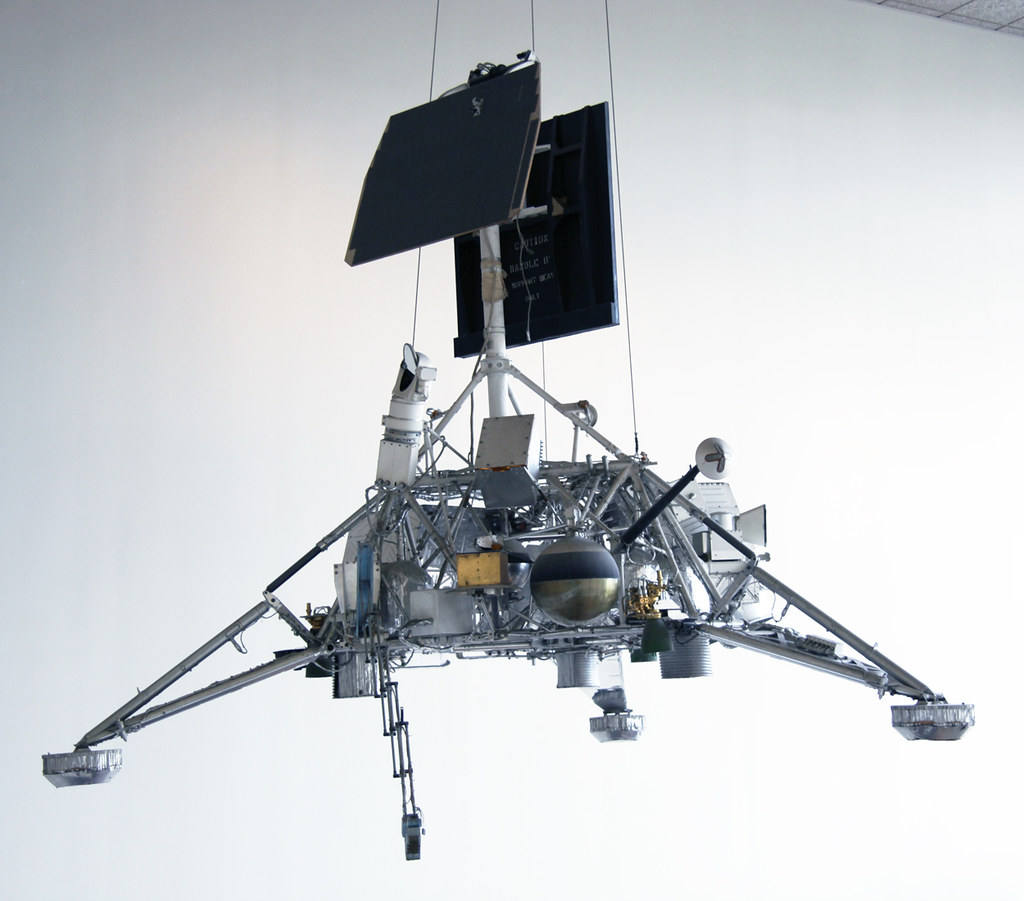
The partnership with the Jet Propulsion Laboratory, managed by Caltech for NASA, brings unparalleled expertise in robotic exploration to the table. JPL will handle mission operations, including the design and deployment of specialized robots for lunar surface activities. This collaboration leverages proven systems from past missions, adapting them for precise sampling and analysis tasks.
Announced on January 13, 2026, the agreement focuses on integrating commercial goals with governmental robotic capabilities. Black Moon Energy, based in Houston, selected JPL for its track record in autonomous systems that have roved Mars and orbited distant worlds. The team aims to minimize risks by testing operations in simulated environments before launch.
This union not only accelerates development but also fosters innovation in space resource utilization. By combining private sector vision with public expertise, the project sets a model for future commercial space endeavors. For more details, see the official announcement from PR Newswire.
Mission Blueprint and Timeline
The robotic mission will deploy advanced landers to scout and sample high-potential sites on the Moon, focusing on regions with elevated Helium-3 concentrations. Robots equipped for regolith excavation and isotopic analysis will collect data to map deposits and evaluate extraction methods. Key activities include surface navigation, material handling, and real-time telemetry back to Earth.
Scheduled for execution in the coming years, the mission aligns with Black Moon’s broader roadmap. By 2029, the company plans to identify and secure optimal production zones, paving the way for scaled operations. The mid-2030s target for becoming a leading Helium-3 supplier underscores the project’s long-term ambition.
- Site scouting and mapping of regolith layers.
- Sample collection for isotopic concentration analysis.
- Testing of extraction prototypes in lunar conditions.
- Data transmission for Earth-based refinement of processes.
- Risk assessment for sustainable mining practices.
These steps ensure the mission de-risks future commercial ventures, drawing from Apollo-era hardware demonstrations to maintain reliability.
Implications for Global Energy and Space Economy
Success here could ignite a new frontier in the space economy, where lunar mining supports not just energy but also industries reliant on rare isotopes. Fusion energy, powered by Helium-3, promises abundant, low-carbon electricity, addressing climate challenges head-on. Black Moon’s efforts highlight how private enterprise is driving space commercialization, potentially reducing costs for all stakeholders.
Governments and energy firms worldwide watch closely, as this mission could democratize access to fusion technology. It also strengthens international collaboration in space, echoing NASA’s role in fostering innovation. Challenges remain, including launch logistics and regulatory frameworks, but the potential rewards are transformative.
Ultimately, this initiative positions the Moon as a vital asset in humanity’s quest for clean power, blending exploration with practical benefits.
Key Takeaways
- Helium-3 from the Moon could fuel clean fusion reactors for millennia.
- JPL’s involvement ensures robust robotic systems for sampling and analysis.
- The mission de-risks production, targeting commercial supply by the 2030s.
As Black Moon Energy and JPL push the boundaries of lunar resource utilization, the prospect of fusion-powered futures grows nearer. This mission not only tests technology but also inspires a vision of sustainable energy drawn from the stars – what role do you see space mining playing in our energy transition? Share your thoughts in the comments.