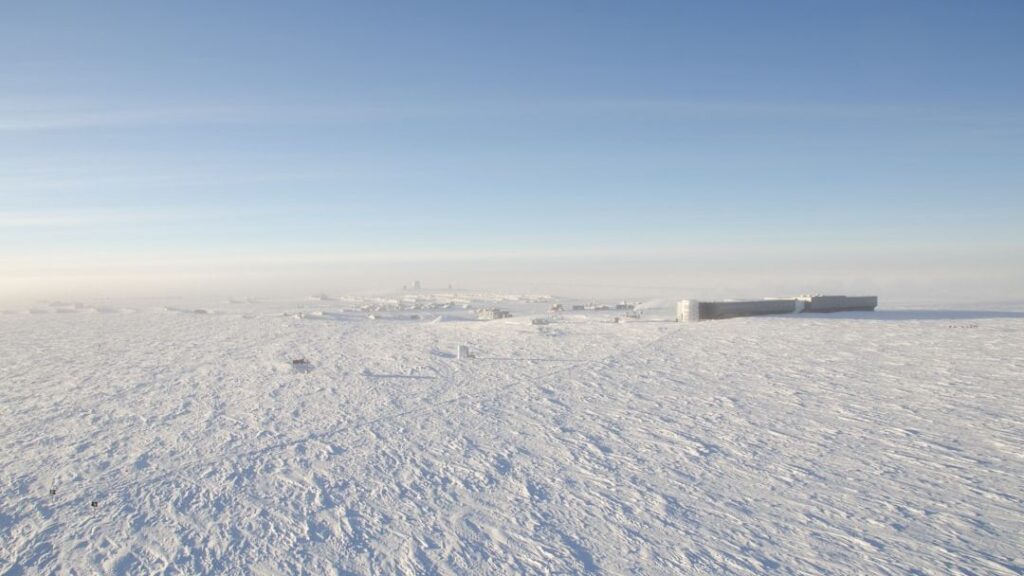
If you only picture Antarctica as an endless white desert, it can be genuinely shocking to learn that you are looking at the ghost of a very different world. Beneath the ice, there is a buried story of swaying forests, meandering rivers, and even reptilian giants that once wandered a landscape bathed in seasonal sunlight instead of permanent frost. You are not just asking a fun “what if” question here; you are bumping into one of the most dramatic climate plot twists in Earth’s history.
When you dive into the evidence, you find that the continent at the bottom of the world has lived many lives. Ice cores, fossil leaves, ancient pollen, and even bits of coal and dinosaur bones all whisper the same message: Antarctica used to be green. Understanding how that was possible does more than satisfy curiosity; it gives you a sobering mirror for what a much warmer planet can really look like, far beyond a simple rise in temperature charts.
The Continental Shape You Know Is Not the One That Always Was
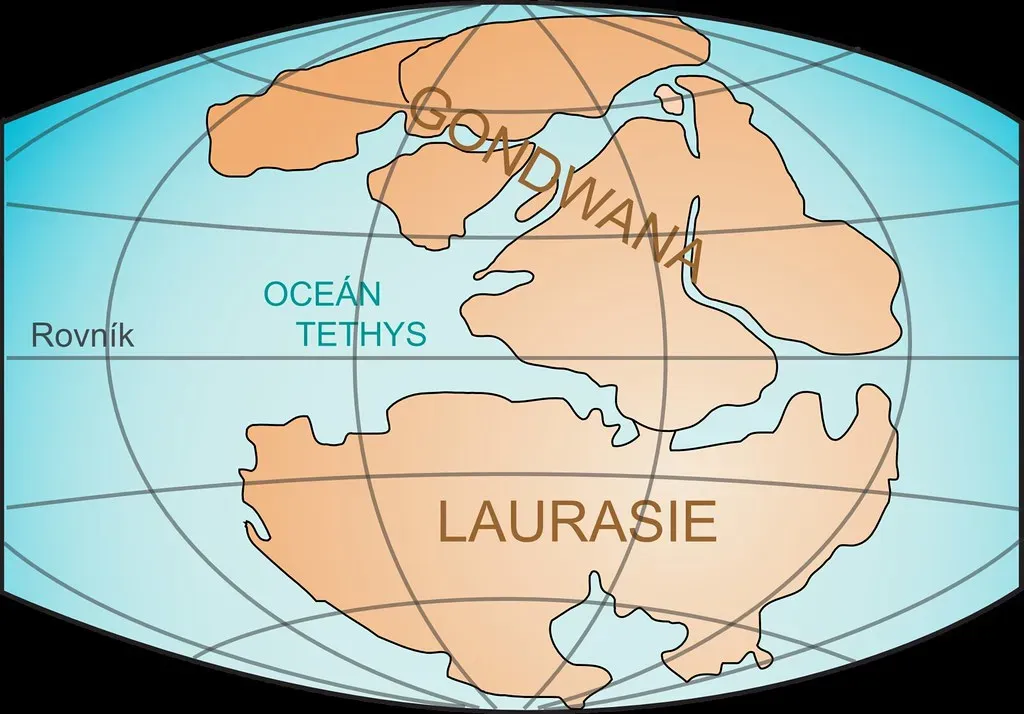
To make sense of a warm, forested Antarctica, you first have to throw away the world map you know and imagine the continents as slow-motion rafts. You live in a time when Antarctica is parked over the South Pole, but for hundreds of millions of years it drifted as part of a giant supercontinent called Gondwana, linked with what is now South America, Africa, India, Australia, and the Arabian Peninsula. In that arrangement, large parts of what is now Antarctica sat much closer to the equator and mid‑latitudes, soaking up far more sunlight than today.
As plate tectonics shuffled the continents around, Antarctica gradually migrated toward the pole and finally became isolated by the Southern Ocean. That isolation let a frigid ring of water, the Antarctic Circumpolar Current, wrap around the continent and trap cold air and water in place. Before that current fully formed, though, Antarctica’s climate was not locked into deep freeze, and its coastlines, in particular, could host thriving ecosystems. You are essentially looking at a continent whose climate story is written in slow, grinding motions of rock across the planet.
Fossil Forests Buried Beneath the Ice
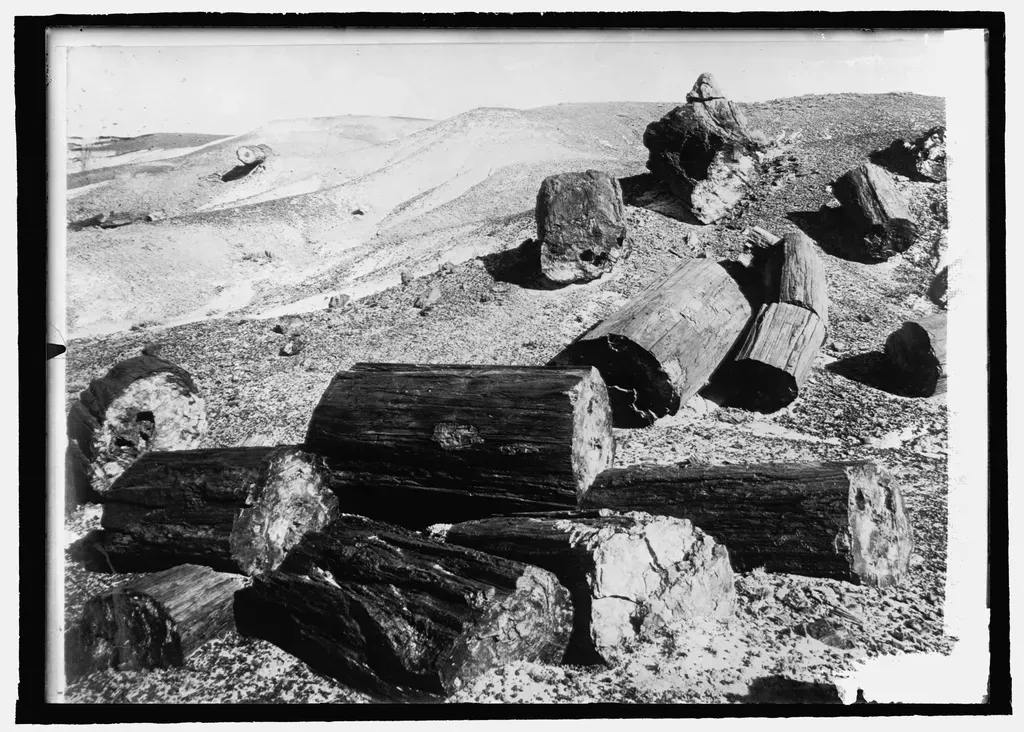
If you could peel away the ice sheet, you would find the stumps and roots of ancient forests still anchored in the rock, almost like a time‑lapse photo frozen mid‑frame. In several parts of Antarctica, especially in the Transantarctic Mountains and on the Antarctic Peninsula, geologists have uncovered petrified wood, fossil tree trunks, and even whole fossilized forest floors. When you hold those fossils up against what you know today, it feels almost surreal: towering trees where now only katabatic winds scream across the ice.
Many of those fossil trees belong to groups like southern beech and conifer relatives that today grow in parts of South America, New Zealand, and Australia. You can picture dense, dark, somewhat swampy forests, more like the cold‑temperate rainforests of Patagonia or Fiordland than tropical jungles. The ring patterns in these fossil trunks show that these trees were used to intense seasonal swings – months of light followed by months of dimness – but not to a deep polar freeze. The forest you are looking at is tough, but it is not built for a world of continent‑wide ice sheets.
When Antarctica Was Home to Dinosaurs and Giant Reptiles
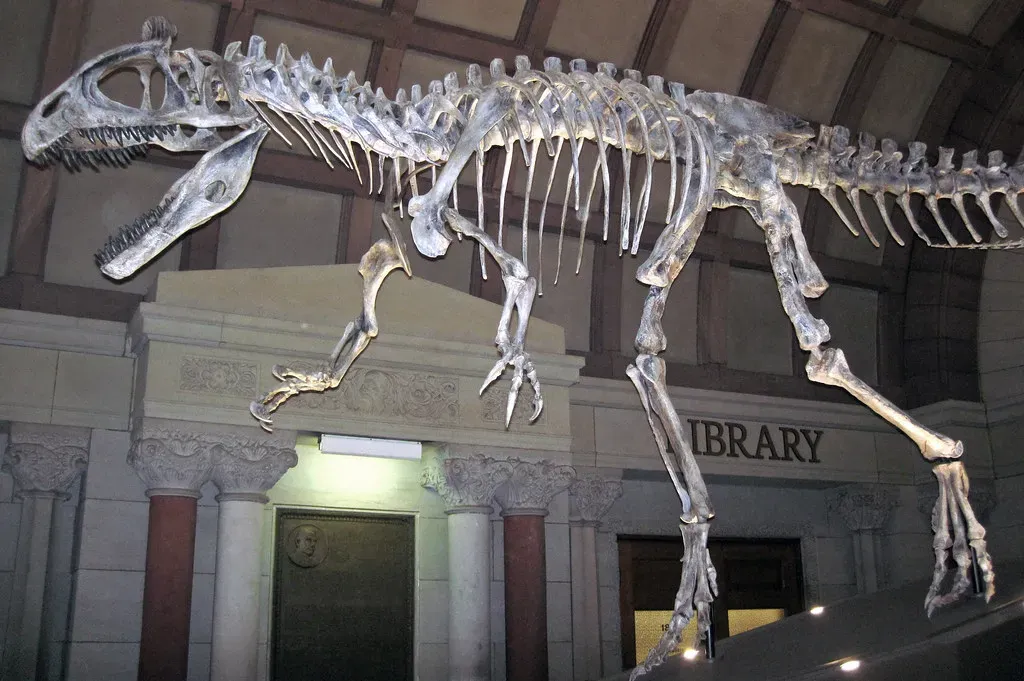
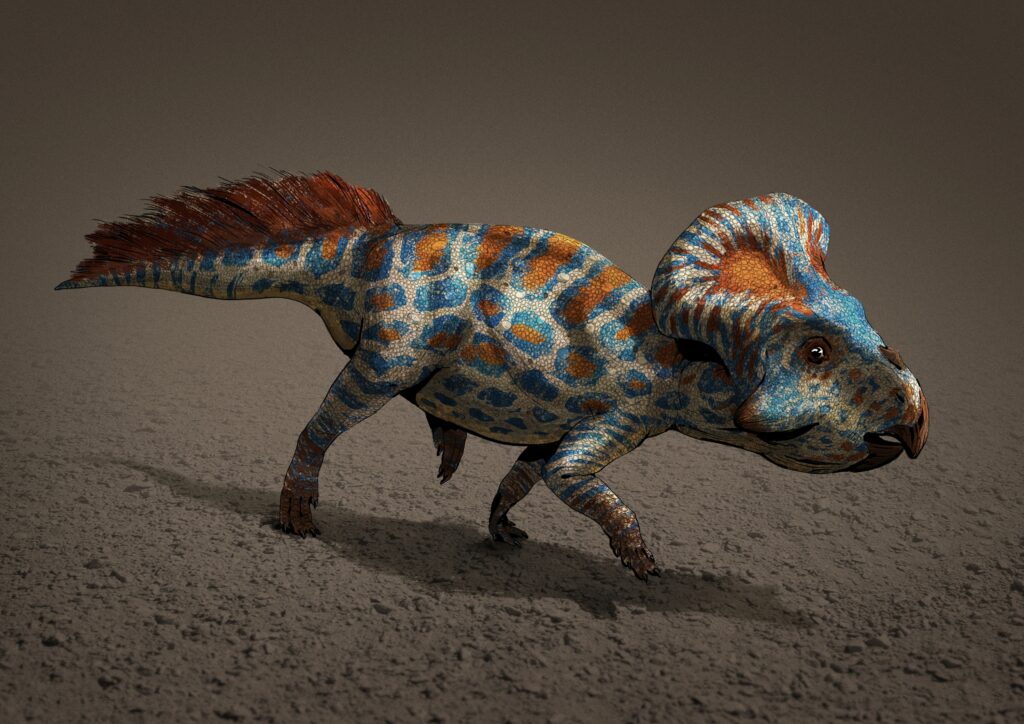
You might not instinctively connect dinosaurs with Antarctica, but the rocks insist that you should. During the Triassic, Jurassic, and Cretaceous periods, when dinosaurs ruled the continents, Antarctica was joined to the rest of Gondwana and supported rich ecosystems. Fossils of plant‑eating dinosaurs, early mammals, and large amphibians have turned up in Antarctic rocks, showing that this land at the far south was anything but lifeless. You are looking at a world where herd animals tromped through forests under a sky that never saw snowflakes.
One especially striking detail is that some of these animals lived at high latitudes, where they had to cope with long polar nights, even if the climate itself was mild. That means you are not just dealing with warmth, but with a challenging light cycle that forced unique adaptations in vision, metabolism, and behavior. Picture duck‑billed dinosaurs browsing in dim twilight for weeks on end, rather than constantly basking in tropical sunshine. The more you think about it, the more you realize that “warm Antarctica” was not simply a paradise; it was a strange and demanding environment, but still far more habitable than the deep‑frozen desert you see now.
A Greenhouse World: Why the Climate Was So Different
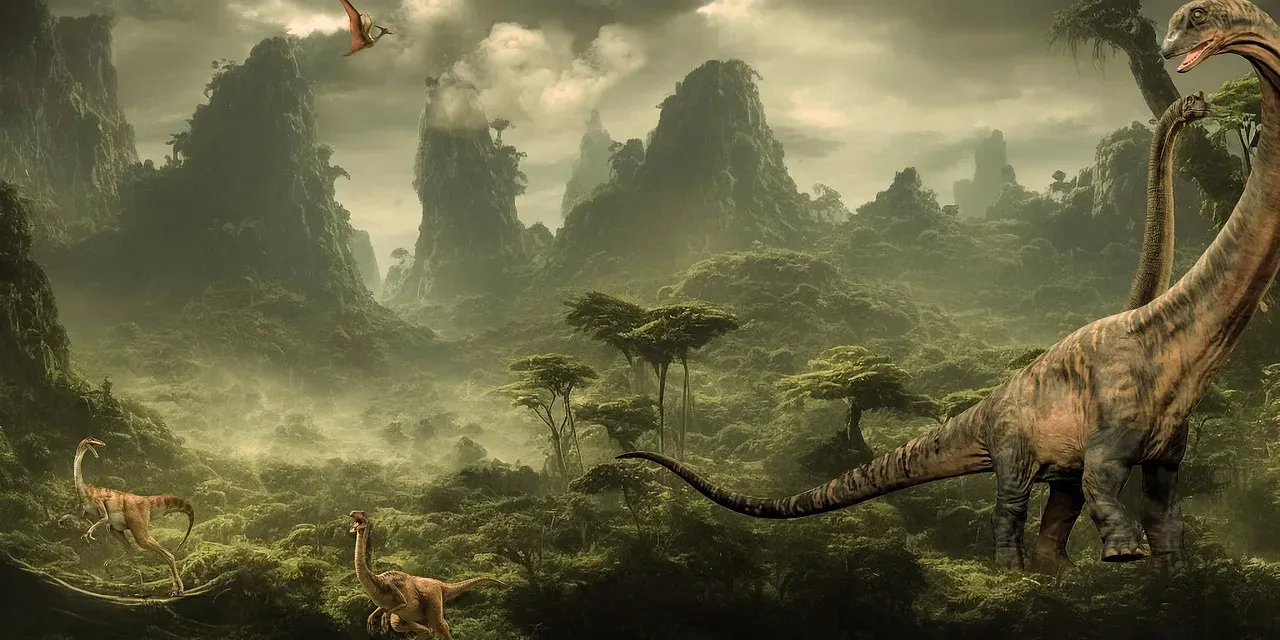
So how do you get from today’s ice‑locked Antarctica to an earlier version wrapped in forests? The answer lies in the way Earth’s climate system swings between cooler “icehouse” states and warmer “greenhouse” states over millions of years. In those warmer intervals, the level of carbon dioxide and other greenhouse gases in the atmosphere was much higher than what you know today, trapping more heat and raising global temperatures. During parts of the Cretaceous and earlier, average global temperatures were many degrees higher, and there were no permanent ice sheets at either pole.
In a world like that, Antarctica’s high latitude still meant long dark winters and long bright summers, but the background warmth kept much of the continent well above freezing for at least part of the year. Coastal regions especially could support forests and wetlands, and rivers ran where glaciers now grind slowly toward the sea. When you picture this, it helps to think less of a blazing tropical paradise and more of an extreme version of present‑day subpolar climates, just cranked up several notches in warmth and humidity. The key difference is that the entire planet’s climate system was shifted into a hotter gear, and Antarctica responded accordingly.
The Moment the Ice Took Over
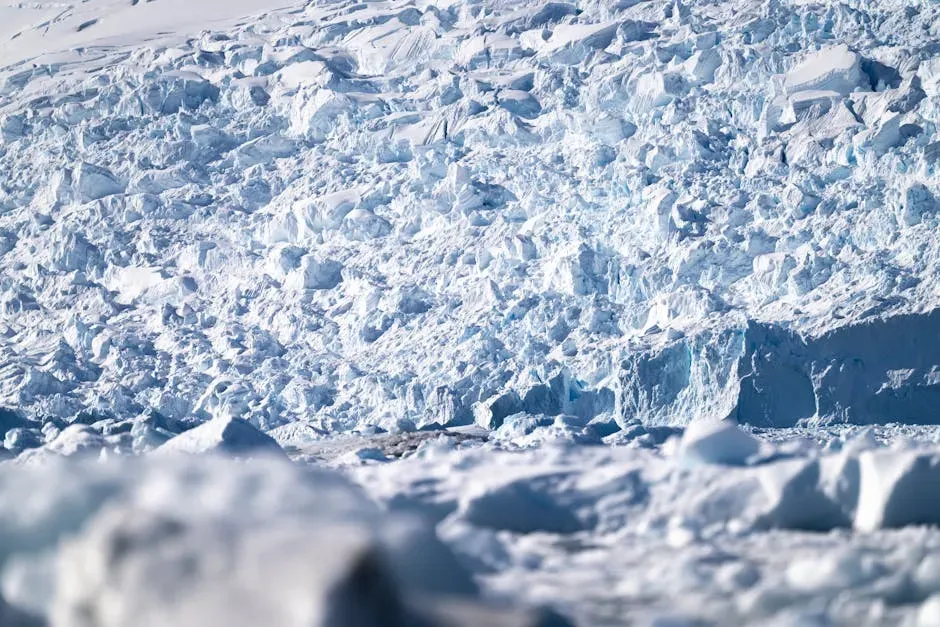
Antarctica did not flip from forest to ice overnight. Over tens of millions of years, as continents drifted and mountain chains rose, the balance of greenhouse gases in the atmosphere changed, and the planet gradually cooled. One turning point came when Antarctica became ringed by ocean and the powerful circumpolar current developed, acting like a thermal moat that cut the continent off from warmer waters to the north. You can think of this current as a cold conveyor belt spinning around Antarctica, making it very hard for heat to penetrate and melt the growing ice.
As global carbon dioxide levels dropped and this oceanic barrier strengthened, ice caps that had once formed only seasonally or at high elevations began to expand and merge. Eventually, they grew into the colossal ice sheet you now see, burying almost the entire continent under kilometers of ice. Forests and rivers vanished beneath that weight, and whatever life remained on land retreated to tiny, harsh niches along the coasts and rocky outcrops. When you see satellite images of Antarctica today, you are looking at the legacy of that long, drawn‑out transition from green to white.
What Hidden Clues Scientists Are Still Discovering Today
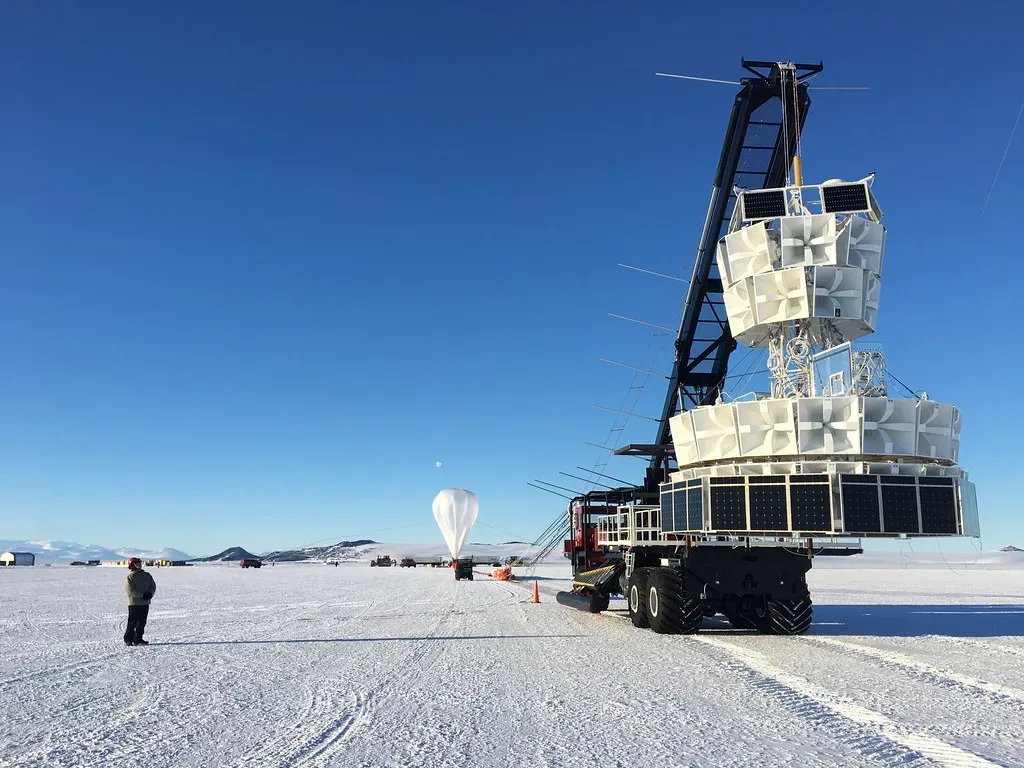
Even in the twenty‑first century, you are still only scratching the surface – literally – of Antarctica’s buried past. Ice cores drilled from the ice sheet capture tiny bubbles of ancient air, letting scientists reconstruct atmospheric conditions and temperatures going back hundreds of thousands of years. Meanwhile, rock samples, fossil leaves, and pollen grains exposed in mountain outcrops or brought up by drilling platforms along the coast reveal much older chapters, stretching into deep time when forests covered parts of the continent. Each core and fossil is like a torn‑out page from a long‑lost book you are slowly piecing back together.
More recently, radar and satellite techniques have started to map what lies under the ice, from mountain ranges to sediment‑filled basins that once held rivers and lakes. In a few rare places, scientists have found exceptionally well‑preserved roots, soils, and plant remains that tell you what these forests really felt like on the ground. As methods improve, you can expect this hidden landscape to come into sharper focus, but you should also be prepared for surprise twists. The deeper you look, the more you realize how dynamic and changeable Antarctica has been, and how much remains to be discovered about its warmer, greener incarnations.
Why Antarctica’s Past Matters for Your Climate Future
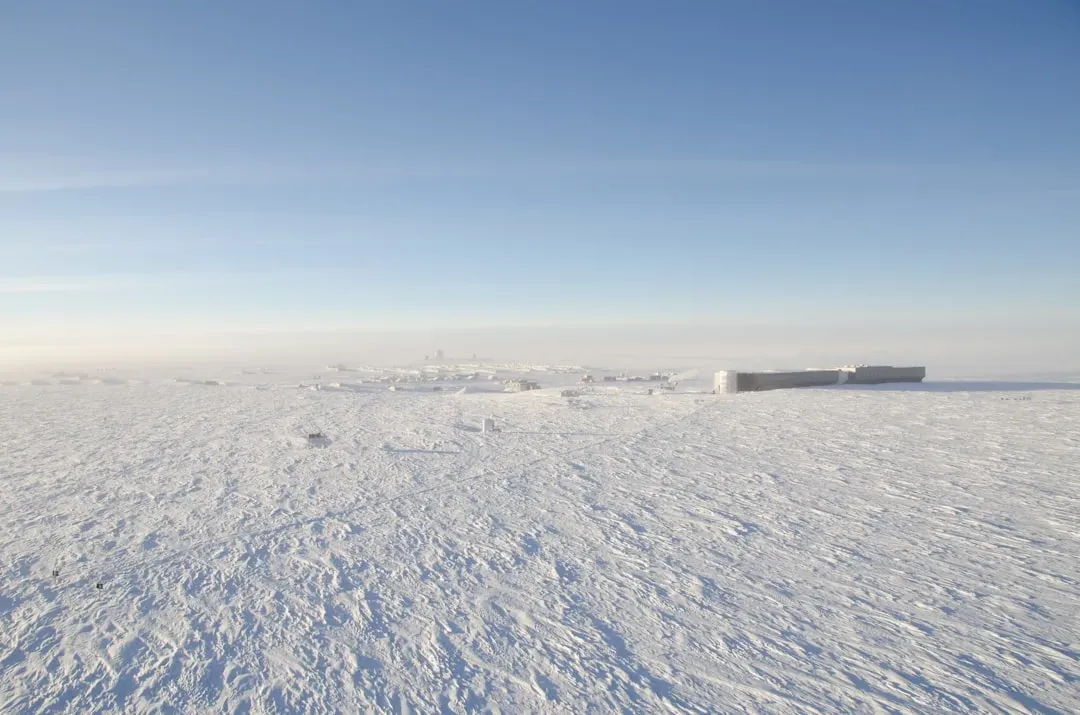
It is tempting to treat Antarctica’s ancient forests as a distant curiosity, something charming but irrelevant to your life. Yet the story of a warm Antarctica speaks directly to the choices you face now, in a world where greenhouse gas levels are climbing again. Those fossil forests and dinosaur tracks are proof, etched into stone, that if the planet is warm enough for long enough, even the poles can lose their ice. You are not dealing with theoretical models alone; you are staring at physical evidence that ice sheets can shrink or disappear in a sustained greenhouse climate.
Of course, the warm periods of the past unfolded over millions of years, not centuries, and the exact future of Antarctica’s ice is still an open and actively studied question. But you cannot ignore the basic lesson: Earth’s climate system can shift to very different states, and Antarctica is one of the most sensitive indicators of that change. As modern warming continues, the ice sheet is already losing mass in some regions, raising sea levels and reshaping coastlines far from the polar circle. When you weigh your own role in energy use, policy, and lifestyle, Antarctica’s ancient forests stand in the background as a vivid reminder of how different the world can become.
So, Was It Really
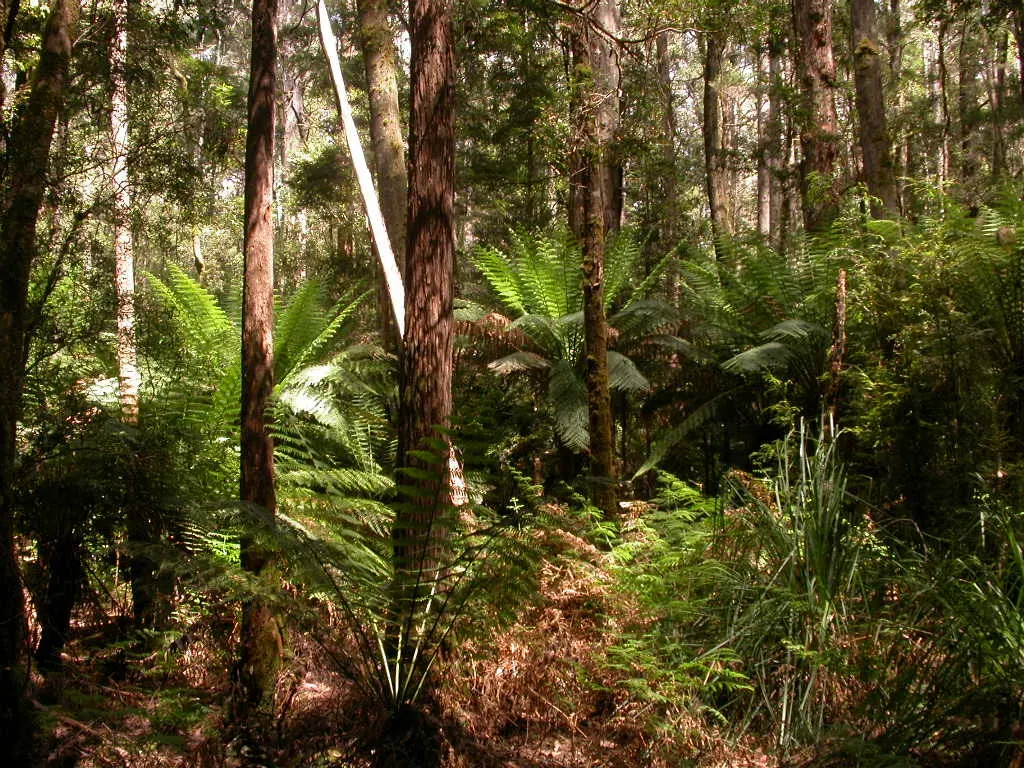
When you put all the evidence together, the answer is yes: for long stretches of Earth’s history, Antarctica was far warmer and supported widespread forests and complex ecosystems. That does not mean every corner of the continent was lush or comfortable, but it does mean that the icy wilderness you know is only one chapter in a much longer story. The poles have swung between extremes, from ice‑free seas and green high‑latitude landscapes to the vast ice sheet that now dominates your mental image of the south.
Seeing Antarctica this way changes how you think about the planet. Instead of a static backdrop, you begin to see a restless world, where continents wander, oceans reorganize, and climates flip between states you might once have considered unimaginable. You are living in just one frame of a very long movie, and learning about Antarctica’s past gives you a glimpse of earlier scenes that can help you anticipate the ones still to come. Knowing that forests once shaded ground now locked under ice, you might find yourself asking what future version of Antarctica your descendants will inherit – and how much control you really have over that storyline.
In the end, the image of a green Antarctica is not just a surprising bit of trivia; it is a powerful reminder that Earth is capable of dramatic change. You are part of a species that can read those changes in fossils, ice, and rock, and also one that is now influencing the climate at a remarkable pace. As you picture forests where glaciers now sit, you might wonder not only how strange the past once looked, but how unfamiliar the future might appear from our vantage point today. If Antarctica has already been both a forested land and a frozen desert, what version of it do you think will exist millions of years from now?