When Dr. Ellie Sattler first appeared on screen in 1993’s Jurassic Park, she wasn’t just another Hollywood character fighting dinosaurs. She was a paleobotanist—a scientist who studies ancient plants through fossils—and her expertise became crucial to understanding why the park’s ecosystem was failing. But as millions of viewers watched her identify toxic plants and piece together scientific clues, many wondered: was this brilliant character based on a real person?
The Real Science Behind Ellie Sattler’s Expertise

Paleobotany is a legitimate scientific field that combines geology, biology, and archaeology to understand ancient plant life. These scientists study fossilized pollen, leaves, seeds, and wood to reconstruct past ecosystems and climate conditions. The work requires extensive knowledge of both modern and extinct plant species, along with sophisticated analytical techniques.
Dr. Sattler’s ability to identify Mesozoic plants and understand their properties wasn’t Hollywood fiction—it reflected real scientific methods. Paleobotanists today use similar approaches, examining fossil evidence to determine which plants existed alongside dinosaurs. Her character demonstrated genuine scientific thinking, from observation to hypothesis formation.
Michael Crichton’s Research Process

Michael Crichton, the author of Jurassic Park, was known for his meticulous research. He spent years consulting with paleontologists, geneticists, and other scientists before writing the novel. His approach involved interviewing real researchers and incorporating their expertise into his fictional characters.
Crichton’s background as a medical doctor gave him unique insight into scientific methodology. He understood how specialists think and work, which helped him create authentic scientific characters. The author deliberately sought out experts in various fields to ensure his fictional scientists behaved realistically.
The Inspiration from Real Female Paleobotanists

Several prominent female paleobotanists were working in the field when Crichton wrote Jurassic Park. Dr. Elisabeth Vrba, a South African paleontologist, was making significant contributions to understanding ancient ecosystems. Her work on climate change and species evolution provided insights that could have influenced Sattler’s character.
Dr. Kathleen McElwain, though her most famous work came later, represents the type of scientist who studies plant-climate relationships. These researchers examine how ancient plants responded to environmental changes, similar to how Sattler analyzed the park’s failing ecosystem. Their methodical approach to understanding plant-animal interactions mirrors the character’s scientific process.
Jack Horner’s Influence on the Character

Dr. Jack Horner, the paleontologist who served as the primary scientific consultant for Jurassic Park, worked closely with Crichton and later with Steven Spielberg. While Horner specialized in dinosaurs rather than plants, his collaborative approach influenced how the scientific characters were developed. He emphasized the importance of interdisciplinary thinking in paleontology.
Horner’s insights into how real paleontologists work in the field helped shape Sattler’s practical knowledge. Her ability to make quick assessments and draw logical conclusions reflected the problem-solving skills that field scientists actually use. The character’s confidence and competence mirrored the expertise of working paleontologists.
The Role of Composite Characters in Fiction

Many fictional scientists are composite characters, combining traits from multiple real people. This approach allows authors to create compelling personalities while maintaining scientific accuracy. Sattler likely represents a synthesis of various paleobotanists and field researchers rather than a single individual.
The character’s dedication to her work and her ability to think under pressure reflected qualities common among field scientists. Her practical knowledge and quick thinking represented the adaptability that real researchers need when working in challenging environments. These traits weren’t unique to one person but were characteristic of the scientific community.
Women in Paleontology During the 1990s
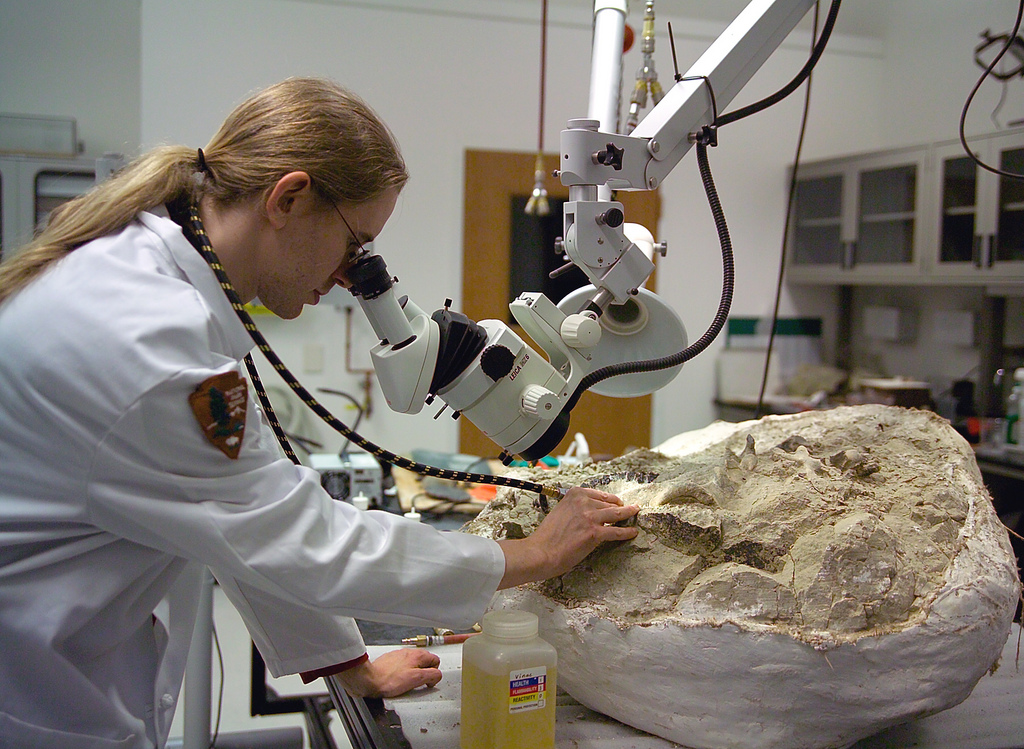
The 1990s saw increasing recognition of women’s contributions to paleontology. Dr. Mary Schweitzer was beginning her groundbreaking work on dinosaur soft tissues, while Dr. Kristi Curry Rogers was studying dinosaur eggs and nesting behavior. These scientists were breaking new ground in understanding prehistoric life.
Female paleontologists during this period often faced challenges in gaining recognition for their work. Sattler’s character represented not just scientific expertise but also the determination needed to succeed in a male-dominated field. Her portrayal helped bring attention to the important contributions of women in paleontology.
The Authenticity of Plant Knowledge in Jurassic Park
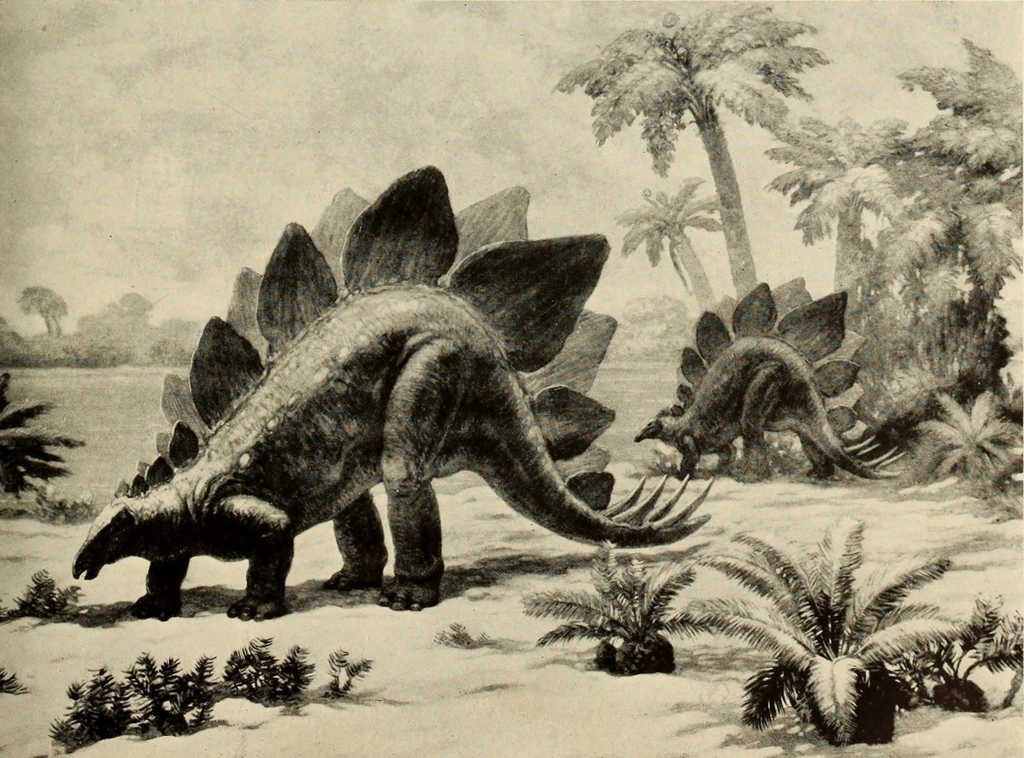
The plants featured in Jurassic Park were carefully chosen based on real paleobotanical evidence. Many of the species shown in the film actually existed during the Mesozoic Era, demonstrating the filmmakers’ commitment to scientific accuracy. Sattler’s knowledge of these plants reflected genuine paleobotanical research.
The toxic plants that Sattler identified in the story were based on real species and their known properties. Her ability to recognize the connection between plant toxicity and dinosaur illness showed authentic scientific reasoning. This level of detail suggested input from real paleobotanists during the story’s development.
Field Work Techniques Portrayed in the Character
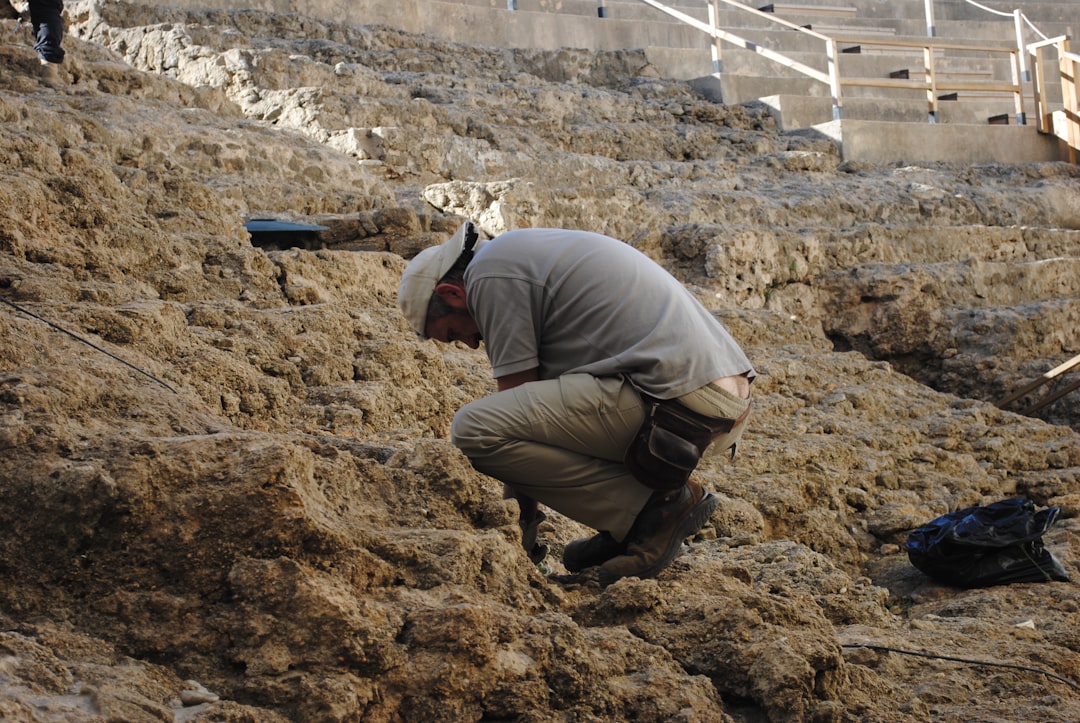
Sattler’s methods of collecting and analyzing plant specimens reflected real paleobotanical techniques. Her careful observation of plant structures and her systematic approach to identification mirrored how actual field researchers work. The character’s attention to detail represented the methodical nature of paleobotanical research.
Her ability to work quickly while maintaining scientific rigor showed the practical skills that field scientists develop. Real paleobotanists must often make rapid assessments in challenging conditions, balancing speed with accuracy. Sattler’s competence under pressure reflected the adaptability required in actual fieldwork.
The Character’s Impact on Public Perception

Dr. Ellie Sattler became one of the most recognizable paleobotanists in popular culture, despite being fictional. Her portrayal introduced millions of viewers to the field of paleobotany and demonstrated the importance of plant studies in understanding ancient ecosystems. The character helped raise awareness of this specialized scientific discipline.
The positive reception of Sattler’s character encouraged more interest in paleobotany among students and the general public. Her competence and heroism showed that plant scientists could be just as exciting as dinosaur hunters. This representation helped challenge stereotypes about different scientific specialties.
Comparing Fiction to Reality in Scientific Careers

Real paleobotanists face challenges that the fictional Sattler never encountered, such as funding difficulties and lengthy research timelines. Actual scientific work involves more data analysis and less dramatic discovery than portrayed in movies. The day-to-day reality of paleobotanical research is typically more methodical and less adventurous.
However, the intellectual excitement of making connections between ancient plants and ecosystems is genuinely thrilling for real researchers. The satisfaction of understanding how prehistoric environments functioned provides the same kind of fulfillment that motivated the fictional character. The passion for discovery that Sattler displayed reflects the genuine enthusiasm of working scientists.
Scientific Accuracy in Character Development

The creators of Jurassic Park took considerable care to ensure that Sattler’s scientific knowledge was accurate. Her understanding of plant biology and her ability to make logical deductions were based on real scientific principles. The character’s expertise reflected genuine paleobotanical knowledge rather than Hollywood pseudoscience.
Her interactions with other scientists in the story demonstrated authentic scientific collaboration. The way she communicated her findings and worked with paleontologists showed realistic interdisciplinary cooperation. These details suggested input from real scientists during character development.
The Legacy of Ellie Sattler’s Character

Dr. Sattler’s portrayal helped establish paleobotany as a legitimate and important scientific field in popular culture. Her character demonstrated that plant specialists could be heroes in their own right, not just supporting characters to dinosaur experts. This representation had lasting impact on how the public views different scientific specialties.
The character’s influence extended beyond entertainment, inspiring real interest in paleobotanical careers. Many students who became interested in paleobotany cite Jurassic Park as an early inspiration. Sattler’s competence and dedication provided a positive role model for aspiring scientists.
Modern Paleobotany and Sattler’s Methods

Today’s paleobotanists use advanced techniques that go beyond what Sattler could have employed in 1993. Modern researchers utilize molecular analysis, isotope studies, and sophisticated imaging to understand ancient plants. However, the fundamental observational skills and logical reasoning that the character displayed remain central to the field.
Contemporary paleobotanists continue to study plant-animal interactions in ancient ecosystems, building on the type of work that Sattler represented. Her interdisciplinary approach, combining plant knowledge with ecosystem understanding, reflects how modern paleobotany operates. The character’s methods remain relevant to current research practices.
The Truth Behind the Character
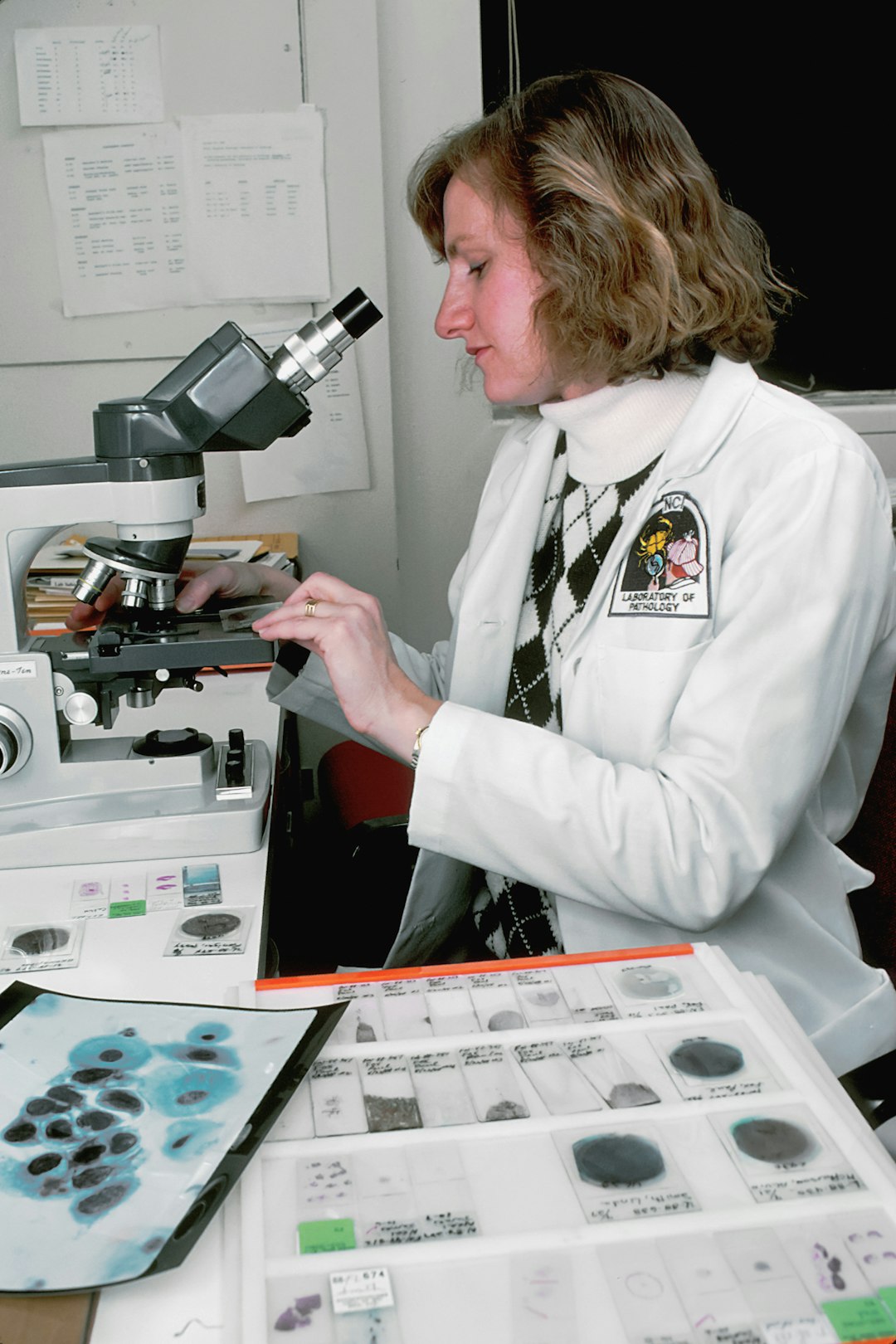
While Dr. Ellie Sattler wasn’t based on a single real paleobotanist, she represented the collective expertise and dedication of women working in the field during the early 1990s. Her character combined authentic scientific knowledge with the practical skills and intellectual curiosity that define real paleobotanists. The care taken in developing her expertise suggests significant input from actual researchers.
The character’s lasting impact on public perception of paleobotany demonstrates the power of accurate scientific representation in popular media. Her competence and heroism helped establish plant scientists as legitimate heroes in their own right. Through careful research and authentic character development, the creators of Jurassic Park gave paleobotany a memorable and inspiring representative.
Dr. Sattler’s legacy continues to influence how we think about the intersection of entertainment and science education. Her character proved that scientific accuracy and dramatic storytelling could work together effectively. While she may not have been based on one specific person, she certainly captured the spirit and expertise of an entire generation of pioneering female paleobotanists.