Try to imagine a day with no alarms, no emails, no traffic, and no endless scrolling, yet still packed with purpose, movement, and connection. For a Stone Age hunter-gatherer, a truly perfect day was not about productivity apps or step counts, but about staying alive comfortably, staying bonded to the group, and ending the evening with a full belly and a calm mind. Their lives were tougher than ours in many ways, but on a good day, things could feel surprisingly rich, rhythmic, and even joyful.
What makes this so fascinating is that our bodies and brains are still largely tuned to that old rhythm, even though our environment has completely changed. When you look closely at anthropology, archaeology, and studies of recent foraging societies, you can start to sketch a realistic picture of what “perfect” might have meant back then: enough food, minimal danger, satisfying effort, and deep social warmth. Let’s walk, hunt, rest, and laugh our way through that day.
Waking With the Light: A Gentle Start Instead of a Jarring Alarm
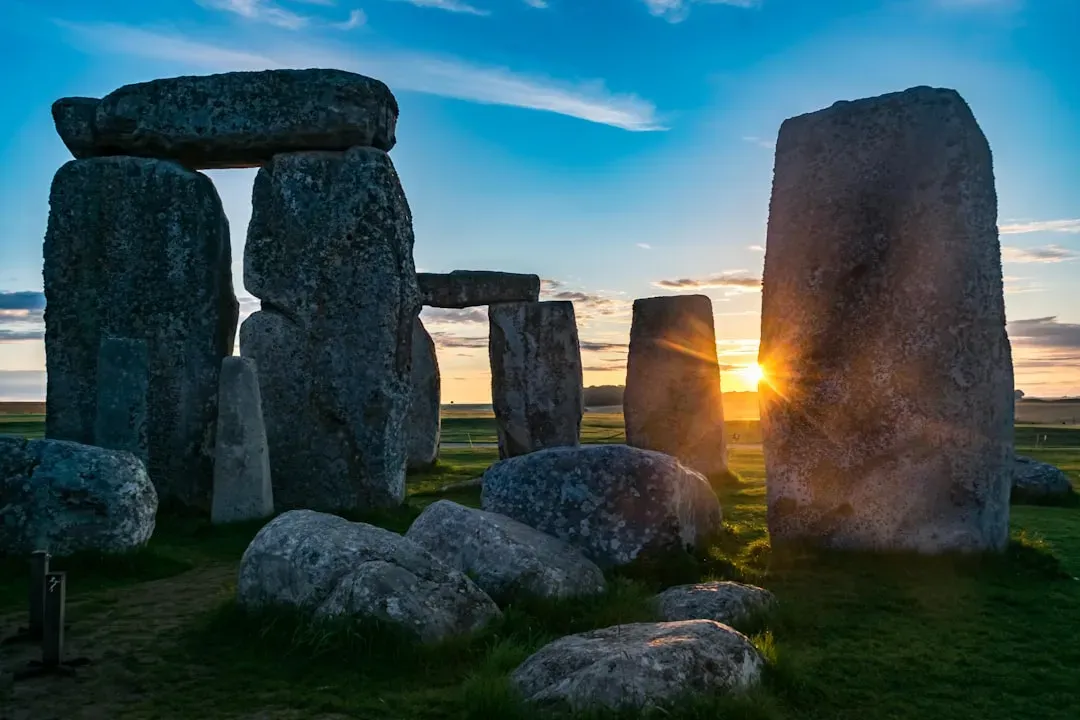
A perfect Stone Age morning probably started with light, not with noise. As the first glow of dawn slipped into a shelter or onto a sleeping platform, people would stir gradually instead of being yanked awake. There was no strict nine-to-five clock to obey; sleep followed the cycles of night and day, shaped by firelight, seasons, and weather. Children might be nestled against parents or other relatives, because co-sleeping offered warmth, safety, and comfort.
On an easy day, there was no urgent crisis to sprint toward at sunrise. People could talk softly, stretch out sore muscles from the previous day’s walking and climbing, maybe share leftover food or a quick early snack. The group’s elders, lighter sleepers in many cultures, might already be awake, watching the surroundings and subtly keeping the camp safe through the night and dawn. It sounds almost luxurious compared to our mornings: fewer deadlines, more alignment with the sky.
Morning Foraging: Turning Curiosity Into Breakfast
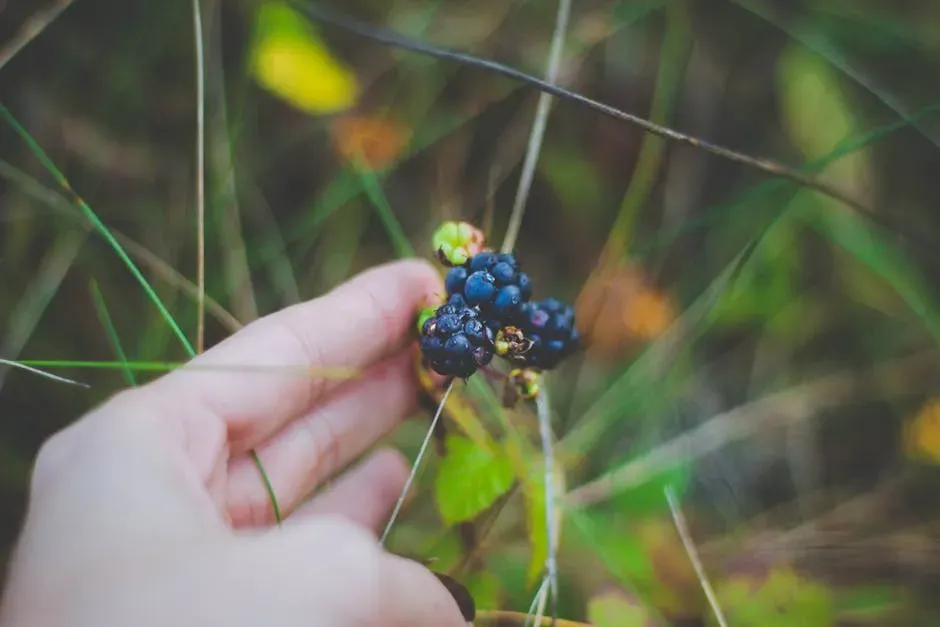
Once awake, the first real job of a perfect day was simple: find food, but not frantically. For many hunter-gatherer groups studied in recent times, women and children did much of the plant gathering, with men and sometimes women heading out on hunts; there was a flexible division of labor rather than a strict rulebook. Morning foraging might mean wandering familiar paths to collect berries, roots, nuts, seeds, or shellfish along a shore. It would feel less like a rushed grocery run and more like a slow walk through a living pantry that changed with the seasons.
This part of the day was likely filled with chatter, teaching, and constant tiny lessons about the environment. Kids might be shown which leaves sting, which fruits are safe, and how to read animal tracks. You can think of it as outdoor school folded seamlessly into work. On a perfect day, known patches of food were abundant, the weather was kind, and no dangerous animal tracks or rival groups appeared nearby. Curiosity, memory, and local knowledge quietly turned wandering into breakfast and security.
The Thrill of the Hunt: Skill, Risk, and Adrenaline
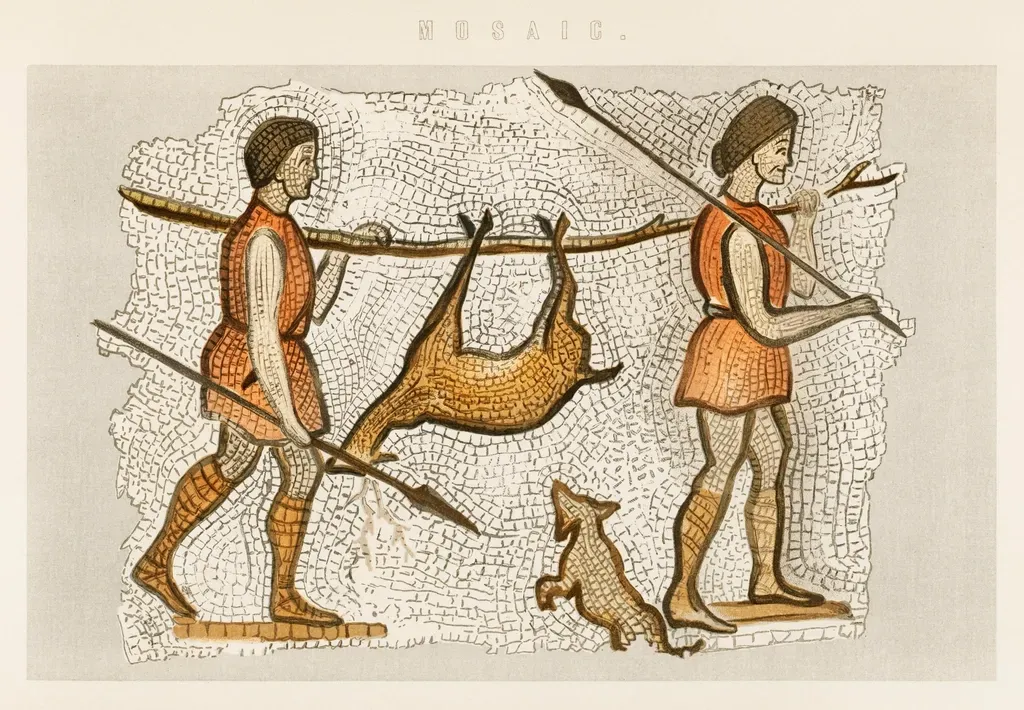
When we imagine Stone Age life, we often jump straight to hunting, and on a perfect day, the hunt would be challenging but successful. A small group, usually of adults and maybe older adolescents, might head out with spears, atlatls, or other simple tools, scanning the landscape for signs of game. They had to read the land the way we read text: broken twigs, droppings, hoofprints, subtle noises in the underbrush. This kind of attention demanded focus but also brought a deep sense of immersion, something many of us now chase through sports or adventure travel.
The ideal hunt did not last all day to the point of exhaustion. It struck a sweet spot where teamwork, tracking skill, and luck paid off: an animal was brought down efficiently and cleanly, minimizing danger and suffering all around. Success meant more than just calories; it meant prestige, gratitude from camp, and renewed trust in each other’s abilities. The adrenaline rush of a chase followed by relief and pride is not that different from winning a big game today – except back then, the prize was literally survival wrapped in meat and bone.
Midday Rest and Repair: Embracing the Pause
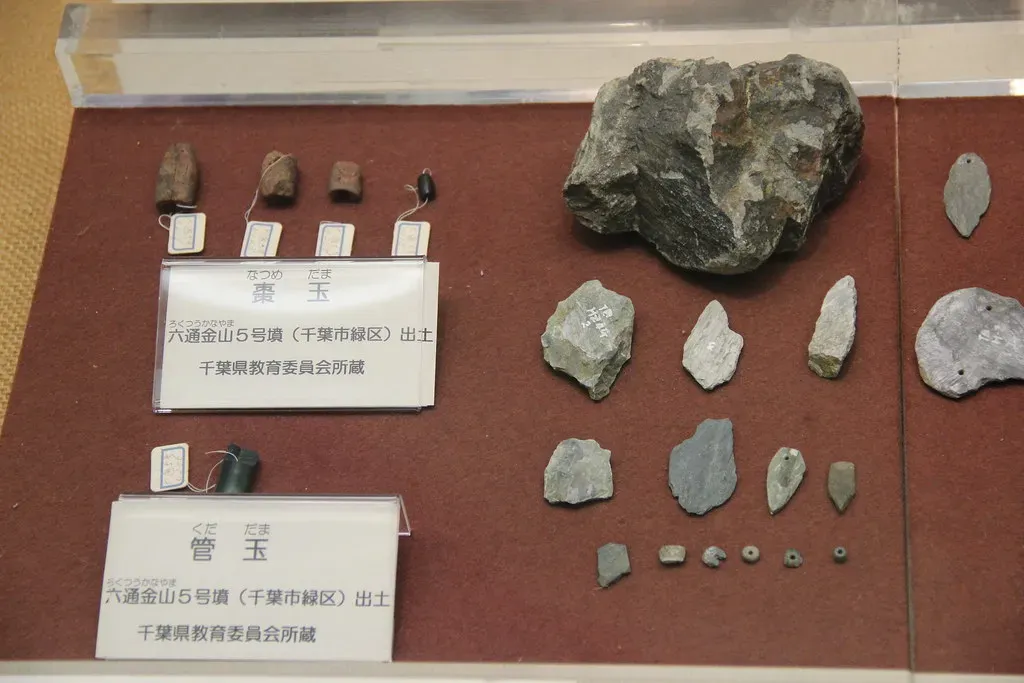
Once the morning’s big efforts were done, a truly good day did not just keep piling on more tasks until people collapsed. There was time to rest in the shade, to process food, to make or repair tools, and to simply sit and talk. Archaeological finds of carefully shaped stone tools, bone needles, beads, and carved objects tell us that people invested real time and attention into crafting and maintaining their gear. On a perfect day, nothing broke in a disastrous way, and there was ample time to sharpen a blade, patch a net, or straighten a spear shaft.
Rest did not mean boredom. It meant storytelling, planning, and quiet observation of the world. People could gossip about neighboring bands, recall past hunts, or share practical knowledge about new plant species showing up in the area. There was probably a lot of laughter and teasing; many foraging groups observed in recent centuries rely on humor to smooth conflicts and keep status differences in check. In this midday lull, the body recovered and the mind recharged without guilt, because conservation of energy was a survival skill, not laziness.
Afternoon Community: Children, Teaching, and Quiet Joy
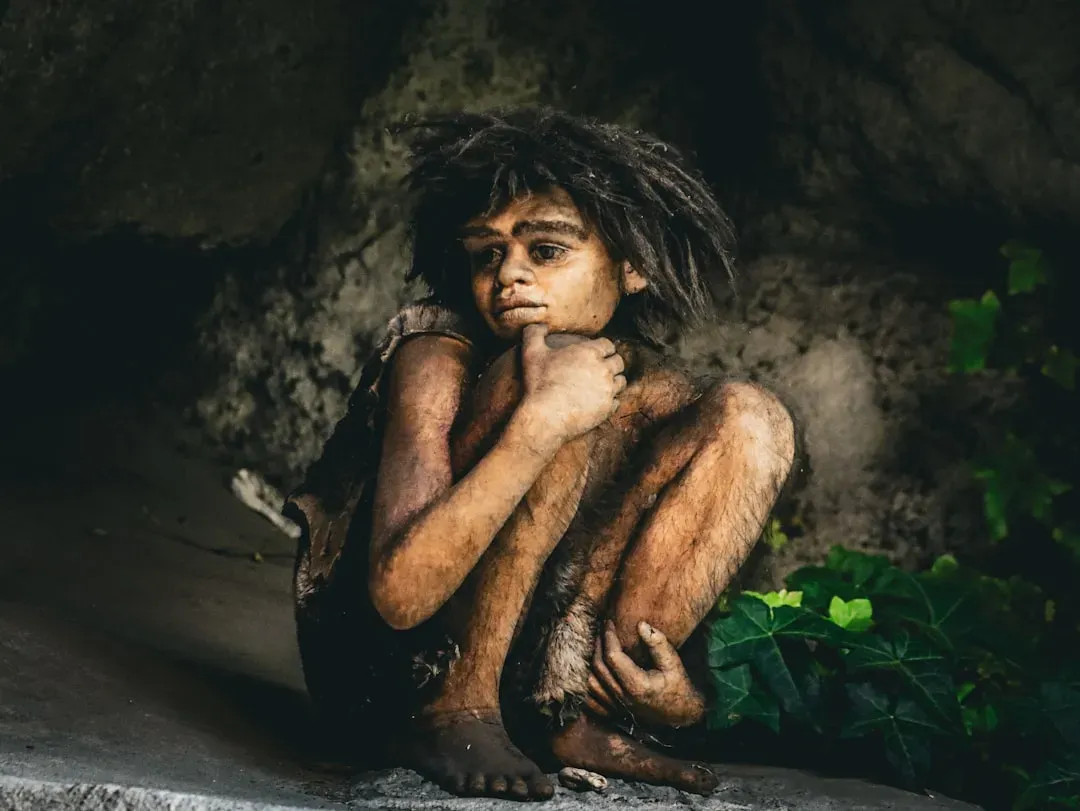
In the afternoon, when the harshest sun passed, the heart of a perfect day was community life. Children would roam within a sort of moving bubble of adult awareness, playing, copying tool-making, trying out small versions of adult tasks, and inventing games. Play in this context was not a separate luxury; it was how kids learned motor skills, social rules, and the feel of the landscape. Adults were not hovering in modern helicopter style, but the group as a whole kept a collective eye on young ones.
For adults, the afternoon could mean finishing up smaller foraging tasks, smoking fish, drying meat, or working on shelters. It was also a chance to resolve any tensions before they simmered into something dangerous. In many small-scale societies, open confrontation is avoided and people use quiet conversations, joking, or temporary distance to keep the peace. On a truly good day, no serious arguments broke out, no one got injured, and everyone felt reasonably valued. That sense of belonging – of being woven into a tight net of relatives and allies – might have been more important to happiness than any single successful hunt.
Nightfall Around the Fire: Stories, Safety, and a Full Belly
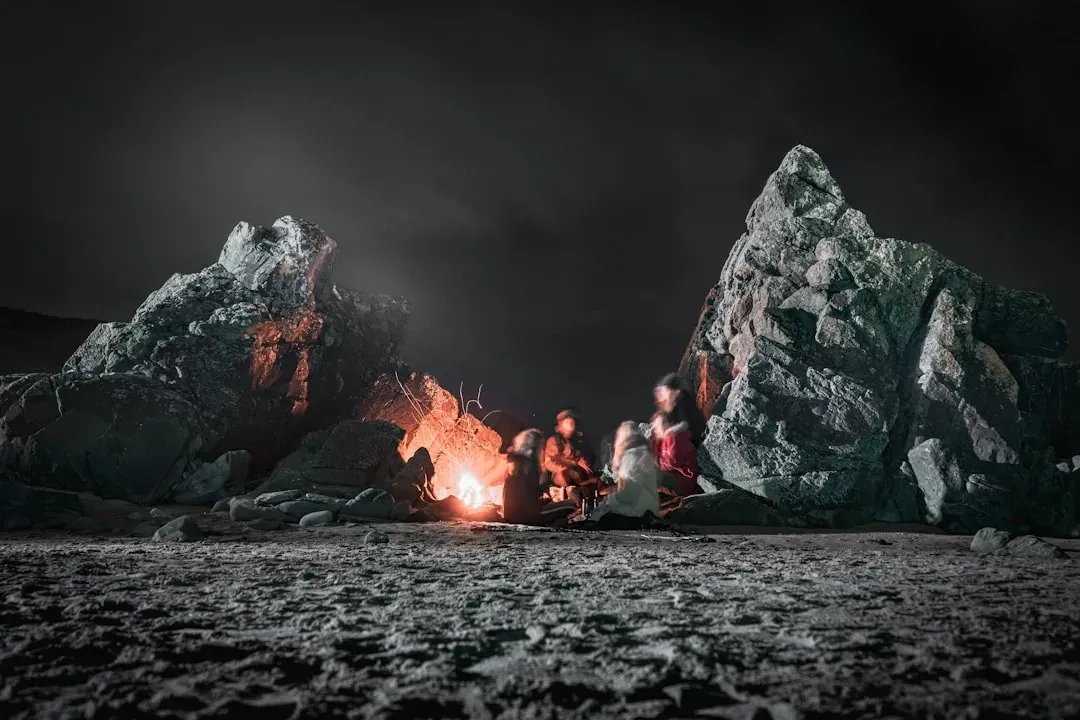
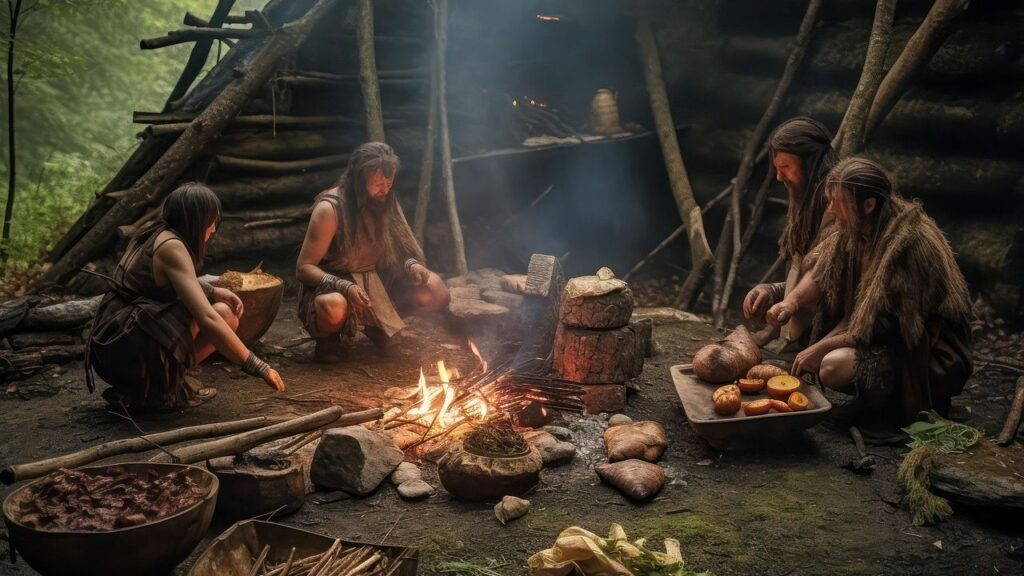
If there is a single image that captures a perfect Stone Age day, it is probably evening around the fire. Fire provided warmth, protection from many predators, and a kind of psychological anchor in the darkness. The day’s food, if things had gone well, could be cooked, shared, and eaten in a relaxed, unhurried way. Meals were communal by necessity; if today’s hunt was good for you, tomorrow’s might depend on someone else’s luck, so sharing was a kind of insurance policy and a core moral value.
After eating, the night opened up into one of humanity’s oldest traditions: stories. Around the flames, people could recount ancestral tales, recent adventures, near-misses with predators, or myths explaining how the world came to be. This was also prime time for music, simple instruments, singing, or dancing. On a perfect evening, there were no looming threats, no storms bearing down, and no deep rifts splitting the group. Bellies were full, bodies were tired in a satisfying way, and the flicker of firelight wrapped everyone in a shared sense of meaning.
So, Was Their “Perfect Day” Better Than Ours?
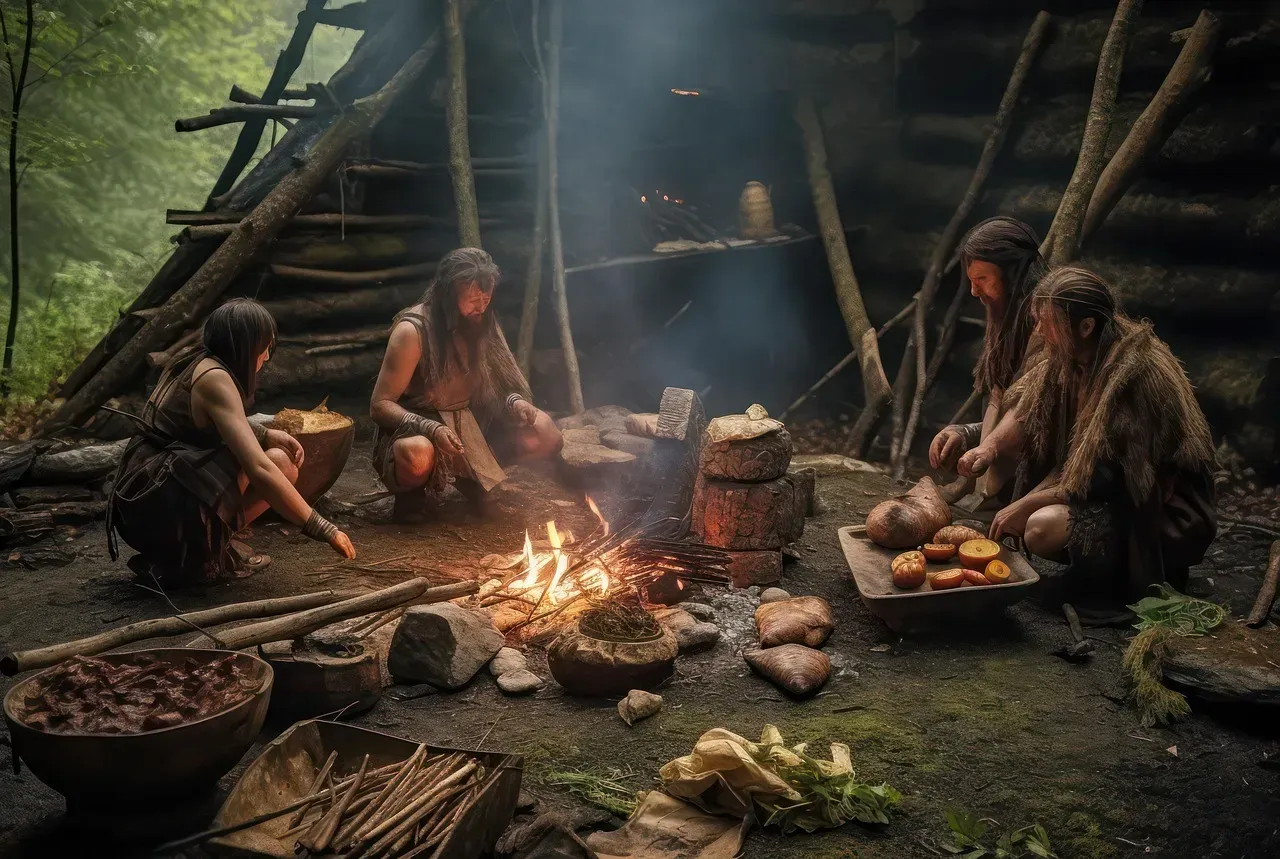
Looking at this imagined perfect day, I have to admit I’m a little jealous of how cleanly everything lined up with human biology: natural light, a lot of walking, meaningful physical tasks, strong social bonds, and real downtime. At the same time, it would be dishonest to romanticize Stone Age life as some kind of nonstop bliss. Even a perfect day was framed by real risks: infection from a simple cut, sudden injury, unpredictable weather, or conflict with other groups. A bad streak of luck could turn comfort into hunger very quickly. Their “perfect” hinged on luck in a way most of us never have to face.
Still, I think there’s something powerful about how their best days integrated survival, community, and purpose so tightly. Our perfect day now might be a weird patchwork of screens, solitary work, and scheduled leisure, whereas theirs was one coherent story from sunrise to sleep. Maybe the point is not to wish ourselves back into the Stone Age, but to steal the best parts: more movement, more time outside, more unhurried connection, and more nights where stories matter more than notifications. If you designed your next “perfect” day using even a little bit of their rhythm, how different would it look?