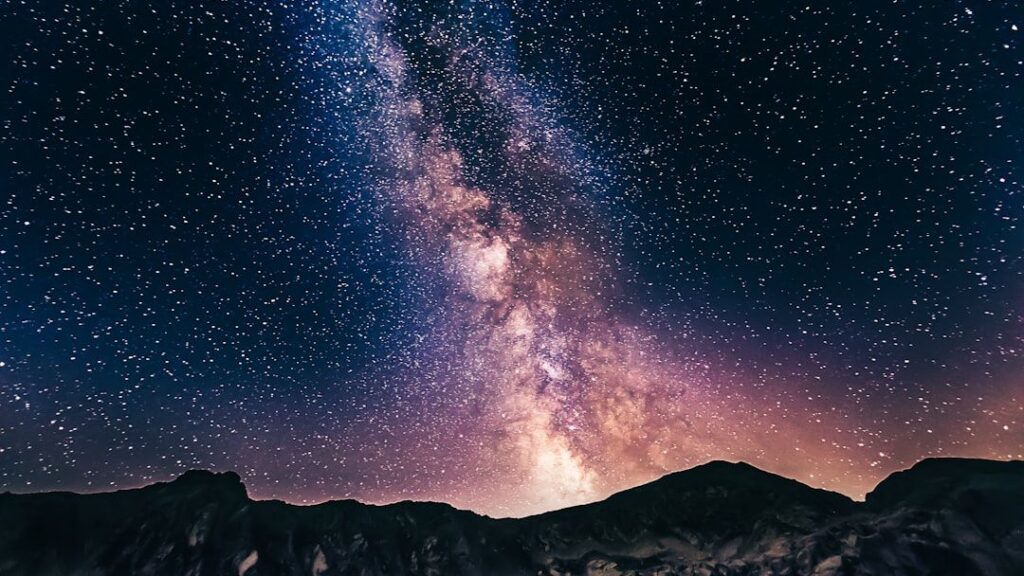
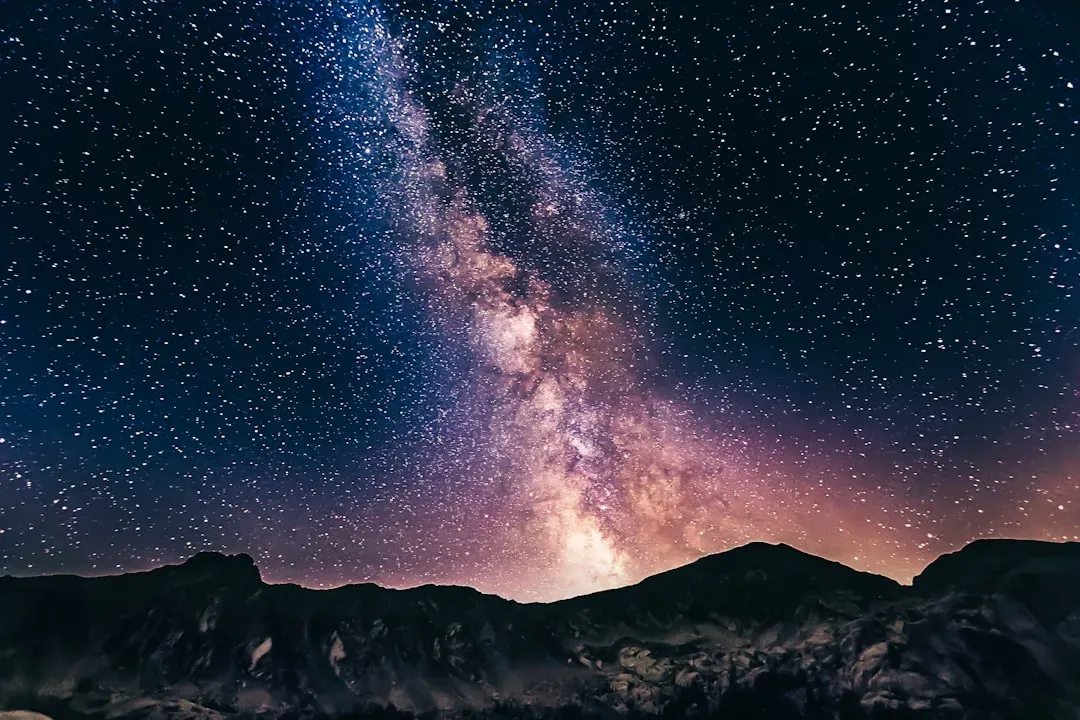
Imagine standing under a night sky so dark that the Milky Way looks like spilled milk across black velvet. No streetlights, no phone screens, no science classes. Just you, the cold air, and thousands of glittering points above your head that seem to move, disappear, and sometimes even fall. For ancient humans, that sight was not background wallpaper; it was one of the most powerful, mysterious forces in their lives. The stars were clocks, calendars, gods, roads, and warnings all at once.
Before telescopes and equations, people did what humans always do when faced with something huge and confusing: they told stories, made patterns, and tried to fit the sky into the logic of their own lives. They were not doing “astronomy” the way we define it now, but they were absolutely doing sky-thinking. In a way, they built the emotional and symbolic foundation on which scientific astronomy would later stand. Once you see that, it becomes pretty hard to look at a star chart the same way again.
The Night Sky As A Living, Conscious Presence
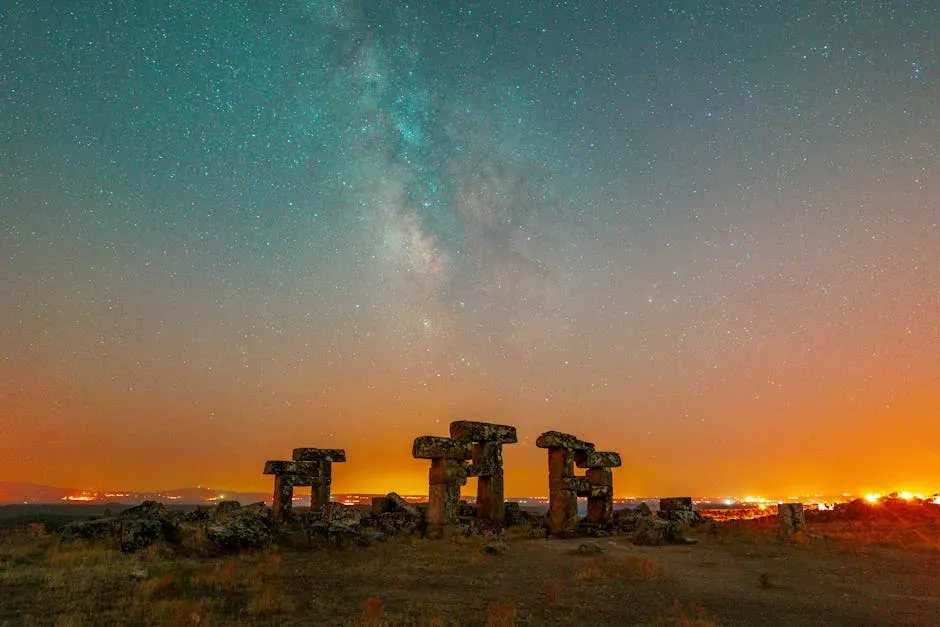
One of the most striking things about early human ideas of the stars is that people rarely saw them as dead, silent rocks in space. To many ancient cultures, the sky was alive in a very literal sense. The stars could watch, judge, protect, or punish. In some traditions, they were the eyes of gods or ancestors looking down; in others, they were sparks from a cosmic fire or embers flung across the heavens during creation. Either way, they had intention and personality, not just mass and luminosity.
If you think about it, that makes emotional sense. When you live without artificial light, the sky does not feel distant or abstract; it feels close and overwhelming. It changes color with the seasons, erupts with meteors, dims with clouds, and returns with perfect reliability after storms and disasters down on Earth. For early humans trying to survive, it was almost impossible not to read a will or a mood into such a powerful, all‑encompassing presence. Calling the sky “alive” was a way to stay in a conversation with it, instead of feeling helpless under its gaze.
Stars As Ancestors, Heroes, And Remembered Souls
Long before astronomy textbooks, people used the stars as a kind of cosmic photo album. All over the world, you find variations of the idea that exceptional humans become stars after death: wise leaders, powerful warriors, or beloved ancestors rise into the sky and shine down as points of light. In many traditions, particular stars or constellations were tied to legendary figures, and telling their stories became a nighttime ritual that stitched communities together around campfires and hearths.
This was not just poetic; it was also practical psychology. Death is confusing and terrifying, and the idea that those you love have gone somewhere bright and permanent can be deeply comforting. Stars are steady in a way human lives are not. They return to the same places at the same times each year, almost like a reliable visit. Turning the sky into a realm of the dead gave people a stable mental map for grief. When someone was gone, you could literally point upward and say, “They are there,” even if you did not mean it in a scientific sense.
The Sky As A Storybook Of Gods And Monsters
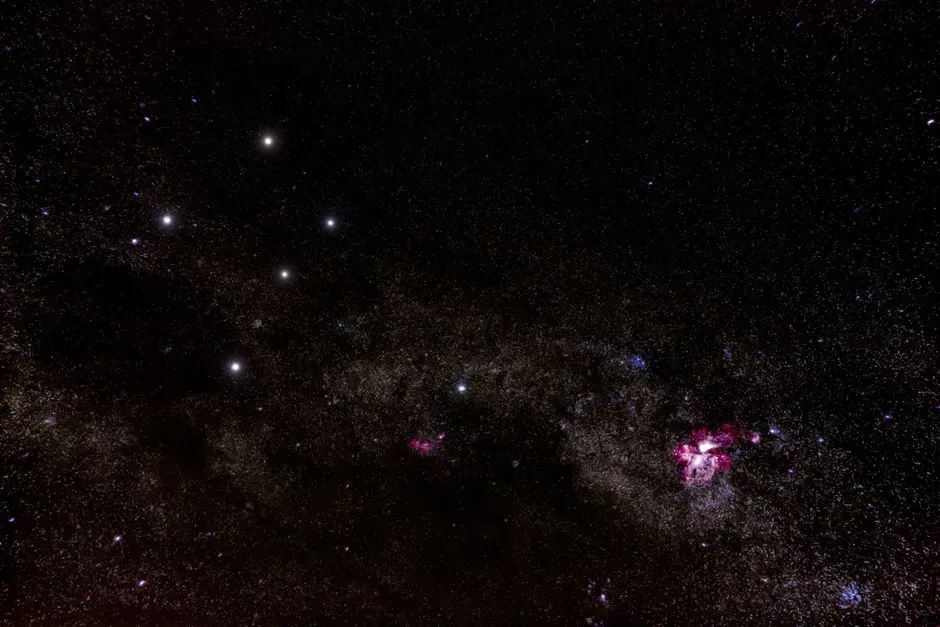
Long before constellations were printed on posters for kids’ bedrooms, they were living mythic characters that explained why the world was the way it is. People looked up, traced lines between bright stars, and saw hunters, scorpions, lions, dragons, and giant celestial birds. Each of those patterns came with an entire backstory: drama, betrayal, love, revenge, sacrifice. The night sky doubled as the biggest storytelling screen in human history, and every clear night was another showing.
These myths were not just entertainment. They helped early societies answer hard questions like where order comes from, why there is suffering, and what cosmic forces control fate. If a constellation appeared at a certain time of year, it was not just a cluster of stars; it was a reminder of its mythic role and what that might mean for crops, wars, or marriages. The sky was like a narrative framework, a mythic user interface. Today, we separate science and storytelling, but for ancient humans, those two were fused together every time they looked up.
Stars As Cosmic Clocks And Agricultural Calendars
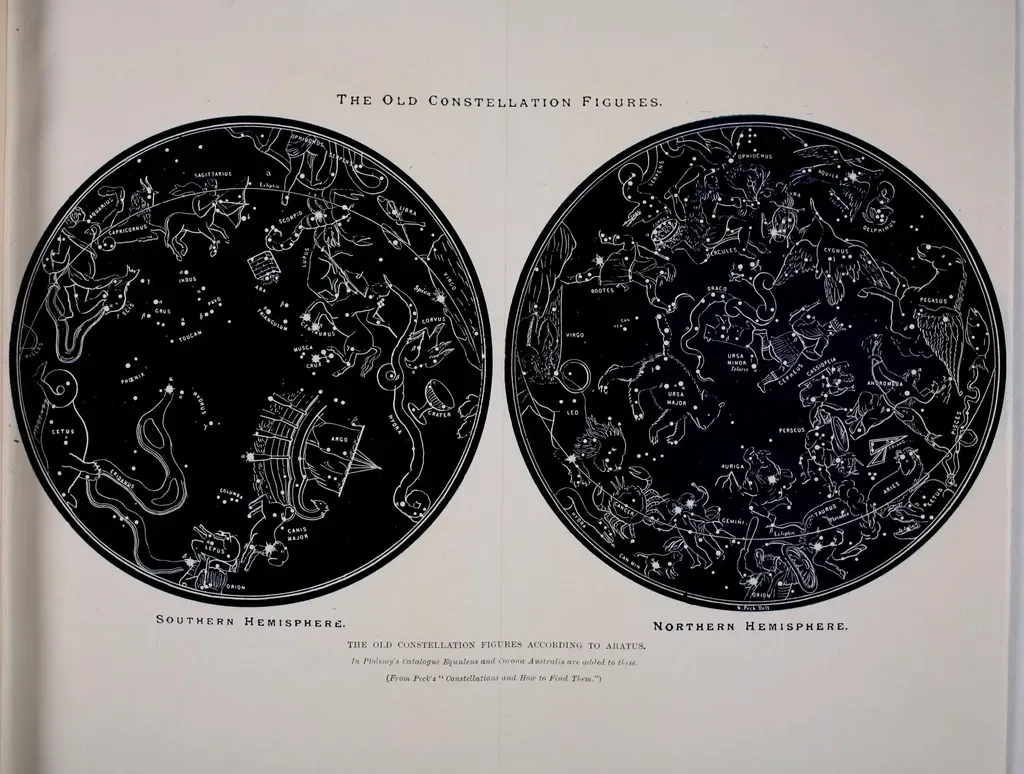
Even without formal astronomy, ancient humans quickly realized that the stars are not random. Certain bright stars rise just before dawn at particular times of the year, and whole constellations sink below the horizon as seasons change. To people living by hunting, gathering, or farming, those patterns became priceless timekeepers. The sky told you when to plant, when to move herds, when to travel long distances, and when to brace for heat, cold, or monsoon rains.
For many early societies, the first “calendar app” was the return of a specific star or constellation in a certain part of the sky. You did not need to know what those stars actually were in a physical sense; you only needed to know that when they appeared before sunrise, it was time to start a particular kind of work. Over generations, that practical knowledge got wrapped in ritual, festivals, and religious importance. Missing a stellar cue was not just a scheduling error, it could be interpreted as cosmic disrespect and a risk to the whole community’s survival.
The Stars As Omens, Warnings, And Messages
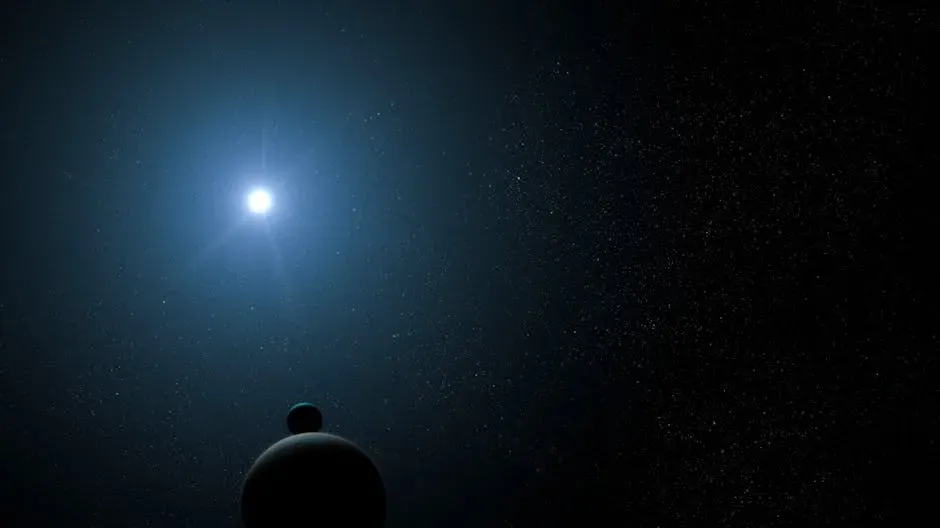
When your world feels fragile, you look desperately for patterns that might give you a bit of warning before disaster strikes. The ancient night sky was full of candidates: unexpected comets, strange alignments of bright planets, sudden eclipses, or brilliant meteors flashing overhead. Without an understanding of orbital mechanics, it was natural to interpret these rare, dramatic events as messages. If the usual calm order of the stars broke, maybe that meant the usual order of human life was about to break too.
Rulers and priests in many early civilizations leaned into this idea. They elevated star and sky interpretation into a specialized skill, using it to justify political decisions or religious rituals. If something shocking appeared in the sky, it could be framed as a sign to go to war, change a law, or perform a massive sacrifice. Today we might see this as superstition, but for people without modern instruments, reading the sky as a communication channel was a logical extension of how they already read everything else in their environment: animal tracks, cloud shapes, wind directions, and the behavior of birds.
The Celestial Map: Guiding Travelers And Nomads
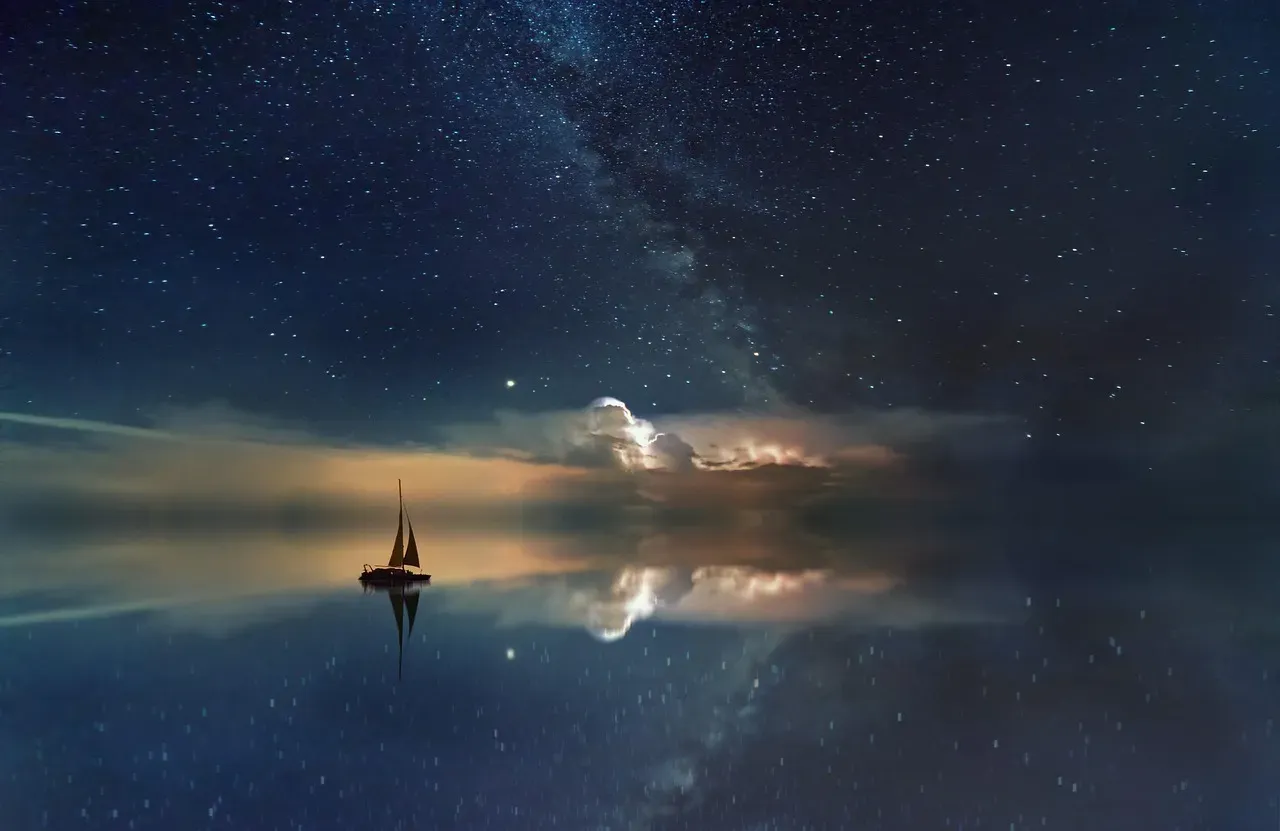
Another huge ancient use for the stars was navigation. If you move a lot – whether on open plains, deserts, or seas – you need stable reference points. Landmarks shift with your path, but the stars rise and set in predictable ways. Different cultures, from nomadic herders to early sailors, learned to recognize key stars or star patterns that reliably marked directions like north, south, east, and west. Even without compasses or GPS, they could follow star paths like invisible highways across the night.
For many of these travelers, the stars were not just route markers but companions. Long journeys are lonely and dangerous, and there is something psychologically grounding about knowing that a particular bright star will stay roughly where it should as the night moves on. It becomes a sort of silent partner in your journey. Personally, whenever I have been out camping far from city lights, I’ve felt a hint of that same trust. Watching a familiar constellation wheel across the sky, you almost feel like you are moving with an old friend who knows the way home.
From Sacred Sky-Watching To Early Proto‑Science
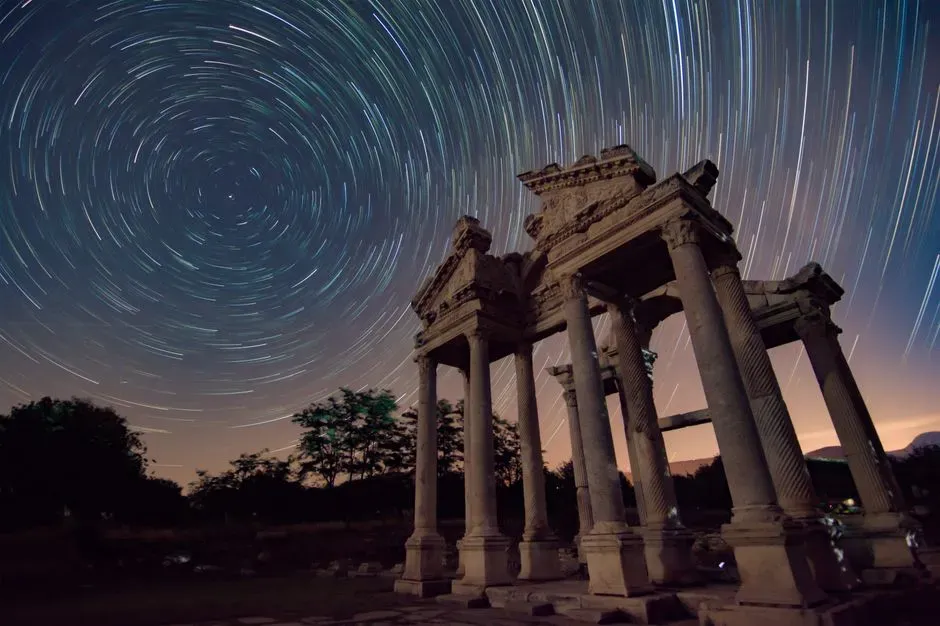
Even though formal astronomy did not yet exist, some ancient sky-watchers slowly edged toward something resembling scientific thinking. Temples, monuments, and stone structures in different parts of the world show careful alignments with sunrise, sunset, or particular stellar events. That kind of precision does not happen by accident; it requires repeated observations, note‑keeping (even if only in memory or oral tradition), and a willingness to test whether the same celestial event will occur again in the same place.
At first, this kind of sky-watching was deeply tied to religion and ritual. Aligning a building with the rising of a star could have symbolic meaning, marking a sacred date or honoring a god. But behind the scenes, it also forced people to pay close, systematic attention to how the sky actually behaves. Over centuries, those observations accumulated like data points, creating a quiet bridge from mythic explanations toward more pattern‑based, almost mathematical reasoning. You can see early astronomy not as a sudden invention, but as a slow shift inside a long‑running tradition of reverent sky‑watching.
What Their Star‑Filled World Can Still Teach Us
It is tempting to look back at ancient ideas about the stars and feel smug. We know the stars are distant suns, we can calculate their distances and sizes, and we have crisp photographs from space telescopes. But if you strip away the technology, there is something deeply impressive about how much early humans wrung out of pure, unaided observation. With nothing but naked eyes and stories, they turned the sky into a calendar, a map, a moral teacher, a family album, and a stage for the biggest questions about existence.
In my opinion, we have gained clarity but lost intimacy. Our model of the universe is far more accurate, and that is a huge win, but most of us rarely look up, and even fewer can name more than a handful of stars. Ancient humans might not recognize our equations, but they would understand the emotional punch of a meteor shower or the eerie feeling of a total eclipse in a way that many of us, glued to screens, barely experience. Maybe the real question is not what they got wrong, but what we have allowed ourselves to stop feeling. The next time you step outside at night, how much of their wonder are you willing to let back in?