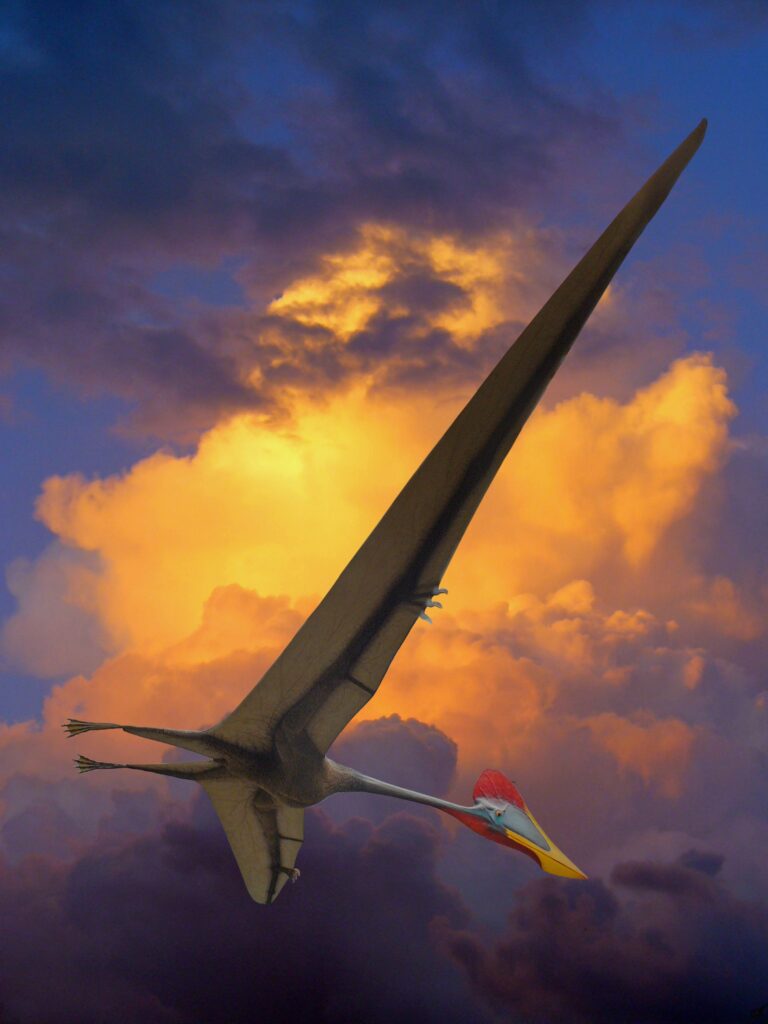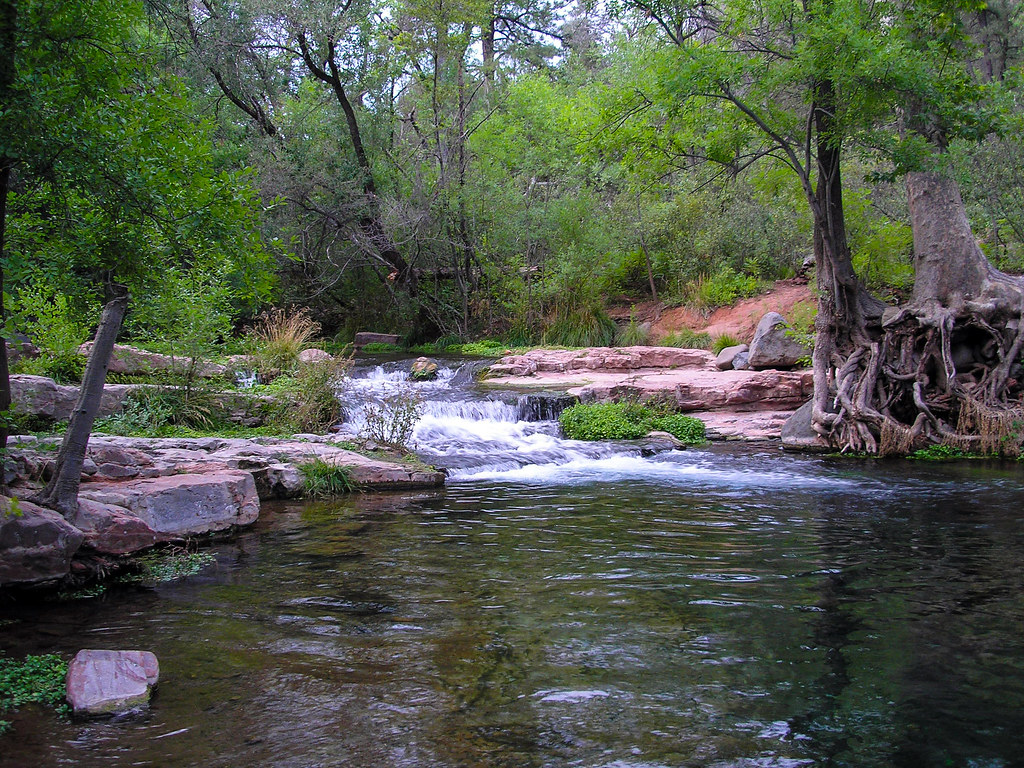
Picture this: millions of years ago, long before humans ever walked the earth, ancient rivers carved pathways across continents that told a remarkable story. These prehistoric waterways weren’t just channels for water – they were nature’s highways, carrying evidence of one of the most extraordinary migrations in our planet’s history.
Today, paleontologists are uncovering secrets hidden in these ancient riverbeds that completely reshape our understanding of how dinosaurs moved across the world. The muddied sediments and dried riverbanks are revealing trackways, footprints, and migration patterns that paint a stunning picture of dinosaur life during the Mesozoic era.
The Discovery of Matching Footprints Across Oceans
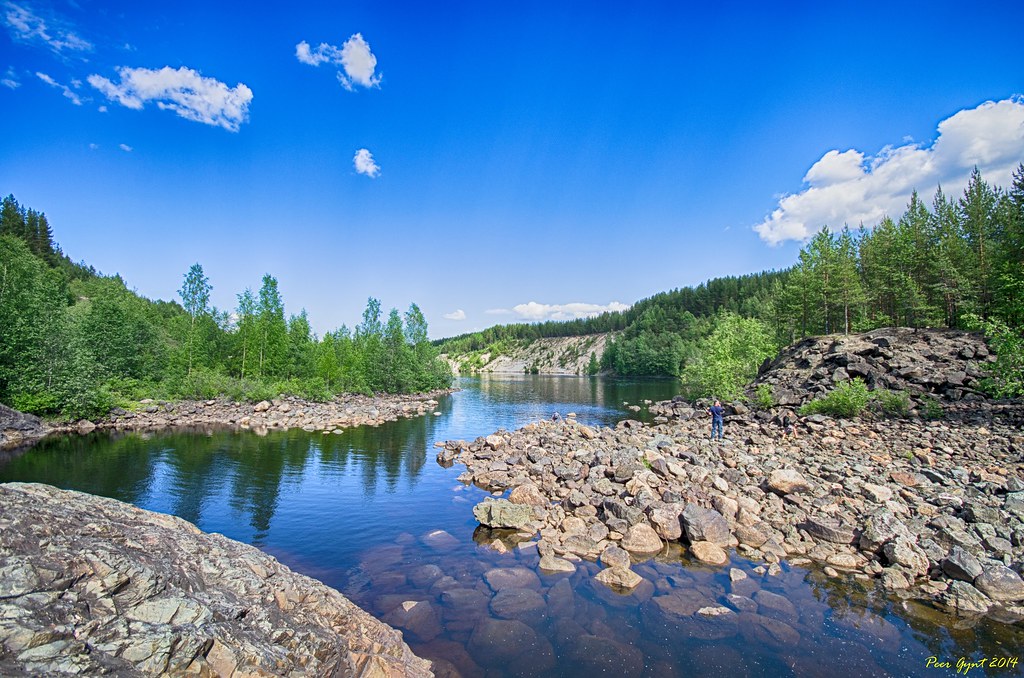
Researchers have uncovered matching dinosaur footprints on separate continents, offering insights into the migration patterns of dinosaurs across a land bridge connecting South America and Africa over 120 million years ago. A groundbreaking study has unveiled a set of nearly identical Early Cretaceous dinosaur footprints on two separate continents, illustrating a prehistoric connection between South America and Africa.
The footprints, impressed into mud and silt along ancient rivers and lakes, were found more than 3,700 miles, or approximately 6,000 kilometers, away from each other. Dinosaurs made the tracks 120 million years ago on a single supercontinent known as Gondwana – which broke off from the larger landmass of Pangea, Jacobs said. This discovery fundamentally changed how scientists view dinosaur migration patterns.
River Corridors as Ancient Migration Highways
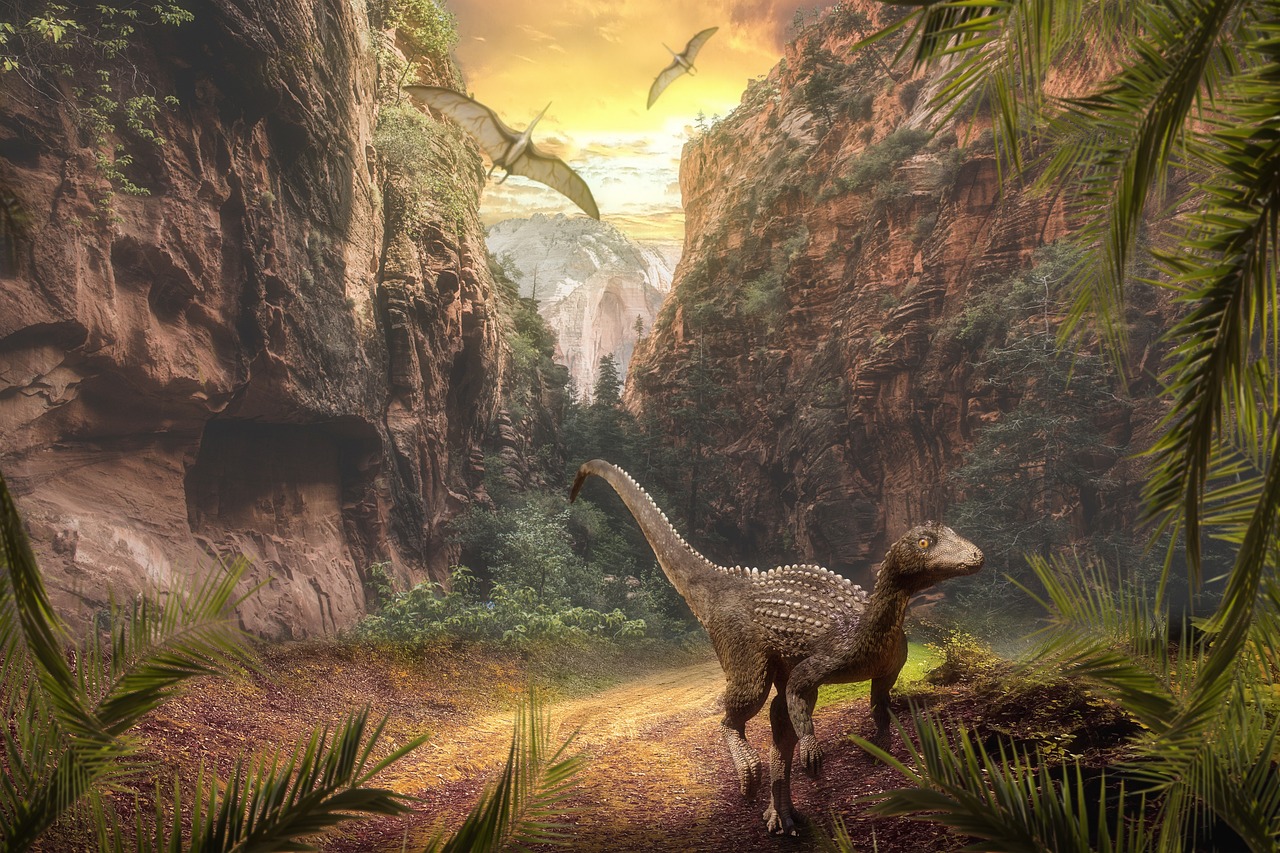
Muddy sediments left by the rivers and lakes contain dinosaur footprints, including those of meat-eaters, documenting that these river valleys could provide specific avenues for life to travel across the continents 120 million years ago. These waterways served as natural migration corridors, much like modern animals follow river systems today.
Even as magma welled up offshore, rivers still braided across the future ocean floor, allowing wildlife to wander freely between the continents. Together, the African and South American sites confirm that dinosaurs strolled across a contiguous landmass long after Pangea began unraveling, using the same river corridors that would later drown beneath the Atlantic. The rivers provided not just pathways, but essential resources that sustained these massive creatures during their long journeys.
Evidence from Seasonal Migration Patterns
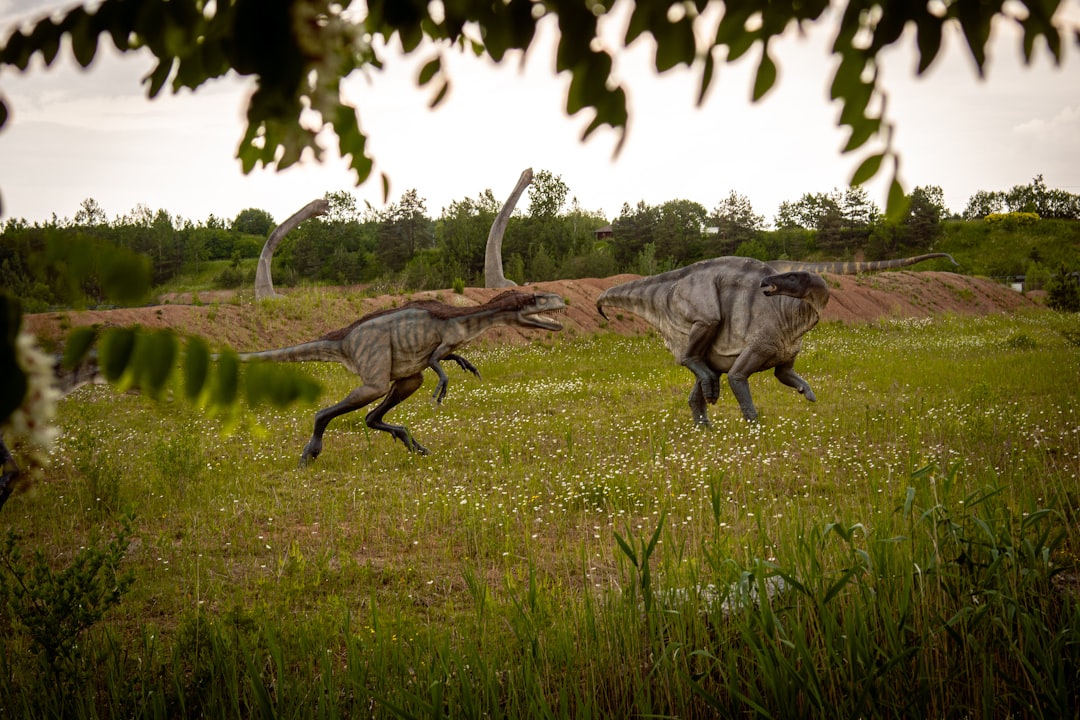
By analyzing fossilized dinosaur teeth, researchers determined that the dinosaurs migrated hundreds of miles from their home to find food and water during dry spells. This is the first direct evidence supporting the theory that certain types of dinosaurs migrated to avoid seasonal food slumps.
Sauropods in western North America were living in an environment that was seasonally dry, that has a pronounced wet season and a pronounced dry season. If you have an animal that needs to eat a lot and drink a lot, it’s going to have to move to access vegetation and to get water. These findings revealed that dinosaurs weren’t just wandering aimlessly – they were following deliberate migration routes that coincided with seasonal changes and resource availability.
Stomach Stones Tell Migration Stories
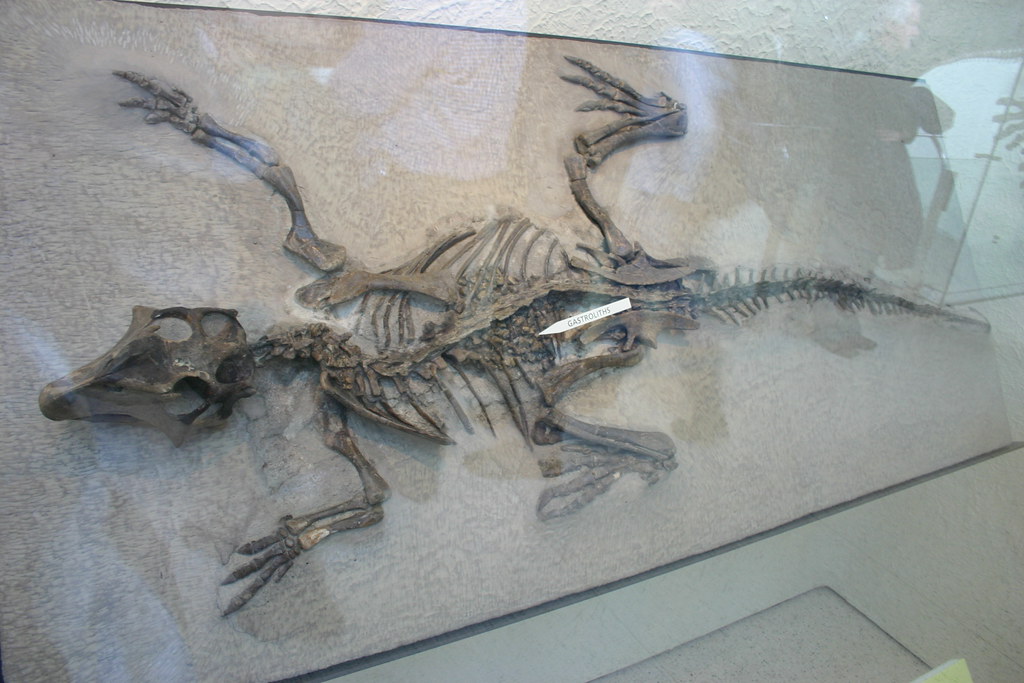
The study is the first of its kind to use so-called stomach stones – rocks known as “gastroliths” that are swallowed to help grind food in the stomach – as a proxy for dinosaur migration, Malone said. But Malone didn’t initially set out to puzzle over dinosaur migration, a little-studied topic in paleontology.
During the late Jurassic, the sediment in the Morrison Formation largely came from eastward-flowing rivers that originated out west, Malone said. But these gastroliths came from the east. These stones, found hundreds of miles from their geological origins, provided concrete proof that dinosaurs traveled vast distances, carrying evidence of their journeys literally in their stomachs.
River Systems as Preservation Laboratories
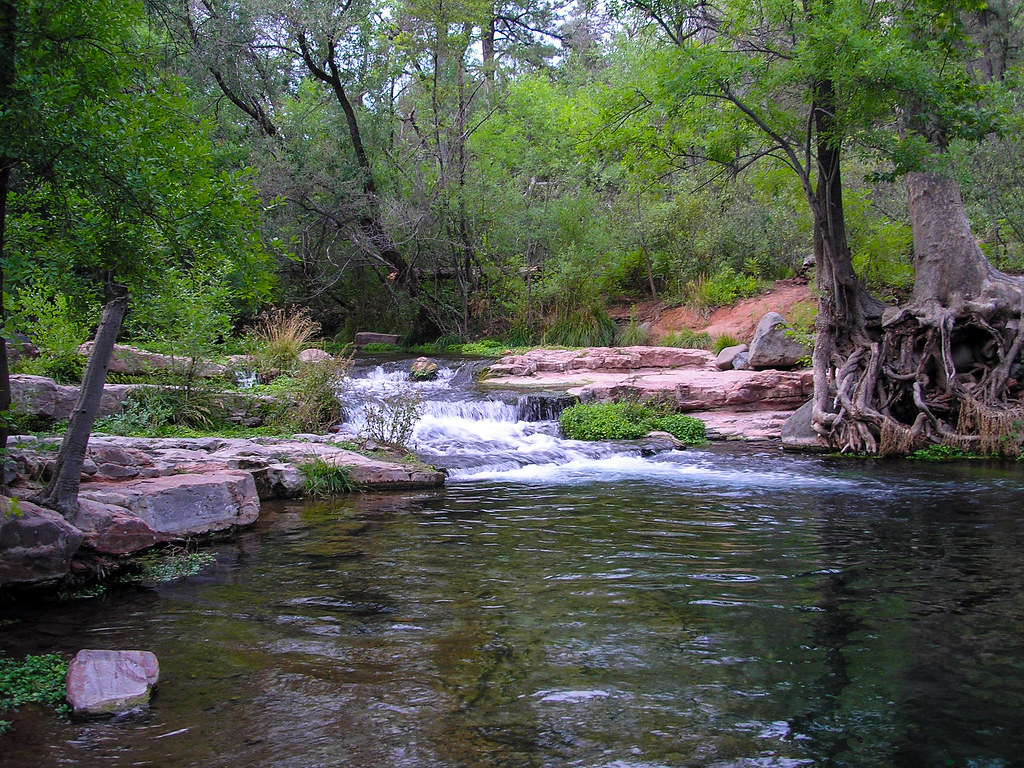
Most dinosaur fossils are found in rocks deposited by ancient rivers, because the rivers moved enough sediment to bury dinosaur remains. Our best dinosaur fossils come from times and places where the animals were rapidly buried, such as in a river moving a lot of sediment, or in a floodplain behind a broken natural levee, or around a lake following the eruption of a nearby volcano producing lots of volcanic ash.
Rivers weren’t just migration routes – they were natural preservation laboratories. Flexible clay soils, often found near rivers, provide an ideal medium for preserving these ancient imprints. For instance, the well-preserved tracks at Dinosaur Valley State Park in Texas showcase various species’ movements along the muddy shore of an ancient shallow sea. The muddy environments created perfect conditions for capturing and preserving footprints that would become fossilized records of dinosaur behavior.
Continental Drift and the Dinosaur Dispersal Corridor
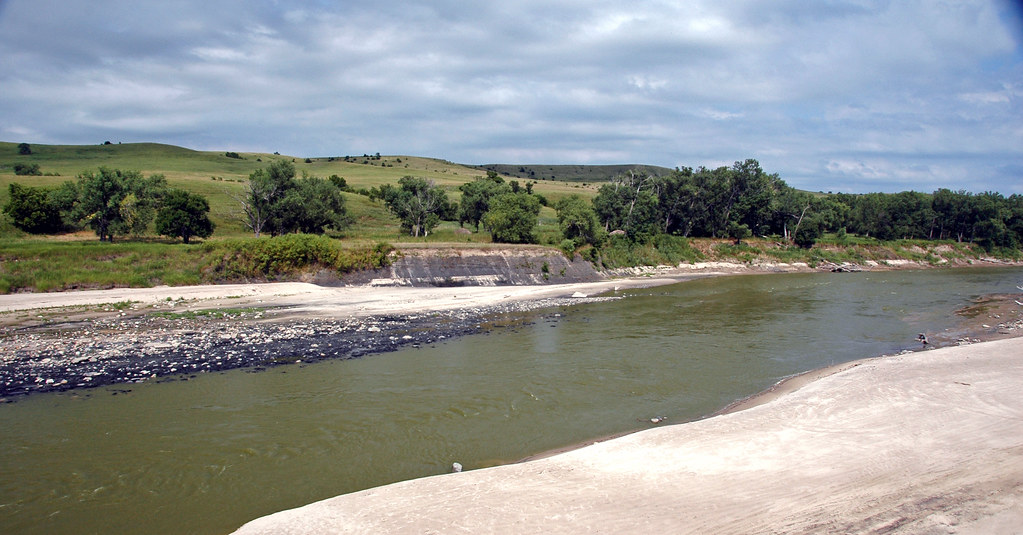
This early Cretaceous landscape, which existed about 120 million years ago, was a lush and vibrant environment where large plant-eating dinosaurs and their predators roamed freely across expansive river valleys and wetlands. Geologists have identified these areas as part of a once-continuous corridor, called the Dinosaur Dispersal Corridor.
One of the youngest and narrowest geological connections between Africa and South America was the elbow of northeastern Brazil nestled against what is now the coast of Cameroon along the Gulf of Guinea. The two continents were continuous along that narrow stretch, so that animals on either side of that connection could potentially move across it. This corridor provided the final pathway for dinosaurs to migrate between continents before the Atlantic Ocean formed.
Trackways Reveal Social Behaviors and Migration Patterns
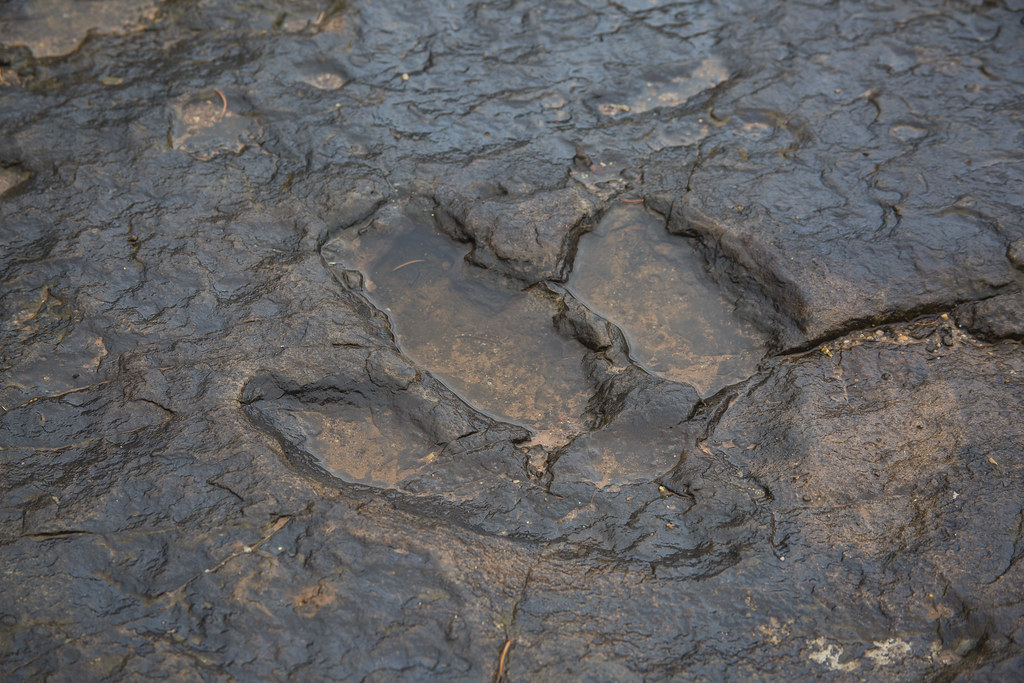
Dinosaur migration patterns, including seasonal, altitudinal, and latitudinal movements, reveal insights into their adaptive behaviors. These migrations were driven by factors such as climate shifts, food availability, and breeding habits.
Most trackways appear to be heading towards the southeast, suggesting systematic migration patterns during the wet season. The preserved trackways show more than just individual footprints – they reveal organized movement patterns that suggest dinosaurs migrated in groups, following established routes that maximized their chances of finding food and suitable breeding grounds.
Modern Technology Unlocks Ancient Secrets
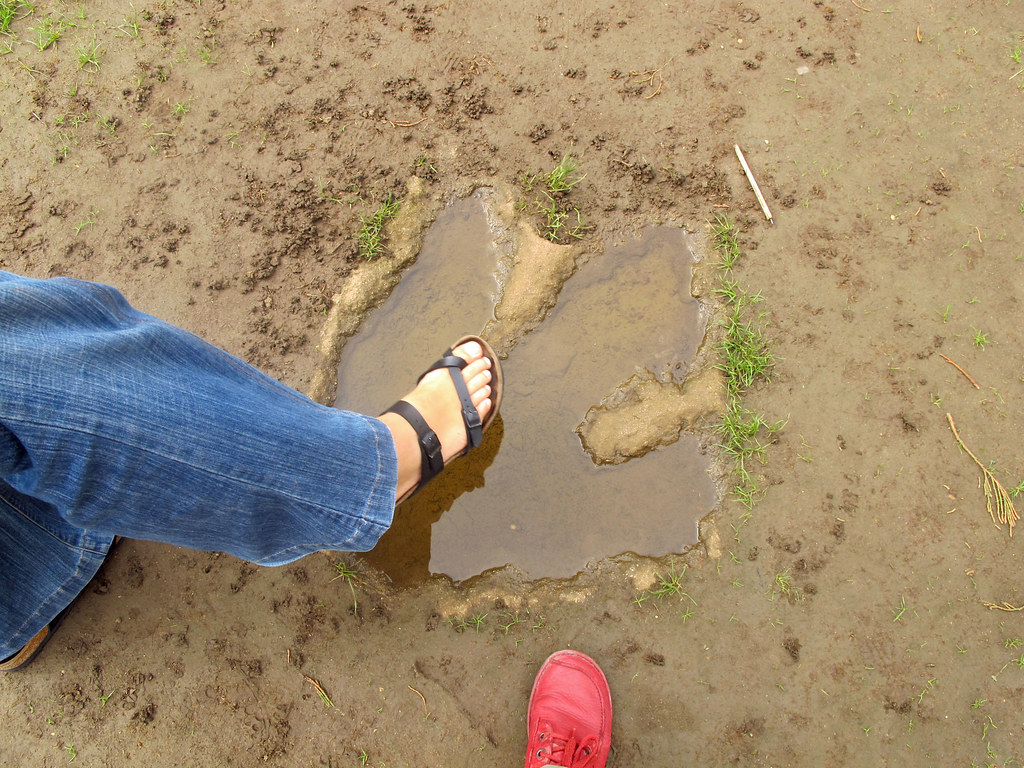
Studying the dispersed footprints sharpens computer models that reconstruct continental drift, improving predictions of where oil, minerals, or groundwater might reside today. They also highlight how living routes shift as climates and coastlines change, offering lessons for wildlife facing modern habitat fragmentation.
Artificial intelligence and machine learning: AI and ML are being used to analyze trackway data and identify patterns that may not be apparent to human researchers. 3D printing and modeling: 3D printing and modeling are being used to create replicas of trackways and simulate the movement of ancient animals. These technological advances allow scientists to analyze migration patterns with unprecedented precision and create detailed reconstructions of ancient ecosystems.
Rivers were the unsung heroes of dinosaur migration, serving as highways, resource centers, and natural preservation systems all rolled into one. Through their muddy banks and fossilized trackways, we’ve learned that dinosaur migration wasn’t random wandering but sophisticated movement patterns that spanned continents and seasons. These ancient waterways continue to teach us about life on Earth millions of years ago, proving that sometimes the most profound discoveries flow from the most unexpected sources.
What do you think about these incredible revelations hidden in ancient riverbeds? Tell us in the comments.