
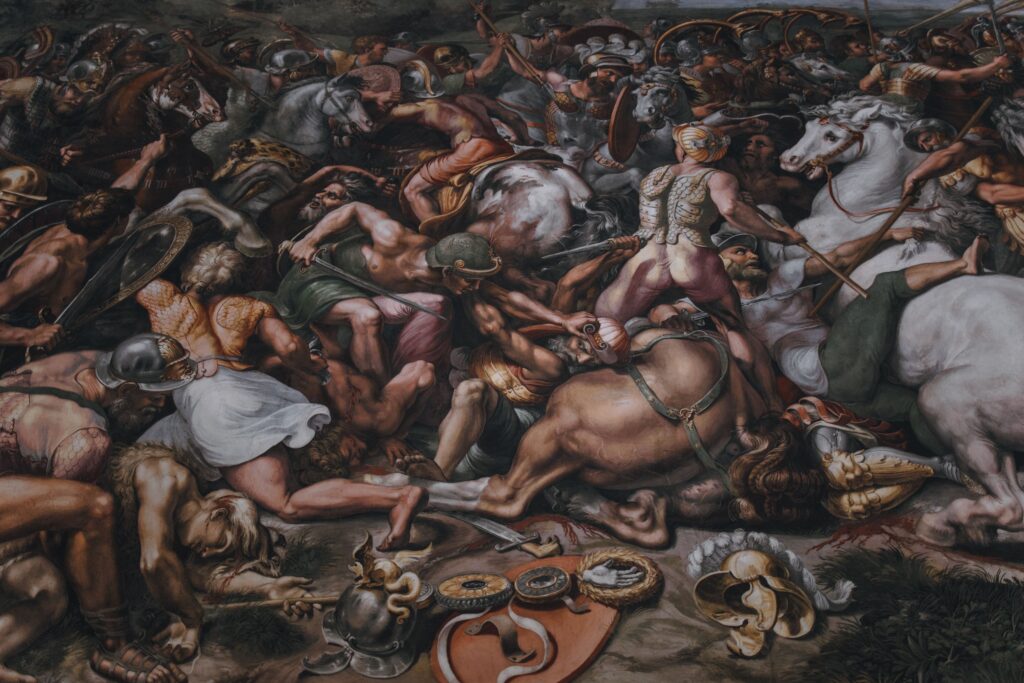
Every so often, archaeology delivers a discovery that feels less like a footnote in a textbook and more like the opening scene of an epic movie. A quiet riverside field is peeled back with shovels and trowels, and suddenly you’re in the middle of chaos frozen in time: weapons scattered, bones broken, clues to a forgotten clash that rewrites everything we thought we knew about the Bronze Age. That is exactly what has happened at the site of a three‑thousand‑plus‑year‑old battle in northern Europe, where the evidence looks more like a storyboard from an action film than a polite historical record.
The deeper archaeologists dig, the stranger and more cinematic the story becomes. Instead of tidy burials and carefully arranged artifacts, they’re finding violent injuries, lost gear, and signs of a huge, organized fight in a place that was never supposed to host a major battlefield. The result is a mystery that pulls together forensics, climate history, weapons tech, and human drama. If you’ve ever wondered what it would be like to walk through the set of an ancient war movie after the cameras stop rolling, this is about as close as it gets.
A Battlefield Hidden Beneath a Quiet Valley
Imagine standing in a peaceful, swampy valley with birds calling overhead and reeds moving in the wind, and then realizing you are literally standing on top of thousands of ancient bones and weapons. That is the jarring contrast archaeologists faced in a river valley in what is now northern Germany, where the remains of an enormous battle that took place more than three thousand two hundred years ago were uncovered. For generations, locals treated the area as just another rural landscape; no towering ruins, no famous fortresses, nothing that screamed “major turning point in history.”
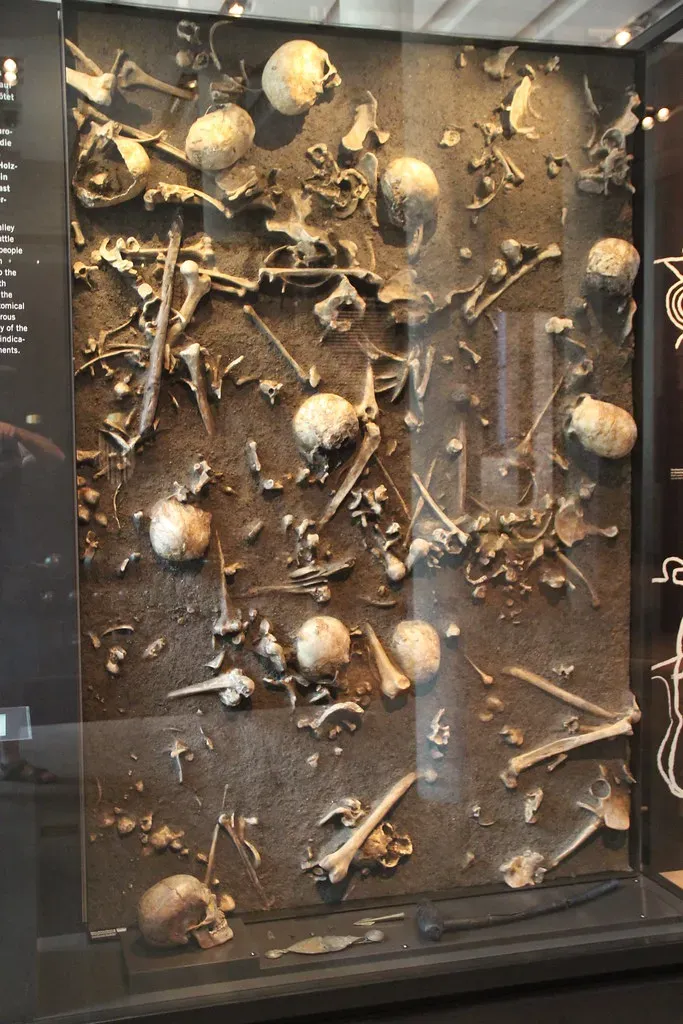
The first finds were almost accidental: a single bone here, a weapon there, the kind of thing that could easily be written off as random debris from different times. But as systematic excavations began, the pattern became impossible to ignore. Layer after layer of human and animal remains, mixed with weapons and fragments of gear, emerged from the mud of the riverbed and banks. The quiet valley turned out to be a mass grave by default, a place where the dead were never formally buried but simply swallowed by water and sediment after the fighting ended.
Skeletons That Read Like Forensic Crime Reports
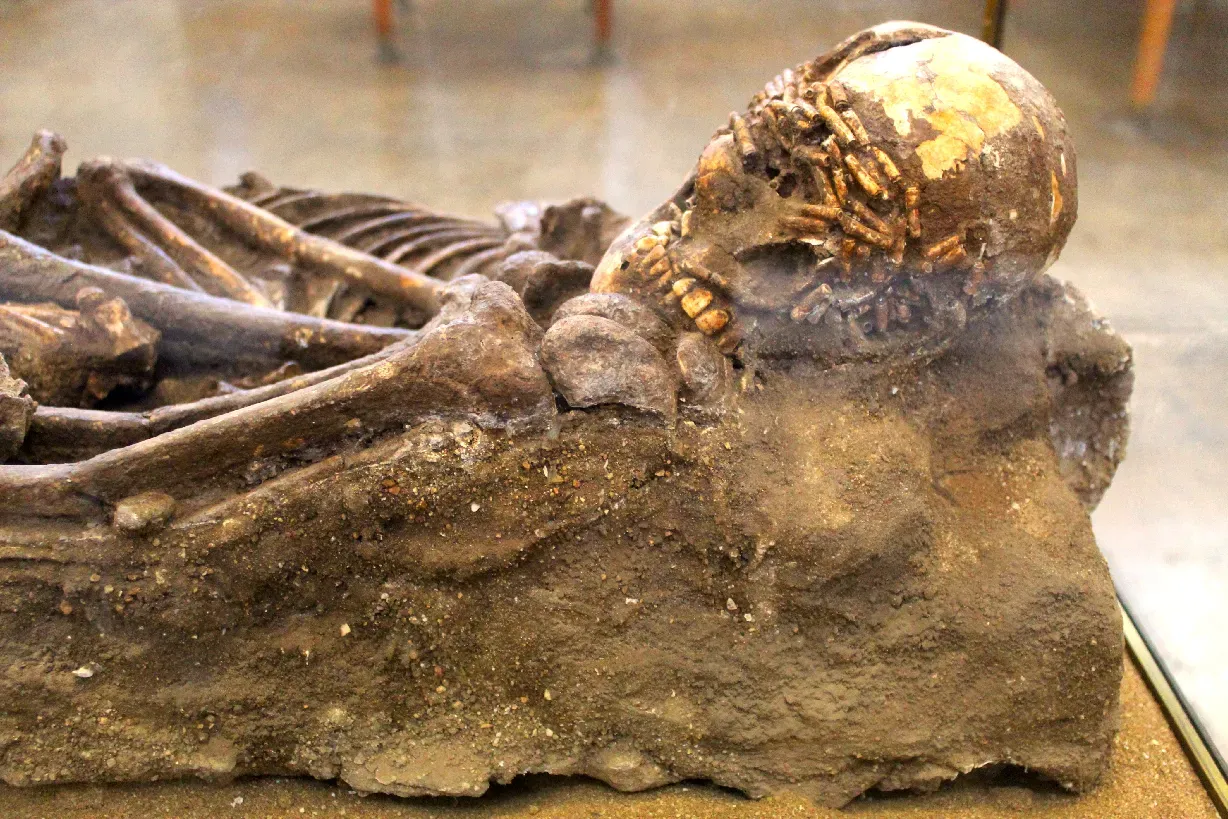
If you stripped away the dates and just looked at the bones, you could mistake this for a modern crime scene investigation. Many of the skeletons show clear, brutal trauma: smashed skulls, broken noses, ribs pierced by blades, and long bones split in ways that match blows from heavy weapons. These are not peaceful deaths. They’re sudden, violent endings that fit the profile of hand‑to‑hand combat, where opponents closed in on each other with spears, swords, and clubs.
What makes it feel almost cinematic is how specific some injuries are. A spear tip lodged in a shoulder, an arm broken in what looks like a defensive move, a skull fractured from behind as if the victim never saw the final strike coming. In some cases, wounds show signs of earlier trauma that had healed, meaning these individuals had survived violence before and perhaps lived a life where fighting was a recurring risk. It is like discovering that several “characters” in this story had been through earlier episodes before this final, catastrophic climax.
Weapons, Gear, and the Unexpected Professionalism of the Fighters
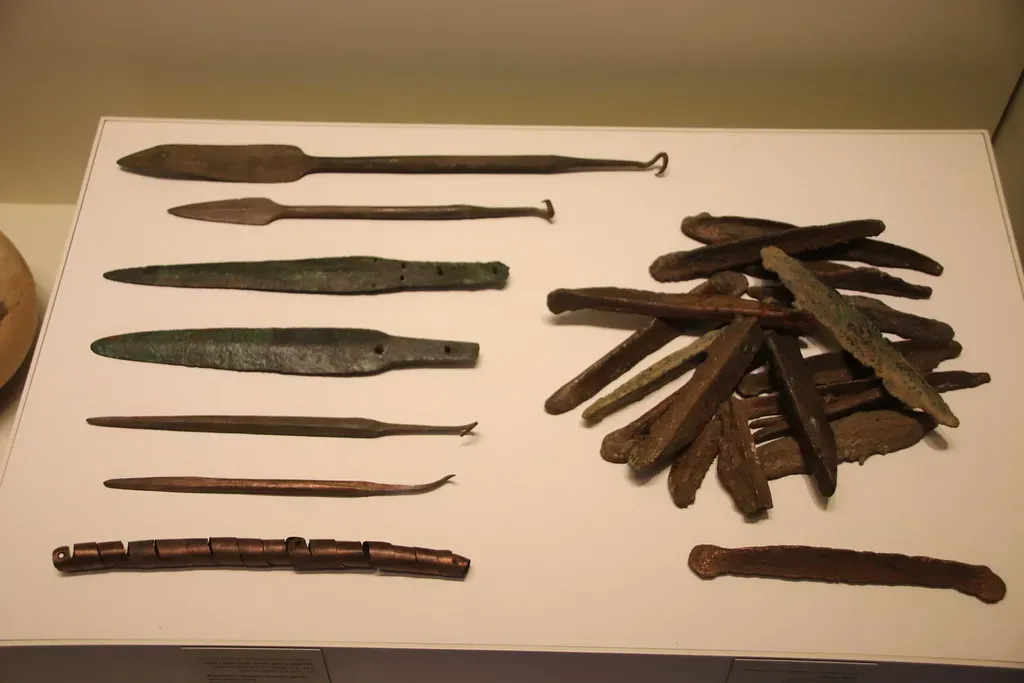
The battlefield is littered with the ancient equivalent of dropped props: spearheads, arrowheads, daggers, fragments of shields, and pieces of personal equipment that never made it home. These are not crude, improvised tools; they are carefully crafted weapons that match the technological standards of the late Bronze Age. Metal spearheads with standardized shapes, well‑balanced blades, and even signs of repair or reuse suggest that whoever fought here took warfare seriously. This wasn’t just a handful of angry farmers with pitchforks.
Equally telling are the more subtle pieces of gear: belt fittings, ornaments, and items attached to clothing that point to a certain level of status and organization. Some weapons and artifacts show styles and metalworking traditions that likely come from regions far beyond the valley itself, hinting that fighters may have traveled long distances or belonged to groups with wide‑ranging connections. The more the team mapped the finds, the clearer it became that this looked much more like a clash of organized forces than a spontaneous local brawl.
Clues to an Army on the Move, Not a Local Militia
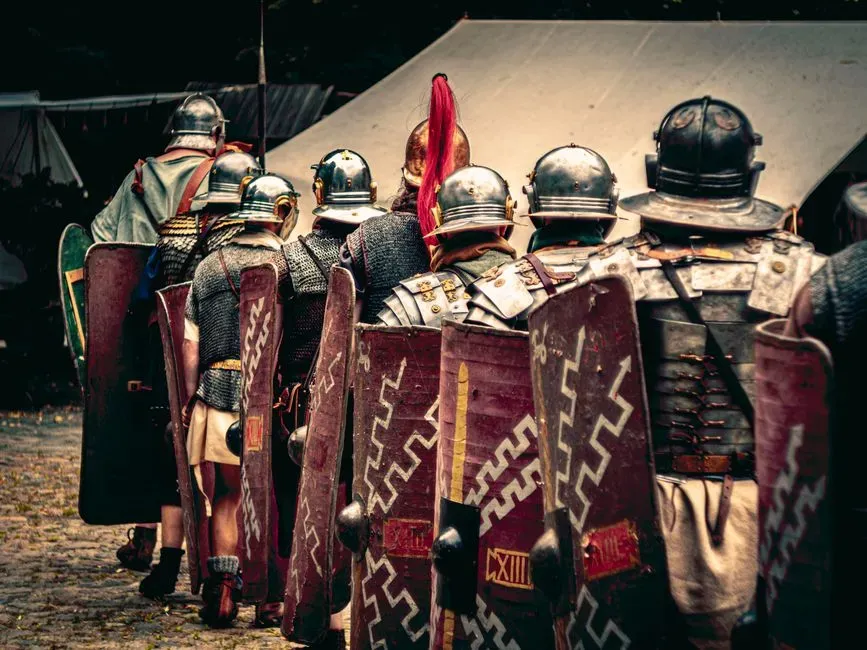
One of the most surprising twists is that the people who died here do not seem to have all been locals. Isotope analyses of teeth and bones, which can reveal information about where a person grew up based on the chemistry of local water and soil, show that some fighters came from regions quite distant from the battlefield. In simple terms, their bodies carry the signature of other landscapes, possibly even from across modern national borders. That’s not what many historians expected for this part of Bronze Age northern Europe, which was long imagined as a patchwork of small, isolated communities.
Put together, the evidence points toward something that looks suspiciously like a real army rather than a random gathering of neighbors with grudges. You have large numbers of young adult males, equipped with professional‑grade weapons, moving through a landscape in coordinated fashion until they clash at a narrow river crossing. It feels like stumbling onto the aftermath of a big-budget battle sequence in which thousands of extras were brought in from across the map. For a region previously thought to lack large‑scale military organization, that is a narrative shake‑up of the highest order.
A River Crossing Turned into a Killing Funnel
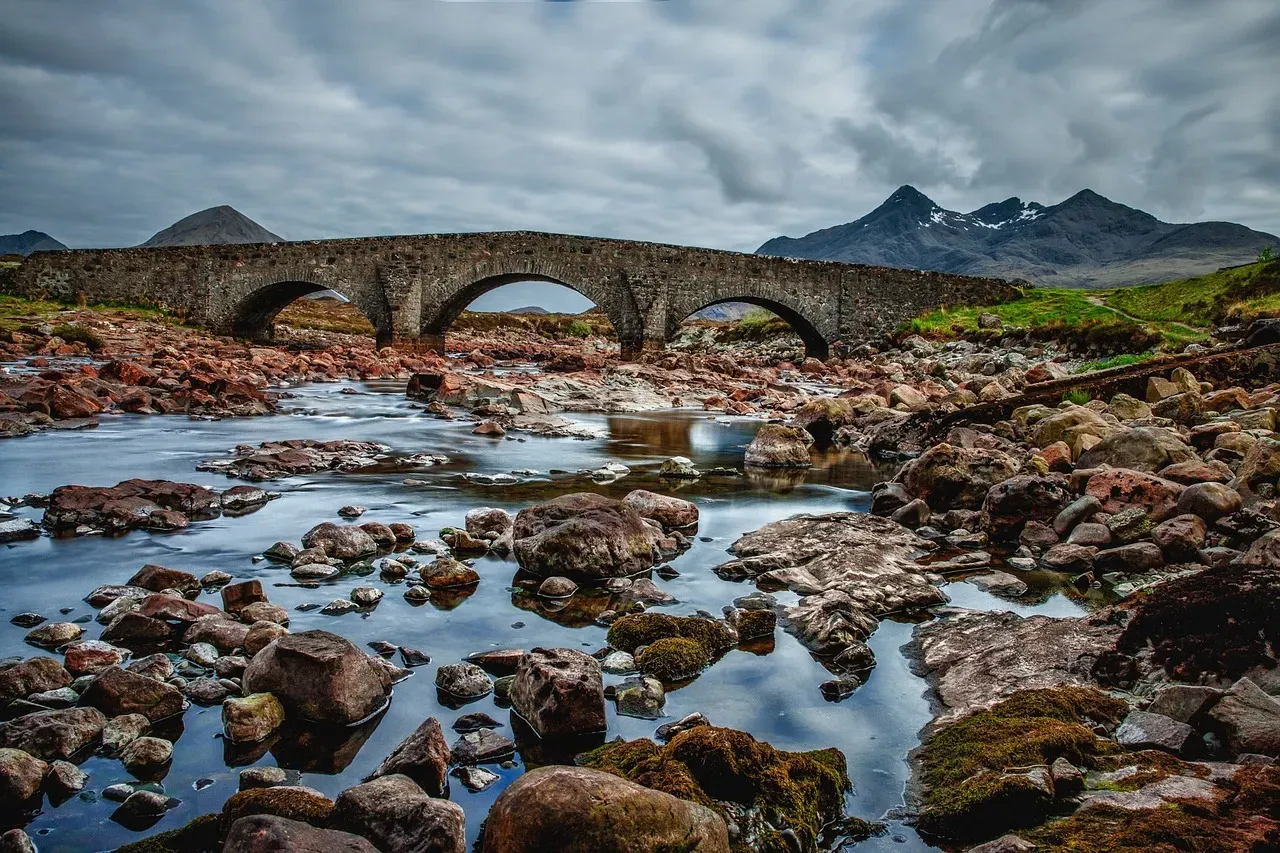
The terrain itself adds another layer of drama to the story. The battle took place in a constricted river valley, likely at or near a crossing point where people and animals had to wade or ford the water. That kind of bottleneck is a tactician’s dream and a defender’s best friend: if you can force your enemy into a narrow corridor, you can cut them down much more efficiently than on open ground. Archaeologists found dense concentrations of remains in certain parts of the valley, exactly where you’d expect the worst fighting in an ambush or stand‑off around a crossing.
It is easy to imagine one side controlling the high ground or the approach to the water while the other struggled to push through under a flurry of projectiles and close‑range strikes. The pattern of finds – broken weapons, piled bones, scattered gear – supports a picture of chaotic retreat and pursuit rather than neat battle lines that held and then politely withdrew. In that sense, the river valley becomes almost like a character in the story, shaping the events and amplifying the violence in the same way a narrow pass or bridge often does in modern war movies.
What This Battle Says About a Europe on the Edge
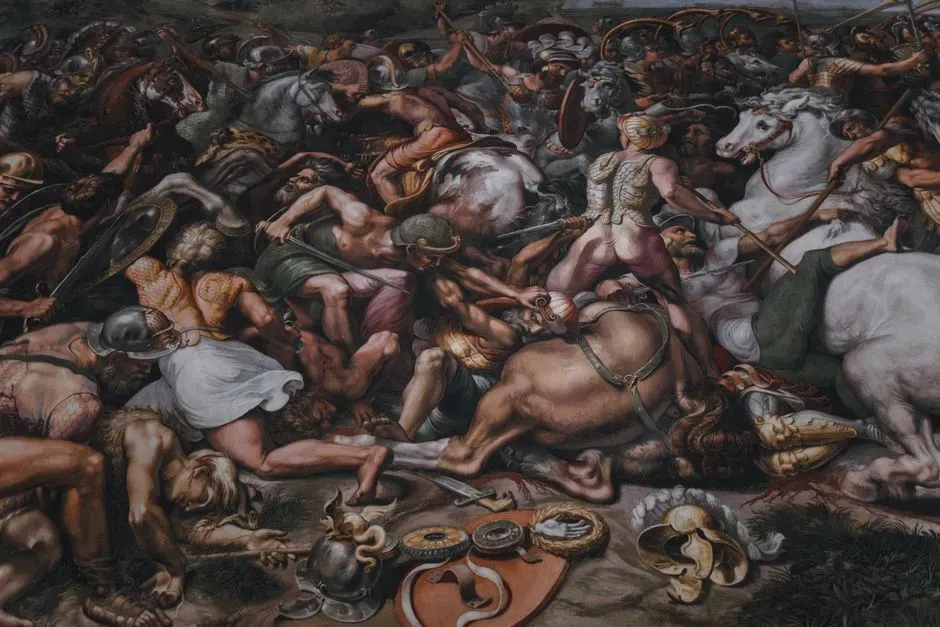
Perhaps the most unsettling part of this discovery is what it implies about the broader Bronze Age world. Around the time this battle took place, major civilizations in the eastern Mediterranean were heading toward collapse: palaces burned, trade networks fractured, and long‑standing powers fell. For a long time, northern Europe was treated as if it sat on the sidelines of that drama, slowly evolving in the background. The evidence from this valley suggests that is far too simple a picture. Large, coordinated groups were already capable of long‑distance movement and lethal organized conflict here.
This does not mean we can pin the battle to a specific kingdom, a named leader, or a famous event in surviving texts, and that uncertainty can be frustrating. But it does mean the region was much more politically and militarily complex than the old storylines admitted. In my view, the site hints at a Europe already plugged into a wider atmosphere of tension, shifting alliances, and competition for resources. Instead of a quiet backwater, you get something closer to a frontier zone in a prestige drama: less documented, but still humming with high stakes and dangerous encounters.
Why This Battlefield Feels More Like a Film Than a Chronicle
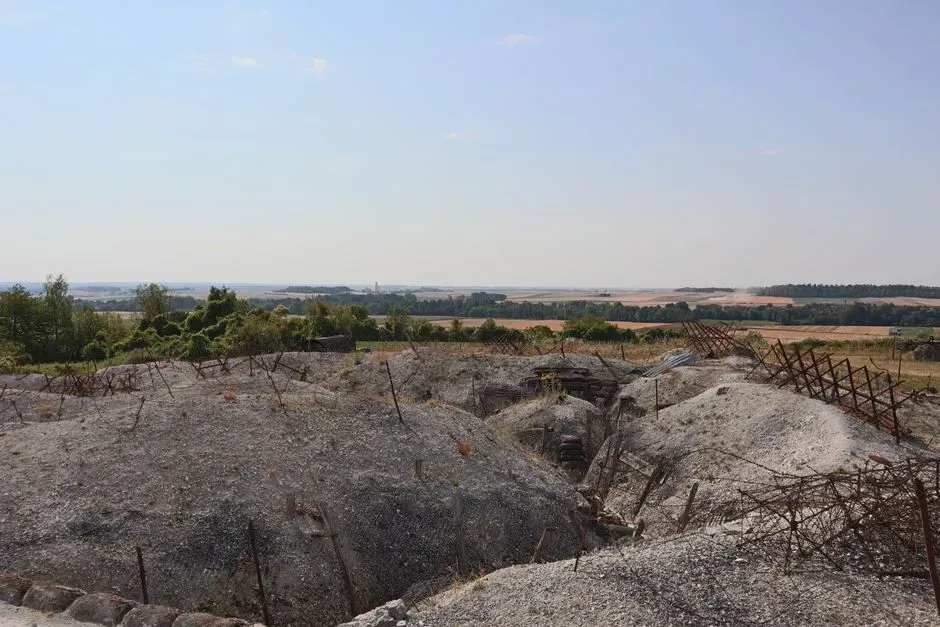
One reason this site grips the imagination is that it refuses to give us the neat, text‑driven closure we are used to from later periods. There are no surviving written accounts from the people who fought and died here, no official report explaining why hundreds of men ended up in that river. All we have are the physical traces of their last desperate moments, which archaeologists have to weave into a story using techniques borrowed from forensics, climatology, and comparative history. That blend of uncertainty and vivid detail is exactly what makes it feel like the rough cut of a powerful war film rather than a finished documentary.
Personally, I find that tension between evidence and imagination both exciting and humbling. It forces us to accept that history is not a tidy line of known events but a patchwork where some of the most dramatic scenes survive only as fragments of bone and metal. At this battlefield, those fragments are intense enough that you can almost hear the shouting and clashing when you look at them, yet the motivations and names behind it all remain in shadow. Maybe that is the real power of this discovery: it reminds us that the past was full of people whose struggles were just as epic as any modern script, even if no one ever wrote their story down in words.
Conclusion: A Brutal Reminder That Our Past Is Bigger Than Our Stories
When you step back from the technical details, this ancient battlefield feels like a sharp slap to some comfortable assumptions. For years, many people pictured Bronze Age northern Europe as a slow, almost sleepy world of small villages and modest skirmishes on the margins of “real” history. The evidence from this river valley blows that image apart. You have organized forces, long‑distance fighters, lethal weapons, and tactical use of terrain, all wrapped into a single catastrophic clash more than three thousand two hundred years ago, with no surviving chronicle to claim it.
My own take is that this site should make us more skeptical of neat historical narratives and more open to the idea that huge, transformative events can vanish from written memory but survive in mud and bone. It is a reminder that behind every blank space on the map of history, there may have been a drama as intense as anything we stream today, just waiting for someone with a trowel and patience to uncover it. If a quiet valley can hide a battle of this scale for millennia, how many other film‑worthy stories are still lying just below our feet, completely unknown?