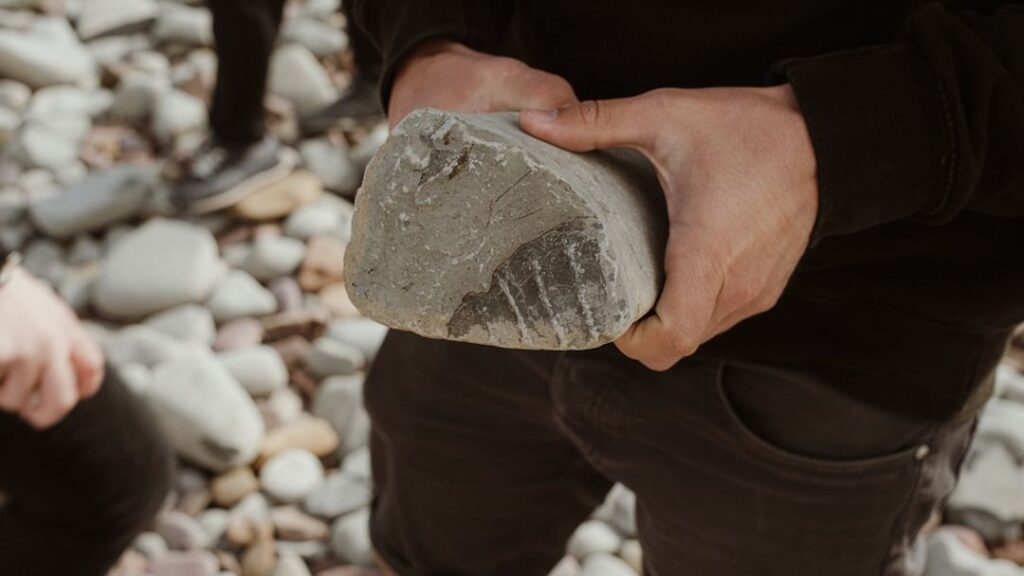
Imagine picking up a rock on a hike, only to realize you might be holding something that lived millions of years ago. It sounds surreal, right? The truth is, fossils are hiding in plain sight far more often than most people think. They turn up on beaches, in riverbeds, on mountainsides, and yes, sometimes even in people’s backyards.
Paleontology is the scientific study of past life, using fossils to understand evolution, the environment, extinctions, and other prehistoric characteristics and events. For beginners, stepping into this world can feel overwhelming. But here’s the thing – you don’t need a PhD or fancy equipment to start. You just need to know what to look for. Let’s dive in.
What Exactly Is a Fossil, and Why Does It Matter?
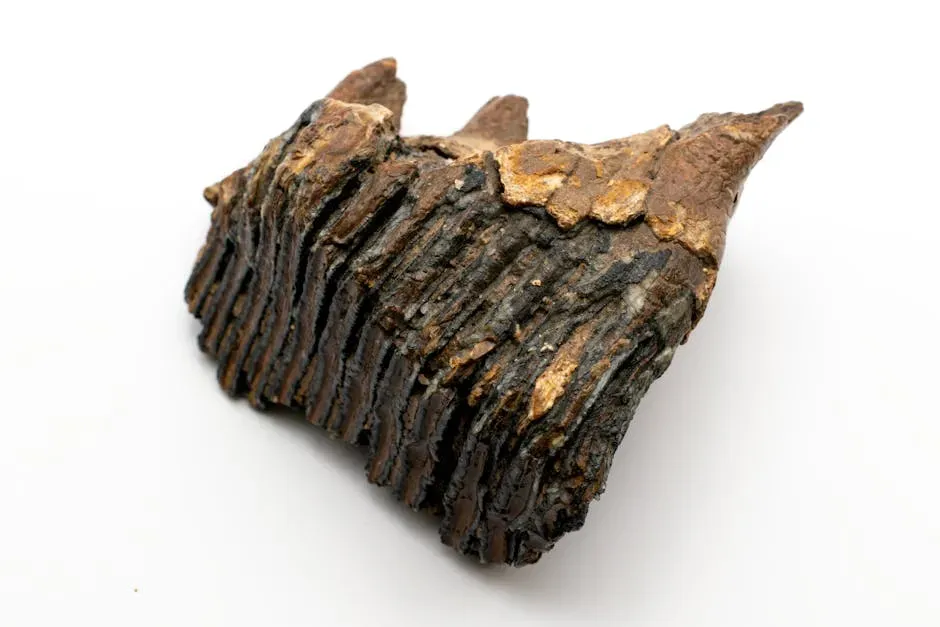
Before you can spot a fossil, you need to know what one actually is. Think of it like trying to find a specific flavor of candy in a mixed bag – if you don’t know what you’re looking for, you’ll keep grabbing the wrong ones. A fossil is the remains or impression of an organism from a previous geological time period that has been preserved in the Earth’s crust. It’s essentially nature’s own time capsule, frozen in stone for the rest of us to discover.
Plants, animals, bugs, wood, and even poop can be fossils. They can take the form of bones, shells, impressions, amber, petrified wood, oil, coal, and more. That’s a shockingly wide range, and it means you’re never quite sure what form your fossil might take. To be considered a fossil, a specimen must be more than 10,000 years old, which gives you a sense of just how ancient these preserved wonders truly are.
How Do Fossils Actually Form?
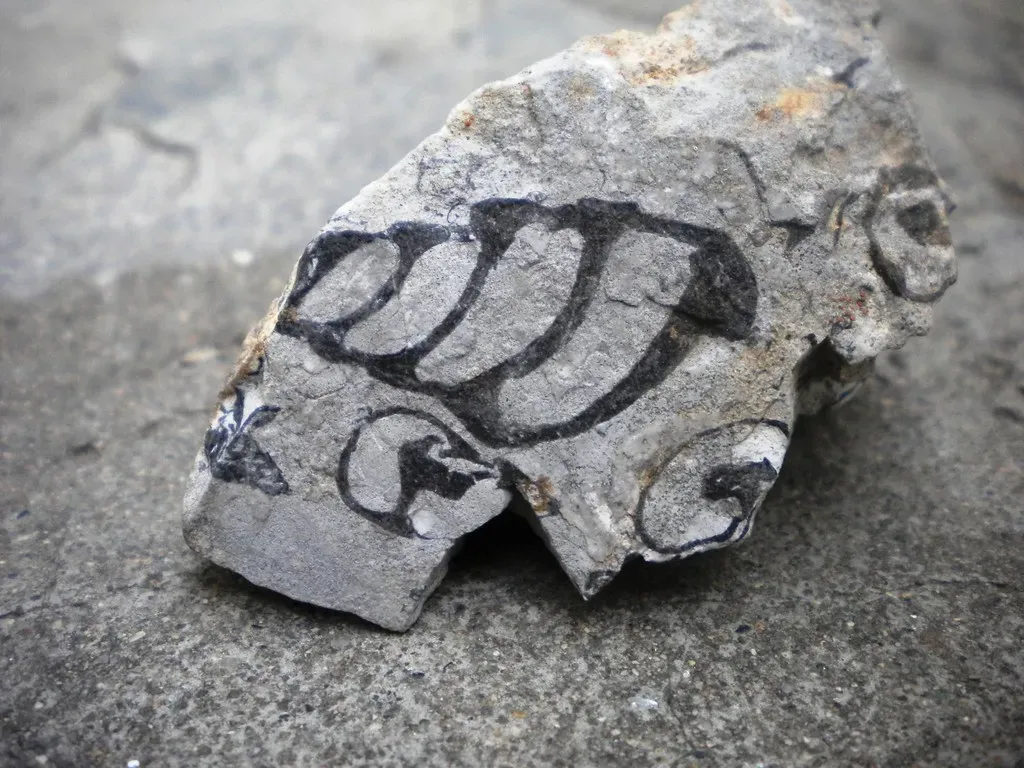
Here’s where it gets genuinely fascinating. The process of fossilization is not as simple as something dying and hardening into stone overnight. Far from it. A fossil forms when organic, living material is replaced with inorganic materials and minerals. It’s a slow, grinding process that takes thousands or even millions of years to complete.
As sediment builds up over time and a bone sinks deeper into the Earth’s surface, the surrounding sediment turns to rock and the water and minerals that get into the spaces of the bone crystallize it. Fossilization is a rare and intricate process that occurs under very specific conditions. In fact, fossils occur commonly around the world, although just a small proportion of former life made it into the fossil record. Most living organisms simply decayed without trace after death. That’s what makes finding one so thrilling.
The Key Visual Signs That You Might Have a Fossil
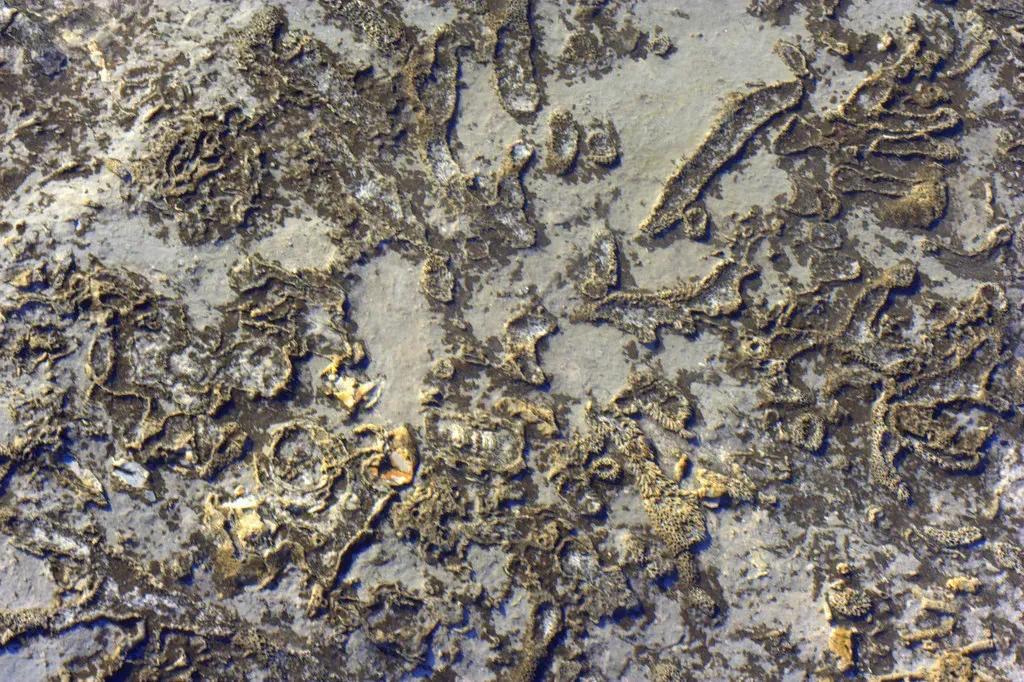
So you’ve picked up a strange rock and something feels different about it. Good instinct. Your eyes are your first and most powerful tool. Paleontologists examine the surfaces of potential fossils. If they are smooth and do not have any real texture, they are probably rocks. A genuine fossil often carries the visual “memory” of a living thing – ridges, curves, or organic patterns that no ordinary rock would produce on its own.
The final thing to check is if there are holes or pores in the object. If it has none, you are likely dealing with petrified wood. If it does have holes or pores, then you may be dealing with a fossilized bone. Honestly, once you train your eye to look for these subtle structural clues, spotting a potential fossil starts to feel almost intuitive. It’s like learning a new visual language.
Weight, Color, and Texture: The Physical Checklist
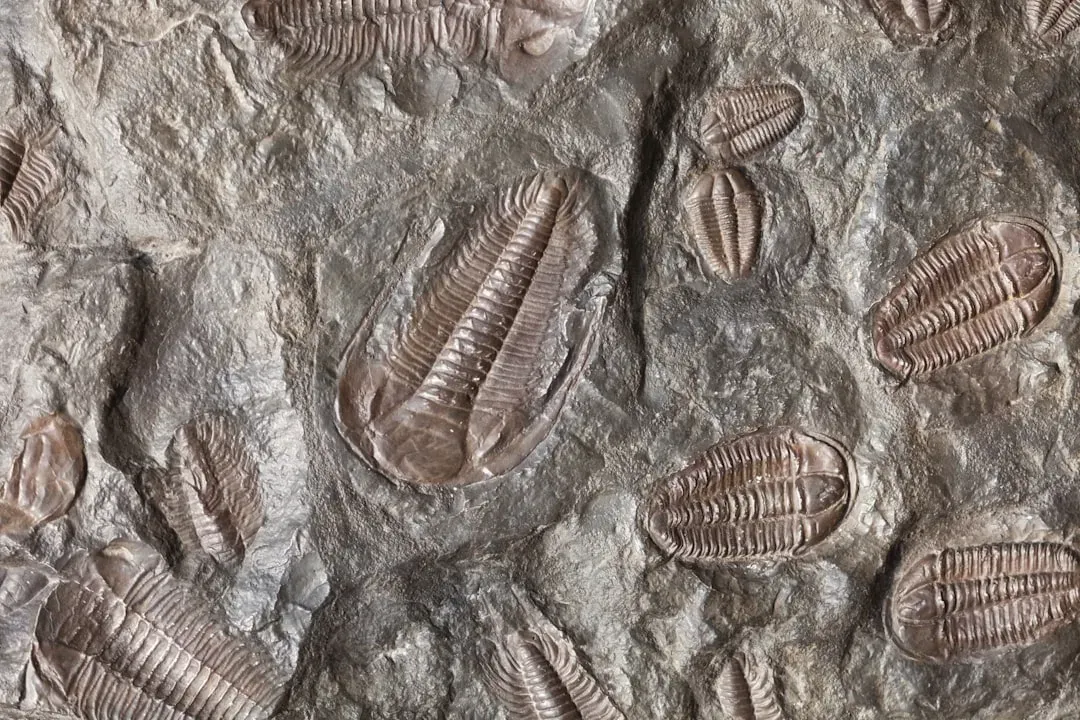
Let’s get practical. When you hold an object and it feels surprisingly heavy for its size, that’s your first hint worth investigating further. When checking if something is a fossil, the first thing paleontologists check is the weight. When something becomes a fossil, it becomes mineralized, or made of minerals. This usually means an increase in weight. A fossil bone is heavier than a normal bone, noticeably so. Think of it like the difference between a hollow plastic toy and a solid metal replica of the same shape – one feels almost surprisingly dense.
The next thing paleontologists check is the color. If an object is heavy and has a light color, it is usually not a fossil unless it has an obvious fossil imprint in it. Darker hues tend to signal mineralization. If the object is smooth, chances are you’ve got a rock. If it is rough, or there are breaks and cracks, then it is time for the final test. Taking these three physical checks in order – weight, color, texture – gives you a solid framework, even as a complete beginner.
The Tongue Test: Strange but Surprisingly Effective
I know it sounds ridiculous. But stay with me here, because this is one of those bits of paleontology knowledge that genuinely surprises people. A fossil lick will feel stickier than a stone because of the porous nature of bone. As the organic material of the creature breaks down over time, the inorganic material sticks around longer. These parts of the bone were made of minerals like calcium, which leaves a fragile, porous mineral in the shape of the internal bone structure.
Paleontologists have been known to put a possible fossil to their tongue. If it sticks to the tongue, it is a fossil. If it does not, it is not. It’s not the most glamorous method in the scientific toolkit, but it works. Think of it as the paleontologist’s version of testing a 9-volt battery on your tongue – a little weird, completely harmless, and oddly satisfying when it gives you an answer.
Where Should You Actually Be Looking?
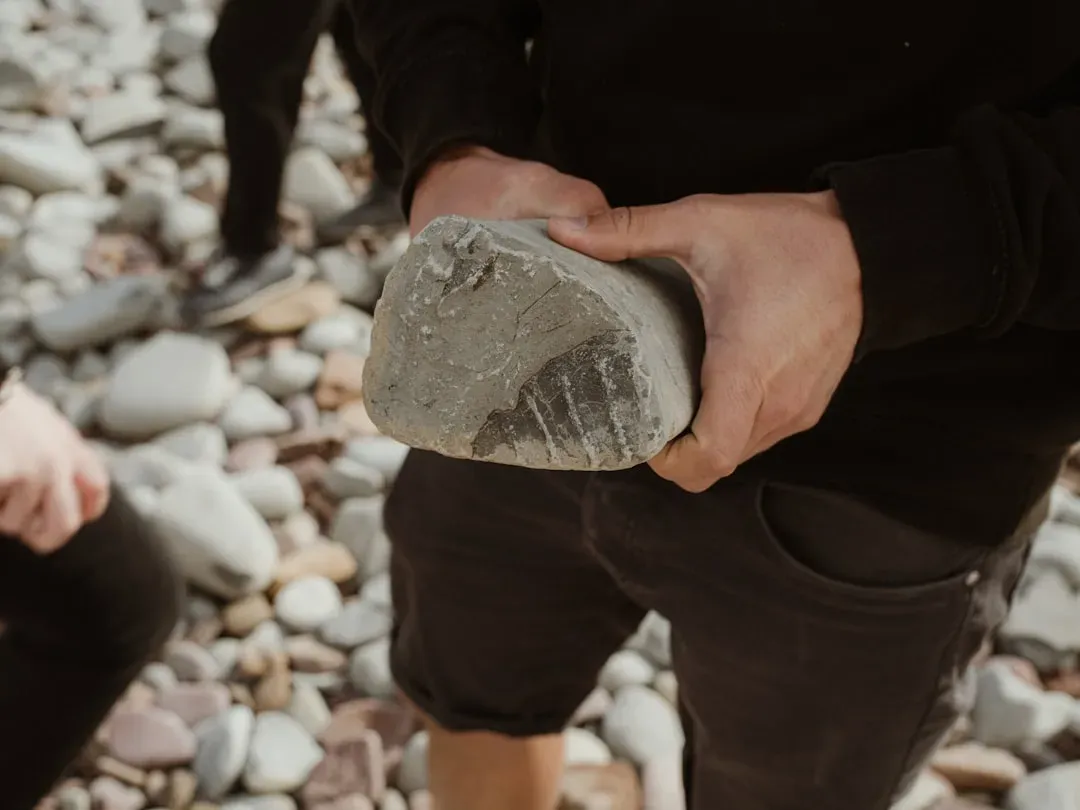
Location is everything when it comes to fossil hunting. You wouldn’t go looking for seashells in the desert and expect great results, and the same logic applies here. If you want to find fossils, knowing what kind of rocks to search in is half the battle. Most fossils hide out in sedimentary rock. When tiny bits of rocks and minerals join together over millions of years, they become sedimentary rock. Plants and animals that become sandwiched in this sediment eventually turn into fossils.
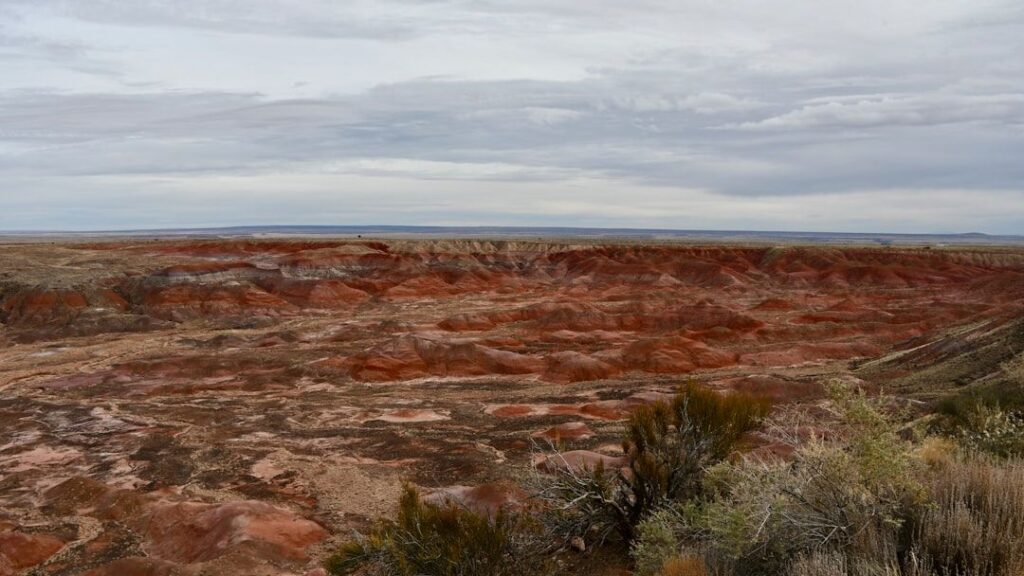
Good places to find fossils are outcrops – places where old rock is exposed by wind and water erosion and by other people’s digging. Sedimentary rocks look like layered pancakes. Check out stream cuts, bluffs, sea cliffs, road cuts, or any place where bedrock is eroding. It’s worth remembering, too, that real fossils will only turn up in particular rock formations in certain areas around the world. Doing a little research on your local geology before you head out can save you hours of fruitless searching.
Trace Fossils, Amber, and the Unusual Forms Fossils Can Take
Most people picture bones when they think of fossils. That’s understandable – it’s the image museums have popularized for over a century. Plants and animals aren’t the only things that can be fossilized; the things they leave behind can be too. Trace fossils occur when evidence of an animal, such as footprints or burrows, are left behind. Coprolites, or fossilized feces, are another kind of trace fossil. Imagine holding what is essentially ancient excrement, millions of years old. Nature is wild.
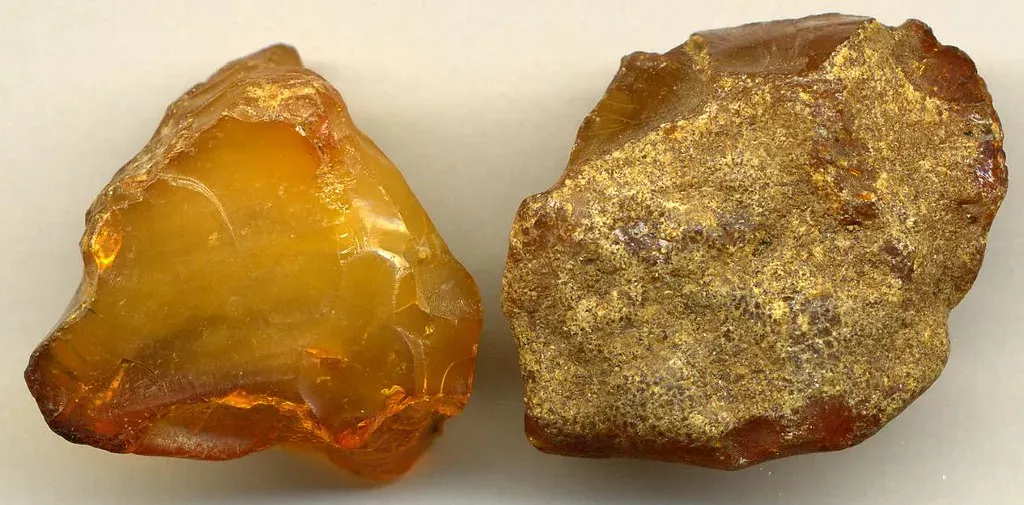
Amber is hardened, fossilized tree resin. At times, the sticky resin dripped down a tree trunk, trapping air bubbles, as well as small insects and organisms as large as frogs and lizards. Paleontologists study amber, called “fossil resin,” to observe these complete specimens. Amber can preserve tissue as delicate as dragonfly wings. When you think about how incredibly fragile dragonfly wings are, and how amber managed to protect them for millions of years, it honestly feels like something out of a science fiction story. Trace fossils are particularly significant because they represent a data source that is not limited to animals with easily fossilized hard parts, and they reflect animal behaviours.
Conclusion: You Might Already Be Closer Than You Think
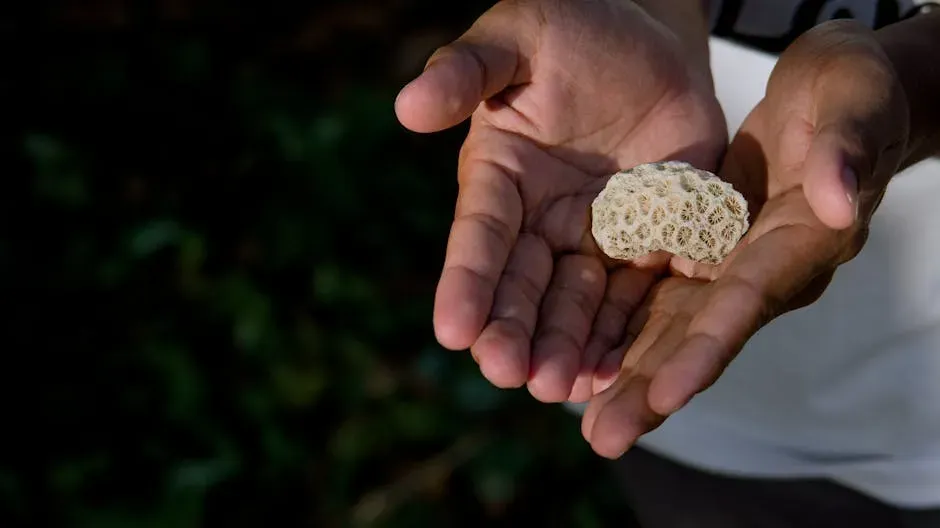
There’s something deeply human about the act of picking up a rock, turning it over in your hands, and wondering if it has a story to tell. Paleontology isn’t just for scientists in lab coats. You don’t have to be a professional paleontologist to collect the remains of ancient life. Anyone can find fossils. All you need is some basic information, a good location, and a lot of patience.
Armed with the right knowledge – checking weight, color, texture, porosity, and location – you now have a genuine beginner’s framework for identifying what might be a fossil versus what is just an interesting pebble. It might be a good idea to share your discovery with your local museum, paleontology group, or state’s geological survey, if nothing else, to celebrate your find. The Earth has been keeping secrets for billions of years. You might be the one who finally uncovers one of them.
The next time you’re out on a walk and something catches your eye, don’t just keep going. Pick it up. Turn it over. Lick it if you have to. What would you do if it stuck to your tongue?