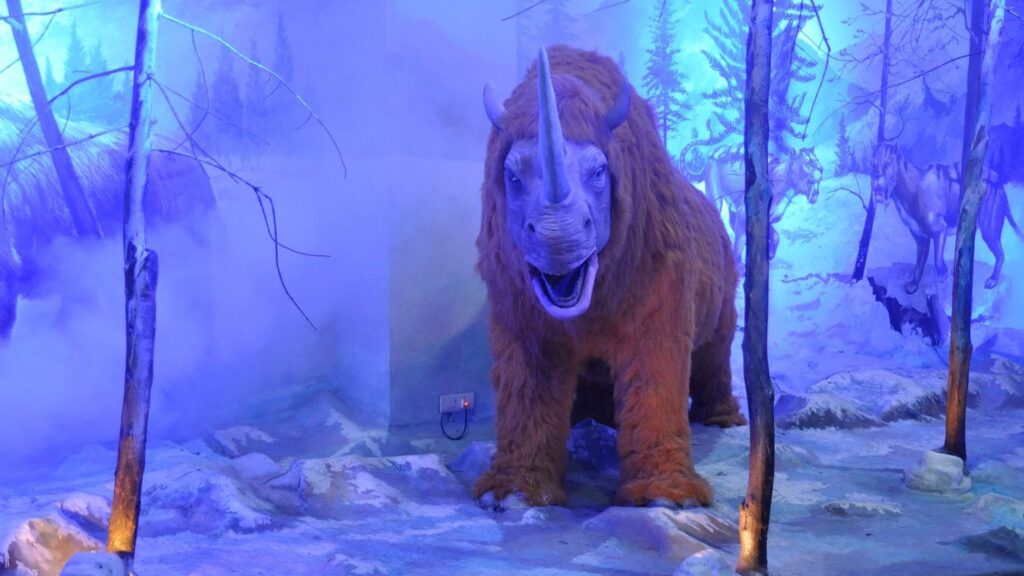
When we imagine dinosaurs, we often picture them as voracious eaters, consuming anything in their path. However, paleontological evidence suggests that many dinosaur species had highly specialized diets, making them surprisingly picky eaters by today’s standards. These dietary specializations were crucial evolutionary adaptations that allowed dinosaurs to occupy specific ecological niches and reduce competition for food resources. From specialized tooth structures to unique digestive adaptations, the evidence of dinosaur dietary preferences is preserved in fossils that continue to fascinate scientists. Let’s explore some of the most selective and specialized eaters among these magnificent prehistoric creatures.
Hypsilophodonts: The Selective Herb Nippers

Hypsilophodonts were small, agile ornithopod dinosaurs that evolved highly specialized teeth for selective plant consumption. Unlike many herbivores that consumed vegetation indiscriminately, these dinosaurs had self-sharpening teeth with precise cutting edges that allowed them to target specific plant parts. Evidence suggests they were particularly selective about young shoots, seeds, and fruits with higher nutritional value rather than tougher vegetation. Their small size and agility meant they could navigate complex forest undergrowth to reach preferred food sources that larger dinosaurs couldn’t access. This selective feeding strategy likely reduced competition with larger herbivores that consumed more fibrous plant material in bulk quantities.
Therizinosaurs: From Meat to Selective Vegetation

Perhaps the most dramatic dietary specialists were the therizinosaurs, a group that evolved from carnivorous ancestors but developed into highly specialized plant-eaters. These bizarre dinosaurs possessed enormous claws that reached lengths of up to three feet, which they likely used to pull down branches of specific preferred plants. Their unusual small heads with leaf-shaped teeth were perfectly adapted for stripping particular types of vegetation. Stomach content analyses and tooth wear patterns suggest they may have specialized in cycads, ginkgoes, and specific ferns rather than consuming all available plant matter. Their transition from meat-eating to selective herbivory represents one of the most striking dietary shifts in dinosaur evolution.
Microraptor: The Specialized Fish Hunter
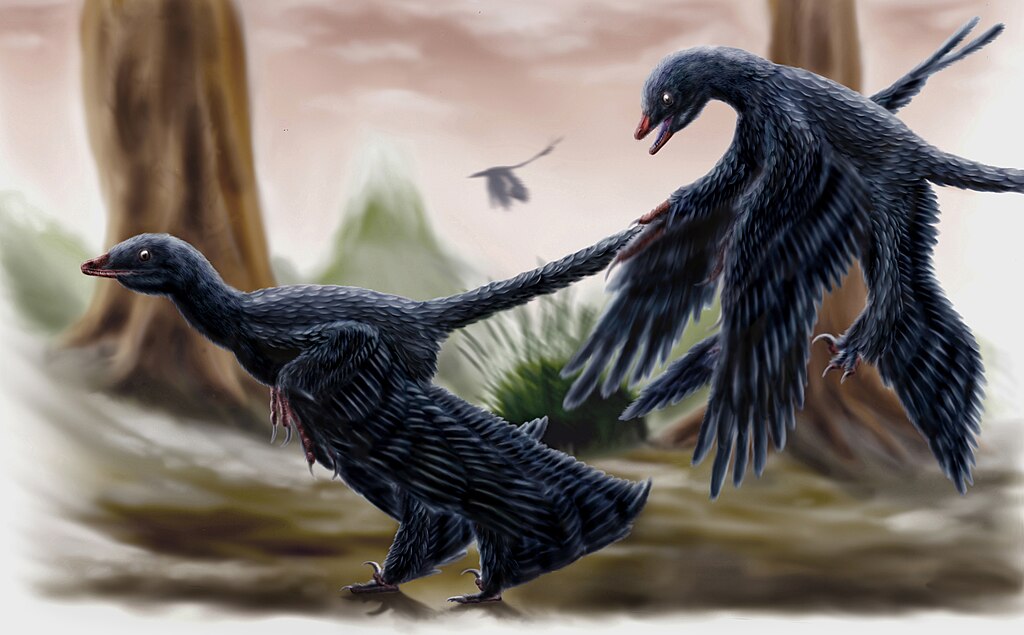
Not all picky eaters were herbivores—Microraptor, a small feathered dinosaur, appears to have been highly specialized in its carnivorous diet. Fossil evidence has revealed preserved fish remains in the stomach region of Microraptor specimens, suggesting these dinosaurs were selective piscivores (fish-eaters). Their small, sharp teeth were ideally suited for gripping slippery prey, and their ability to glide between trees may have allowed them to hunt fish by swooping down over water bodies. This specialized hunting strategy would have required specific adaptations and behaviors, making Microraptor a true dietary specialist among the small theropods. By focusing on aquatic prey, these dinosaurs could avoid competition with other small predators that hunted terrestrial animals.
Spinosaurus: The Picky Aquatic Predator
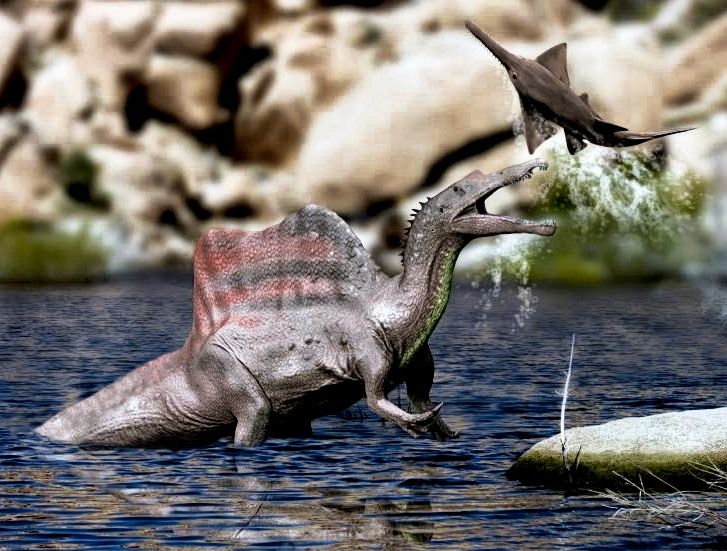
Recent discoveries have revolutionized our understanding of Spinosaurus as perhaps the most specialized aquatic predator among dinosaurs. Unlike most theropods that were generalist carnivores, Spinosaurus evolved a suite of adaptations specifically for hunting fish and other aquatic prey. Its crocodile-like snout contained conical teeth ideal for catching slippery fish rather than tearing terrestrial prey. Density studies of its bones show adaptations for buoyancy control, and its paddle-like tail was uniquely evolved for aquatic propulsion. Isotope analysis of Spinosaurus teeth reveals signatures consistent with an animal that spent substantial time in water consuming aquatic prey. This high degree of specialization made Spinosaurus particularly dependent on specific aquatic environments and prey types.
Brachiosaurus: High-Browsing Specialists
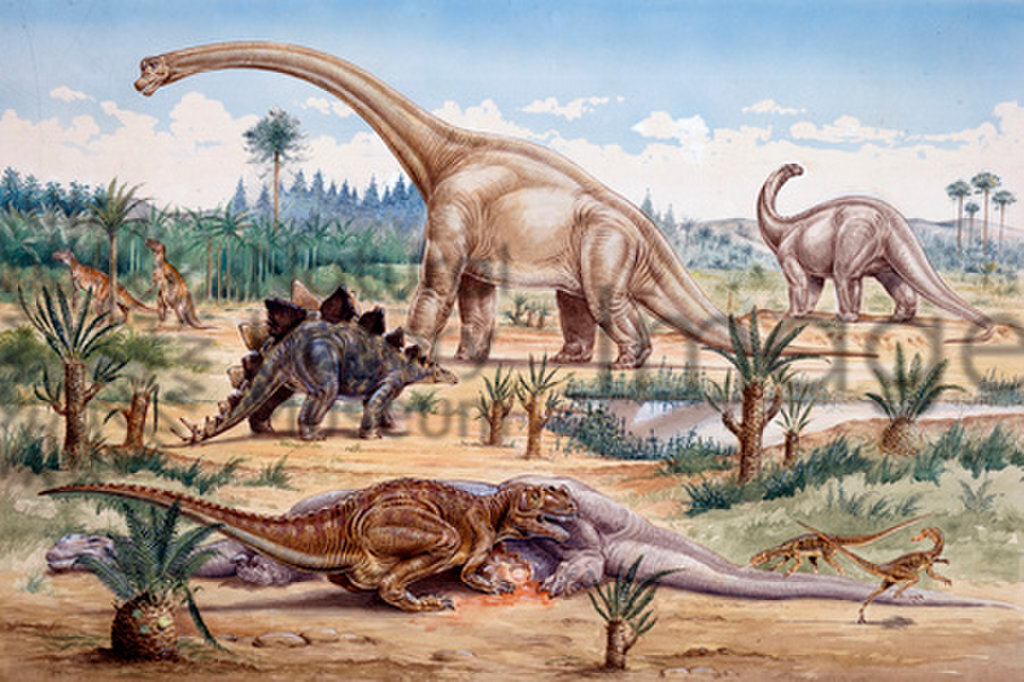
Brachiosaurus and related sauropods developed extreme neck elongation that allowed them to reach vegetation up to 50 feet above ground level—a feeding zone inaccessible to other herbivores. This wasn’t just about reaching any vegetation, however; evidence suggests they were selective browsers that targeted specific high-nutrient plant materials like fresh growth, cones, and reproductive structures from the tallest trees. Their pencil-like teeth were adapted for stripping rather than chewing, indicating they selected soft, high-quality vegetation that required minimal processing. Coprolite (fossil dung) analysis indicates they were particularly fond of certain conifer and ginkgo species, suggesting dietary preferences beyond simply eating whatever was available at their browsing height. This specialized high-browsing niche reduced competition with other large herbivores.
Oviraptor: The Shellfish Specialist

Though initially and incorrectly thought to be egg thieves (hence the name “egg seizer”), evidence now suggests Oviraptors were highly specialized feeders. Their toothless beaks were remarkably similar to modern mollusc-crushing birds, and biomechanical studies indicate they could exert tremendous pressure to break hard shells. Some specimens have been found with gastroliths (stomach stones) that would have helped crush shellfish and other hard foods. Their specialized skull morphology includes powerful attachments for jaw muscles that could generate the force needed to process hard-shelled prey. This dietary specialization allowed Oviraptors to exploit food resources that most other dinosaurs couldn’t effectively process.
Triceratops: Selective Vegetation Processors
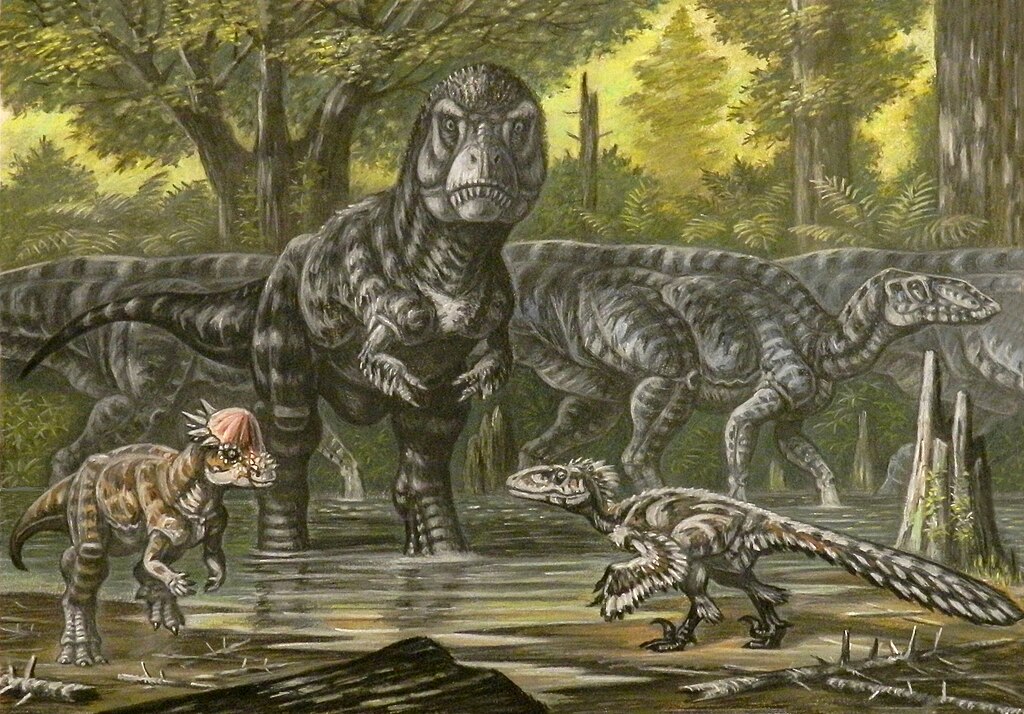
Triceratops and other ceratopsians possessed some of the most specialized plant-processing adaptations among dinosaurs. Their powerful beaks could selectively crop tough vegetation, while their complex dental batteries containing hundreds of teeth could process specific types of fibrous plants that other herbivores avoided. Microscopic wear patterns on Triceratops teeth suggest they targeted particularly tough, silica-rich plants that would wear down the teeth of less specialized herbivores. Isotope analysis of their tooth enamel indicates they may have preferentially consumed certain plant types even when others were available. Their ability to process these challenging plant materials allowed them to thrive in environments where other herbivores might struggle to find sufficient nutrition.
Compsognathus: The Lizard Hunter
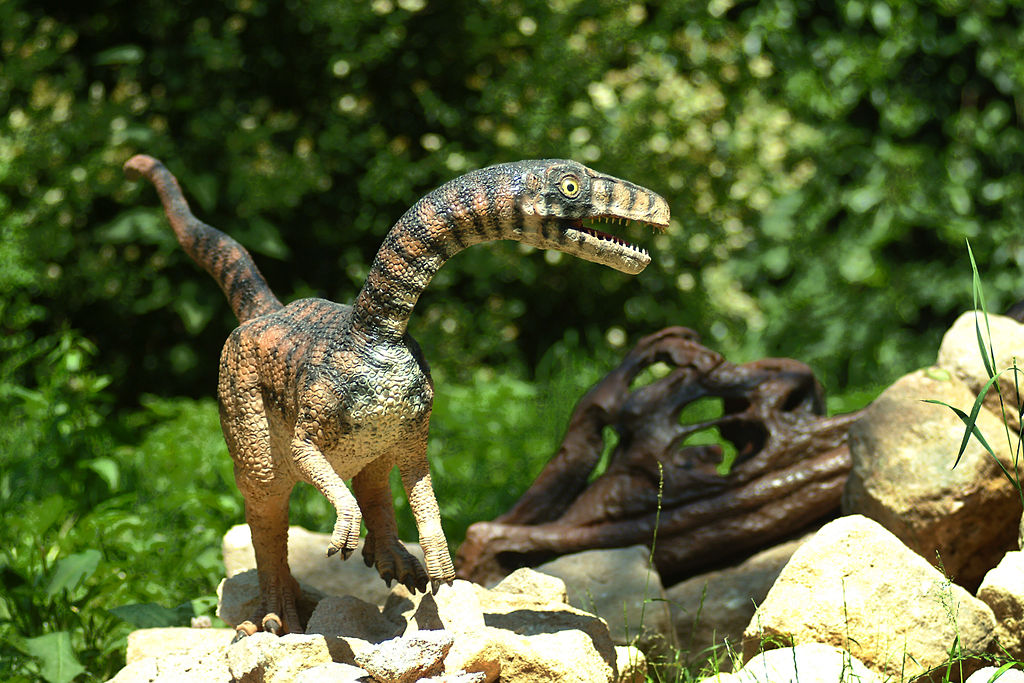
Compsognathus, a small theropod dinosaur, appears to have been a specialized hunter of small vertebrates, particularly lizards. Multiple fossil specimens have been discovered with preserved lizard remains in their stomach regions, suggesting a consistent dietary preference rather than opportunistic feeding. Their small, sharp teeth were perfectly adapted for catching and consuming small, fast-moving prey like lizards. This specialization would have required specific hunting behaviors and adaptations different from larger predators or more generalist feeders. By focusing on these small prey items, Compsognathus could exploit an ecological niche with reduced competition from larger predators, making them successful dietary specialists in their ecosystems.
Diplodocus: The Ground-Level Specialist
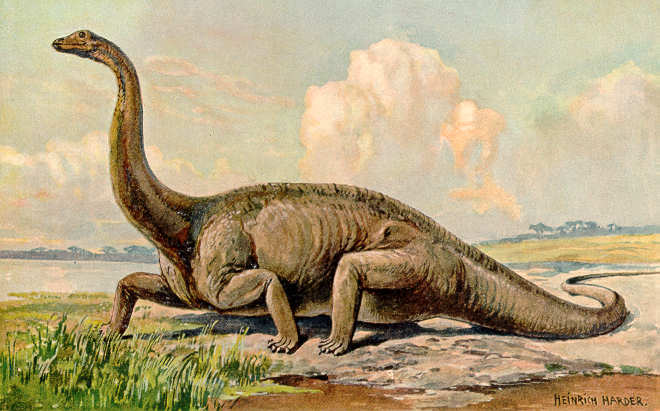
While many sauropods were high browsers, Diplodocus represents an interesting case of specialization at the opposite extreme. Their unusually long necks were often held horizontally rather than vertically, and their pencil-like teeth were limited to the front of the mouth, suggesting a highly specialized feeding strategy. Wear patterns on their teeth indicate they likely used a branch-stripping technique to selectively remove specific vegetation types. Their feeding specialization may have included selectively consuming ferns, horsetails, and other low-growing plants that other large herbivores overlooked. This ground-level specialization allowed Diplodocus to coexist with high-browsing sauropods by reducing direct competition for food resources, demonstrating how dietary specialization promoted dinosaur diversity.
Deinocheirus: The Aquatic Plant Specialist

Once known only from its massive arms, complete specimens of Deinocheirus have revealed one of the most bizarre dietary specialists among dinosaurs. This ornithomimosaur relative had a wide, duck-like bill perfect for filtering vegetation from shallow water environments. Its unusual U-shaped jaw and lack of teeth suggest it was highly specialized for consuming soft aquatic plants, algae, and small aquatic organisms. Stomach contents from well-preserved specimens include fish remains and plant material, indicating a mixed but specialized diet focused on aquatic resources. Unlike most ornithomimosaurs that were likely omnivorous or carnivorous, Deinocheirus evolved specific adaptations for a semi-aquatic lifestyle and feeding strategy, making it a true dietary specialist among its relatives.
Psittacosaurus: The Prehistoric Nut Cracker
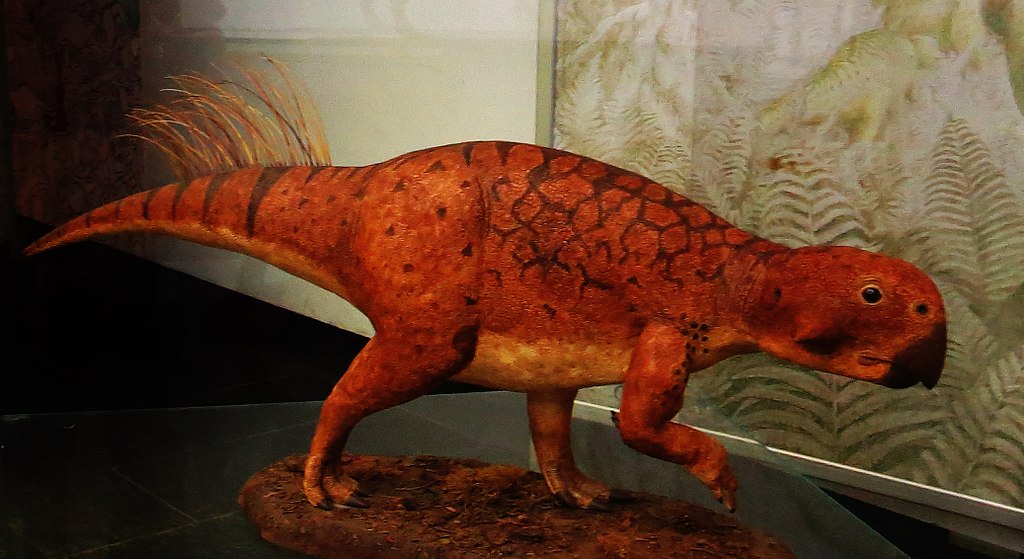
Psittacosaurus, an early ceratopsian relative, had a highly specialized parrot-like beak that appears particularly adapted for processing hard seeds, nuts, and fruits. Biomechanical analysis of their jaw structure reveals they could exert significant bite force through their beaks, perfect for cracking tough seed coats. Microwear patterns on their teeth suggest consistent consumption of hard objects rather than soft vegetation alone. Their specialized digestive systems likely allowed them to extract nutrients from these high-energy but difficult-to-process food sources that other dinosaurs couldn’t effectively utilize. By specializing in these nutritionally dense but challenging food sources, Psittacosaurus could thrive in environments where more generalist herbivores might struggle.
Gallimimus: The Filter-Feeding Specialist
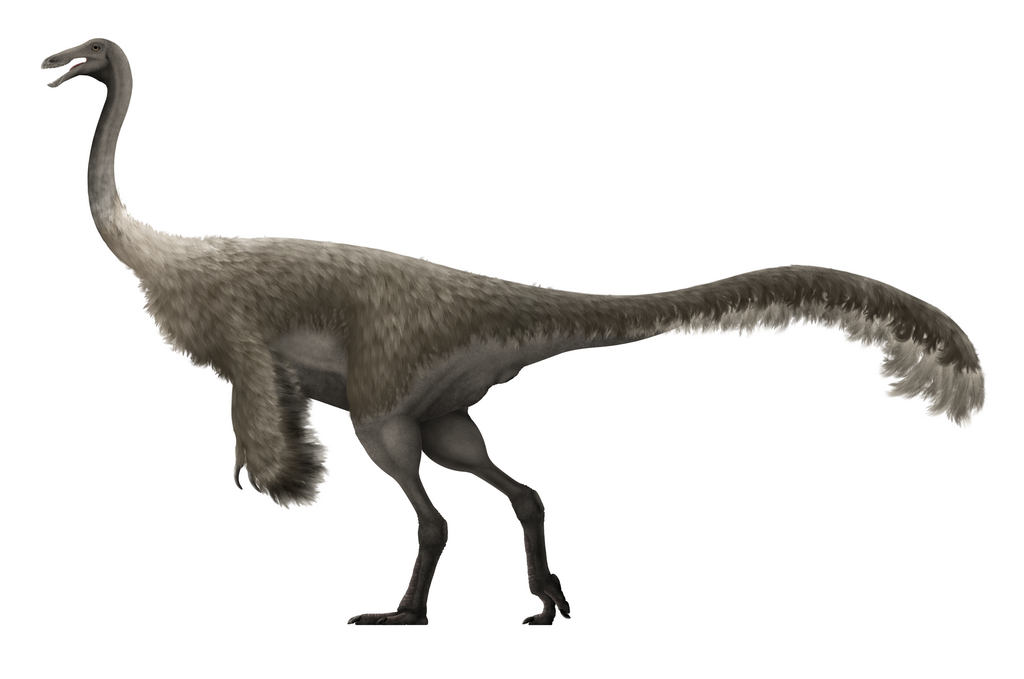
Gallimimus and related ornithomimids had toothless beaks with structures that may have supported specialized feeding behaviors. Recent research suggests some ornithomimids may have been filter feeders, using comb-like structures in their beaks to strain small organisms from water or sediment. Their long necks and specialized bills would have allowed them to access food sources that most other dinosaurs couldn’t exploit effectively. Unlike most theropods that were active predators, these dinosaurs evolved a completely different feeding strategy focusing on minute food particles and small organisms. This extreme dietary specialization represents a remarkable evolutionary shift away from the typical carnivorous theropod lifestyle toward a highly specialized niche similar to modern filter-feeding birds.
How Dietary Specialization Drove Dinosaur Evolution
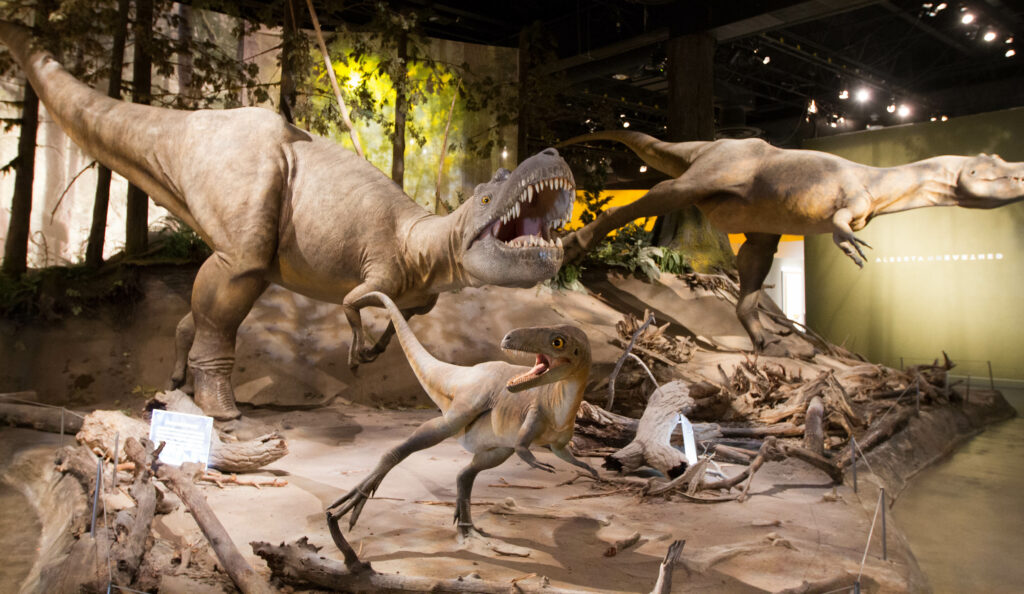
The extreme dietary specializations seen across dinosaur groups weren’t merely interesting biological curiosities—they were driving forces in dinosaur evolution. Specialization allowed different species to partition resources and reduce competition, enabling greater biodiversity than would otherwise be possible. These adaptations also made dinosaurs vulnerable to environmental changes that affected their specific food sources, potentially contributing to extinction patterns. The fossil record shows that dietary specialists often evolved more rapidly than generalists as they adapted to specific ecological niches. Understanding these specialized feeding strategies helps explain the remarkable diversity of dinosaur body plans and provides insights into complex ecological relationships in prehistoric ecosystems. Dietary specialization was thus both a strength enabling diversity and a potential vulnerability when environments changed rapidly.
Conclusion
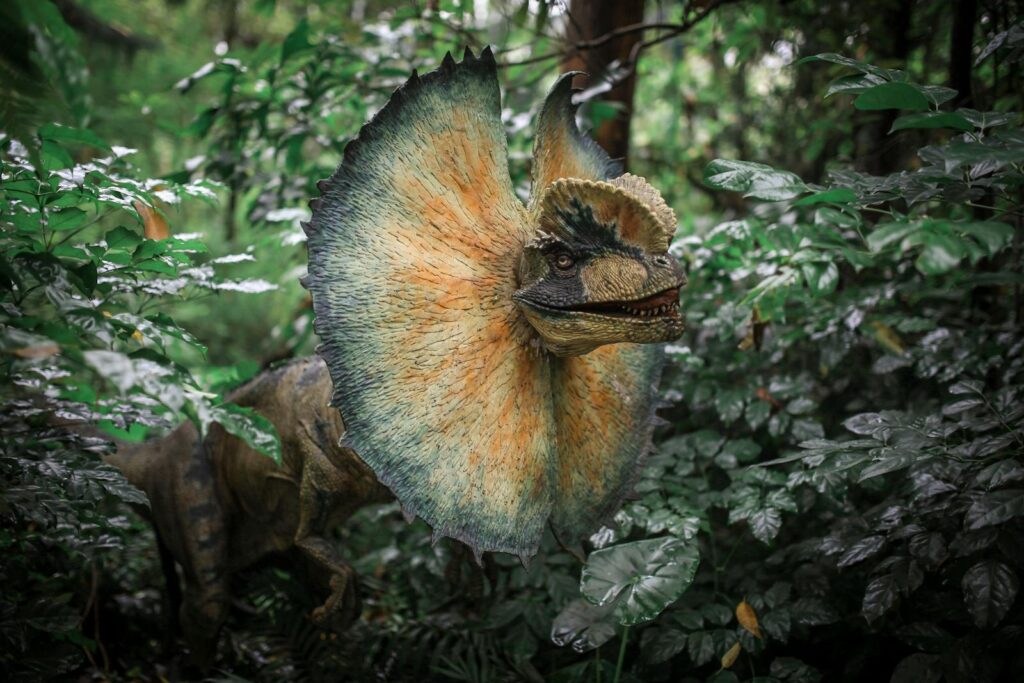
From filter-feeding ornithomimids to shell-crushing oviraptors, dinosaurs evolved an astonishing array of specialized feeding strategies throughout their 165-million-year reign. These dietary adaptations allowed them to partition resources effectively, reducing competition and enabling the tremendous diversity of dinosaur species we find in the fossil record. While being a picky eater might seem disadvantageous, these specializations allowed dinosaurs to exploit specific ecological niches with remarkable success. By studying these specialized feeding adaptations, paleontologists continue to gain insights into not just what dinosaurs ate, but how entire prehistoric ecosystems functioned. The next time you imagine dinosaurs mindlessly devouring everything in sight, remember that many were actually among the pickiest eaters to have ever walked the Earth.