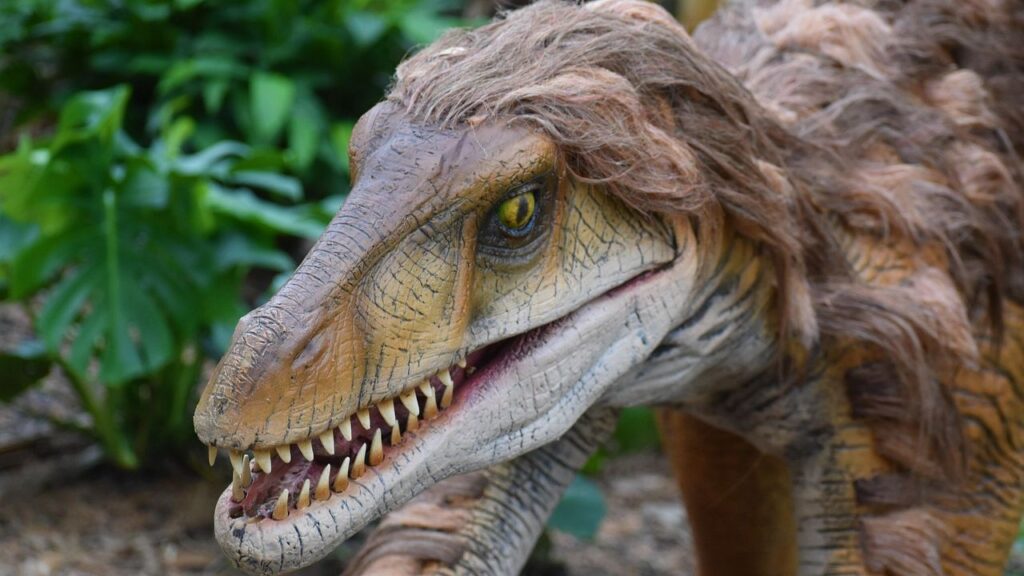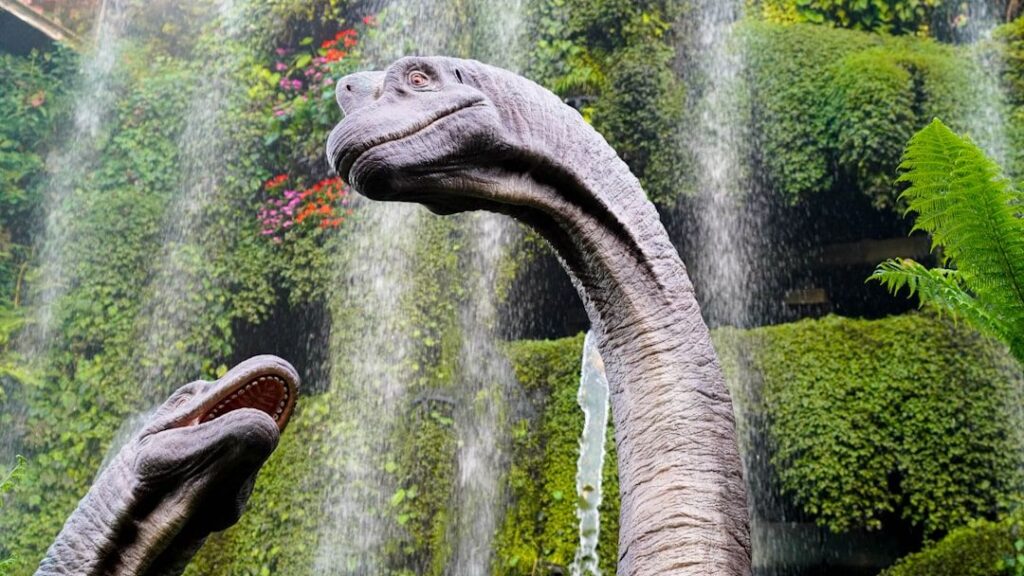
Close your eyes for a second and imagine walking through a Jurassic forest. You hear distant calls, feel warm, heavy air on your skin… but what hits you first is not a roar. It’s the smell. Thick, resinous tree sap, damp ferns, sulfur from nearby volcanic vents, and the musk of giant animals you’d never dare get close to. It is both familiar and totally alien, like a rainforest turned up to maximum intensity.
We can never bottle the exact scent of the dinosaur age, but scientists have gathered enough clues from rocks, fossils, plant chemistry, and even modern analogs to sketch a surprisingly vivid picture. The result is far from the clean, pine-scented prehistoric world you might see in movies. It was messy, pungent, sometimes downright foul, and incredibly alive. Let’s step, nose first, into that ancient atmosphere and see what the evidence actually suggests.
The Air Itself: A Thicker, Hotter Atmosphere With A Different “Feel”
The first thing you would have smelled in dinosaur times is the air itself. During much of the Mesozoic, the atmosphere was warmer, more humid, and carried more carbon dioxide than today. That kind of air holds scents differently: smells linger longer, spread farther, and feel heavier, almost like a warm blanket soaked in fragrance. Think tropical greenhouse rather than fresh mountain breeze.
Higher greenhouse gases, fewer polar ice caps, and extensive shallow seas meant moisture was constantly evaporating and condensing, driving thick clouds and frequent storms. In a world like that, odors from plants, soil, and animals would not be quickly scrubbed away by crisp, cold air. Instead, they would hang around and blend, turning the background atmosphere into a permanent low-level perfume of earth, greenery, and life. The smell of “outside” would have been far more intense than most of us are used to.
Forests Of Resin And Ferns: The Dominant Green Scents Of The Mesozoic
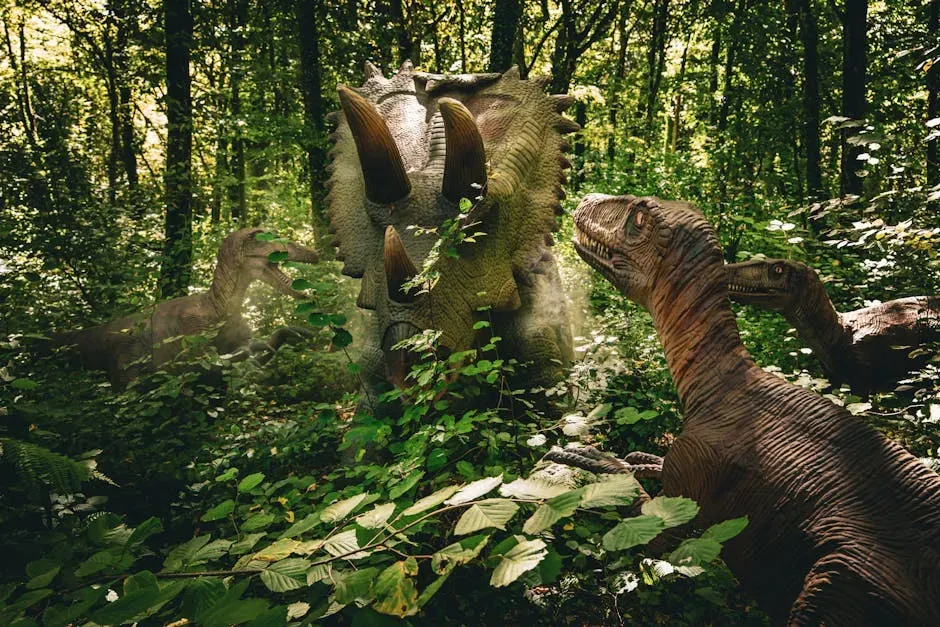
When we think of ancient forests, we often picture today’s pines and maples, but dinosaur landscapes were dominated by different plant groups. Conifers, cycads, ginkgos, tree ferns, and early flowering plants ruled the land. Many conifers and cycads produce resin rich in aromatic compounds that smell strong and sharp, not unlike the pine and spruce scents we know today but often more resinous and medicinal. Walking through those forests might have felt similar to strolling through a modern conifer forest – only denser, darker, and more humid.
Along the ground and in damp areas, vast mats of ferns and horsetails would have added their own contribution: a green, slightly bitter, almost peppery plant smell mixed with constant dampness. In places where decaying plant matter piled up, you’d get that sweet, earthy scent we associate with wet soil and compost, only magnified. Imagine the smell of a greenhouse after a heavy watering, mixed with the sticky tang of fresh tree sap everywhere you turn. That was probably the everyday baseline of the dinosaur world.
Swamps, Marshes, And Rot: The Funky Side Of Dinosaur Landscapes
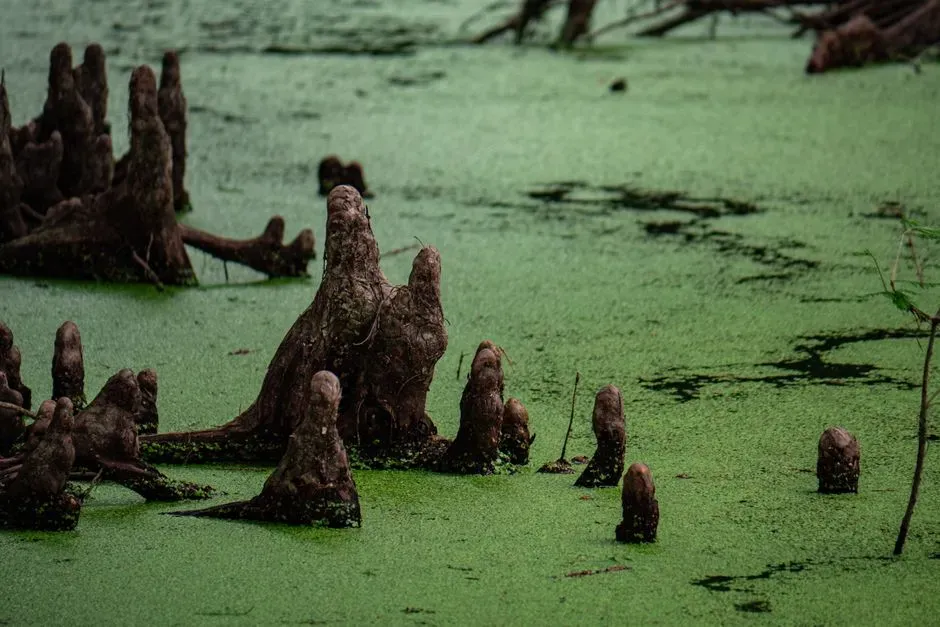
Not all prehistoric smells were pleasantly piney or freshly green. Many dinosaurs lived near river deltas, floodplains, swamps, and coastal wetlands where plant matter rotted in stagnant water. These environments produce gases like methane and hydrogen sulfide, which are responsible for the rotten-egg and “swamp gas” odors we still recognize today. If you have ever walked past a boggy ditch in summer and caught a whiff of decay, you already know something about the sensory world of those ancient lowlands.
Decaying leaves, fallen logs, and dead animals would have fed massive microbial communities, churning out a constant background of earthy, musty, and sometimes revolting smells. Prehistoric wetlands would likely have felt like a mash-up of a tidal marsh, a compost heap, and a cow pasture. For scavenging animals, those odors were dinner bells; for us, they would probably be overwhelming. The dinosaur age was not just wild and lush; it was also permanently half-way to a compost pile.
Volcanoes, Sulfur, And The Smell Of A Restless Planet
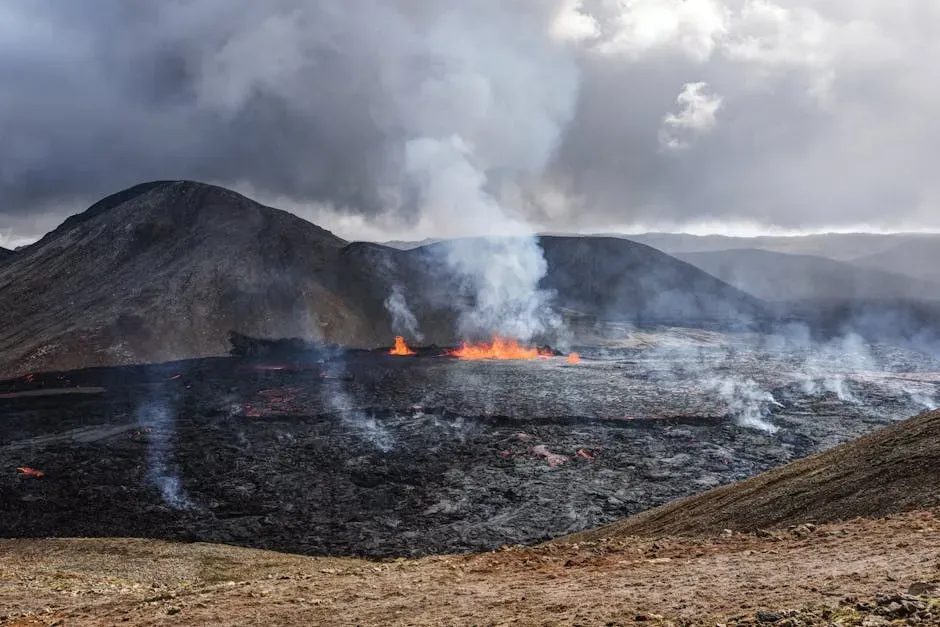
Earth during the age of dinosaurs was geologically hyperactive. Massive volcanic provinces erupted over long stretches of time, pumping gases and particles into the atmosphere. Even in quieter periods, local volcanoes, fumaroles, and hot springs would have been scattered across continents, especially along tectonic plate boundaries. These features often release sulfur compounds that smell like rotten eggs, along with metallic and smoky undertones that sting the nose and throat.
Near volcanic centers, the air would have carried a sharp mix of sulfur, ash, and heated rock. After eruptions or large lava flows, rain falling onto fresh basalt and ash would produce a hot, mineral smell, a bit like wet cement mixed with woodsmoke. People who have visited active volcanic regions today often describe the scent as harsh but strangely compelling. For dinosaurs living in those zones, sulfur and smoke would have been as normal as city traffic fumes are to us: ever-present, sometimes dangerous, but simply part of life.
The Odor Of Giants: How Dinosaurs Themselves Probably Smelled
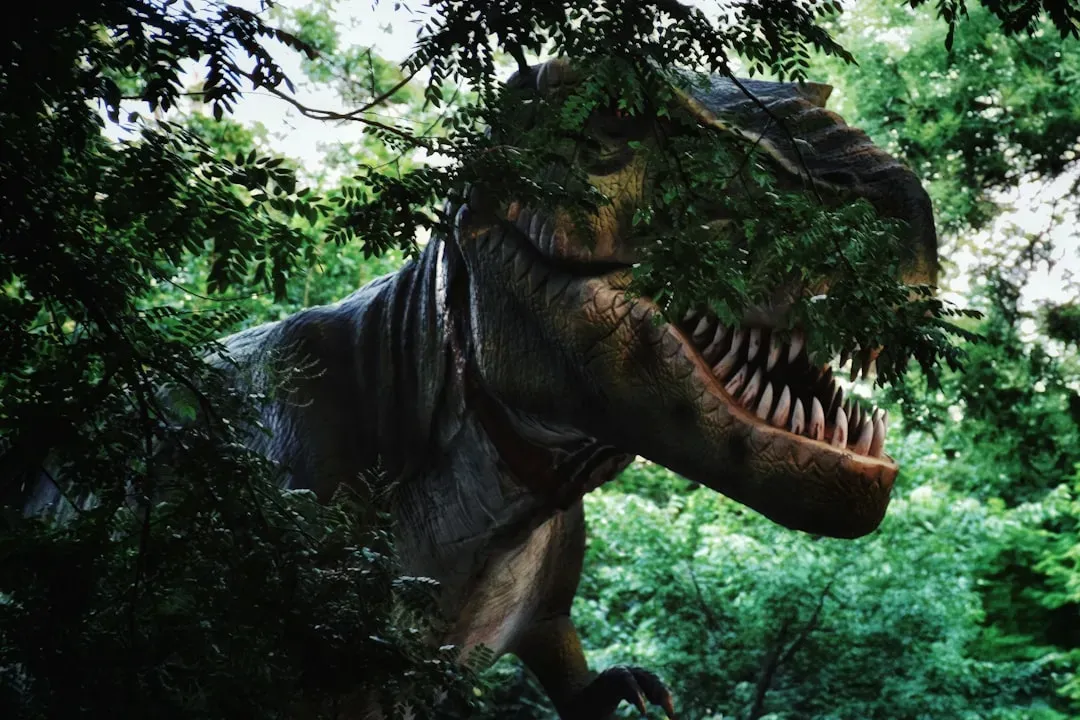
The honest answer to what dinosaurs smelled like is: probably not great, at least not up close. Large animals today – elephants, hippos, rhinos, big cattle herds – carry a strong odor made up of sweat, skin oils, bacteria, and whatever they walk through. Scale that up to multi-ton sauropods and herds of horned dinosaurs, and you get a powerful animal funk. Skin impressions and fossils hint that many dinosaurs had scaly or rough skin, sometimes with keratin structures, which can hold onto odors much like feathers or hair can.
Their nesting areas and herd paths would have reeked of dung, urine, and body odor, much like modern seabird colonies or large mammal congregations. Predatory dinosaurs likely smelled of dried blood, old meat stuck in teeth, and the musky scent of carnivore bodies, again not unlike big cats or crocodiles today. That said, from a distance, these smells would blend with vegetation and soil, becoming part of the general “living landscape” aroma, strong but not individually distinct unless you got uncomfortably close.
Dung, Decay, And Scavengers: The Constant Cycle Of Life And Death
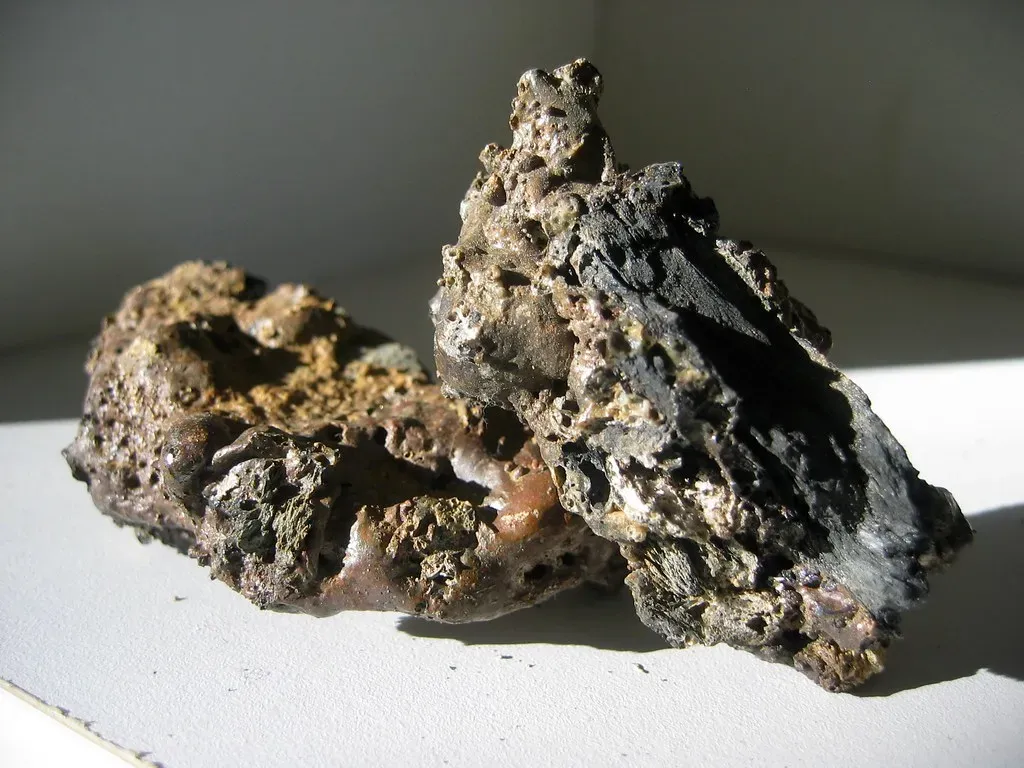
Any environment with a lot of big animals is going to smell like their waste, and dinosaur ecosystems were no exception. Fossilized dung, called coprolites, shows that dinosaurs produced huge amounts of feces that would have attracted insects, worms, and scavenging animals. Fresh droppings bring a sharp, sour smell, while older ones shift toward earthy and moldy as microbes break them down. Imagine the odor of a large farm or wildlife reserve, then spread that across entire valleys.
Dead dinosaurs, whether taken down by predators or finished off by disease and age, would have added their own brutal note to the air. Rotting carcasses produce a complex cocktail of compounds that smell sickly sweet, rancid, and putrid all at the same time. Scavenging theropods, early birds, insects, and bacteria would have descended on bodies quickly, but for days or weeks the area around a kill site would have been unmistakable. In those moments, the smell of death would have dominated everything else, a grim reminder that ancient landscapes were just as unforgiving as they were beautiful.
The First Flowers And Insects: When Fragrance Began To Evolve
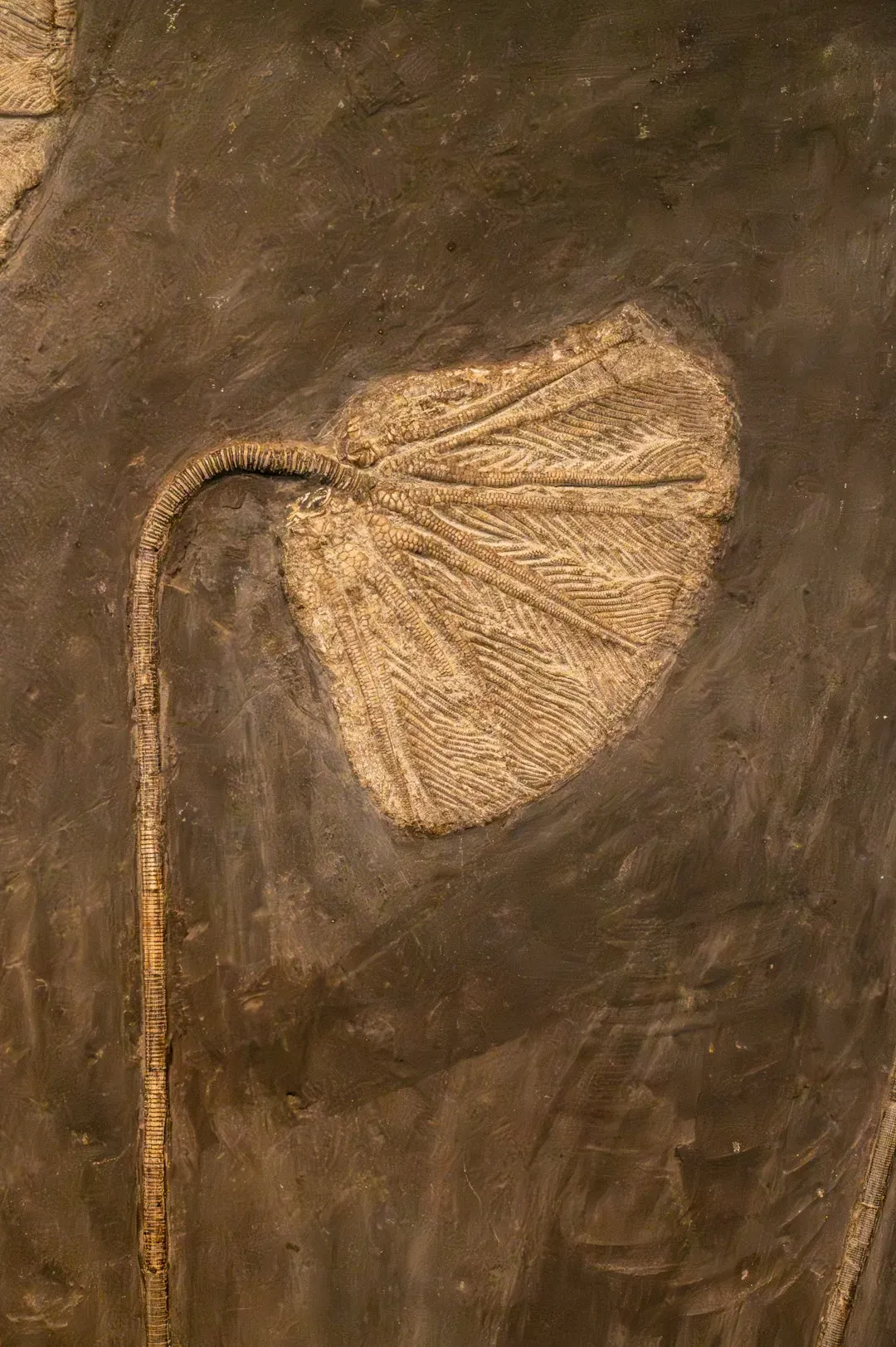
One of the most fascinating shifts during dinosaur times was the rise of flowering plants. Early in the Mesozoic, forests were mostly conifers and ferns, but later on, flowering plants began to spread. These plants inventively used smell to attract pollinators. While we associate flowers today with pleasant fragrances, not all prehistoric flowers would have smelled nice to human noses. Some likely gave off sweet, fruity, or spicy notes, while others may have smelled like carrion or dung to lure specific insects.
Insects such as beetles, early bees, and flies were already around, and many used chemical cues to find food and mates. So as flowering plants expanded, the air gained new layers of complexity: hints of sweetness, odd sour notes, strange fruity aromas drifting among the older, resinous forest smells. It was as if Earth slowly started experimenting with perfume, using scent to wire together plants, insects, and eventually entire ecosystems in ways that still shape our world today.
Could We Ever Recreate The Smell Of Dinosaur Earth? A Sober Look And A Bold Opinion
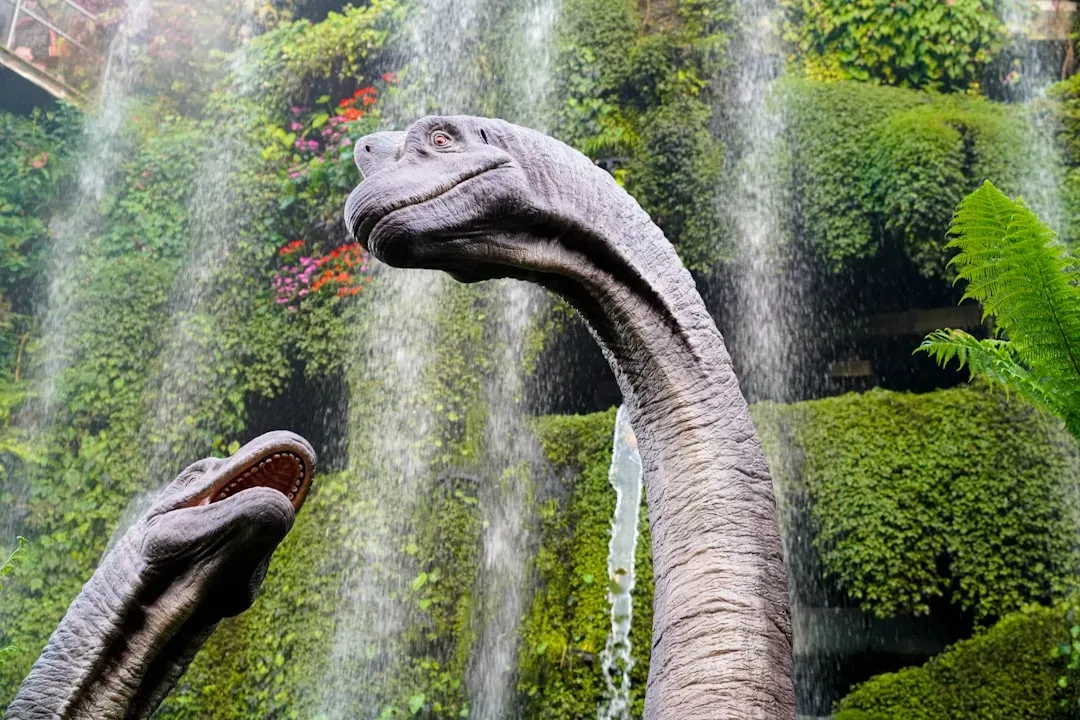
Scientists can reconstruct ancient atmospheres, identify plant species, and analyze chemical residues in rocks and resins, but they cannot fully recover exact scents. Many smell molecules do not fossilize well, and even when we know the species, evolution and environment matter: a conifer growing in a hot, high-CO₂ world may not smell exactly like its modern cousin. At best, we can build educated, grounded approximations using climate models, fossil plants, modern analog ecosystems, and chemistry, then translate that into something our noses understand.
In my view, the dream of a perfectly authentic “dinosaur air” fragrance is more fantasy than science – but I love that people are trying. The real value of asking what Earth smelled like back then is not to sell a candle; it is to remind us that the past was not a distant, silent movie. It was sensory, overwhelming, and deeply physical, down to every breath. When you realize that the air you inhale today is part of the same endless cycle that once carried the musk of sauropods and the smoke of ancient volcanoes, it is hard not to feel both humbled and oddly connected. If you could step into that world for just one sniff, do you think you’d be enchanted, or would you immediately want to step back out?