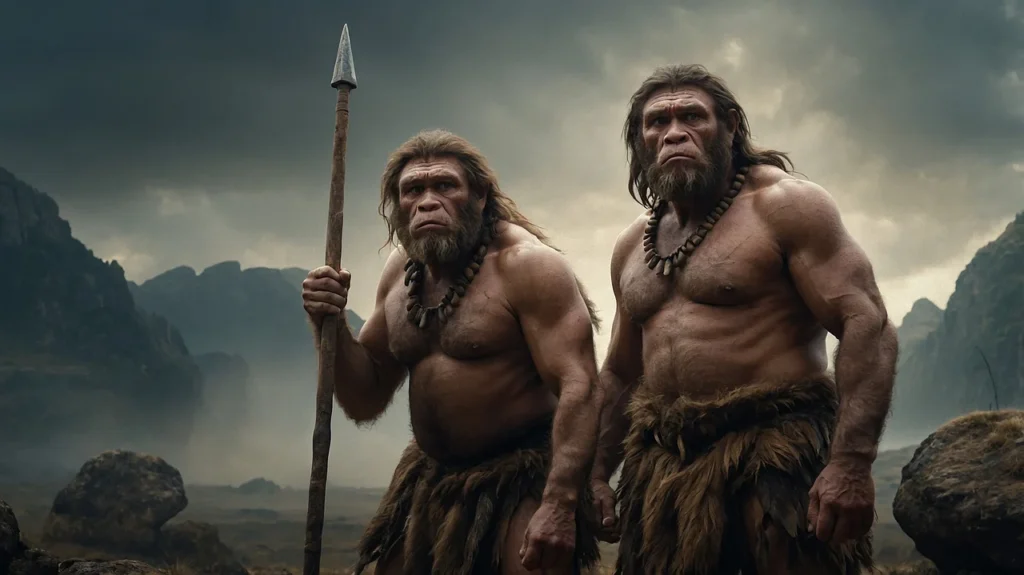
Imagine standing at the edge of an Ice Age campfire, feeling the sting of cold air on your face while shadows of people dance across a cave wall. Somewhere in that flickering light, two people lock eyes and share a tired smile after a long day of hunting, gathering, and just trying to stay alive. That quiet, wordless moment? That was friendship, long before group chats, brunch plans, and heart emojis.
When we look back twenty thousand years, it’s tempting to think life was nothing but brutal survival. But human skeletons, tools, cave art, and the way hunter‑gatherers live today all whisper a different story: people did not just survive together, they cared about each other. They nursed the sick, shared food with those who could not hunt, and formed bonds that went beyond blood. The details are fuzzy, but the pattern is clear – friendship is far older, and far deeper, than civilization itself.
Firelight, Fear, And The Need To Belong
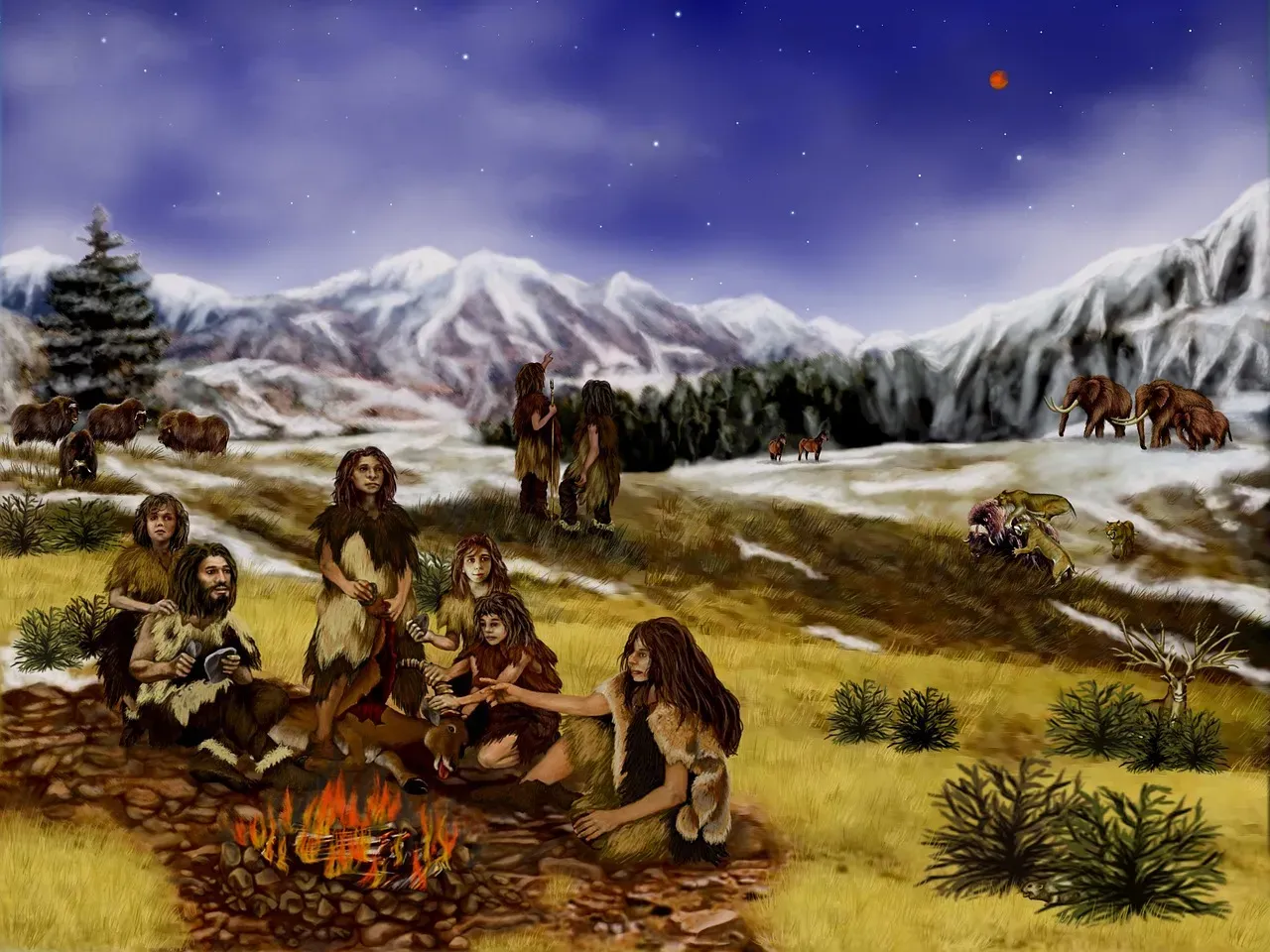
Picture the world twenty thousand : towering ice sheets, dangerous predators, and nights so dark you could barely see your own hand. In that kind of world, being alone was almost a death sentence. The people who thrived were the ones who had others to count on – someone to keep watch while they slept, to help drag a heavy carcass back to camp, or to sit beside them when they were injured and afraid. Friendship was not a luxury; it was a survival strategy woven into every cold, breathless evening around the fire.
Those fireside circles did more than warm bodies; they stitched people together emotionally. Around the flames, people likely retold shared memories, laughed about mistakes, teased each other, or comforted those who had lost loved ones. Even without modern language as we know it, tone of voice, touch, and shared rituals would have carried a lot of emotional weight. If you have ever felt safer simply because a friend was physically sitting beside you, you already understand the emotional architecture of Ice Age friendship.
Care For The Weak: When Friendship Meant Survival
One of the most striking clues we have about ancient friendship comes from skeletons that show serious injuries or disabilities, where the person clearly lived for many years after they should have died without help. People with healed broken bones who could not have hunted for long periods, or individuals who were blind or deformed yet survived into later adulthood, suggest that others fed them, protected them, and moved with them. That level of sustained care goes well beyond simple instinct; it points to compassion, loyalty, and the emotional glue we would now call friendship.
Think about what it means to carry someone who cannot walk well when your group is already exhausted, hungry, and migrating through harsh terrain. That decision costs energy, time, and risk, and yet again and again we see evidence that ancient groups did it anyway. It is very likely that people formed special bonds with those they helped and those who helped them, just like patients often form deep ties with caregivers today. In a world where a twisted ankle could kill you, someone choosing to stay back with you was not just kind – it was a radical act of loyalty.
Sharing Food, Sharing Risk, Sharing Trust
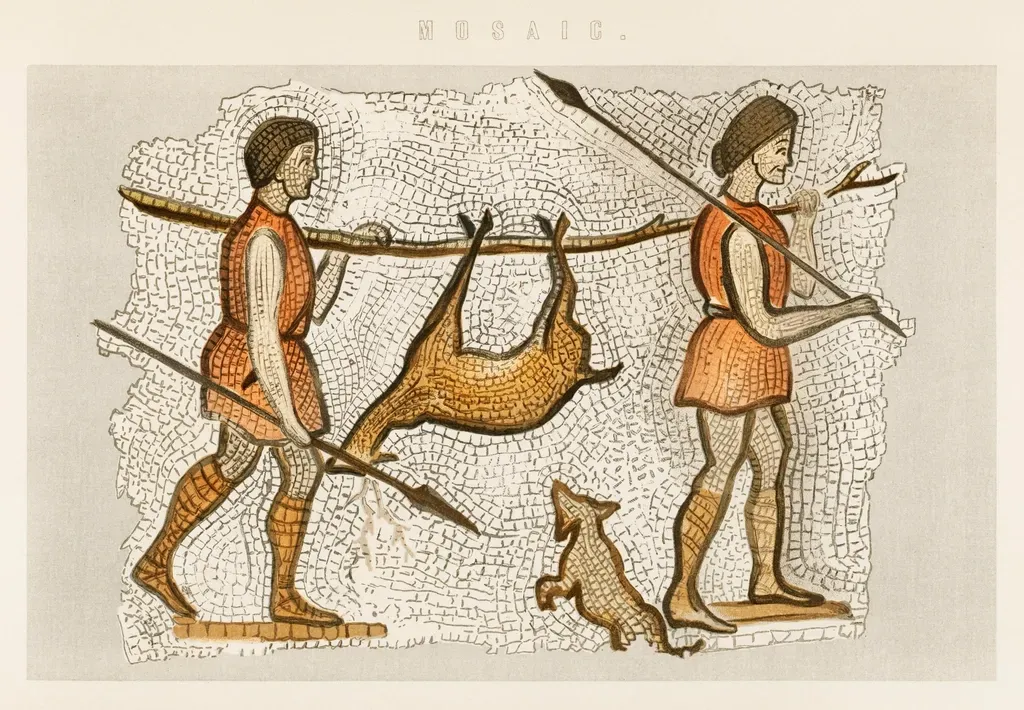
If you want to find friendship twenty thousand , look at who shared food. For hunter‑gatherers, a successful hunt was unpredictable; some days you brought home nothing, other days you had more meat than your family could eat before it spoiled. Groups that did best were those that pooled their luck, spreading risk by sharing what they had. That kind of sharing probably did not happen evenly with everyone; people almost certainly had preferred companions, those they trusted to reciprocate, defend them in conflicts, and watch over their children.
This is where friendship becomes less about sentiment and more about practical trust. Giving precious calories to someone else is a very real sacrifice when you live that close to the edge. You do it for the people who have your back, who have shared with you before, or who you genuinely care about. In that sense, a mammoth roast twenty thousand worked a lot like splitting a paycheck or covering a friend’s rent today: an act of faith in a relationship that matters more than the immediate cost.
Play, Laughter, And The First In‑Jokes
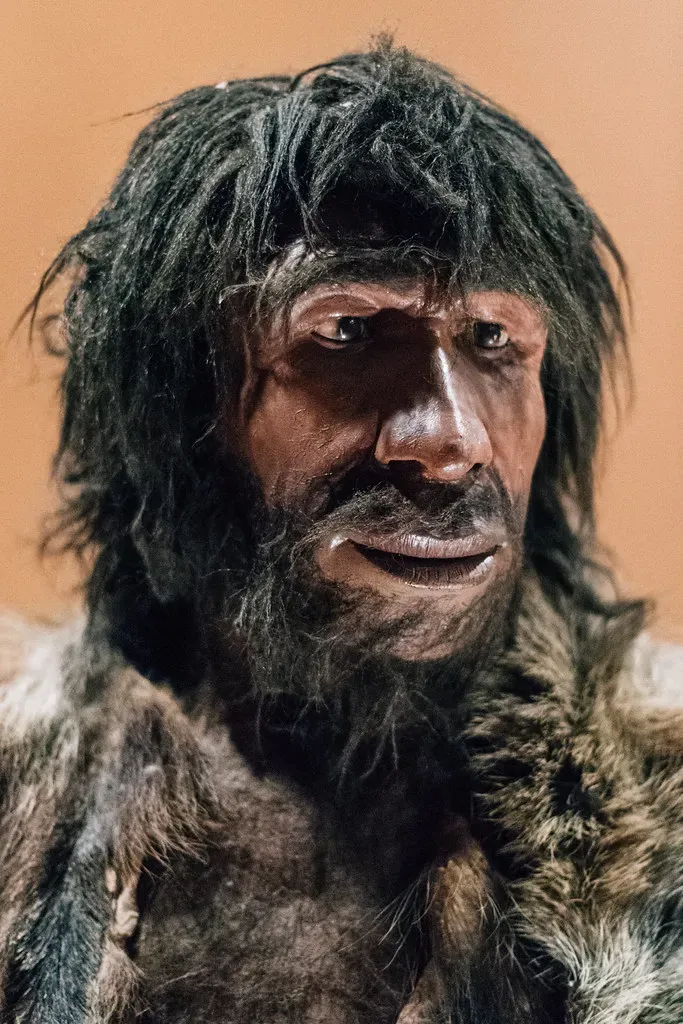
It is easy to imagine Ice Age life as endlessly grim, but humans are wired for play, and that did not suddenly appear with modern cities. Children almost certainly chased each other, wrestled, threw things, and invented little games with sticks and stones. Adults probably joked, teased, and mocked each other in low‑stakes ways that strengthened bonds rather than breaking them. Laughter is a powerful social glue, and there is no reason to think that twenty thousand people were any less amused by a clumsy fall or a clever imitation of a group member than we are today.
From there, it is a small leap to imagine the first in‑jokes – stories about that one disastrous hunt, that person who always fell asleep by the fire, or that time someone misread animal tracks and led everyone in the wrong direction. Even if we do not know their exact words, we understand the pattern, because we see it in every culture today. Play and humor give people a way to test boundaries safely, to take the edge off tension, and to say, without spelling it out, that they are part of the same small circle. That is friendship in its most human, universal form.
Gifts, Ornaments, And The Silent Language Of Loyalty
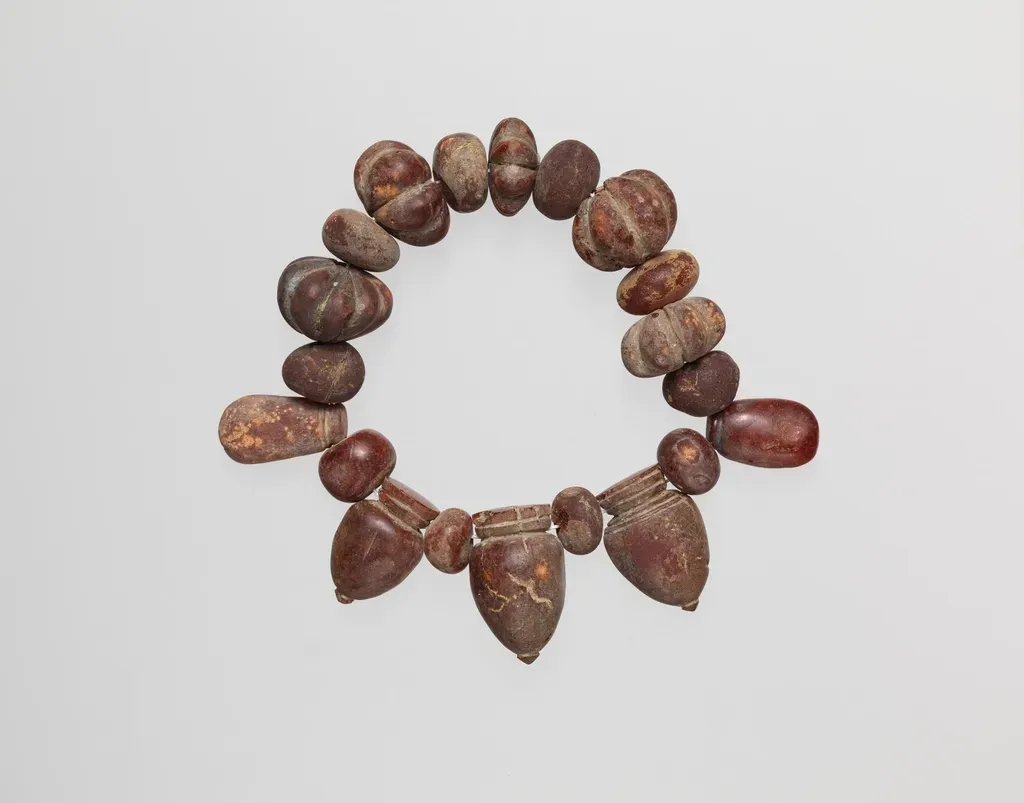
While written records are nonexistent from twenty thousand , we do have beads, shells, animal teeth, and other ornaments that were shaped, carried, and sometimes traded across surprisingly long distances. These were not just practical tools; many were decorative or symbolic, suggesting people cared about how they looked and what their appearance communicated. It is very plausible that such items were given as gifts between bonded individuals – tokens of closeness, loyalty, or shared experiences, much like friendship bracelets or matching tattoos today.
When you give someone a piece of worked bone, a carefully pierced shell, or a colored bead, you are investing time and effort into a physical reminder of your relationship. These small objects could have been worn on the body, making the bond visible to the whole group. Even if we cannot tie a specific bead to a specific friendship, the broader pattern of symbolic objects hints at a social world where gestures, shared styles, and gifted items played a quiet but powerful role. Friendship, in that sense, left traces not only in bones but in beauty.
Allies Beyond Blood: Chosen Kin Before Social Media
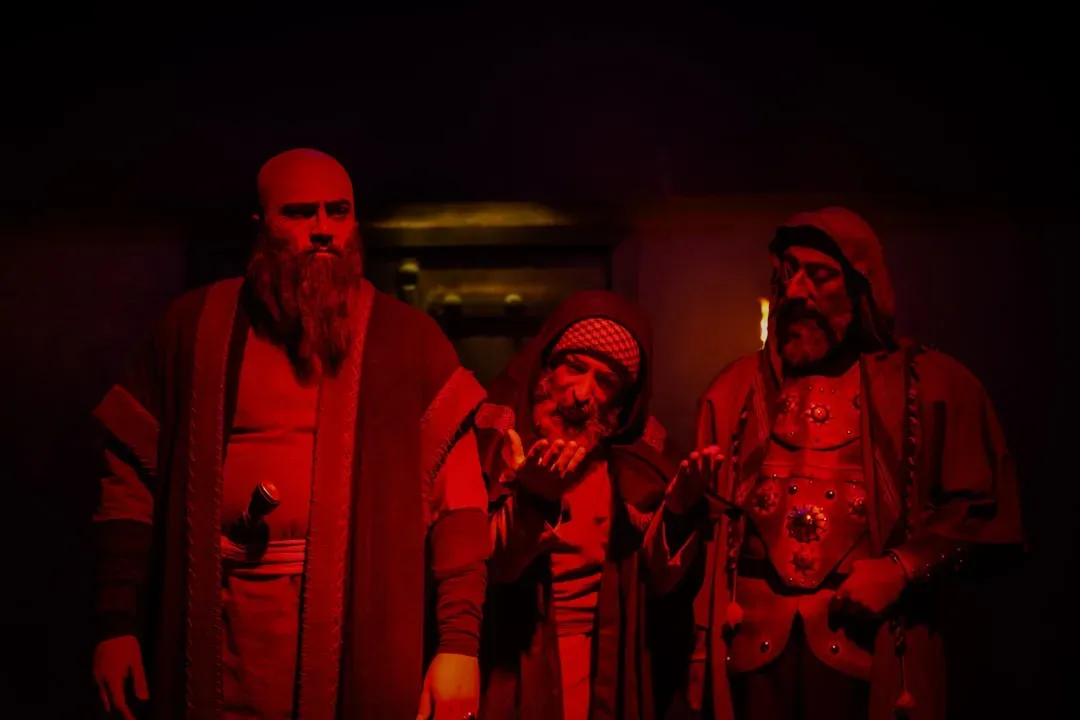
One of the most important features of human life, past and present, is that not all close relationships are based on blood. People form alliances through marriage, shared work, and mutual support, and some of those relationships become as emotionally significant as family. In Ice Age bands, where groups were relatively small and mobility was high, having reliable allies outside your immediate kin could mean access to new resources, information, and safe places to stay. These bonds likely emerged from repeated cooperation and shared hardship – the same conditions that often deepen modern friendships.
Some anthropologists call this kind of bond “fictive kin,” but in ordinary terms, it is what we mean when we say a friend feels like a brother or sister. Twenty thousand , that feeling may have been even more crucial than it is now. If your group fractured, if you needed to join another camp, or if intergroup tensions rose, having a few non‑relatives who genuinely cared about you could be the difference between being welcomed or turned away. In a world of constant movement and uncertainty, chosen kin might have been humanity’s earliest emotional safety net.
Mourning, Memory, And The Depth Of Ancient Bonds
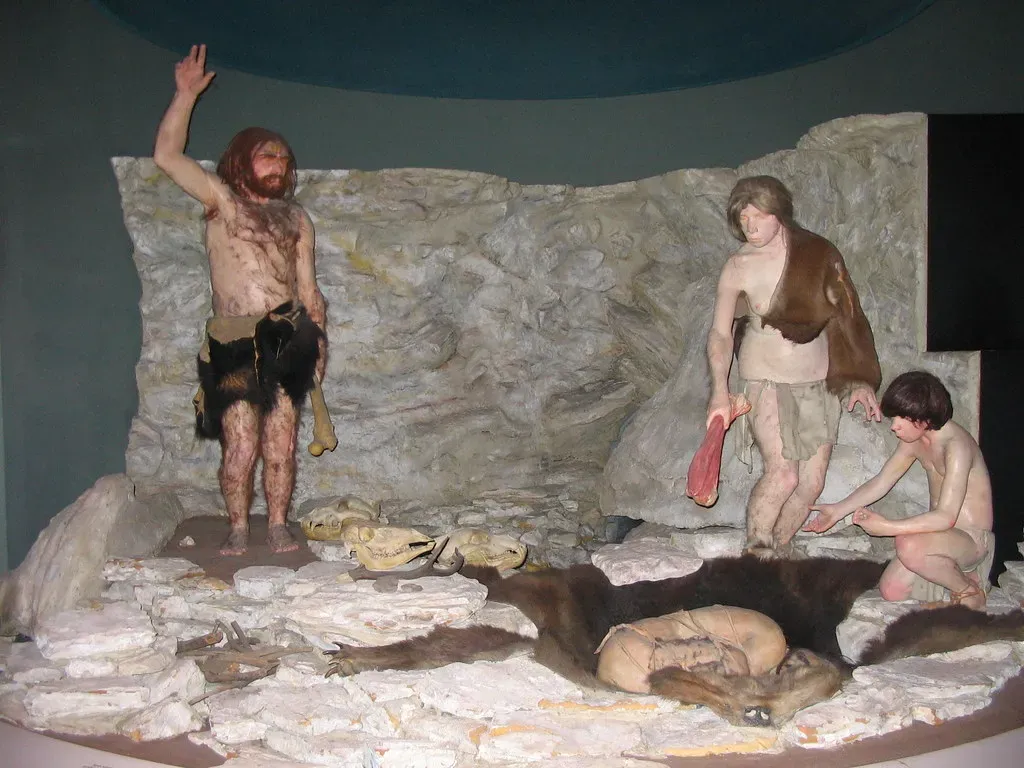
Burials and traces of ritual from around twenty thousand suggest that people did not treat death as a simple, practical matter of disposal. Bodies were sometimes placed with care, with objects, pigments, or in specific positions, hinting at respect, grief, and a sense that the relationship did not just vanish the moment life ended. While we cannot peer into individual hearts, it is hard to imagine these practices without imagining the pain of losing someone who mattered deeply – a hunting partner, a confidant, someone whose presence made the long winters bearable.
If you have ever sat at a funeral and felt that unique mix of sorrow, gratitude, and disbelief, you have probably felt something close to what our Ice Age ancestors felt. They may have told stories about the dead by the fire, imitated their habits fondly, or avoided certain places because they held too many memories. That emotional continuity – remembering and honoring people who are gone – is a strong sign that their bonds had real depth. Friendship did not end when the body stopped; it lingered in the minds and habits of the living, much as it does now.
What Ancient Friendship Teaches Us About Our Own
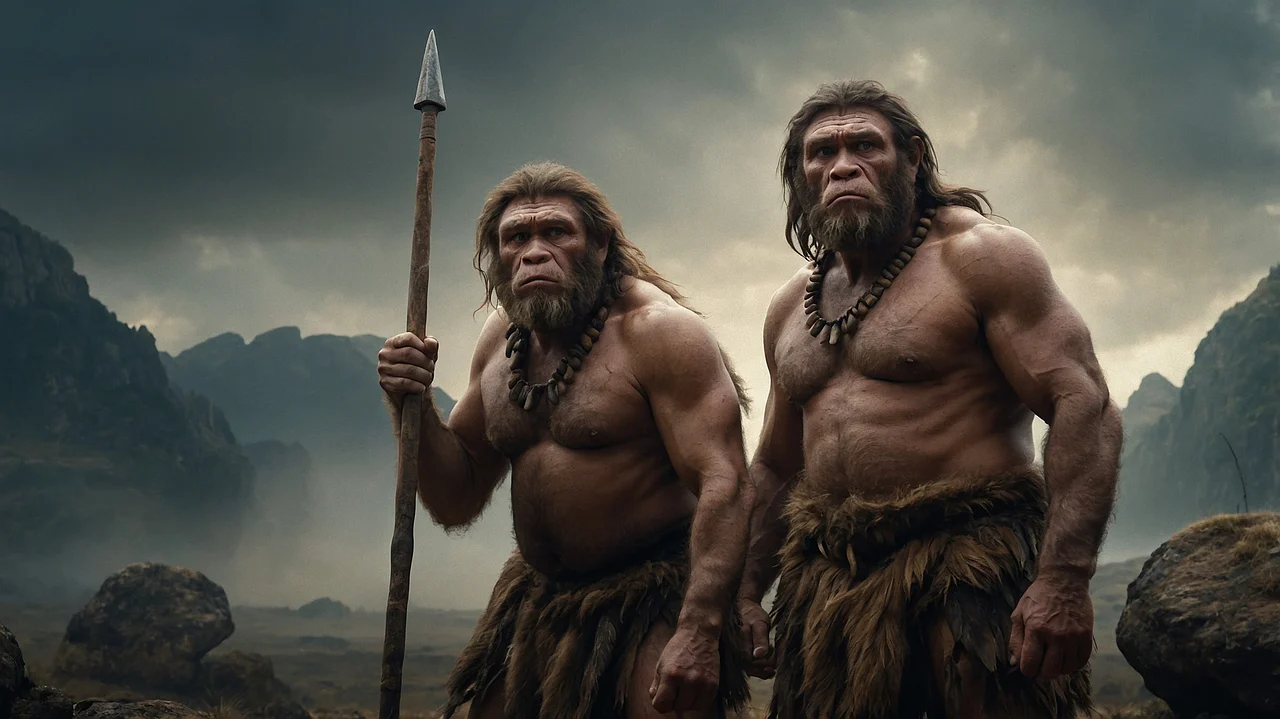
When you strip away the smartphones, coffee shops, and social media, what is left of friendship looks surprisingly familiar to what existed twenty thousand : showing up when it is hard, sharing what you can, laughing together in the dark, and refusing to abandon each other when the world feels dangerous. I think we underestimate how deep these instincts go. Our craving for group chats and late‑night talks is not a modern weakness; it is the modern face of something that once kept us alive under an Ice Age sky.
To me, the most striking lesson is that friendship has always been both emotional and brutally practical. It is about affection, yes, but also about real risk and sacrifice – carrying someone who cannot walk, handing over food you might need, or staying awake to watch for predators while others sleep. In that light, I would argue that modern culture sometimes cheapens the word “friend” by stretching it over thousands of casual online connections. The friendships that would have mattered twenty thousand are the ones that still matter most today: the people you would share your last bit of energy with, and who would do the same for you. How many of those do you really have?