
If you grew up with the Ice Age movies, you probably have this cozy mental image of mammoths, sabre-toothed cats and a gloomy ground sloth trudging through the snow like slightly dysfunctional roommates. The franchise is fun, emotional and weirdly comforting – but scientifically? Let’s just say it plays about as loose with prehistory as a karaoke singer does with pitch.
That said, the filmmakers did not get everything wrong. Buried under the talking animals, time mashups and acorn-based slapstick, there are a few places where Ice Age brushes up against real paleontology. The list is short, but it is there – and honestly, the contrast between what the movie nails and what it completely invents makes the true story even more fascinating.
Mammoths really did walk through frozen worlds (but not like that)
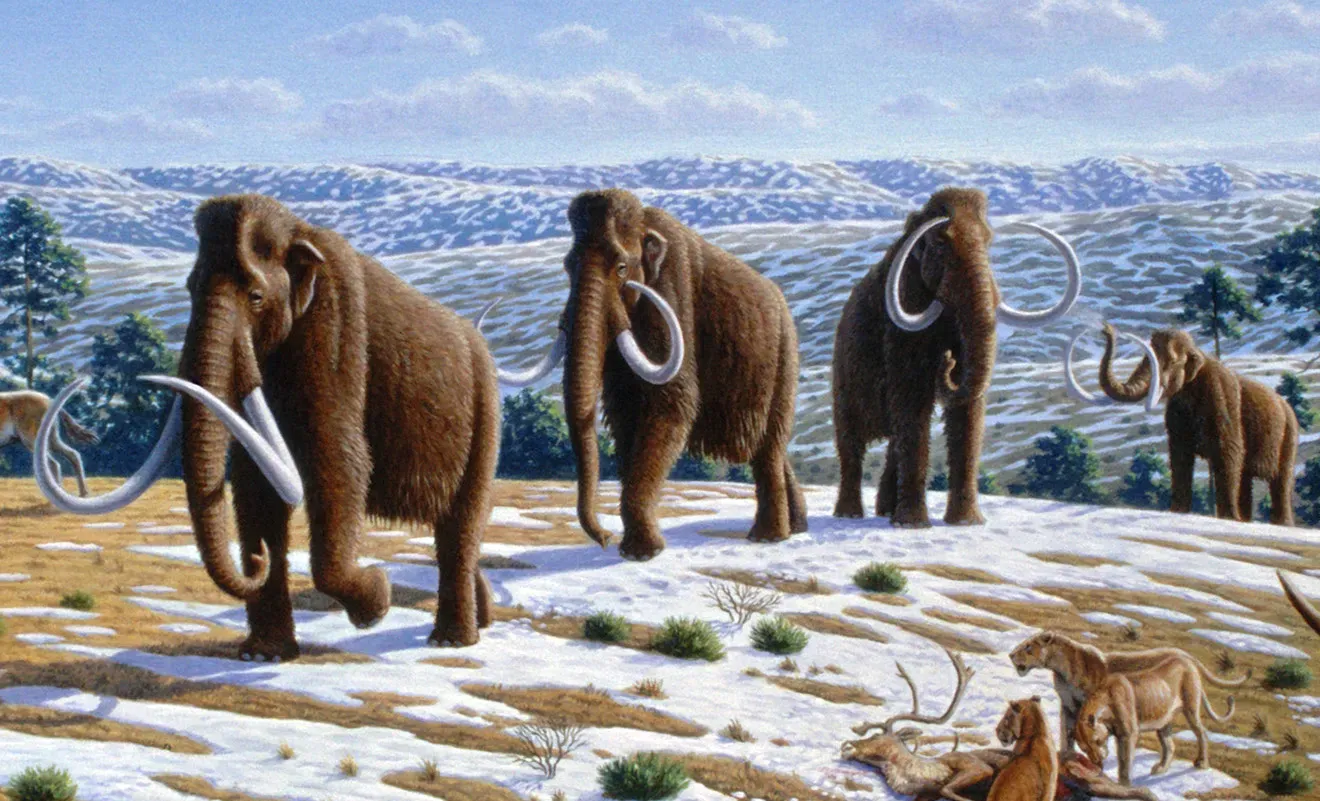
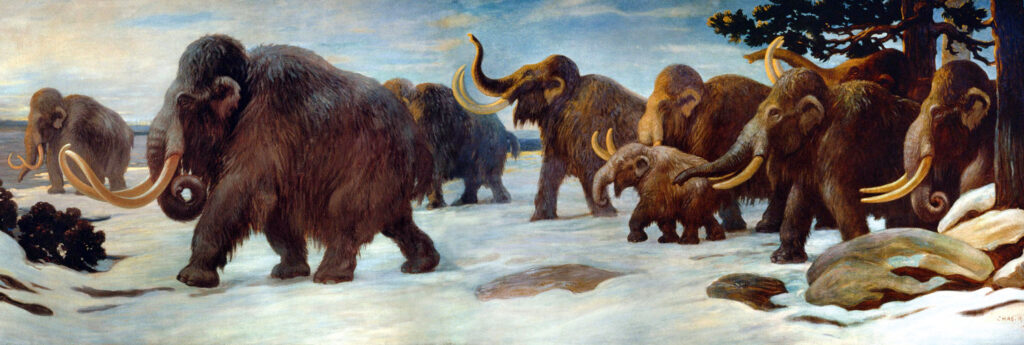
Here’s the first small win for Ice Age: mammoths genuinely were creatures of cold, open landscapes, just not the endless blizzard the movies suggest. The classic woolly mammoth lived in a biome often called the mammoth steppe, a mix of grassland and tundra stretching from western Europe across Siberia into North America. Think less snow globe and more brutally cold, wind‑scoured, grassy plains where hardy plants clung to life and massive herds shuffled from patch to patch.
The movies at least capture the broad idea that mammoths are not tropical elephants with a fur upgrade but specialists in chilly, open environments. The thick coat, the domed head, and the long, curved tusks are all rooted in real fossils and preserved carcasses pulled from Siberian permafrost. Where Ice Age misses is in making the world almost permanently stormy and mountainous; in reality, these animals spent most of their time on relatively open, low‑relief steppe, more like a frozen prairie than a Himalayan ice wall.
Manny’s body plan: surprisingly close to a woolly mammoth
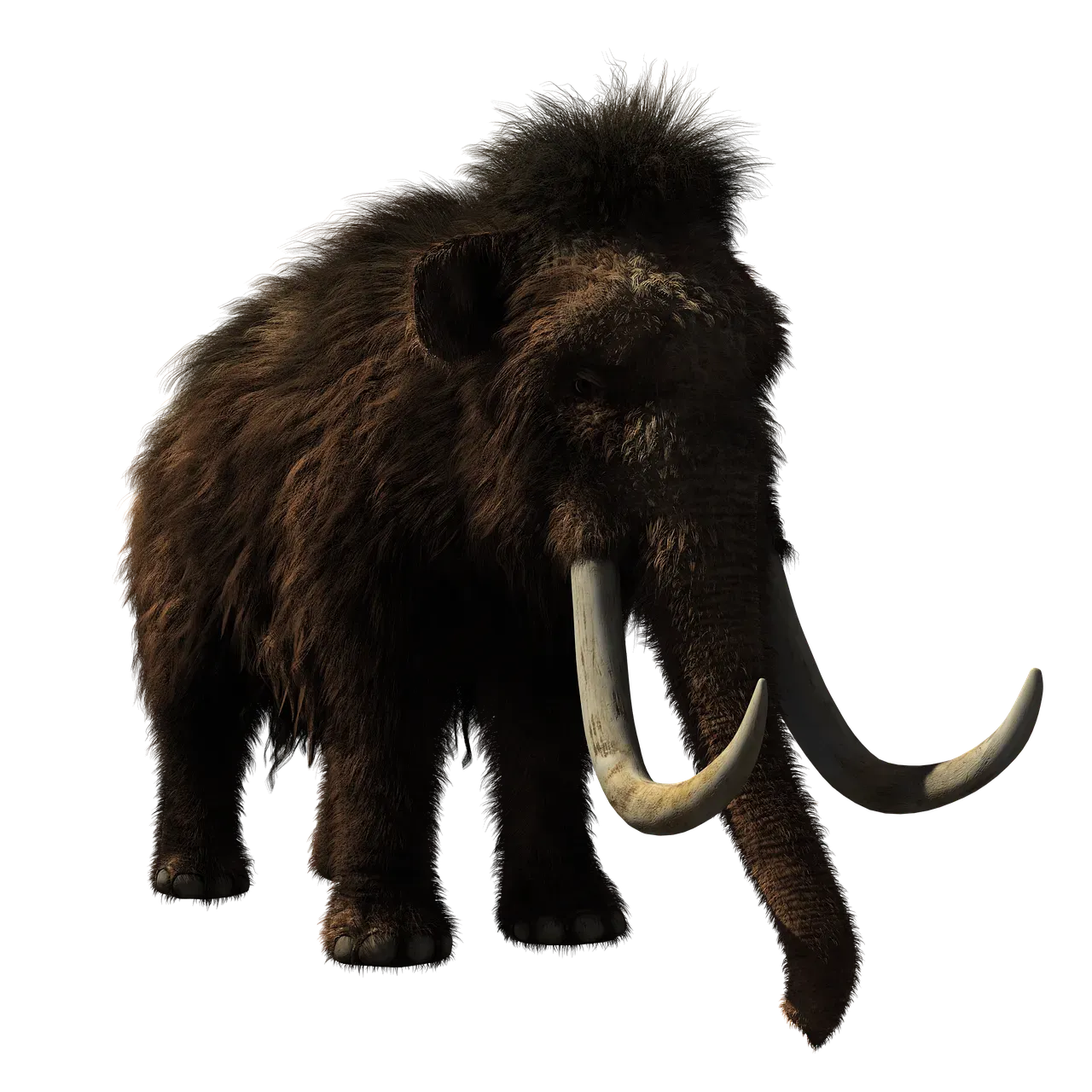
For a movie with a talking mammoth who sulks and cracks jokes, the animators did a decent job with his basic anatomy. Manny’s high domed shoulders, sloping back and hefty, curved tusks line up reasonably well with what we know from skeletal reconstructions and frozen remains. The short ears and relatively short tail also reflect adaptations to cold climates, minimizing exposed skin that could lose heat or freeze, which we see in real mammoth specimens compared to modern African elephants.
Of course, he is still a heavily stylized cartoon. His face is more expressive than any real elephant could manage, and his movements are more human than proboscidean when the story calls for it. But if you freeze‑frame Manny beside a museum model of a woolly mammoth, the silhouette is recognizably close. That puts Ice Age ahead of a lot of older pop‑culture depictions that basically slapped a fur coat on a modern elephant and called it a day.
Sabre-toothed cats were power predators, not cheetahs with knives
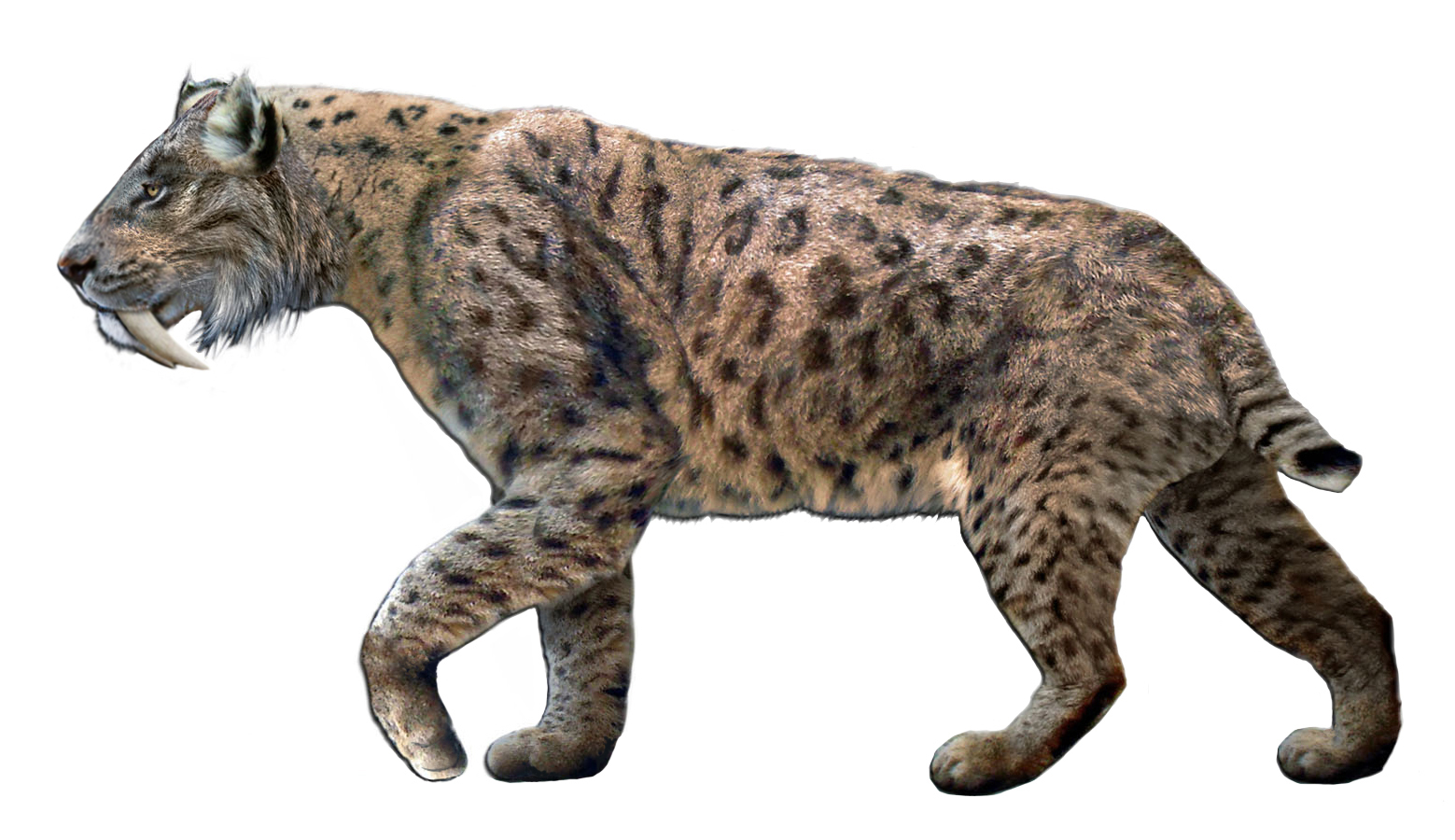
Diego, the sabre‑toothed cat, is probably the character that most people assume is exaggerated beyond recognition – those teeth feel almost ridiculous until you see the real skull of Smilodon. The iconic sabre‑toothed cats did have outsized, laterally flattened upper canines that extended well below the lower jaw, and their overall build in life was closer to a weightlifter than a sprinter. Stocky limbs, deep chests, and powerful neck muscles point to an ambush predator built for explosive power rather than long chases.
Ice Age leans into that vibe more than you might think. Diego is portrayed as agile but also heavily muscled, capable of wrestling large prey rather than just nipping at heels, which actually aligns better with current ideas about how sabre‑toothed cats hunted. Where the movie slides into fantasy is in having them behave like modern, social big cats in a neatly organized “pack,” and in glossing over how delicate those giant canines probably were during rough impacts. Still, the broad impression – a robust, dangerous predator with oversized fangs – is not nearly as far from reality as his wisecracking personality suggests.
Ground sloths really were big, heavy, and surprisingly tough
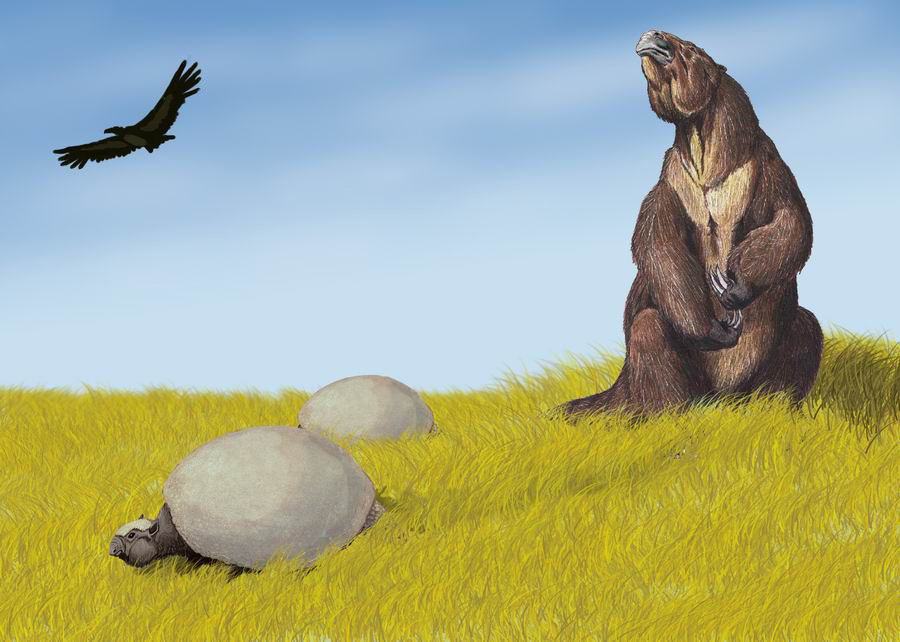
Sid the sloth seems like the furthest thing from a real Ice Age heavyweight, yet his species is based loosely on ground sloths that were anything but flimsy. Real Pleistocene ground sloths, including genera like Megatherium and Eremotherium, could reach the size of a small elephant, with massive bones, thick claws, and powerful forelimbs. These animals were not the fragile tree‑huggers we imagine from modern three‑toed sloths; they were built like walking fortresses of bone and muscle.
Where Ice Age stumbles is by turning that into a clumsy goofball who is always on the verge of getting crushed. But the general idea that there were large, ground‑dwelling sloths sharing the late Ice Age landscape is right. In a sideways way, the movie nudges people toward realizing that sloths once filled an entirely different ecological role, one more like giant browsers or bulldozers of vegetation than the slow, leaf‑nibbling tree dwellers we see today.
These animals really did overlap in time – but the timeline is extremely squished
![These animals really did overlap in time – but the timeline is extremely squished (Current version from the following site without attribution:[1] Previous version from NPS Foundation Document (archive), page 19 (no name is credited in the "Photo and Art Credits", page 42)original version stitched together from images credited to "NPS Photo" on NPS Paleontology page (archive) and NPS Fossilized Footprints page (archive), Public domain)](https://nvmwebsites-budwg5g9avh3epea.z03.azurefd.net/dinoworld/c57b29a82ed33b590420bf00b0f0b6db.webp)
One thing Ice Age almost gets, then immediately scrambles, is the idea that mammoths, ground sloths and sabre‑toothed cats existed together during the Pleistocene. There really was a period when these groups overlapped on the same continents, especially in the Americas, where mammoths, large ground sloths and sabre‑toothed cats all appear in the fossil record. That part of the premise is not pure fantasy; the broad cast list reflects a genuine Ice Age megafauna community.
The problem is that the movie plays fast and loose with time in a way that would give any paleontologist a headache. Species separated by tens of thousands of years, and sometimes more, get compressed into what feels like a single winter. The film also casually tosses in creatures from very different regions and climatic moments. So yes, the general idea that these kinds of animals shared the Ice Age world is right, but the movie collapses a messy, shifting timeline into a single, timeless snow‑themed backdrop for story convenience.
The social lives: herds, danger, and a lot of dramatic license
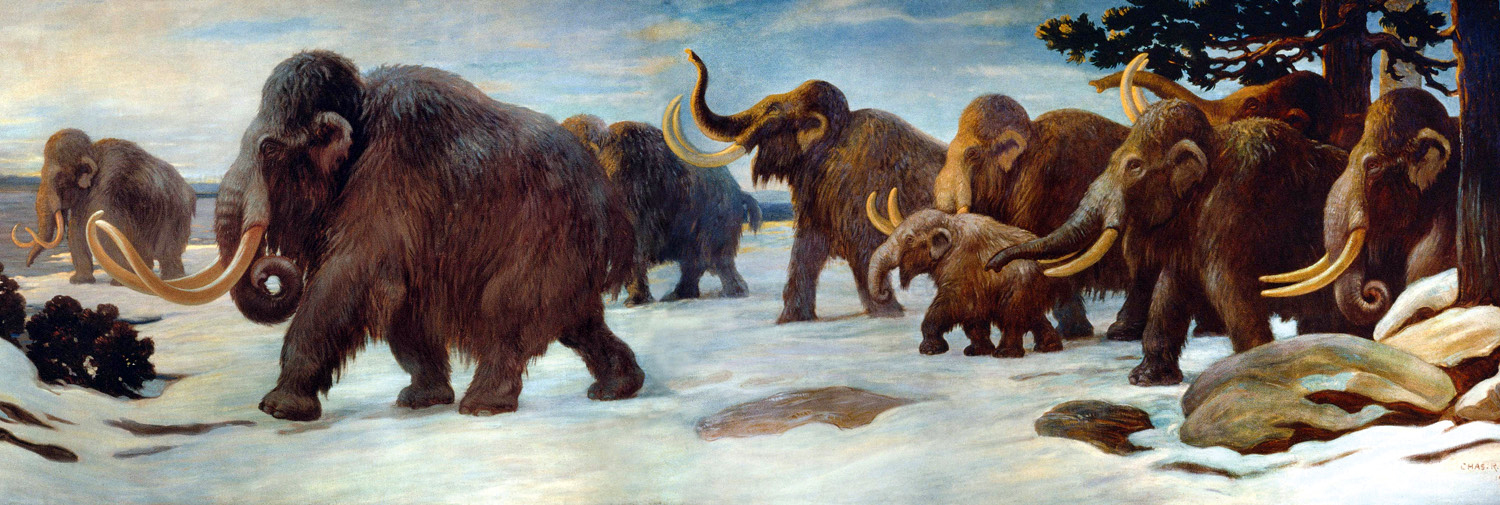
Ice Age leans hard into the idea of found family, which is obviously a human story, not a scientific one. Yet buried under the emotional arcs, there is a seed of truth: many Ice Age mammals were probably deeply social. Herd behavior is strongly supported for mammoths by trackways and bonebed sites that show multiple individuals together, often of different ages. Living elephants, which are their closest modern relatives, form tight‑knit matriarchal groups, so imagining mammoths as highly social is reasonable.
For sabre‑toothed cats and ground sloths, the evidence is murkier. Some fossil sites with multiple Smilodon individuals have been interpreted as hints of social behavior, but that is still debated, and there is little to indicate anything like the neatly cooperative, talkative crews shown in the films. Ground sloths might have come together at particular feeding or mineral sites, but they were not forming wise‑cracking road‑trip teams. The movie takes a tiny sliver of plausible sociality and cranks it up to full sitcom mode, which makes for good drama but only faintly echoes the real science.
The surprisingly short list – and why that actually matters
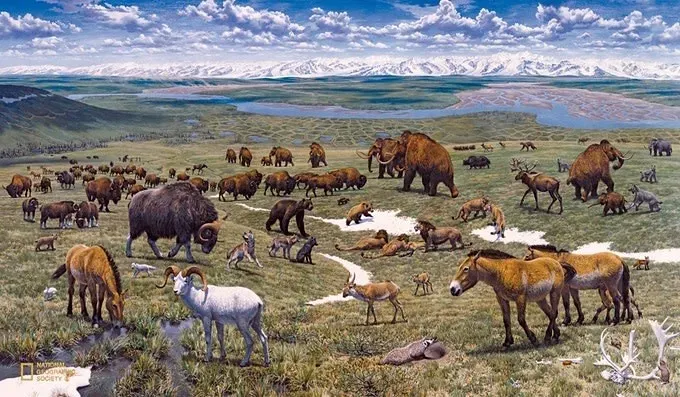
When you add it all up, the accurate parts of Ice Age boil down to a modest handful of things: mammoths in cold open landscapes, broadly correct mammoth body shape, powerfully built sabre‑toothed cats with giant fangs, genuinely huge ground sloths, and an Ice Age world where these giants broadly coexisted. Compared to the talking, slapstick, time‑bending chaos layered on top, that list feels almost comically short. But that mismatch is exactly why the movie is such an odd gateway drug into real paleontology.
In my view, Ice Age gets just enough right to spark curiosity, but not nearly enough to be left unchallenged. That is not a flaw so much as an opportunity. The films should not be treated like documentaries – they bend time, behavior and ecosystems until they snap – but they do leave kids and adults with mental images that can be gently corrected and deepened later. The real Pleistocene was stranger, harsher and more complex than anything on screen, and the fact that the movie only brushes against the truth in a few places is a reminder that nature does not need punchlines to be astonishing.