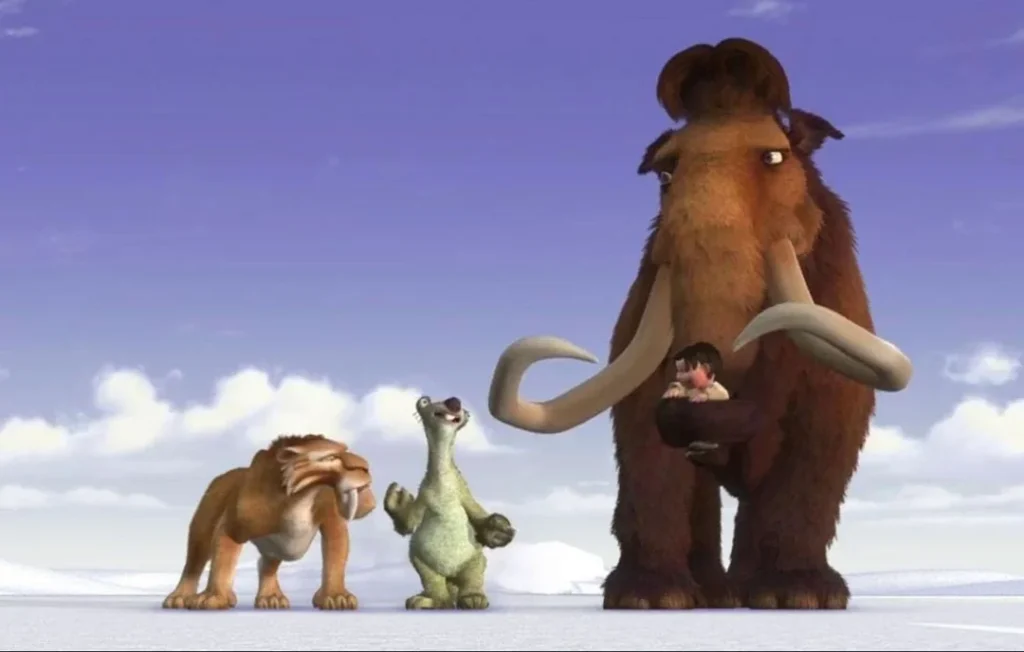
When Ice Age hit cinemas in the early 2000s, most of us weren’t wondering whether the science checked out. We were too busy laughing at a neurotic mammoth, a laid‑back sloth, and a terrifyingly adorable sabre‑toothed cat. But if you’ve ever rewatched it and thought, “Wait… was any of that even remotely realistic?”, you’re not alone. The honest answer: only a few things land anywhere near the truth, and some of those are more happy accidents than careful science.
That doesn’t mean Ice Age is useless for learning about the past. It actually gets a handful of broad ideas right about how these animals looked, moved, and lived, even if the details are often straight‑up fantasy. Think of it like one of those funhouse mirrors at a carnival: there is a real shape underneath, but you have to squint and mentally straighten things out to see it. Let’s walk through what the movie surprisingly nails about mammoths, ground sloths, and sabre‑toothed cats – and where it completely drifts into cartoon land.
Mammoths as shaggy Ice Age giants: size, fur, and cold‑weather design
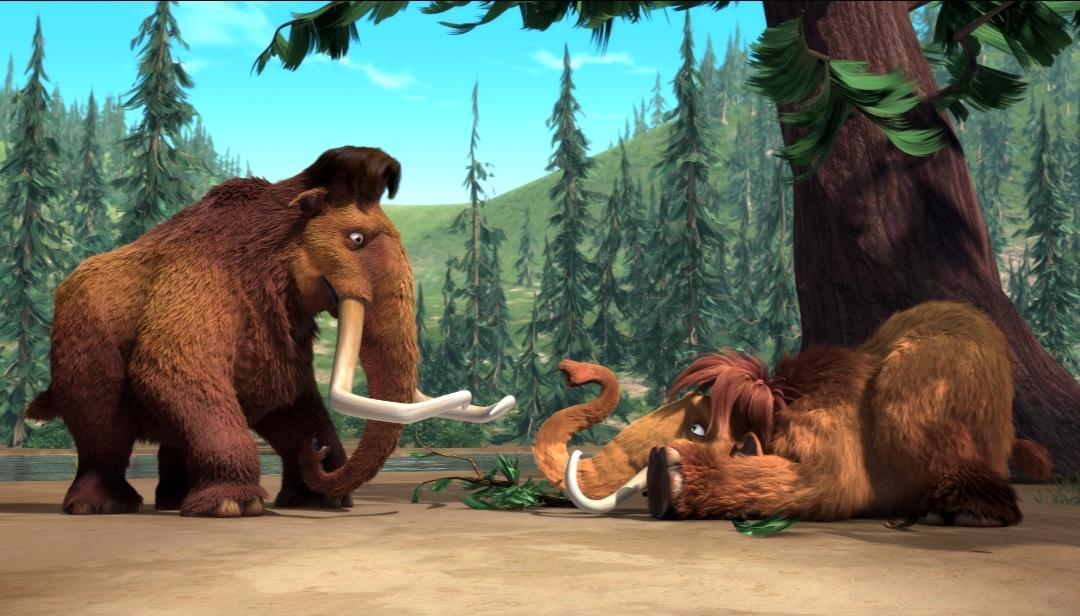
The first thing Ice Age gets reasonably right about mammoths is the overall vibe: huge, shaggy, and built for the cold. Real woolly mammoths were roughly about the size of modern African elephants, with males standing around three to four meters tall at the shoulder and weighing several tonnes. They carried that iconic woolly coat, complete with a dense underfur and a layer of fat underneath the skin acting like a natural thermal jacket in freezing steppe‑tundra climates. The movie leans into that visual, and while Manny looks slightly more like a cartoonified generic mammoth than a perfect woolly replica, the big, hairy, cold‑adapted silhouette is on point.
The film also nudges viewers toward a correct mental picture of where mammoths lived: sweeping, open, icy landscapes rather than dense tropical forests. That matches what we know from fossils and preserved carcasses found in Siberia and other northern regions, where mammoths roamed grass‑rich plains that were cold, windy, and unforgiving. When you see Manny trudging through snow and wind, that part feels right; mammoths were absolutely not savanna animals. Is it simplified? Completely. But as a basic visual shorthand for “this is an Ice Age specialist,” Ice Age does pretty well.
Social mammoths: herds, memory, and emotional lives (with caveats)
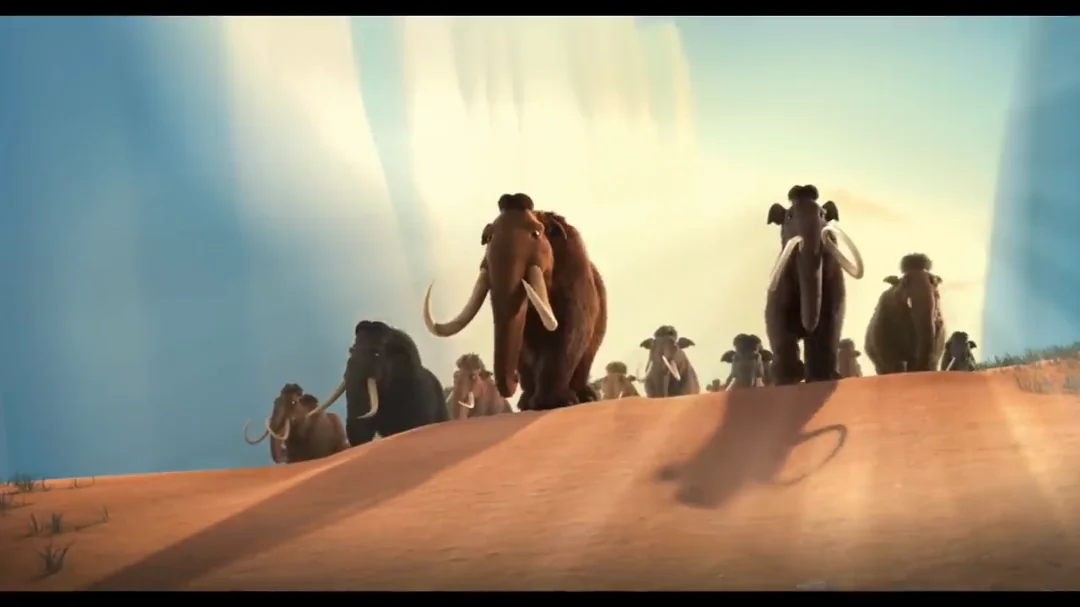
Another area where Ice Age is not just making things up from nothing is the idea that mammoths were social, emotionally complex animals. The movie shows them forming tight bonds, grieving, and, in Manny’s case, carrying psychological scars from family loss. We do not have direct access to mammoth feelings, obviously, but because they are close relatives of elephants, it’s reasonable to infer similar social structures: herds led by experienced females, long‑lasting social ties, and learned behavior passed between generations. Elephant herds today show behaviors that look a lot like mourning and attachment, so the movie’s choice to give mammoths deep social lives is more grounded than it might appear.
Where the film drifts is in making Manny a lone, grumpy wanderer cut off from any herd for years, as if that’s just a normal life stage. In real elephant groups, isolation for long periods is usually associated with older males, not family‑oriented females and calves, and even then there’s often some social contact. Still, the core message that mammoths were not solitary brutes, but smart, socially driven animals, lines up with the best guess from modern elephant behavior and mammoth brain anatomy. It’s one of the rare times where Ice Age’s emotional storytelling happens to sit on top of plausible science instead of fighting it.
The “sloth” part of Sid: slow metabolism and oddball anatomy
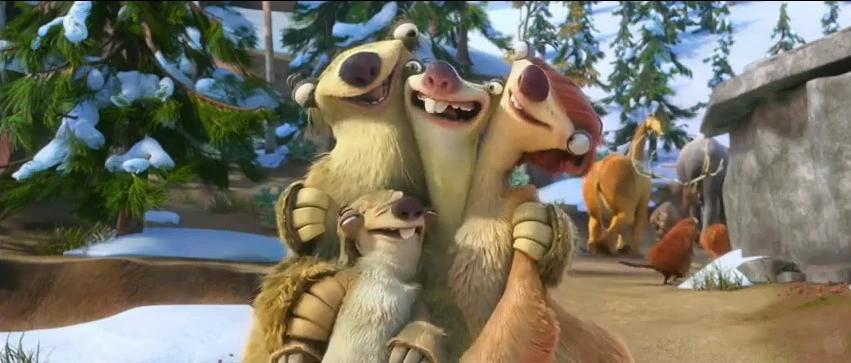
Sid the sloth is basically a walking contradiction: he talks a mile a minute and sprints when the plot demands it, but he’s supposed to be part of a famously slow group of animals. Despite that, Ice Age does latch onto a couple of real sloth traits. Ground sloths (the kind that lived during the Ice Age, not the little tree‑dwellers we know today) were indeed odd‑looking, long‑limbed creatures with big claws and a somewhat awkward way of moving on land. Many species likely had relatively slow metabolisms and relied on bulk plant matter, which is not too far off from Sid’s plant‑eating, non‑predatory lifestyle.
The film also gets one subtle thing somewhat right: ground sloths were not tiny. Some of them were absolutely massive, as big as a small car, and even the mid‑sized ones would have looked imposing compared with a human. Sid, by contrast, is comically undersized, but his freaky long limbs, hunched gait, and clawed hands do echo real paleontological reconstructions, just filtered through a cartoon lens. If you ignore his Manhattan‑comedian personality and physics‑defying agility, his basic body plan at least nods toward the actual animal group he is meant to represent.
Saber‑toothed cats as power predators: teeth, build, and hunting style
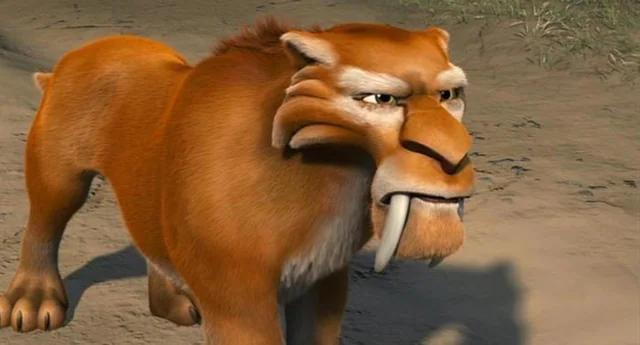
If you strip away the sarcasm and dramatic speeches, Diego the sabre‑toothed cat is rooted in some solid paleobiology. Real sabre‑toothed cats such as Smilodon had those absurdly long upper canines and a robust, muscular body built more for explosive power than for marathon chases. Ice Age does a good job of emphasizing Diego’s strength and close‑quarters danger rather than portraying him as a lightning‑fast, cheetah‑like sprinter. That fits with the idea that sabre‑toothed cats were ambush predators, likely relying on a sudden burst of power to bring down large prey.
The movie also leans into the fact that sabre‑toothed cats lived in a world dominated by megafauna – big herbivores like mammoths, bison, and giant ground sloths. Putting Diego in constant proximity to mammoths and other large animals reflects the real ecological stage, where these cats would have targeted sizeable prey rather than nibbling small rodents. Ice Age simplifies the hunting strategies and softens the gore for obvious reasons, but the broad picture of a powerful, big‑game specialist with oversized canines is a decent first approximation. As children’s media images of prehistoric predators go, it could have been much worse.
The mixed bag of Ice Age ecosystems: right climate, wrong neighbors
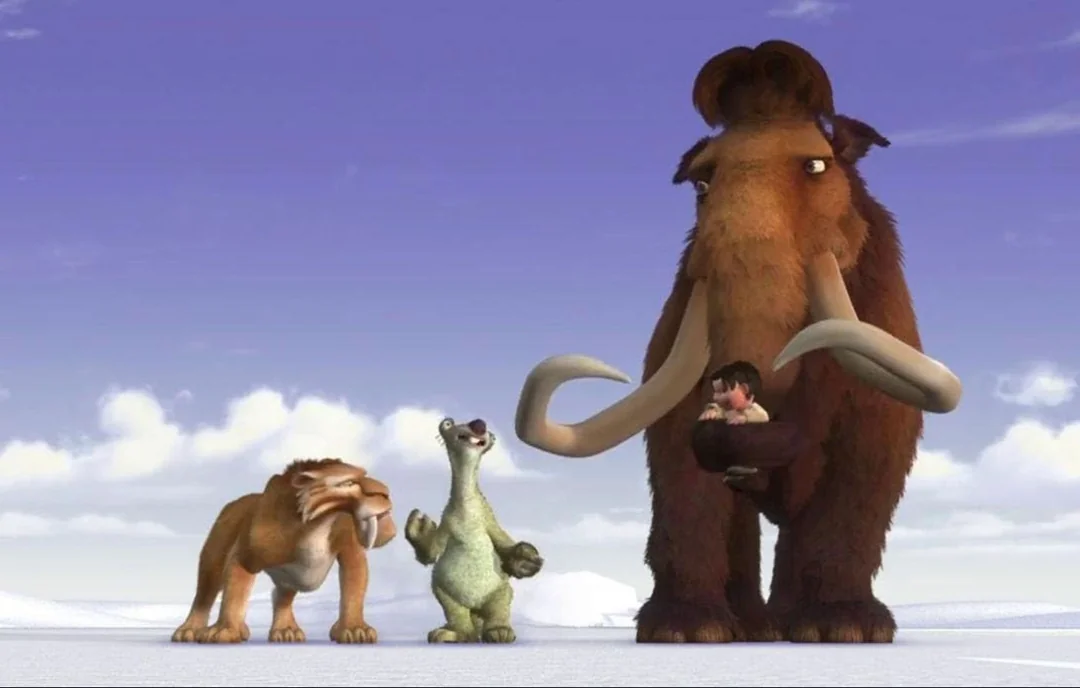
One of the more surprisingly accurate big‑picture elements of Ice Age is the general climate mood: expanding ice sheets, colder temperatures, and populations of animals on the move. During the last Ice Age, vast glaciers did dominate parts of the Northern Hemisphere, and animals really did respond by shifting their ranges and forming new community mixes. You can think of the movie’s endless snowfields and migrating herds as a heavily dramatized version of something that actually happened, even if the timelines are wildly compressed for storytelling.
Where Ice Age mostly stumbles is in putting animals together that did not all live in the same place at the same time. The franchise throws mammoths, North American sabre‑toothed cats, ground sloths, and even some more ancient or more recent species into one traveling circus. In reality, species overlapped in complicated, region‑specific ways, and there were many different Ice Age worlds rather than one global mash‑up. So while the movie gets the general idea that the Pleistocene was a time of cold, large animals, and ecological upheaval, it treats the fossil record like a buffet rather than a carefully layered history.
What Ice Age really teaches us: emotional truth vs scientific truth
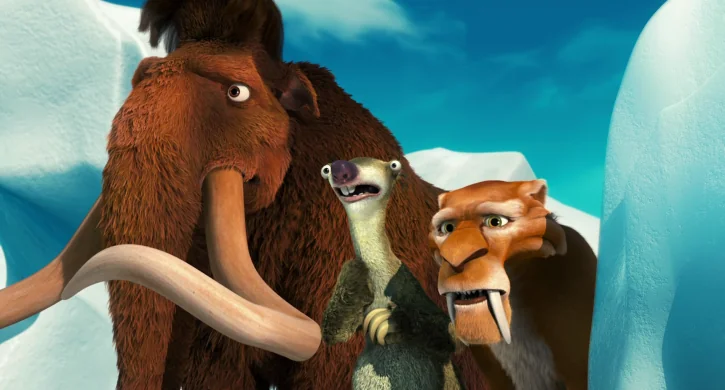
When you zoom out, the list of things Ice Age gets scientifically right about mammoths, sloths, and sabre‑toothed cats is honestly pretty short: shaggy cold‑adapted mammoths, social elephant‑like behavior, oddly built plant‑eating ground sloths, and power‑focused sabre‑toothed predators in a chilly, megafauna‑rich world. Beyond those broad strokes, the film cheerfully sacrifices accuracy for jokes, drama, and heartwarming character arcs. Species that never met share punchlines; behaviors are dialed up to human extremes; timelines collapse into one chaotic road trip. As science, it is more fuzzy sketch than detailed illustration.
I don’t actually think that’s a disaster – as long as we admit what the movie is and what it isn’t. Ice Age is emotionally honest about something real: loss, survival, and unlikely cooperation in a harsh, changing world. That feeling of a fragile herd trying to stick together in the cold might say more about us than about mammoths, but it is still powerful. The catch is that people sometimes walk away thinking they have seen a faithful snapshot of prehistory when they’ve really watched a remix. Maybe the most useful way to see Ice Age is as a fun gateway: it gives you just enough truth to spark curiosity, and then it’s on you to dig deeper and find out how strange – and far more interesting – the real Ice Age animals actually were. Did you expect such a slim line between fact and cartoon?