Picture stepping outside your front door and hearing not traffic, but the distant bellow of a sauropod echoing across the horizon. Imagine looking up from your phone to see a pterosaur gliding over a megacity skyline, or checking the weather and seeing a storm warning plus a note about migrating herds of hadrosaurs. It sounds like a sci‑fi movie pitch, but it is rooted in a very real scientific question: what if the asteroid that ended the age of dinosaurs never hit Earth?
This thought experiment is more than just a fun “what if.” It forces us to ask how evolution, climate, and even human history might have unfolded under the shadow of animals that dominated the planet for well over one hundred million years. Would mammals still have broken out of the shadows? Would anything like humans have evolved at all? Or would we be tiny, nocturnal creatures sneaking around the edges of a dinosaur‑run world, like background extras in someone else’s story?
A World Where the Impact Never Happened
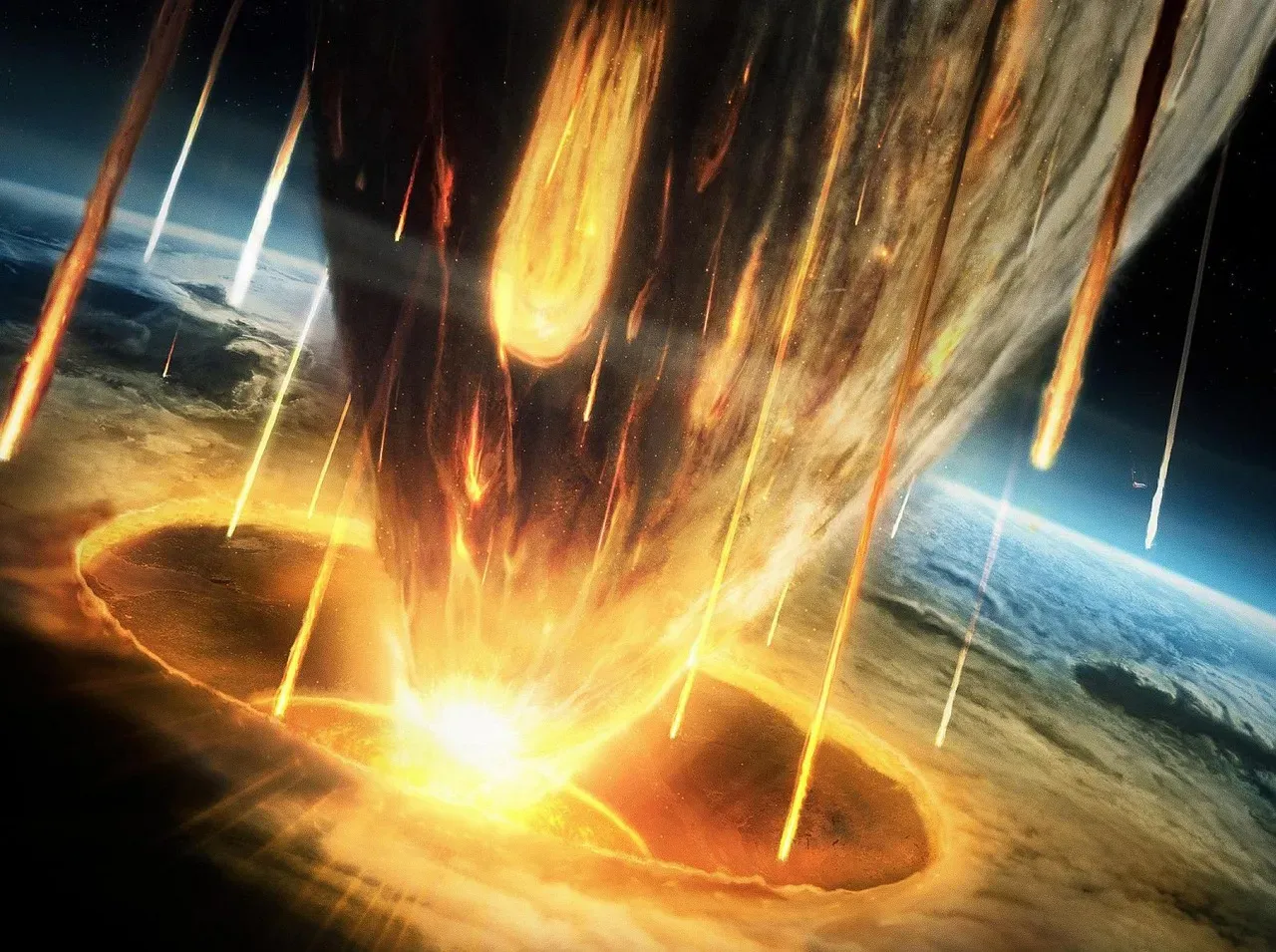
The asteroid that struck about sixty‑six million years ago was not a minor event; it was a planetary reset button. Without that collision, there would have been no sudden, global winter triggered by dust and aerosols, no rapid collapse of food chains, and no mass extinction wiping out non‑avian dinosaurs in a geological blink of an eye. Instead, the late Cretaceous world likely would have continued to evolve more gradually, with dinosaurs still the dominant large animals on land, in the air, and in some ecosystems even in the water.
That matters because evolution tends to favor those already winning in a stable environment. If dinosaurs were still occupying most of the big, powerful, and energy‑rich roles in ecosystems, mammals would probably have remained mostly small, opportunistic, and overshadowed. The familiar pattern where mammals explode into new forms after the dinosaurs vanish would never have happened, because that ecological space would never have opened up. In a sense, the asteroid did not just end one story; it cleared the stage so a new kind of story could even begin.
Could Humans (or Anything Like Us) Have Evolved?
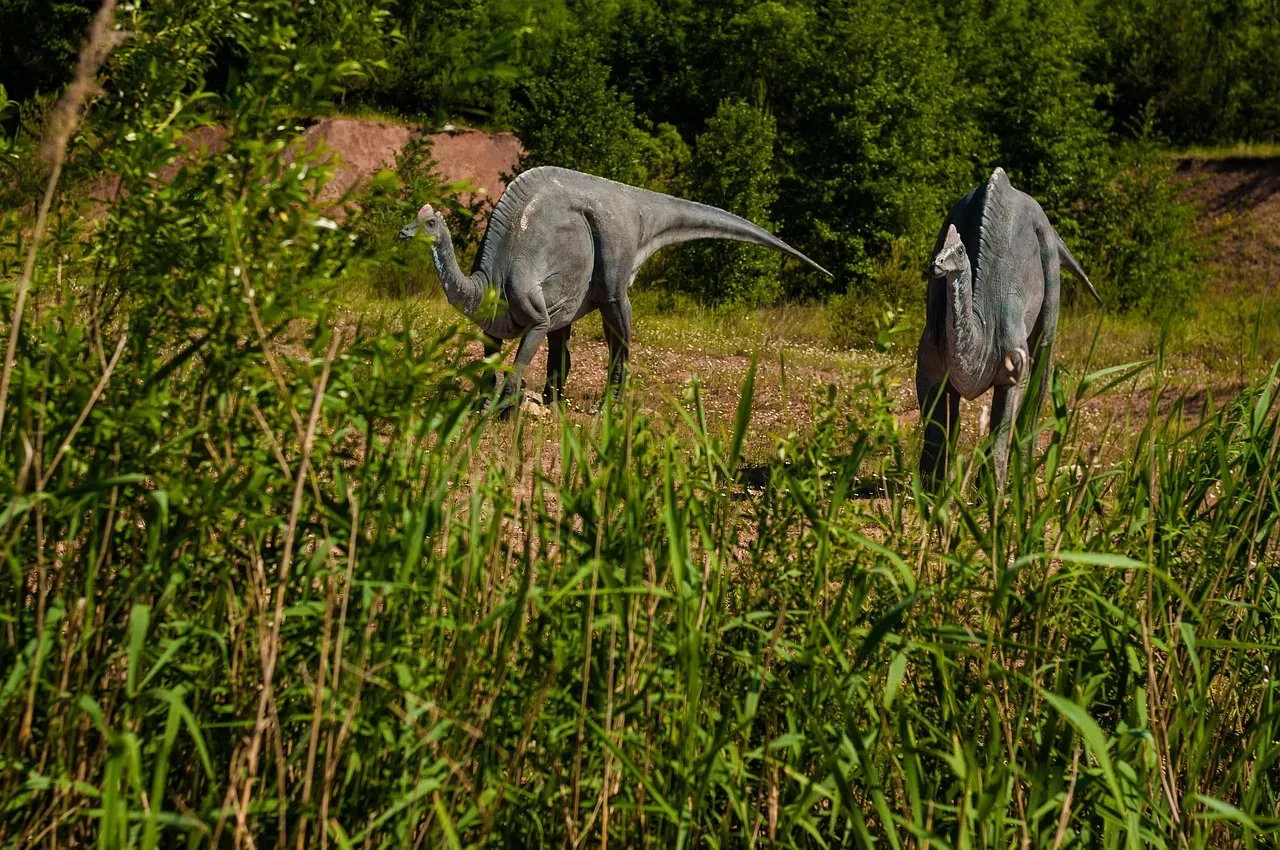
This is the question everyone secretly cares about: in a dinosaur‑ruled Earth, do we get anything remotely like humans? The honest, evidence‑based answer is that it is very unlikely. Mammals evolved brains, complex behavior, and social structures while living in the shadows of dinosaurs, but their real expansion into large‑bodied, big‑brained niches happened only after the extinction event. Without that break, the evolutionary pressure to become large, upright, tool‑using apes might never have appeared, because the “big, dominant land animal” slot was already filled.
Some scientists have speculated that certain dinosaur groups, especially small, nimble theropods closely related to birds, might have continued to evolve higher intelligence. You can see a faint echo of this in modern birds like corvids and parrots, which can solve puzzles, use tools, and show startling problem‑solving skills. But there is a huge gap between clever bird and city‑building, internet‑using species. It is possible that no creature would ever have made that jump, and Earth would be a planet buzzing with life, drama, and complexity, but without a species sitting around wondering about alternate timelines.
Dinosaur Megacities and Urban Ecosystems
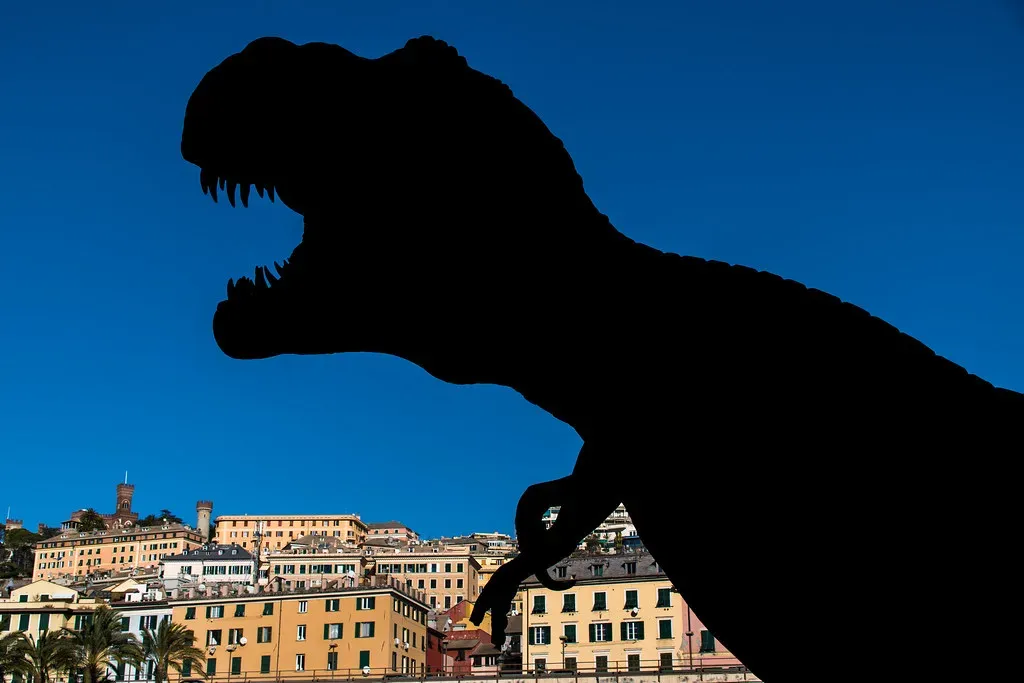
Let’s take the long shot and assume something humanlike did evolve alongside or after dinosaurs, or that a very intelligent dinosaur lineage took the reins of advanced culture. Cities in that world would not look like ours. Engineering would have to account for multi‑ton animals moving through or around urban areas, which means wider transit routes, reinforced structures, and probably entire city districts effectively walled off as “dinosaur corridors.” Think of present‑day elephant underpasses and wildlife bridges, but scaled up, normalized, and integrated into urban planning from day one.
Even if no dinosaur ever learned to read a blueprint, dinosaurs would still shape urban life the way large wildlife does today, only more intensely. Predatory species would be the ultimate test for public safety and perimeter design, much more serious than worrying about the odd bear or cougar. Urban farms and green belts might be fortified like modern zoos to prevent herds of herbivores from stripping crops overnight. The soundtrack of a city might include the rumble of trains, the hum of drones, and the low, infrasonic calls of enormous animals that you feel in your chest before you ever hear them.
Climate, Continents, and the Dinosaurs’ Second Act
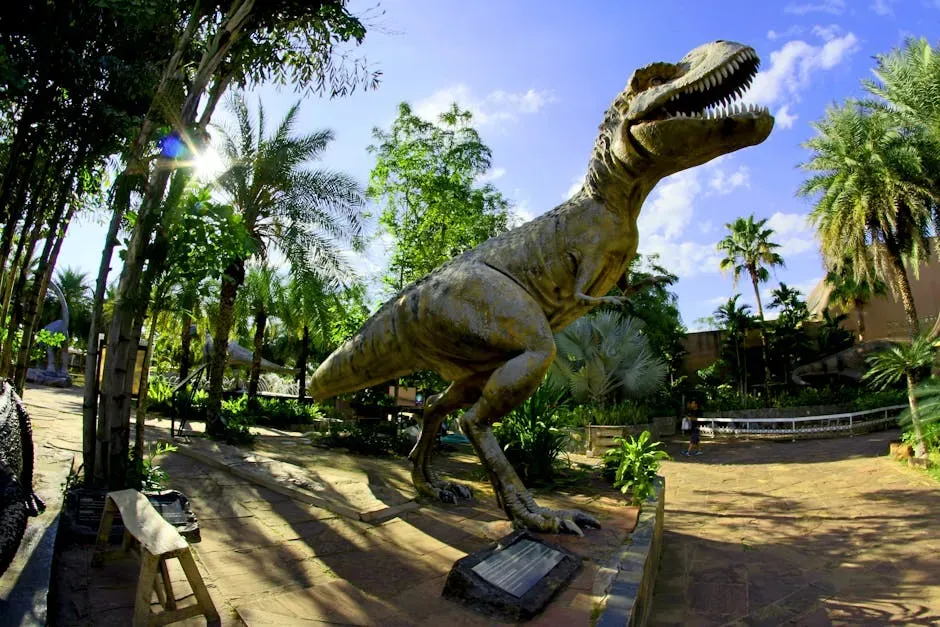
One of the most overlooked pieces of this scenario is that Earth’s climate and geography have not stood still since the Cretaceous. Continents have continued to drift, climates have swung through warm and cool phases, and mountain ranges and ocean currents have reshaped habitats. Dinosaurs would have had to adapt to colder poles, shifting coastlines, and new land bridges, just like mammals did in our reality. There is no reason to assume they would simply freeze in time as “classic” Cretaceous creatures.
Over tens of millions of years, this could have produced dinosaur equivalents of polar bears, mountain goats, or even marine specialists that rival our whales in size or our seals in adaptability. Feathers, already present in many theropods, might have become even more widespread as insulation in cooler climates. You could easily imagine shaggy, feathered, warm‑blooded dinosaurs roaming snowy forests, or sleek aquatic forms dominating coastal seas. In that sense, a world without the asteroid might be even stranger and more diverse than the one we usually imagine from museum skeletons and movies.
Technology in a World of Giants
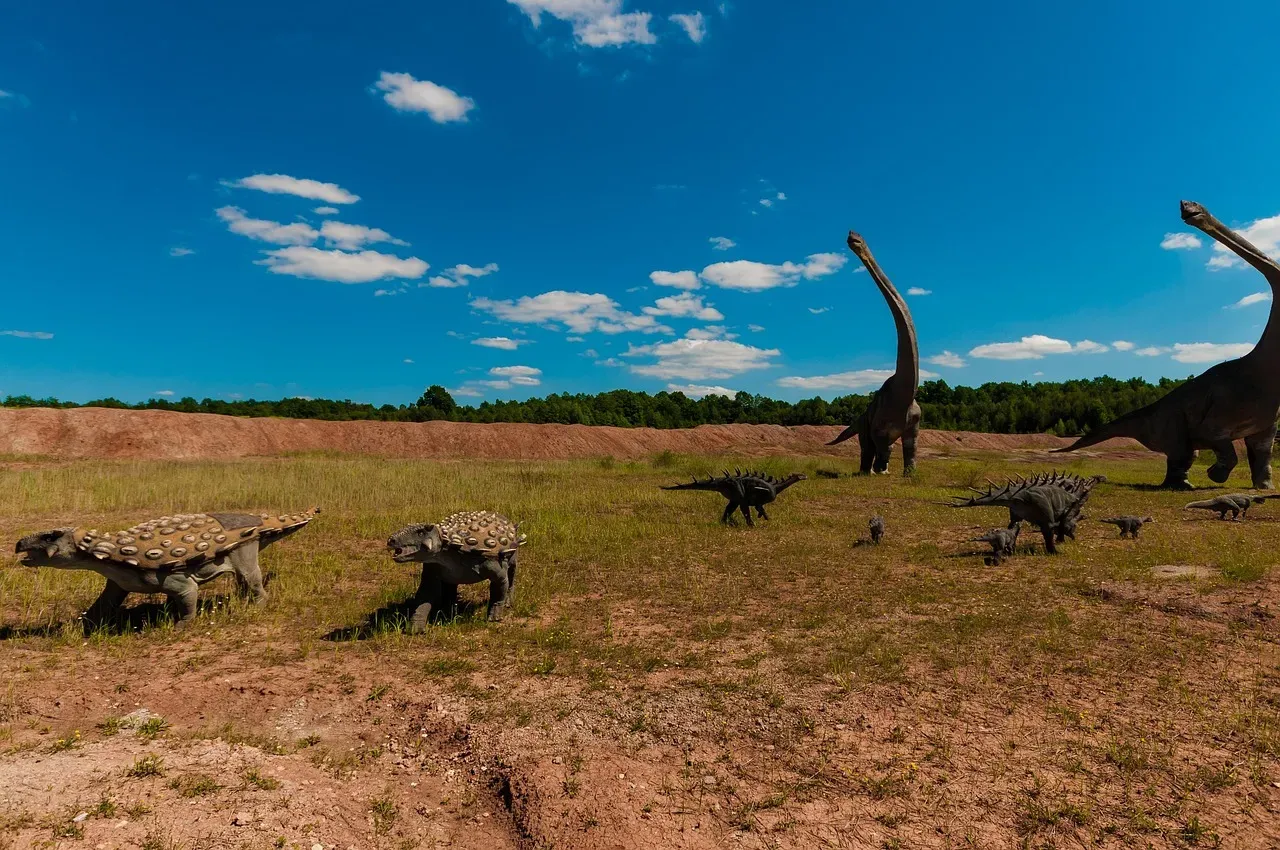
If an intelligent, tool‑using species arose in this dinosaur‑ruled world, its technological path would be shaped by constant negotiation with giant animals. Agriculture would be trickier, because a single passing herd could wipe out months of work. That might push early societies to develop fencing, terracing, and strong storage systems much earlier and more seriously than in our own history. Fire might be used strategically to manage dinosaur movements, nudging herds away from settlements and creating safe buffer zones.
Transportation and industry would face their own challenges. Rail lines, highways, or whatever their analogs might be would have to be routed with migratory paths in mind, both to protect infrastructure and to avoid catastrophic collisions. On the flip side, a society might learn to harness dinosaurs themselves, not as simple beasts of burden, but as living infrastructure: mobile platforms for heavy hauling, living bulldozers creating paths, or even organic early warning systems for environmental changes. It sounds fantastical, but people already work with giant animals like elephants and horses; scale that up with millions of years of coevolution and you get a relationship that is intense, messy, and technologically important.
Human–Dinosaur Relationships: Coexistence or Constant Conflict?
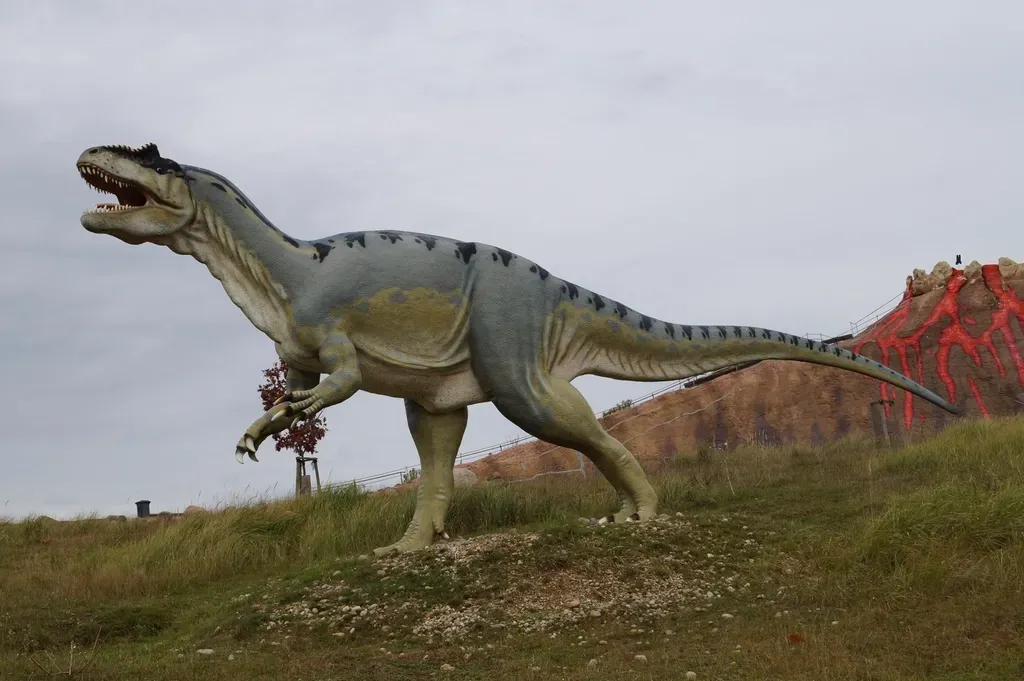
Thinking about coexistence, our track record with large animals is honestly not great. Wherever humans spread in our own history, large megafauna tended to shrink in number or disappear, pushed back by hunting, habitat loss, and competition. In a world where dinosaurs ruled first, the balance of power would be different. Early humanlike species, if they appeared at all, would have grown up under relentless pressure from massive predators and overwhelming herbivores, forcing them to specialize in avoidance, speed, and probably high‑level social cooperation just to survive.
That kind of pressure could cut both ways. On one hand, it might push people toward a deeper respect and understanding of dinosaurs, leading to cultures that see them as forces to adapt to rather than resources to control. On the other hand, it might fuel an arms race: better weapons, stronger fortifications, sharper strategies aimed at keeping dinosaurs out or taking them down. Personally, I suspect we would still find ways to put ourselves at the center of the story, framing dinosaurs either as terrifying enemies or sacred beings, because that is what humans tend to do with anything bigger and more powerful than we are.
How Different Would Earth Look from Space?
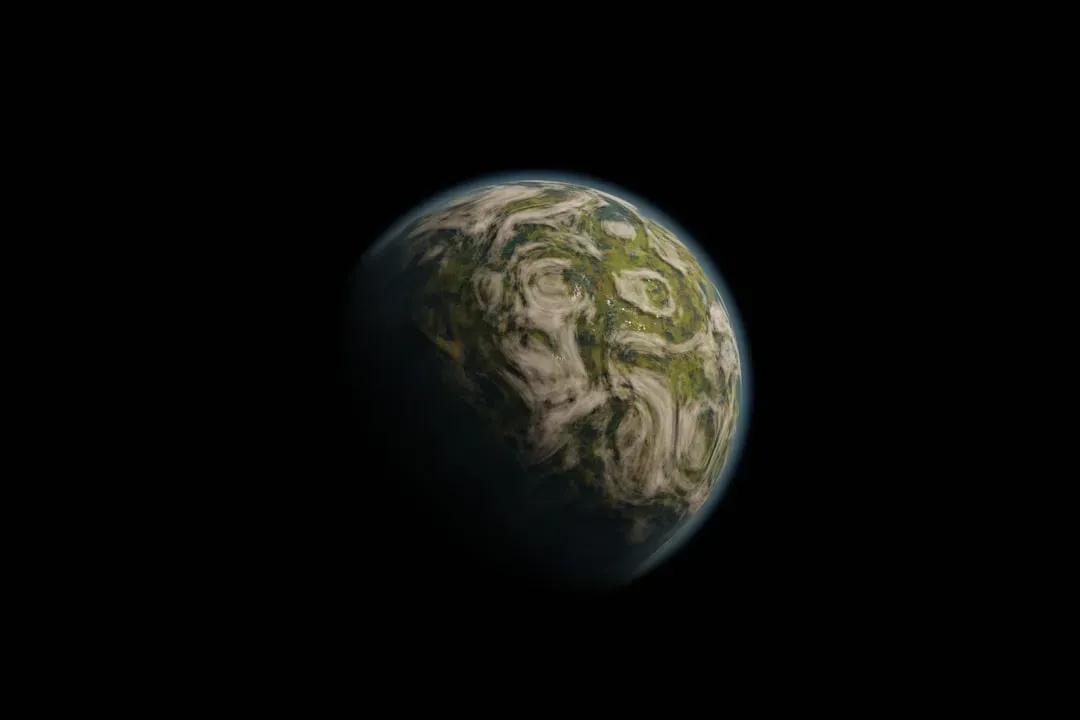
From orbit, a dinosaur‑dominated Earth might look deceptively familiar: blue oceans, white clouds, and swirling weather systems. But look closer, and the differences could be striking. Forests might cover larger areas, with fewer vast monoculture fields replacing them, if agriculture developed more slowly or in more fortified, compact ways. There might be fewer mega‑cities glowing in the night if intelligent species emerged later, more cautiously, or in smaller numbers due to intense ecological competition with dinosaurs.
Birds, which are literally surviving dinosaurs in our world, might be even more diverse and conspicuous, painting the skies with unfamiliar shapes and flight styles. Coastal zones could be alive with large marine reptiles or semi‑aquatic dinosaurs, changing fisheries and ocean ecosystems in ways that ripple up through the entire biosphere. If we ever sent a probe past that alternate Earth, we might register abundant oxygen, complex life, and huge animals, but we might see far less of the telltale techno‑signature of a species like us spreading radio waves and satellites around the globe.
Conclusion: A Planet That Never Needed Us
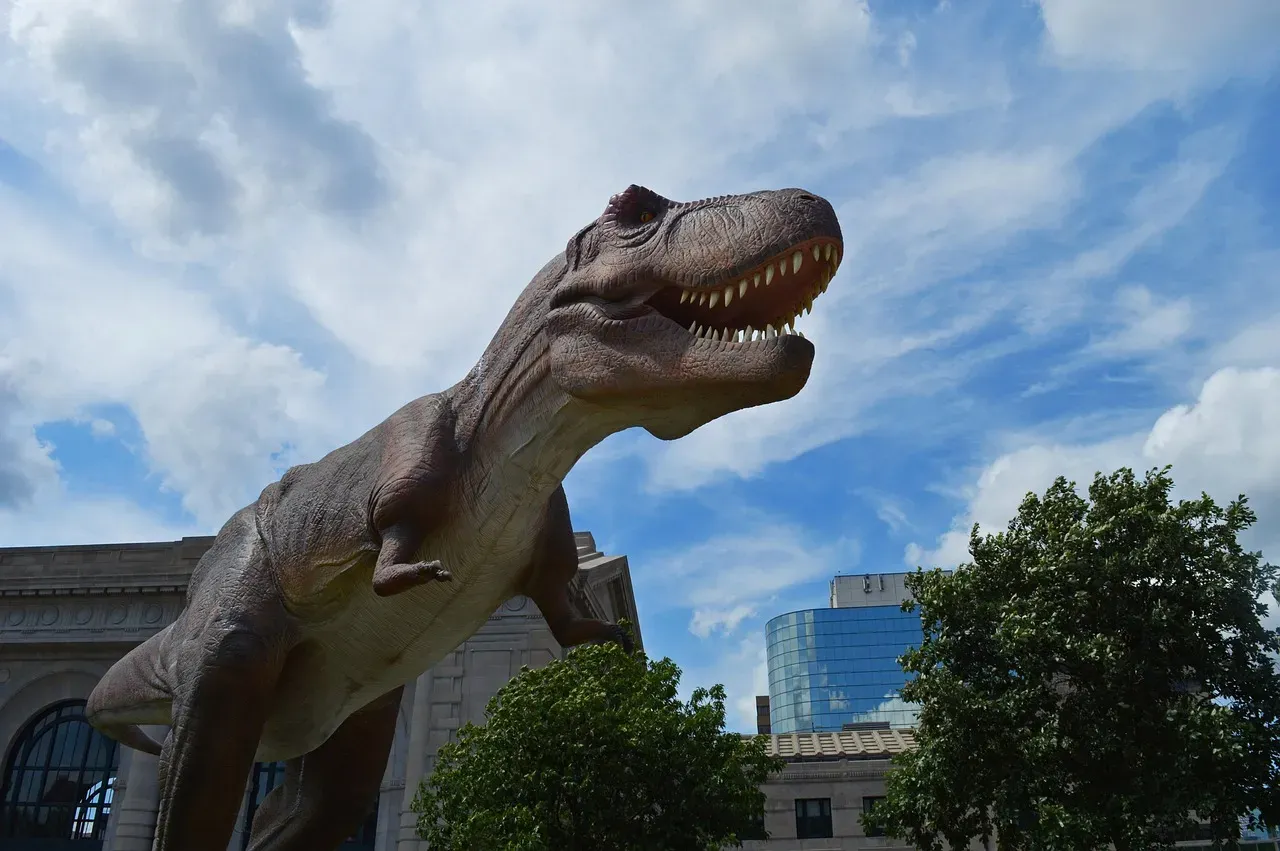
When you really sit with this scenario, the unsettling conclusion is that Earth does not particularly need humans to be spectacular. A dinosaur‑ruled planet might be louder, more dangerous, and in many ways more visually astonishing than the one we actually got, full of giant forms and strange behaviors we can barely imagine. It would be a world of rich ecosystems humming along on their own terms, without a single creature worrying about smartphones, stock markets, or social media feeds. We like to think of ourselves as inevitable, but the asteroid story suggests we are more like the twist ending made possible by a cosmic accident.
My opinion is that if the asteroid had missed, the odds are stacked hard against anything like us ever appearing, and that is exactly what makes our existence feel fragile and weirdly precious. We are not the default rulers of Earth; we are the beneficiaries of a wild, violent roll of the dice. In that sense, asking what would have happened if dinosaurs still reigned is really a way of asking how easily we could have never existed at all. Knowing that, what do we choose to do with the version of Earth we actually ended up with?