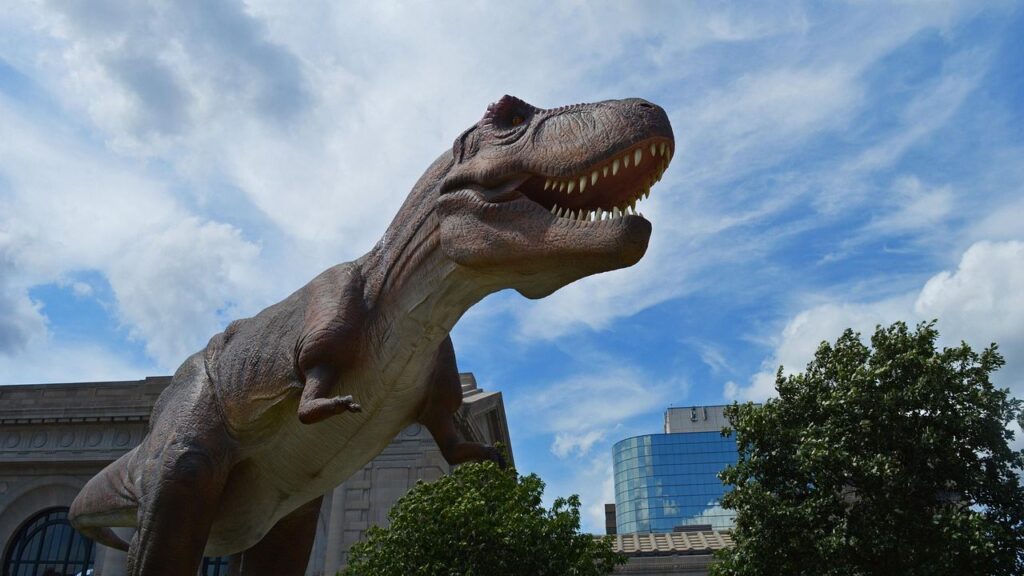
Imagine waking up, checking your phone, and glancing out the window to see a towering sauropod calmly stripping leaves off trees higher than streetlights, while a flock of feathered raptors sprints across a nearby field. No mass extinction, no empty ecological stage for mammals to rise, no humans at the top of the food chain. It is one of those questions that sounds like late-night sci‑fi talk, but hides a genuinely deep scientific puzzle: what kind of world would exist if the dinosaur‑killing asteroid simply never hit?
We know the asteroid impact around sixty‑six million years ago reshaped everything: oceans, atmosphere, forests, and the very list of which creatures get to exist. If that one rock missed, evolution would have taken a wildly different path. But how different? Would dinosaurs have built cities? Would mammals still be timid, nighttime insect‑eaters hiding in the shadows? Or is there a version of Earth where humans and dinosaurs awkwardly share the planet like two rival tenants in the same apartment? Let’s walk through that alternate timeline step by step – and yes, it is stranger and more uncomfortable than it sounds.
A World Without the Great Die‑Off: The Climate Dinosaurs Might Have Inherited
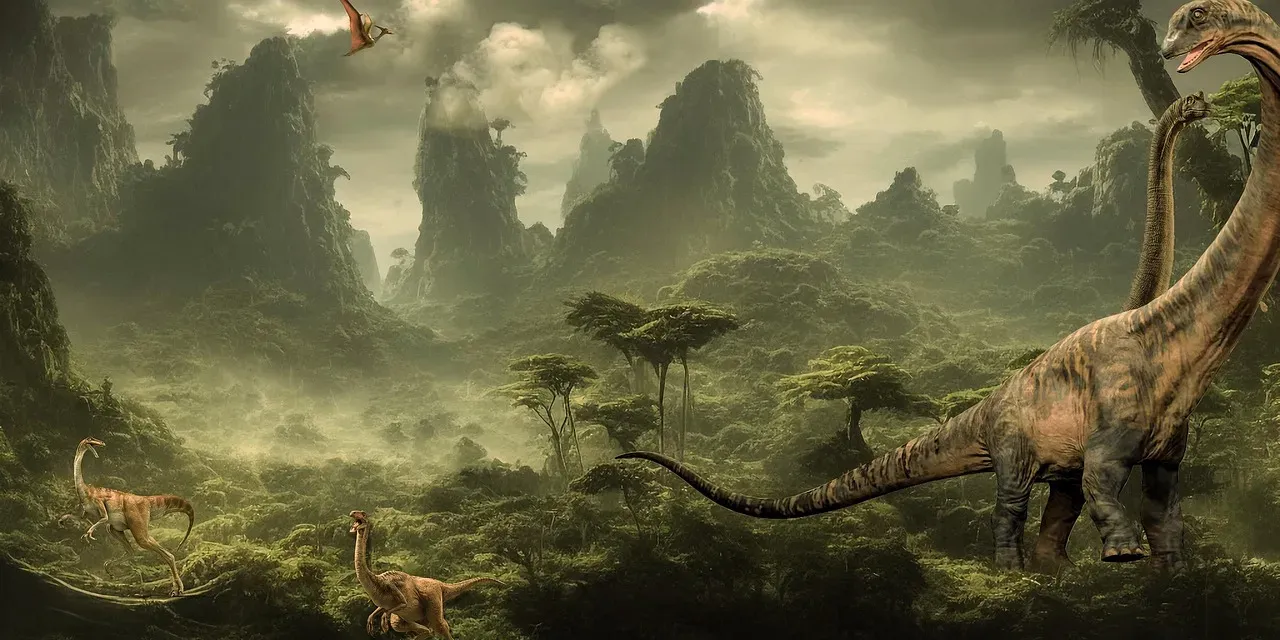
Here is the first surprise: the asteroid did not act alone. Even without that impact, Earth’s climate was already slowly changing at the end of the Cretaceous, nudged by shifting continents, sea levels, and volcanic activity. The late dinosaur world was generally warm and mostly ice‑free, but it was not static. Over millions of years, tectonic plates would still rearrange oceans and mountains, changing wind patterns and ocean currents in ways that force life to adapt. Dinosaurs were already dealing with long‑term environmental shifts, so a no‑asteroid Earth is not a permanent tropical theme park; it is a moving target.
In that alternate history, dinosaurs would have had to ride out cooling periods, fluctuating sea levels, and regional extinctions triggered by volcanism and habitat change. We would likely still see the retreat of shallow inland seas and the rise of more pronounced seasons in many regions. Some giant, heat‑loving species might fade away as climates cooled in certain areas, while smaller, more adaptable dinosaurs spread into new niches. Instead of a sudden, catastrophic reset, you would get a messy, drawn‑out series of evolutionary edits – a world that stays dinosaur‑dominated, but not frozen in the form we see in museum skeletons.
Feathers, Brains, and Beaks: Would Dinosaurs Have Kept Evolving Smarter?
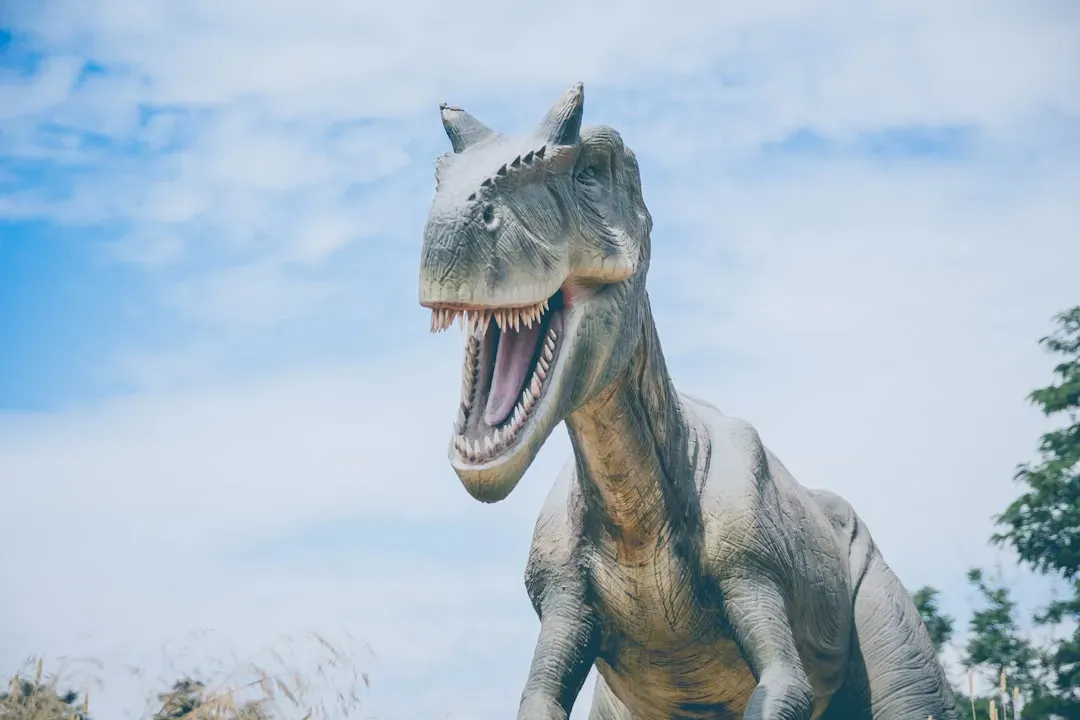
Many people picture dinosaurs as clumsy, roaring monsters, but the fossil record tells a very different story. By the end of the Cretaceous, several dinosaur lineages – especially the small, bird‑like theropods – were already experimenting with complex feathers, improved vision, and more advanced brains compared with their distant ancestors. Some of these animals were agile, social predators with keen senses and perhaps fairly flexible behavior, closer to modern corvids or large predatory birds than to the sluggish beasts of old Hollywood movies. With tens of millions more years to evolve, it is hard to imagine that trend simply stopping.
The big, unresolved question is how far that intelligence curve might have gone. Evolution does not guarantee the rise of human‑level minds, but it does repeatedly crank out smarter, more flexible animals when ecological pressure rewards it. On a dinosaur‑ruled Earth, nimble, feathered predators could have diversified into an astonishing range of clever species, perhaps filling roles now occupied by primates, dolphins, and crows. You might see tool‑using, problem‑solving dinosaurs in coastal environments, forest canopies, and open plains, each with brains tuned to their challenges. Would any of them reach something like our level of abstract thought and culture? It is possible, but far from certain – and that uncertainty is precisely what makes this alternate timeline so haunting.
Mammals in the Shadows: Would Humans Ever Have a Chance to Evolve?
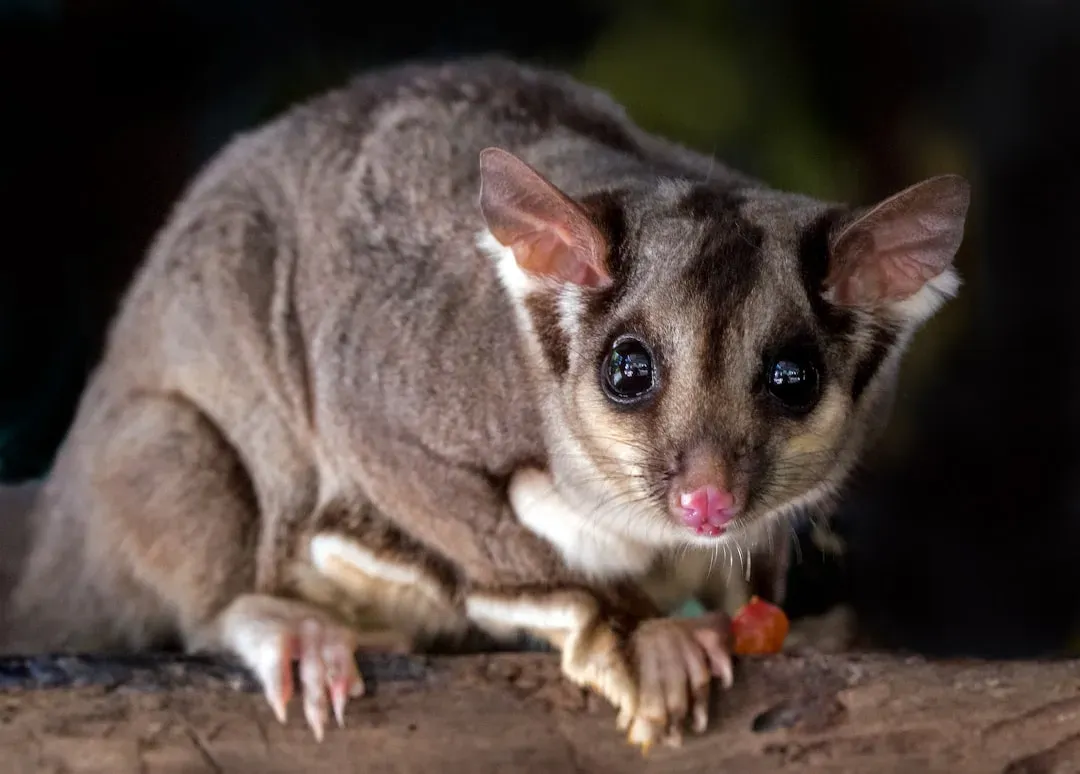
One of the hardest pills to swallow in this scenario is this: if the asteroid never hit, there is a very good chance you and I simply would not exist. Before the mass extinction, mammals were mostly small, nocturnal, and living in the margins – burrowing, climbing, scavenging, and eating insects or plants under the feet of giant reptiles. The extinction of non‑avian dinosaurs opened up enormous ecological real estate: large herbivore roles, big predator roles, and countless mid‑sized niches in between. Without that sudden vacancy, mammals might have remained background characters in the global story, evolving in tiny steps but rarely breaking into the starring roles.
Could some branch of mammals still have made a break for it and become large and dominant alongside dinosaurs? Maybe in some regions, especially where climates favored furred, warm‑blooded animals over large reptiles. You could imagine dinosaur‑dominated continents and a few mammal‑friendly refuges where hoofed, primate‑like, or rodent‑like creatures slowly expanded. But the timeline changes everything. Human evolution is a delicate chain of events: specific climate shifts, extinctions, and geographic accidents shaped our lineage. Disturb that chain by keeping dinosaurs in charge, and the odds of a bipedal, big‑brained ape with smartphones and social media emerging look vanishingly small. In a no‑asteroid world, “humans” as we know them are almost certainly not on the cast list.
Dinosaur Cities or Forest Kingdoms? Civilization in a Dino‑Dominated World
This is where imagination really starts to strain at the edges. If dinosaurs had survived and some lineages developed higher intelligence, would they ever build complex technology or even something resembling cities? Large, warm‑blooded animals with good coordination, social behavior, and dexterous limbs or beaks could, in theory, move beyond simple tool use. Think of how much modern birds can already do: solving puzzles, planning ahead, recognizing individuals, and even improvising solutions to new problems. Now stretch that evolutionary experiment out over tens of millions of extra years under consistent selection for flexibility and cooperation.
Still, that leap from cleverness to civilization is enormous. It depends on anatomy, life span, social structure, and a lucky cascade of cultural innovations. Maybe some dinosaur group develops a strong, grasping forelimb and lives long enough to benefit from cultural learning across generations. Maybe they domesticate smaller creatures, manage fire, and manipulate their environments beyond nests and burrows. Or maybe evolution stays content with brilliant but non‑technological species, more like supercharged parrots or wolves than engineers. My own gut feeling is that full, city‑building dinosaur civilizations are possible but not especially likely; nature has had hundreds of millions of years to produce only one technological species that we know of, and that makes our path look more like a fluke than a guaranteed endpoint.
Landscapes, Forests, and Food Webs: How Different Would Earth Look Today?
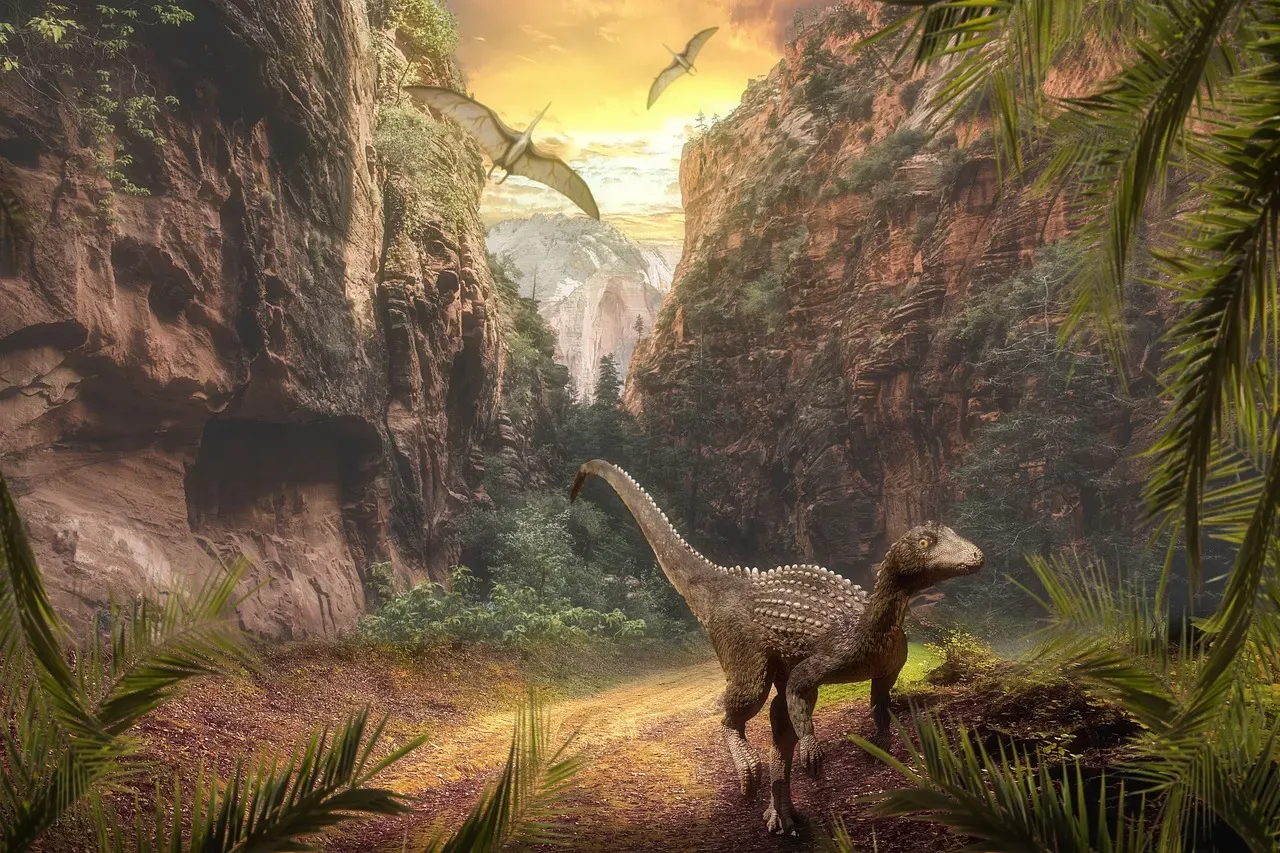
Walk through a modern forest or grassland and you are seeing a world subtly shaped by the absence of giant non‑avian dinosaurs. Large mammals – elephants, rhinos, bison, hippos – act as ecological engineers, knocking down trees, churning soil, spreading seeds, and maintaining open spaces. In a dinosaur‑ruled timeline, those roles would be played by massive herbivorous sauropods, hadrosaurs, and horned dinosaurs, each sculpting the vegetation in their own way. Forests might be more regularly pruned from above by long‑necked browsers, while open plains could be maintained not by grazing cattle but by herds of beaked, armored reptiles trampling and feeding in patterns unlike anything we see now.
Predator–prey dynamics would also shift the entire feel of wild places. Instead of big cats and wolves, you would have packs of feathered theropods coordinating hunts, or solitary giant carnivores ambushing from cover. This would ripple downward into the behaviors of smaller animals, the timing of migrations, and even the types of plants that dominate. The modern explosion of flowering plants likely still happens in some form, but which species thrive would depend on the feeding styles and digestive systems of dominant herbivores. The end result could be a planet that still has oceans, mountains, forests, and deserts – but with a very different texture, like seeing your hometown rebuilt with the same street layout but alien architecture and unfamiliar smells.
Now imagine trying to do anything resembling modern farming or infrastructure construction in that world. Clearing land while gigantic, migratory herds wander through, or trying to protect orchards from a curious, multi‑ton hadrosaur would be a logistical nightmare. Humans have shaped ecosystems aggressively over the past few thousand years; a thriving dinosaur megafauna would push back much harder, making large‑scale landscape modification vastly more difficult. That resistance alone might be enough to keep any would‑be technological species small and localized, constantly negotiating with or fleeing from massive, semi‑untamable wildlife.
Survival of the Biggest: Would Dinosaurs Still Dominate Every Continent?
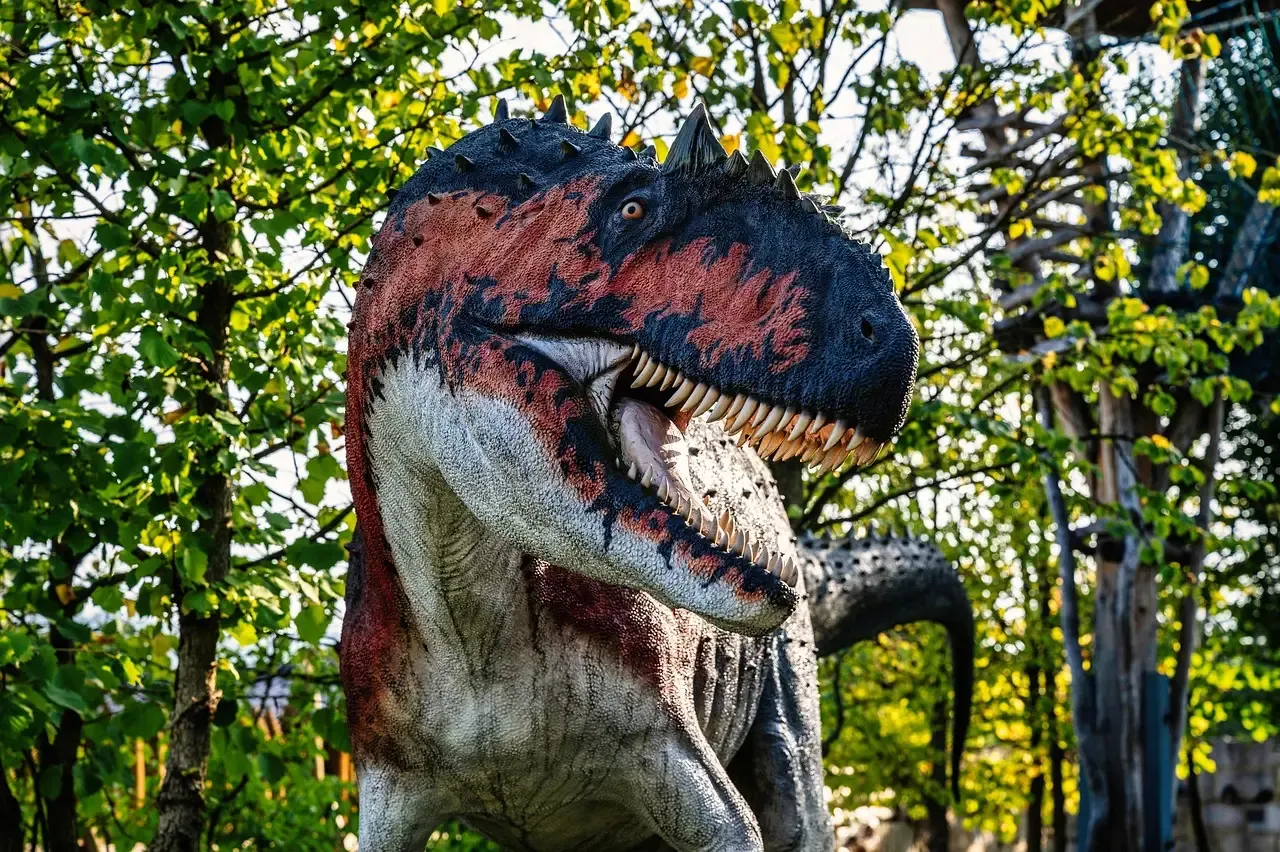
One important pattern in Earth’s history is that dominant groups do not stay on top forever, even without catastrophic impacts. In earlier eras, huge amphibians ruled, then large reptiles took over, and later many dinosaur lineages replaced older reptilian competitors long before the famous extinction. Over long enough timescales, climate shifts, mountain building, and changing ocean routes chip away at the advantages that once made a group so successful. So while it is tempting to imagine dinosaurs simply stretching their reign all the way to the present day without serious challenge, that is probably too simplistic.
In a no‑asteroid world, we might still see regional turnovers where certain dinosaur groups decline and others surge, or where mammals, birds, or even large reptiles outside the classic dinosaur families expand in particular continents. Maybe one landmass becomes dominated by mammal‑like creatures adapted to cooler climates, while another remains a dinosaur stronghold. You could get a patchwork Earth where some regions of the map are still “Jurassic‑level intense,” while others look more like our mammal‑heavy world. Dominance would not necessarily mean total monopoly, but rather a long, messy tug‑of‑war between lineages, with dinosaurs probably keeping a strong upper hand for far longer than they did in our timeline.
Would Our Technology, Culture, and Daily Life Even Be Recognizable?
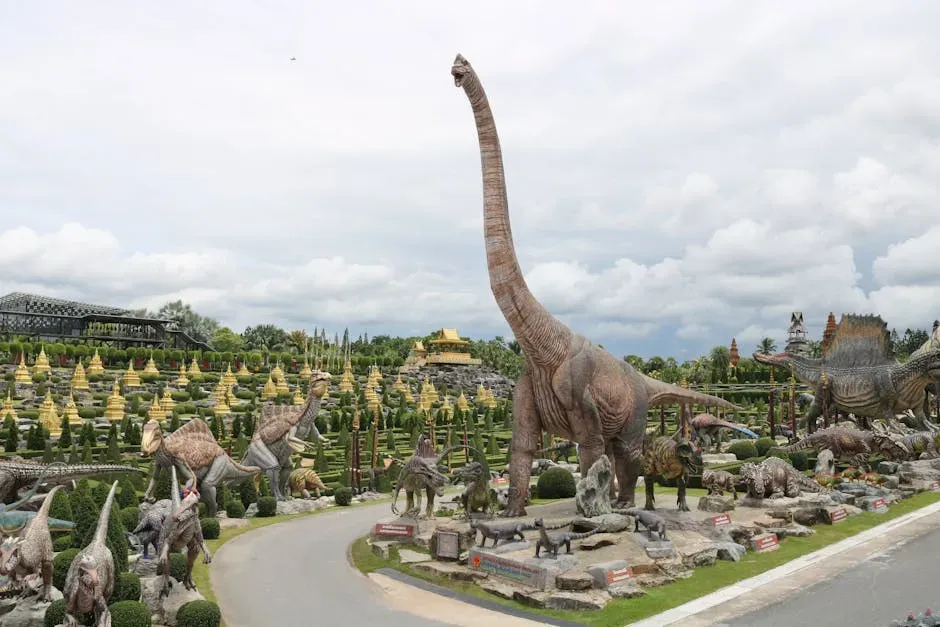
Let’s assume, just for the sake of argument, that some intelligent species – mammal, dinosaur, or something else – manages to build complex technology in this alternate Earth. How different would their world feel from ours? For one thing, nearly everything about their built environment would be designed either to harness, avoid, or coexist with much larger wild animals. Cities, if they existed, might be heavily fortified against trampling and intrusion, more like constantly defended forts than open, spreading suburbs. Transportation routes would need to account for giant migratory paths, and power lines or communication networks might be routed underground to protect them from curious or destructive wildlife.
Culturally, myths, religions, and art would almost certainly center on enormous living creatures that cannot be ignored. Where our ancient stories emphasize storms, seas, and large but comparatively rare beasts, their stories might revolve around the seasonal appearance of titanic herbivores or the awe of seeing a dominant predator at close range. Daily life would have a constant thread of negotiation with powerful, unpredictable neighbors, more like living next to active volcanoes that also happen to move, eat, and react. Even if this civilization reached something like our technological level, their mindset could be far more focused on adaptation and humility in the face of overwhelming non‑human power. In that sense, their world might actually be wiser than ours, but also a lot more terrifying to walk through without looking over your shoulder.
Conclusion: A Missed Asteroid, a Missing Humanity
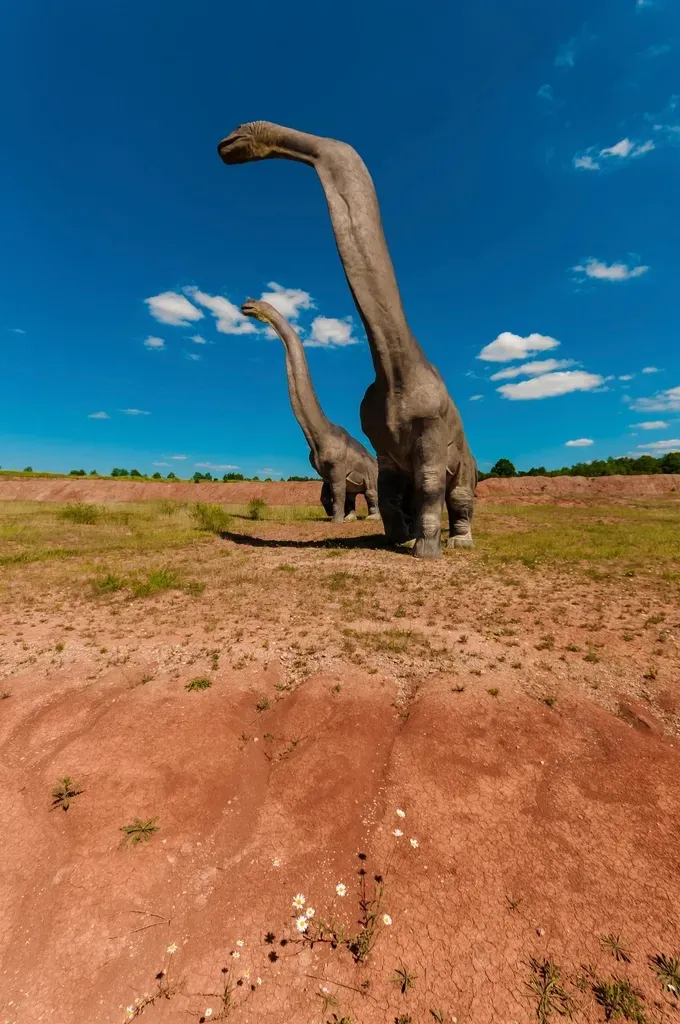
When you follow the threads of this alternate history, one conclusion keeps popping up: the asteroid missing Earth probably means we never show up at all – or, at best, we show up as something unrecognizably different from modern humans. Dinosaurs would likely continue to dominate large‑animal roles for a very long time, forcing mammals into the margins and sending evolution down paths that do not intersect with our own story. Even if some clever lineage – dinosaur or mammal – eventually stumbles toward tools and technology, their civilization would grow under the constant shadow of giant, powerful animals that do not care about long‑term plans or fragile infrastructure. That would shape their science, their spirituality, and their sense of their place in the universe in ways that are hard for us, as the current top predators, to fully grasp.
Personally, I think this makes our real timeline feel both luckier and more precarious. Our existence depends on a cosmic accident that wiped out nearly all large life on Earth, and that is a deeply uncomfortable foundation to stand on. Yet without that disaster, there is no written language, no cities, no streaming shows, no late‑night wondering about alternate dinosaur futures. The asteroid’s impact was, from the dinosaurs’ point of view, the worst possible ending; from ours, it was the brutal opening act that made our story possible. So the next time you see a dinosaur fossil in a museum, it might be worth asking yourself: in a fairer universe, would we be the ones behind glass instead?