Imagine standing on a cliff, looking out over a calm blue ocean, and knowing that millions of years ago this same water was ruled by animals so massive and so deadly that even the great white shark would have been prey. That is not just a dramatic mental picture; it is exactly what the fossil record suggests about Earth’s ancient seas. From giant sharks with teeth the size of your hand to reptilian hunters with flippers like wings, scientists have slowly pieced together a world that feels almost alien compared to today’s oceans.
What makes this really gripping is that we are not just collecting cool bones; we are decoding how entire ecosystems worked, collapsed, and then rebuilt themselves. Every tooth, every vertebra, every faint outline in stone is a clue about how these predators hunted, how they grew so enormous, and why they disappeared. As you follow the trail of fossils, a surprisingly modern story emerges about climate change, mass extinction, and survival strategies that still shape the oceans we know now.
The Ocean Once Had Apex Predators Beyond Our Imagination
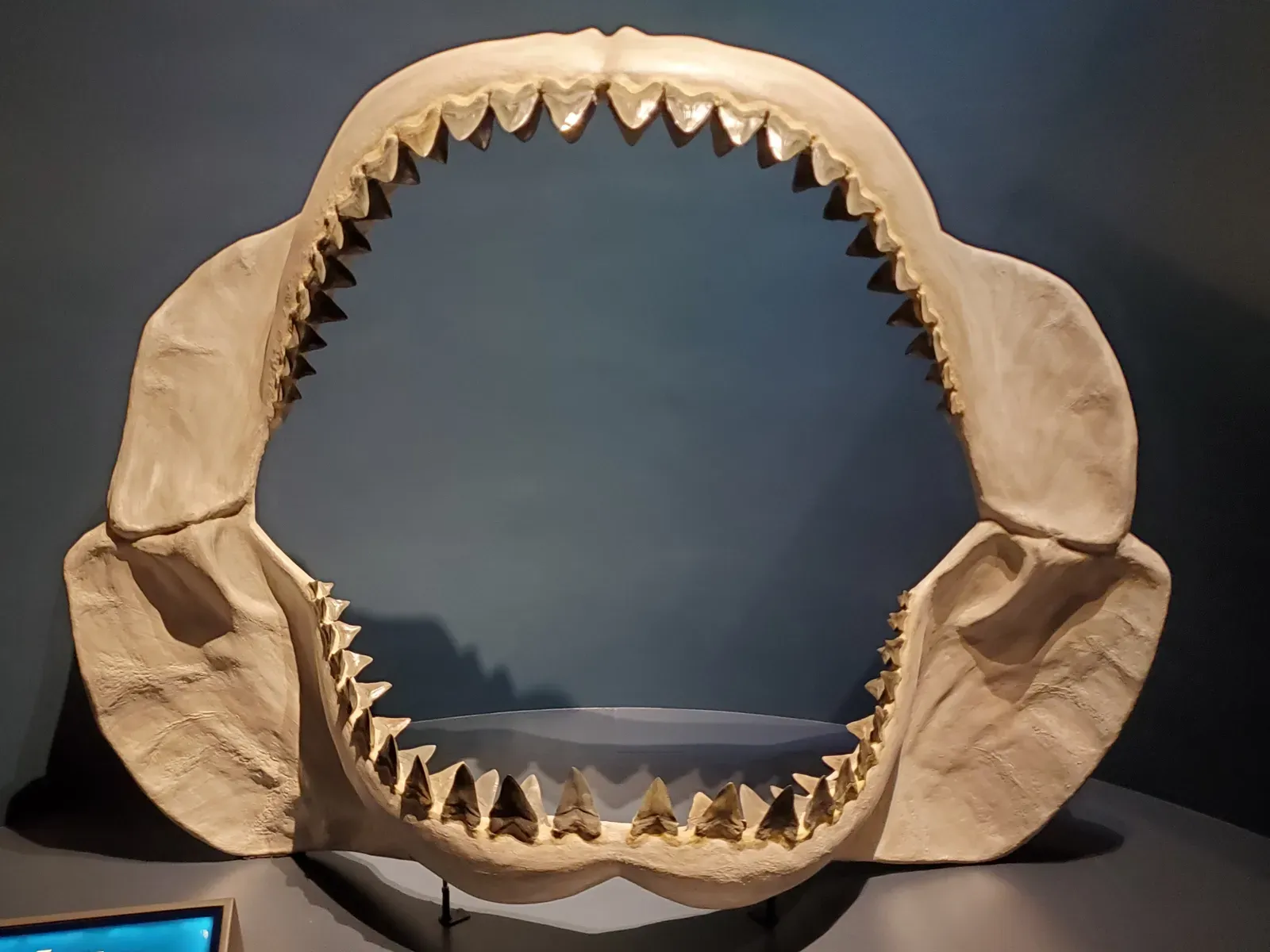
It is tempting to think of the great white shark or the orca as the ultimate sea predator, but the fossil record tells a much more humbling story. Long before humans ever walked the planet, the oceans were ruled by animals like megalodon, mosasaurs, and huge pliosaurs that made today’s top hunters look almost modest. Some of these ancient predators stretched the length of a city bus, with skulls alone larger than most cars and jaws capable of crushing bone with ease.
Scientists learned just how extreme these predators were by comparing their fossilized bones and teeth to those of modern animals. The thickness of vertebrae, the size of muscle attachment scars, and the engineering of their skulls all point to a level of power and speed that feels more like science fiction than natural history. This realization forces us to rethink what is physically possible in the oceans when food is abundant and climate conditions are right, and it underscores how small even our worst movie monsters are compared to the real ones that once lived.
Teeth and Jaws Reveal How These Predators Hunted
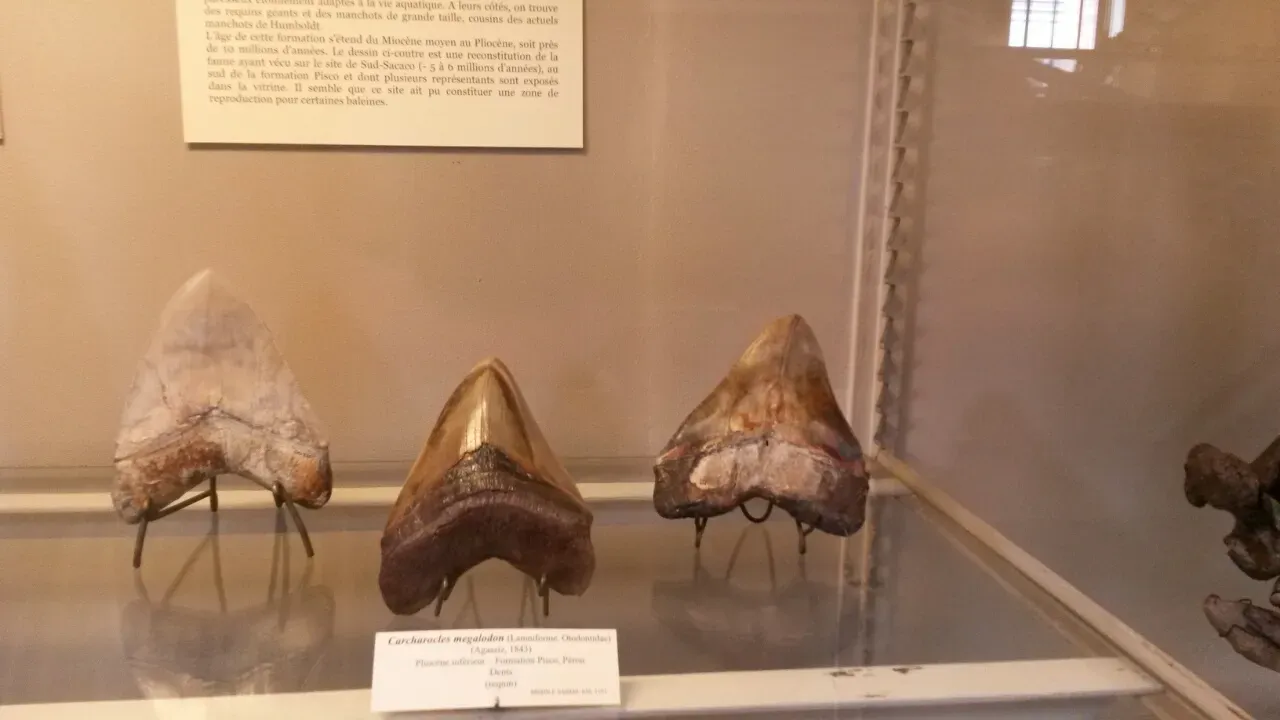
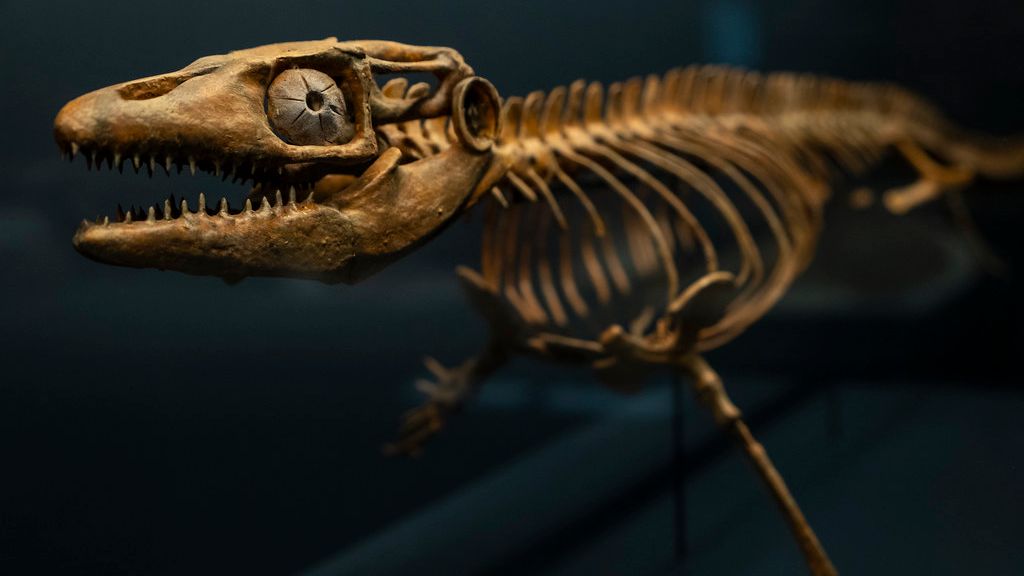
If you want to know how a long-extinct predator lived, you start with its teeth. Fossils of megalodon teeth, mosasaur skulls, and plesiosaur jaws act like black boxes from a vanished world, capturing evidence of diet and hunting style in their shape and wear. Flat, serrated teeth suggest slicing through flesh, while thick, conical teeth are better for grabbing slippery prey or crushing shells and bones. Even microscopic scratches on tooth surfaces can show whether an animal mainly ate soft-bodied prey or bit into harder, bony targets.
Jaw structure takes that story further. By modeling how fossil jaws would move and withstand stress, paleontologists can estimate bite forces and infer attack strategies, such as ambush from below, high-speed pursuit, or scavenging. Bite marks left on fossilized whale bones and shells sometimes match specific tooth patterns, almost like a crime scene match between a weapon and a wound. Taken together, these dental clues reveal a world where some sea predators specialized as whale killers, others as fish hunters, and still others as generalists ready to eat almost anything that moved.
Fossilized Body Shapes Show Stunning Adaptations for Speed and Power
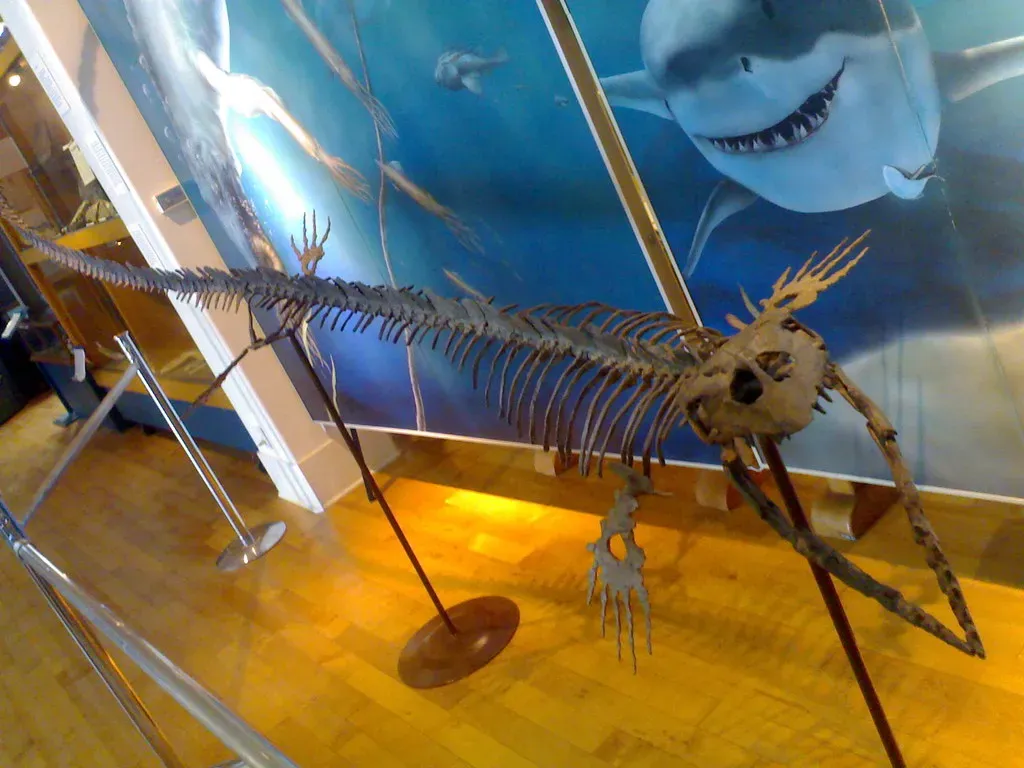
When scientists uncover more than just isolated bones, the outline of these animals’ bodies tells a vivid story about how they moved through the water. Long, torpedo-shaped bodies with stiff tails and powerful limb modifications show that many top sea predators evolved into underwater missiles. Mosasaurs, for example, had flexible spines and strong tails that functioned like giant paddles, while pliosaurs combined robust bodies with huge flippers that acted almost like underwater wings, trading endurance and agility for brutal bursts of speed.
By comparing fossil skeletons with modern marine animals like tunas, dolphins, and sharks, researchers can infer swimming styles and energy use. Streamlined skulls reduce drag, enlarged attachment sites on shoulder and hip bones point to massive muscles, and elongated tail vertebrae speak to strong propulsion. In computer simulations, these reconstructed bodies cut through virtual water in ways that confirm what the shapes suggest: these were highly optimized ocean hunters that evolved again and again from different land-dwelling ancestors, proving that similar body plans are the most efficient solution when nature designs a killer for the open sea.
Ancient Bite Marks and Stomach Contents Capture Predators in the Act
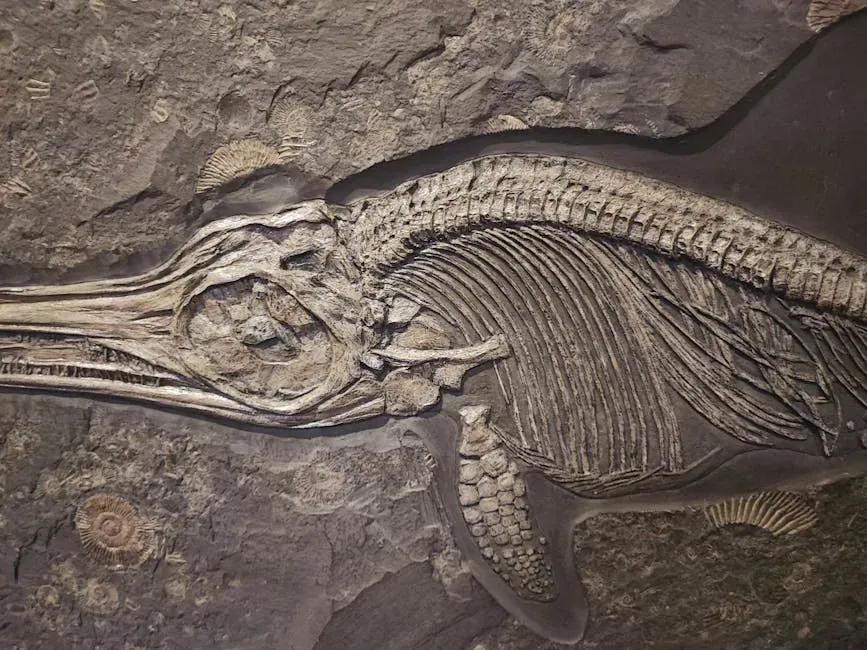
Some of the most startling discoveries come from fossils that look more like snapshots than static bones. Occasionally, paleontologists find the remains of prey inside a predator’s ribcage, preserved as last meals frozen in time. In other cases, bones of marine reptiles, fish, or early whales bear deep gouges and punctures that match the teeth of known predators. These details turn speculation into direct evidence, confirming not just that these animals were dangerous, but exactly who they attacked and how.
These traces also reveal behaviors that might otherwise be invisible, such as scavenging vs active hunting, repeated attacks on the same type of prey, or even cannibalism when conditions were harsh. For example, layers of bones with similar bite damage suggest feeding frenzies at carcasses or frequent predation on a specific species. To me, this is where fossils feel eerily alive: you can stand in a quiet museum and look at a tooth scar on a bone and suddenly picture a violent struggle in a stormy, ancient sea, where survival came down to speed, timing, and razor-sharp edges.
Climate Shifts and Changing Seas Built and Destroyed Giant Predators
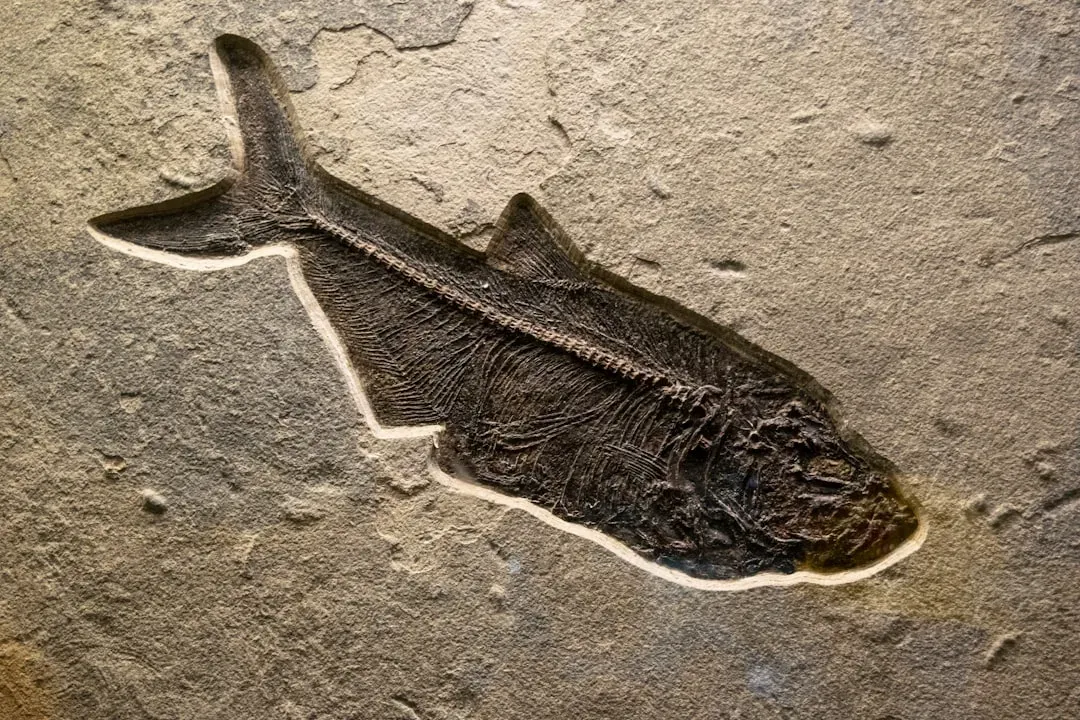
One of the strongest lessons from the fossil record is that ocean giants do not just appear out of nowhere; they are built by specific environmental conditions. Warmer seas, high sea levels, and nutrient-rich waters can trigger explosions of life, which in turn support big prey animals and, ultimately, enormous predators. Many of Earth’s greatest sea hunters thrived during periods when marine diversity and productivity were especially high, giving them a rich buffet of fish, squid, and marine mammals.
But the same forces that build giants can also wipe them out. Fossils show that major climate shifts, changes in ocean currents, and drops in sea level often coincide with declines or extinctions of apex predators. When prey species disappeared or migrated, even the mightiest hunters could not adapt fast enough. Looking at this history, it is hard not to feel that our own changing climate is replaying an old script, raising the uncomfortable possibility that today’s top predators, from sharks to whales, could face similar pressures if ecosystems are pushed too far.
Mass Extinctions Reset the Hierarchy of the Seas
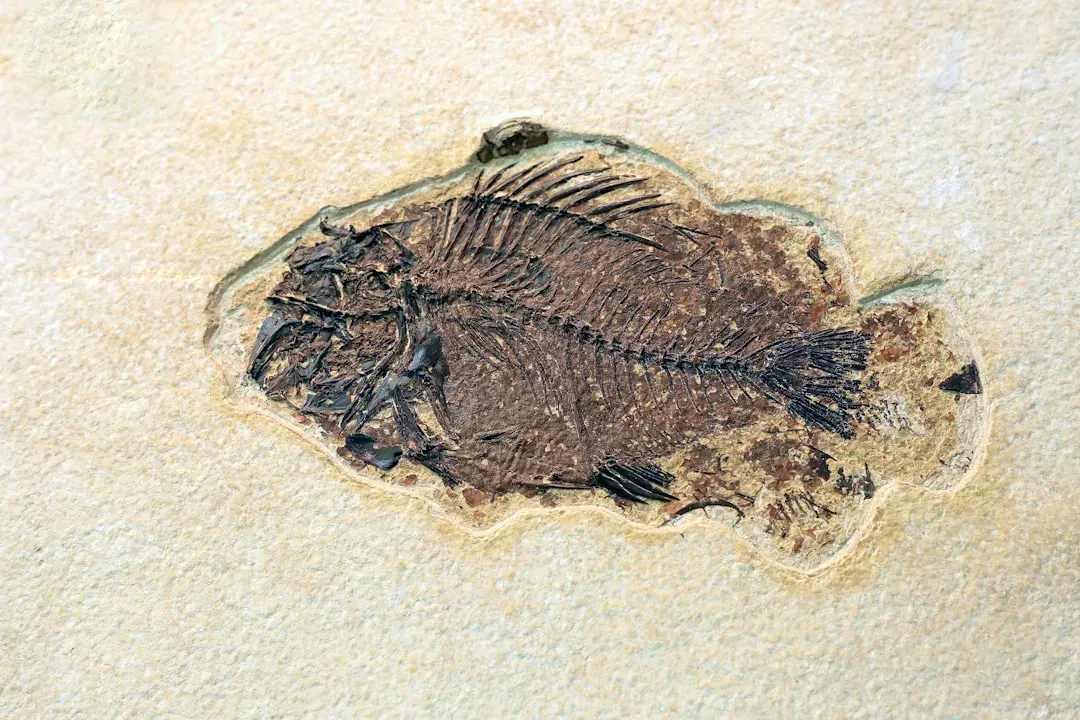
Fossils make it brutally clear that dominance in the ocean is always temporary. Several times in Earth’s history, catastrophic events have triggered mass extinctions that nearly wiped the slate clean. Huge marine reptiles that once ruled the seas vanished at the end of the Cretaceous period, and earlier extinction events took out entire groups of large predators as well. After each collapse, new lineages slowly rose to fill the empty roles at the top of the food chain, often looking and behaving surprisingly similar to the rulers that came before them.
This cycle of rise, crash, and replacement is one of the most sobering patterns scientists have drawn from sea predator fossils. It suggests that even the most perfectly adapted killer is ultimately at the mercy of forces far beyond its control, from asteroid impacts to long-term climate trends. Personally, I find it both unsettling and strangely grounding: the idea that power in nature is always on loan, never owned. It also highlights how fragile complex food webs are, and how quickly they can unravel if key pieces are removed, whether by natural disasters or human actions.
Ancient Predators Help Explain Today’s Sharks, Whales, and Marine Food Webs
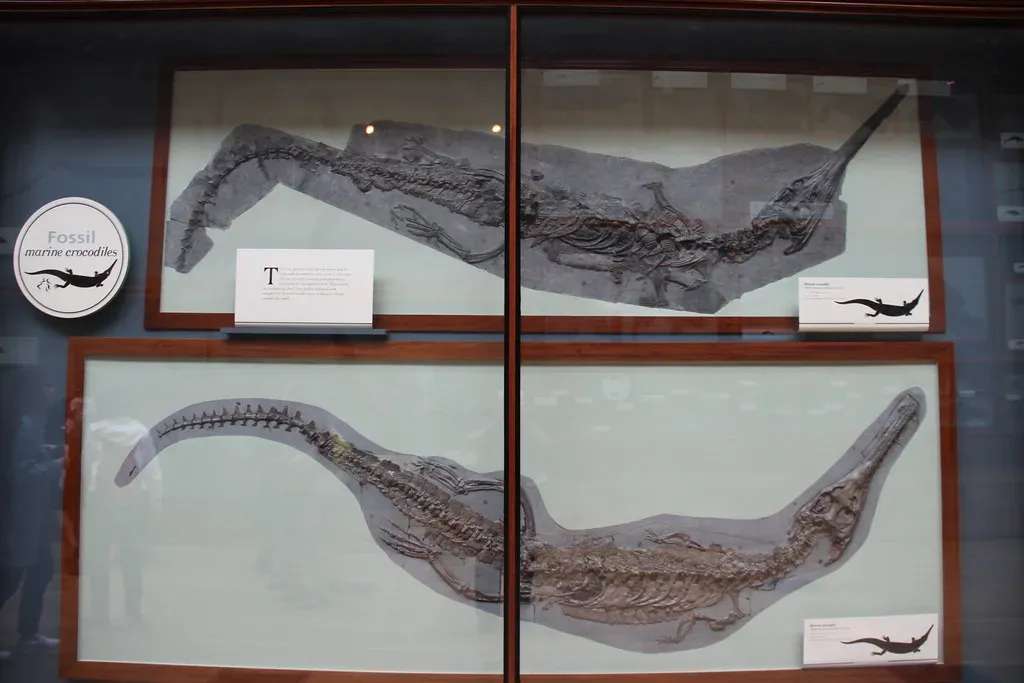
Studying the fossils of extinct sea predators does not just satisfy curiosity about the past; it also sharpens our understanding of modern oceans. Many of the same rules that shaped mosasaurs, pliosaurs, and ancient sharks still apply to today’s great whites, orcas, and sperm whales. Size limits are set by available food, body shapes are tuned to the physics of water, and the balance between predator and prey still dictates how healthy an ecosystem can be. When researchers compare ancient and modern food webs, they often see familiar structures repeating through time.
This long view helps explain why the loss of top predators today has such dramatic ripple effects. Fossils show that when apex hunters decline, mid-level predators can explode in number, which in turn can strip lower levels of the web and destabilize the system. In a way, bones in rock are warning signs from previous worlds, saying that once you weaken the top layer of a marine ecosystem, you risk a cascade of changes that are very hard to reverse. That knowledge makes our current decisions about overfishing and habitat protection feel less like abstract policy debates and more like live experiments in whether we have learned anything from the deep past.
New Technologies Are Turning Old Fossils Into Fresh Discoveries
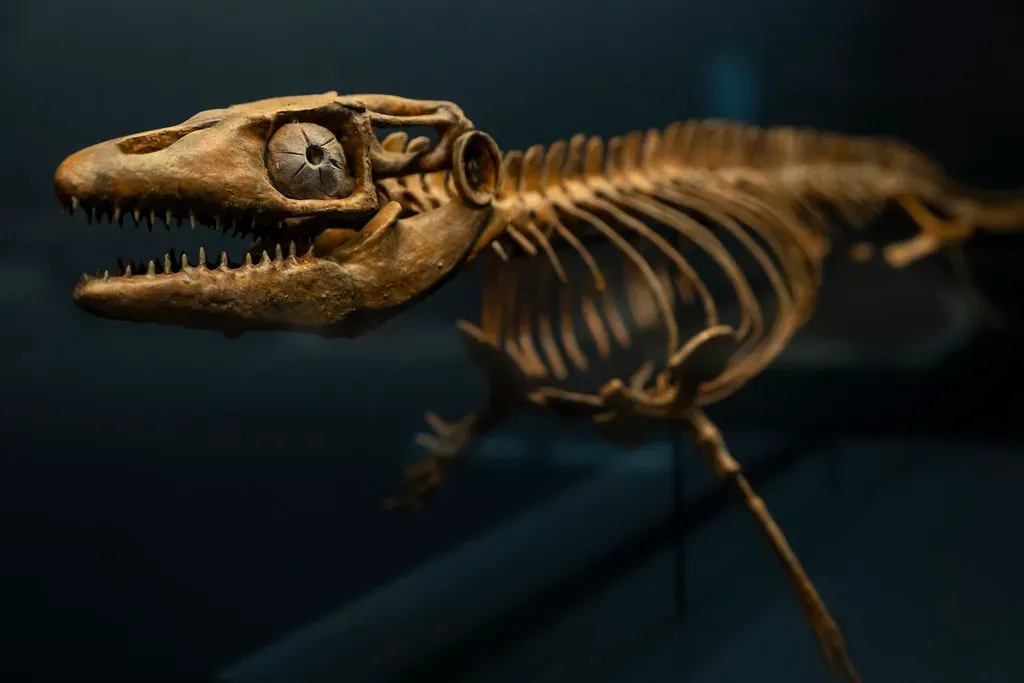
One surprising twist is that many of the fossils rewriting our understanding of sea predators were actually dug up decades ago but are only now being fully appreciated. Modern tools like high-resolution scanning, digital reconstructions, and advanced chemical analyses let scientists pull far more information from bones than older methods ever could. A skull that once was just measured with a ruler can now be digitally sliced, simulated, and stress-tested on a computer to estimate bite forces and muscle strength.
Even the chemistry of fossils holds secrets. Tiny traces of isotopes can hint at what these animals ate and whether they migrated between warmer and cooler waters. Wear patterns on teeth can be analyzed in minute detail, revealing subtle differences in diet or hunting habits between individuals. To me, one of the coolest parts of this story is that the fossils have not changed, but our questions have, and our tools have, which means museums and field sites we thought were already “finished” are actually full of new answers waiting to be unlocked.
What These Fossils Say About Our Future in the Oceans
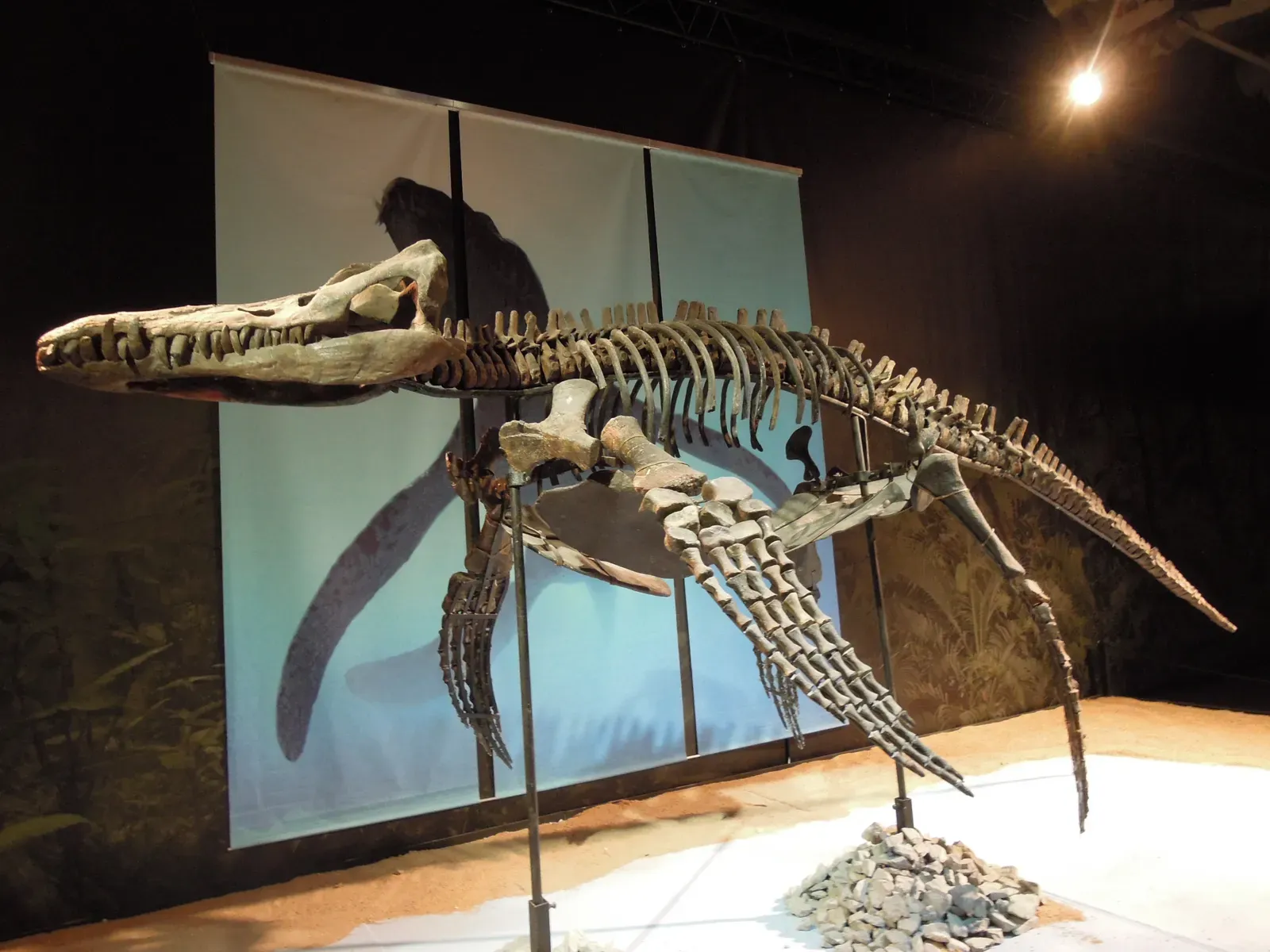
When you step back from all the details, an uncomfortable message emerges from the bones of Earth’s greatest sea predators: nothing in the ocean stays on top forever, and environmental shifts can break even the most powerful lineages. I think the honest conclusion is that we are kidding ourselves if we believe modern marine life is somehow exempt from the patterns we see in the fossil record. The same ingredients that once built giants and then erased them are in play again today, only this time human activity is speeding everything up, from warming waters to acidification and habitat loss.
In my view, the fossils are not just relics; they are evidence files of what happens when the balance of the seas tilts too far, too fast. They show that recovery is possible, but it can take millions of years and produce ecosystems that look nothing like what came before. We do not have to accept that outcome as inevitable, but ignoring the warning seems reckless. If the bones of ancient predators could speak, they might ask a simple, pointed question: knowing what you know now, will you let history repeat itself, or finally break the pattern?