Imagine walking across a stretch of remote desert and unknowingly stepping over bones that could rewrite everything science thinks it knows about the most dominant creatures that ever lived. That’s not fiction. That’s the reality paleontologists are quietly grappling with in 2026. Most of the world’s dinosaur fossils have come from a surprisingly small number of countries, and vast regions of the Earth have barely been touched by a single excavation tool.
Here’s the thing: the gaps in the fossil record aren’t just gaps in our knowledge. They’re open invitations. Every unexplored valley, every wind-eroded cliff face in an unstudied region, could hold the kind of specimen that makes even seasoned scientists gasp out loud. So let’s dig in, because what lies beneath the surface of our planet’s unexplored corners is far more extraordinary than you might expect.
The Fossil Map Has a Massive Blind Spot
You might assume that after nearly two centuries of dinosaur hunting, we’ve covered most of the ground worth covering. Honestly, the numbers tell a completely different story. Almost three quarters of all known dinosaurs come from just ten countries, with China, the United States and Mongolia claiming the top spots. That’s a staggering concentration of knowledge built from a tiny sliver of the planet’s surface.
Of all the different kinds of dinosaurs discovered, most have come from just six countries: China, Argentina, the United States, Mongolia, Canada and England. Think of it like trying to understand world cuisine by only ever eating at restaurants in six cities. The picture you build is real, but it’s nowhere near complete. The regions left out of that picture might hold the most surprising stories of all.
Africa’s Untold Dinosaur Story Is Just Beginning
Africa is the second-largest continent on Earth, yet its dinosaur fossil record is almost shockingly sparse compared to its size. In parts of Africa, almost every single dinosaur fossil unearthed is a new species. Historically, though, this continent’s dinosaurs have been largely ignored. Now a new generation of paleontologists is rising to tell the stories of these important animals. That alone should tell you something significant is being missed.
The lack of attention paid to dinosaurs from the African continent is limiting our understanding of dinosaur evolution as a whole, and this gap in knowledge has the potential to completely change our understanding of dinosaurs, such as what they were doing in their final days before the asteroid hit. The main reason for the underrepresentation of African dinosaur fossils is simply because there have been fewer people looking for and unearthing dinosaurs in comparison with other regions of the world. It’s not that the fossils aren’t there. It’s that we haven’t looked hard enough.
The Amazon and Congo Basins Could Hide Dinosaur Origins
This one genuinely blew me away when I came across it. The remains of the earliest dinosaurs may lie undiscovered in the Amazon and other equatorial regions of South America and Africa. Currently, the oldest known dinosaur fossils date back about 230 million years and were unearthed further south in places including Brazil, Argentina and Zimbabwe. The differences between these fossils suggest dinosaurs had already been evolving for some time, pointing to an origin millions of years earlier.
A new study published in the journal Current Biology concluded that the earliest dinosaurs likely emerged in a hot equatorial region in what was then the supercontinent Gondwana, an area of land that encompasses the Amazon, Congo basin, and Sahara Desert today. No dinosaur fossils have been found yet in these regions of Africa and South America that once formed this part of Gondwana, but this might be because researchers haven’t stumbled across the right rocks yet, due to a mix of inaccessibility and a relative lack of research efforts in these areas. The birthplace of dinosaurs may literally be sitting under a rainforest canopy, waiting to be found.
The Sahara Desert Is Paleontology’s Last Great Frontier
The Sahara sounds like an unlikely treasure chest, but recent expeditions have revealed just how much potential it holds. Upcoming discoveries related to the Carcharodontosaurus, a dozen new sauropods, a digging raptor, an armorless croc, a giant “SuperFish,” and other new species are all on the horizon from Saharan digs. Let that sink in. A dozen new sauropods, potentially from a single region.
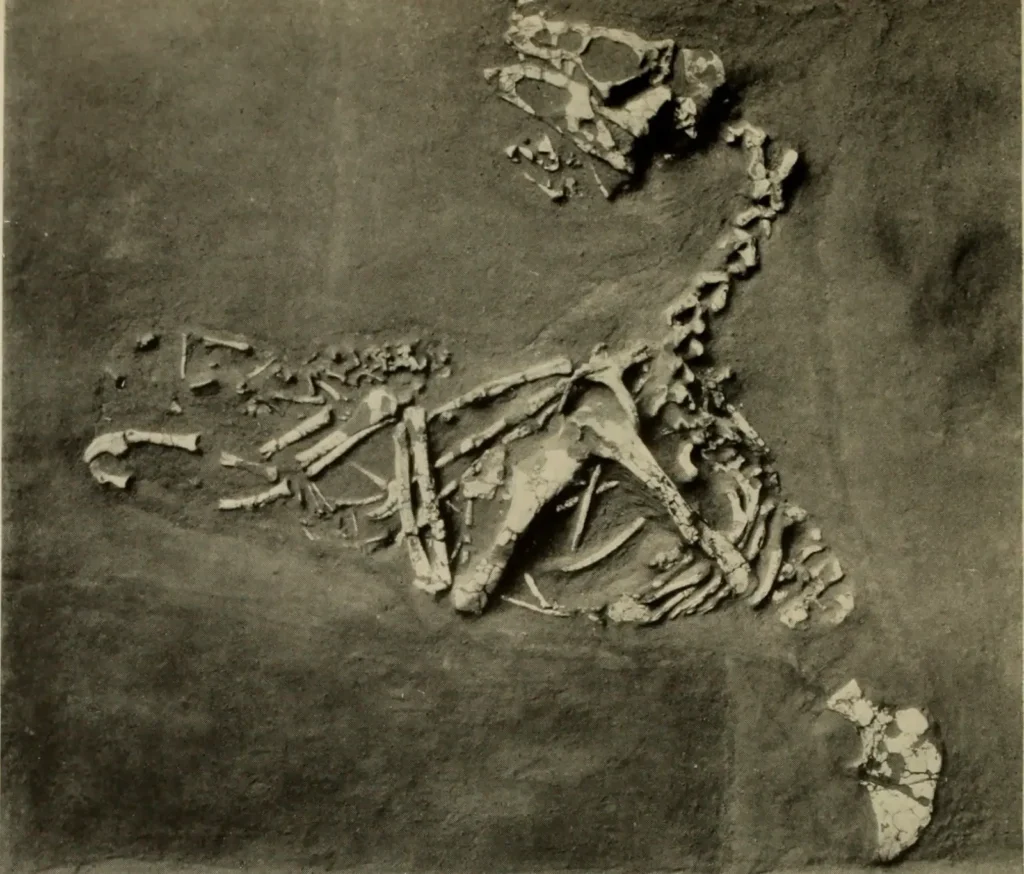
The Gadoufaoua region of Niger hides its secrets under drifting, shifting sand; you might walk right past a hidden skull one year only to spot it the next. On earlier visits, explorers discovered a patio-like stretch of exposed sandstone packed with the embedded bones of raptors, turtles, fish, and more, what paleontologists call a microsite. It’s a bit like stumbling on a prehistoric crime scene frozen in stone. Paleontologists have already identified the first unequivocal new species of the fish-eating dinosaur Spinosaurus in more than a century. Named Spinosaurus mirabilis, the new species roamed Earth during the Cretaceous period around 95 million years ago, and its fossils were uncovered in the remote fossil area of Jengueb in Niger.
Transylvania’s Hidden Bone Trap and What It Revealed
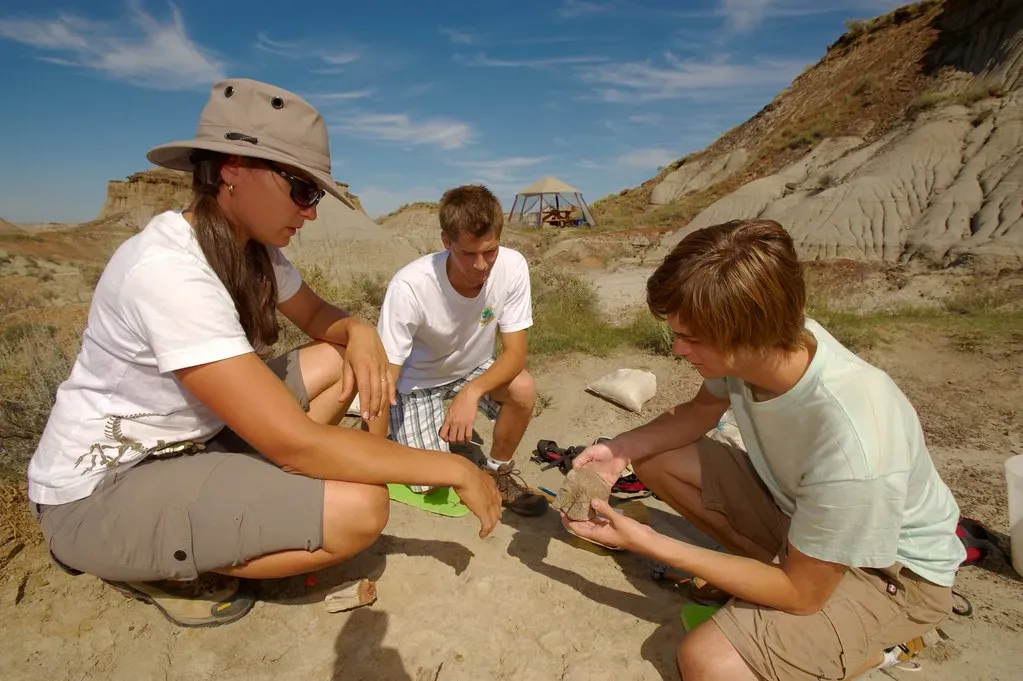
You probably don’t picture Romania when you think of major dinosaur sites. Yet a discovery there recently stunned the paleontology community. Scientists exploring Romania’s Hațeg Basin discovered one of the densest dinosaur fossil sites ever found, with bones lying almost on top of each other. The K2 site preserves thousands of remains from a prehistoric flood-fed lake that acted like a natural bone trap 72 million years ago. Alongside common local dinosaurs, researchers uncovered the first well-preserved titanosaur skeletons ever found in the region. The site reveals how ancient European dinosaur ecosystems formed and evolved in the final chapter of the age of dinosaurs.
Among all the sites explored in the Hațeg Basin, one location known as K2 stands out. From an area measuring less than five square meters, researchers recovered more than 800 vertebrate fossils, making it the richest site documented so far. That’s roughly the footprint of a small bedroom, yielding hundreds of specimens. These finds are helping scientists refine their understanding of how dinosaur communities evolved across Eastern Europe during the Late Cretaceous, and provide valuable clues about how ancient ecosystems formed, changed, and responded to environmental forces near the end of the age of dinosaurs.
Soft Tissue Preservation May Be More Common Than We Think
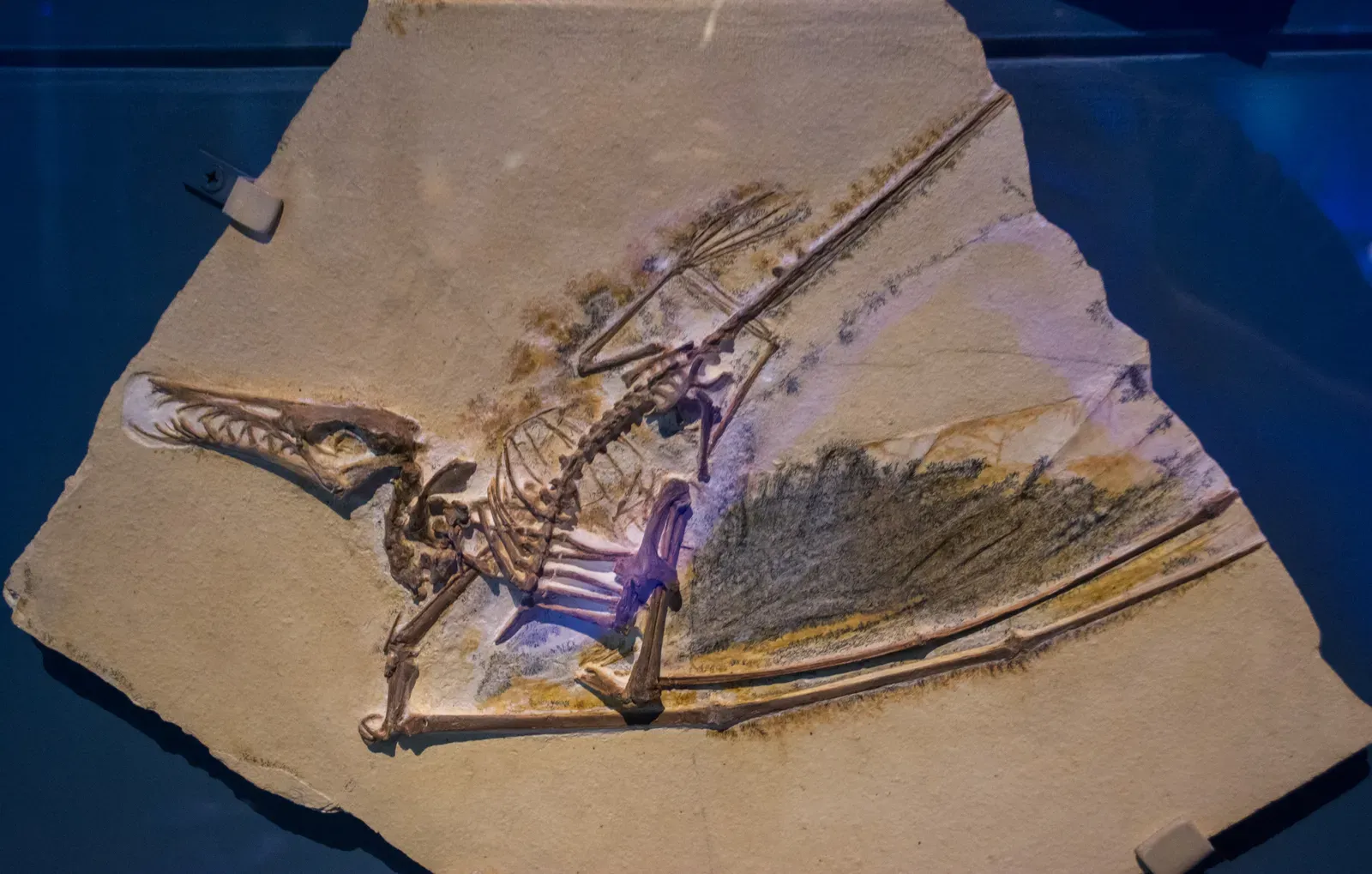
Here’s something that sounds like science fiction but is very much science fact. Soft tissue preservation in fossils does not seem to depend upon the species, age, or burial environment of the fossils in question, according to new research from North Carolina State University. This is a genuine paradigm shift. For generations, scientists assumed soft tissue simply couldn’t survive across millions of years. They were wrong.
Research from NC State University provides further evidence that soft tissues and structures can be preserved for 65 million years or more. Researchers uncovered collagen, a protein that plays a crucial role in the structure of connective tissue, in a 70-million-year-old Edmontosaurus fossil. By detecting organic proteins such as collagen, paleontologists can gain a deeper understanding of the biology and physiology of dinosaurs. It opens the possibility of reconstructing the appearance and health of these species with greater accuracy. Every new unexplored fossil site now carries the potential not just for bones, but for biological material that could tell us how dinosaurs actually functioned on a cellular level.
New Species From Unexpected Places Are Rewriting the Family Tree
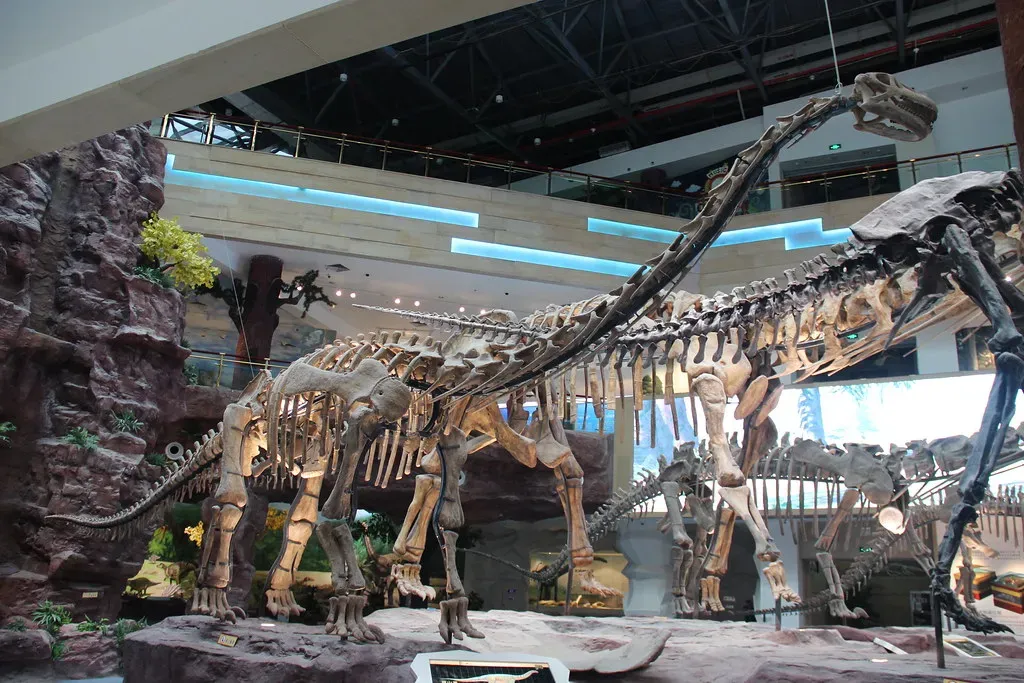
Sometimes the most important discoveries come from sites you’d never think to look. Important new information on sauropod origins came from the Triassic Period rocks of Argentina. The two-meter-long Huayracursor was described from 228-million-year-old rocks in the Andes, making it one of the oldest known sauropod ancestors. It has a much longer neck than other species from the dawn of dinosaur evolution, revealing the earliest stages in the evolution of the extreme neck elongation seen in later sauropods. What’s fascinating is how a single specimen from a partially overlooked rock formation can collapse our assumptions about an entire lineage.
Researchers have recently identified a previously unknown species that carried a type of body covering never before documented in any dinosaur. Using advanced imaging techniques such as X-ray scanning and high-resolution histological analysis, the team was able to study the fossil at the cellular level, finding that individual skin cells had been preserved for approximately 125 million years. This level of detail allowed scientists to reconstruct the structure of unusual hollow spikes embedded in the skin. These findings, published in Nature Ecology and Evolution in February 2026, introduce an entirely new feature to the known diversity of dinosaur anatomy. If just one previously overlooked site in China can do that, imagine what dozens of untouched regions could yield.
Conclusion
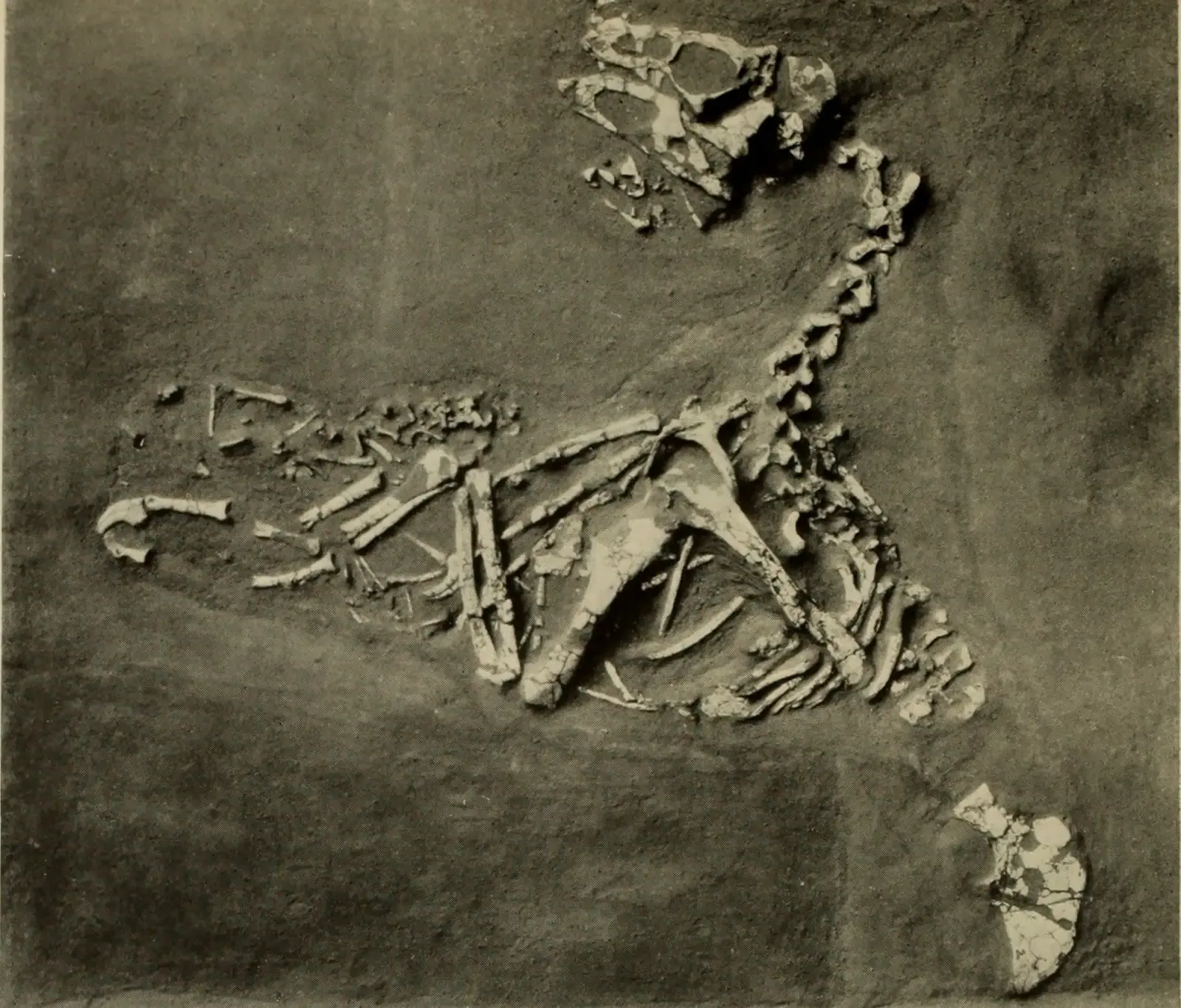
We are, without question, living through what scientists are calling a golden era of dinosaur discovery. Yet perhaps the most thrilling realization is this: the greatest finds may still be in the ground. There is still an estimated fifty percent of discoverable dinosaur genera left to be found. That is not a small number. That is roughly half of all the dinosaurs that ever existed, still waiting silently in rock and sand across every continent.
From the unexplored equatorial heart of Africa to the bone-dense rock layers of Transylvania, from the shifting sands of the Sahara to the soft-tissue secrets locked in fossils we already hold, the story of dinosaur evolution is far from finished. Research has revealed a staggering diversity of dinosaur species, far exceeding previous estimates. This newfound diversity challenges our understanding of dinosaur ecosystems and their evolutionary history, and the continuous discovery of new species from previously unexplored regions keeps expanding our knowledge of dinosaur diversity and distribution. Every expedition to a new region is essentially opening a sealed letter from 200 million years ago.
The real question isn’t just what secrets these unexplored sites hold. It’s whether we’ll move fast enough, and boldly enough, to find them before time, erosion, or circumstance erases them forever. What do you think is still out there? Tell us in the comments.