
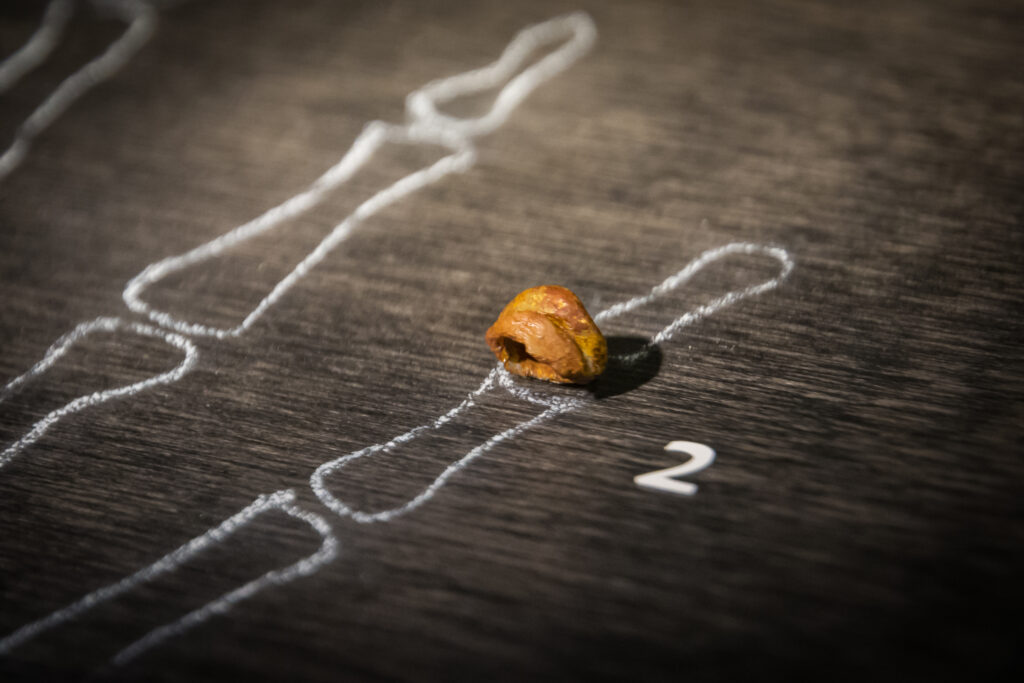
Most people think we know what Denisovans looked like. We don’t. Science has never found a skull, a skeleton, or even a complete jaw from this mysterious human relative – just a pinky bone, a few teeth, and one jaw fragment. And yet, that’s not even the wild part.
The wild part is that pieces of them are still walking around today, inside you, your neighbor, and roughly half the planet’s population, quietly shaping how bodies handle altitude, cold, and disease. Scientists have spent over a decade decoding exactly what got passed down – and the findings are stranger than fiction. Here’s what the data actually say.
#1 – A Single Finger Bone Rewrote the Human Family Tree
A pinky bone smaller than a grape seed changed everything scientists thought they knew about human history.
In 2008, researchers pulled a tiny fragment of finger bone from Denisova Cave in Siberia’s Altai Mountains. Geneticists at the Max Planck Institute drilled into the fragment and found DNA that didn’t match modern humans and didn’t match Neanderthals either – it belonged to someone else entirely. That “someone else” turned out to be a completely new branch of humanity.
The discovery flipped the traditional model of paleoanthropology on its head – until then, new hominin species were named based on bones, but here bones came second to molecules, with researchers extracting an entire nuclear genome from the finger before anyone had a face to put with it. Scientists built an entire species from molecules alone, before finding a single recognizable skeleton. That’s backwards from how discovery usually works – and it’s exactly why Denisovans remain so mysterious. Yet the mystery only gets deeper once you count exactly how little physical evidence exists at all.
#2 – They Left Behind Teeth, a Toe, and Almost Nothing Else
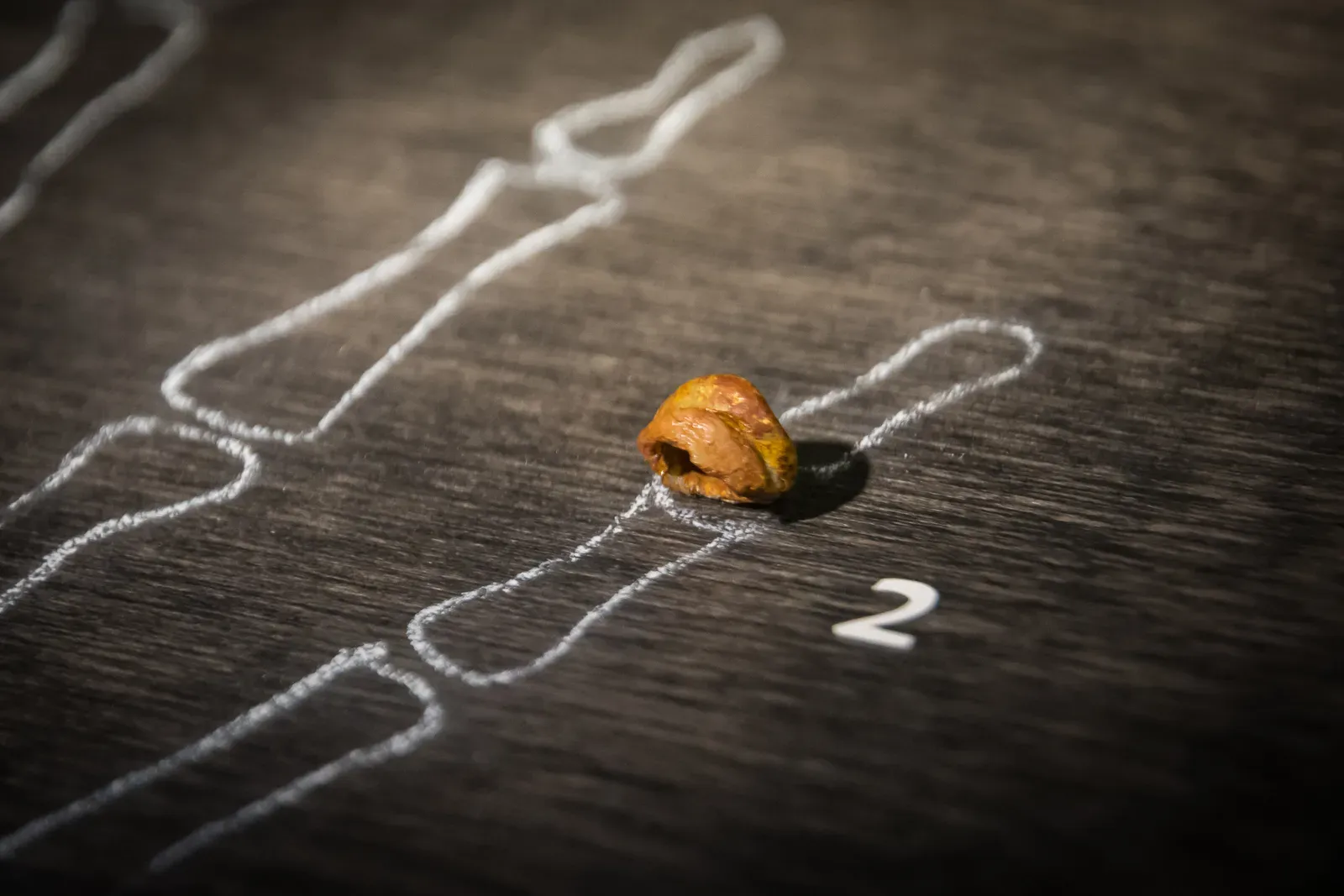
Here’s the part that stuns most people: after 15 years of digging, we still have almost no physical evidence that Denisovans ever existed.
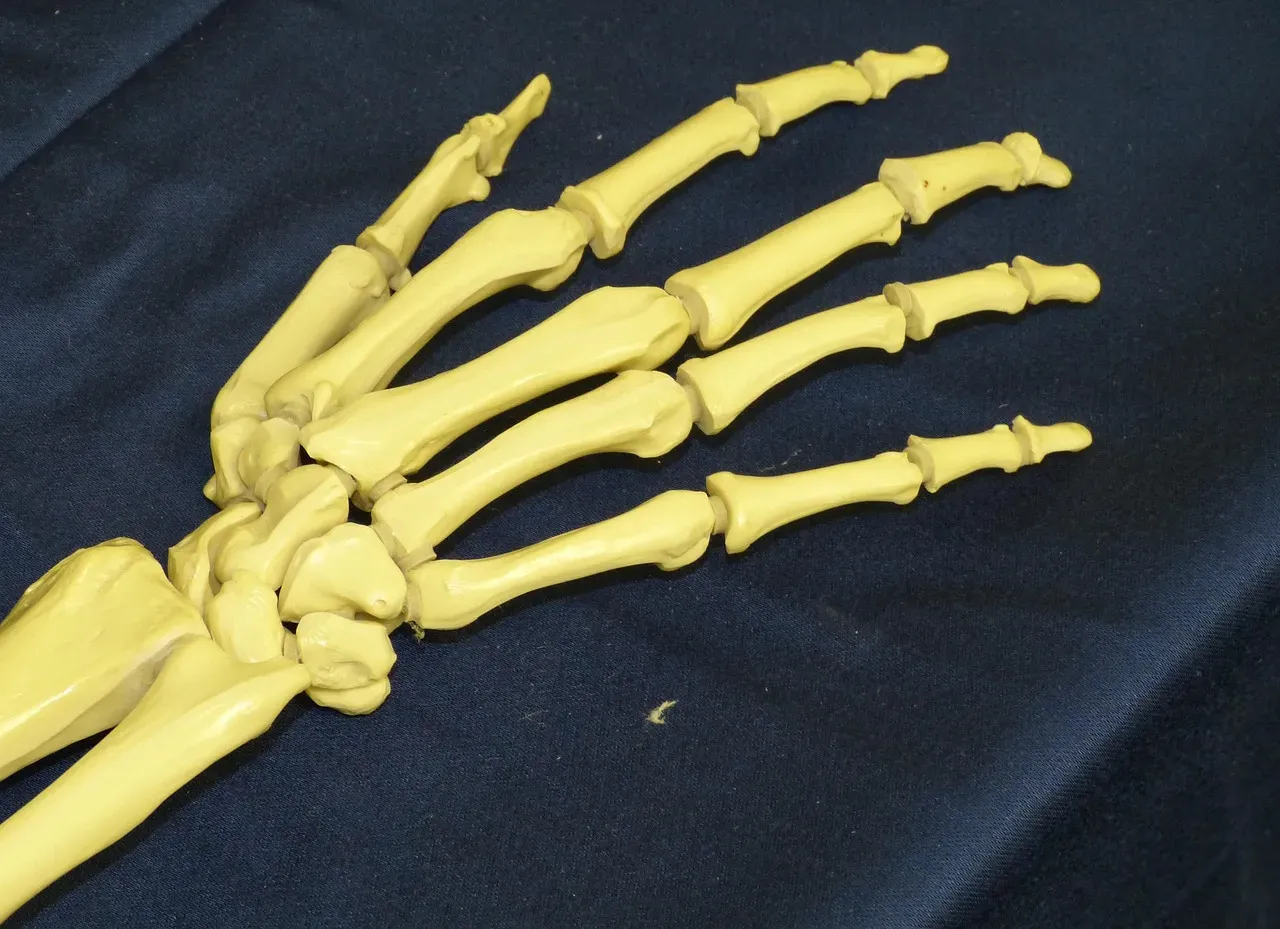
For nearly a decade after 2010, every confirmed Denisovan fossil came from a single location: Denisova Cave – three molars, a finger bone fragment, and a toe bone. That was it. The finger fragment, the tip of a 13-year-old girl’s pinky, is the smallest of the five skeletal fossils known from Denisovans, which also include three molars and a partial jaw bone.
Fast Facts
- Only five confirmed Denisovan skeletal fossils exist worldwide
- A single finger bone fragment from a 13-year-old girl – the smallest of the five
- Three molars, discovered separately over several years
- One toe bone and one partial jaw bone round out the entire physical record
- Nearly all of this evidence came from one site: Denisova Cave, Siberia
Think about that: an entire hominin population, one that ranged across a continent, is represented by fewer bone fragments than most people have in a single hand. This species is defined almost entirely by genetic ghosts, not by skeletons. Researchers still don’t know their height, their skull shape, or their exact facial structure. That uncertainty hasn’t stopped scientists from tracing their genetic fingerprints across billions of living humans. Nowhere is that fingerprint more dramatic than in the lungs of people living three miles above sea level.
#3 – Tibetans Breathe Thin Air Because of a Denisovan Gene
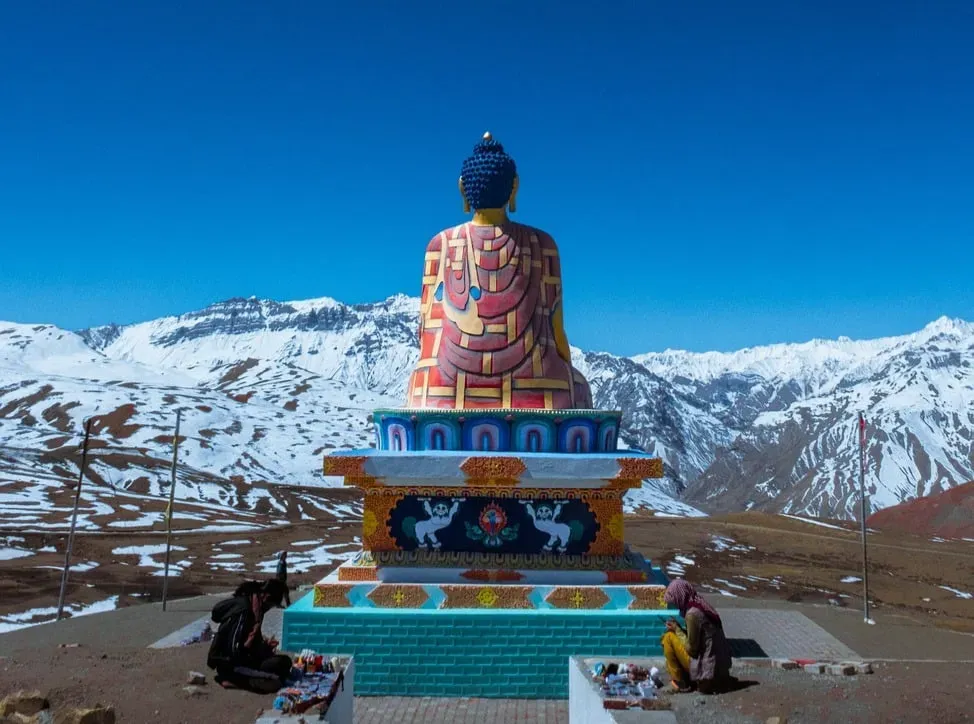
Tibetans can function on a plateau with 40 percent less oxygen than sea level – and the reason has nothing to do with modern human evolution alone.
Thanks to a mutation, Tibetans can cope with air that has 40 percent less oxygen than what most people inhale, and the EPAS1 mutation is found in 87 percent of Tibetans and just 9 percent of comparison populations. Researchers confirmed that Tibetans inherited the entire EPAS1 gene from Denisovans within roughly the past 40,000 years. This is widely considered one of the clearest, most dramatic cases of ancient interbreeding directly boosting survival.
Without this borrowed gene, high-altitude life on the Tibetan Plateau might not have been possible at all. Tibetans don’t overproduce red blood cells the way most people would at altitude – their Denisovan-derived EPAS1 stops that overproduction and helps them acclimatize without the health risks that come with thickened blood. It’s a striking example of extinction giving way to inheritance. And altitude isn’t the only place where the numbers get shockingly high.
#4 – Some Populations Are Up To 6% Denisovan
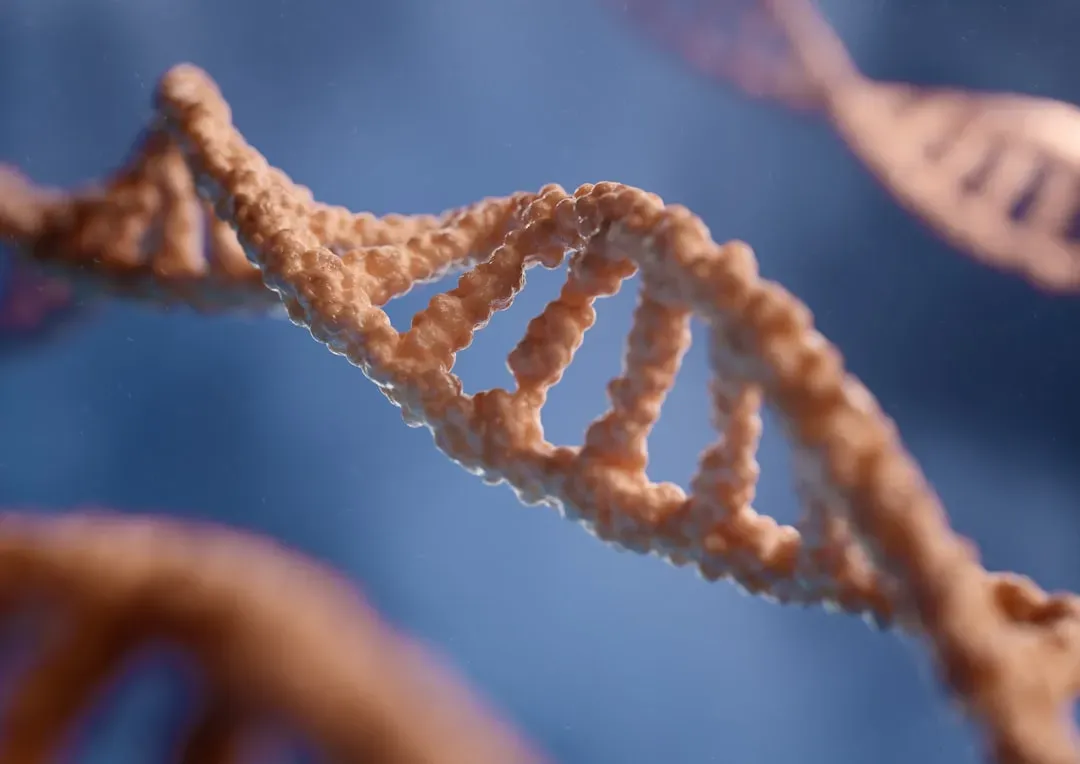
Most people assume ancient DNA left only a faint trace. In parts of the Pacific, that assumption falls apart completely.
Most people of Asian descent carry some Denisovan DNA, but after Homo sapiens interbred with archaic relatives on their way out of Africa, that percentage climbed particularly high in Melanesians, whose genomes are up to six percent Denisovan. That is an enormous figure for a species we can barely reconstruct physically. Denisovan DNA makes up about five percent of the DNA of Papuans, indigenous Australians, Melanesians, and other ethnic groups in Southeast Asia such as the Philippines.
Quick Compare
- Melanesians: up to 6% Denisovan DNA
- Papuans, Indigenous Australians, Filipinos: roughly 5% Denisovan DNA
- Most other Asian populations: much smaller, trace-level amounts
- Non-African populations overall: Neanderthal ancestry closer to 1-4%, for comparison
- Sub-Saharan Africans: little to no archaic DNA of either kind
A five to six percent genetic contribution from an extinct hominin is almost unheard of anywhere else on the family tree. For comparison, Neanderthal ancestry in most non-African populations sits closer to one to four percent. This means some living communities carry more physical evidence of Denisovans in their genome than the fossil record has ever produced in bone. But not every population inherited an equal share – and the imbalance tells its own story.
#5 – Africans Carry Almost None of It
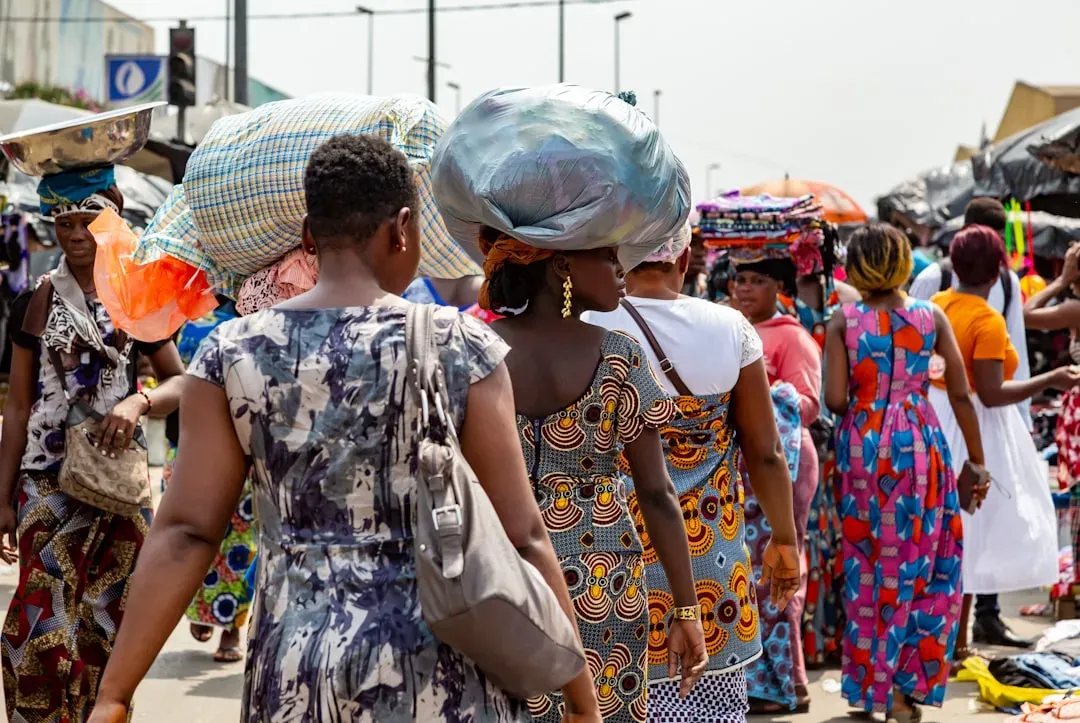
Here’s a detail that surprises almost everyone: if your ancestry traces mainly to sub-Saharan Africa, you likely carry little to no Denisovan DNA at all.
Today’s Africans have little to no Neanderthal or Denisovan DNA. This isn’t a gap in the data – it’s a direct reflection of migration routes. Denisovans and Neanderthals lived across Europe and Asia, not Africa, so the interbreeding events that spread their DNA into modern populations only affected groups that migrated out of Africa and crossed paths with these archaic humans.
The absence of archaic DNA in African populations is actually one of the strongest pieces of evidence for the out-of-Africa migration model. It shows precisely which human lineages had contact with Denisovans and which didn’t. Many people assume all humans carry roughly equal amounts of ancient hominin ancestry – the data flatly contradicts that. Where the DNA does show up, though, it isn’t just sitting there quietly – it’s working.
#6 – Their DNA Is Secretly Guarding the Immune System
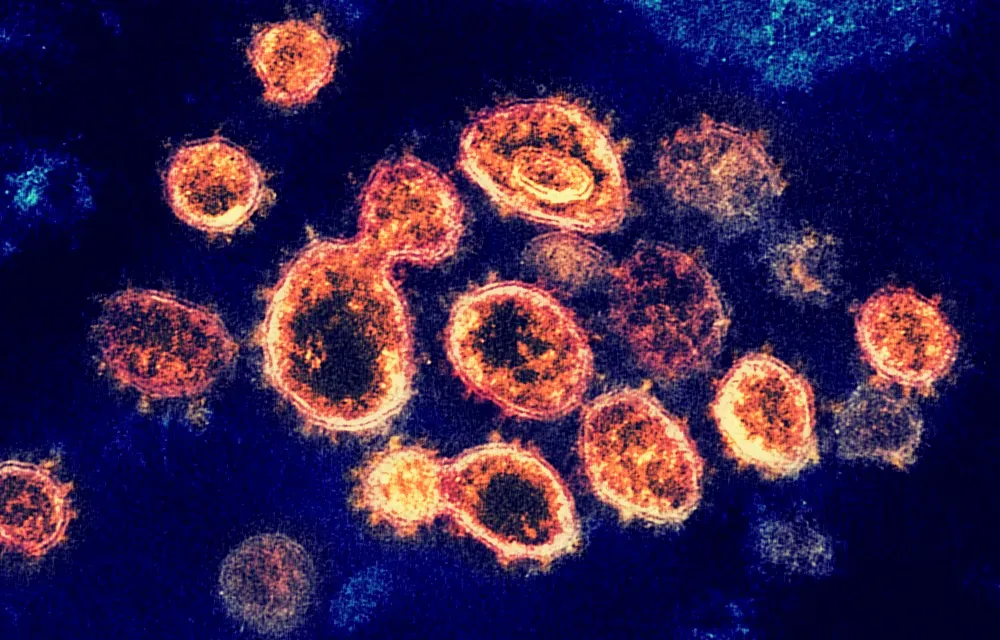
Denisovan genes may be doing far more than sitting quietly in the genome – some appear to be actively defending the body against modern viruses.
Scientists found many Denisovan variants located near genes known to impact human immune responses to viruses and other pathogens, such as the flu and chikungunya, in present-day Papuans. Researchers specifically tested eight Denisovan gene variants tied to two genes, OAS2 and OAS3, examining their effect on lymphoblastoid cell lines – the B cells responsible for producing antibodies critical to the body’s immune response.
A gene inherited from an extinct human relative may still be actively shaping how the immune system fights disease today. Researchers observed an enrichment of archaic alleles within regulatory elements and transcribed regions of the genome, with Denisovan variants strongly affecting elements active within immune-related cells. This isn’t ancient trivia – it’s active biology playing out in real bodies right now. And immunity isn’t the only system getting a quiet assist from the past.
#7 – Cold Climates Owe a Debt to Denisovans Too
While Tibetans got altitude tolerance, Arctic populations may have gotten something entirely different: a genetic toolkit for surviving brutal cold.
Research provides convincing evidence that the Inuit variant of the TBX15/WARS2 region first came into modern humans from an archaic hominin population, likely related to the Denisovans. TBX15 is a gene known to affect the human body’s response to cold and is associated with a number of traits related to body fat distribution. This variant sits at low-to-intermediate frequencies throughout Eurasia but shows especially high frequencies in Inuit and Native American populations, while it’s almost absent in Africa.
Worth Knowing
- The TBX15/WARS2 region likely entered modern humans through Denisovan ancestry
- It’s tied directly to cold response and body fat distribution
- Frequency is highest in Inuit and Native American populations
- It’s almost entirely absent in African populations
- It alters gene expression in the adrenal gland and subcutaneous fat tissue
A gene tied to fat storage and cold resistance may trace directly back to an extinct human relative most people have never heard of. The introgressed allele is also associated with changes in expression of WARS2 and TBX15 in tissues including the adrenal gland and subcutaneous adipose tissue, along with regional DNA methylation changes. Turns out temperature isn’t the only system Denisovans left their fingerprints on.
#8 – Melanesians Inherited Metabolism Genes Too
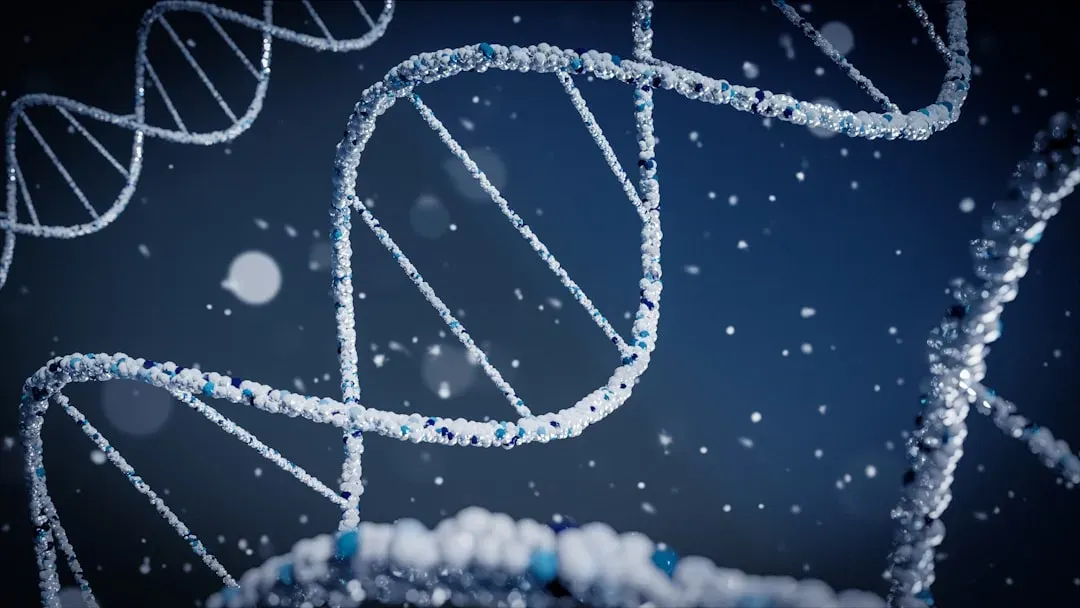
It’s not just cold tolerance and immunity – some Denisovan-linked genes appear to shape how the body processes sugar and fat, particularly in Pacific Island populations.
In Melanesians, the Neanderthal and Denisovan DNA included some metabolism genes – one affects a hormone that raises blood sugar levels, and another affects the breakdown of fats. That’s a direct, functional link between ancient interbreeding and how modern bodies regulate energy. Researchers believe this genetic legacy helped early populations survive on the specific diets and disease environments of their new tropical island homes.
A blood-sugar-regulating hormone in living people today can be traced back to genetic material passed down from Denisovans. The hot, tropical island environment of Melanesia is likely to have required certain adaptations related to diet, infectious disease, and body size. Whether this trade-off still benefits modern lifestyles – heavy in processed sugar rather than ancient tropical diets – is a genuinely open and controversial question among researchers. And just when the story seems settled, the genetics get even messier.
#9 – Papuans Interbred With Not One, But Two Denisovan Groups
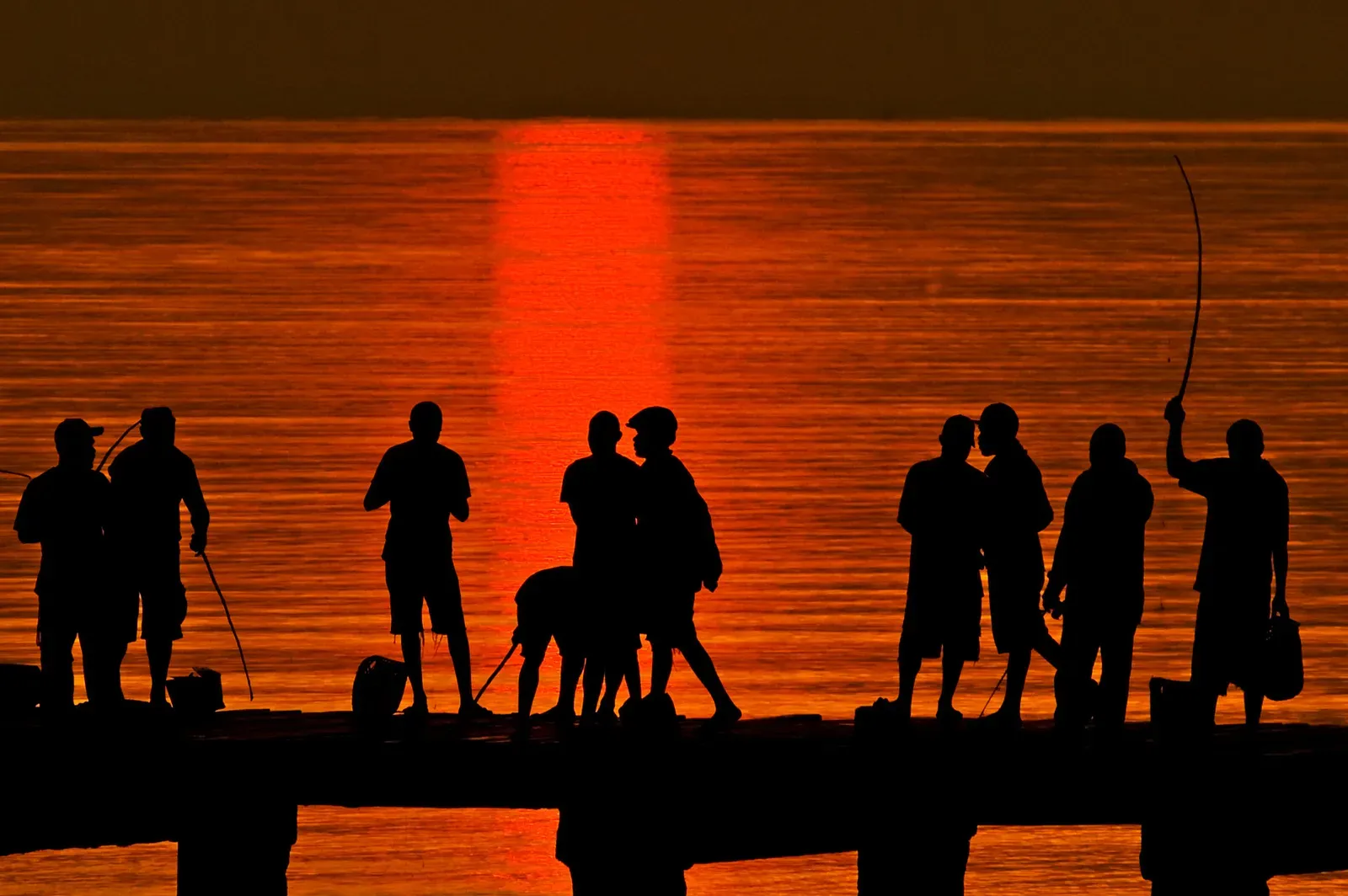
This is where the story gets genuinely bizarre: some modern populations didn’t just meet Denisovans once – they met multiple, distantly related Denisovan groups.
Research published in 2019 revealed that modern Papuans carry DNA from not one but two deeply divergent Denisovan lineages – populations that had themselves separated from each other more than 350,000 years ago, meaning modern humans appear to have interbred with multiple distinct Denisovan groups that were as different from one another as some modern human populations are from Neanderthals. That’s a staggering level of genetic diversity packed into a single “species” label.
Two Denisovan populations, separated by hundreds of thousands of years of independent evolution, both left DNA in people alive today. This complicates the simple narrative of “humans met Denisovans once and moved on.” It suggests repeated, geographically scattered contact across an enormous span of time and territory – and it’s one reason many scientists resist calling Denisovans a single, tidy species at all. The strangeness doesn’t stop at biology hidden under the skin – some of it is written on the face.
#10 – They May Have Given Us Darker Skin, Eyes, and Hair

Genetic evidence increasingly suggests Denisovans passed down more than internal biology – they may have shaped visible traits too.
Using new sequencing techniques, Max Planck Institute scientists reconstructed the Denisovan genome and found that the DNA results suggest they had dark hair, eyes, and skin. Researchers note that Denisovans were probably dark-skinned, unlike the paler Neanderthals who adapted to different environments. This detail challenges a common assumption – many people picture archaic humans as universally pale, but the genetic and pigmentation evidence points the other way for Denisovans specifically.
Pigmentation genes tied to archaic introgression have been directly linked to skin coloration patterns in modern populations. Multiple introgressed tracts have been shown to be of functional importance, including genes associated with skin pigmentation identified in landmark genomic studies. It’s a reminder that “ancient” doesn’t mean irrelevant – these traits are visible on faces today. Which raises an awkward question scientists still can’t answer.
#11 – Scientists Still Can’t Agree on What to Call Them
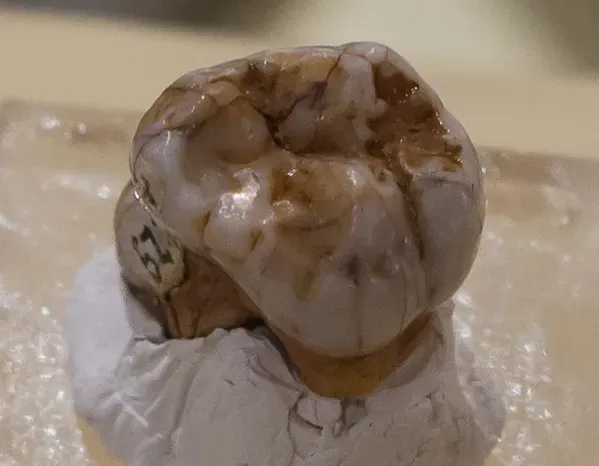
Here’s a controversial truth most articles gloss over: Denisovans still don’t have an official species name.
No formal species name has been established for Denisovans pending more complete fossil material. Some paleoanthropologists have proposed the name Homo juluensis, grouping together fossils from multiple Asian sites, while others remain hesitant to name anything at all without more genetic confirmation. This isn’t just academic squabbling – it reflects a genuine, unresolved debate about how much a genome alone can tell us about a species’ identity.
A population that has directly shaped the genetics of billions of living humans still doesn’t have a settled scientific name. Researchers still don’t agree on where the common ancestor lived or what it looked like, which speaks to a deeper tension between genetic data and physical evidence. Many casual science fans assume paleontology has this figured out – it clearly doesn’t. And that uncertainty gets even stranger once you map out exactly where these people actually lived.
#12 – Denisovans Roamed From Siberia to the Tropics
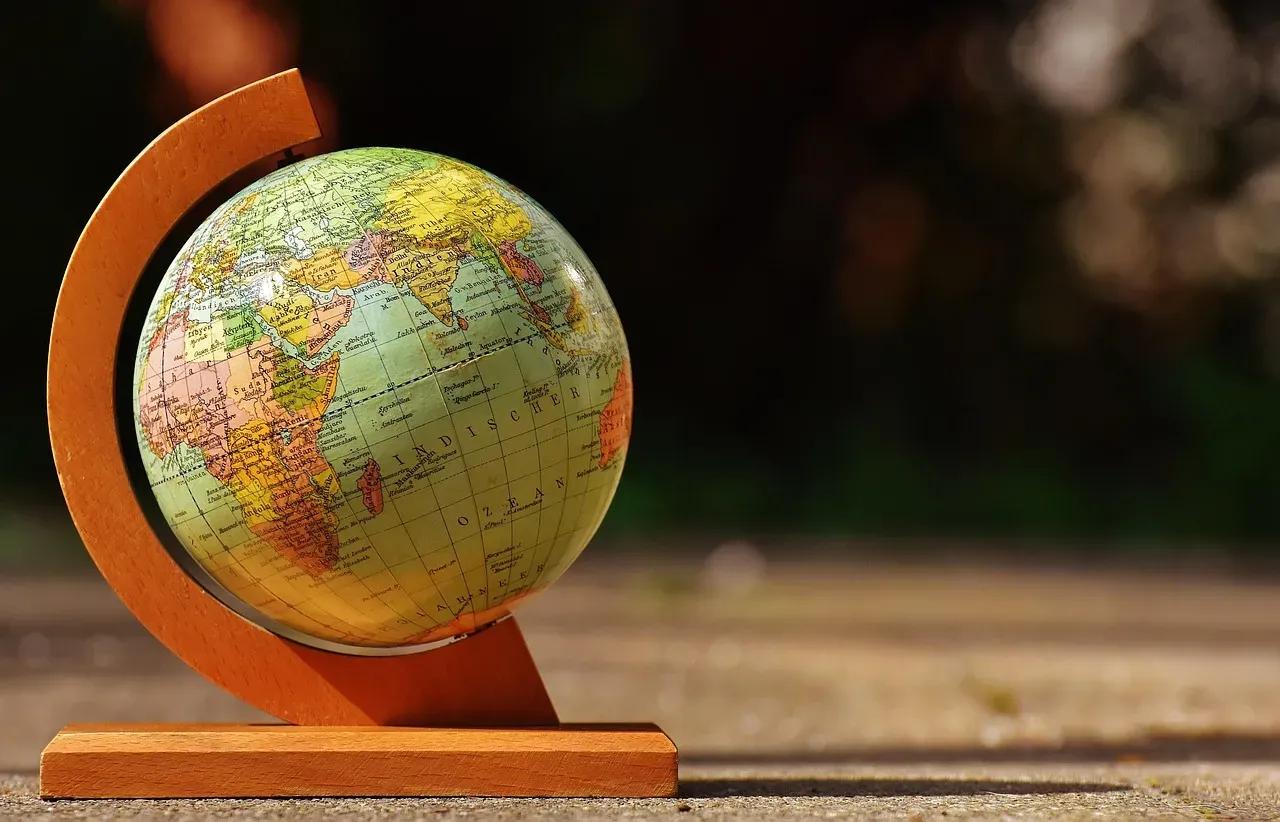
The final piece of the puzzle is the most surprising: Denisovans weren’t confined to one cold Siberian cave. They covered an enormous, climate-diverse range.
Fossils, tools, and proteins have surfaced across Asia, suggesting Denisovans were not a localized oddity but a diverse population that once ranged from the Tibetan Plateau to the tropics of Southeast Asia. That range explains why their genetic fingerprints show up in such wildly different adaptations – high-altitude oxygen efficiency in Tibet, cold-weather fat metabolism near the Arctic, and tropical immune resilience in Melanesia.
Why It Stands Out
- Physical and genetic traces span Siberia, the Tibetan Plateau, and Southeast Asia
- The same population left an oxygen-efficiency gene in Tibet
- …and a cold-weather fat metabolism gene near the Arctic
- …and tropical immune-resilience genes in Melanesia
- DNA traces persist today in Papua New Guinea and the Philippines
One extinct population somehow left genetic solutions for three completely different, extreme environments. Traces of their DNA still linger in many people from Oceania and Southeast Asia today, including populations in Papua New Guinea and the Philippines. That kind of geographic and adaptive range is almost unheard of for a hominin group we can barely picture. It’s the clearest sign yet that Denisovans weren’t a footnote in human history – they were active participants in shaping it.
The Bottom Line
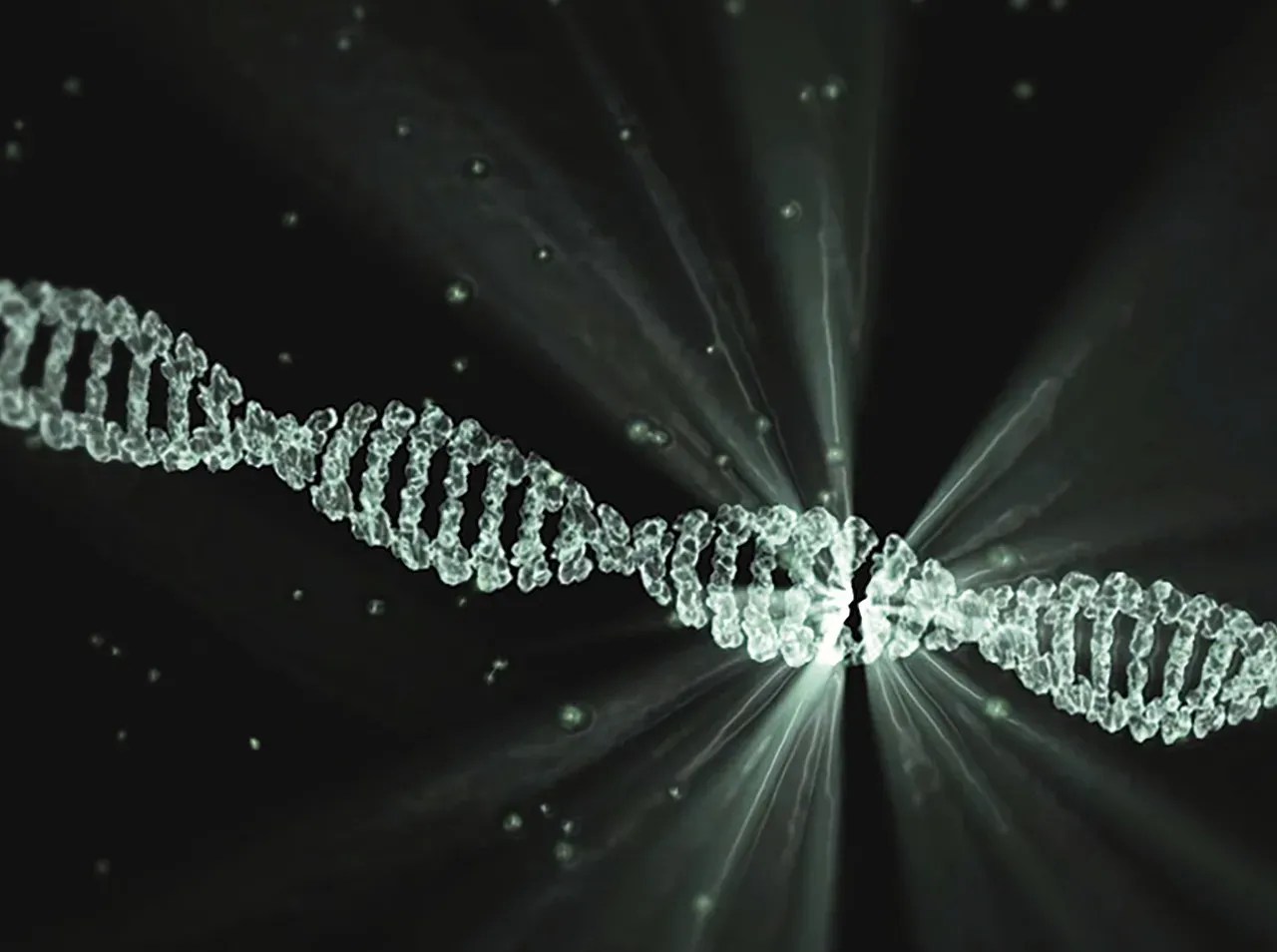
The evidence is clear: Denisovans never truly went extinct, they just merged into us. Their DNA shaped how Tibetans breathe, how Arctic populations store fat, and how Pacific Islanders fight off viruses – all from a species science can barely picture.
What’s most striking isn’t the individual genes; it’s how scattered and specific the inheritance is, tailored to wildly different environments across an entire continent. The lack of physical fossils compared to the sheer genetic footprint left behind is, frankly, one of the strangest imbalances in modern science. Do you think Denisovans deserve more recognition than they get? Drop your take in the comments.