Picture this: you’re a Victorian gentleman walking through the English countryside in 1824, and you stumble upon teeth the size of your thumb. These aren’t just any teeth – they’re serrated like steak knives and belong to something that shouldn’t exist. This moment would forever change how we understand our planet’s history, but not in the way anyone expected.
The story of the first dinosaur discovery isn’t just about finding ancient bones. It’s a masterclass in how spectacularly wrong brilliant minds can be, and how those mistakes became the foundation for everything we know today about prehistoric life.
The Teeth That Started Everything
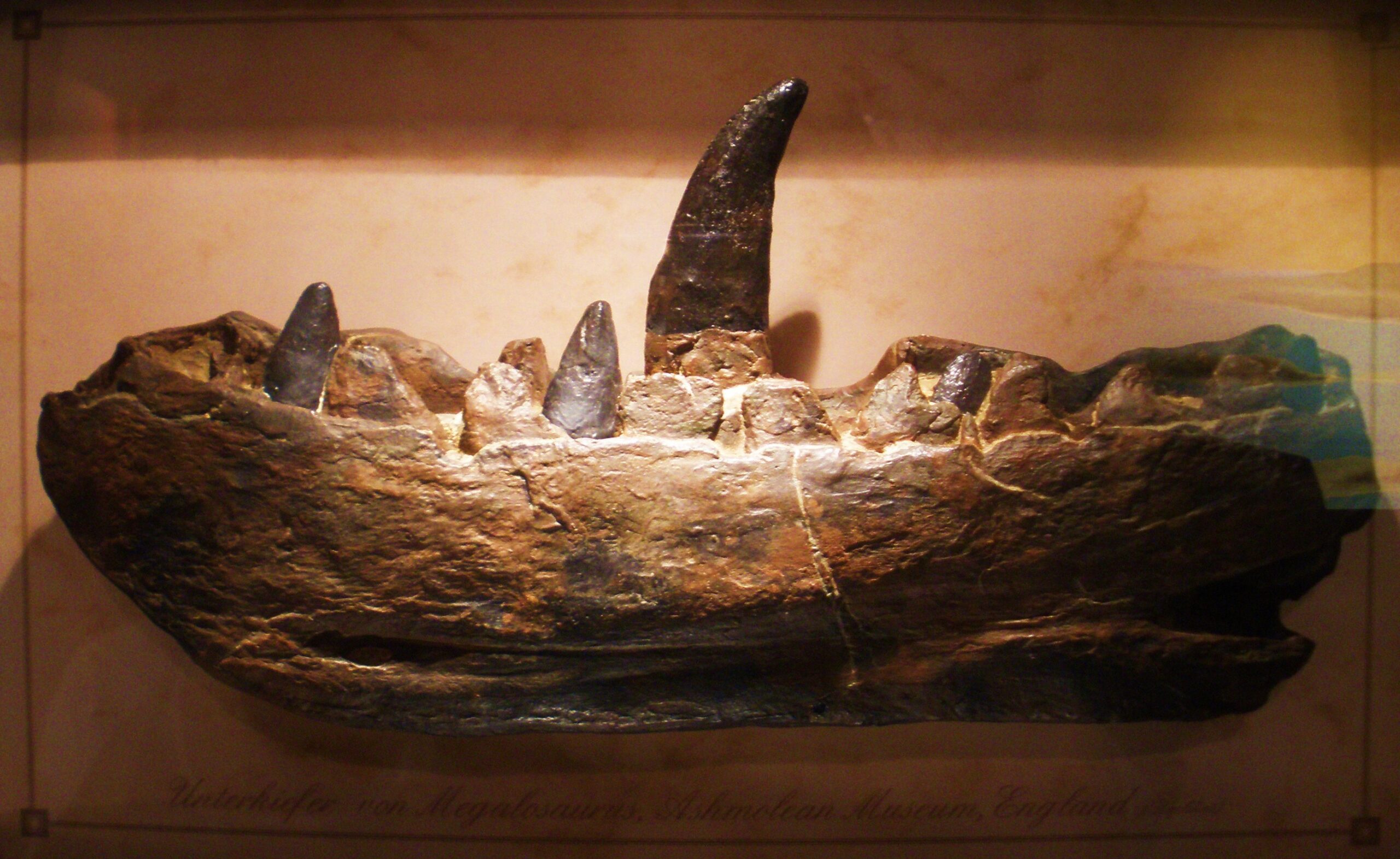
William Buckland wasn’t looking for history when he found those massive teeth in a quarry near Oxford. He was a geology professor who collected fossils as a hobby, much like people today collect vintage vinyl records. The teeth were unlike anything in his extensive collection – too large for any known reptile, too sharp for any herbivore he could imagine.
What Buckland did next reveals something beautiful about human nature. Instead of dismissing the find or forcing it into existing categories, he embraced the mystery. He spent months comparing the teeth to every living animal he could think of, from crocodiles to monitor lizards.
The teeth belonged to what he would name Megalosaurus, literally “great lizard.” It was the first dinosaur ever scientifically described, though the word “dinosaur” wouldn’t exist for another 18 years.
When Smart People Get Things Spectacularly Wrong
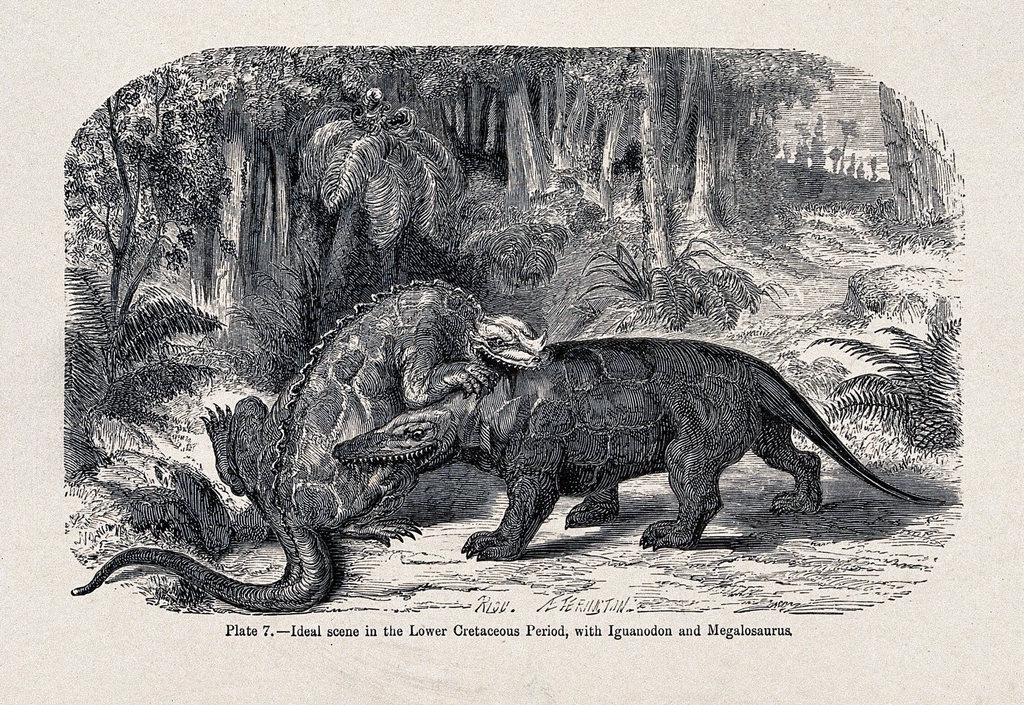
Buckland’s initial interpretation of Megalosaurus reads like science fiction today. He envisioned a massive lizard, perhaps 40 feet long, crawling on its belly like a gigantic crocodile. Picture a monitor lizard the size of a school bus, and you’re getting close to his mental image.
The scientific community embraced this vision with enthusiasm. Here was concrete evidence of antediluvian monsters – creatures from before the biblical flood. It fit perfectly with their worldview that Earth had experienced catastrophic changes throughout history.
But here’s what makes this story fascinating: Buckland wasn’t stupid or lazy. He was working with the best scientific methods of his time, comparing his find to every living reptile available. His mistake wasn’t in his process – it was in his assumptions about what was possible.
The Art of Scientific Storytelling
What’s remarkable about early dinosaur research is how much it resembled detective work. Scientists were essentially crime scene investigators, trying to reconstruct an ancient world from scattered clues. Each bone fragment was like a piece of evidence in a case that was millions of years cold.
Buckland approached Megalosaurus like Sherlock Holmes might approach a murder mystery. He examined the teeth’s serrations under primitive microscopes, compared their curvature to modern predators, and even speculated about the creature’s hunting behavior. His conclusions were wrong, but his methodology was surprisingly sound.
The problem wasn’t his detective skills – it was that he was trying to solve a case unlike any that had ever existed. Imagine trying to reconstruct a Ferrari from scattered parts when the only vehicles you’ve ever seen are horse-drawn carriages.
When the Ground Beneath Science Shifted

The discovery of Megalosaurus didn’t just add a new species to the fossil record – it fundamentally challenged how people understood Earth’s history. Before 1824, most educated Europeans believed our planet was perhaps 6,000 years old, with all species created simultaneously.
Suddenly, here was evidence of creatures that clearly no longer existed. This wasn’t just extinction – it was proof of an entirely different world that had once flourished where English sheep now grazed. The implications were staggering and uncomfortable for many.
Some scientists tried to explain away the findings. Perhaps these were just unusual variants of known animals, or maybe they were creatures that still lived in unexplored parts of the world. The mental gymnastics required to maintain old beliefs in the face of new evidence became increasingly elaborate and ultimately unsustainable.
Building Monsters from Fragments
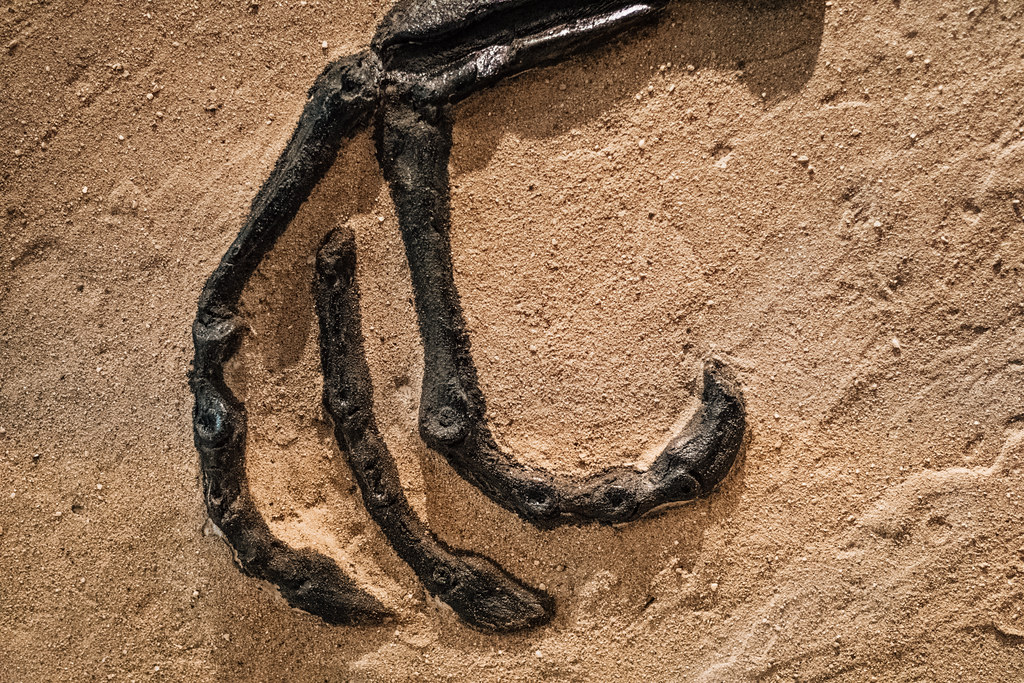
The early paleontologists faced a challenge that would make modern researchers weep with frustration. They were trying to reconstruct entire animals from what amounted to dental work and scattered bones. It’s like trying to build a jigsaw puzzle when you have only 2% of the pieces and no picture on the box.
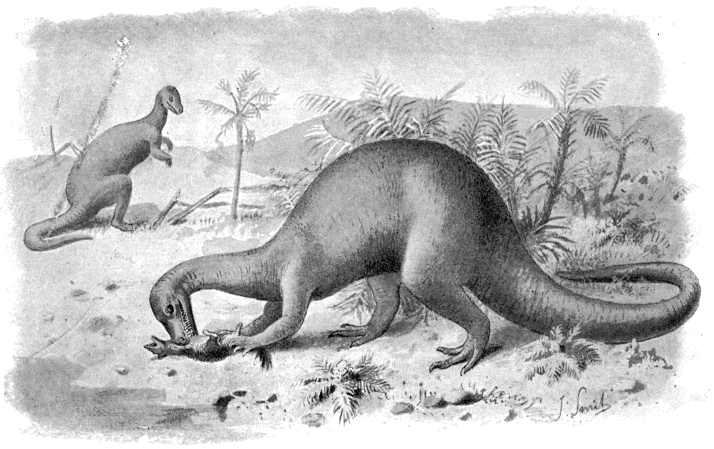
Gideon Mantell, another pioneer in dinosaur discovery, found teeth similar to Buckland’s but faced the opposite problem. His Iguanodon teeth were flat and clearly belonged to a plant-eater. But how do you envision a herbivorous monster when your only reference points are modern iguanas and elephants?
The early reconstructions were creative disasters. Iguanodon was initially depicted as a massive iguana with a horn on its nose – except the “horn” was actually a thumb spike, and the creature walked on two legs, not four. These mistakes seem obvious now, but they represent honest attempts to make sense of incomplete evidence.
The Revolutionary Power of Being Wrong

Here’s what’s beautiful about these early mistakes: they weren’t failures – they were stepping stones. Each incorrect interpretation brought scientists closer to understanding something that had never existed in human experience. Every wrong turn eliminated possibilities and narrowed the field of what could be true.
Richard Owen, who coined the term “dinosaur” in 1842, looked at the growing collection of giant reptile fossils and realized something extraordinary. These weren’t just big lizards – they were something entirely different. The name “dinosaur” means “terrible lizard,” but Owen understood they were terrible in the sense of awe-inspiring, not frightening.
Owen’s insight was revolutionary: these creatures represented a completely separate branch of reptilian evolution. They weren’t overgrown modern reptiles but something that had no living equivalent. This realization opened the door to understanding that Earth’s past was far stranger and more diverse than anyone had imagined.
When Evidence Demanded New Thinking
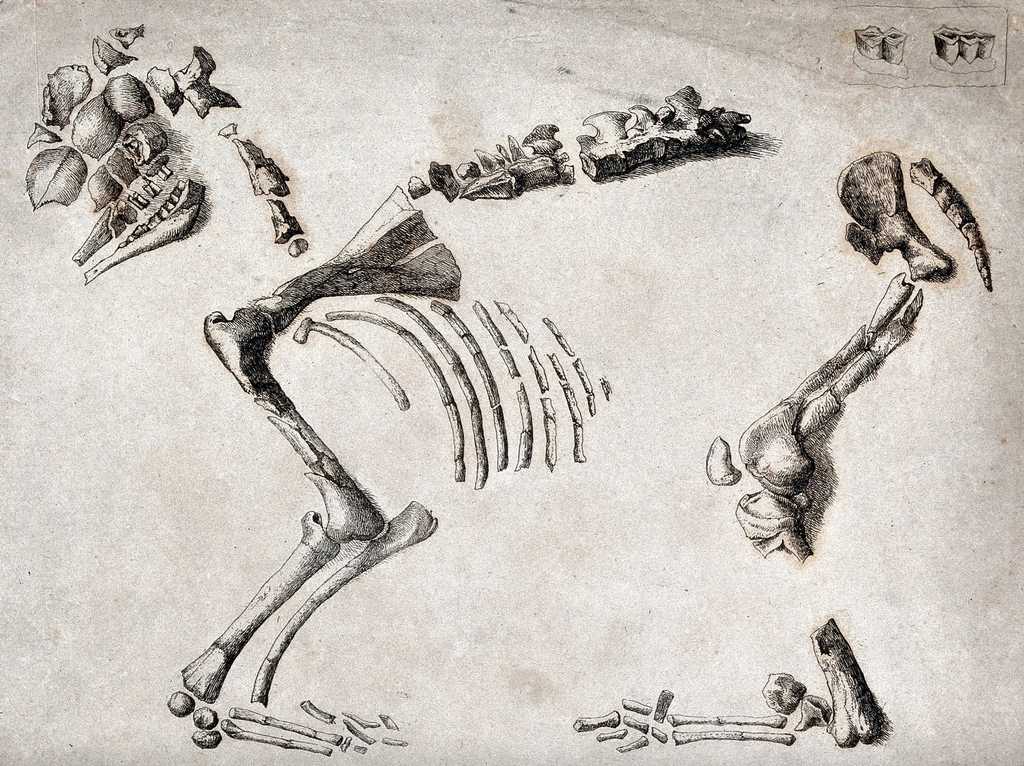
The accumulation of dinosaur fossils throughout the 19th century created a problem that couldn’t be solved with old thinking. Scientists found themselves holding evidence of creatures that challenged every assumption about how large land animals could live and move.
Take the discovery of Brontosaurus (now called Apatosaurus) bones in America. The sheer size of these fossils suggested animals weighing as much as several elephants. Traditional reptile biology said this was impossible – cold-blooded creatures that large couldn’t generate enough energy to move their own bulk.
Yet the evidence was undeniable. The bones were real, the measurements were accurate, and the creatures had clearly thrived for millions of years. Science faced a choice: reject the evidence or expand the understanding of what was possible. Fortunately, science chose expansion.
The Humbling Process of Reconstruction
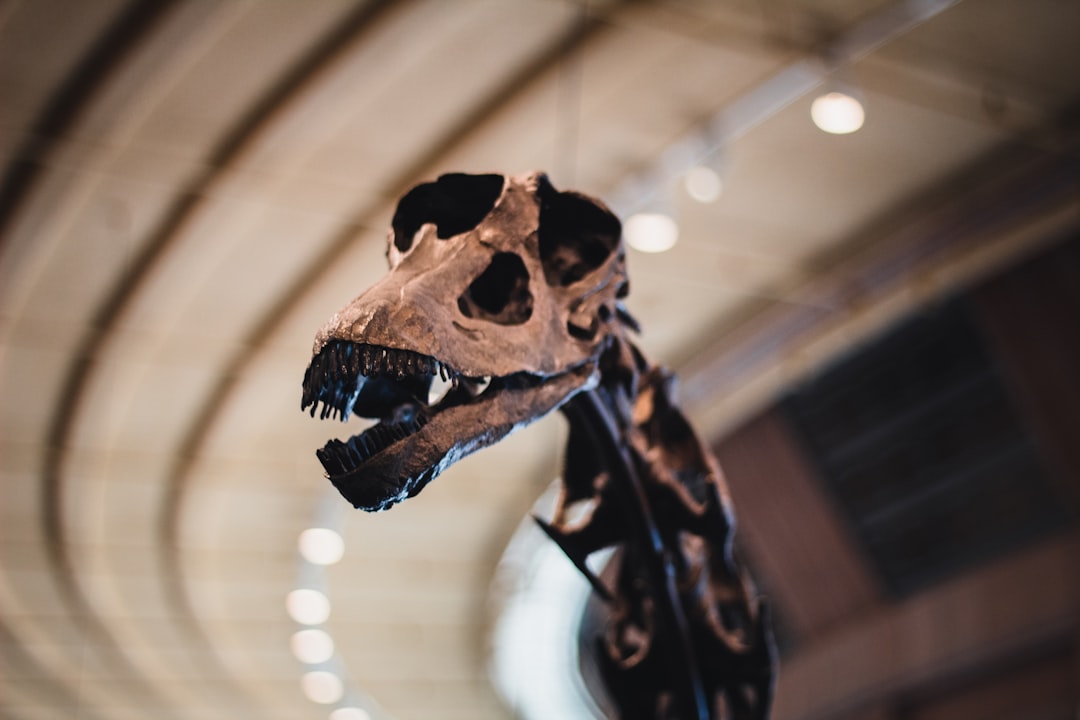
As more complete skeletons emerged, the extent of early misconceptions became embarrassingly clear. The belly-crawling Megalosaurus was actually a bipedal predator that ran on powerful hind legs. The iguana-like Iguanodon was a massive duck-billed creature that could rear up on its hind legs to browse treetops.
Each correction was both humbling and exhilarating. Scientists had to admit their earlier reconstructions were dramatically wrong, but each correction revealed something even more amazing than they had originally imagined. The real dinosaurs were far more dynamic, diverse, and fascinating than the sluggish monsters of early paleontology.
This process of constant revision became a hallmark of paleontology. Unlike other sciences where theories might remain stable for decades, dinosaur science embraced the idea that today’s certainty might be tomorrow’s outdated assumption.
Lessons in Scientific Courage
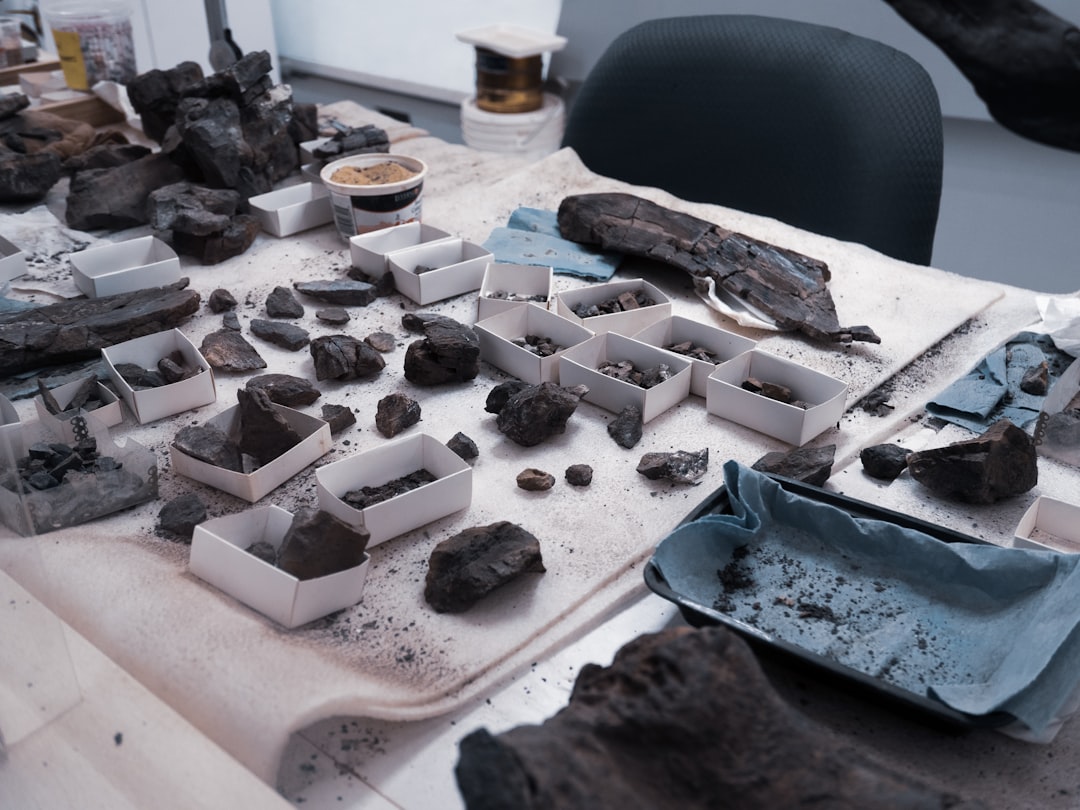
What’s remarkable about the early dinosaur discoveries is how they required scientists to abandon comfortable assumptions and embrace uncertainty. Admitting that your carefully constructed theory is wrong takes a special kind of intellectual courage that not everyone possesses.
Buckland could have quietly buried his Megalosaurus findings when later evidence contradicted his interpretations. Instead, he actively participated in revising his own conclusions. This willingness to be publicly wrong in service of being eventually right became a defining characteristic of good science.
The dinosaur pioneers taught us that being wrong isn’t a failure – it’s a necessary step in the process of understanding complex truths. Every mistake brought the scientific community closer to comprehending the magnificent diversity of ancient life.
The Democracy of Discovery
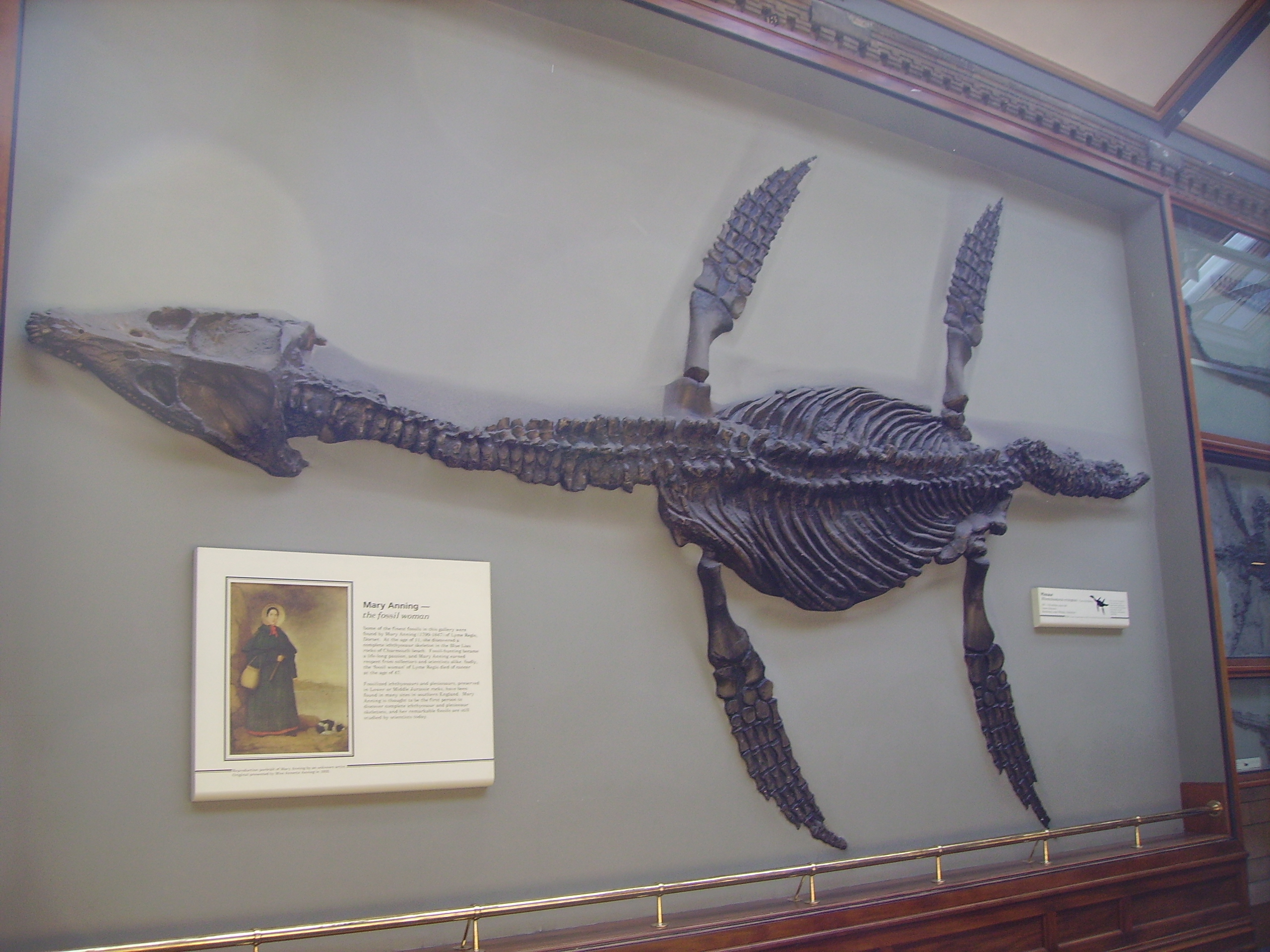
The early days of dinosaur hunting weren’t dominated by university professors in ivory towers. Mary Anning, a working-class woman from Lyme Regis, made some of the most important marine reptile discoveries of the 19th century. Her finds helped establish that Earth’s ancient oceans had been dominated by creatures as alien as anything from science fiction.
Gideon Mantell was a country doctor who collected fossils in his spare time. His discovery of Iguanodon came from rocks he encountered while making house calls. These citizen scientists proved that important discoveries didn’t require advanced degrees – they required curiosity, persistence, and careful observation.
This democratic nature of early paleontology meant that mistakes and corrections came from many different perspectives. A quarry worker might notice something a professor missed, or a amateur collector might spot patterns that escaped trained eyes.
The Evolution of Error
As dinosaur discoveries multiplied throughout the 19th and early 20th centuries, the nature of mistakes evolved too. Early errors were fundamental – misunderstanding basic anatomy and posture. Later mistakes became more sophisticated, involving metabolism, behavior, and ecological relationships.
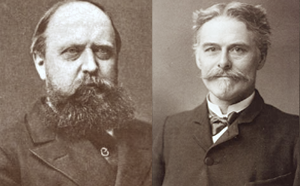
The famous “Bone Wars” between paleontologists Othniel Charles Marsh and Edward Drinker Cope produced spectacular discoveries and equally spectacular errors. In their rush to outdo each other, both men published hasty descriptions of incomplete fossils, leading to confusion that took decades to untangle.
Yet even these competitive mistakes served science. The sheer volume of material they collected provided future researchers with unprecedented amounts of data to work with. Their errors became teaching tools, showing future paleontologists what not to do.
Modern Mistakes and Ancient Truths

The tradition of productive mistakes continues in modern paleontology. The discovery that many dinosaurs were likely warm-blooded overturned decades of assumptions about reptilian metabolism. The realization that birds are living dinosaurs fundamentally changed how we understand evolutionary relationships.
Recent discoveries of feathered dinosaurs in China have forced yet another wave of corrections. The scaly, lizard-like monsters of early paleontology have given way to creatures that were often covered in primitive feathers, displaying vibrant colors and engaging in complex social behaviors.
Each new discovery requires scientists to admit that previous reconstructions were incomplete or incorrect. But instead of being discouraged by constant revision, the paleontological community has embraced it as a sign of a healthy, growing science.
The Wisdom of Systematic Wrongness
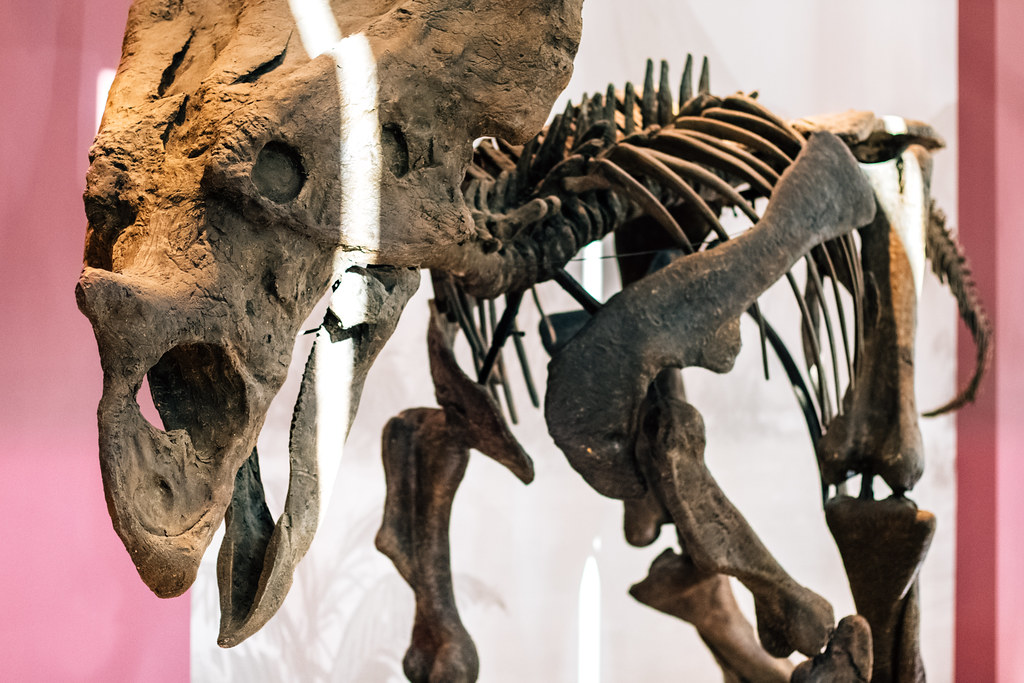
What the first dinosaur discovery really taught us is that being systematically wrong is often the fastest path to being eventually right. Buckland’s Megalosaurus reconstruction was spectacularly incorrect, but it was wrong in precisely the right way – it was specific enough to be testable and correctable.
This is fundamentally different from being vaguely wrong or refusing to make concrete predictions. Buckland painted a detailed picture of his ancient lizard, complete with specific behaviors and physical characteristics. When new evidence contradicted these specifics, science could move forward with confidence.
The dinosaur pioneers showed us that productive mistakes require intellectual honesty, careful observation, and the willingness to be publicly corrected. These qualities are rarer than they might seem, but they’re essential for any field that hopes to grow beyond its initial assumptions.
Beyond Dinosaurs: The Universal Lesson
The story of early dinosaur discovery contains lessons that extend far beyond paleontology. In any field dealing with complex, incomplete information – from medicine to climate science to economics – the willingness to be productively wrong is essential for progress.
Consider how medical understanding has evolved through systematic mistakes. Early theories about disease were often dramatically wrong, but they were wrong in ways that led to better questions and more sophisticated investigations. The same pattern appears in our understanding of human psychology, planetary science, and even artificial intelligence.
The dinosaur pioneers didn’t just discover ancient reptiles – they modeled how to maintain scientific humility while pursuing ambitious goals. They showed us that admitting ignorance isn’t a weakness but a prerequisite for genuine learning.
The first dinosaur discovery taught us that the most profound truths often emerge from the courage to be wrong in public, the wisdom to learn from mistakes, and the persistence to keep asking better questions. In a world that often values being right over being curious, these Victorian fossil hunters remind us that the best discoveries come from embracing uncertainty rather than avoiding it.
What would you have guessed if you’d found those first mysterious teeth?