
Imagine standing on an African savanna roughly about three hundred thousand years ago, watching a small group of humans who look surprisingly like us. They laugh, argue, and share food around a fire. They do not know it, but they are the first members of a species that will eventually reshape the entire planet. While they take their first steps into history, the rest of the world is already busy with its own dramas of ice, giants, and evolving cousins.
When the earliest Homo sapiens appeared in Africa, Earth was not a quiet backdrop waiting for us to arrive. It was a restless stage, full of shifting climates, rising and falling seas, and other human species carving out lives of their own. The world they inherited was both harsh and astonishingly beautiful, and understanding it makes our own existence feel less like a straight line and more like a wild, branching story that easily could’ve gone another way.
An Ice-Age World: Climate on a Knife-Edge
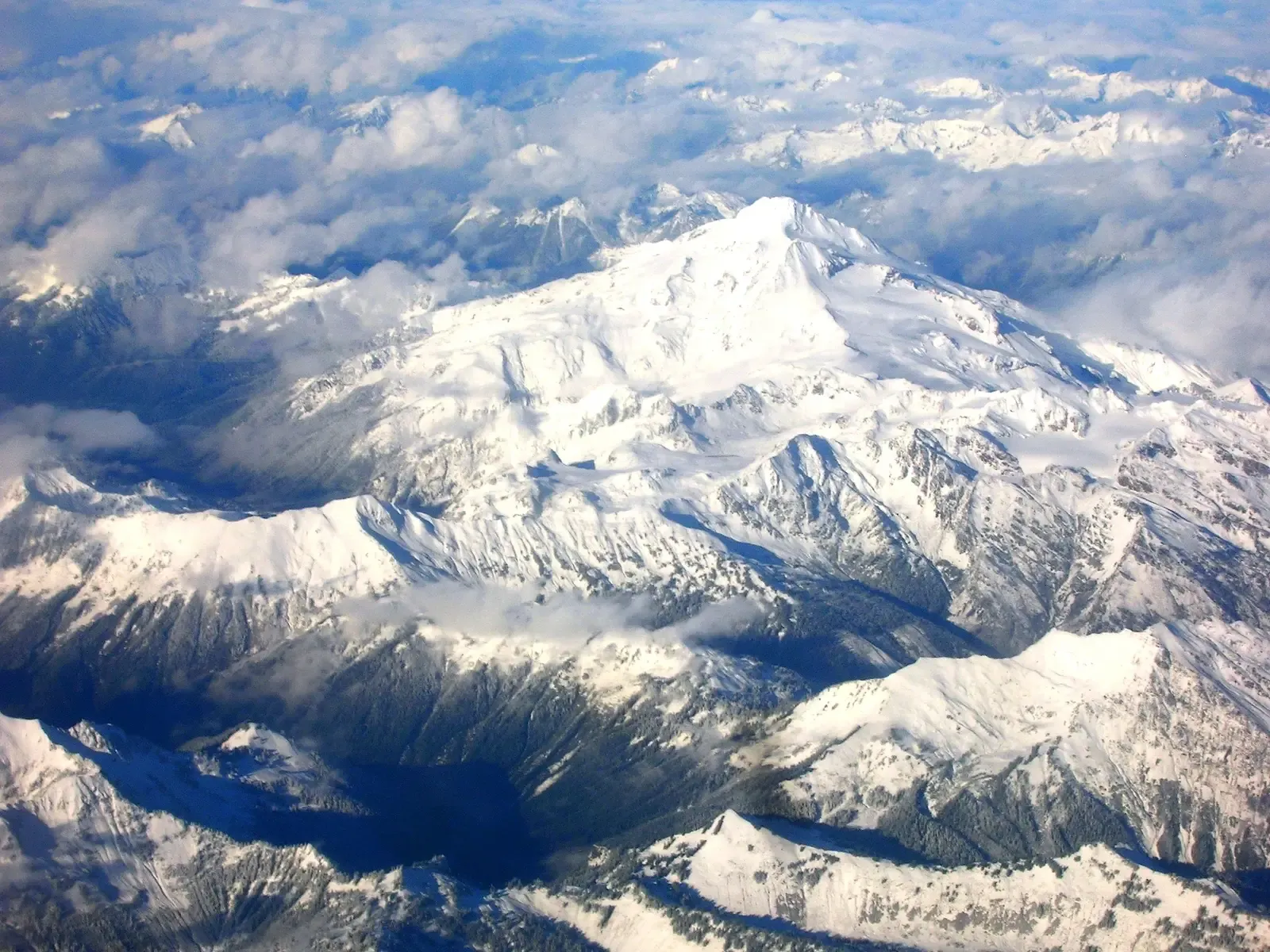
When the first Homo sapiens appeared, the planet was in the grip of an Ice Age, a long period when huge ice sheets advanced and retreated over many thousands of years. Massive glaciers covered large parts of North America, northern Europe, and Asia at various times, locking up water and dropping sea levels. Africa itself was not a frozen wasteland, but its climate swung sharply between wetter and drier phases, turning green landscapes into deserts and then back again.
These dramatic climate shifts acted like a constant test. In some periods, lakes and rivers swelled, grasslands expanded, and animals thrived, giving early humans more food and safer routes to travel. In drier times, water sources shrank, forests retreated, and survival became a brutal puzzle to solve. You can picture early Homo sapiens not as passive victims of climate, but as endlessly adapting problem-solvers, shifting where they lived, what they hunted, and how they organized their groups to ride out each environmental mood swing.
A Continent of Cousins: Other Human Species Still Thriving
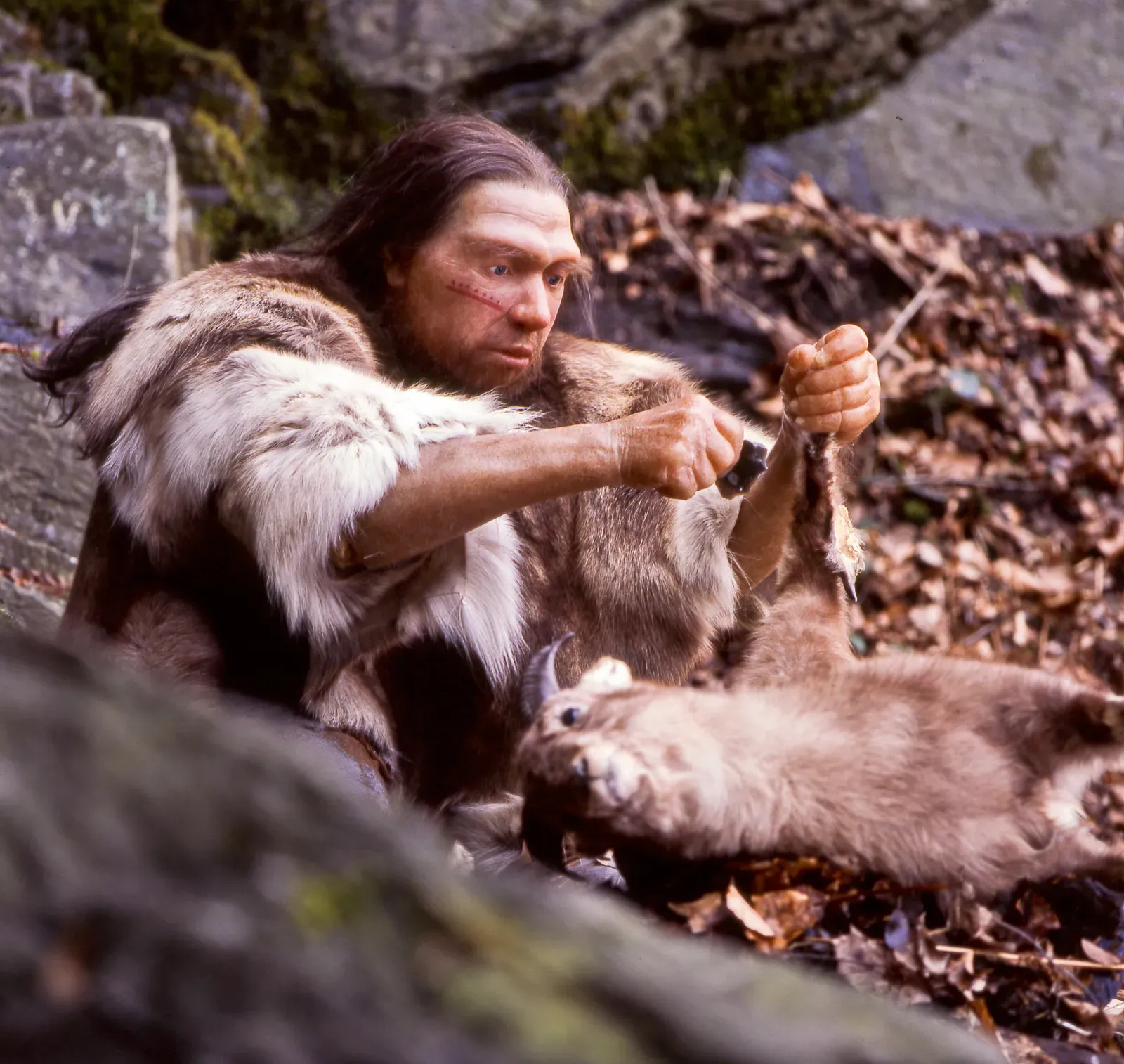
One of the most surprising realities is that when Homo sapiens emerged in Africa, we were not alone in the human family. Other hominin species, like the Neanderthals in Europe and western Asia, and Denisovans in parts of Asia, were already well adapted to their environments. They had their own cultures, tools, and ways of life, and in many places they were probably better suited to local conditions than our early African ancestors would have been.
Even within Africa, we might have shared the continent with other evolving lineages, perhaps late-surviving archaic humans who left only faint traces in fossils and DNA. This was not a simple story of a single, superior species sweeping the board. It was more like overlapping experiments in being human, some of which blended through interbreeding and others that eventually disappeared. To me, that makes our survival feel less inevitable and more like a narrow escape in a crowded, competitive world.
Africa’s Living Map: Changing Landscapes and Hidden Highways
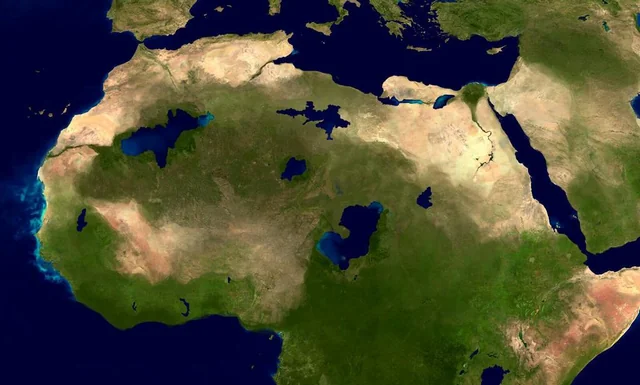
The Africa that cradled the first Homo sapiens was a patchwork of environments, constantly redrawn by climate. Wide savannas filled with grazing animals sat alongside thick forests, wetlands, and rugged highlands. Major lakes inflated and then vanished, and river systems shifted course as rainfall patterns changed. This mosaic created what were essentially shifting opportunity zones for early humans, guiding where they could find food, water, and shelter.
At times, wetter periods turned parts of the Sahara into green corridors with rivers, lakes, and rich vegetation, acting like highways instead of barriers. During drier, harsher phases, those same regions became sand seas, forcing people to cluster near coasts, mountains, or persistent water bodies. I like to imagine early Homo sapiens families treating the continent almost like a living puzzle, constantly learning new routes around blocked paths, and carrying knowledge of landscapes in their stories the way we now rely on maps and apps.
Beyond Africa: A Eurasia Patrolled by Neanderthals
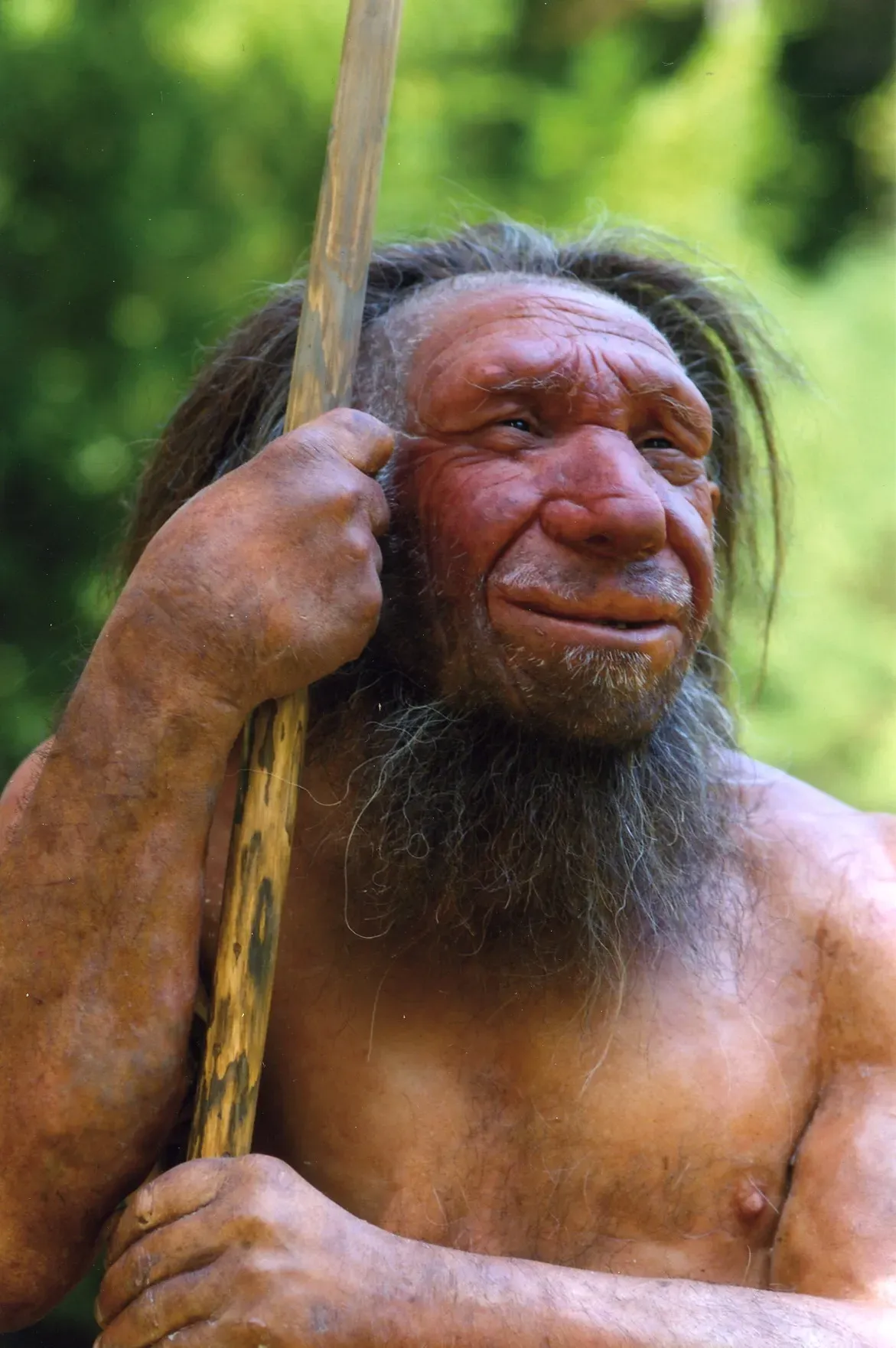
While Homo sapiens were taking shape in Africa, much of Europe and western Asia was Neanderthal territory. These relatives were robust, cold-adapted humans, living in landscapes shaped by glaciers, tundra, and scattered pockets of forest and grassland. They hunted large animals like mammoths, woolly rhinoceroses, and steppe bison, navigating dangerous prey and brutal winters with impressive resilience.
Their world was not empty or primitive. They used sophisticated stone tools, controlled fire, and likely cared for their injured and elderly, forming tight-knit communities bonded by shared survival. Thinking about this, it feels less accurate to describe Eurasia as waiting for Homo sapiens and more truthful to see it as someone else’s home range. When our species eventually expanded out of Africa, it was not into a blank map but into already-occupied neighborhoods, with their own unwritten rules and long histories.
Asia and the Islands: Denisovans, Hobbits, and Other Surprises
Further east, Asia held its own cast of human relatives when Homo sapiens first appeared. Denisovans, known mostly from tiny fragments and genetic clues, seem to have lived in very different environments, from Siberian caves to possibly high-altitude regions. Their genes still echo today in the DNA of some modern populations, especially in parts of Asia and Oceania, hinting at ancient meetings and mixed families rather than simple replacement.
On islands like Flores in Indonesia, a small-bodied species sometimes nicknamed the “hobbit” (Homo floresiensis) was still walking around while our species was emerging in Africa. They were adapted to life on a limited island ecosystem, with their own tools and survival strategies. That image alone – a tiny human cousin on a distant island while our ancestors are figuring out life in Africa – makes the ancient world feel far stranger and richer than the straightforward charts we see in textbooks.
Animals, Giants, and Extinctions in Slow Motion
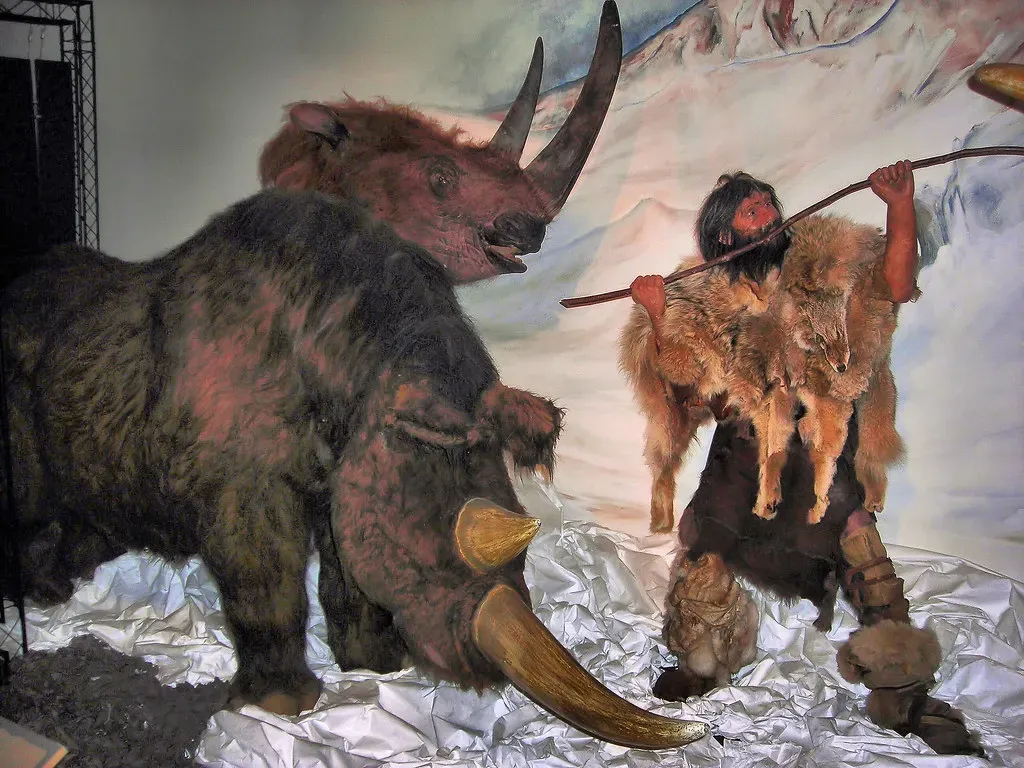
The global ecosystem that greeted early Homo sapiens was packed with animal species we will never meet in person. Giant ground sloths, towering mammoths, enormous cave bears, large African and Eurasian predators, and a whole menagerie of now-extinct megafauna roamed different continents. Africa’s ecosystems were already finely balanced between large herbivores and powerful carnivores, and early humans had to fit carefully into that crowded food web.
Crucially, many of these big animals had been around long before us and would survive for a while after. Extinctions were happening, but on a slow, geological timescale, often driven by natural climate cycles rather than sudden global change. Our species eventually becomes a major factor in speeding those losses up, but at the moment of our first appearance, we were just another new player in a very old game. In a way, the world gave us a test run: learn to survive among giants before you try reshaping the planet.
Minds, Tools, and Culture: A New Kind of Intelligence
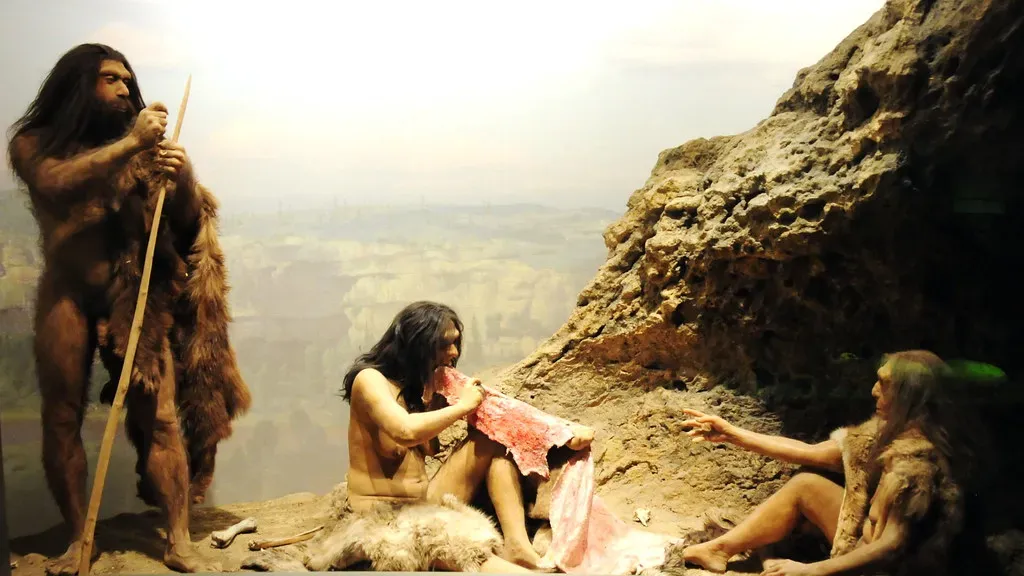
While the whole planet was busy with ice, animals, and other humans, something quietly radical was unfolding inside the minds of early Homo sapiens. In Africa, we start to see signs of more complex behaviors: refined stone tools, perhaps early symbolic objects, and more flexible ways of adapting to different habitats. These were not overnight revolutions, but slow, cumulative shifts that allowed small groups to solve new problems in creative ways.
Compared with their cousins elsewhere, early Homo sapiens seem to have leaned harder into versatility: using a wide range of foods, experimenting with different tools, and possibly building more intricate social networks between groups. It is not that they were smarter in every sense, but that they were unusually good at recombining ideas, sharing knowledge, and remembering what worked. To me, this is where the world at large – unstable climate, varied landscapes, and the presence of other humans – acted almost like a boot camp, training our species to become astonishingly adaptable.
Conclusion: A Crowded, Chaotic World That Made Us Who We Are
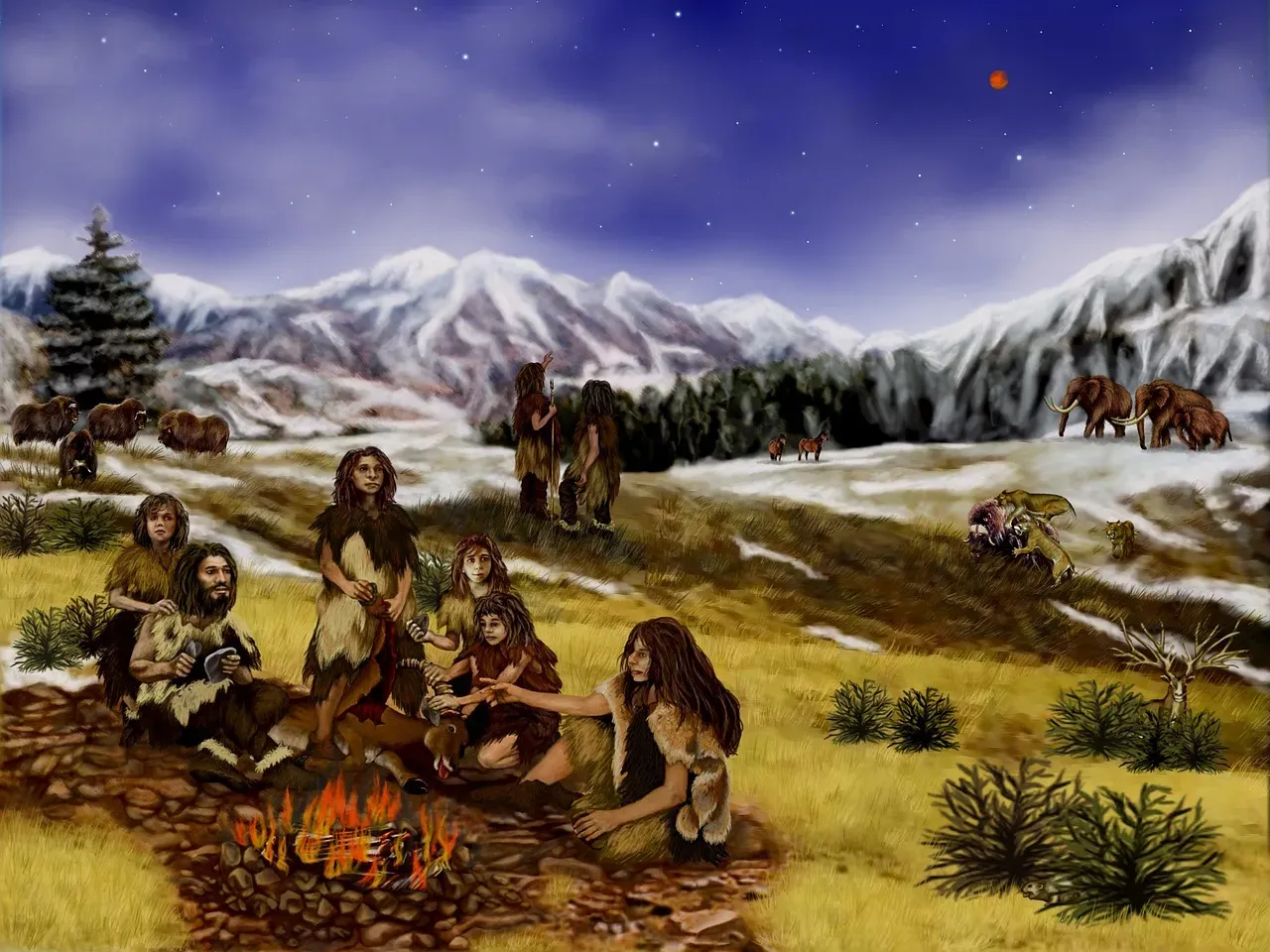
Looking back at the world when the first Homo sapiens appeared in Africa, what strikes me most is how far it is from the lonely, linear story many of us were taught. Our ancestors stepped into a planet already filled with other humans, giant animals, unstable climates, and complex ecosystems evolving for millions of years without us. In that sense, we were not chosen rulers arriving to claim an empty throne; we were latecomers, hustling for space in a busy, unpredictable world.
My opinion is that this messy, competitive, and ever-changing backdrop is exactly what forged the traits we now see as distinctly human: flexibility, cooperation, curiosity, and a stubborn refusal to give up when conditions shift. We are the outcome of countless close calls, shared landscapes, and chance encounters, not a smooth march of progress. Remembering that makes our current impact on the Earth harder to shrug off; we are reshaping a world that once shaped us. When you picture those first humans on the African savanna, does it change how you see your place in this long, tangled story?