Imagine walking through a dense forest around seventy million years ago. The air is thick and humid, filled with the smell of ancient vegetation you’ve never encountered before. Then you hear it: a deep, resonating rumble that seems to vibrate through your entire body, followed by a series of low honks echoing across the landscape. You realize these aren’t just any sounds. These are the voices of creatures that dominated Earth for millions of years.
The question of what dinosaurs actually sounded like has captivated scientists and enthusiasts for decades. Movies have given us roaring tyrannosaurs and screeching velociraptors, yet the reality was likely far stranger and more fascinating than Hollywood could imagine. Let’s explore what researchers have uncovered about the acoustic world of the Mesozoic Era, and discover which dinosaur might have been the loudest of them all.
The Parasaurolophus: Nature’s Ancient Trombone
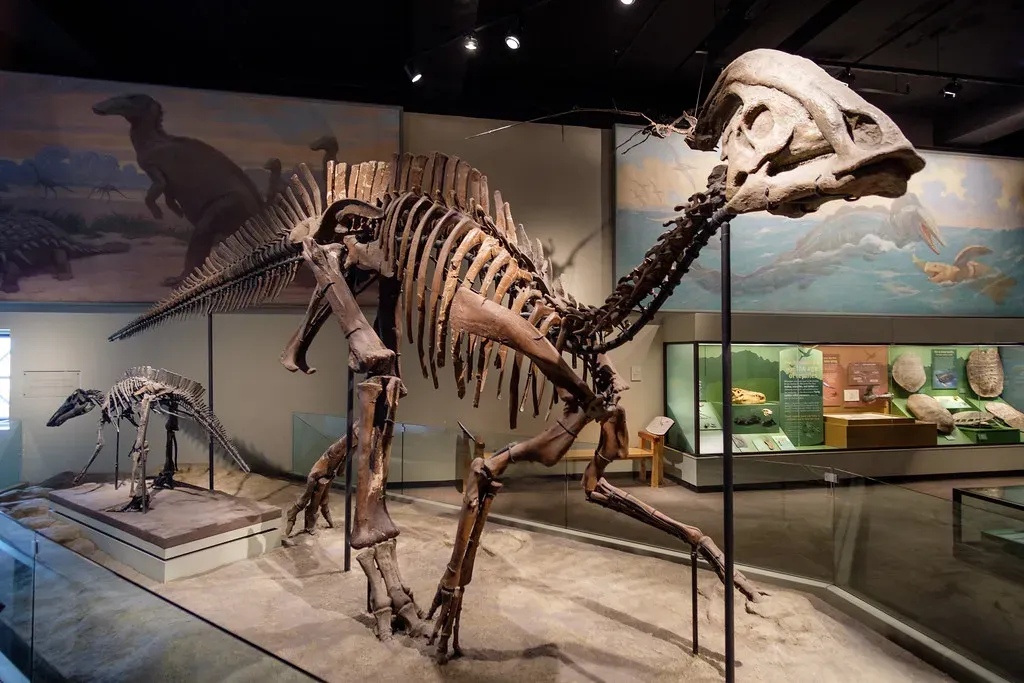
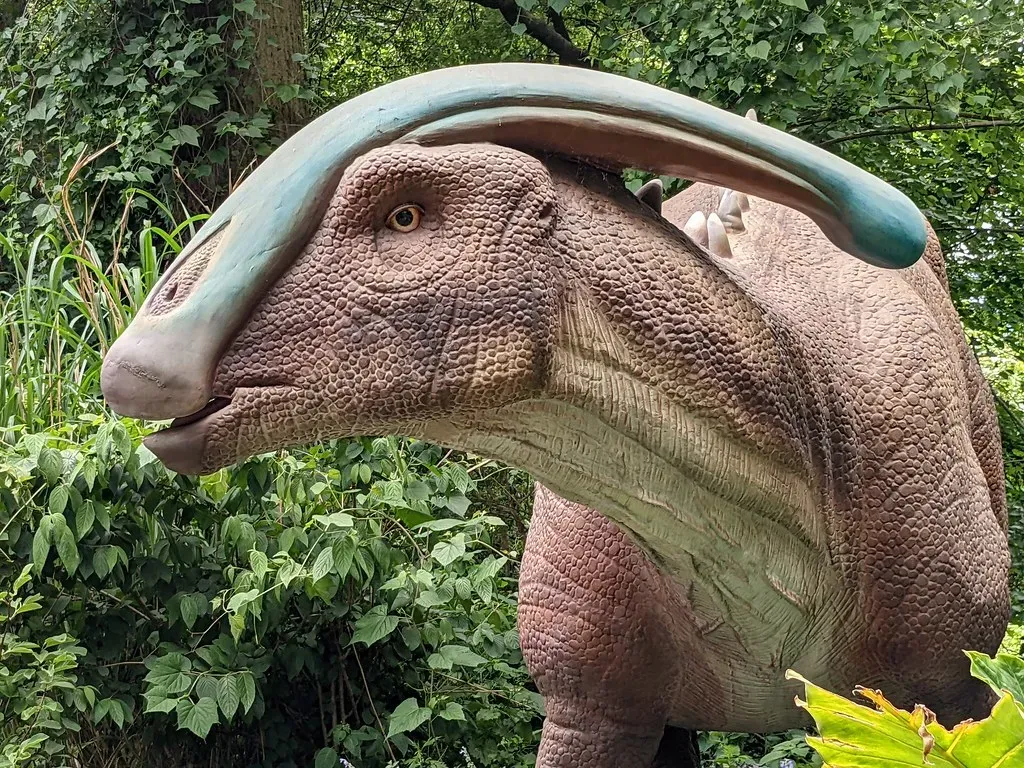
The Parasaurolophus, a duck-billed dinosaur with a unique crest that lived between seventy to eighty million years ago, stood around sixteen feet tall and weighed an estimated six to eight thousand pounds. This herbivore possessed perhaps the most remarkable sound-producing structure of any dinosaur: a hollow, tubular crest extending backward from its skull.
Scientists at Sandia National Laboratories and the New Mexico Museum of Natural History collaborated to recreate the sound this dinosaur made seventy-five million years ago, beginning after the discovery in August 1995 of a rare Parasaurolophus skull fossil measuring about four and a half feet long with a bony tubular crest that many scientists believed might have been used to produce distinctive sounds. The internal anatomy of the Parasaurolophus crest was very similar to a woodwind instrument called the crumhorn, and researchers even created a model using PVC pipe that sounded something like a tuba when played.
How Scientists Resurrect Ancient Sounds
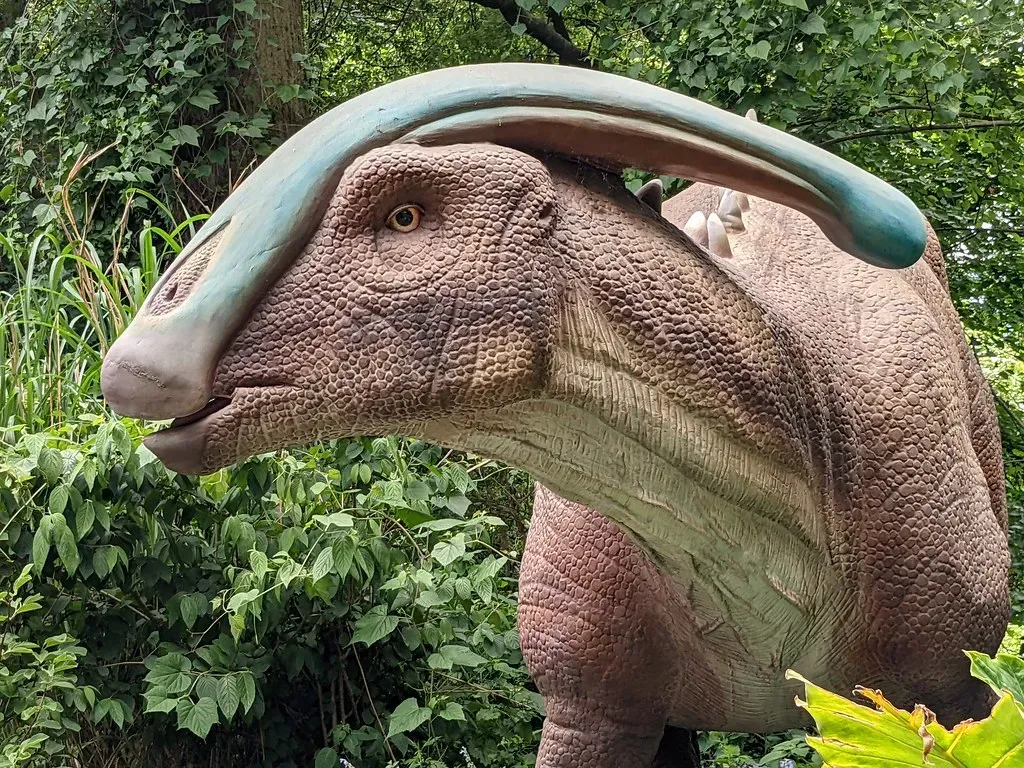
The low-frequency sound was produced using computed tomography (CT scans) and powerful computers, and once the size and shape of the air passages were determined with the aid of unique software, it was possible to determine the natural frequency of the sound waves the dinosaur pumped out, much the same as the size and shape of a musical instrument governs its pitch and tone. The breakthrough came from treating the crest like a musical instrument.
Researchers created a physical setup made of tubes to represent a mathematical model that would allow them to discover what was happening acoustically inside the crest, with the physical model suspended by cotton threads and excited by a small speaker while a microphone collected frequency data. Studies suggested that Parasaurolophus made noises ranging between the frequencies of fifty-five and seven hundred twenty Hz, and computer modeling showed the main path resonates at around thirty Hz, though complicated sinus anatomy causes peaks and valleys in the sound. These were deep, resonating calls that could travel enormous distances.
Why Dinosaurs Probably Didn’t Roar Like in Movies
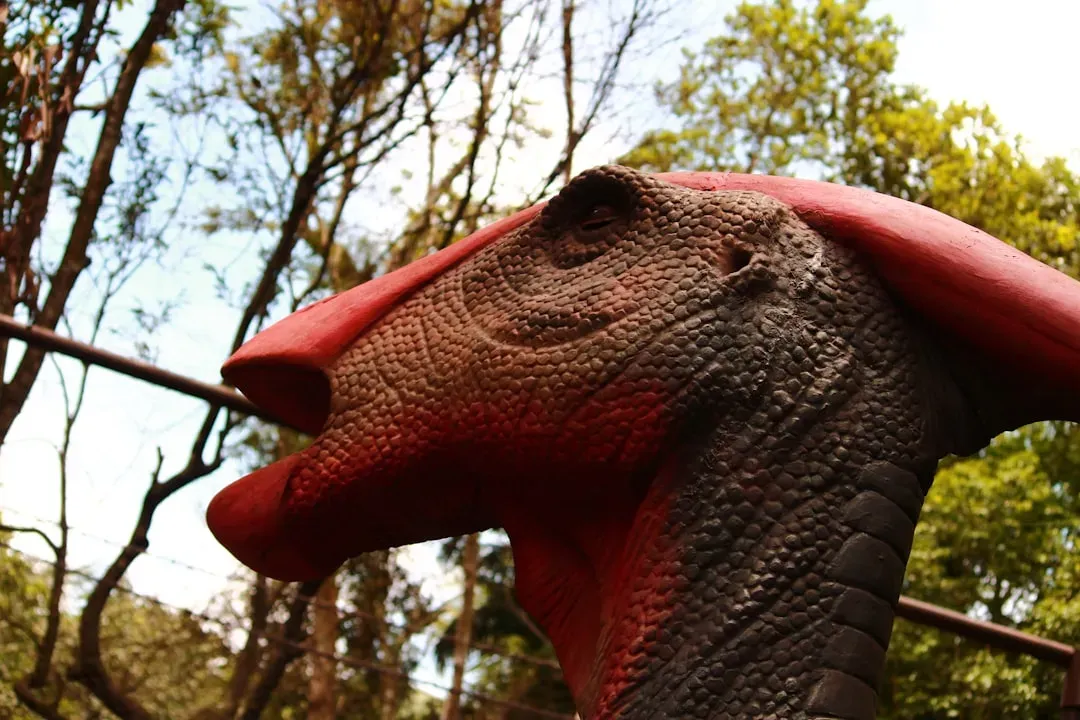
Here’s the thing: those terrifying roars you’ve heard in Jurassic Park? Completely made up. Scientists found that the sounds of predatory dinosaurs such as Tyrannosaurus rex might have been more birdlike than mammal-like. The evidence points to something far more unusual than Hollywood’s version of prehistoric sound.
Dinosaurs may have made closed-mouth vocalizations, much like the booms and hoots that some birds make today, where sounds are emitted through the skin in the neck area while the beak is kept closed as birds typically push air into an esophageal pouch rather than exhale through the open beak. Think about modern alligators or ostriches. An enormous dinosaur would have made a sound so deep that our human ears would not have been able to hear it, yet we would have felt it across every inch of our bodies.
The Hadrosaur Symphony: A Chorus of Trumpeting Giants
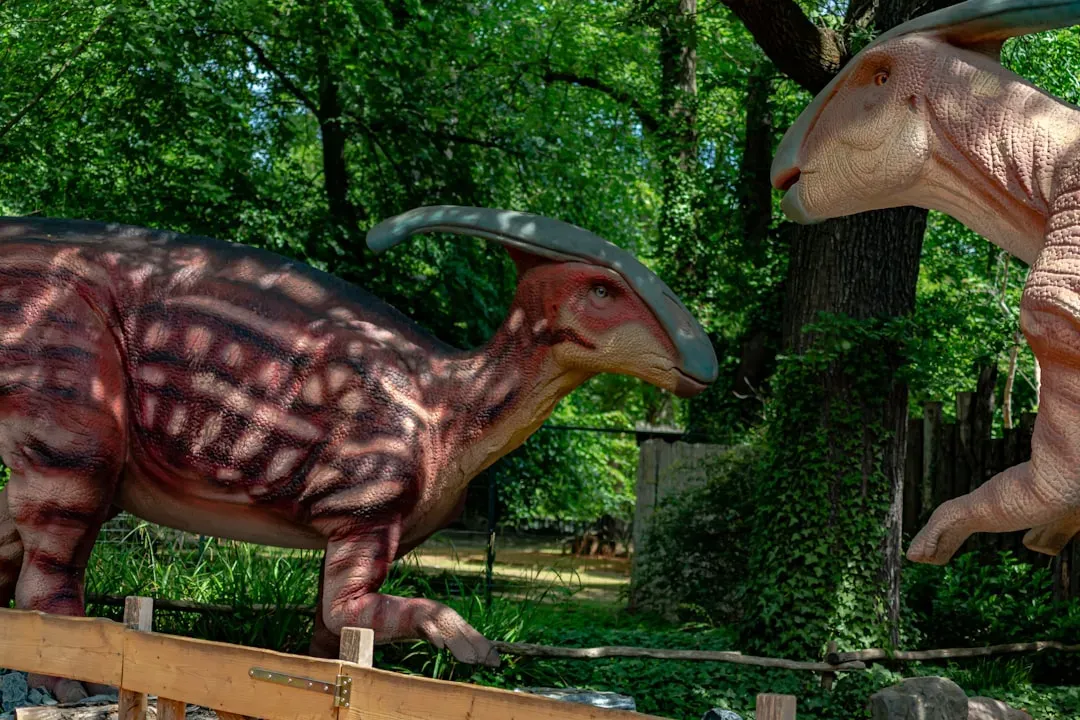
Parasaurolophus wasn’t alone in its acoustic abilities. Some duck-billed dinosaurs, called hadrosaurs, had elaborate crests that contained long and resonant extensions of the breathing tracts, and these crests are naturally resonant and could easily produce low-frequency sounds. Different species had differently shaped crests, suggesting each had its own distinctive voice.
Research published in the scientific journal The Anatomical Record concluded that duck-billed dinosaurs were capable of producing a variety of sounds, and since the sizes and shapes of head crests and nasal passages differed among lambeosaurine genera and amongst individuals of a species, each dinosaur had its own distinct voice. During mating season, one could imagine dozens of Parasaurolophus calling to each other, much like living alligators and crocodiles do today, making the Late Cretaceous a very noisy place. It must have sounded like an otherworldly orchestra.
Infrasound: The Secret Weapon of Giant Sauropods
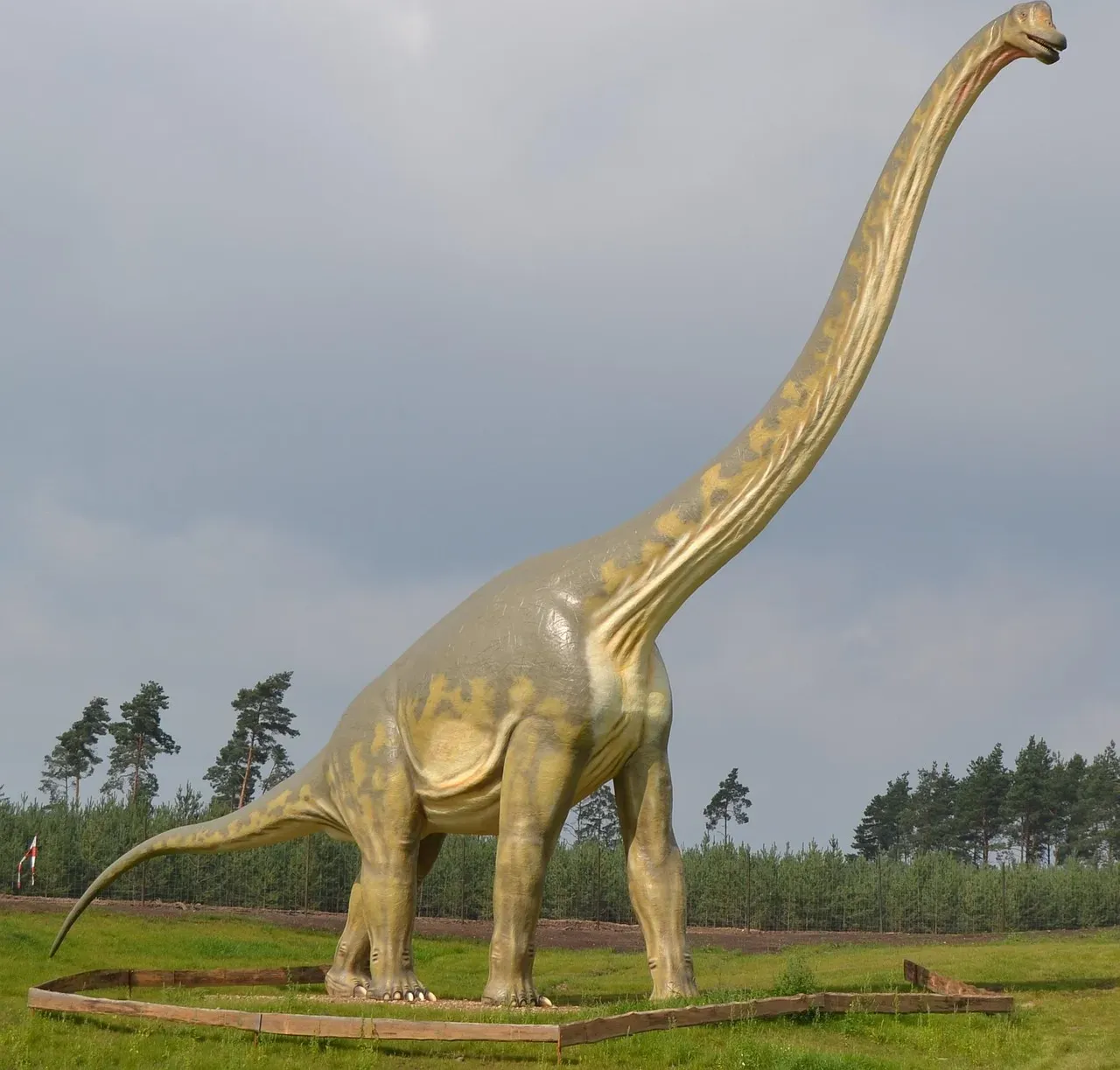
The real contenders for loudest dinosaur might surprise you. Massive herbivores including Diplodocus, Brachiosaurus, and Apatosaurus possessed enormous body size that provided ample space for large vocal organs and resonating chambers, and computer models examining their skull morphology suggest these dinosaurs could have produced sounds as low as five to ten Hz, well within the infrasound range.
Infrasound is sound below the frequency humans can consciously hear, yet it can be felt. Scientists concluded dinosaurs had excellent low-frequency hearing, and such low-frequency sounds could penetrate through thick vegetation and over large distances, allowing individual dinosaurs to be heard over vast areas. The long necks of sauropods may have served as acoustic pathways amplifying these low-frequency sounds, and the enormous size of sauropod herds and their expansive foraging territories would have created evolutionary pressure for long-distance communication methods, making infrasound an adaptive trait for coordinating group movements, warning of predators, or attracting mates across kilometers of prehistoric landscape.
The Tools Dinosaurs Used for Communication Beyond Sound
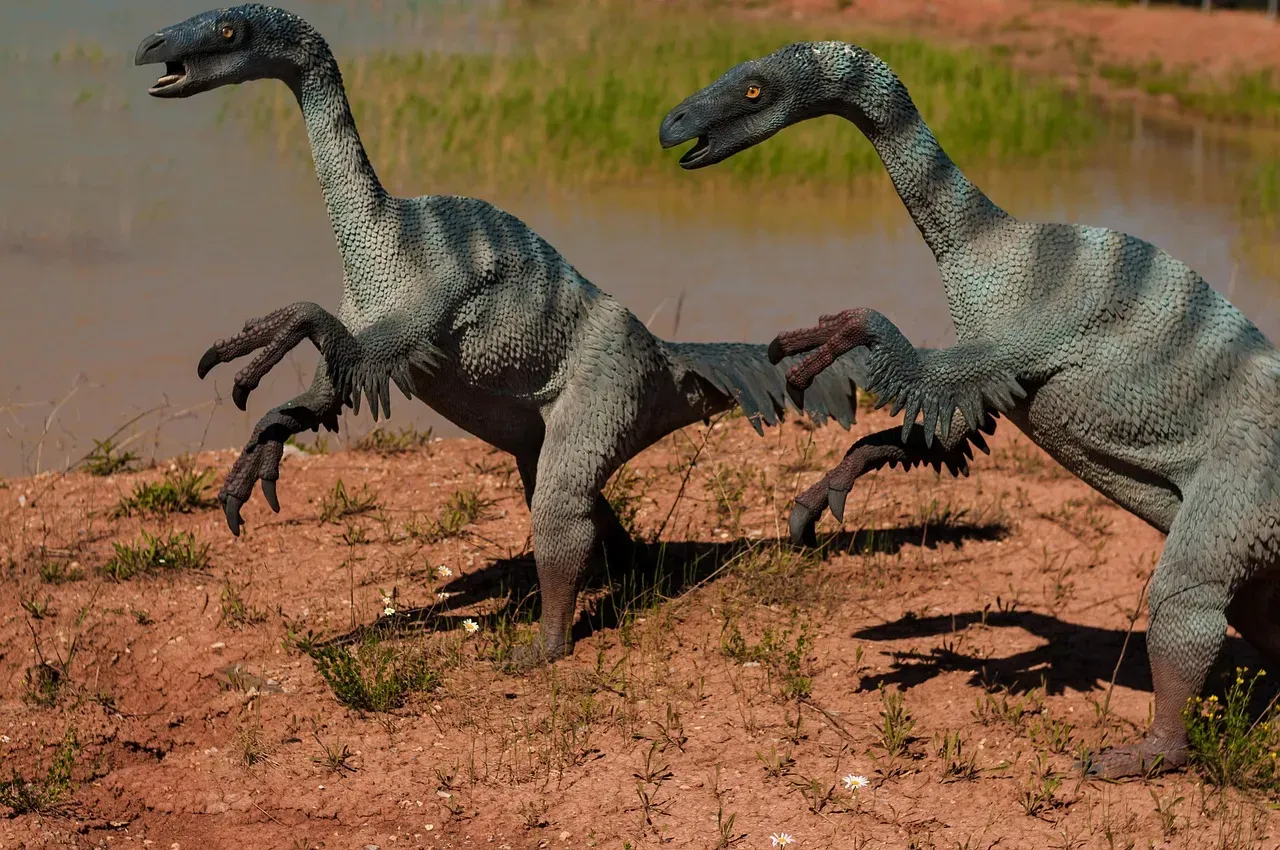
Sound wasn’t the only way dinosaurs communicated. Extinct dinosaurs, like their living relatives modern birds, may have communicated via song, dance, scent and colorful plumage, and recent discoveries of color patterns on dinosaur feathers suggest that colorful feathers might have played a role in signaling. Visual displays were probably just as important as acoustic ones.
The horns, frills and crests that adorned dinosaur heads may have been used for mating rituals or to intimidate rivals, and fossils show that a Triceratops relative developed larger frills and cheek horns as it matured, suggesting that these decorations helped the species communicate and possibly catch the attention of mates. Some dinosaurs were essentially walking billboards, advertising their fitness and status to potential mates and rivals alike through elaborate displays.
Modern Technology Brings Ancient Voices Back to Life
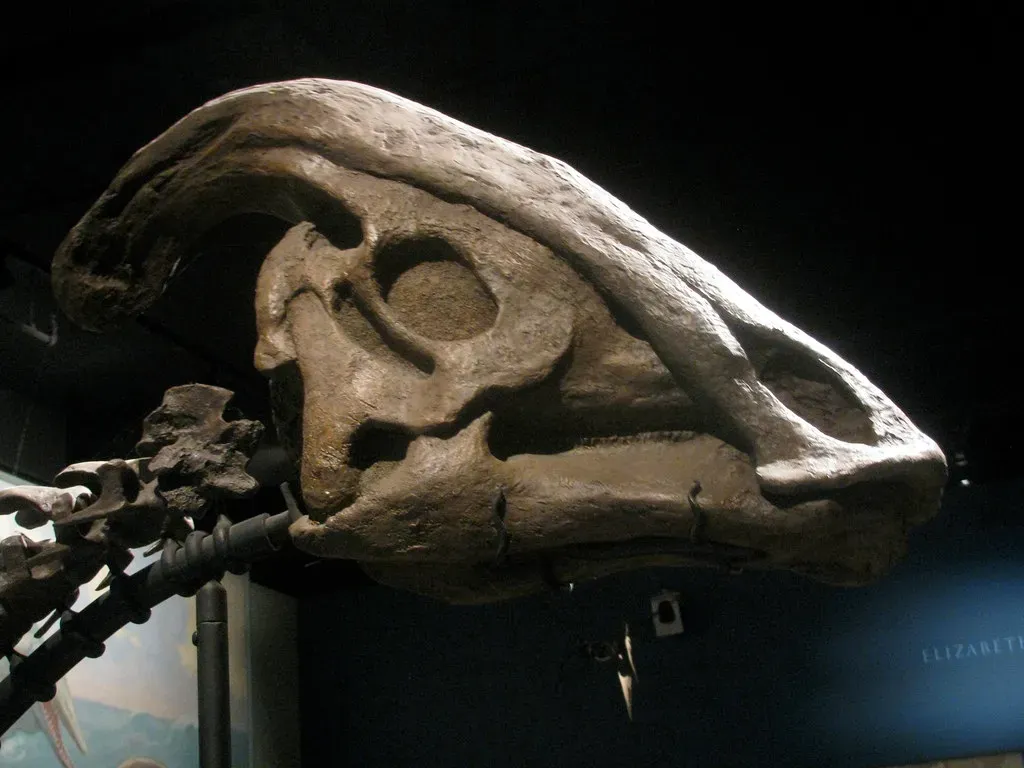
Scientists recently presented results on the acoustic characteristics of a physical model of the Parasaurolophus crest, and initial results indicate that the Parasaurolophus crest was used for resonance, similar to the crests of birds we see today. The latest research from late 2024 has brought us closer than ever to hearing authentic dinosaur sounds.
Results show the model best amplifies frequencies at around five hundred eighty-one Hz, eight hundred twenty-seven Hz, and one thousand fifty-six Hz, which implies that Parasaurolophus sound should be relatively low, and since the linophone is at a one to one point five scale to an adult Parasaurolophus crest, we expect an even lower spectrum of a real dinosaur’s voice. Researchers even plan to create plugins so musicians can incorporate actual dinosaur sounds into their music. How wild is that?
The Soundscape of the Mesozoic: More Than Just Dinosaurs
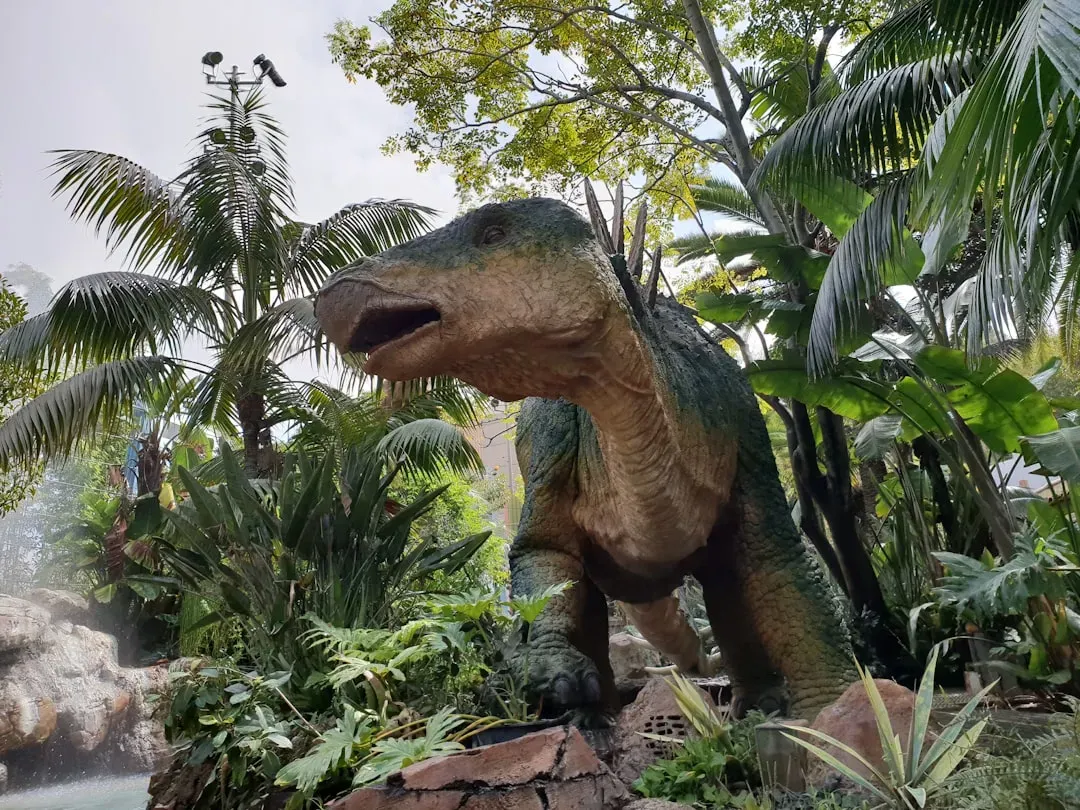
In the Cretaceous period, geckoes and birds joined in, beetles, termites, horseflies, mosquitoes, and cicadas appeared, mammal vocalization became higher pitched, some mammals learned to growl, crocodiles slapped their heads in the water, fishes developed the capability to hear high-frequency sounds, ancient birds honked and quacked, and dinosaurs made closed-mouth booms and forced-air hisses. The prehistoric world was a complex acoustic environment.
In 2012, Chinese palaeontologists discovered the fossilised wings of an ancient bush cricket near Daohugou village in Inner Mongolia and regenerated its chirp, which sounded like a whistle ascending in pitch from start to finish, possibly the call that was serenading the dinosaurs. Even the smallest creatures added their voices to the ancient chorus. The Mesozoic soundscape would have been utterly alien to our modern ears, filled with frequencies and combinations we simply never hear today.
Conclusion: Echoes from a Lost World
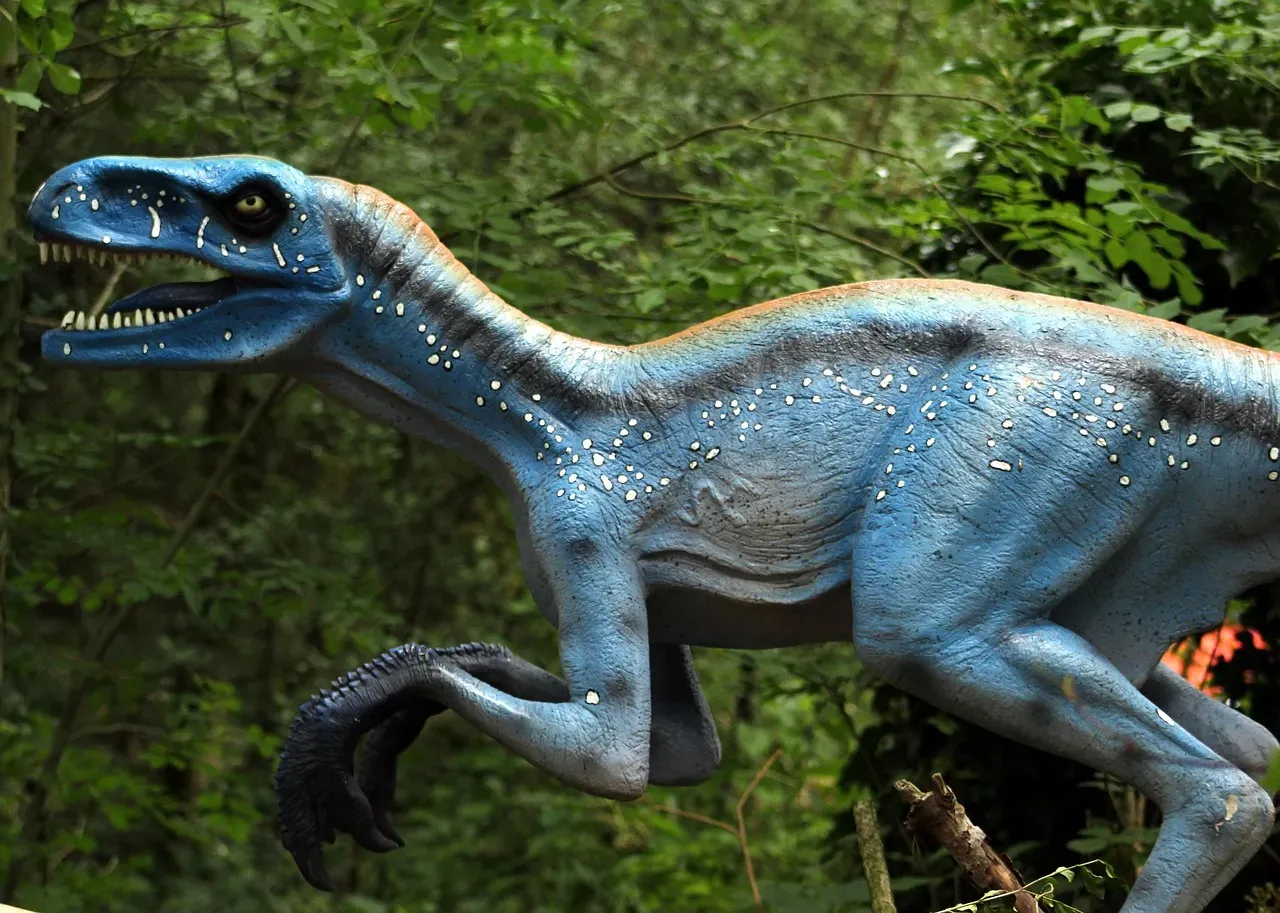
The Mesozoic must have been an amazing place, made all the more noisy and colorful by the communications of dinosaurs. While we may never know with absolute certainty what the loudest dinosaur was, evidence strongly suggests that either the massive sauropods producing infrasound or the hadrosaurs with their elaborate resonating chambers would take that title. The sauropods likely produced the most powerful sounds in terms of energy and distance, even if humans couldn’t consciously hear them.
What’s remarkable is how much scientists have learned from fossilized bones and computational modeling. These techniques have opened a window into a world that went silent sixty-six million years ago. Palaeontologists not only long to understand the past but to feel its textures, survey its colours, and immerse themselves in the full sweep of its atmosphere, where all fossils fuel the imagination, but sound carries a story laden with hope, nostalgia and melancholia for a certain horizon beyond which scientists’ attempts to summon a sonic milieu are bound to fail.
Yet they keep trying, and with every breakthrough, we get closer to hearing the true voice of the ancient world. Which dinosaur do you think would have been the most impressive to hear in person? Let us know your thoughts!