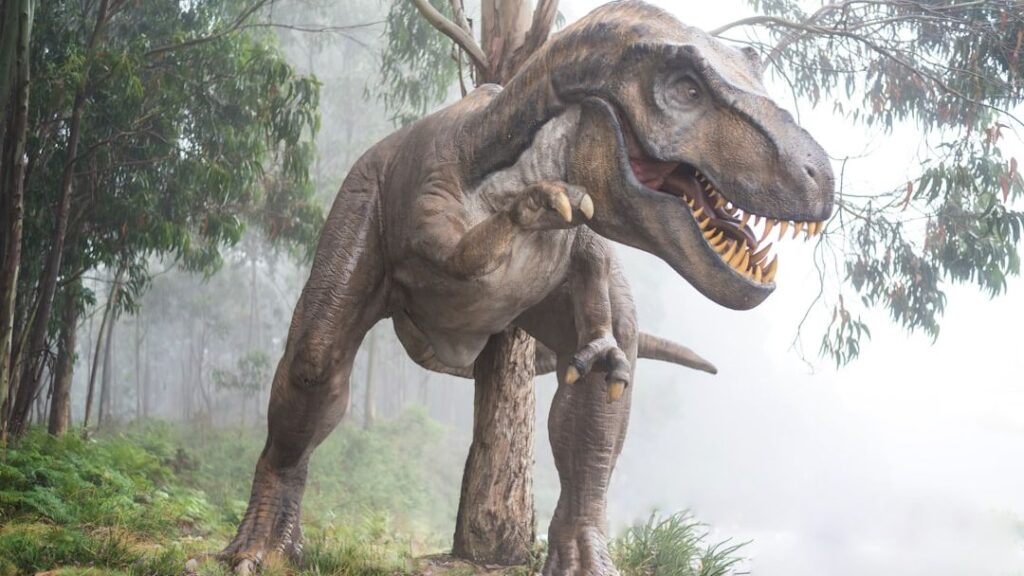
Imagine climbing a ladder up the side of a living bus with teeth, swinging a leg over its back, and shouting for it to go. The image of riding a Tyrannosaurus rex feels wild, cinematic, and almost childishly fun. But if we take it seriously for a moment and ask what would really happen, the answer turns out to be a mix of biomechanics, physics, and blunt reality that is both disappointing and strangely awe-inspiring.
Instead of treating the question like a throwaway joke, scientists can actually break it apart: How fast could it run? What were its bones and muscles built to handle? Could your body survive the forces involved, even for a few seconds? When you follow the science all the way through, the fantasy of dinosaur horseback riding crashes headfirst into how living things actually work. And that clash is where things get truly interesting.
The First Problem: Just Getting onto a T. Rex
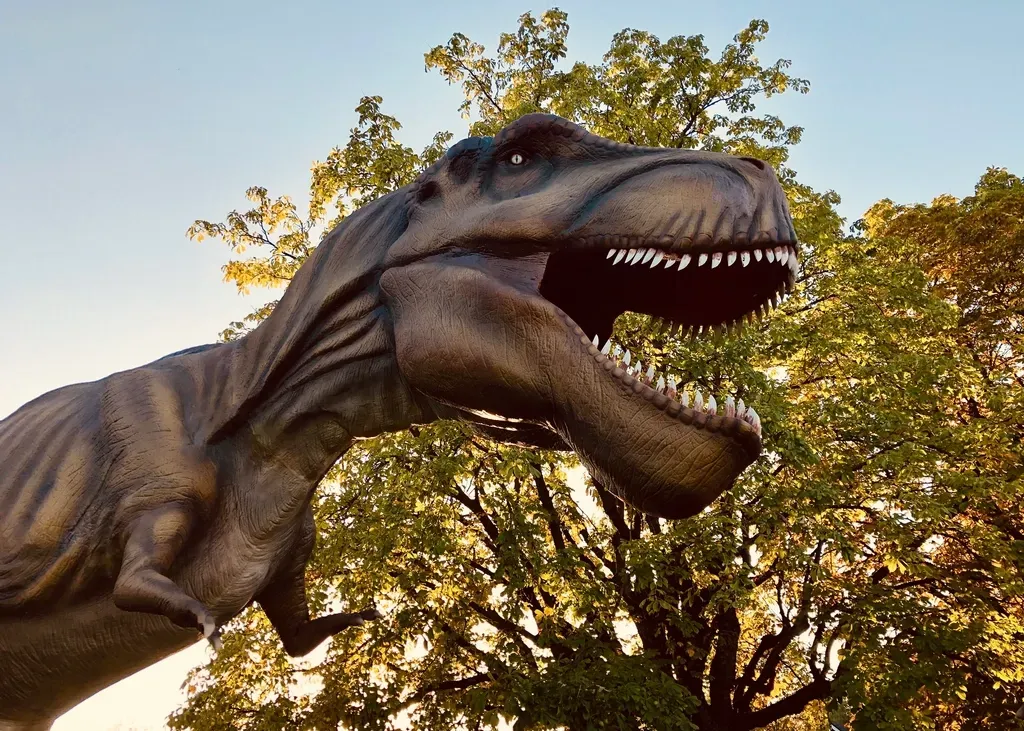
The fantasy usually skips the hardest part: how are you supposed to mount a six-to-seven-ton predator that stands as tall as a two-story house at the hip? A T. rex hip could have been roughly the height of a basketball hoop, with its massive torso and head towering even higher. Without modern climbing gear, a crane, or some absurd sci‑fi platform, just reaching a spot you could sit on would be a logistical nightmare, not a heroic leap.
Even if we generously assume you have equipment and the animal is somehow standing still, you’d be climbing onto a body that isn’t designed with nice saddling points. Its back was muscular, sloped, and probably covered in tough, scaly skin, not a flat, horse-like surface. There’d be no stable “seat,” no natural place for your legs to grip, and nothing to stop you sliding sideways as soon as it moved. Before you ever worried about running, you’d be fighting gravity and awkward anatomy.
The Back Story: Was a T. Rex Spine Built for Riders?
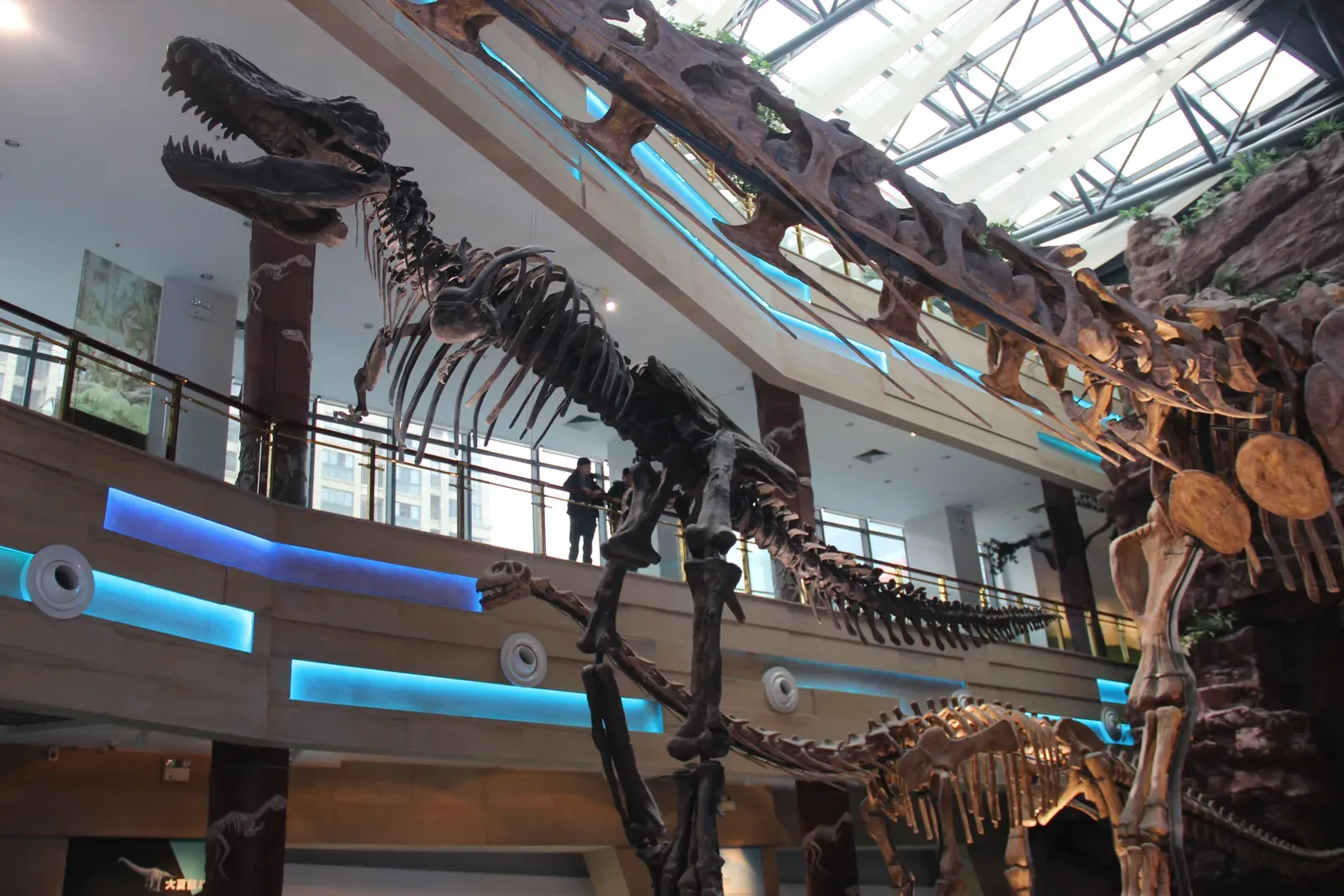
When people picture riding a T. rex like a horse, they forget something important: horses have been shaped for thousands of years to carry weight on their backs, but T. rex never had to do anything like that. Its spine and hips evolved to support its own enormous mass and to channel force between its powerful legs and skull during hunting. It did not evolve to deal with extra loads perched high up and shifting around unpredictably. That alone changes the whole equation.
Biomechanically, a T. rex was probably strong enough that a human-sized extra load wouldn’t break it. Your body would add only a tiny fraction to its total mass, a bit like you wearing a backpack with a single brick. The issue isn’t whether the dinosaur’s bones would snap, but how that extra, unbalanced weight would affect its stability and movement. A rider perched high on a narrow, moving spine is like strapping a wiggling suitcase to the top of a tall, speeding motorcycle: the machine might cope, but the chaos you feel as the passenger would be intense.
Could a T. Rex Even Run the Way We Imagine?
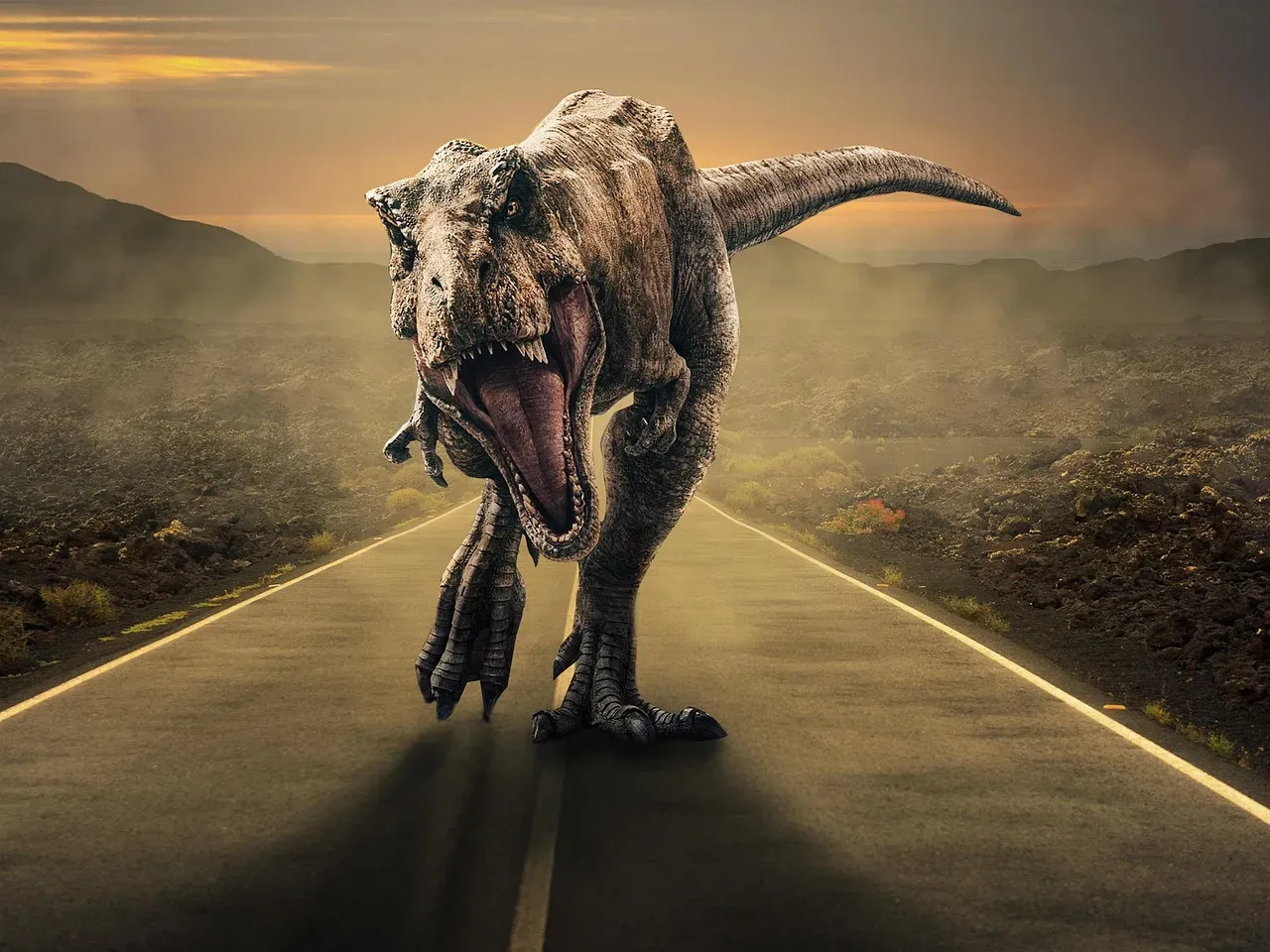
Hollywood loves a sprinting T. rex, but most biomechanical reconstructions say it probably could not run like a racehorse. When researchers model the stresses on its bones and muscles, they find that very high speeds would put ridiculous loads on the legs and hips, far beyond what seems safe for a multi-ton animal. Instead, many scientists think T. rex was more of a fast walker or a vigorous jogger, still terrifyingly quick for us, but not the blur you see on screen.
This matters a lot if you plan to sit on top of it. At lower speeds, you might imagine a rough but survivable ride; at higher, unrealistic speeds, the forces on both of you would spike into the realm of broken bones and catastrophic falls. Think of the difference between standing on a moving bus that’s rolling smoothly and one that hits a pothole at highway speed. The dinosaur’s own safety likely capped how fast it could go, and that same limit is the only reason a rider might have even a theoretical chance of not being instantly thrown off.
Your Body vs. T. Rex Physics: Why You Would Not Stay On
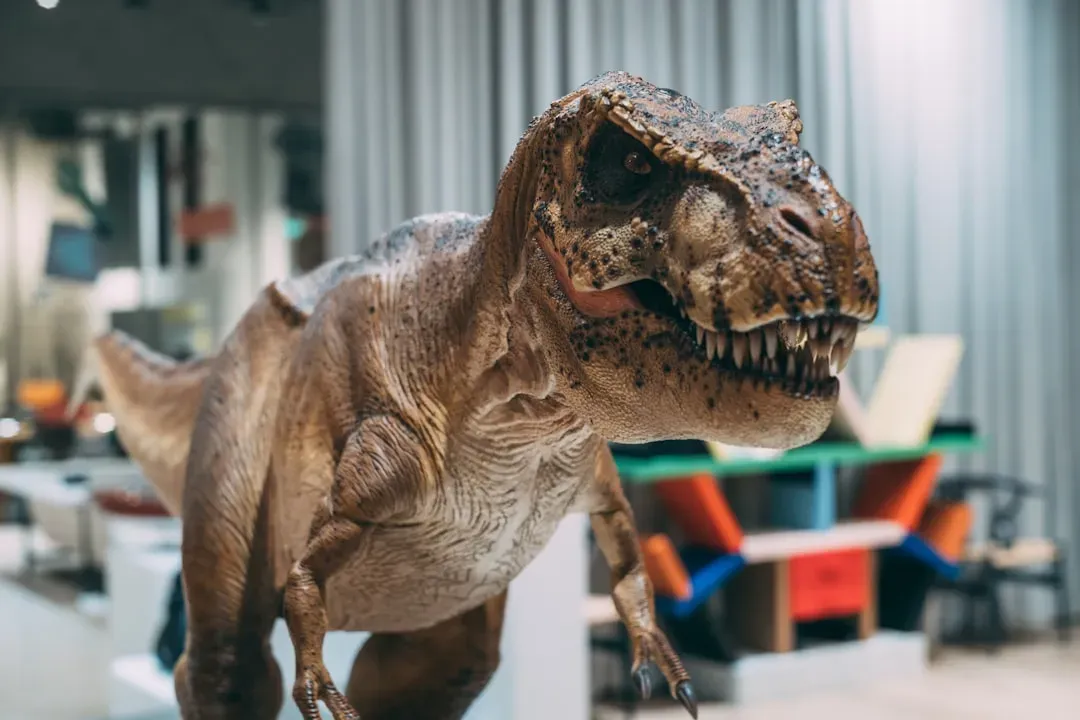
Even at a modest trot, your main enemy would not be the dinosaur’s strength, but the basic rules of inertia. Every step a T. rex took would drive your body up, down, and side to side with brutal force. Its stride would be long, its leg movements massive, and the vertical motion of the hips would turn your seat into a brutal, bouncing platform. Without a saddle, stirrups, or reins tied to anything, your center of gravity would constantly shift in ways your muscles simply could not keep up with.
You could try gripping with your legs, but you’d be wrapping them around a thick, rounded torso many times wider than a horse. That makes real squeezing almost impossible, more like trying to hug a moving tree trunk while standing on soap. After one or two strides, your body would start sliding off to one side, and the only real question would be whether you fell relatively cleanly or got slammed against the dinosaur’s body or the ground on the way down. Either way, “staying on” would be measured in seconds, not minutes.
The Impact: What Happens When You Inevitably Fall

Let’s say you magically survive the mounting and the first few steps. At some point, you lose your grip, your balance goes, and you’re ejected sideways or backward. The height alone is a serious problem. Dropping from something roughly the height of a second-story window while your body has sideways speed is a recipe for broken bones, shredded ligaments, and a head injury if you’re unlucky. Even modern riders can be badly hurt falling from horses at a fraction of the speed and height involved here.
On top of that, the dinosaur’s stride might send you flying at an angle, not just straight down. That means you could hit the ground awkwardly on a shoulder, spine, or head, or even roll under its massive feet. A single misstep by a several-ton animal would be like having a car roll over you. So the dramatic part is not the ride itself; it is the brutal physics of coming off a moving, elevated, heavy platform that cares nothing about your ability to land safely.
The Animal’s Response: You Are Not a Neutral Passenger
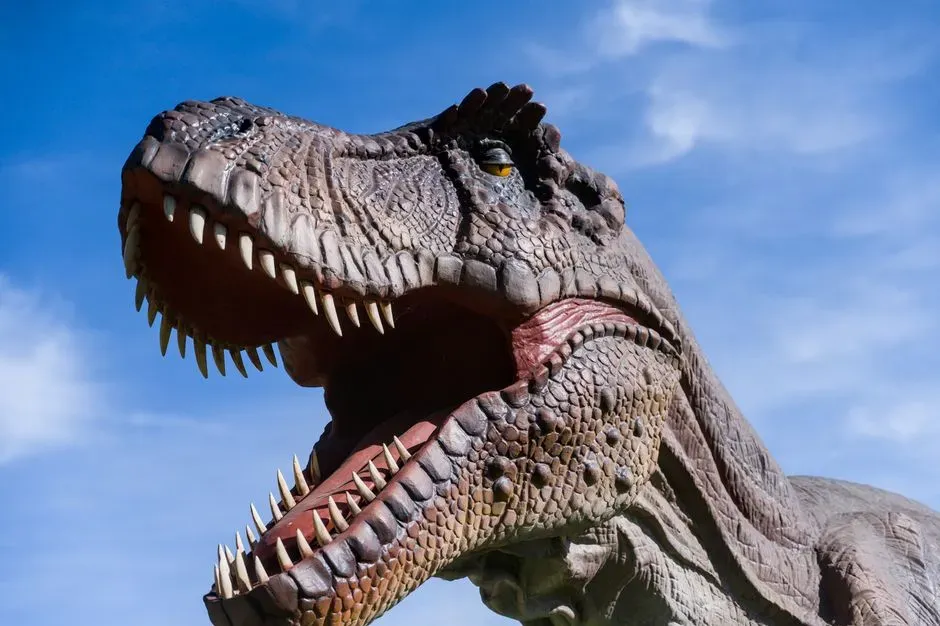
There’s also a huge behavioral problem that people tend to ignore: a wild, apex predator is not going to calmly accept a squirming, unfamiliar weight on its back. Real animals react strongly even to small irritations, and a human climbing and clinging onto a T. rex would likely trigger stress, aggression, or frantic attempts to shake you off. It might twist its torso, buck, or turn its giant jaws around to try to bite at whatever is bothering it.
Those sudden movements would be far more violent and unpredictable than any simple running motion. Instead of one direction of motion you can brace for, you’d get sudden spins, jolts, and changes in direction that would toss you like a rag doll. And that’s the charitable version. Once you hit the ground, you’d be within easy range of a predator already keyed up by your presence. From the dinosaur’s perspective, you’re not a rider experimenting with biomechanics; you’re something between a pest and prey.
Could Futuristic Tech Make Riding a T. Rex Possible?
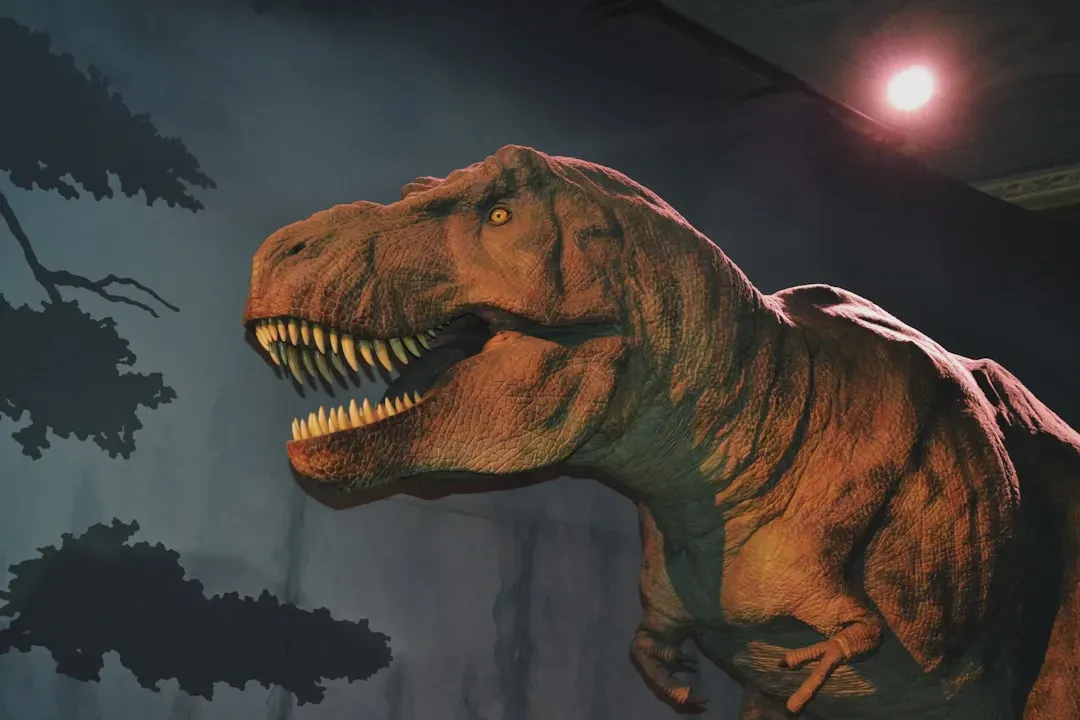
It’s tempting to say that with enough science fiction technology, you could engineer your way around all these problems. You might imagine a custom harness, shock-absorbing saddle, and robotic exoskeleton legs that let you cling like a high-tech remora to the dinosaur’s back. You could even picture some sci‑fi gene-edited version of T. rex with reinforced bones and calmer behavior. Once you start stacking enough hypotheticals, almost anything seems “possible” on paper.
But each layer of technology you add highlights just how incompatible the original idea is with basic biology. At some point, you’re no longer “riding a T. rex” in any meaningful, natural sense; you’re strapping yourself to a heavily modified, perhaps sedated animal using equipment that looks more like a military experiment than an adventure. The charm of the fantasy is that it feels primal and direct, but the reality is you’d need so much intervention to stay alive that the whole thing would lose the raw, mythical energy that made you want it in the first place.
What This Thought Experiment Really Tells Us
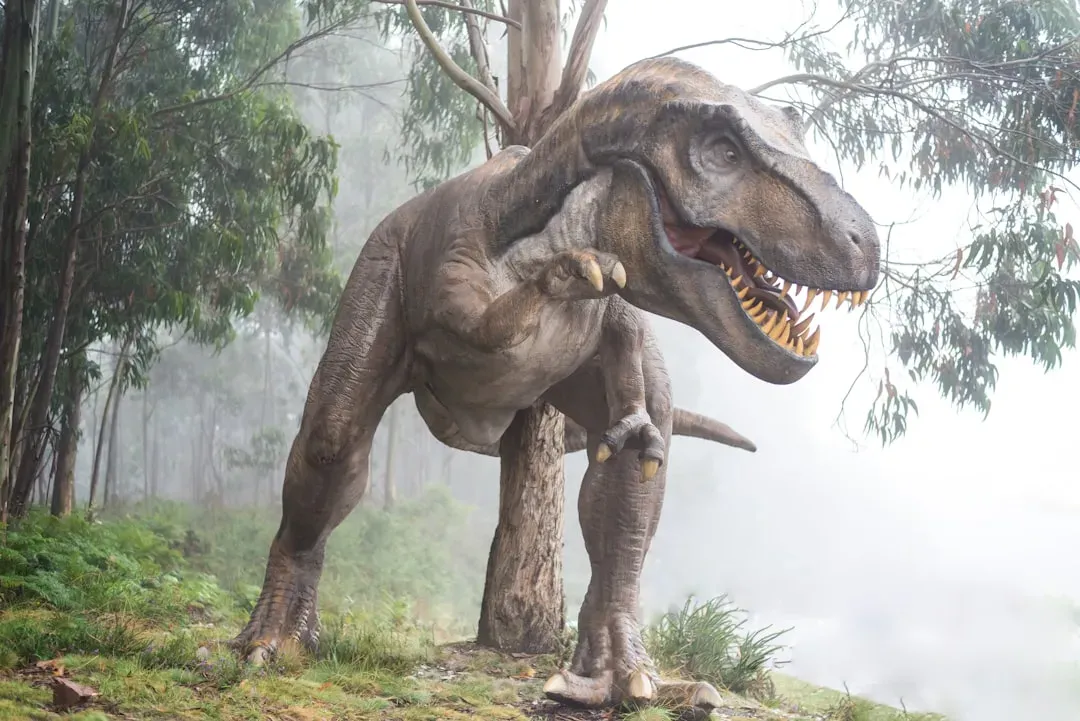
As silly as it sounds, thinking carefully about riding a T. rex exposes how unforgiving evolution and physics actually are. These animals were not props built for human stories; they were the outcome of millions of years of selection for a predator’s life, where every muscle, bone, and behavior served survival and hunting, not our need for cool cinematic moments. When we try to plug ourselves into that system as riders, we run headfirst into limits we cannot charm our way past.
In my view, that’s the real answer: you almost certainly would not get a glorious, wind-in-your-hair ride. You’d get a clumsy climb, a terrifying lurch, a few seconds of chaos, and then a very hard meeting with the ground, if not the jaws. And honestly, that makes T. rex more impressive, not less. It reminds us that some things are better left in imagination precisely because reality is harsher, stranger, and less cooperative than the movies taught us. Knowing that, do you still feel like saddling up, or does the fantasy look very different now?