Every night, you crawl into bed and drift off without giving much thought to how you’re positioned. Maybe you curl up like a ball, stretch out flat, or sprawl across the mattress. It seems automatic, right? Here’s the thing, though: the way you sleep might actually be saying something about who you are when you’re awake.
Sleep researchers have been studying this connection for decades now, trying to decode the silent language your body speaks while you’re unconscious. Some scientists believe your preferred sleeping position could reveal hidden aspects of your personality, from how you handle stress to how you interact with others. While the research isn’t completely settled, the patterns are fascinating enough to explore. So let’s dive in and see what your nightly posture might be telling the world about you.
The Fetal Position: Your Protective Shell
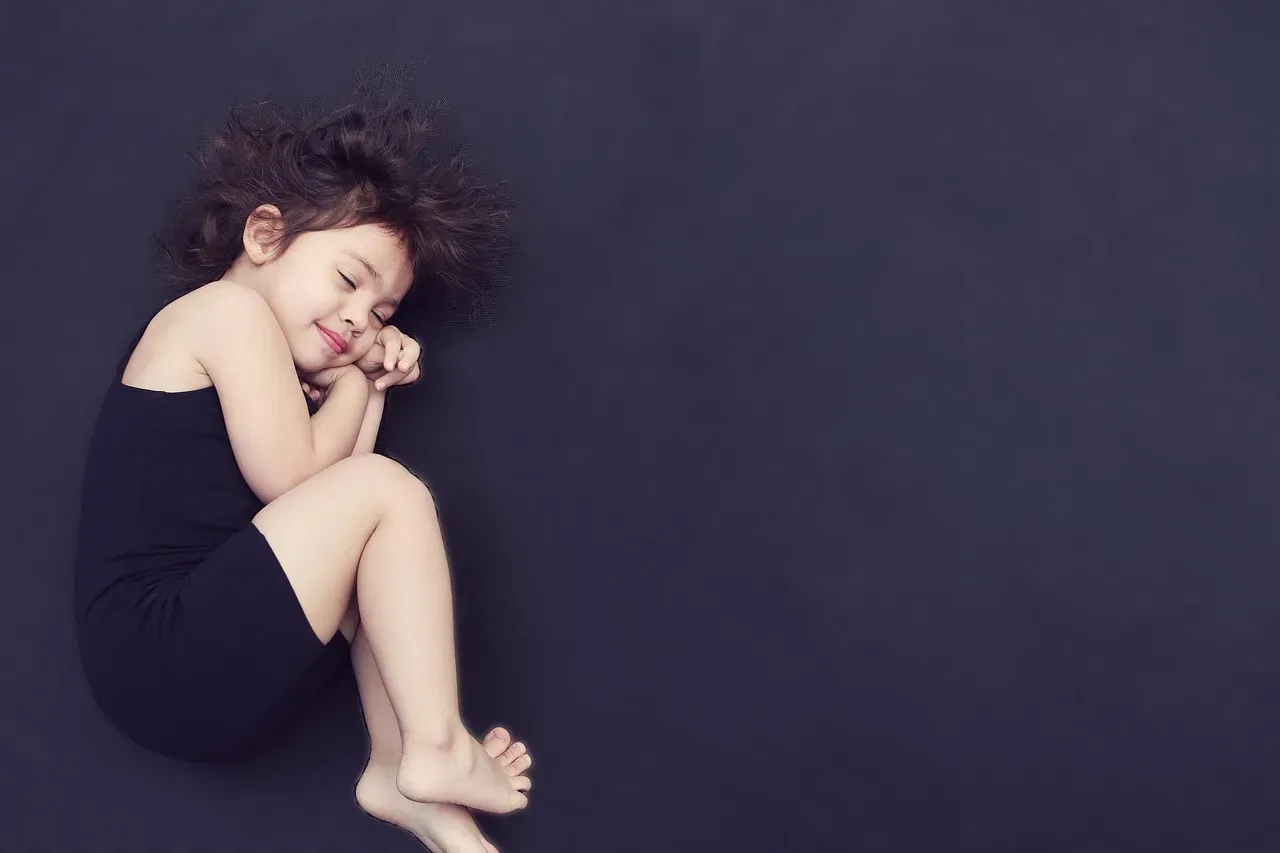
If you sleep curled up on your side with your knees drawn toward your chest, you’re in good company. Roughly over forty percent of people prefer this position, making it the most popular sleep posture out there. Women are particularly drawn to it, being twice as likely as men to sleep this way.
Sleeping in this position can imply introversion, sensitivity and shyness, and a desire to protect oneself. People who sleep in this position are known to be tough on the outside, but big softies on the inside. You might come across as reserved when meeting new people, but once you feel comfortable, that protective shell cracks open to reveal warmth and genuine care.
Sleeping in a fetal position, research suggests, is associated with sensitivity and anxiety, as well as a desire for comfort. Fetal position sleepers may be conscientious and organized, with a tendency to overthink things. Think about it: you’re literally recreating the safest position you ever knew, back in the womb. That unconscious choice might reflect a need for emotional security in your waking life.
The Log: Social and Trusting
The log position has you lying on your side with both arms and legs extended straight, looking like a fallen tree. It’s a pretty straightforward position, and apparently, that reflects your personality too. Sleep scientist Chris Idzikowski claims that preferring a log position suggests that a person is sociable and interacts with others easily. While these are attractive traits, he warns that this openness and willingness to trust could make them gullible.
You’re the person who gives others the benefit of the doubt, sometimes to a fault. Your easygoing nature makes you likable and approachable, but it also means you might occasionally get taken advantage of. People who sleep in a log position believe they get enough sleep and are healthier than people who prefer other positions, so at least you’ve got that confidence going for you.
The Yearner: Open Yet Cynical

Picture yourself on your side with arms stretched out in front of you, almost like you’re reaching for something just out of grasp. About thirteen percent of those surveyed said they preferred to sleep in the yearner position. The personality traits associated with this one are honestly pretty interesting.
This person can be cynical and suspicious. He or she is open-minded and slow to make a decision, yet once he or she has taken a stance, it is unlikely to be changed. You carefully weigh your options before committing to anything, but once you’ve decided, good luck to anyone trying to change your mind. That combination of openness and stubbornness makes you complex, to say the least.
The Soldier: Reserved and Structured
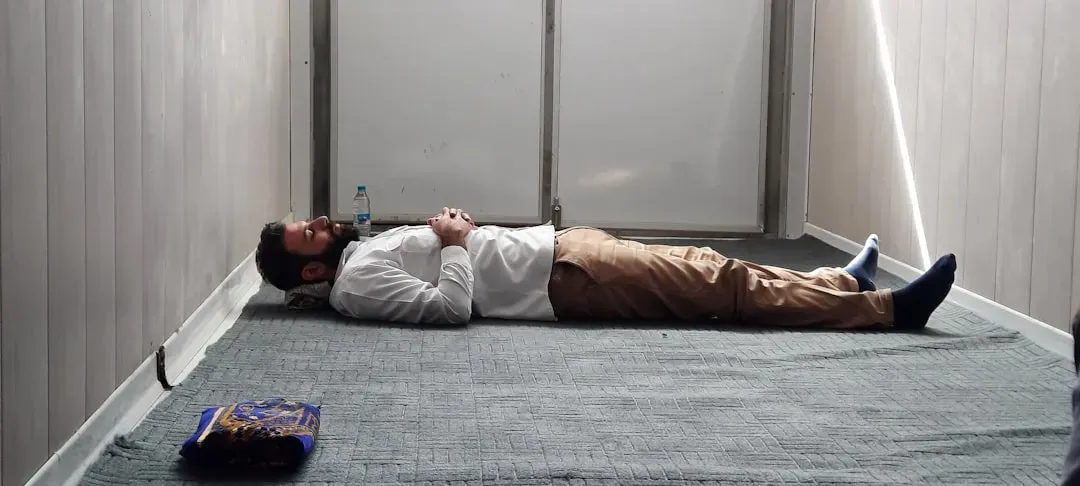
Sleeping flat on your back with arms straight down at your sides might feel rigid, and that’s kind of the point. Idzikowski claims soldier sleepers are quiet and reserved, but also hold high standards. You’re the person who has everything planned out, who expects excellence from yourself and probably from everyone around you too.
This isn’t necessarily a bad thing. Many participants reported getting the most rest in the soldier position. These back sleepers tend to keep to themselves, may be reserved, and are good listeners. You might not be the loudest person in the room, but you’re paying attention. Your rational decision making and preference for order make you reliable, even if you come across as a bit serious sometimes.
The Starfish: Generous and Loyal

Sprawled out on your back with arms and legs spread wide, you’re taking up serious real estate on that mattress. Starfish sleepers tend to be selfless, giving people, always ready to lend a helping hand or listening ear. You’re the friend who shows up when someone needs help, no questions asked.
Idzikowski says starfish sleepers value friendship, and that while they prefer not to be the center of attention, people who sleep in this position are good listeners and quick to help others. There’s something endearing about how you spread yourself out physically while simultaneously making space for others emotionally. You’re loyal to a fault, and your friends know they can count on you.
The Freefall: Bold and Impulsive

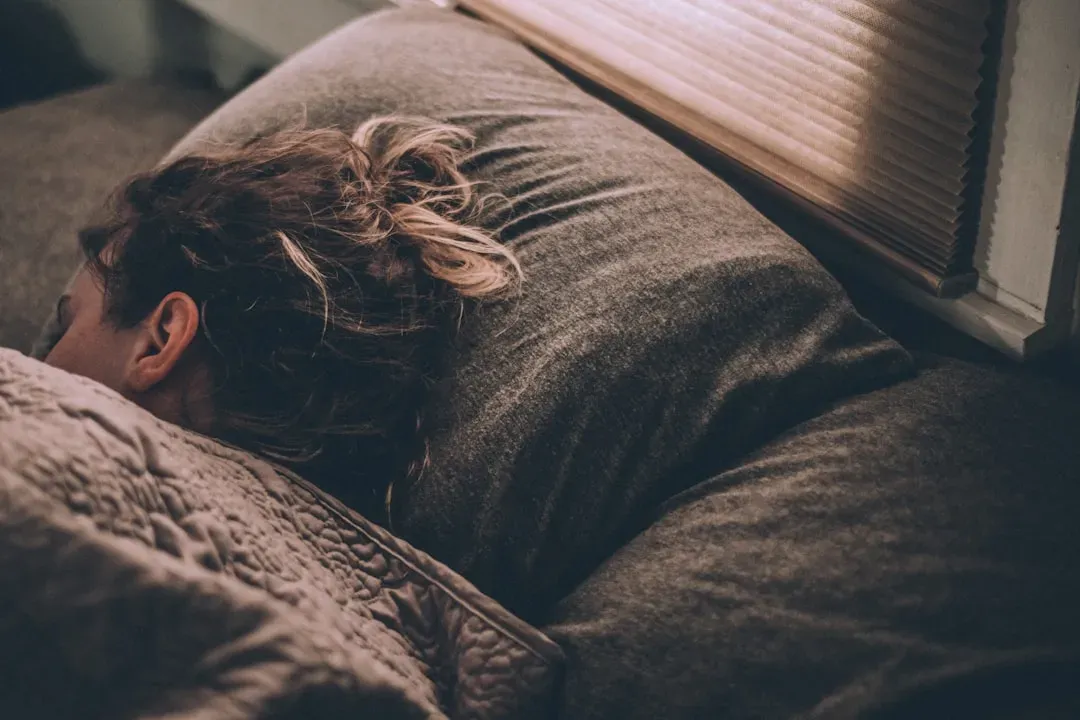
Stomach sleeping with your arms wrapped around the pillow and head turned to the side is called the freefall position for a reason. If this is your go to position, you might be living life with a bit more spontaneity than most. Stomach sleepers are reportedly fun, open-minded, and direct. They are described as strong-willed, risk-takers, adventurers, and highly optimistic individuals.
Sleep researcher Dunkell posited that stomach sleepers tend to be anxious, impulsive, compulsive, and rigid, though those traits supposedly work well in certain professions. The contradiction here is intriguing: you’re both adventurous and anxious, bold yet compulsive. You’re likely to be bold and highly social, but don’t have very thick skin when it comes to taking criticism or dealing with intense or absurd situations.
Side Sleepers: The Extroverted Majority

Nearly half of Americans polled prefer to sleep on their sides, and side sleepers also get the most amount of sleep a night at roughly six hours on average. If you’re a side sleeper in general, you’re probably pretty well adjusted. Side sleeping is linked to being relaxed, open-minded, and able to compromise.
Side sleepers are most likely to identify as night owls and extroverts. You’re the person who thrives on social interaction, who stays up late chatting with friends or binge watching shows. Interestingly enough, side sleepers take the most amount of time to fall asleep at around twenty four minutes. Maybe that busy, extroverted mind of yours needs a little extra time to wind down at night.
Back Sleepers: Focused and Goal Oriented
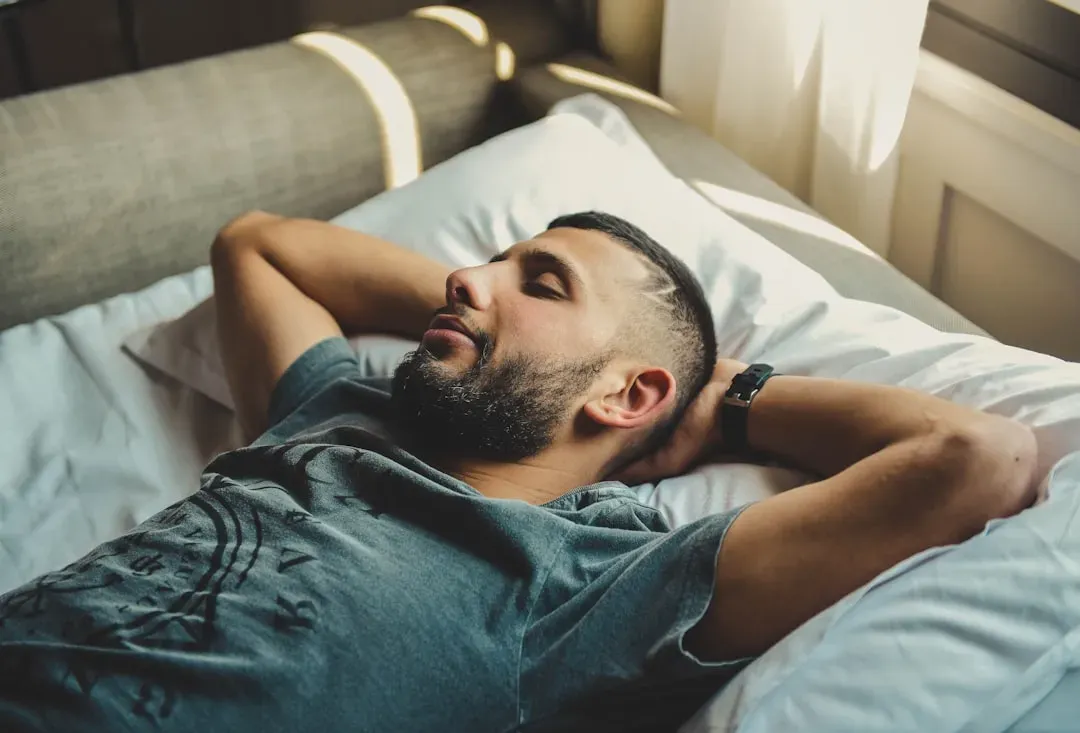
Sleeping flat on your back, whether in soldier or starfish position, says something about how you approach life. Back sleepers tend to be more focused, reserved, and goal-oriented. They are known for avoiding conflict and staying away from unnecessary drama. Additionally, they have high expectations for themselves.
You’re probably the person who keeps their head down and gets things done without getting pulled into office politics or friend group drama. When it comes to unusual sleeping habits, back sleepers were the most likely to sleepwalk, talk in their sleep, and have vivid dreams or nightmares. So while you’re composed during the day, your nighttime brain activity might be a different story entirely.
Stomach Sleepers: Leaders with Worries

Stomach sleeping is actually the least common position, which makes you a bit of an outlier. Stomach sleepers make up about sixteen percent of the population, making it the second most common position after side sleeping. If this is your preferred way to sleep, you likely have some strong leadership qualities mixed with underlying anxieties.
The stomach sleeper will generally take the initiative to get things done and likes to plan everything in an effort to have some control over life. Very responsible, they usually are the leader in the group and others trust them with any task. The stomach sleeper tends to also worry a lot though, sometimes feeling out of control about what is happening in their life. That need for control manifests both in taking charge and in late night worrying sessions.
The Science: Take It with a Grain of Salt

Let’s be real here: the connection between sleep positions and personality isn’t exactly rock solid science. Studies measuring preferred sleeping position and personality profile found correlations between sleeping position and personality traits were minimal and practically insignificant from a theoretical perspective. Some researchers remain highly skeptical about whether there’s any meaningful link at all.
Over time, researchers have posited that different sleeping positions correspond to different personality traits. Since there is no recent peer-reviewed research available to support these claims, they should be taken lightly. The studies that do exist often rely on self reported data, which introduces potential bias. You might think you sleep a certain way all night, but people actually move around quite a bit during sleep. Still, it’s fun to think about, even if it doesn’t hold up under rigorous scientific scrutiny.
Conclusion: Your Sleep Story
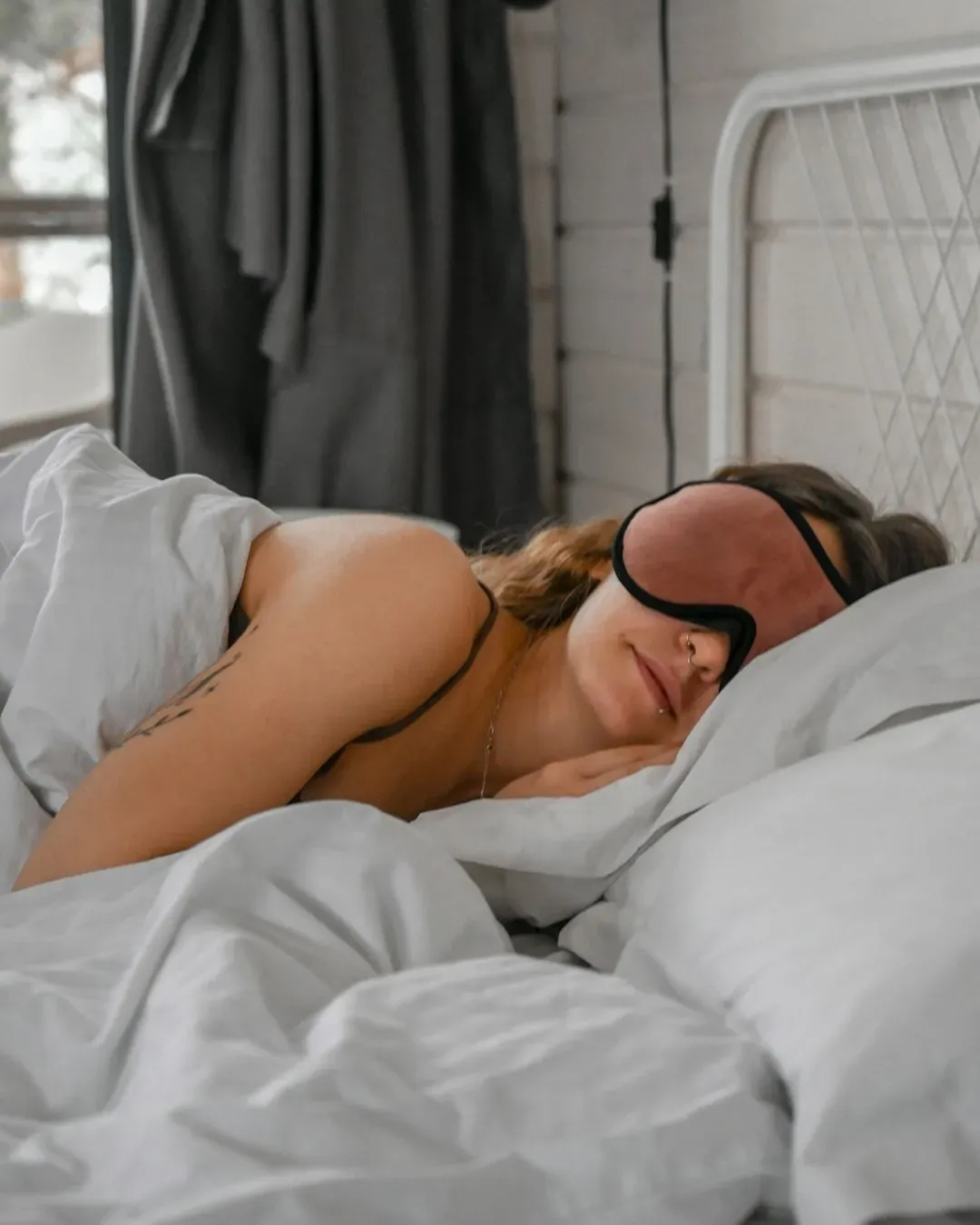
Whether you’re curled up tight in the fetal position or sprawled out like a starfish, your sleep posture might offer a glimpse into your personality. The research suggests connections between how you rest and who you are, though scientists caution against taking these correlations too seriously. What matters most is that you’re getting quality sleep that leaves you refreshed and ready to face the day.
Your sleep position might reveal hints about whether you’re introverted or extroverted, anxious or easygoing, trusting or suspicious. It’s worth noting that most people shift positions throughout the night, so you might be displaying multiple personality facets as you dream. The fascinating part isn’t necessarily the accuracy of these personality predictions, but rather the idea that our unconscious selves might be communicating something while we sleep. What does your sleep position say about you? Did any of these descriptions ring true?