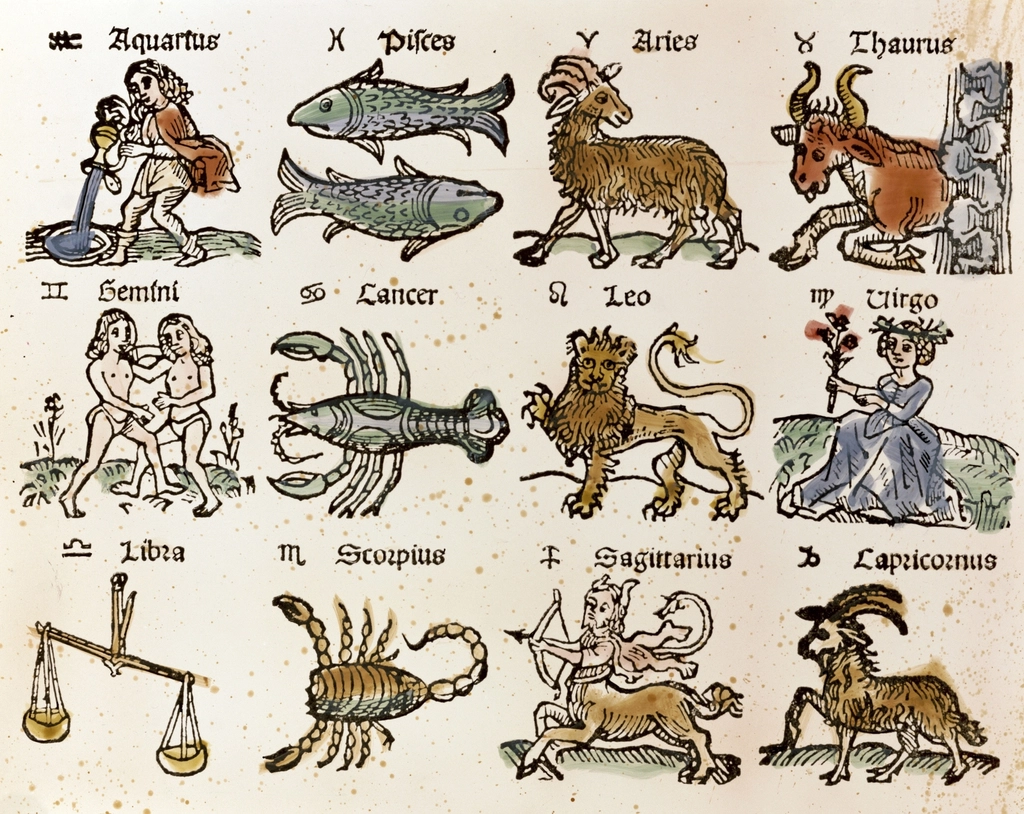
Picture this: instead of doomscrolling on your phone, you are stalking through a steaming Cretaceous forest, every sense tuned to movement, every step a gamble between becoming lunch or finding it. Long before human personality tests and birth charts, survival was the only metric that really mattered. Still, it is oddly fun to imagine that the fire of Aries or the mystery of Scorpio might have had a perfect match among the dominant predators of prehistory.
This is not about taking star signs literally as science, but about blending what we know from paleontology with the archetypes of the zodiac in a playful, story-filled way. For each sign, you will meet a real prehistoric predator whose behavior and body design line up surprisingly well with your sign’s vibe – then we will ask the brutal question: in the harsh world of the late Cretaceous, would you actually have made it?
Aries – The Charging Tyrannosaurus rex: Bold, Brutal, and On the Clock
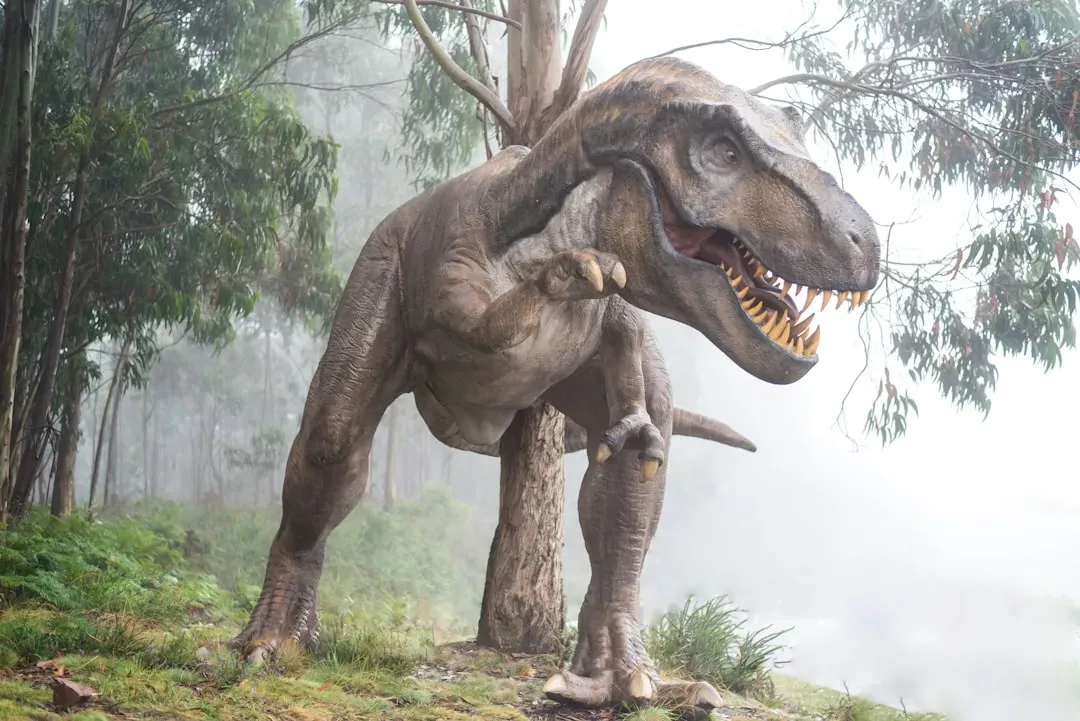
Aries is restless, competitive, and wired for direct confrontation, and there is no prehistoric predator that screams raw, aggressive presence quite like Tyrannosaurus rex. This massive theropod had a skull longer than a person is tall, crushing bite forces strong enough to pulverize bone, and a body built for short, powerful bursts rather than slow patience. Just like an Aries who would rather jump first and overthink later, T. rex likely relied on intimidation, sudden charges, and a willingness to test limits in a dangerous ecosystem full of armored and horned herbivores.
Would you have survived the Cretaceous as a T. rex? For a while, absolutely. As an apex predator with few direct rivals, you would have enjoyed a brutal kind of dominance – if you could avoid injury, disease, and famine. The catch for Aries energy is that overconfidence in a world of sharp horns and thick armor could be fatal; one bad hit to the leg, one infected wound, and the king becomes carrion. In other words, the Aries-T. rex combo thrives in its prime, but the Cretaceous does not reward reckless charges forever.
Taurus – The Tank-Like Ankylosaurus: Unmoving, Armored, and Surprisingly Dangerous
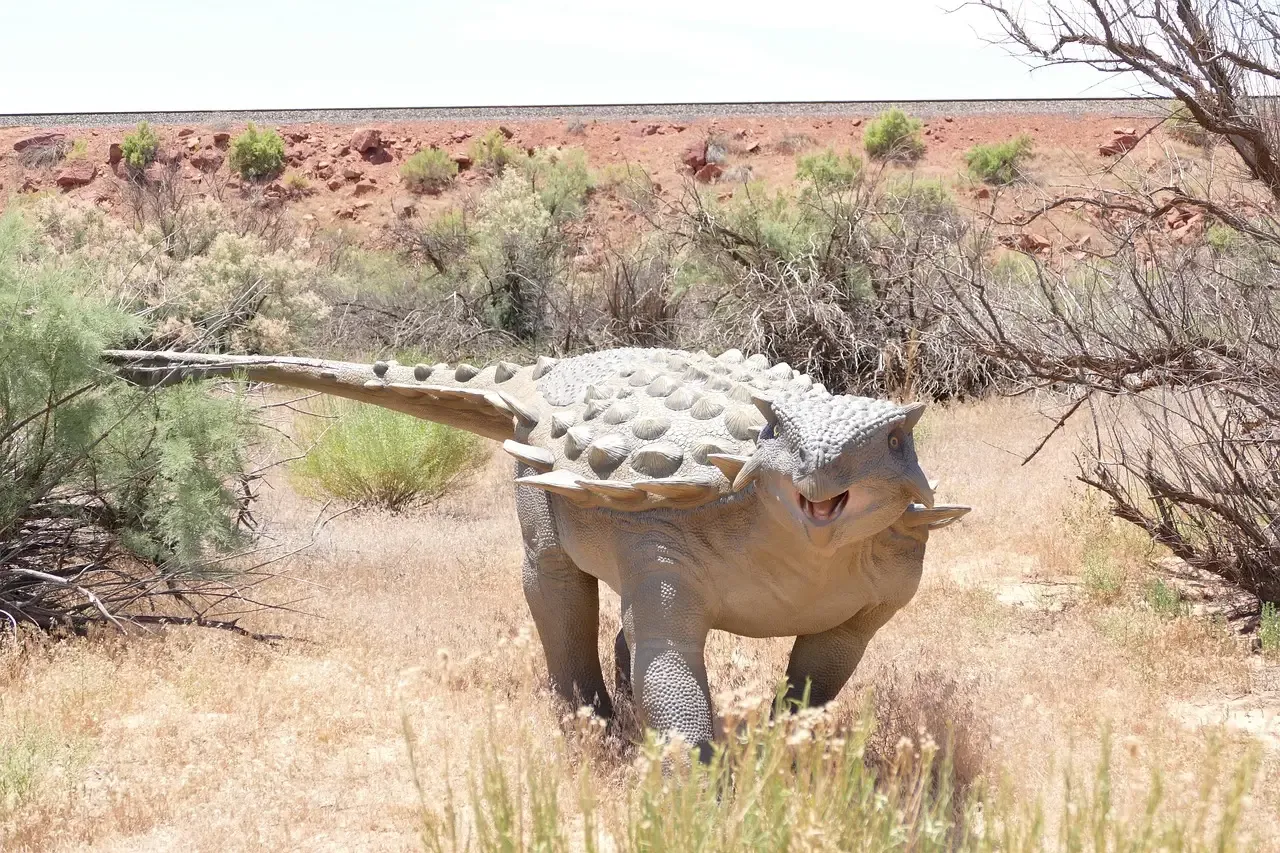
Taurus is grounded, stubborn, and deeply attached to comfort and security, and Ankylosaurus might be the most Taurus creature the Cretaceous ever produced. Though technically an herbivore rather than a predator, it was a walking fortress: heavy body armor, bony plates, and a tail club that could shatter bone if a predator got too close. Instead of chasing drama, this animal’s survival strategy was simple: stay low, stay armored, and make any attempt to push you around so costly that most enemies gave up.
Would you have survived? Honestly, Taurus might be one of the sign–dinosaur matches with the best odds. In a world of teeth and claws, a creature that can browse plants and mind its own business while shrugging off attacks is in a good position. The downside is that Ankylosaurus depended on having enough vegetation and relatively stable environments; if ecosystems shifted too quickly or if disease or climate stress hit, no amount of stubbornness could fix that. Still, if anyone “rides it out” while the world burns around them, it is the Taurus-style tank.
Gemini – The Wily Troodon: Quick-Witted, Curious, and Forever Scanning
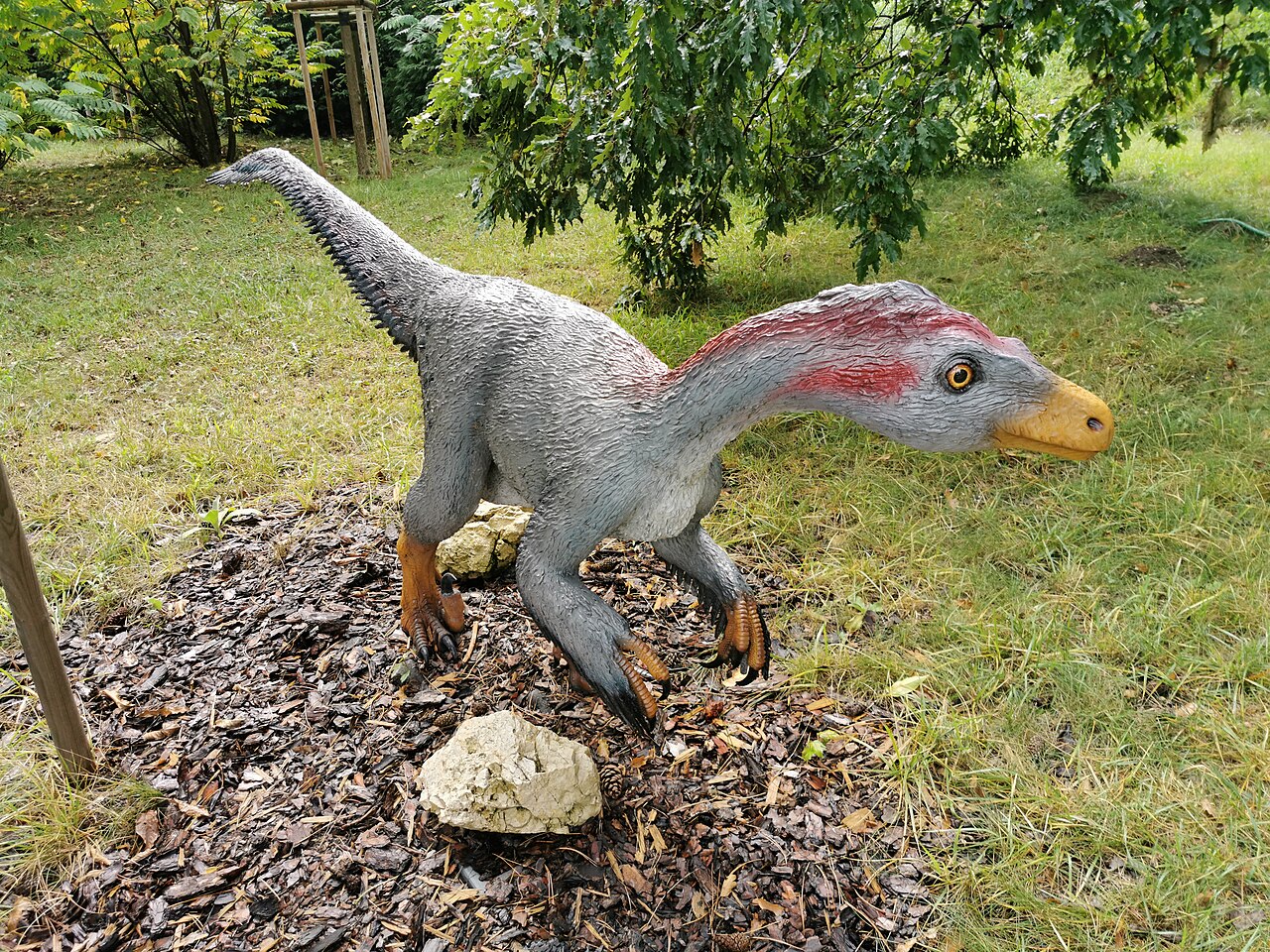
Gemini is associated with mental agility, social flexibility, and a constant need to gather information, and Troodon is a striking parallel from the fossil record. This small, lightly built theropod had relatively large eyes and a brain-to-body ratio that stands out among dinosaurs, suggesting sharp senses and complex behavior. Instead of relying on brute strength, it probably survived with speed, awareness, and opportunistic feeding, perhaps hunting small animals, raiding nests, and grabbing whatever the environment offered.
Would you have survived? If any sign survives by pure adaptability, it is the Gemini–Troodon pairing. In the Cretaceous, intelligence, night vision, and agility were major advantages when avoiding larger predators and exploiting niches others ignored. The risk is that being lightweight and curious also makes you vulnerable; one distracted moment, one wrong turn into tall grass, and you are suddenly the meal, not the hunter. Still, in ecosystems where flexibility mattered, Troodon-style smarts gave you a genuine fighting chance.
Cancer – The Protective Pteranodon: Sky-Gliding Guardian of the Shore
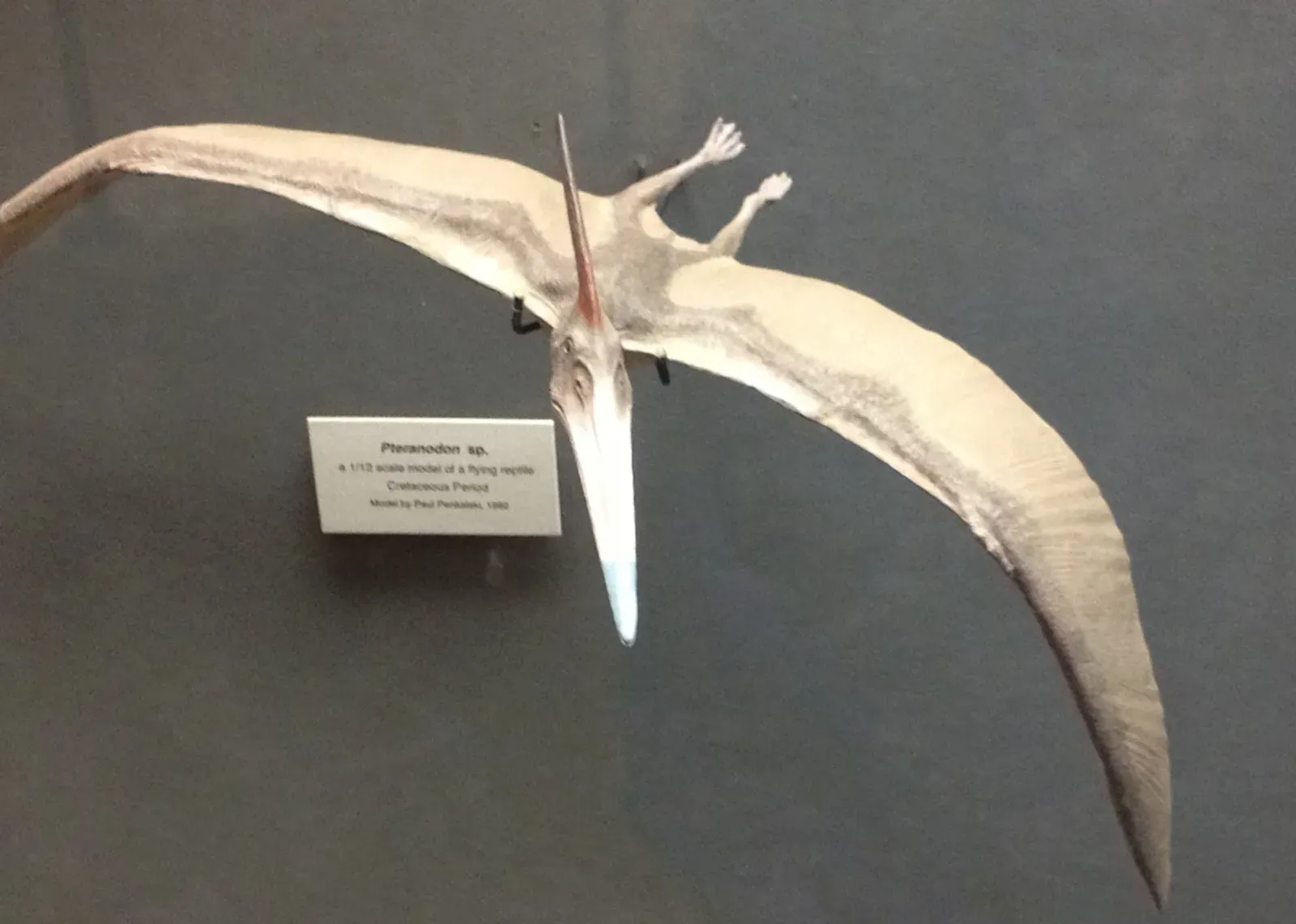
Cancer is nurturing, defensive, and often thrives when tied to a “home base,” and Pteranodon, a large pterosaur of the late Cretaceous, mirrors that energy in an unexpected way. It was not a dinosaur but a flying reptile, with huge wingspans and a lifestyle strongly linked to coastlines and marine environments. Rather than slashing its way through forests, it probably soared over oceans and shorelines, feeding mainly on fish and nesting in colonies that may have offered some protection in numbers.
Would you have survived? As a Cancer-like Pteranodon, your survival would depend heavily on reading environments and staying close to safe, resource-rich areas. Being able to fly gave you a major escape advantage from land-based predators, and oceans offered relatively predictable food sources when conditions were good. The vulnerability lies in storms, sea-level shifts, and nesting season; when grounded and tied to eggs or chicks, you are suddenly exposed. Still, by playing to caution and group life, the Cancer–Pteranodon blend is a quiet but resilient survivor.
Leo – The Show-Stealing Spinosaurus: Dramatic, Specialized, and High-Risk
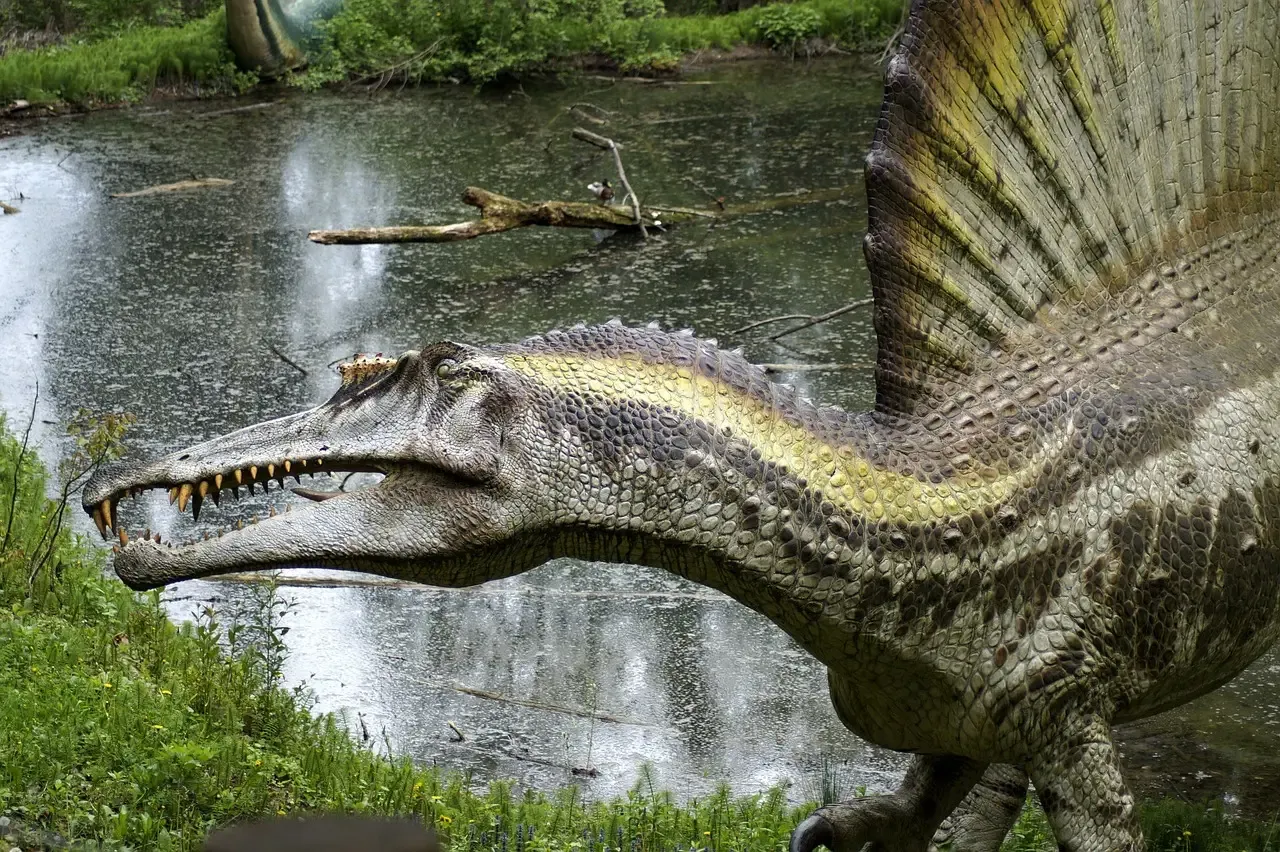
Leo loves attention, drama, and being the unmistakable main character, and among prehistoric predators, Spinosaurus is the giant aquatic showpiece that fits this archetype. This enormous theropod, larger than T. rex in overall length, carried a spectacular sail-like structure on its back and seems to have been partly adapted to aquatic life, hunting fish and possibly wading or swimming in river systems. Its strange, crocodile-like skull and towering silhouette would have made it visually unforgettable in its environment.
Would you have survived the Cretaceous as a Spinosaurus? For as long as your watery kingdom stayed intact, you could dominate a specialized niche, taking advantage of abundant fish and fewer direct competitors. The downside is that specialization comes with a cost: you are less flexible when ecosystems shift, rivers change, or prey patterns move. Just like a Leo who has built an identity around one role, a Spinosaurus thrives when conditions match its strengths – but if the stage collapses, so does its survival advantage.
Virgo – The Precise Velociraptor: Strategic, Coordinated, and Detail-Driven
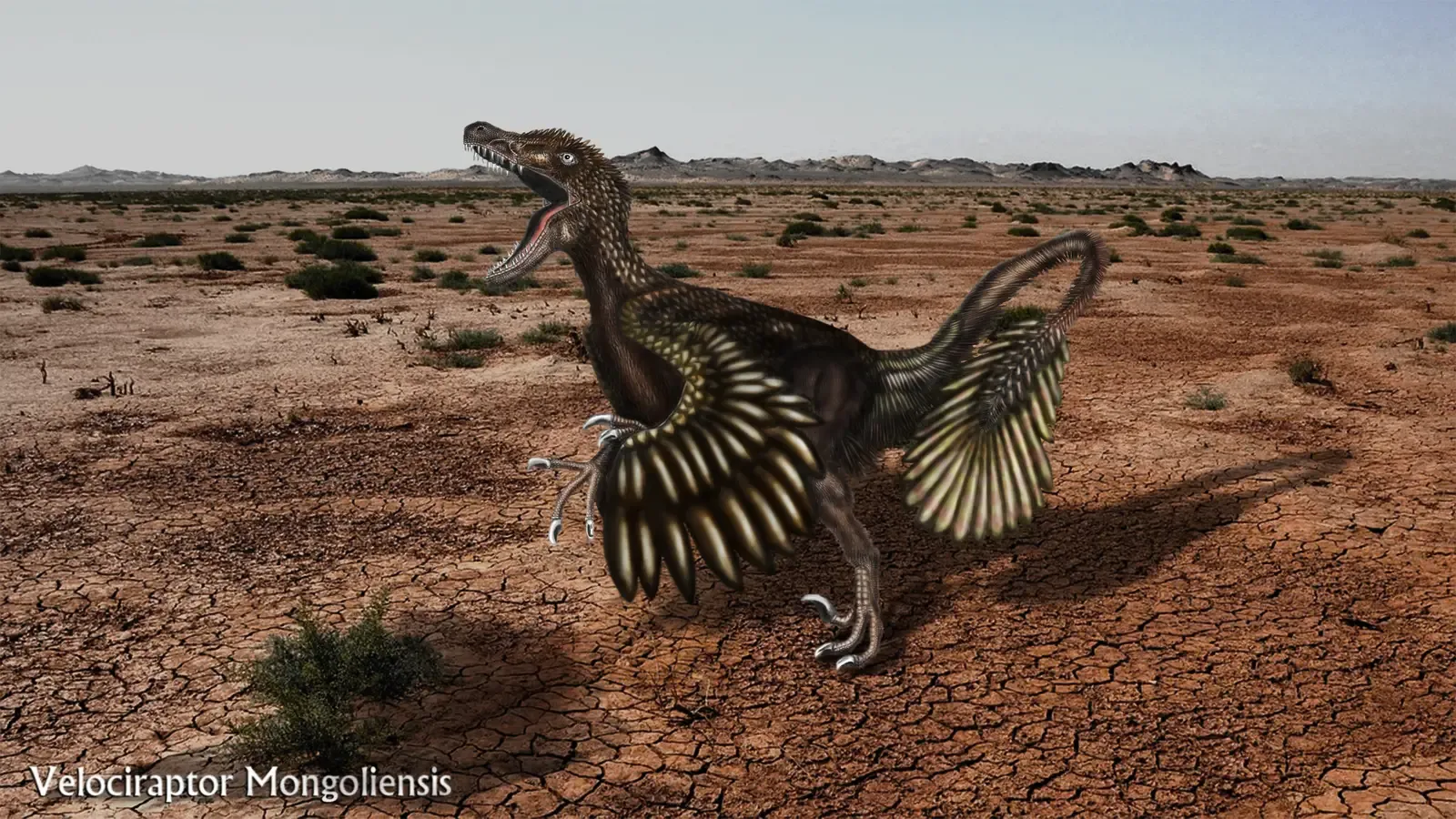
Virgo energy is defined by precision, planning, and methodical attention to detail, and Velociraptor has become the pop-culture symbol of calculated predation. The real animal was smaller and more lightly built than the movie version, with a sickle-shaped claw on each hind foot and a slender, agile body likely covered in feathers. Evidence from related species suggests sophisticated hunting behavior and perhaps coordination, implying that success depended on timing, positioning, and exploiting weak points rather than raw strength.
Would you have survived? Virgo-style Velociraptors probably did well as long as they could choose their battles. Taking down prey larger than yourself requires planning and reading conditions carefully, and that fits Virgo’s cautious, analytical vibe. The danger is that in an unstable ecosystem, being picky or over-reliant on specific behaviors can limit your options; you cannot over-plan a volcanic eruption or a sudden drought. Still, as long as there were mid-sized prey and complex environments to navigate, this sign’s meticulous approach would be a genuine asset.
Libra – The Balanced Deinonychus: Social, Cooperative, and Always Weighing the Odds
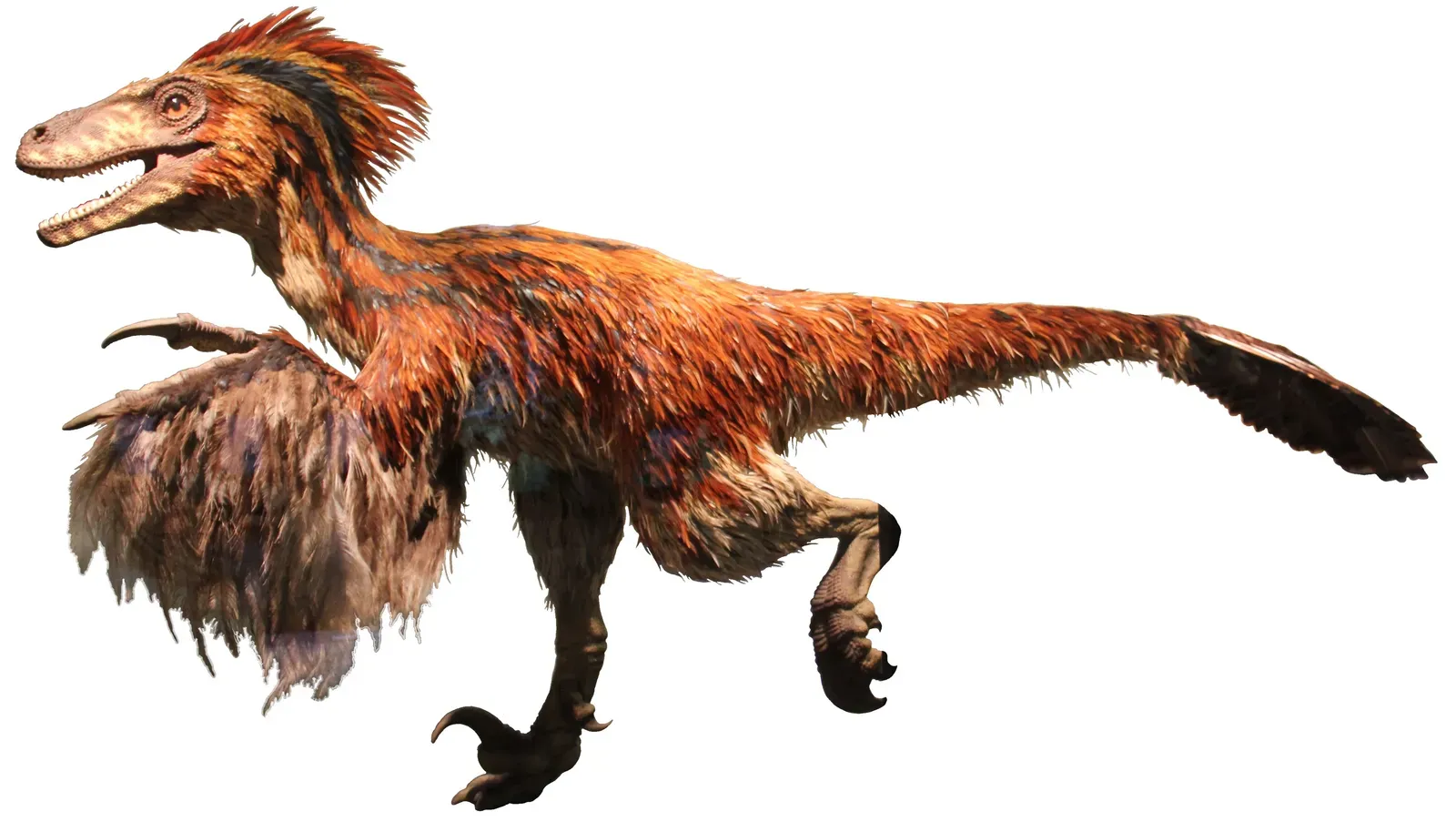
Libra is associated with partnership, social dynamics, and the search for balance, and Deinonychus offers a plausible prehistoric parallel. This raptor-like predator had the trademark curved killing claw, a lightly built frame, and fossil evidence that suggests groups of individuals were sometimes found near the same prey sites. While scientists still debate the extent of coordinated pack hunting, the idea that these animals interacted in complex ways is not far-fetched, and that fits Libra’s social, team-leaning traits.
Would you have survived? As a Libra–Deinonychus type, your odds rise dramatically when group living pays off. Coordinated attacks, shared vigilance, and social learning could make you far more effective than a solitary hunter. The downside is that social life carries risks: competition within the group, dependence on others to hold formation, and vulnerability if cooperation breaks down under stress. In a Cretaceous landscape, this means you survive best when your “pack politics” stay balanced – and collapse hard if they do not.
Scorpio – The Ambush Mosasaurus: Deep, Hidden, and Relentlessly Lethal
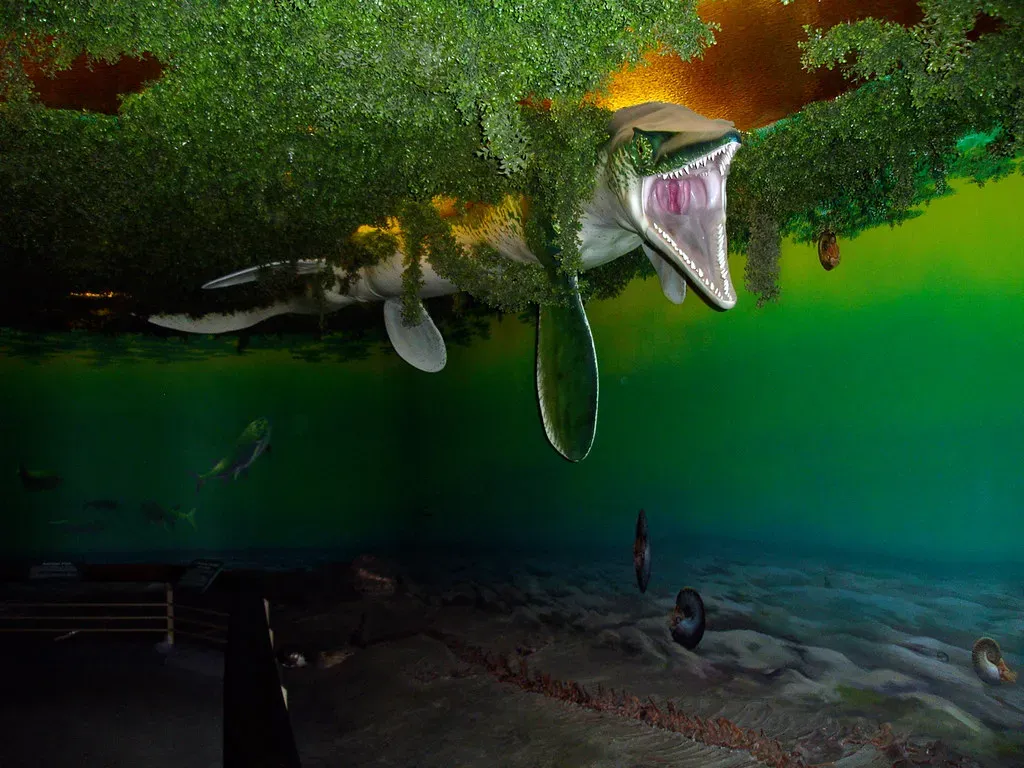
Scorpio is intense, secretive, and drawn to the darker edges of experience, and Mosasaurus – a huge marine reptile ruling Cretaceous seas – captures that shadowy power. With an elongated, muscular body, powerful flippers, and jaws lined with sharp, conical teeth, it was the silent terror beneath the waves, capable of ambush attacks on fish, other marine reptiles, and possibly even large sea turtles. Unlike flashy land predators, its world was murky, three-dimensional, and unforgiving, where a single surprise strike decided everything.
Would you have survived? As a Scorpio–Mosasaurus archetype, your survival odds are decent as long as you stay the thing others do not see coming. The ocean food web offered numerous prey options, and your size and stealth gave you few natural enemies once fully grown. But just like Scorpio energy can self-destruct through obsession, a top marine predator is at the mercy of long-term environmental shifts; changes in sea temperature, currents, or prey populations could undercut your dominance abruptly. You likely rule for a time, but the ocean keeps no throne forever.
Sagittarius – The Roaming Allosaurus (Spirit in the Wrong Era): Restless, Exploratory, and Big-Risk
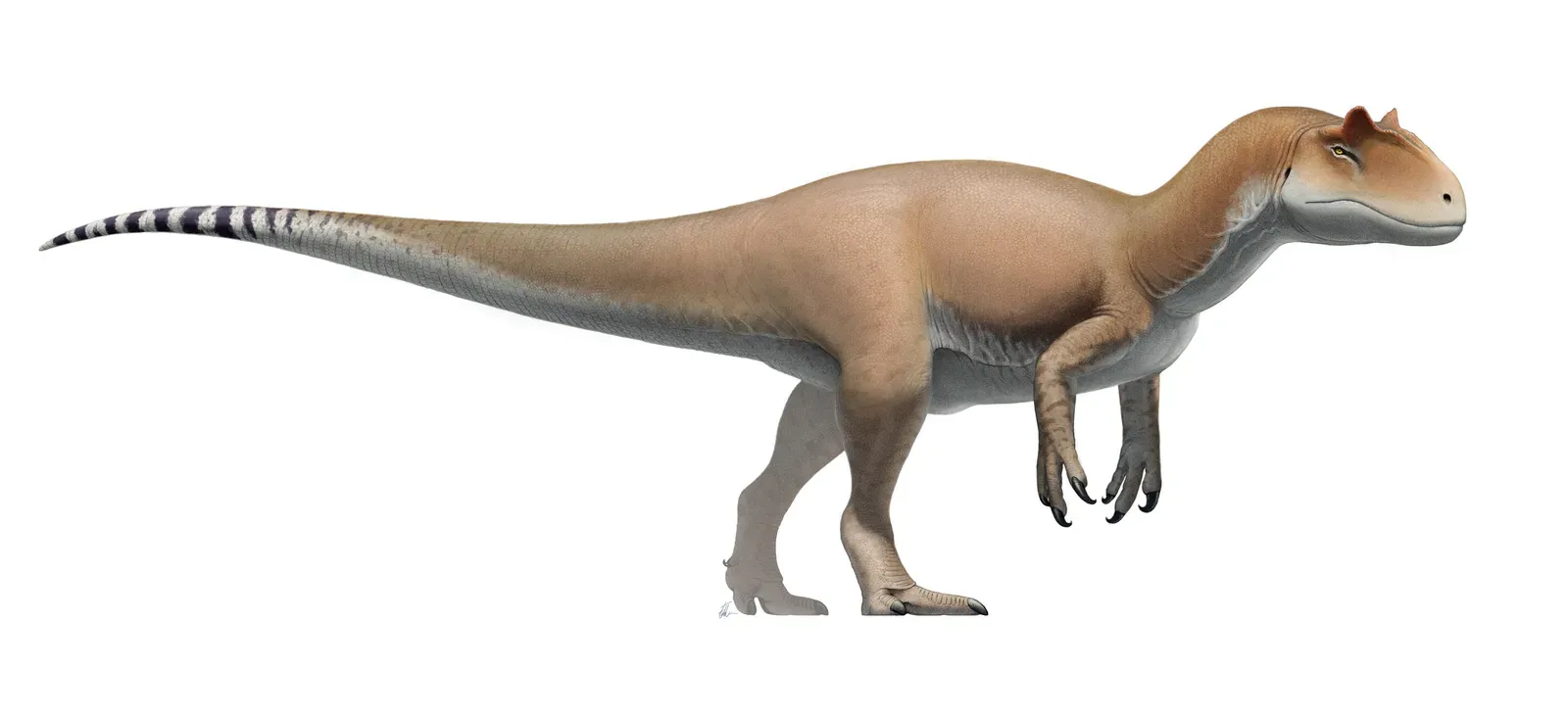
Sagittarius is adventurous, freedom-loving, and always pushing beyond known boundaries, and while Allosaurus lived earlier than the late Cretaceous, its roaming, active predator style fits the Sagittarian mood well. This large theropod had strong legs, flexible jaws, and a body plan suited for covering territory, tracking prey, and exploiting opportunities across varied landscapes. Think of it as the constantly moving backpacker of the dinosaur world, rarely staying tied to one narrow niche or single hunting strategy.
Would you have survived the Cretaceous if dropped in with that Allosaurus-style energy? In some ways yes: mobility, curiosity, and a willingness to go where the food is can keep you alive when localized ecosystems crash. Yet Sagittarius also tends to overextend, and in a Cretaceous full of even more massive or specialized predators, constant wandering could mean walking into the wrong territory at the wrong time. You live large, cover huge distances, and experience everything – but that thirst for “more” might shorten your stay.
Capricorn – The Enduring Gorgosaurus: Hard-Working, Efficient, and Built for the Long Game
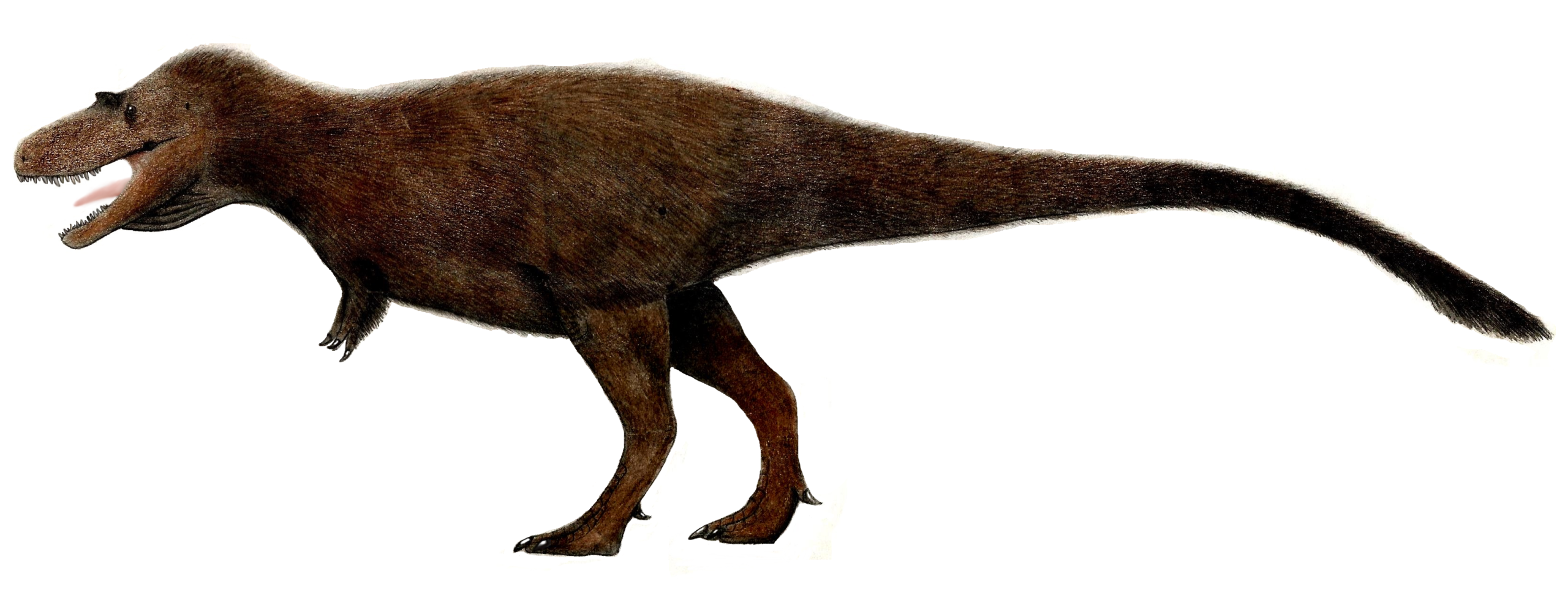
Capricorn is disciplined, pragmatic, and focused on long-term survival, and Gorgosaurus, a tyrannosaurid from the late Cretaceous of North America, embodies that quiet, efficient predator model. Smaller than T. rex but still formidable, it had strong hind limbs, a powerful bite, and a body that hints at a blend of speed and power suited to tracking and wearing down prey over distance. It is not the most famous dinosaur, but it was extremely well adapted to its environment, like the co-worker who never seeks the spotlight yet always delivers.
Would you have survived? As a Capricorn–Gorgosaurus fusion, your odds are better than flashy show-offs who burn out quickly. You would conserve energy, pick your targets wisely, and focus on survival over drama. Still, even the most disciplined predator cannot outwork massive environmental collapse, volcanic activity, or the eventual asteroid impact that ended the Cretaceous. Capricorn’s gift is not immunity to extinction, but the ability to last as long as possible under punishing conditions and leave a strong ecological mark while doing so.
Aquarius – The Oddball Therizinosaurus: Eccentric, Unpredictable, and Surprisingly Effective
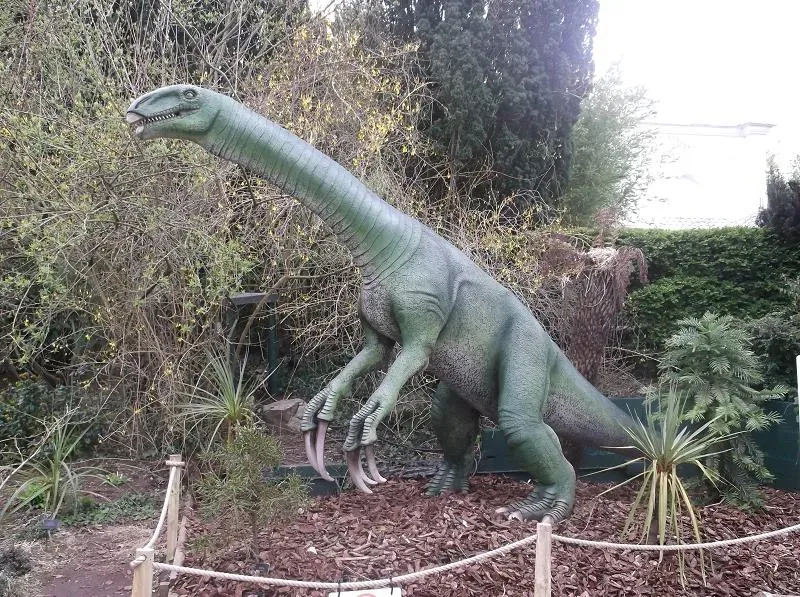
Aquarius is unconventional, future-minded, and never quite fits into any standard category, and Therizinosaurus is almost comically aligned with that energy. This bizarre, mostly herbivorous theropod had huge, scythe-like claws, a long neck, and a pot-bellied body that broke nearly every expectation for what a “raptor-type” dinosaur should look like. Its claws may have been used for feeding, defense, or display, and its lifestyle probably defied simple predator–prey labels, occupying a strange niche that most competitors simply could not copy.
Would you have survived the Cretaceous as this Aquarian misfit? There is a strong case for yes: by stepping sideways out of the main predator arms race, you lower the risk of direct conflict and specialize in resources others overlook. Your weirdness becomes a survival strategy. The danger is that such a unique form depends on particular conditions; if those plant communities vanish or the environment shifts too fast, adaptation becomes difficult. Still, Aquarius–Therizinosaurus shows that sometimes the best way to live in a brutal world is to refuse to play by its usual rules.
Pisces – The Dreamy Ichthyornis: Small, Adaptive, and Riding the Edges of Two Worlds
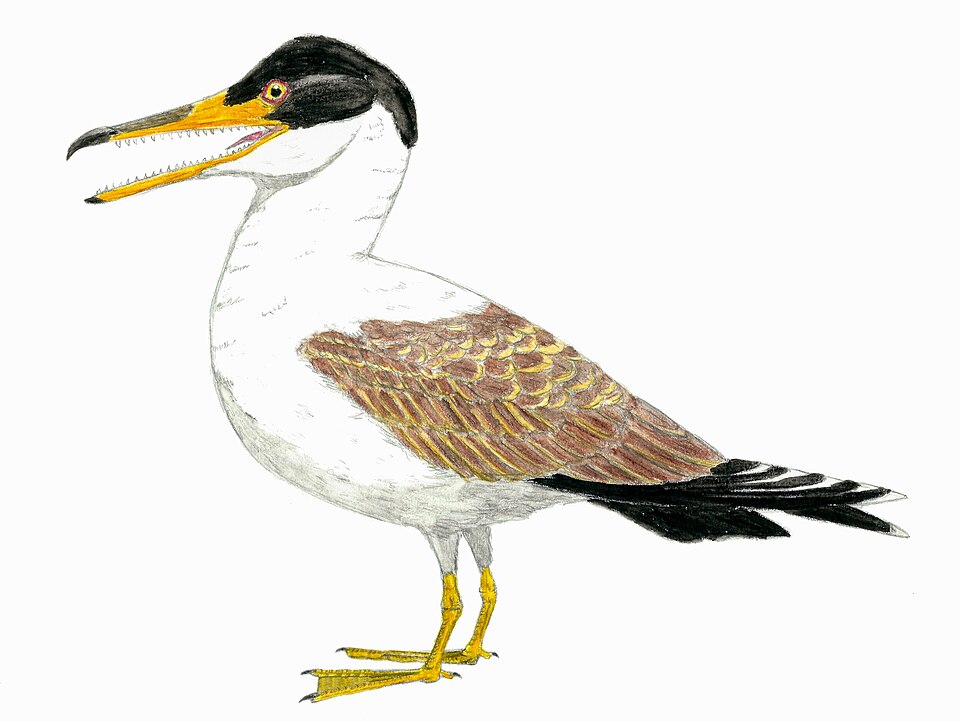
Pisces is intuitive, fluid, and often lives between realities, and Ichthyornis, a small, seabird-like animal of the late Cretaceous, fits that liminal space beautifully. This creature combined features of both dinosaurs and modern birds, flying over coastal waters and diving for fish, living at the boundary between sky and sea. Rather than ruling any single domain, it navigated the shifting edges, agile enough to escape many predators and adaptive enough to exploit multiple food sources.
Would you have survived? As a Pisces–Ichthyornis blend, your survival chances are quietly respectable. You are small, mobile, and tied to environments that, while risky, offer numerous micro-opportunities for feeding and nesting. The vulnerability is that your size makes you prey for almost anything larger, and storms or coastal changes can wipe out breeding sites quickly. Still, by following intuition – reading winds, seasons, and subtle shifts – you could thread the needle in a dangerous world longer than many of the giants managed.
Conclusion – Your Inner Predator and the Harsh Truth About Survival
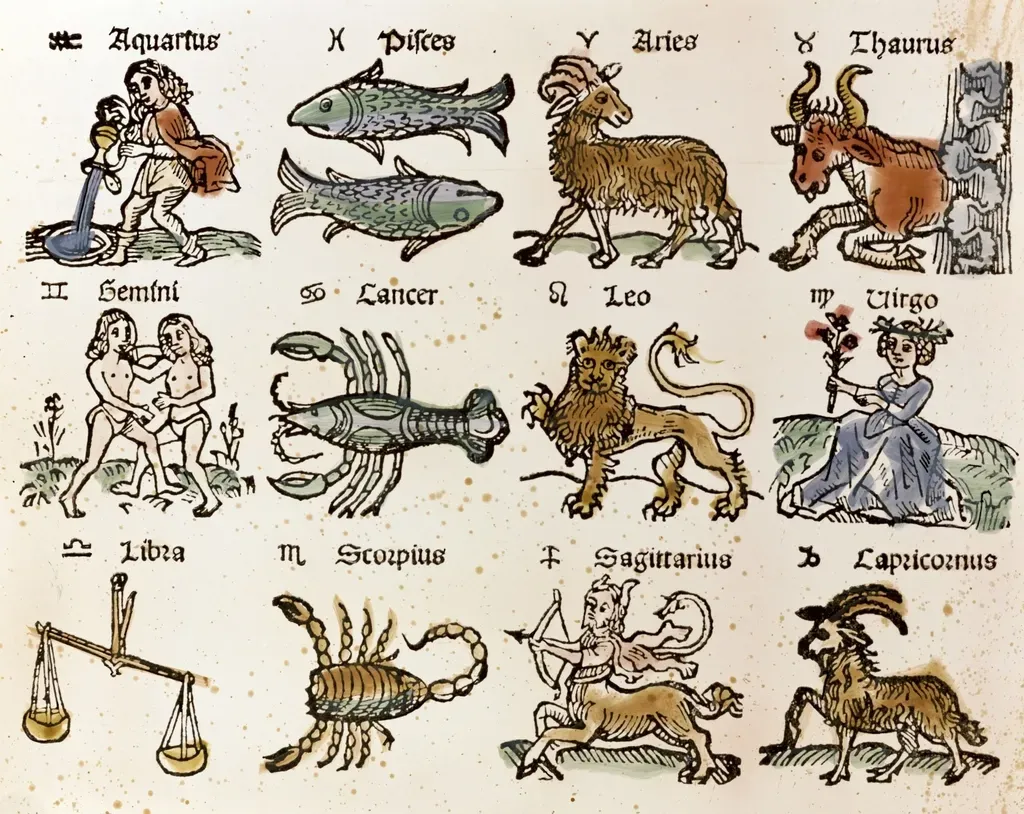
Looking across the zodiac mapped onto prehistoric ecosystems, one thing becomes very clear: personality style alone would not save you from the Cretaceous. Bold Aries–T. rex types enjoy raw dominance but crash hard when a single mistake or environmental shift hits, while stubborn Taurus–Ankylosaurus tanks quietly ride out most threats until conditions truly collapse. The clever, curious Geminis and cautious Virgos do well as long as there is complexity to exploit, but even high intelligence cannot outthink an asteroid impact.
My own opinion is that the signs that bend – Gemini’s adaptability, Aquarius’s weirdness, Pisces’s fluidity – have a slight edge over the ones that insist on doing just one thing incredibly well. Evolution tends to reward flexibility more than drama, and the fossil record is a brutal reminder that being spectacular and being long-lasting are not the same thing. So the real question is not which terrifying predator you would have been, but whether you would have been willing to change when the world did. In the end, if your Cretaceous self had needed to evolve to survive, would you have managed it – or gone out in a blaze of prehistoric glory?