Picture this: millions of years ago, before the age of dinosaurs, creatures that looked more like furry mammals than fearsome reptiles ruled the Earth. These weren’t your typical cold-blooded, scaly beasts lounging in swamps. Instead, they were warm-blooded, fuzzy animals that cared for their young, had complex social behaviors, and dominated ecosystems long before the first dinosaur took its first steps. The story of these extraordinary creatures will completely change how you think about prehistoric life.
The Furry Ancestors Nobody Talks About
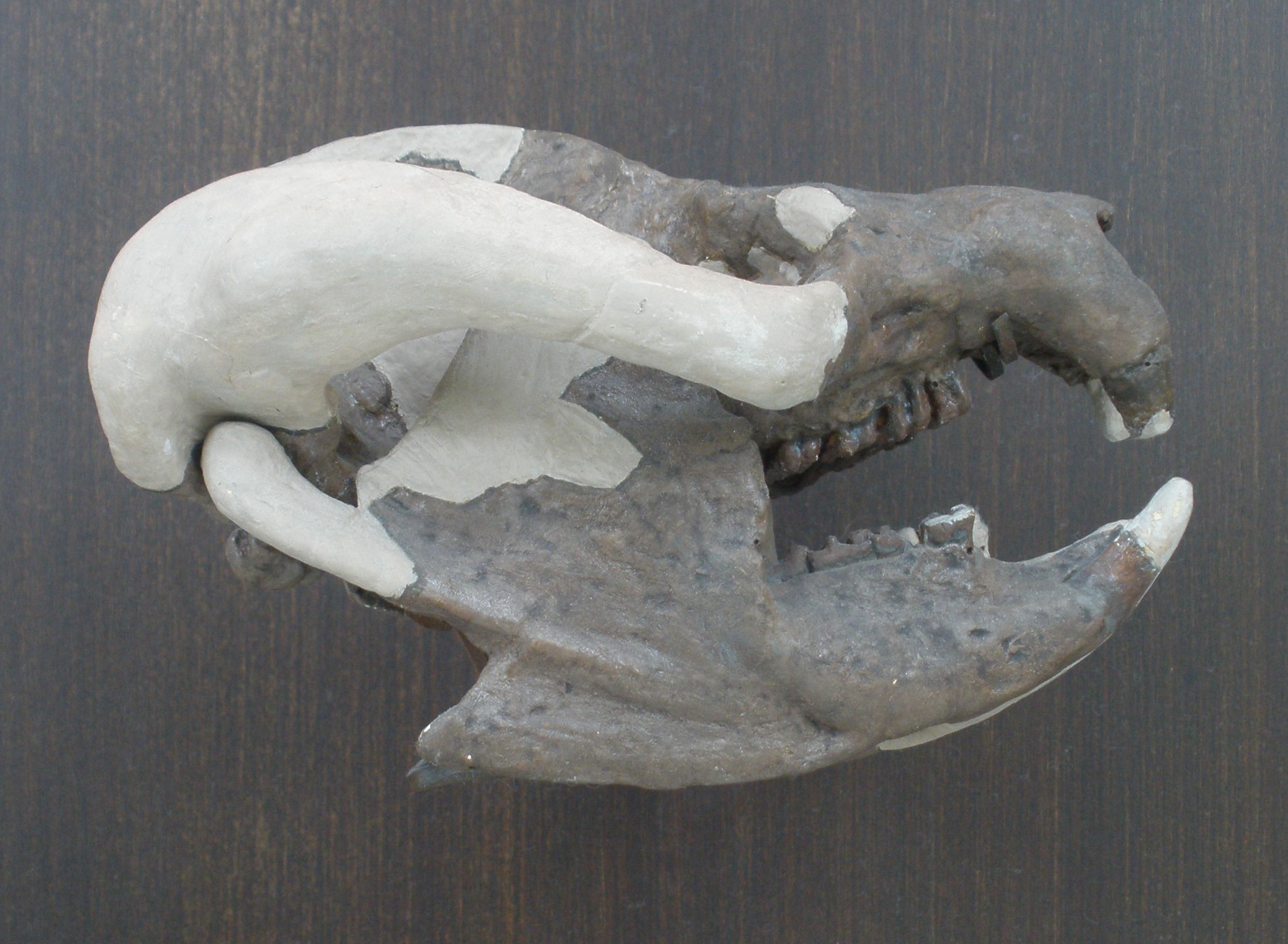
Long before T-Rex terrorized ancient landscapes, a group of animals called therapsids dominated the planet for over 60 million years. These weren’t technically mammals, but they weren’t exactly reptiles either – they existed in that fascinating gray area that makes paleontologists lose sleep. What made them truly remarkable was their mammal-like features: many species had hair, whiskers, and even primitive forms of mammary glands.
The most shocking discovery came when scientists found fossilized skin impressions showing that some of these ancient creatures were indeed covered in fur. Imagine a world where the top predators looked more like oversized, toothy dogs than the lizard-like monsters we typically picture. These findings turned our understanding of prehistoric life completely upside down.
When Reptiles Learned to Be Warm
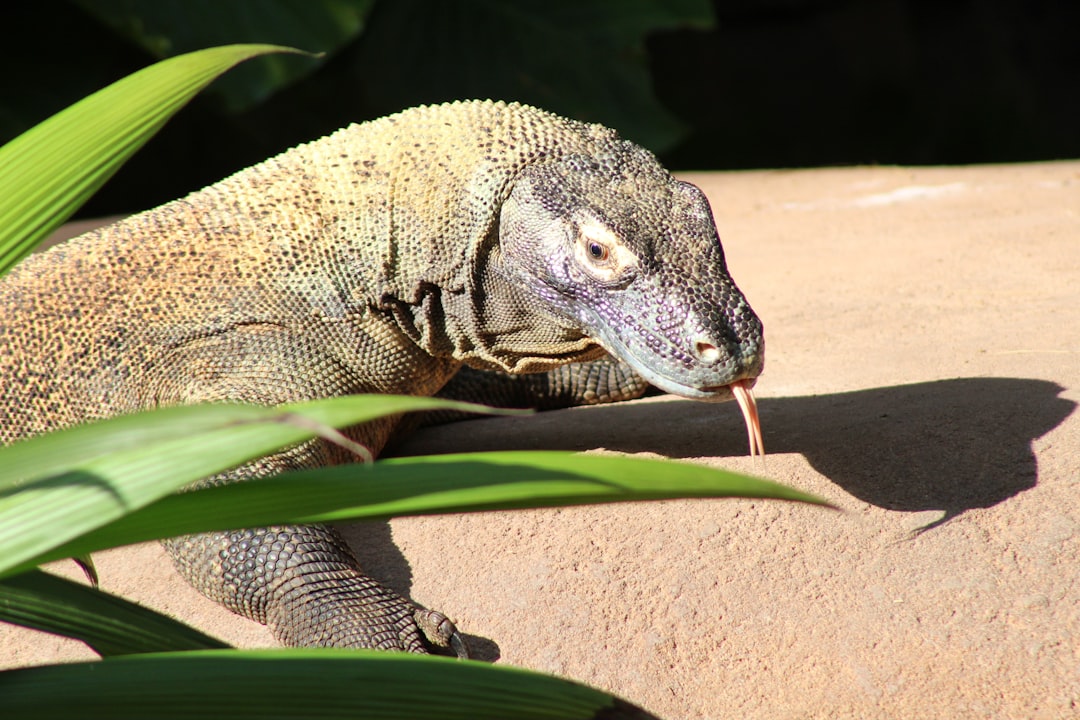
Perhaps the most revolutionary aspect of therapsids was their ability to regulate their own body temperature – something we consider uniquely mammalian today. Unlike their cold-blooded cousins who had to bask in the sun to get moving, these creatures could hunt at night, survive in colder climates, and maintain constant activity levels. This gave them an enormous advantage over other reptiles of their time.
The evidence lies in their bone structure, which shows the rapid growth patterns typical of warm-blooded animals. Their skulls also featured specialized nasal passages that helped warm and humidify incoming air – a clear sign of an active metabolism that burned hot around the clock.
The Gorgonopsids: Nature’s First Saber-Toothed Killers
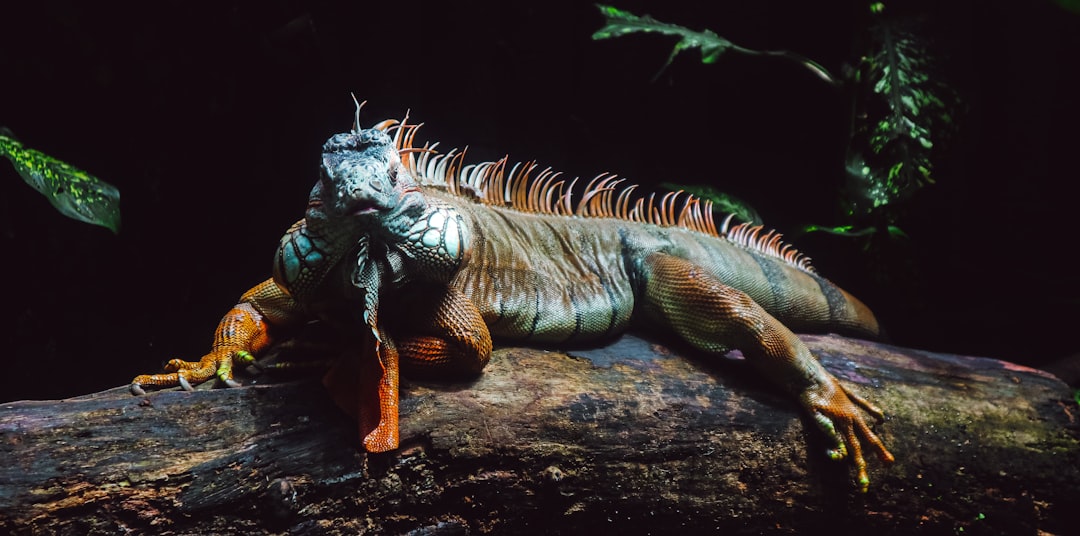
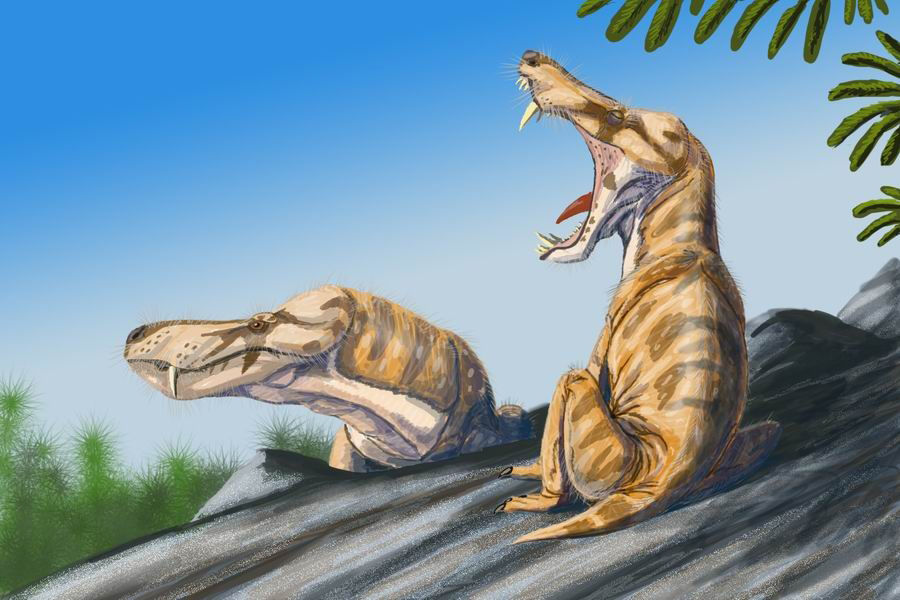
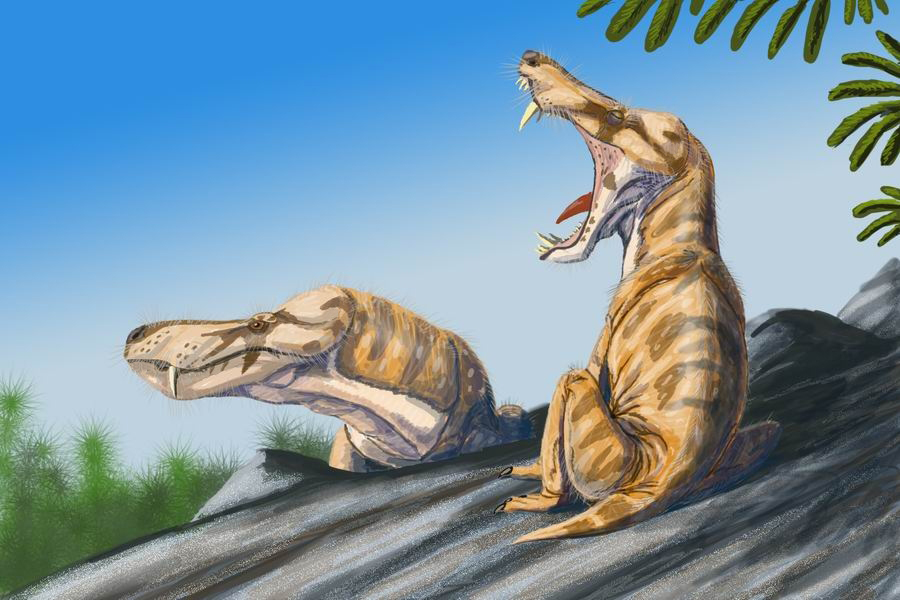
Among the most fearsome therapsids were the gorgonopsids, predators that would make a modern tiger look like a house cat. These massive hunters sported enormous saber teeth that could grow up to 12 centimeters long, perfect for delivering killing bites to their prey. But here’s the twist – they were covered in thick, shaggy fur that helped them regulate temperature during long hunts.
What made gorgonopsids truly terrifying wasn’t just their size or teeth, but their intelligence. Fossil evidence suggests they had relatively large brains for their body size and may have hunted in coordinated packs. Picture a group of furry, saber-toothed predators working together to take down prey – it’s like something from a fantasy novel, yet it was reality 250 million years ago.
The Shocking Truth About Ancient Parenting
Here’s something that would blow your mind: some therapsids were already practicing advanced parenting techniques that we associate with modern mammals. Unlike typical reptiles that lay eggs and abandon them, many therapsid species showed clear evidence of parental care. They built nests, protected their young, and may have even nursed them with primitive milk-like secretions.
Fossil discoveries have revealed adult therapsids buried alongside juveniles, suggesting family groups that stayed together long after birth. This level of social complexity was unprecedented in the reptilian world and foreshadowed the tight family bonds we see in mammals today.
The Dicynodonts: Vegetarian Giants That Ruled the World
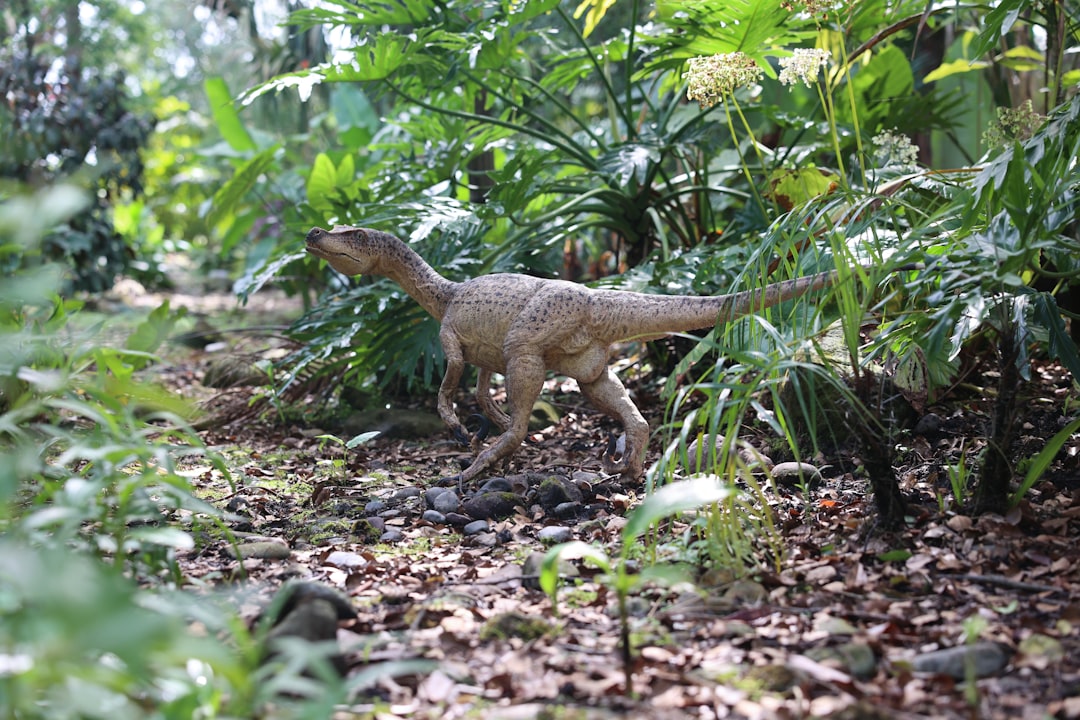
Not all therapsids were fierce predators – some were gentle giants that pioneered the vegetarian lifestyle. Dicynodonts were massive herbivores that looked like a cross between a hippo and a turtle, but with tusks and, you guessed it, a covering of coarse hair. These creatures were so successful that they became the most abundant land animals of their time.
What made dicynodonts remarkable was their ability to process tough plant material with their specialized beaks and grinding teeth. They were essentially the ancient world’s first efficient lawn mowers, shaping entire ecosystems through their grazing habits. Their success story proves that you didn’t need to be a fierce predator to dominate the prehistoric world.
The Mystery of Therapsid Hair
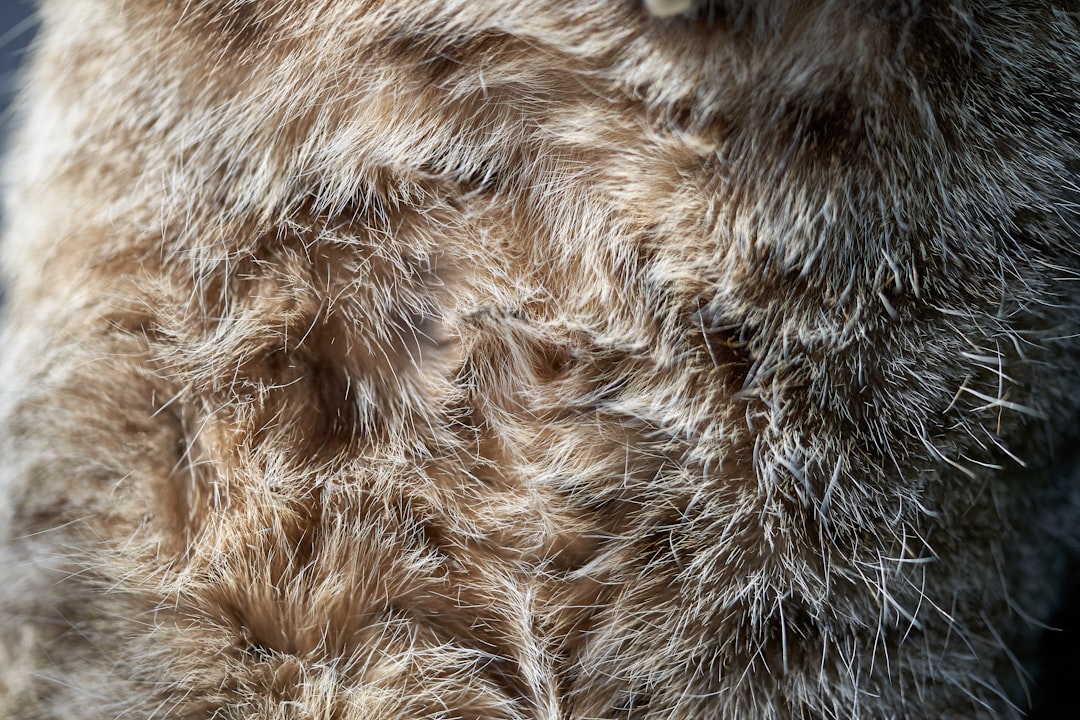
The discovery of hair in therapsids sent shockwaves through the scientific community because it challenged everything we thought we knew about mammalian evolution. These creatures developed fur independently from true mammals, suggesting that hair might be a more ancient adaptation than previously believed. The hair wasn’t just for warmth – it likely played roles in sensory perception, camouflage, and even sexual display.
Recent studies have identified specialized hair follicles in therapsid fossils, complete with the complex root systems we see in modern mammals. This means these ancient creatures had whiskers, guard hairs, and possibly even seasonal coat changes. The level of sophistication in their hair growth patterns rivals that of contemporary mammals.
Social Lives of Ancient Beasts
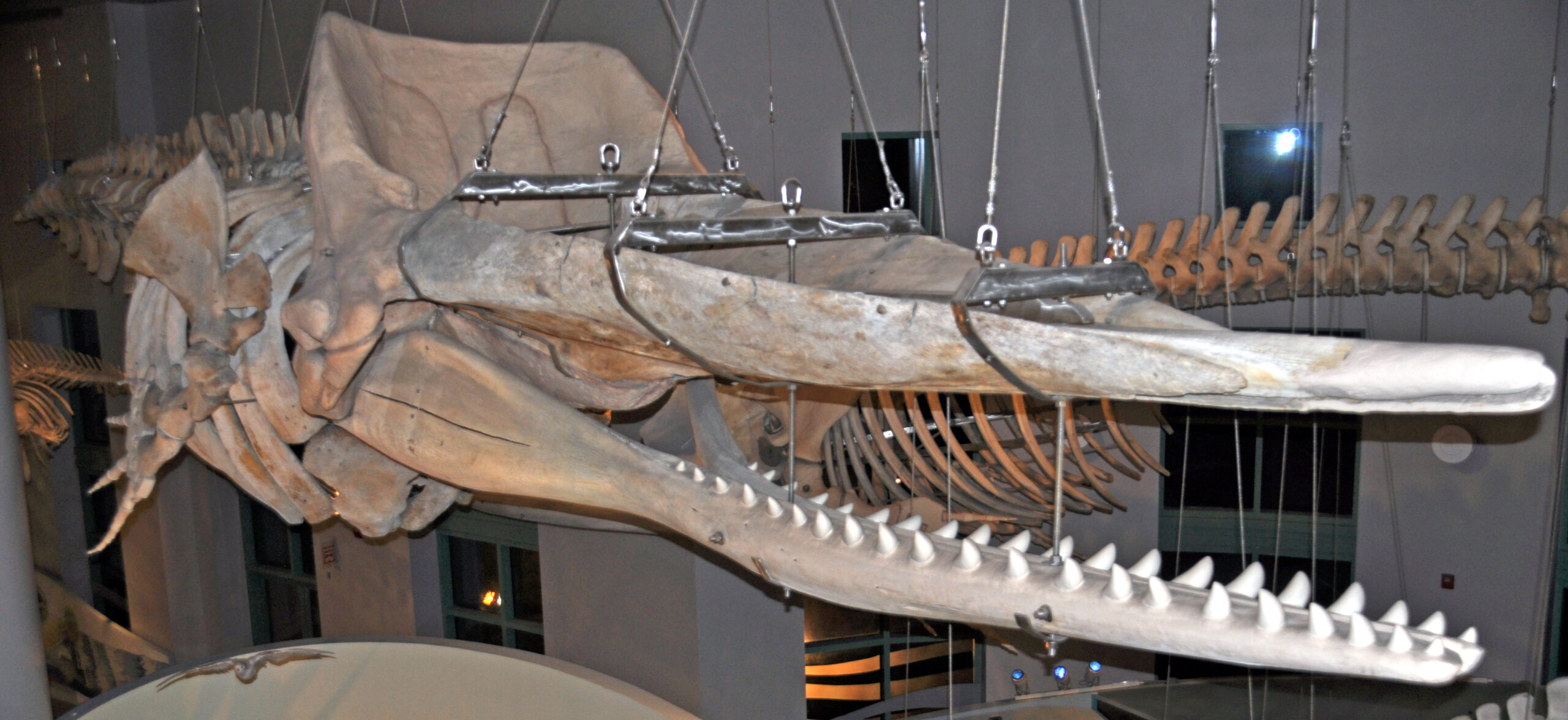
Evidence suggests that therapsids lived in complex social groups that would make modern primates jealous. Fossil sites have revealed multiple individuals of the same species buried together, often in positions that suggest cooperative behavior. Some species may have even had primitive forms of communication through scent marking and vocal calls.
The most fascinating discovery involves juvenile therapsids found with wear patterns on their teeth that could only come from being fed by adults. This suggests not just parental care, but potentially grandparental involvement and extended family structures. These weren’t just animals surviving – they were building communities.
The Great Dying and the End of an Era
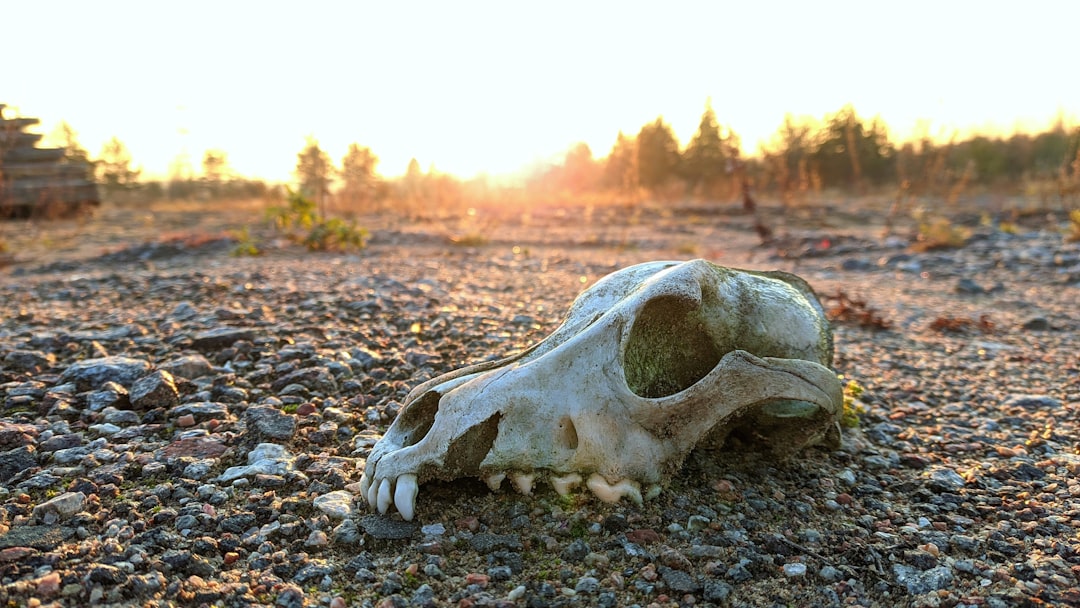
The therapsid golden age came to a devastating end during the Permian-Triassic extinction event, known as “The Great Dying.” This catastrophe wiped out 96% of marine species and 70% of terrestrial vertebrates, including most of the magnificent therapsids that had dominated for millions of years. The few survivors were forced to compete with emerging dinosaurs for resources.
What makes this extinction particularly tragic is that therapsids were on the verge of evolving into true mammals when disaster struck. Had the Great Dying not occurred, our planet might have been dominated by advanced mammal-like creatures millions of years earlier, potentially changing the entire course of evolution.
The Survivors Who Became Us
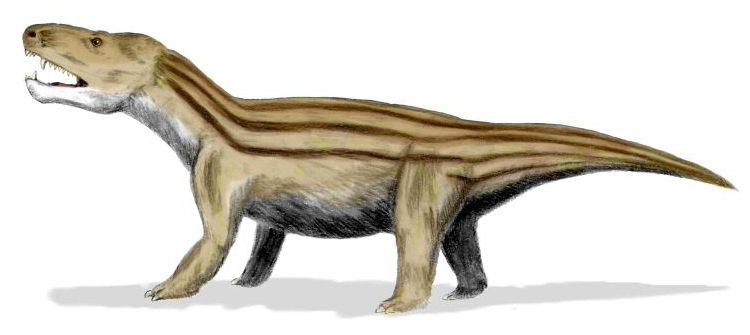
Not all therapsids perished in the great extinction. A small group of survivors, called cynodonts, managed to weather the catastrophe and eventually gave rise to the first true mammals. These resourceful creatures were typically small, nocturnal, and had already developed many of the features we associate with mammals today, including differentiated teeth and advanced jaw mechanics.
The transition from cynodont to mammal was gradual but revolutionary. These survivors developed the three-bone middle ear that gives mammals their superior hearing, refined their hair into specialized fur coats, and perfected the art of milk production. In many ways, we are the living descendants of these remarkable therapsid survivors.
Rediscovering the Fuzzy Past
Modern paleontology continues to uncover new therapsid species that challenge our understanding of prehistoric life. Recent discoveries in South Africa and Russia have revealed therapsids with increasingly mammal-like features, including evidence of complex burrow systems and seasonal migration patterns. Each new find adds another piece to the puzzle of how mammals truly evolved.
Perhaps most exciting is the discovery of therapsids with preserved soft tissues, including skin impressions that show detailed fur patterns. These findings are revolutionizing our understanding of ancient ecosystems and proving that the line between reptiles and mammals was far blurrier than we ever imagined.
The Evolutionary Lessons We’re Learning
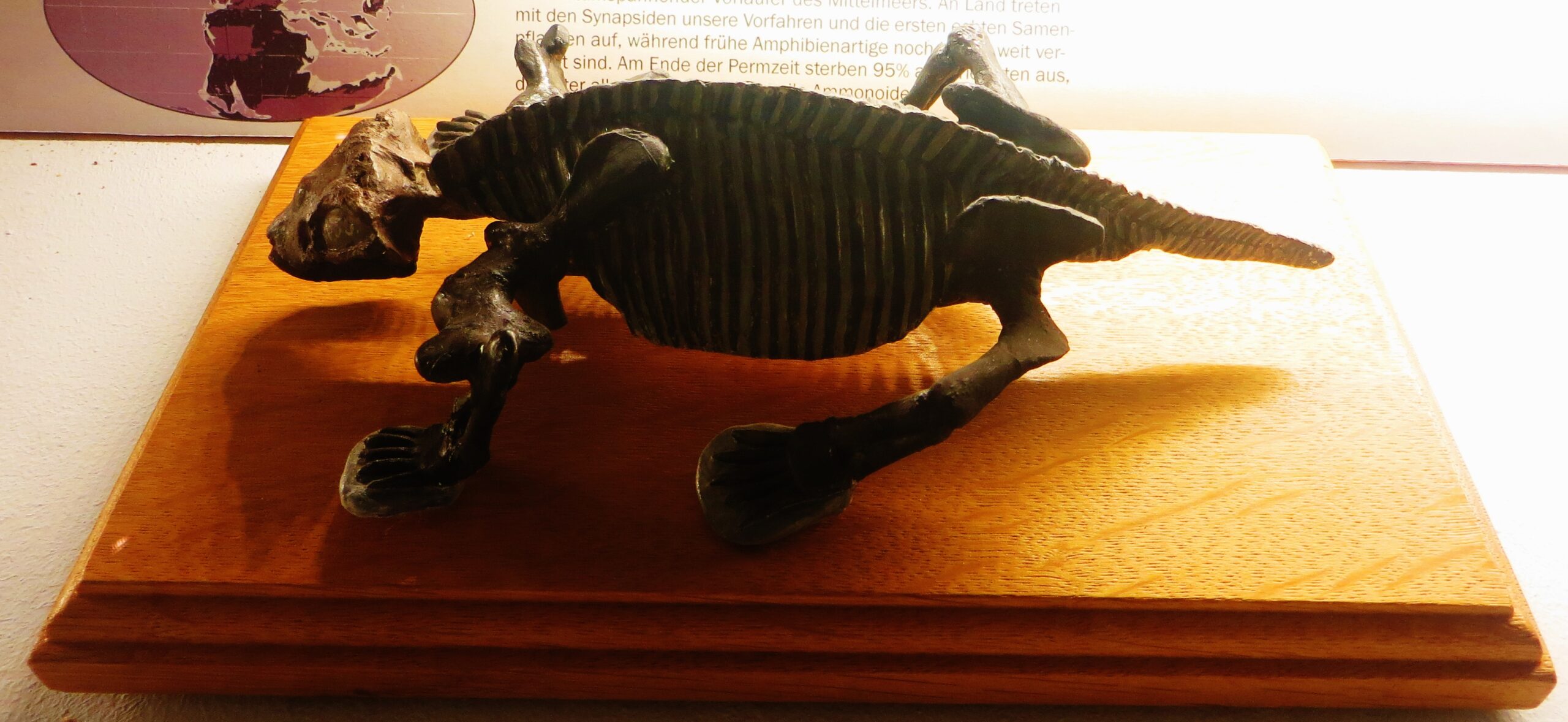
The story of therapsids teaches us that evolution rarely follows a straight line. These creatures developed mammal-like traits independently and often in combinations we wouldn’t expect. Some had fur but laid eggs, others had warm blood but reptilian skulls, and many combined predatory behaviors with advanced parental care in ways that defy simple classification.
This complexity suggests that the traits we consider uniquely mammalian – warmth, hair, parental care, and social behavior – are actually ancient adaptations that emerged multiple times throughout evolutionary history. The therapsids weren’t failed experiments; they were successful pioneers who laid the groundwork for mammalian dominance.
Why This Changes Everything
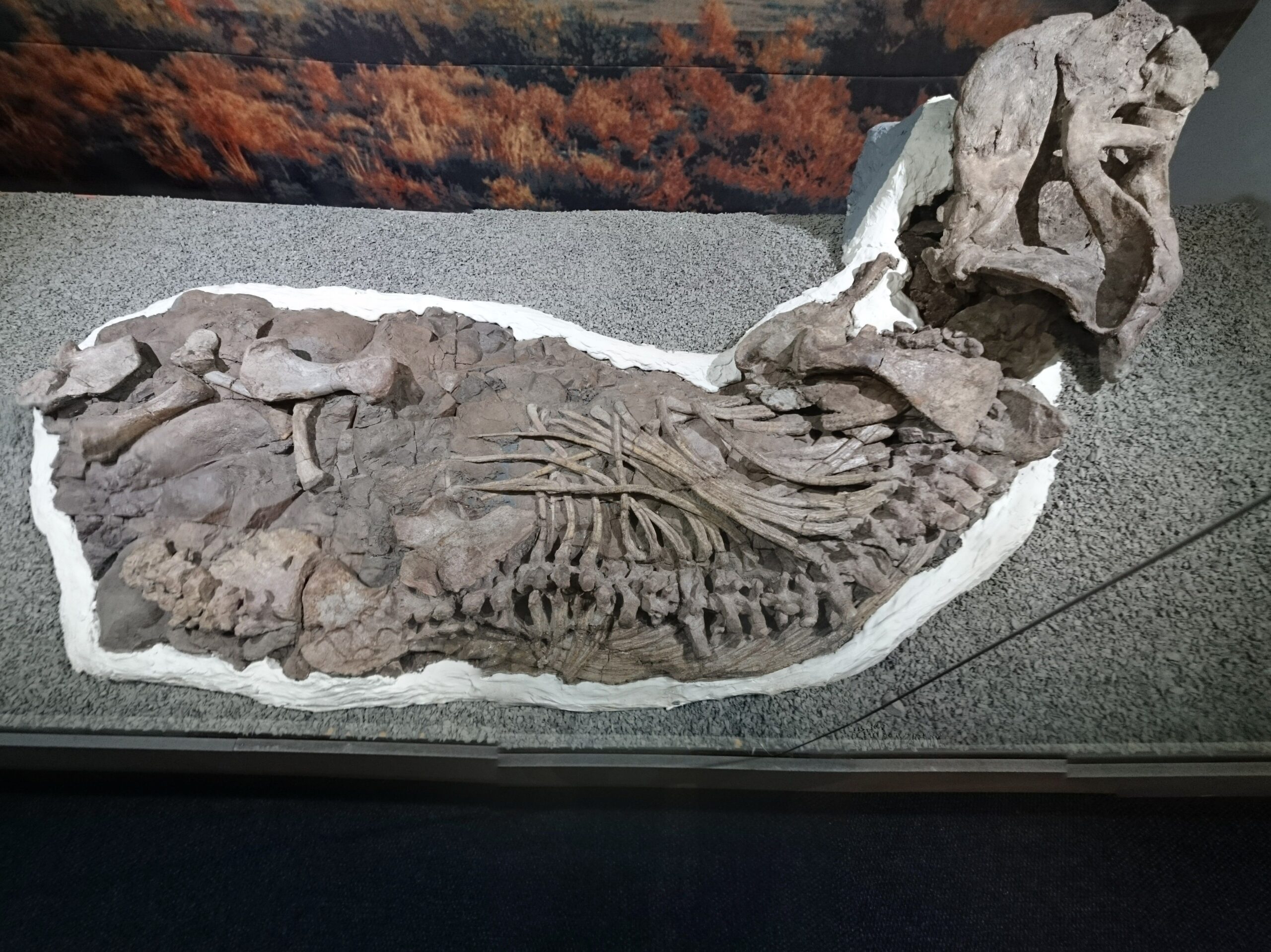
Understanding therapsids fundamentally changes how we view the history of life on Earth. Instead of a simple progression from reptiles to mammals, we see a complex web of evolutionary experimentation where mammal-like traits emerged, disappeared, and re-emerged multiple times. This suggests that mammals weren’t just lucky survivors – they were the culmination of millions of years of evolutionary refinement.
The therapsid story also highlights the importance of mass extinctions in shaping evolutionary history. Without the Great Dying, mammals might have remained small, nocturnal creatures while furry, warm-blooded therapsids continued to rule the world. Sometimes, catastrophe creates opportunity in the most unexpected ways.
The Future of Therapsid Research
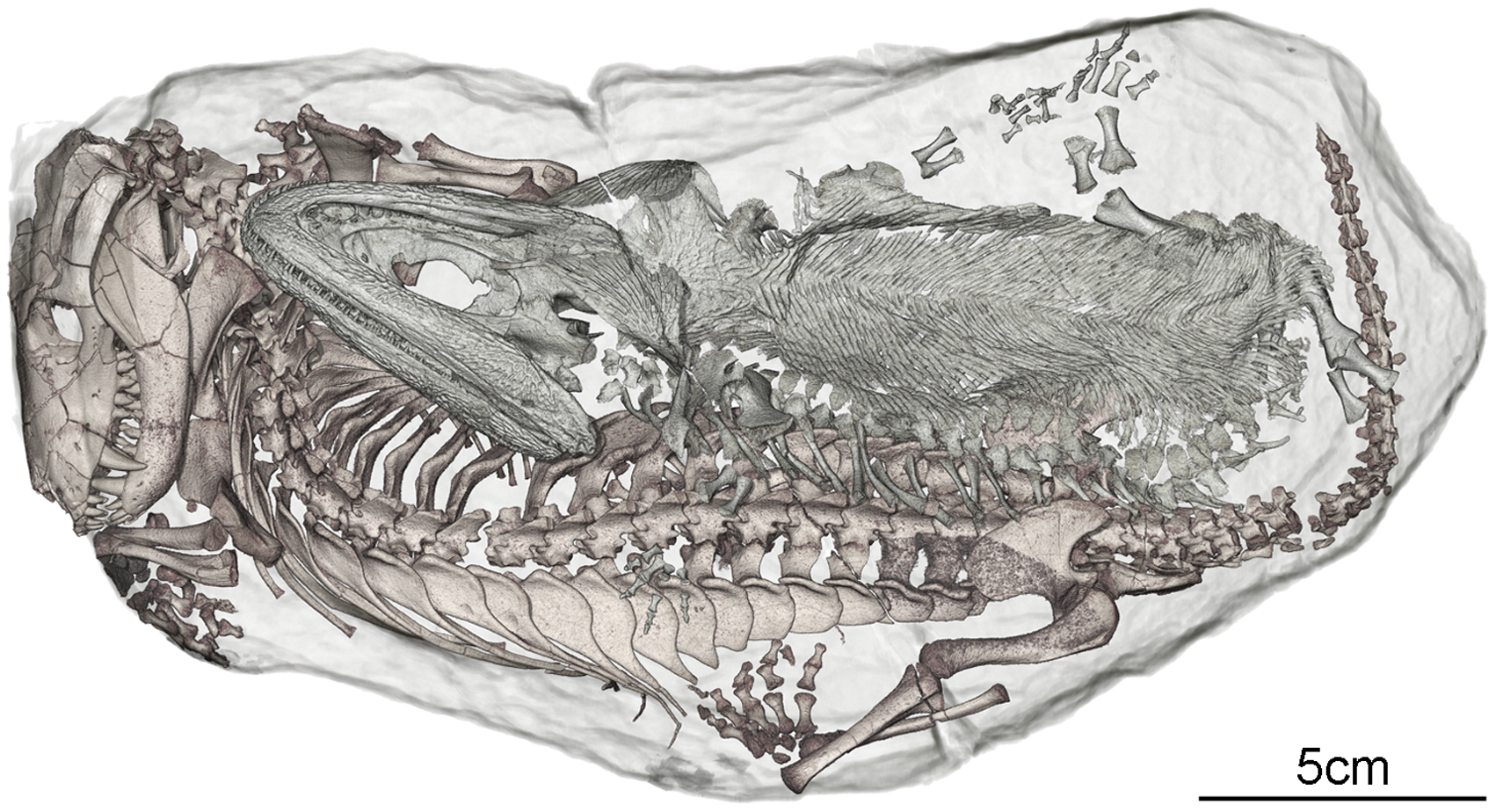
New technologies are revolutionizing our ability to study these ancient creatures. CT scanning allows scientists to peer inside fossilized skulls to study brain structure, while advanced chemical analysis can detect traces of ancient proteins and pigments. These tools are revealing details about therapsid behavior and biology that seemed impossible to know just decades ago.
The most promising frontier involves studying therapsid DNA preservation in fossils. While complete genetic sequences remain elusive, researchers have identified organic compounds that may represent fragments of ancient genetic material. If successful, this research could provide unprecedented insights into how mammalian traits evolved and spread among different therapsid lineages.
Living Echoes of the Ancient World
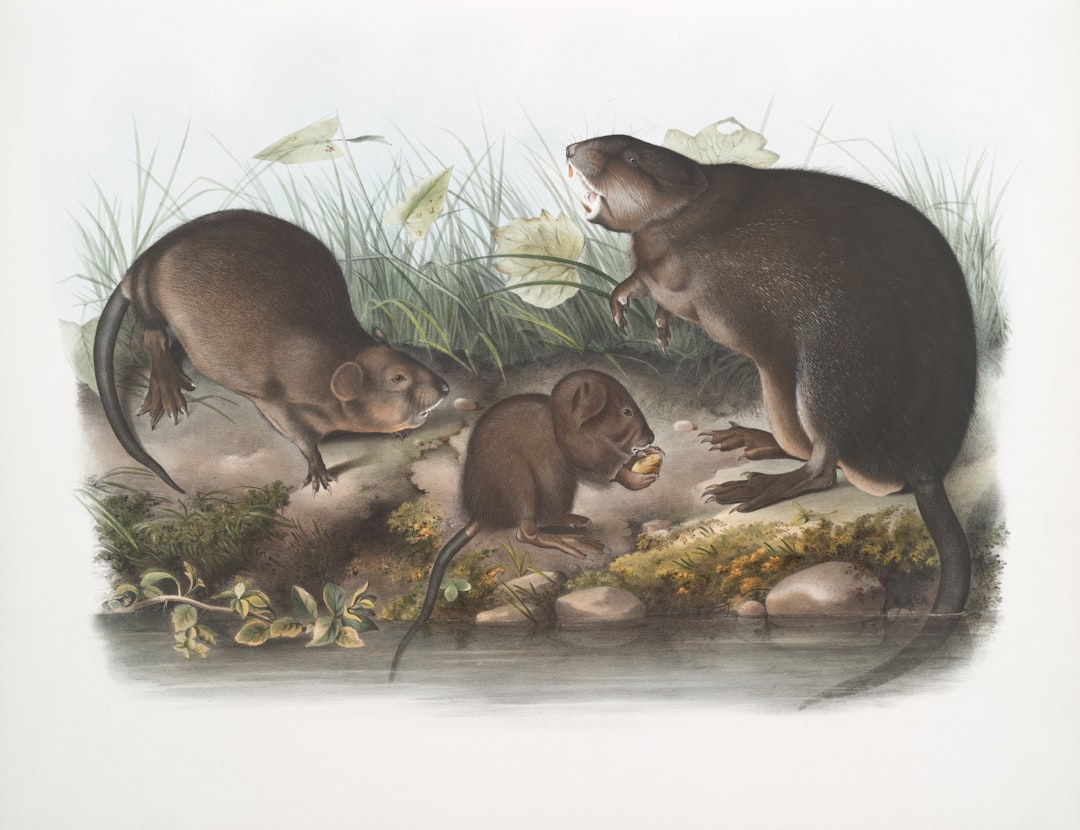
When you watch a mother cat nursing her kittens or see a dog pack working together during a hunt, you’re witnessing behaviors that first emerged in therapsids millions of years ago. These ancient creatures pioneered the social bonds, parental care, and warm-blooded metabolism that define mammalian life today. In a very real sense, every mammal alive today carries the evolutionary legacy of these remarkable fuzzy reptiles.
The next time you pet a furry animal, remember that you’re touching an adaptation that first appeared in creatures that lived before dinosaurs walked the Earth. The therapsids may be gone, but their innovations live on in every mammal that breathes, every parent that cares for their young, and every warm-blooded creature that defies the cold. Their story reminds us that evolution is full of surprises, and sometimes the most important changes happen in the most unexpected creatures.
What would our world look like today if those fuzzy, warm-blooded therapsids had never faced extinction?