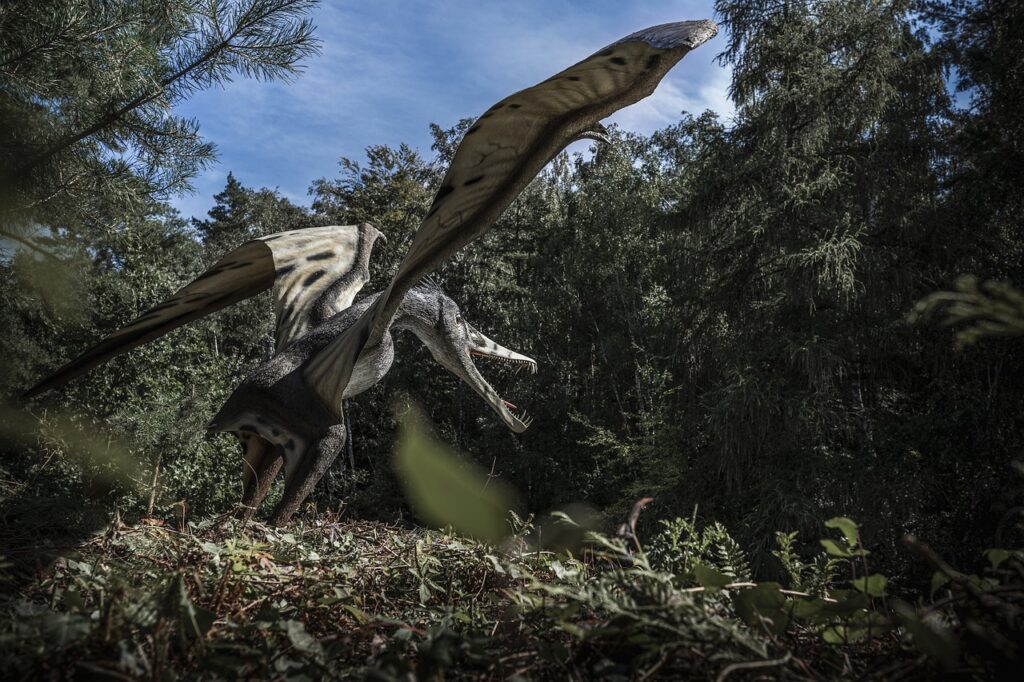
Picture this: you’re standing in a lush forest roughly 175 million years ago, and overhead, massive wings cast shadows across the canopy. These aren’t birds as we know them today, but creatures that would make modern eagles look like sparrows. Welcome to the Jurassic period, when the skies belonged to flying reptiles called pterosaurs, and life on Earth was about to transform in ways that would echo through eternity.
The Dawn of Aerial Dominance
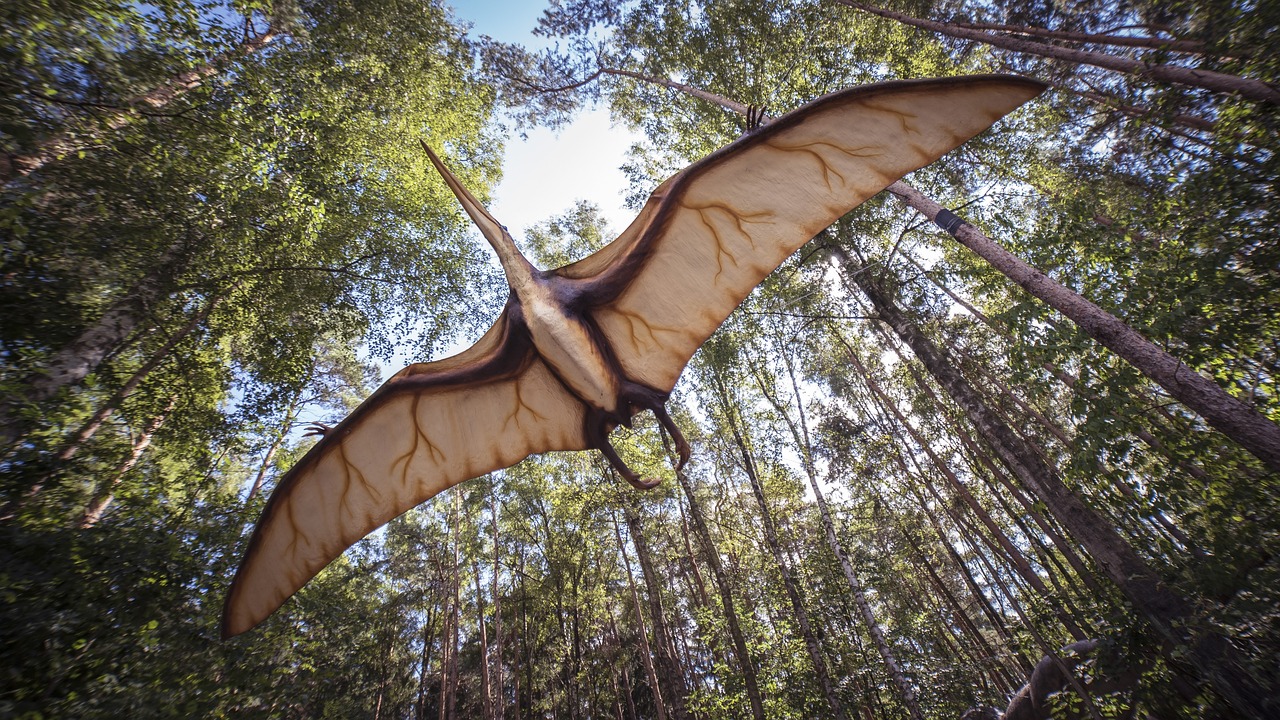
Pterosaurs were the first vertebrate creatures to evolve powered flight and conquer the air – long before birds took wing. Think about that for a moment. While we often associate flying with birds, these incredible reptiles claimed the skies first, ruling them for an astounding 160 million years before disappearing alongside their dinosaur cousins.
What makes this even more remarkable is that the first pterosaurs turn up in the fossil record around 215 million years ago, in the Late Triassic, while the earliest dinosaurs to be described as bird-like, creatures such as Anchiornis and Archaeopteryx, appeared much later from 165 to 150 million years ago in the Late Jurassic. These ancient flyers had a massive head start in perfecting the art of flight.
Scotland’s Spectacular Discovery
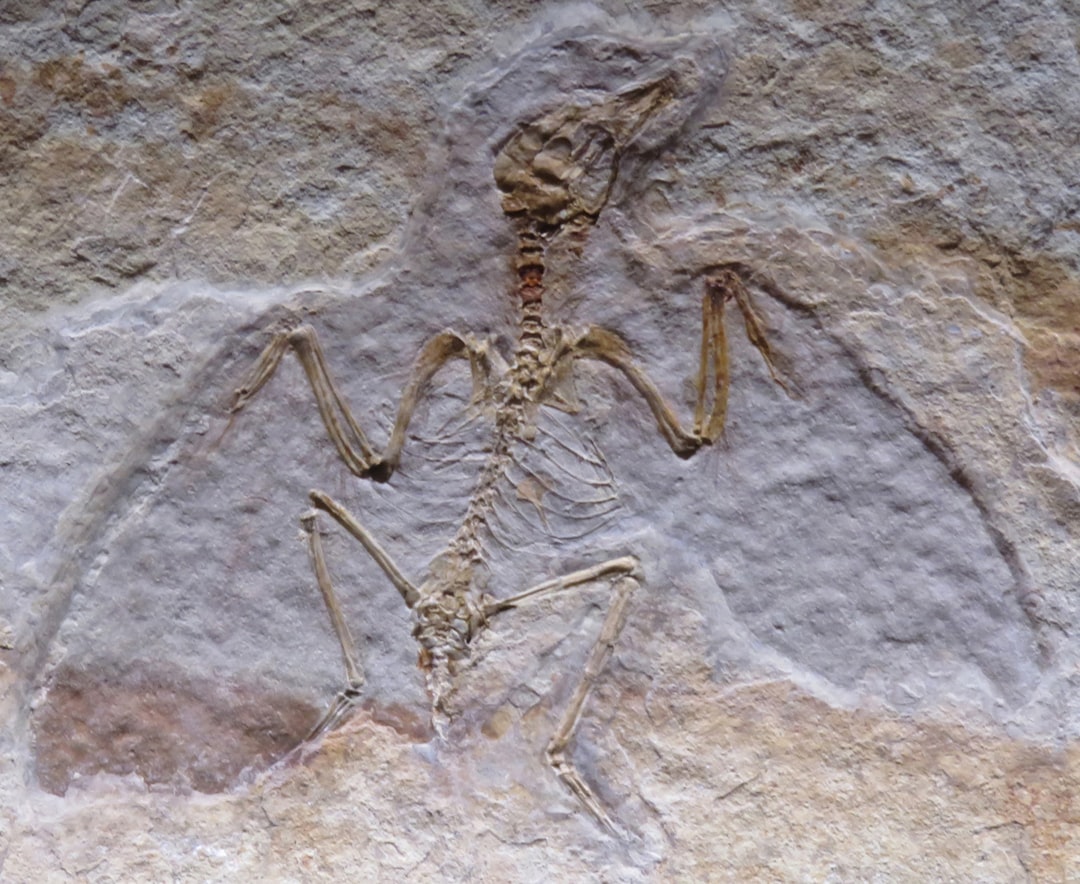
In 2017, fossil hunters made an incredible discovery that would rewrite our understanding of Jurassic pterosaurs. A fossil from a 170-million-year-old pterosaur, later named as the species Dearc sgiathanach in 2022, was discovered on the Isle of Skye in Scotland. The National Museum of Scotland claims that it is the largest of its kind ever discovered from the Jurassic period, and it has been described as the world’s best-preserved skeleton of a pterosaur.
The largest species that would have soared during the Jurassic period – 201.3 million to 145 million years ago – was the Dearc sgiathanach. The remains of this pterosaur were found in Scotland’s Isle of Skye and reveal the reptile had a wingspan of more than 8 feet (2.5 meters). This magnificent creature wasn’t just another prehistoric curiosity – it was a glimpse into how pterosaurs dominated the ancient skies with grace and power.
From Sparrow-Sized to Fighter Jet Proportions

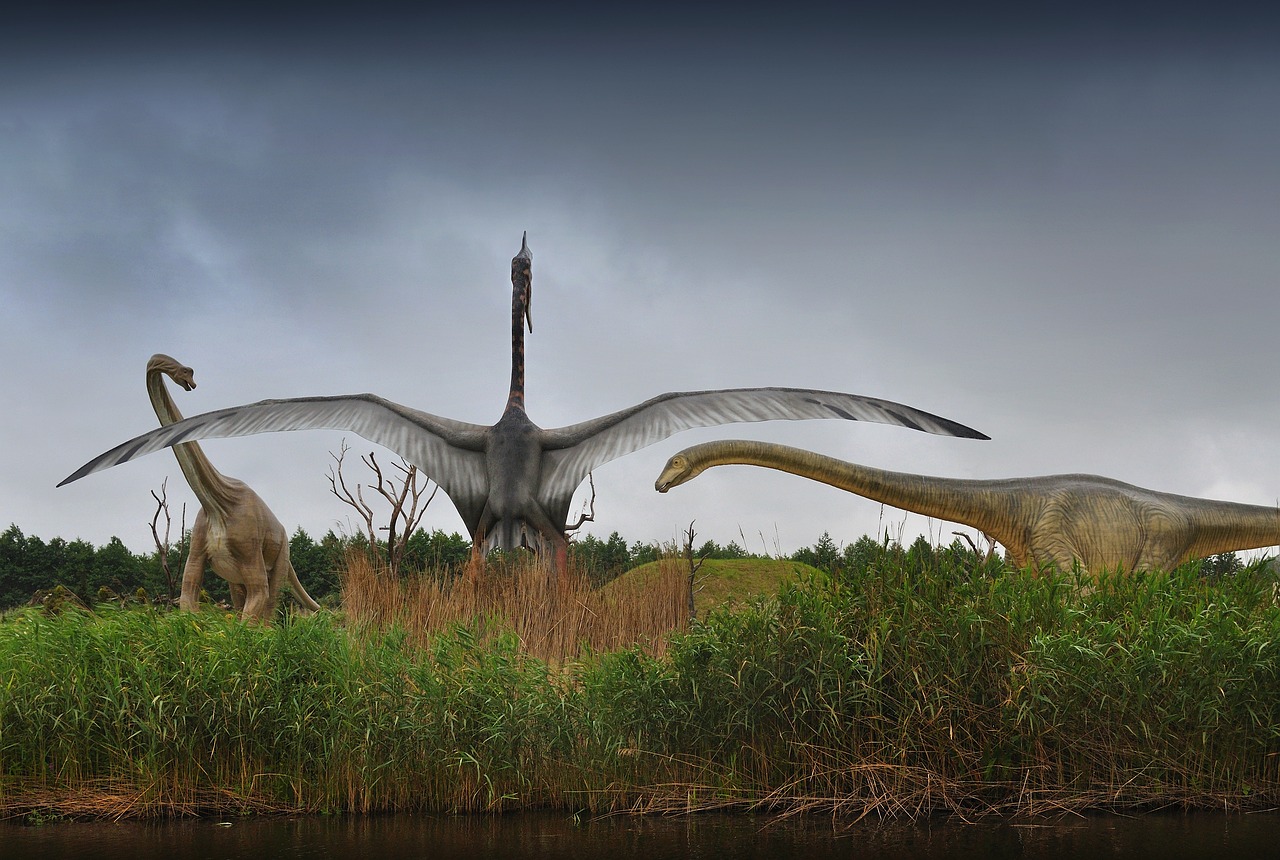
The diversity in pterosaur sizes was absolutely mind-boggling. The smallest of these aerial predators was the size of a sparrow. The largest had a wingspan that rivaled that of an F-16 fighter jet. Just imagine encountering one of these giants soaring overhead – it would have been both terrifying and awe-inspiring.
For perspective, Pterodactylus antiquus (the only known species of the genus) was also a comparatively small pterosaur, with an estimated adult wingspan of about 3.5 feet (1.06 meters), while later species like Pteranodon, discovered in 1876 by Othniel C. Marsh, was much bigger. It had a wingspan that ranged from 9 to 20 feet (2.7 to 6 m). The evolutionary journey from tiny flippers to massive soaring giants represents one of nature’s most dramatic transformations.
The Mysterious Anatomy of Flying Giants
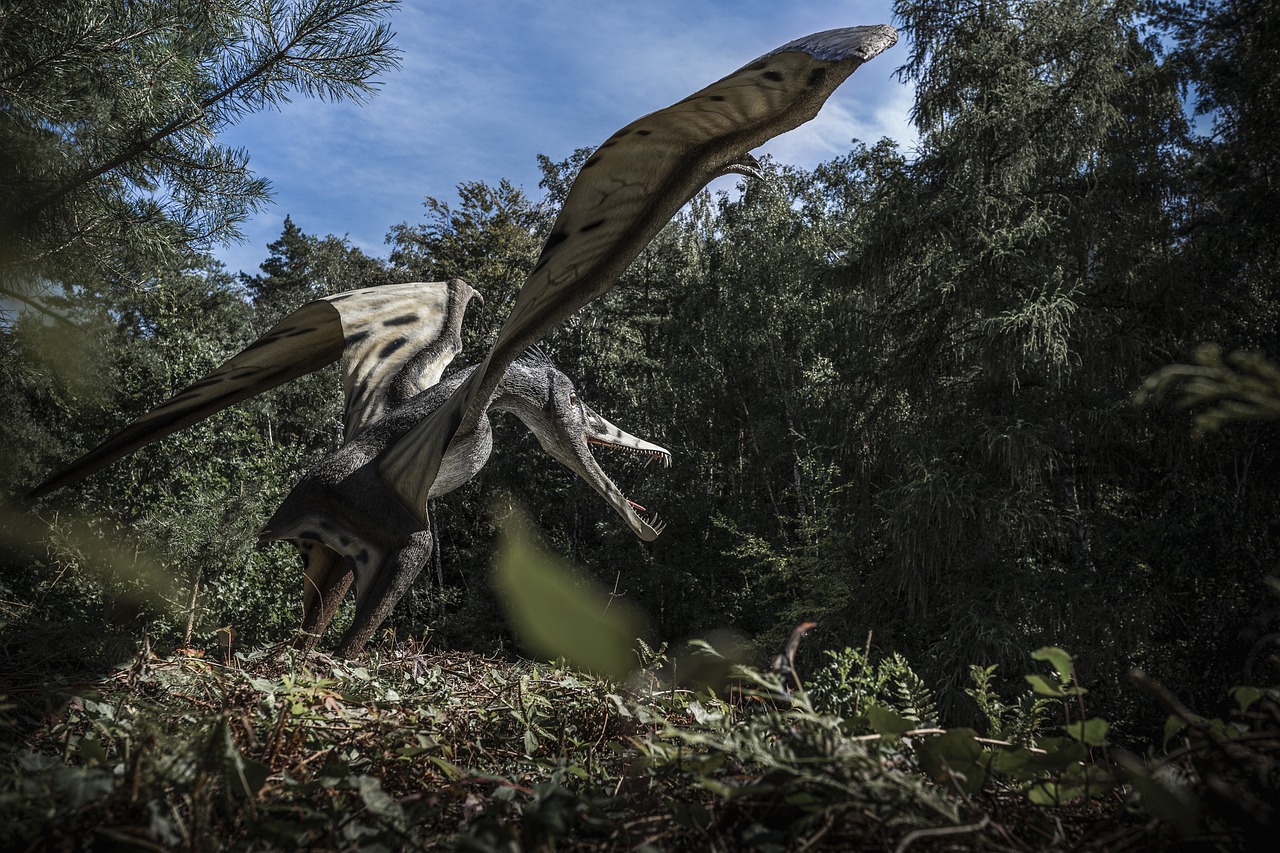
What’s truly bizarre about pterosaurs isn’t just their ability to fly, but their utterly alien proportions. What really confuses scientists and enthusiasts alike is not the wings of pterosaurs but the heads. Even early pterosaurs had decidedly large noggins. The head on Rhamphorhynchus, a representative species from 150 million years ago, in the Late Jurassic period, was nearly as long as its body.
Many possessed heads larger than their bodies, making them, in essence, flying jaws of death. Picture a creature that’s basically a massive head with wings attached – it sounds like something from a nightmare, yet these animals thrived for millions of years. Their specialized anatomy included an immense fourth finger that supported the wing, creating flight capabilities that wouldn’t be matched until birds evolved much later.
The Great Climate Revolution

Extending from 201.3 million to 145 million years ago, the Jurassic was a time of global change in the continents, oceanographic patterns, and biological systems. The world was transforming in ways that would set the stage for unprecedented evolutionary leaps.
The heyday of dinosaurs, the Jurassic era saw Earth’s climate change from hot and dry to humid and subtropical. The Jurassic period was characterized by a warm, wet climate that gave rise to lush vegetation and abundant life. This climate shift was like flipping a switch on evolutionary innovation. Fossils of warm-adapted plants are found up to 60° N and 60° S paleolatitude, suggesting an expanded tropical zone, creating perfect conditions for life to explode in diversity and size.
The Plant Kingdom’s Secret Revolution

While dinosaurs grabbed the headlines, something equally revolutionary was happening in the plant world. Fossil evidence has also revealed that angiosperms, or flowering plants, also emerged in the mid to late Jurassic. Previously, paleobotanists had assumed that angiosperms did not evolve until the Cretaceous period. However, flowering plants would have remained rare compared with gymnosperms during the Jurassic.
The most recent evidence of an undisputed flowering plant is a fossil named Florigerminis jurassica. The discovery of this fossilized flower bud and fruit suggests that flowering plants may have evolved nearly 75 million years earlier than originally thought, in the Jurassic Period 164 mya. This discovery completely rewrote botanical history, showing that flowers were quietly evolving while giant reptiles ruled the Earth above them.
Marine Monsters of the Deep
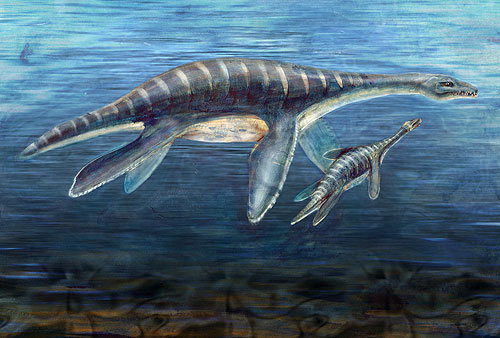
The oceans, especially the newly formed shallow interior seas, teemed with diverse and abundant life. At the top of the food chain were the long-necked and paddle-finned plesiosaurs, giant marine crocodiles, sharks, and rays. Fishlike ichthyosaurs, squidlike cephalopods, and coil-shelled ammonites were abundant. The seas had become a three-dimensional battlefield of predators and prey.
The largest marine carnivores were the Plesiosaurs. These carnivorous marine reptiles typically had broad bodies and long necks with four flipper shaped limbs. Meanwhile, some fossils have been found with smaller individuals that appear to have been inside the larger ones it is hypothesized that these animals may have been among the first to have internal gestation and bear live young. The oceans weren’t just full of life – they were laboratories for evolutionary innovation.
The Rise of True Giants
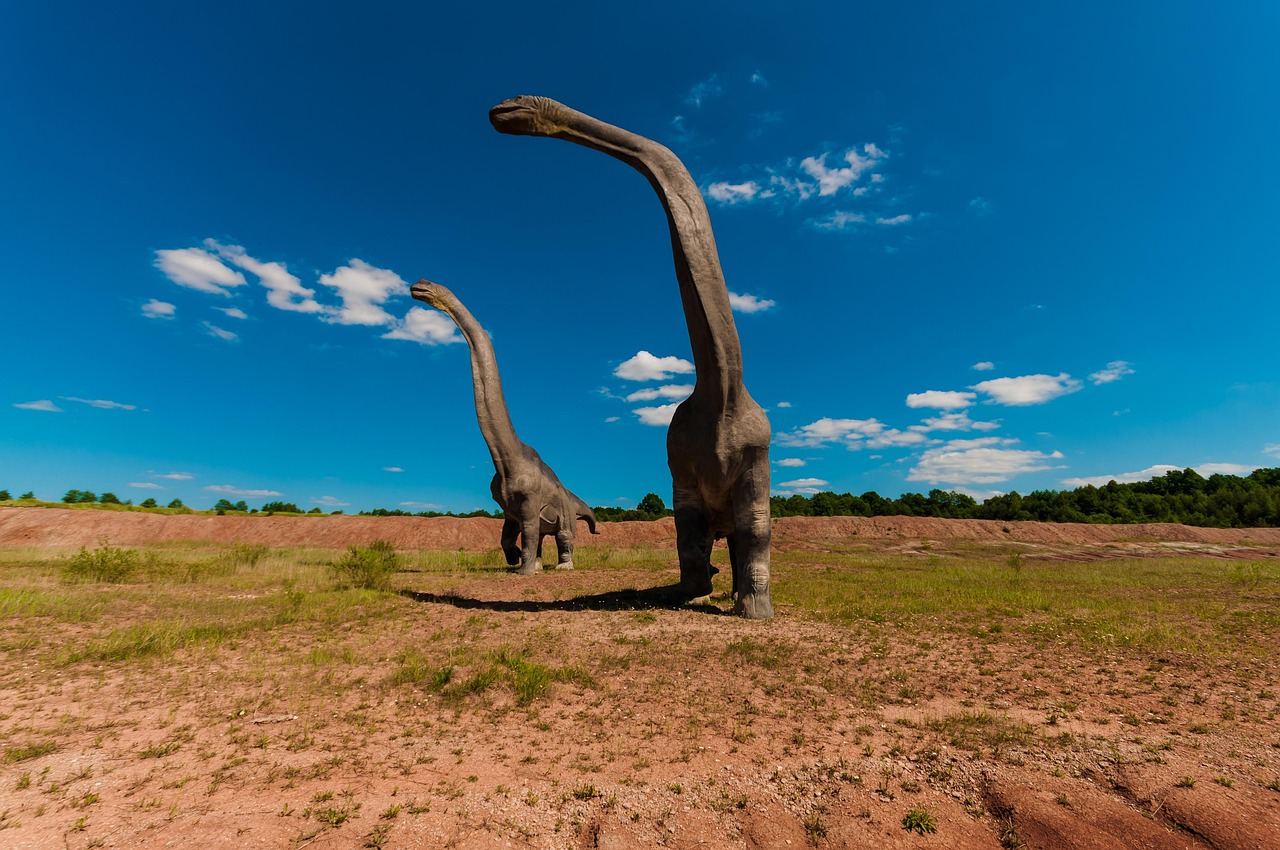
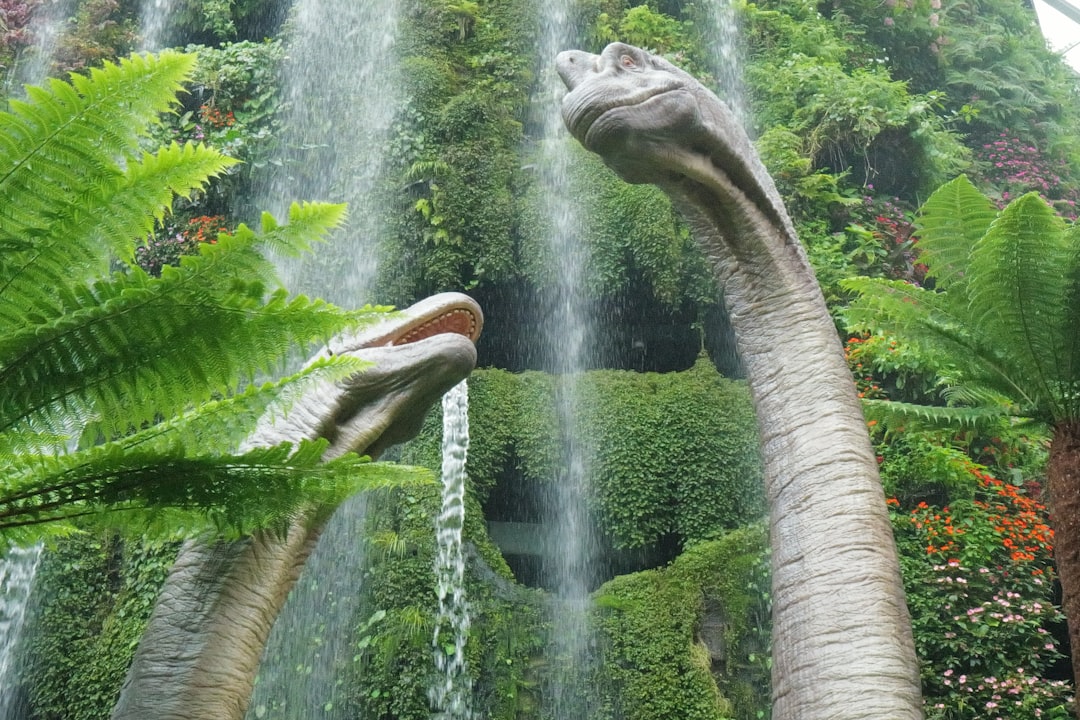
On land, dinosaurs were making their mark in a big way – literally. The plant-eating sauropod Brachiosaurus stood up to an estimated 52 feet (16 meters) tall, stretched some 85 feet (26 meters) long, and may have weighed more than 80 tons. Diplodocus, another sauropod, was 90 feet (27 meters) long. These weren’t just big animals – they were living skyscrapers that moved.
Some of the largest animals ever to live were dinosaurs of the Jurassic period. But here’s what’s fascinating: A single large sauropod might eat over a ton of plant matter daily! To support such massive herbivores, Jurassic plants had to be incredibly productive. This abundance of plant life allowed for a diverse array of plant-eating animals, which in turn supported various carnivores. The entire ecosystem had to evolve together to support these living monuments.
The Birth of Modern Birds
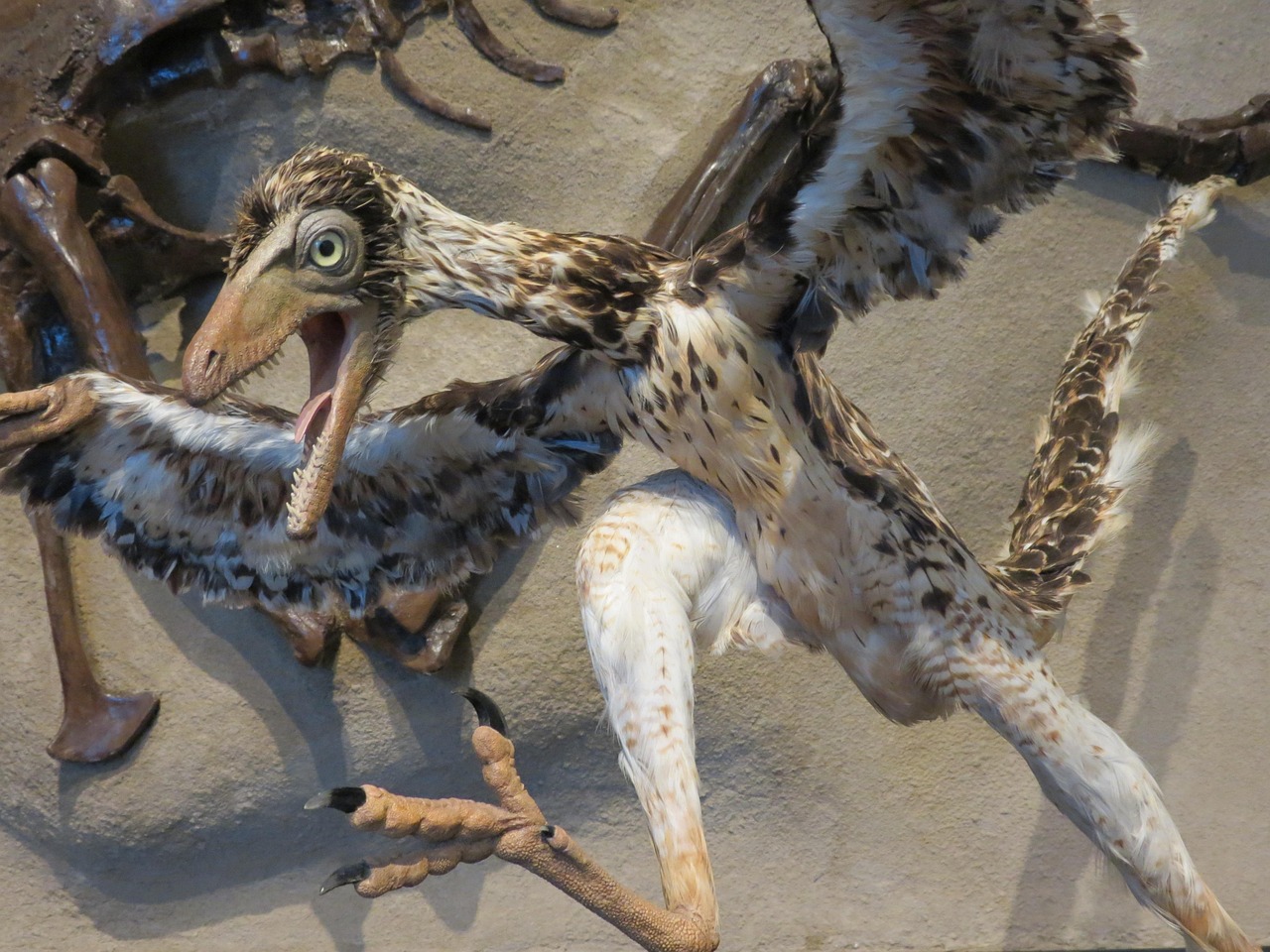
The earliest known bird, Archaeopteryx, took to the skies in the late Jurassic, most likely evolved from an early coelurosaurian dinosaur. Archaeopteryx had to compete for airspace with pterosaurs, flying reptiles that had been buzzing the skies since the late Triassic period. This was like watching two completely different approaches to flight duke it out in the prehistoric skies.
Then around 150 million years ago, in the Jurassic period, a second group of backboned animals started to take wing: feathered dinosaurs. This group included four-winged creatures such as Microraptor and Anchiornis, as well as the most accomplished fliers of the bunch: birds. By the Early Cretaceous, a wide variety of birds shared the skies with pterosaurs. The competition for aerial supremacy was heating up in ways that would ultimately reshape the future of life on Earth.
The Foundation of Modern Ecosystems
During the Early Jurassic, animals and plants living both on land and in the seas recovered from one of the largest mass extinctions in Earth history. Many groups of vertebrate and invertebrate organisms important in the modern world made their first appearance during the Jurassic. This wasn’t just recovery – it was a complete reinvention of what life could become.
At the base of every Jurassic food chain stood the mighty plants. They converted sunlight into energy, providing the foundation for all animal life. From the tiniest insects to the largest sauropods, every creature relied on plants either directly or indirectly. The Jurassic established the fundamental ecological relationships that still govern our world today, creating the template for how complex ecosystems function.
The Ultimate Legacy
The Jurassic era didn’t just witness the evolution of flying dinosaurs – it orchestrated a complete transformation of life on Earth that reverberates through time to this day. From the first flowers quietly blooming beneath towering conifers to massive pterosaurs ruling skies that birds would later inherit, every innovation of this remarkable period laid the groundwork for our modern world.
When we look up at birds soaring overhead or walk through a garden full of flowering plants, we’re witnessing the living legacy of those ancient flyers and their world. The Jurassic didn’t just change life forever – it gave us the very foundations of the biodiversity we see today. What started with dinosaurs taking to the skies became the blueprint for complex ecosystems that would survive mass extinctions and continue evolving for millions of years.
Think about it: every time you see a hummingbird hover near a flower, you’re watching a dance that began when pterosaurs first spread their wings in Jurassic skies. Isn’t it amazing how those ancient flyers are still with us, just in forms we never expected?