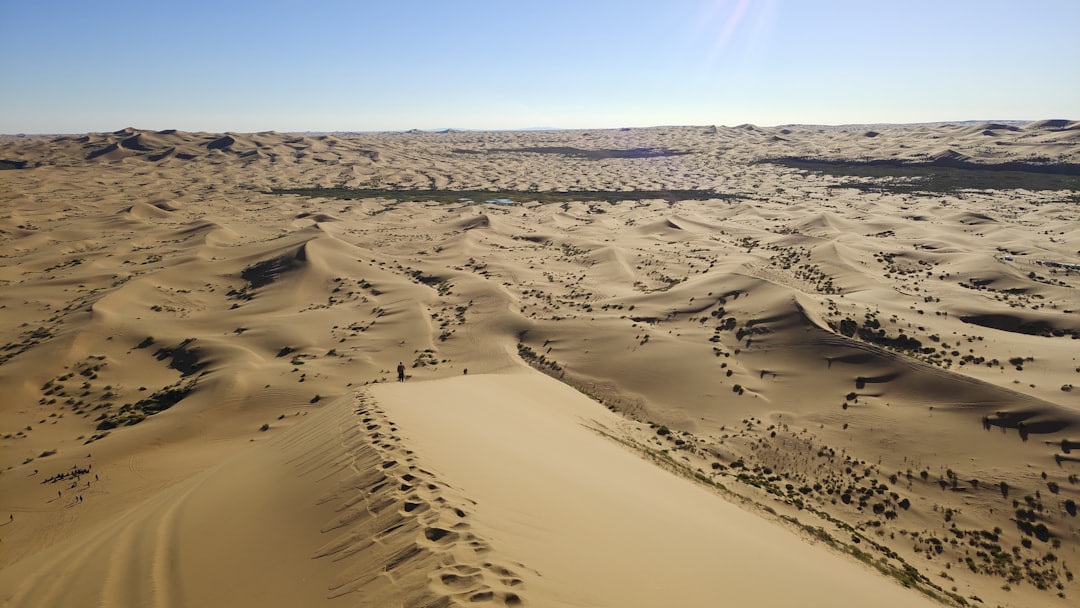
Picture the vast, endless dunes of the Sahara Desert – scorching sands as far as the eye can see, temperatures that can melt plastic, and barely a drop of water for hundreds of miles. Now imagine that exact same landscape covered in lush forests, massive rivers teeming with life, and giant predators prowling through steamy jungles. It sounds impossible, yet this transformation actually happened, not once, but multiple times throughout Earth’s history.
Millions of years ago, the Sahara was in fact a lush green tropical paradise, home to giant dinosaurs and crocodiles and nothing like the dusty desert we see today. This remarkable story takes us deep into prehistoric time, when the laws of climate operated under entirely different rules than what we experience today.
The Ancient Supercontinent That Started It All
The story begins with Gondwana, an ancient supercontinent that would eventually break apart to form much of today’s southern landmasses. A recent study suggests that dinosaurs originated in regions of ancient Gondwana, which today are split between South America and Africa, with their cradle of evolution centered around areas now known as the Sahara Desert and the Amazon Rainforest.
This prehistoric world operated under fundamentally different conditions. By assessing the fossil record and the dinosaur family tree, researchers’ models suggest that the first dinosaurs evolved in the dry savannahs and hot deserts of the ancient supercontinent Gondwana. This region would go on to form the Amazon, Congo basin, and Sahara Desert. The climate patterns that would eventually create the world’s largest hot desert were already taking shape millions of years ago.
When Rivers Flowed Where Sand Dunes Stand Today
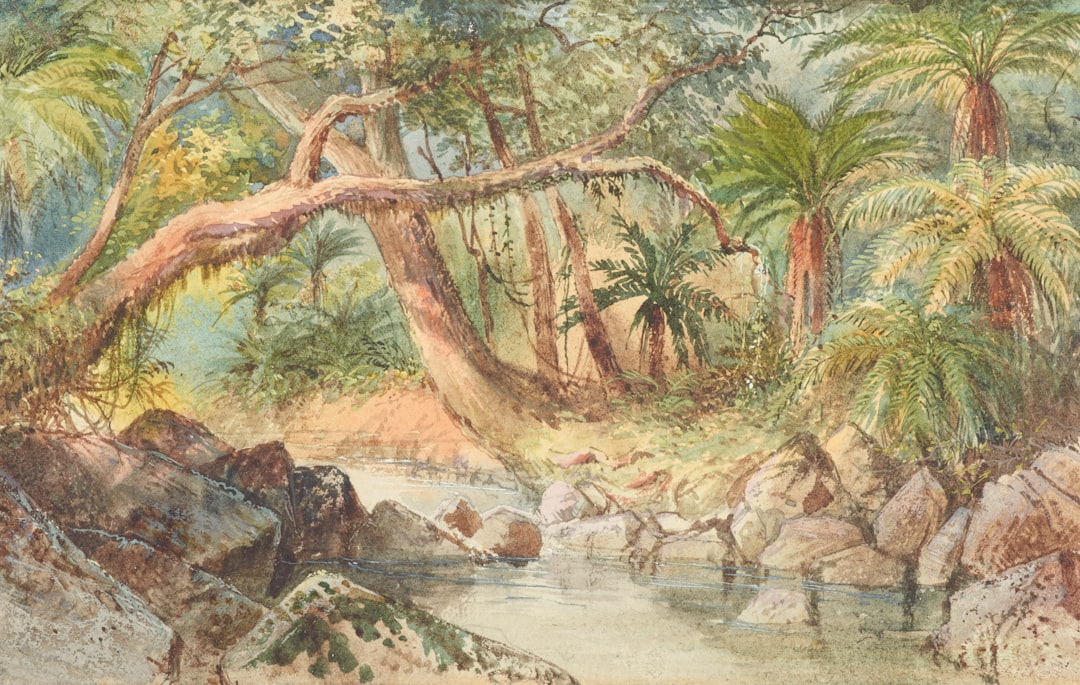
Fast forward to around 100 million years ago during the Cretaceous period, and the Sahara region looked nothing like today’s barren landscape. Instead of a desert, the region was covered by a vast river system that flowed up through present-day Morocco and Algeria. These weren’t just small streams – we’re talking about massive waterways that supported entire ecosystems of prehistoric life.
At the time, the Sahara contained a lush river system teeming with life, with huge flying reptiles overhead, 40-foot crocodiles prowling the rivers, and predatory dinosaurs larger than Tyrannosaurus rex dominating the land. The landscape was dotted with lakes, swamps, and river deltas that created the perfect environment for diverse plant and animal communities to flourish.
A Tropical Paradise Built for Giants
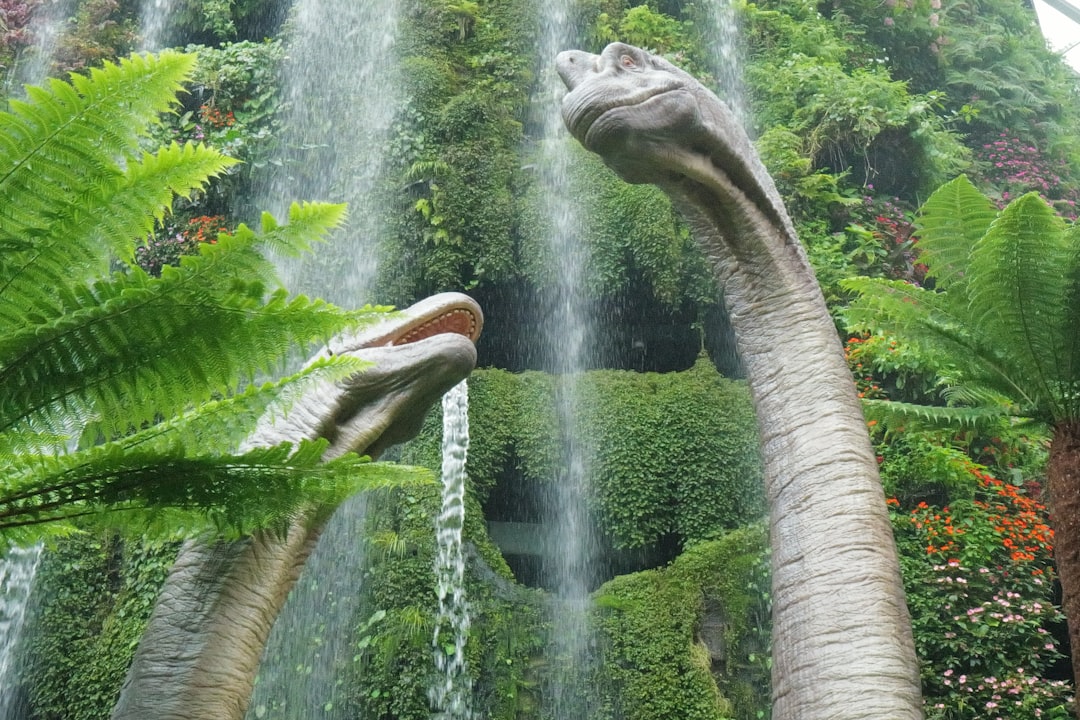
The climate during this period was nothing short of extraordinary. Back then, the climate of the area was similar to the Amazon and Congo River basins of today. During the Cretaceous period, what is now the western Sahara Desert reportedly supported lush tropical vegetation. Temperatures were consistently warm and humid, creating greenhouse conditions that allowed vegetation to grow in abundance.
This wasn’t just a slightly wetter version of today’s desert – it was a completely different world. The lakes, rivers, swamps, and deltas were populated by dinosaurs that seem familiar, yet simultaneously alien. The vegetation was so lush and extensive that it could support massive herbivorous dinosaurs weighing several tons, while providing enough prey to sustain equally impressive predators.
The Dinosaur Menagerie of Ancient Africa
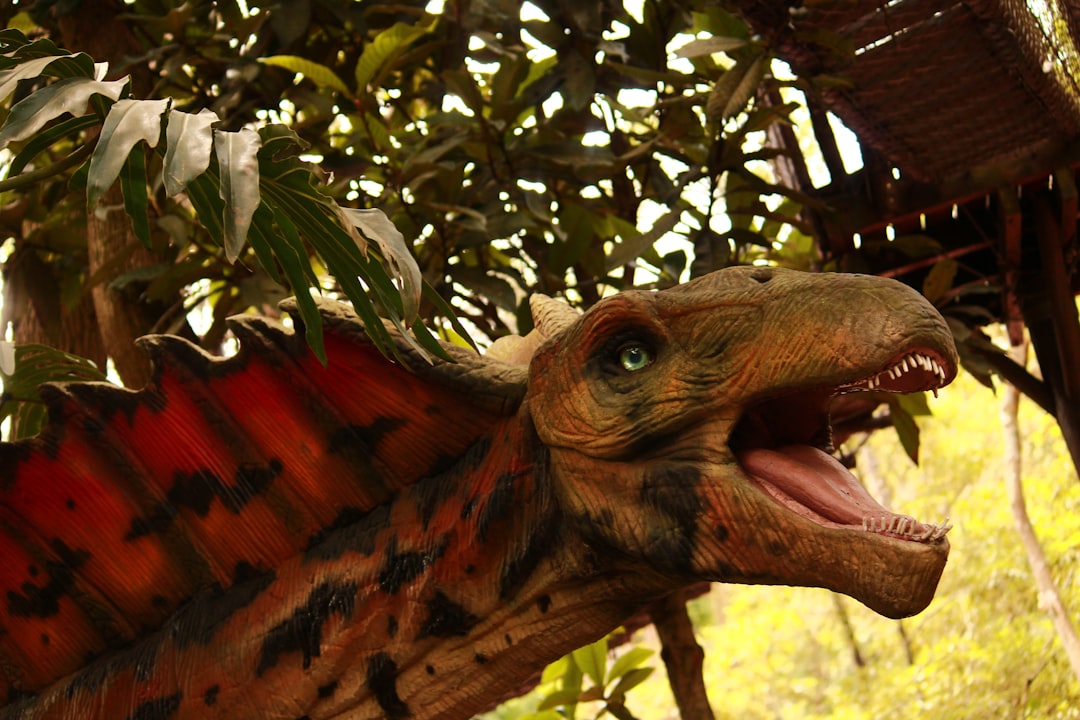
The fossil record from this period reads like a prehistoric fantasy novel. Dinosaurs include the long-necked Nigersaurus, the “Mesozoic lawnmower” with 500 teeth packed into its jaws. Feasting on it was “Claws,” also known as Suchomimus, the best known of the sickle-clawed spinosaurid dinosaurs. These creatures evolved specifically to thrive in the warm, humid environment.
Lurdusaurus was a burly, barrel-chested iguanodont that may have been semi-aquatic, living in and around the rivers of an ancient tropical forest. It moved slowly on land, with estimated lengths of around 9-10 meters and substantial body mass. The diversity was staggering – from tiny amphibians to colossal dinosaurs, all sharing the same verdant landscape that stretched across what is now the world’s largest hot desert.
Predators Paradise in the Ancient River Systems
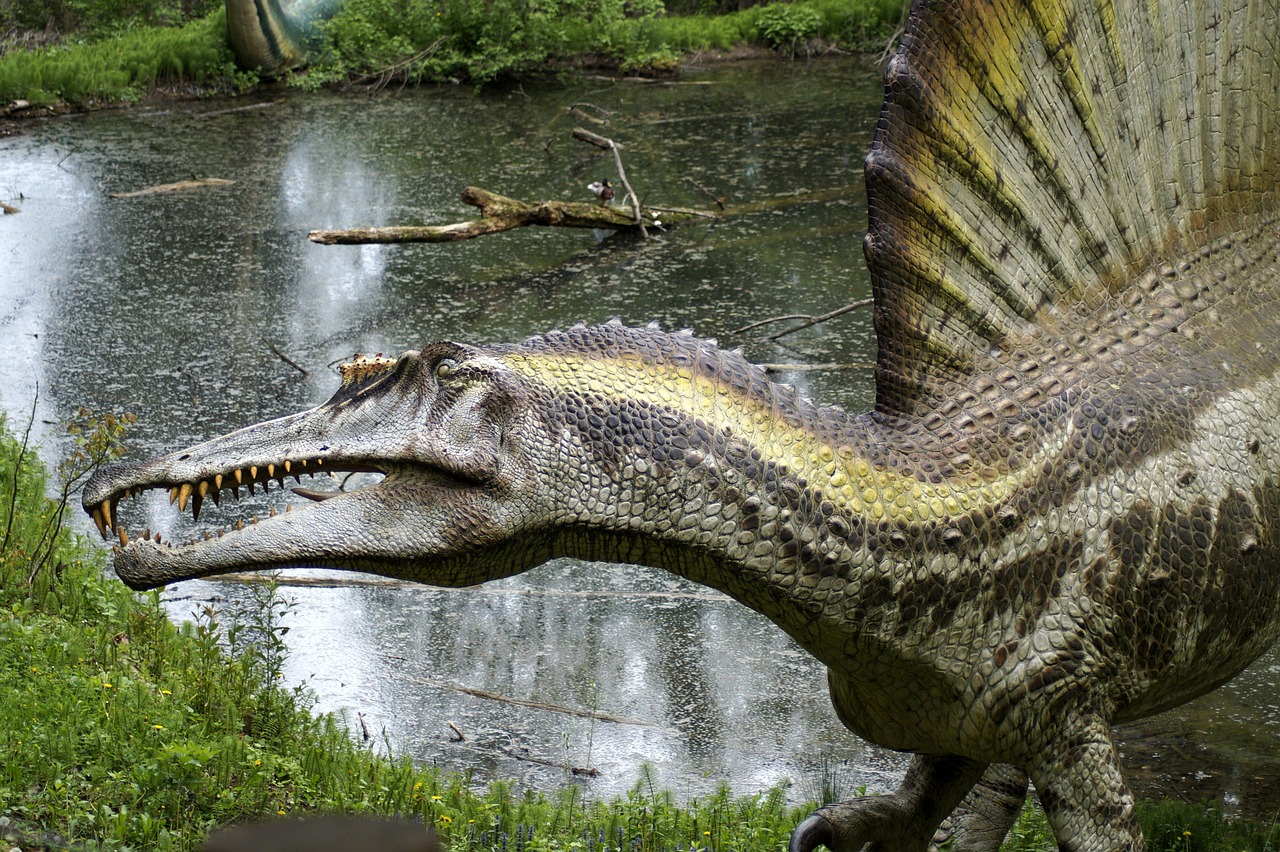
What made this ancient ecosystem truly unique was its unusual predator-to-prey ratio. Ibrahim calls this “river of giants” the most dangerous place on Earth, a true predator’s paradise. “You virtually never see such a high ratio of meat-eaters to plant-eaters.” This suggests that the abundance of aquatic prey, including massive fish and marine reptiles, could support more carnivores than typical land-based ecosystems.
Living most of its life afloat, Spinosaurus appears to have been the first dinosaur to take to the water. Rather than running on its two hind legs, the fossils show the largest predatory dinosaur – some nine feet longer than T. rex – was heavily “front-loaded” and likely walked on all fours on land. These adaptations show how the aquatic environment shaped even the largest predators of the time.
The Ecosystem That Defied Modern Logic
The diversity of life forms in ancient Sahara challenges our understanding of how ecosystems typically function. A few of these fossils represent herbivorous dinosaurs such as the long-necked sauropods. However, these creatures don’t seem to be nearly as common as their carnivorous kin, a pattern that paleontologists have noted in sites across northern Africa since the 1930s.
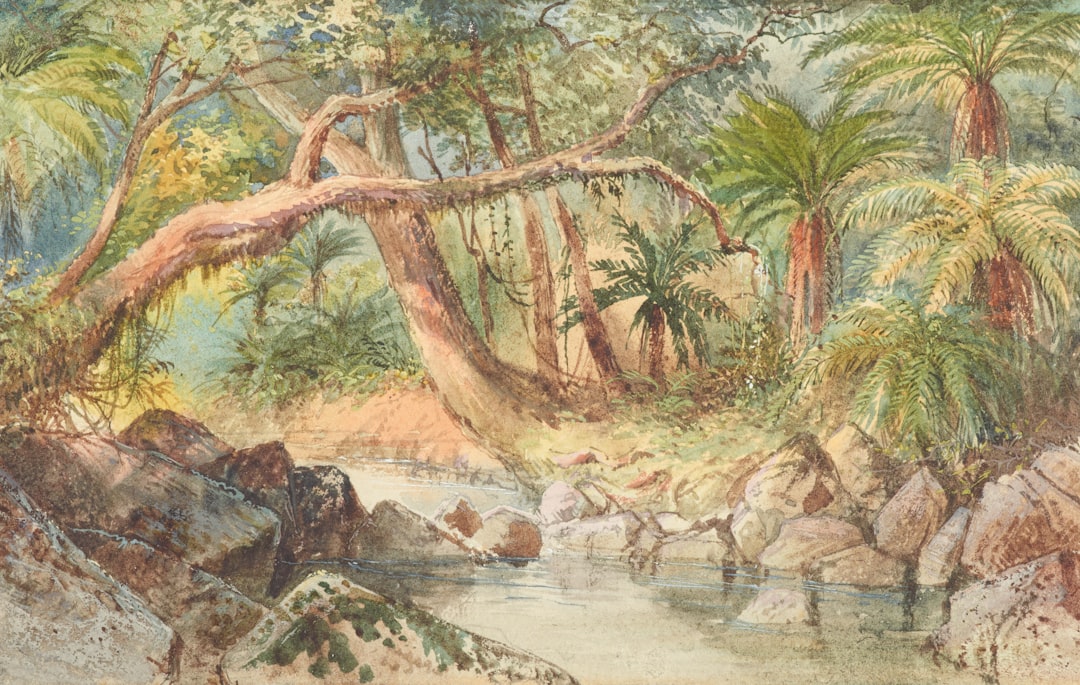
The landscape these animals lived in was filled with meandering rivers, lakes, and mudflats. This suggests that the region couldn’t support enough vegetation for long enough periods of time to feed large numbers of plant-eating dinosaurs. This creates an ecological puzzle that scientists are still working to understand, as most modern ecosystems require far more plant-eaters than meat-eaters to maintain stability.
The Great Transformation That Changed Everything
So what happened to this prehistoric paradise? The answer lies in Earth’s complex climate system and the gradual drift of continental plates. Over millions of years, the global climate began to cool and dry. This dramatic difference in climate over time is recorded in the rock and fossil record of West Africa during a time range that extends through the Cretaceous-Paleogene boundary. West Africa was bisected by a shallow saltwater body that poured onto continental crust during a time of high global sea level.
As sea levels dropped and continental positions shifted, the lush river systems gradually gave way to more arid conditions. The once-thriving ecosystem slowly transformed into the harsh desert environment we know today, leaving behind only fossilized clues of its incredible past.
Modern Discoveries Revealing Ancient Secrets
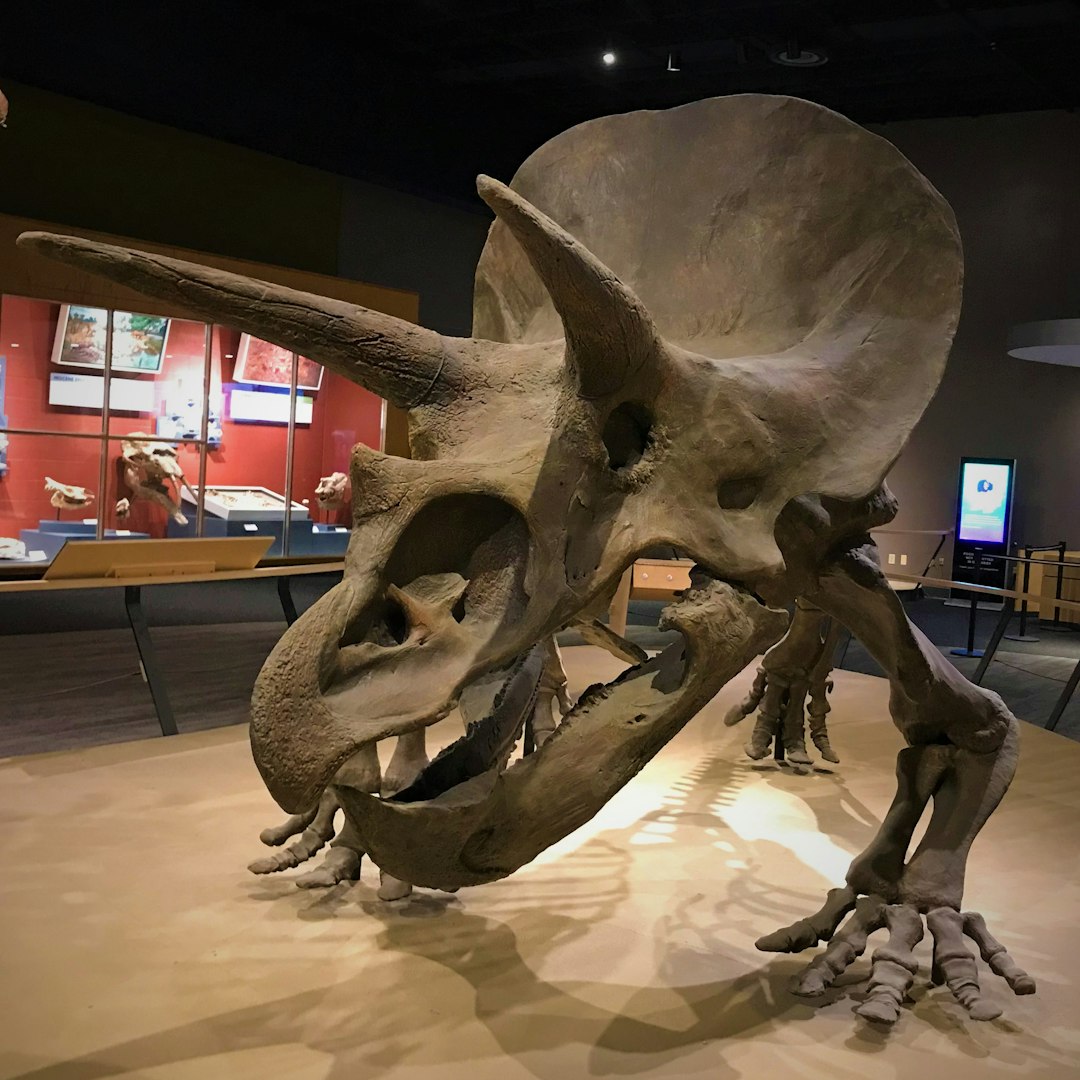
Today’s paleontologists are still uncovering the secrets of this lost world. Recent expeditions have spotted bone-rich pockets in some of the desert’s most remote and sandswept corners, with dinosaur skeletons jutting from the desert floor. However, without the team or tools to collect them, researchers could only log the sites and imagine return trips.
These discoveries represent an entire lost world – a window on a moment of major evolutionary change. Each fossil find adds another piece to the puzzle of understanding how dramatically Earth’s climate and ecosystems can transform over geological time scales.
Conclusion
The story of the Sahara’s transformation from tropical paradise to barren desert serves as a powerful reminder of Earth’s dynamic nature. This ancient ecosystem, with its unusual predator-dominated communities and lush river systems, challenges our assumptions about how life adapts to changing environments.
Understanding these dramatic climate shifts from the past helps scientists better predict how current environmental changes might unfold. The Sahara’s prehistoric transformation shows us that even the most seemingly permanent landscapes on Earth are constantly evolving over time.
What strikes me most about this ancient world is how it completely reframes our perspective on permanence in nature. The next time you see images of endless sand dunes stretching across the Sahara, remember that beneath those sands lie the fossilized remains of a world teeming with life – a reminder that change, not stability, is the true constant in Earth’s history.