
Astrology tells us stories about who we are. Paleontology tells us stories about a world that vanished. Put them together and you get a strangely satisfying question: if your zodiac sign were a dinosaur, which ancient giant would claim you as its own? It sounds playful, but there’s something surprisingly deep about matching each sign’s temperament with what we know from real science about dinosaur anatomy, behavior, and lifestyle.
Of course, we cannot know exactly how any specific dinosaur “felt” about life. But we do know which ones were fierce predators, which lived in herds, which relied on speed, armor, or brains to survive. Using that, we can make grounded, imaginative pairings that actually fit the evidence. Let’s walk through the zodiac one sign at a time and see which prehistoric powerhouse would most likely adopt your cosmic personality.
Aries – Tyrannosaurus rex, The Fearless Front-Runner
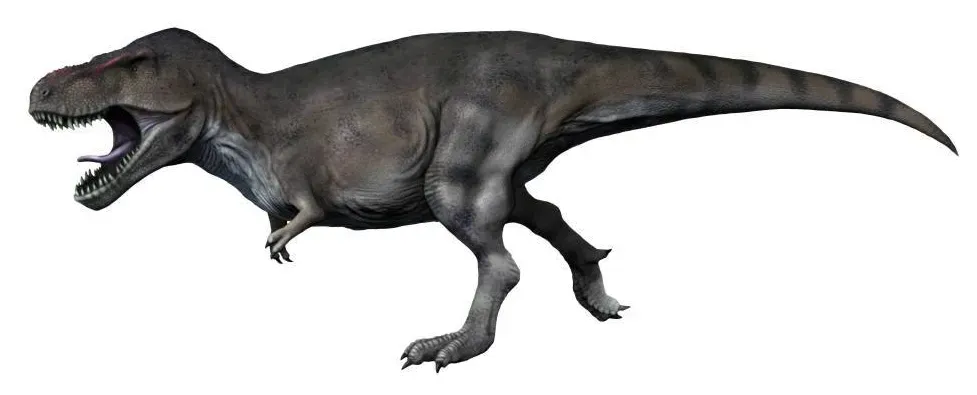
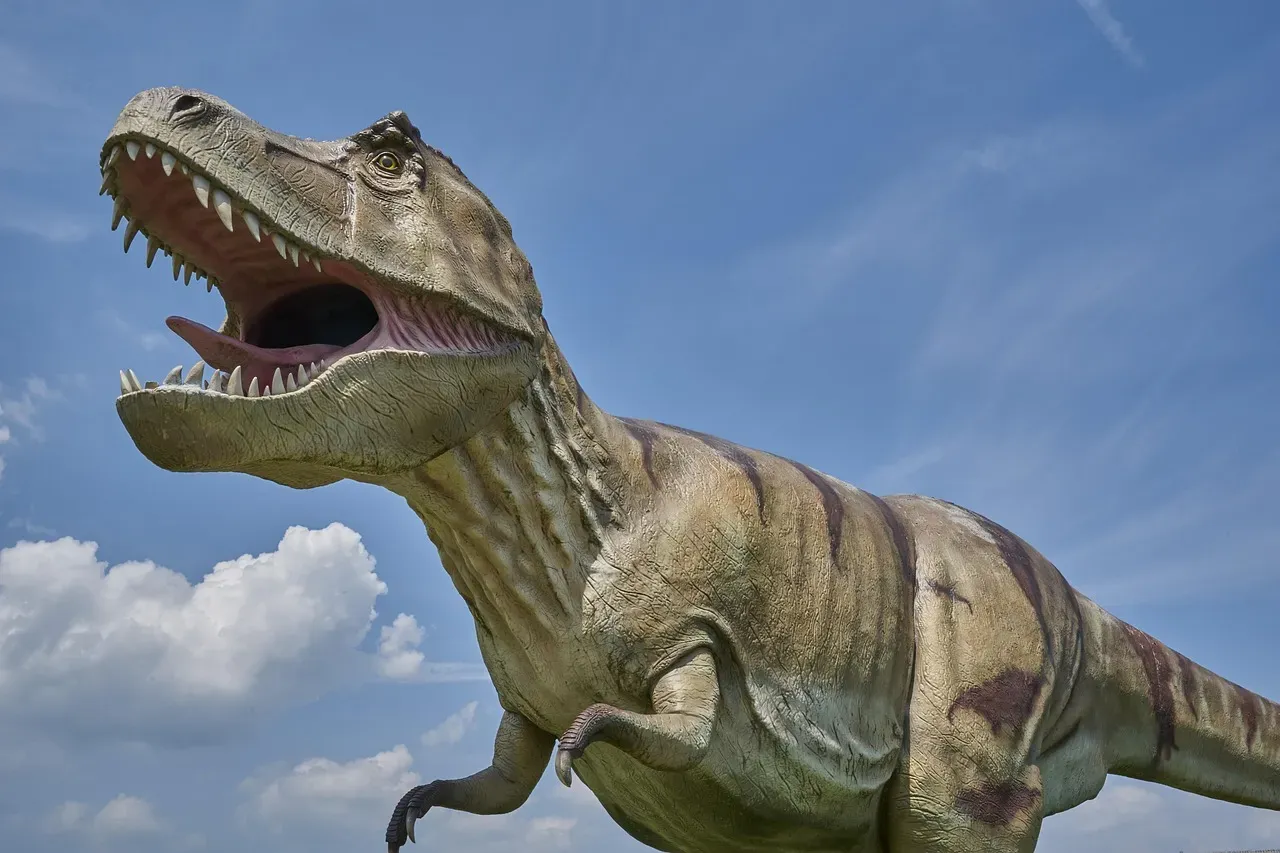
Aries is impulsive, bold, and not exactly shy about taking the lead, which lines up almost perfectly with the cultural image of Tyrannosaurus rex. T. rex was a massive theropod predator with bone-crushing jaws, forward-facing eyes, and a bite force so intense it could puncture bone. If any dinosaur screams raw initiative and dominant presence, it is this one. Like Aries charging into a new challenge without overthinking it, T. rex was built to push straight through obstacles, not tiptoe around them.
There is also the unapologetic intensity that both T. rex and Aries share. Paleontologists see evidence that T. rex occupied the top of its food chain, likely competing fiercely with other large predators for territory and resources. Aries tends to thrive in competition, preferring clear challenges and bold moves over cautious planning. If you are an Aries, T. rex would not only adopt you; it would probably drag you head-first into every daring adventure it could find and expect you to keep up.
Taurus – Ankylosaurus, The Unshakable Guardian
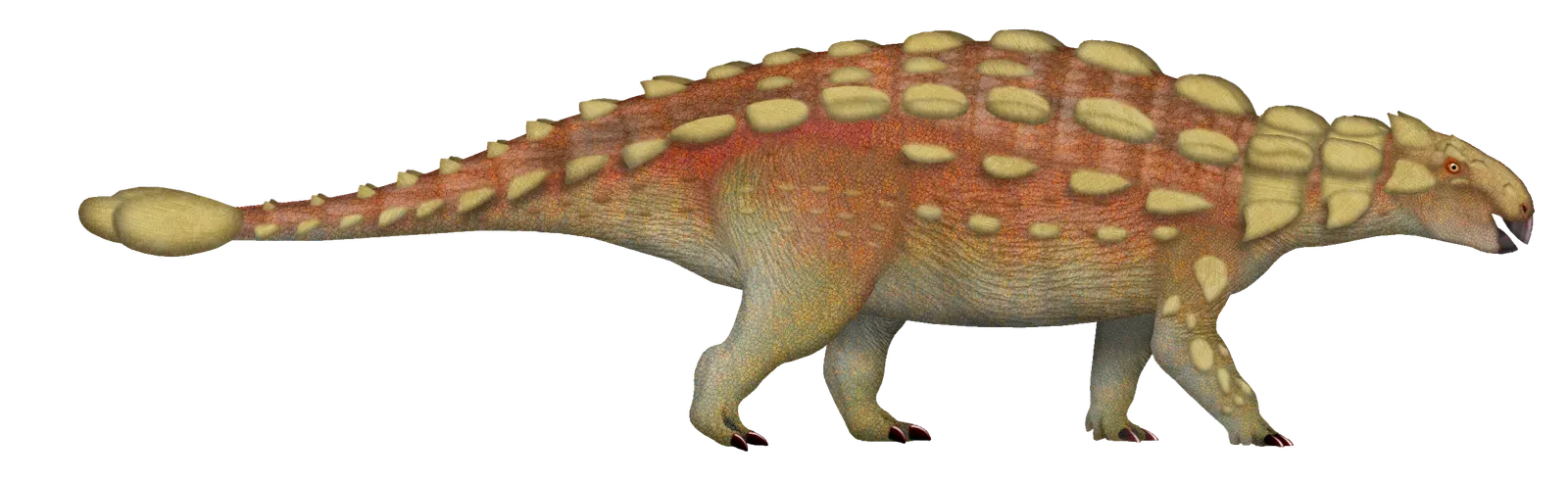
Taurus is grounded, stubborn, and deeply protective of what they love, which makes Ankylosaurus a natural match. Ankylosaurus was a heavily armored herbivore, covered in bony plates and sporting a massive club at the end of its tail. It was not fast or flashy, but it was incredibly hard to move or intimidate, much like a Taurus who has already made up their mind. Instead of running, it turned itself into a walking fortress and held its ground.
This dinosaur’s lifestyle mirrors the Taurean love of comfort and security. Ankylosaurus likely spent its days foraging for low-lying plants, relying on armor and sheer resilience instead of constant motion. Taurus can be that way too: they value stability, consistent routines, and environments where they feel safe. If Ankylosaurus adopted Taurus, it would offer a calm, protected world where loyalty, patience, and quiet strength are more important than speed or drama.
Gemini – Troodon, The Quick-Witted Observer
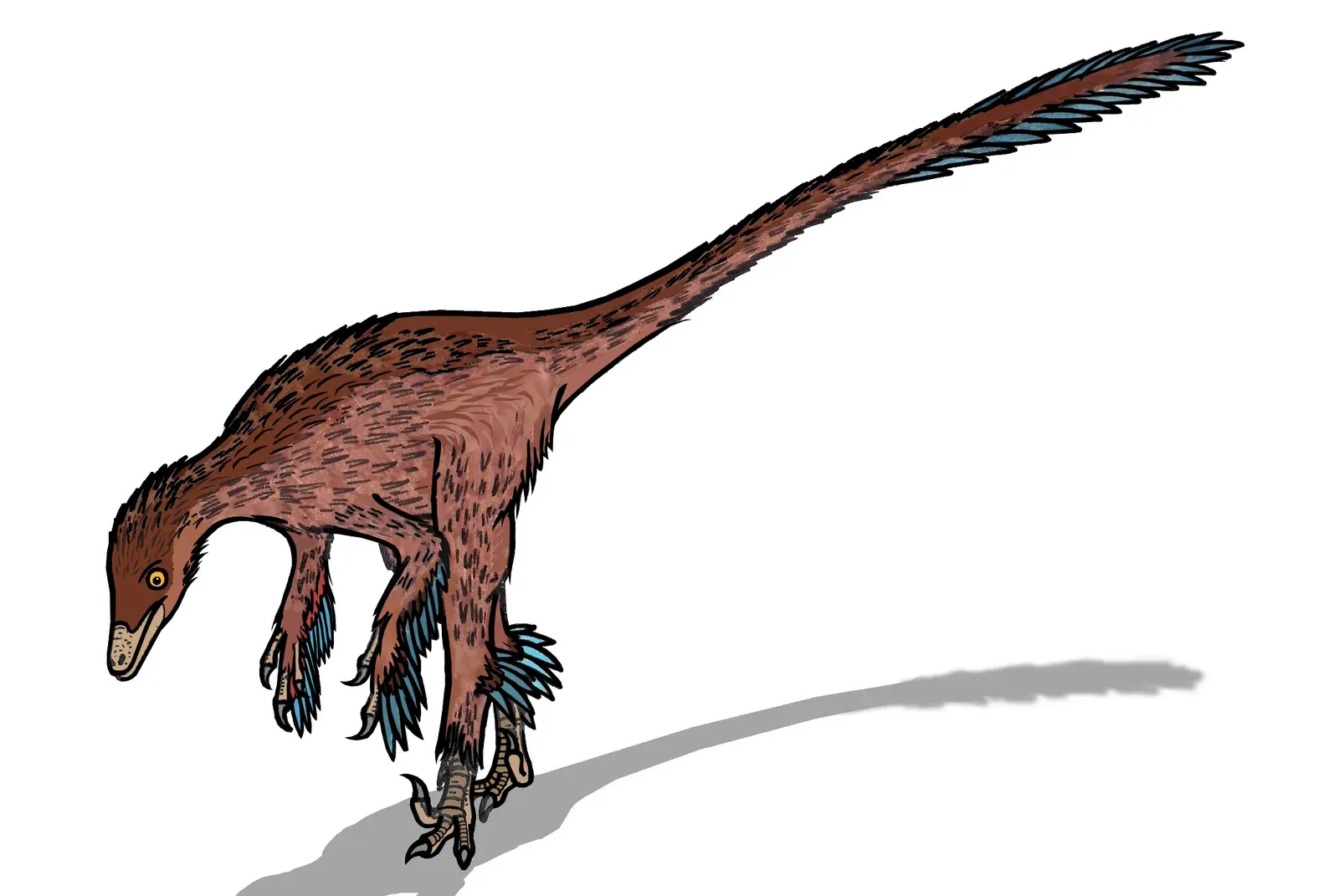
Gemini is curious, chatty, and always processing information from every direction. That makes Troodon, a small, sharp-toothed theropod with one of the largest brain-to-body ratios among dinosaurs, a surprisingly good fit. Troodon had large eyes, grasping hands, and a build suggesting agility and awareness. It was probably a clever, opportunistic hunter or omnivore, constantly scanning its surroundings for possibilities, just like Gemini’s restless mind scans every conversation and environment.
Scientists debate exactly how “intelligent” Troodon was, but relative brain size and sensory adaptations tell us it was more mentally capable than many of its contemporaries. Gemini energy is similar: fast mental reflexes, versatility, and the ability to adapt quickly when situations change. If Troodon adopted Gemini, their days would be filled with quick shifts, darting from one idea to the next, and staying mentally one step ahead of everyone else just to see what happens.
Cancer – Maiasaura, The Devoted Caregiver
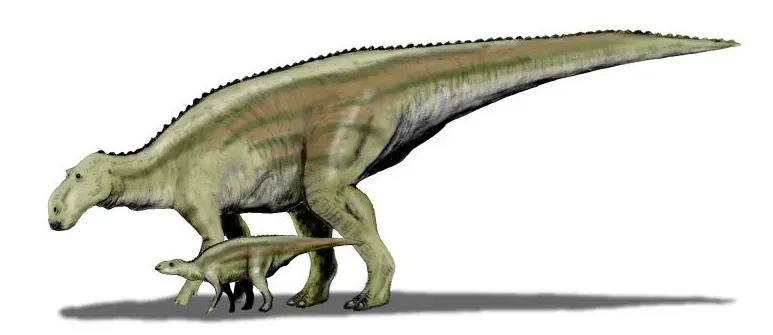
Cancer is known for big feelings, fierce protectiveness, and a deep need to care for others. Maiasaura, whose name is often translated as “good mother lizard,” is one of the best-matched dinosaurs for that emotional profile. Fossil evidence from nesting sites suggests Maiasaura laid eggs in organized colonies and may have tended to its young, bringing food back to the nest and living in structured communities. That kind of social, nurturing behavior is rare enough in the fossil record to feel special.
This dinosaur’s world likely revolved around family and safety, in the same way that Cancer orients their life around emotional security. Herd living, shared nesting grounds, and sustained care of offspring mirror Cancer’s instinct to create a home, protect loved ones, and sometimes hover just a little too closely. If Maiasaura adopted Cancer, it would surround them with community, comforting routines, and the reassurance that no one has to face life’s storms alone.
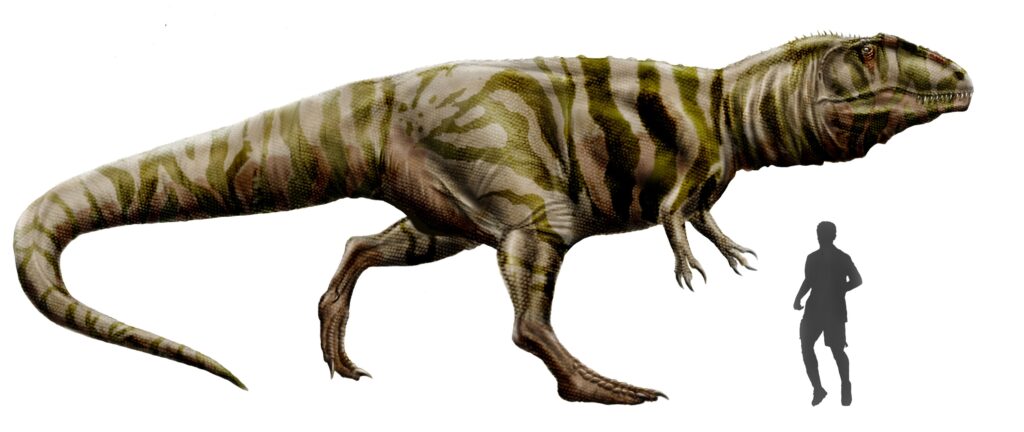
Leo – Giganotosaurus, The Regal Showstopper
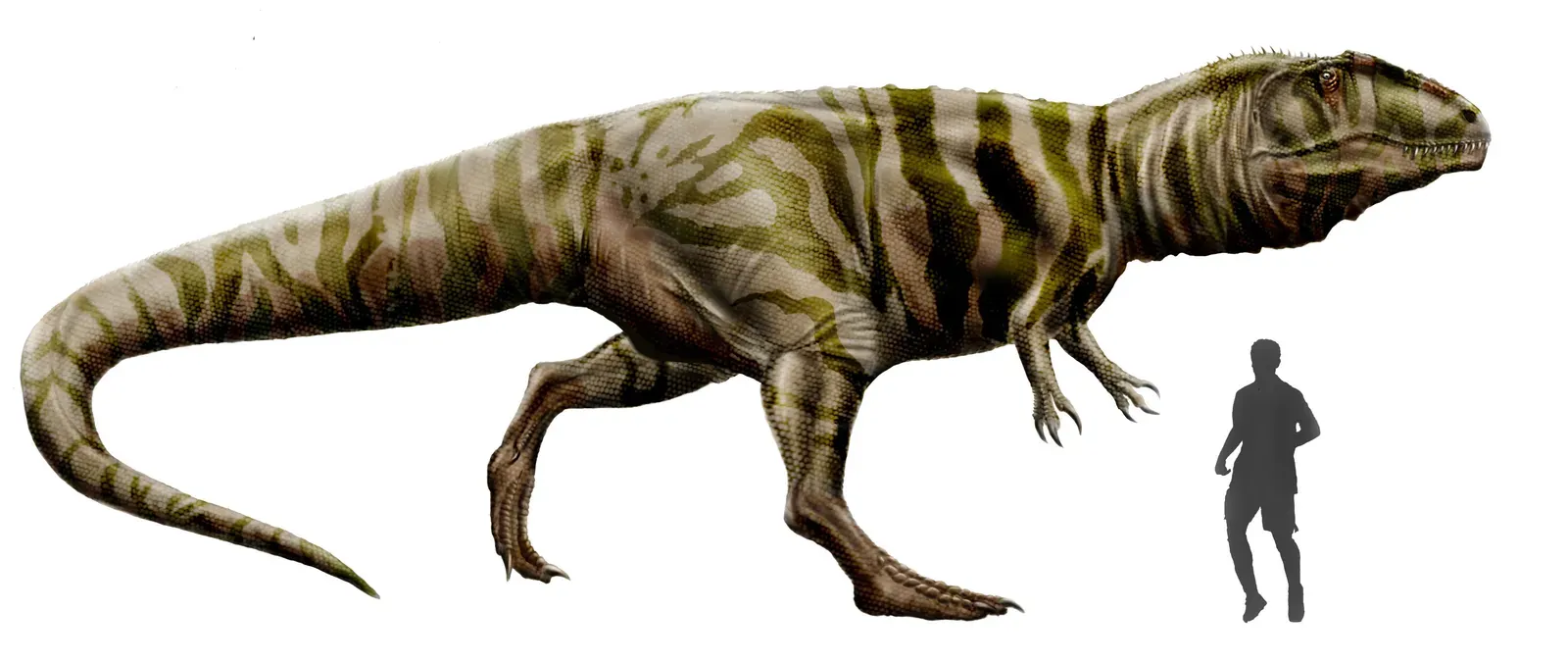
Leo loves to take up space and leave a lasting impression, so it makes sense to pair this sign with a genuinely colossal predator like Giganotosaurus. This giant theropod from what is now South America rivaled or even exceeded T. rex in size according to some estimates. With a long, powerful body and a fearsome set of jaws, it ruled its ecosystem the way a Leo rules any room they walk into: radiating presence, even before it does anything remarkable.
There is also a dramatic flair to Giganotosaurus that suits Leo’s theatrical side. Imagine being one of the largest land predators to ever exist; your mere silhouette on the horizon would have changed the mood of the entire landscape. Leos often have that effect emotionally and socially, commanding attention without necessarily trying. If Giganotosaurus adopted Leo, it would encourage an unapologetic kind of self-expression, where being big, bold, and visible is not a flaw, but the point.
Virgo – Oviraptor, The Meticulous Specialist
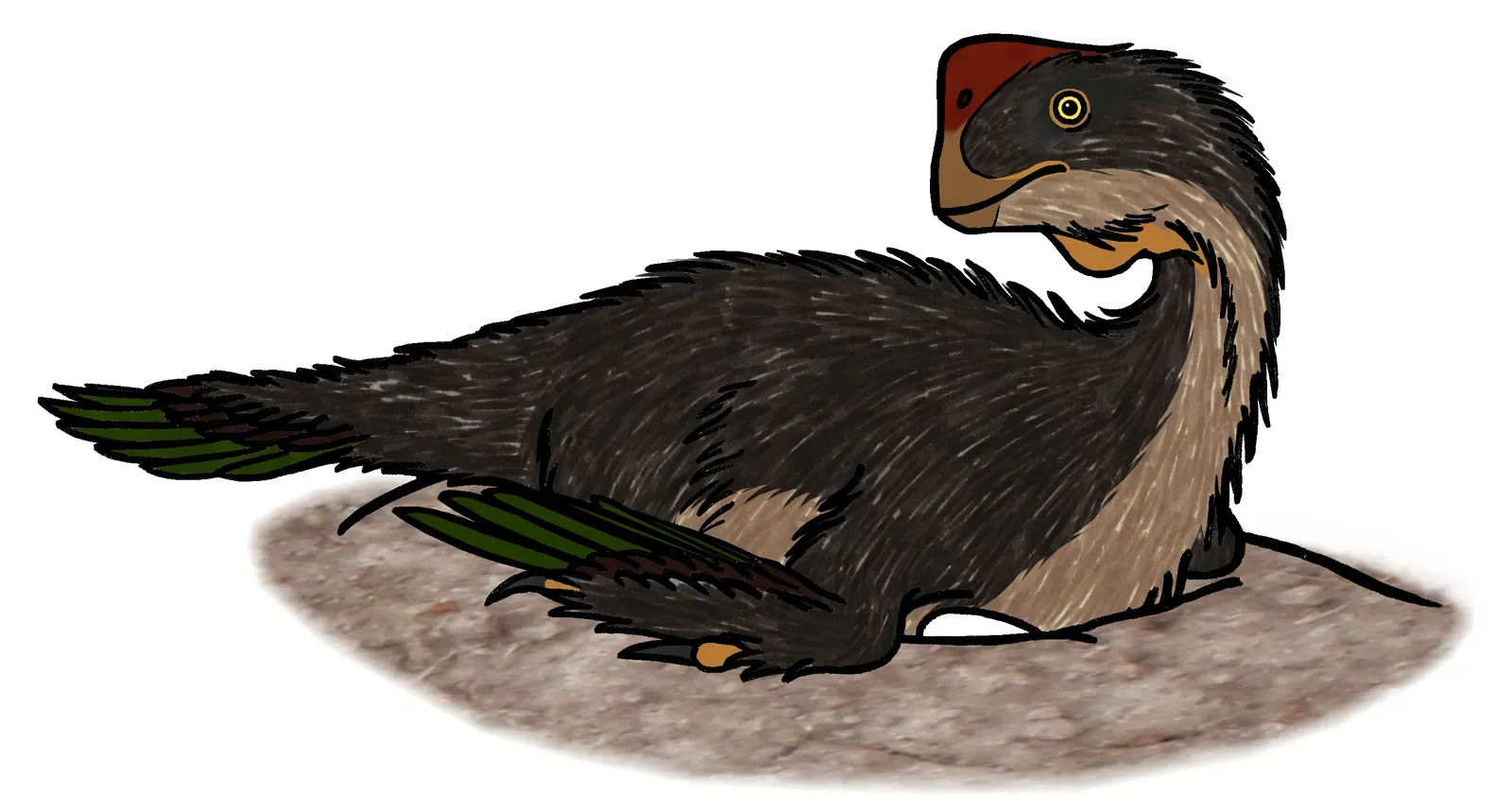
Virgo energy is detail-oriented, careful, and often misunderstood, which lines up perfectly with Oviraptor’s story. When Oviraptor fossils were first discovered near eggs, the dinosaur was labeled an egg thief. Later research suggested it might actually have been brooding its own eggs, patiently guarding its nest rather than raiding someone else’s. That quiet, dedicated care feels extremely Virgo: doing the right thing carefully, even if people misinterpret it from the outside.
Oviraptor’s anatomy shows a lightweight, agile body, a beak suited to specialized feeding, and, in some species, ornate crests, hinting at complex behavior. Virgo often operates like that: modest on the surface, but highly specialized and capable once you look more closely. This dinosaur likely spent a lot of time managing its nest and territory, making a safe, ordered space in a dangerous world. If Oviraptor adopted Virgo, it would give them a shared mission: keep everything organized, protected, and quietly excellent, whether anyone notices or not.
Libra – Parasaurolophus, The Graceful Socialite
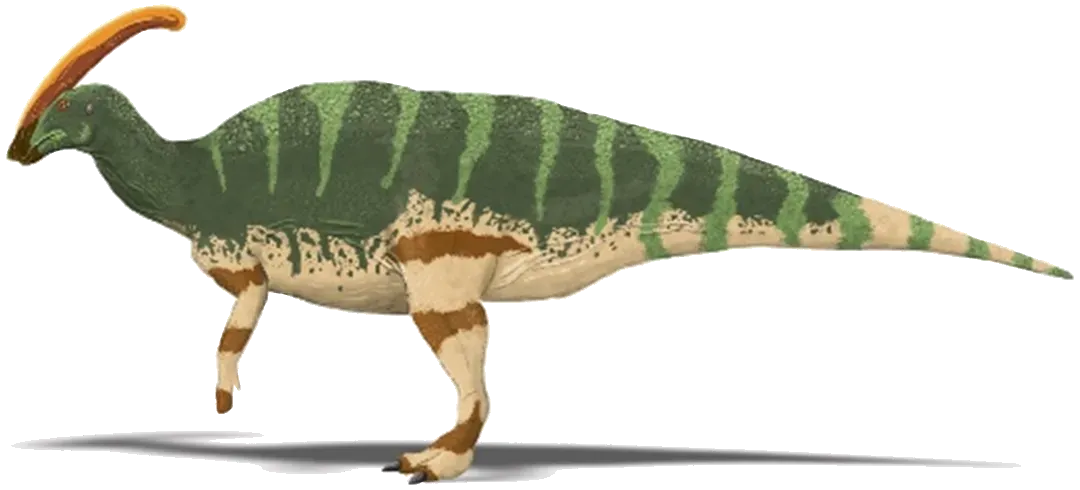
Libra seeks harmony, beauty, and social connection, which makes Parasaurolophus a surprisingly poetic match. Parasaurolophus is famous for its long, curved cranial crest, which many scientists think played a role in sound production and visual display. Imagine deep, resonant calls echoing across a landscape as herds communicated and stayed coordinated. That feels very Libra: communication, cooperation, and a bit of visual drama all rolled into one.
Fossil evidence suggests many hadrosaurs, including relatives of Parasaurolophus, lived in groups and migrated together, relying on mutual awareness and coordinated movement. Libra thrives in partnership and community, preferring life as a shared experience rather than a solo mission. If Parasaurolophus adopted Libra, it would invite them into a world where aesthetic beauty, social bonds, and balanced group dynamics are not just luxuries, but vital survival tools.
Scorpio – Velociraptor, The Intense Strategist
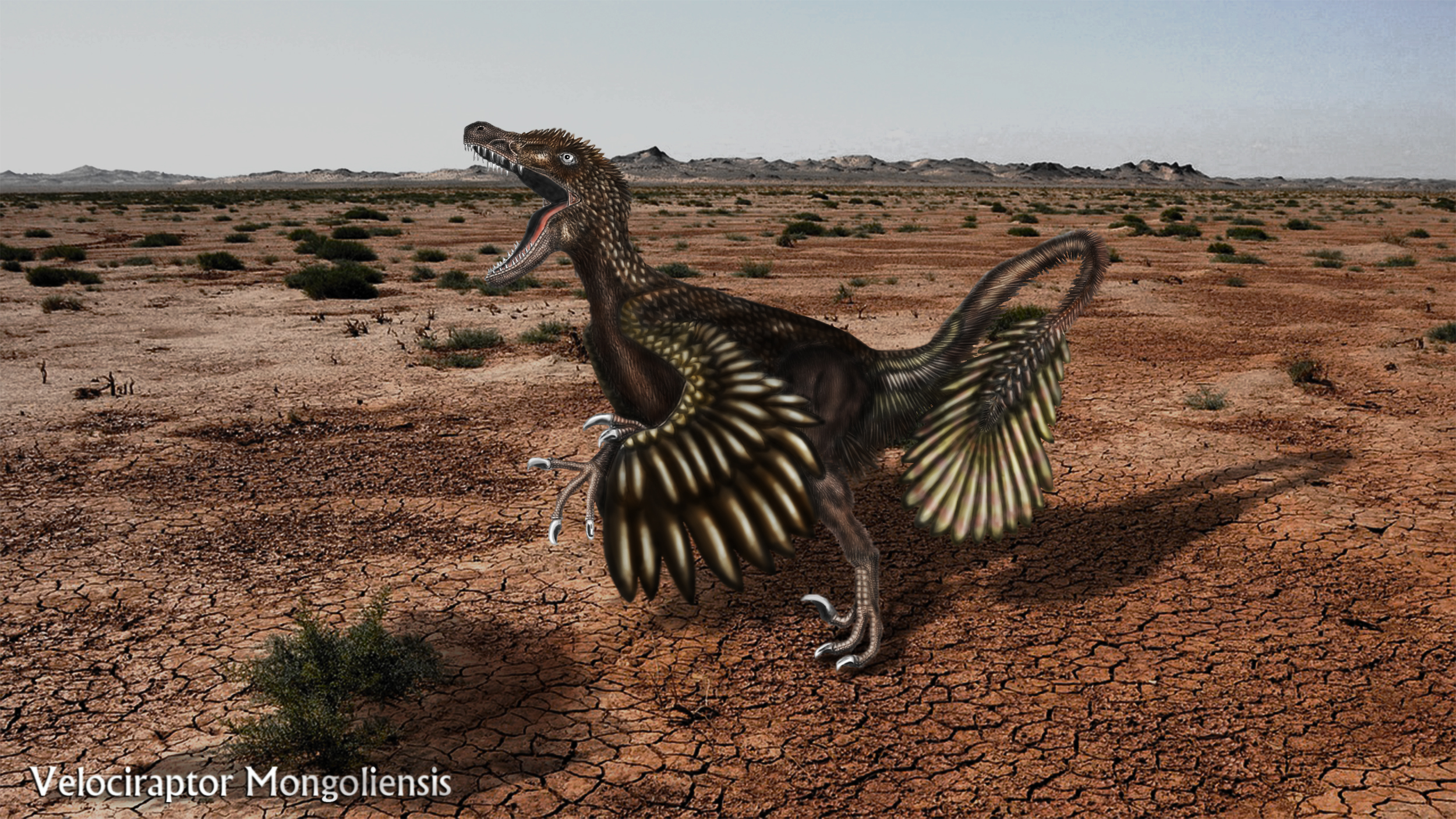
Scorpio is intense, private, and strategic, and Velociraptor captures that energy better than any Hollywood exaggeration ever could. Real Velociraptors were smaller than movie versions, but still formidable, with sharp claws, keen senses, and evidence of pack-like or at least coordinated behavior in some related species. Their bodies were built less for brute force and more for agility, precision, and tactical movement, which fits Scorpio’s preference for psychological depth over obvious displays.
Scorpio is also drawn to hidden layers, secrets, and long-term plans, and that maps well onto what we infer about small predatory theropods. They likely relied on stealth, timing, and exploiting weakness rather than rushing blindly into danger. Velociraptor would adopt Scorpio the way a seasoned strategist takes on a promising apprentice: teaching them how power can come from patience, how to watch quietly, and how to act decisively only when the moment is absolutely right.
Sagittarius – Gallimimus, The Restless Wanderer
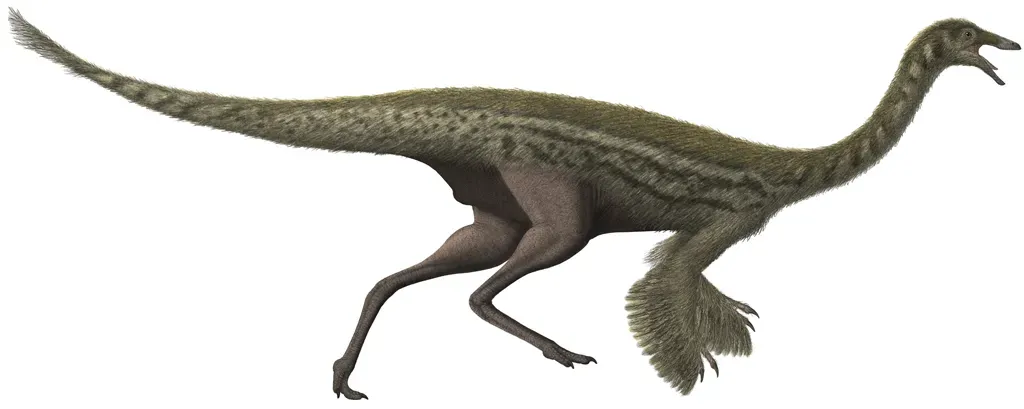
Sagittarius is adventurous, restless, and drawn to wide-open horizons, and Gallimimus feels like the perfect dinosaur to capture that free-spirited mood. Gallimimus was an ostrich-like theropod with long legs built for speed and endurance, likely capable of sprinting across open plains. It probably relied on its quickness to escape predators and explore large territories, just as Sagittarius relies on movement and novelty to stay emotionally alive.
There is something almost joyful in imagining herds of Gallimimus racing together, covering huge distances and constantly adjusting to new landscapes and threats. Sagittarius loves that kind of constant motion, both physically and mentally, jumping from new idea to new journey without apology. If Gallimimus adopted Sagittarius, it would offer them a life of endless running room, bright skies, and the kind of freedom that feels more like a necessity than a luxury.
Capricorn – Triceratops, The Stoic Powerhouse
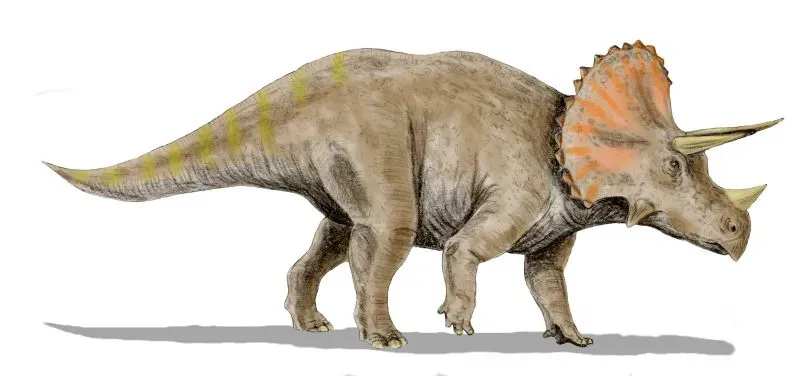
Capricorn is ambitious, tough, and stubbornly resilient, which makes Triceratops a fitting prehistoric guardian. Triceratops was a large ceratopsian with a massive skull, three horns, and a sturdy, tank-like body. It likely used its horns and bulk both for defense and for contests within its own species, standing its ground against predators like T. rex. That is classic Capricorn energy: unmovable when challenged, more likely to lower its head and push through than to back away gracefully.
Capricorn also respects structure, responsibility, and long-term survival over short-term comfort. Triceratops had to navigate an ecosystem full of threats while maintaining access to food and safe spaces, relying on a combination of physical defenses and herd behavior. If Triceratops adopted Capricorn, it would teach them that endurance is its own kind of power and that sometimes the most dignified thing you can do is simply refuse to be knocked over by anything life throws at you.
Aquarius – Deinonychus, The Radical Innovator
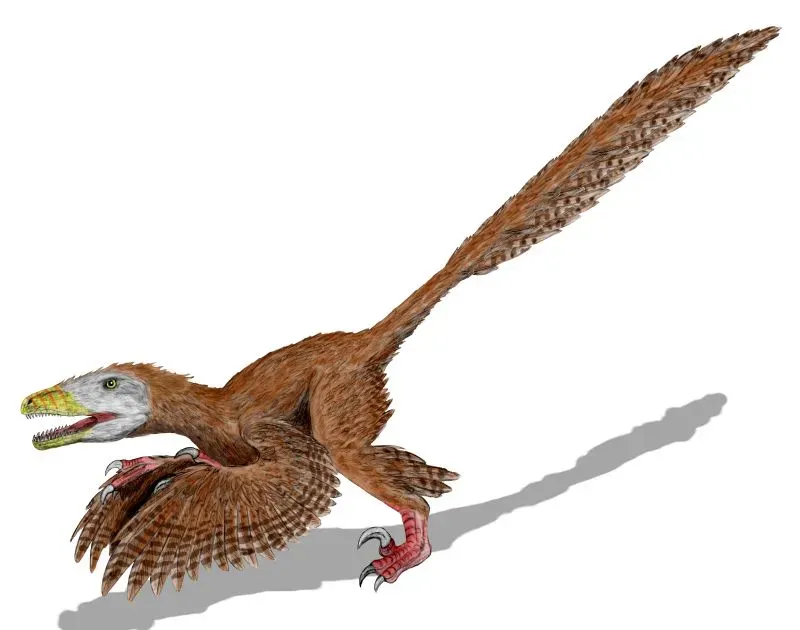
Aquarius is unconventional, analytical, and drawn to future-focused ideas, and Deinonychus has a similar disruptive legacy in paleontology. The discovery and study of Deinonychus helped change how scientists thought about dinosaurs, leading to the idea that many were active, agile, and more bird-like than previously imagined. That scientific revolution mirrors Aquarius energy perfectly: taking something everyone thought they understood and turning it into something stranger, livelier, and more complex.
As a dinosaur, Deinonychus was a medium-sized, fast-moving predator with deadly sickle-shaped claws and likely a high level of agility and coordination. It may have hunted cooperatively, hinting at complex behavior and social dynamics. Aquarius often combines intellectual independence with a deep interest in collective systems and social change. If Deinonychus adopted Aquarius, it would pull them into a world where challenging the old rules, moving differently, and rewriting the narrative is not just allowed, but expected.
Pisces – Plesiosaur Stand-In: A Marine Reptile Spirit Guide
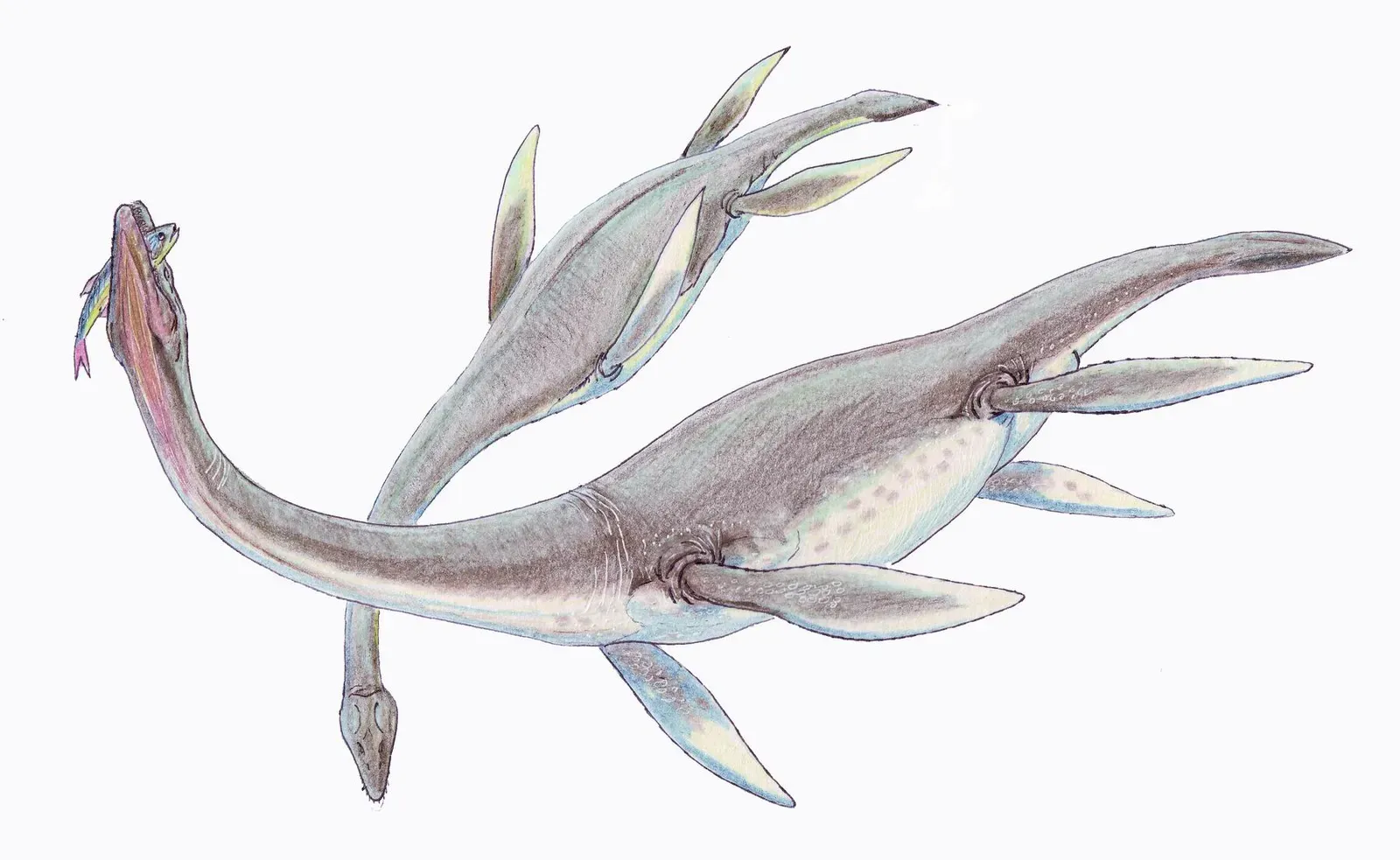
Pisces is dreamy, emotional, and drawn to the depths of feeling and imagination. Strictly speaking, plesiosaurs were not dinosaurs but marine reptiles that shared their world, and that technicality almost makes the pairing more Piscean. These long-necked, paddle-limbed swimmers glided through ancient oceans while dinosaurs walked on land, existing in a parallel realm of currents, darkness, and hidden life. That image fits Pisces perfectly: living in emotional waters that not everyone else can see.
Many plesiosaurs likely hunted fish and other marine animals, using flexible necks and agile bodies to maneuver through three-dimensional space. Pisces moves that way emotionally, drifting between moods and ideas with a kind of fluid grace. If a plesiosaur-like marine reptile adopted Pisces, it would guide them to trust their intuition, explore hidden emotional depths, and accept that not every journey is linear or visible from the surface. Sometimes the real story is what happens in the quiet, unseen water below.
Conclusion – Dinosaurs, Signs, and the Stories We Tell Ourselves
Matching dinosaurs with zodiac signs is playful, but it also reveals something serious about how we use stories to understand ourselves. Each pairing is grounded in what science can reasonably say about these animals’ bodies and behaviors, but the emotional spin is all ours: we see courage in T. rex, tenderness in Maiasaura, and rebellious insight in Deinonychus because those are the qualities we are looking for. In that sense, astrology and paleontology are doing different versions of the same thing, helping us make sense of power, vulnerability, and survival across wildly different eras.
Personally, I like how this exercise reminds us that our personalities are not as alien to the natural world as we sometimes think. Your sign’s traits are not magic; they are just one more way of talking about strategy, instinct, and adaptation, the same forces that shaped dinosaurs and everything that came after them. Whether you feel more like a charging T. rex, a nurturing Maiasaura, or a fast-footed Gallimimus, the real question is how you are going to use your particular strengths in the world you have now. If your dinosaur guardian could see you today, would it recognize a kindred survivor looking back?