
Picture a group of fur clad figures huddled around a fire, grunting at each other while one waves a crude club at an unseen threat. That image pops up again and again in films about our distant ancestors, yet it rarely matches what researchers have pieced together from bones, tools, and ancient sites. The gap between screen and science feels wide enough to drive a whole genre through it.
Viewers often leave these stories with a sense that early humans were little more than survival machines locked in endless struggle. Anthropology paints a far richer picture of curiosity, cooperation, and adaptation across hundreds of thousands of years. The mismatch raises a simple question about where the stories keep going wrong.
The Caveman Look That Never Changes

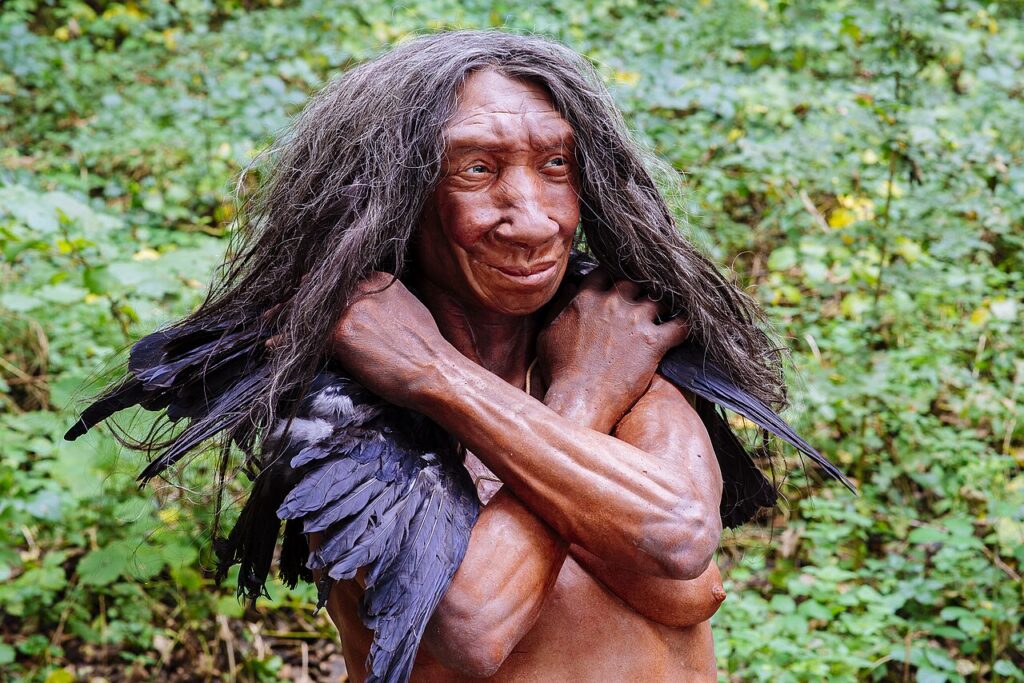
Most films dress their characters in ragged animal skins and give them matted hair that suggests no one ever combed or styled anything. In reality, evidence from sites like Blombos Cave in South Africa shows people used ochre for body decoration and possibly clothing as far back as 100,000 years ago. That kind of attention to appearance points to social signaling rather than pure utility.
Directors seem to favor the unkempt aesthetic because it signals primitiveness at a glance. Yet skeletal remains and genetic studies reveal regional differences in build, skin tone, and even hairstyles that evolved with climate and culture. The uniform caveman look flattens all that variation into one muddy stereotype.
Language Reduced to Grunts and Gestures
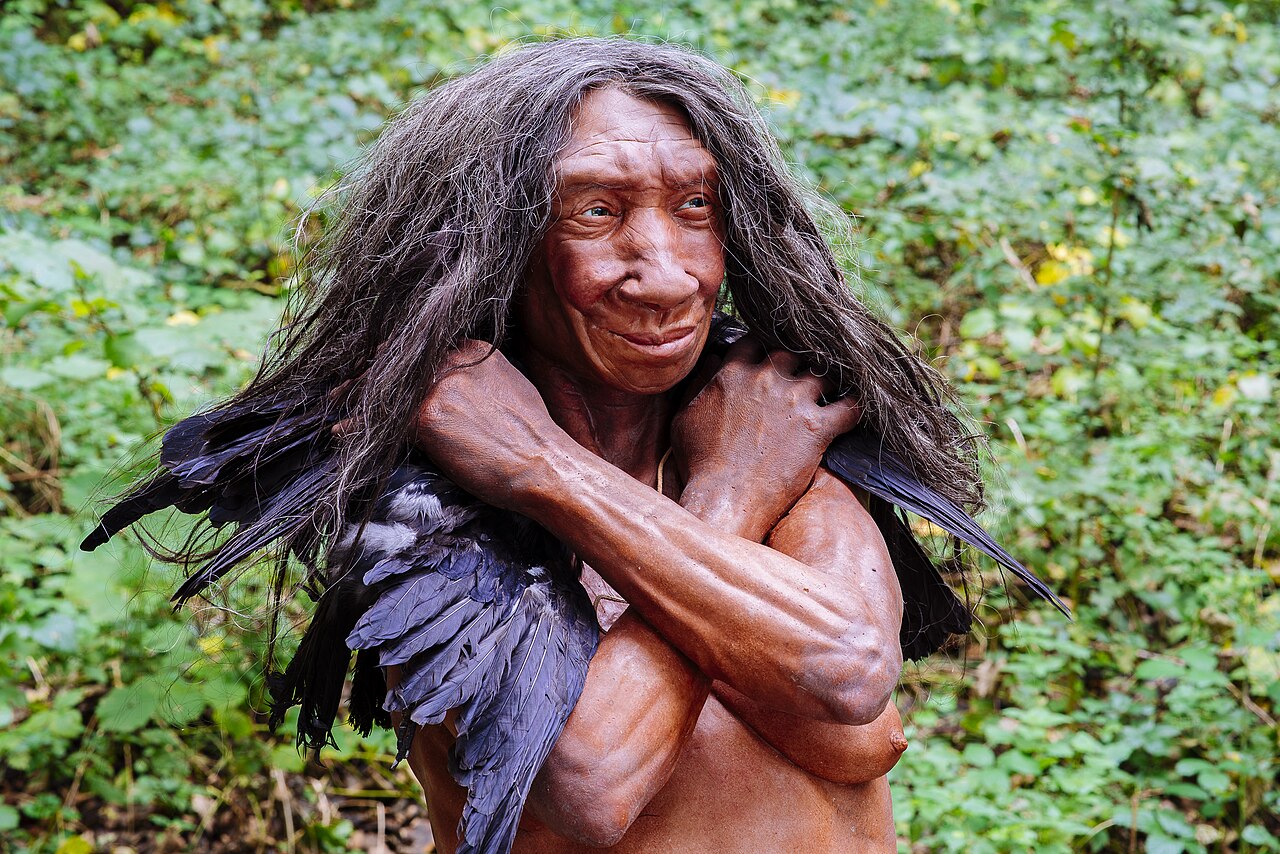
Dialogue in these movies usually consists of short barks or hand signals that convey only immediate needs. Linguistic evidence and the structure of the human vocal tract suggest symbolic speech emerged much earlier than many scripts allow. Complex grammar and shared stories likely helped groups coordinate hunts and pass knowledge across generations.
By stripping away nuance, films turn communication into a barrier instead of a bridge. Actual communities probably used a mix of sounds, gestures, and shared context that supported planning and even humor. The result on screen feels more like a silent film with occasional noise than a living social world.
Technology Stuck at the Lowest Level

Stone tools appear in movies as blunt rocks or simple spears that barely improve over time. Archaeological records show steady refinement, from hand axes to finely worked blades and even early adhesives made from tree resins. Some groups developed fishing gear, traps, and containers long before agriculture.
Screenwriters often treat invention as a sudden spark rather than gradual experimentation across many hands. That approach ignores how knowledge accumulated through observation and trial. The slow pace of real progress makes for less dramatic scenes, so the films compress centuries into single moments of genius.
Social Groups Shown as Constantly at War

Conflict drives most plots, with rival bands clashing over territory or mates in nearly every reel. While violence occurred, skeletal trauma and settlement patterns also indicate long stretches of cooperation and trade between groups. Genetic mixing across regions further suggests peaceful contact was common enough to shape populations.
Constant fighting serves the story engine but downplays the alliances and shared rituals that likely kept small bands alive during harsh periods. Evidence from burial sites sometimes reveals care for the injured or elderly, pointing to bonds stronger than daily combat. The endless battle narrative leaves little room for those quieter strengths.
Gender Roles Frozen in Modern Assumptions
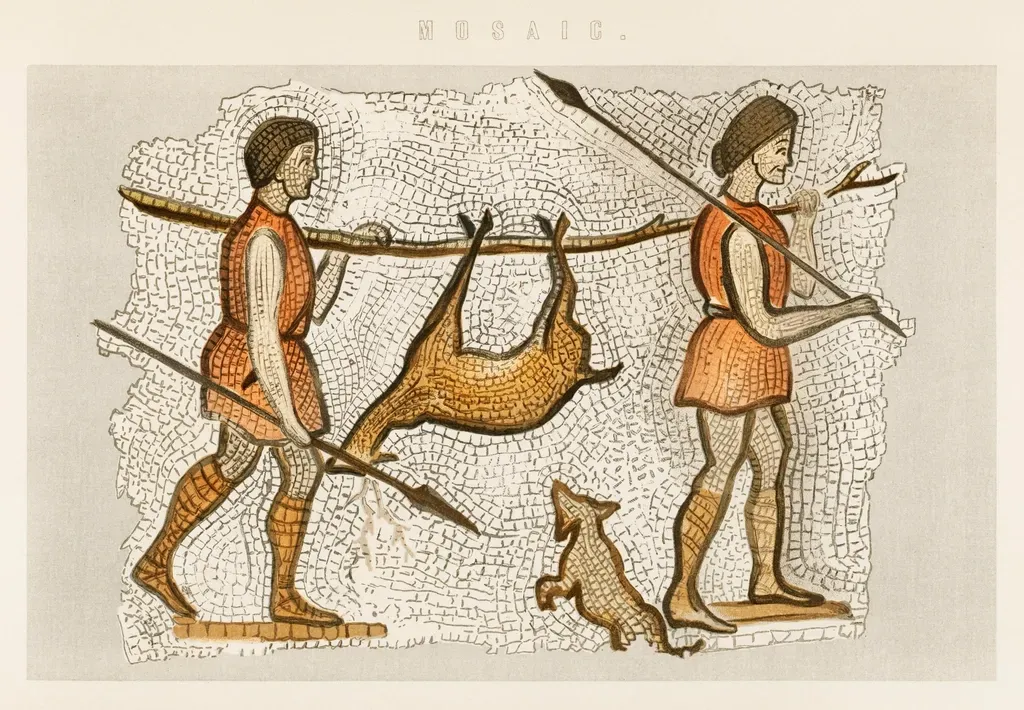
Women in these films tend to gather while men hunt, with little overlap or leadership shown for either. Studies of contemporary hunter gatherer societies and ancient remains reveal more fluid divisions of labor, including women participating in hunts and men helping with child care. Division of tasks varied by environment and group needs rather than fixed rules.
By locking characters into narrow roles, the stories miss how flexibility probably aided survival during climate shifts. Some sites show both sexes using similar tools, hinting at shared skills. The rigid split on screen feels more like a projection of later eras than a reflection of deep time.
Daily Life Stripped of Curiosity and Play
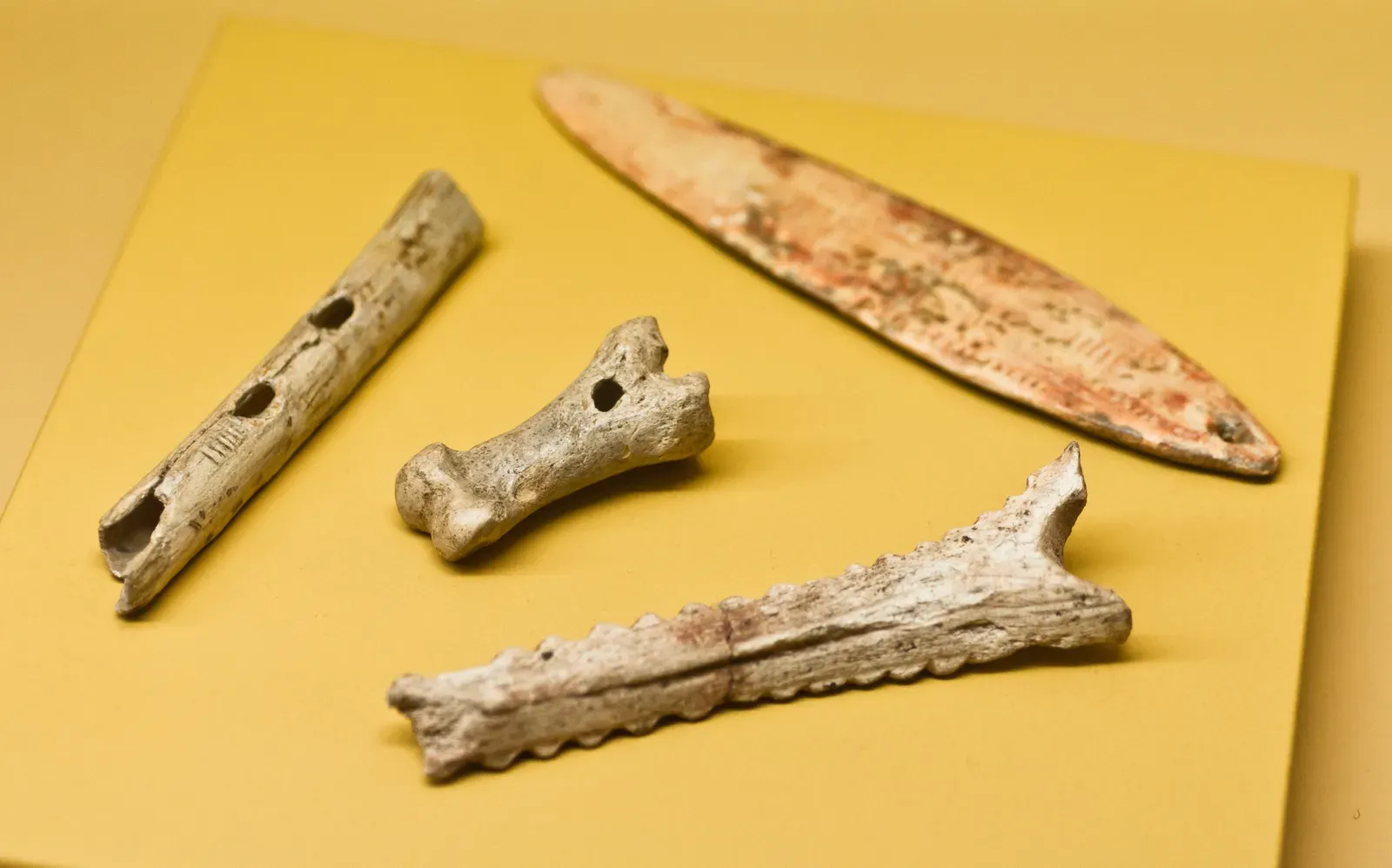
Characters rarely experiment, tell stories, or create art beyond the occasional cave painting that serves the plot. Yet beads, figurines, and musical instruments appear in the record thousands of years before farming. These objects suggest time spent on beauty, ritual, and shared enjoyment even when resources were tight.
Reducing existence to food and shelter erases the inventive spark that let people adapt to new continents. Play and exploration likely helped children learn skills and adults maintain group cohesion. Without those elements, the screen version feels mechanical rather than human.
The pattern across these films reveals a deeper reluctance to trust the evidence anthropologists have gathered over decades. Simple conflict sells tickets, yet it also keeps audiences from seeing how inventive and connected early people actually were. That choice shapes what viewers carry away about their own origins.
Stories that honored the full record might feel slower at first, but they could also feel more surprising and ultimately more moving. The past deserves better than shorthand. When films finally catch up, the screen might start to reflect the real depth of human beginnings instead of flattening it into familiar shadows.