

Think about the last time you watched a movie set in the Stone Age or the early days of civilization. Chances are everyone was smeared in mud, teeth the color of old parchment, hair like a bird’s nest, and faces permanently stuck somewhere between rage and despair. It feels almost impossible to imagine an ancient human laughing, flirting, or just casually enjoying a good day. Yet those people had full lives, dreams, inside jokes, and quiet moments just like we do. So why does Hollywood keep serving us the same grimy, furious, half-feral stereotype?
This gloomy portrait is more than just a style choice. It shapes how we think about our own past, our ancestors, and what “progress” really means. When movies flatten ancient humans into dirty, angry props, they erase the complexity of real history and reinforce the idea that life before smartphones was one long scream into the void. In reality, the story is a lot more interesting, a bit messier, and honestly, much more human. Let’s pull apart the myth and ask what science, archaeology, and a bit of common sense actually say about how ancient people really lived and felt.
The Evolution of a Trope: Why Hollywood Loves Miserable Cavemen
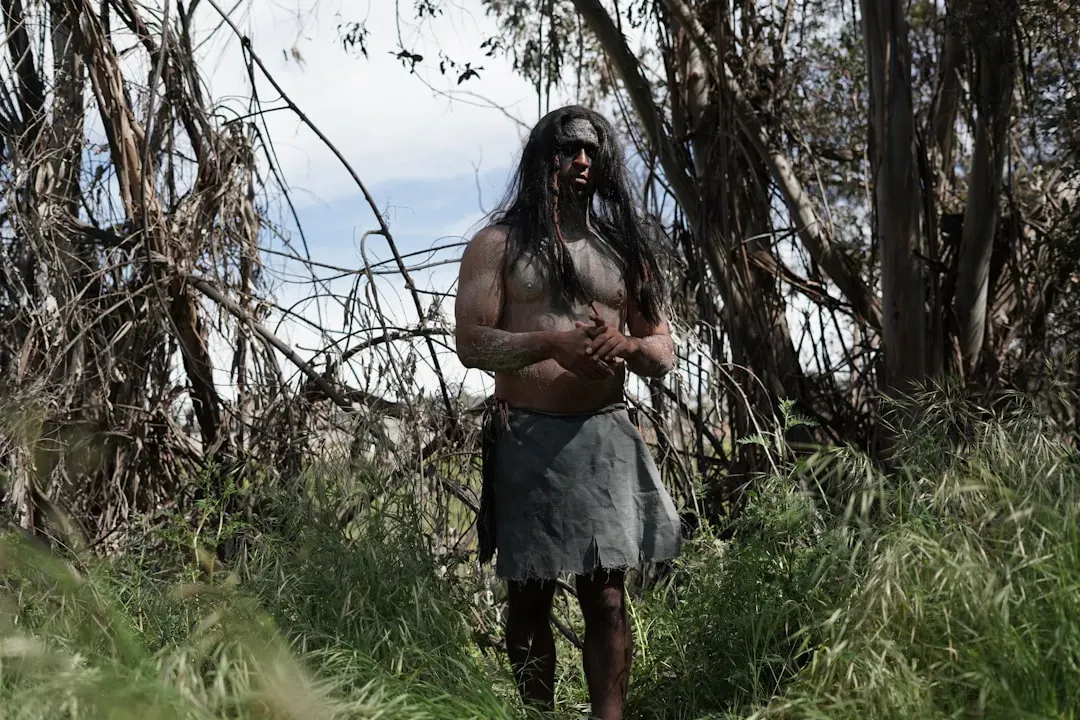
The image of the filthy, furious cave-dweller did not pop up by accident; it evolved over more than a century of popular culture. Early adventure novels, pulp magazines, and silent films treated prehistory as a wild backdrop where “primitive” people existed mainly to make modern heroes look smarter and more advanced. As film technology improved, costume and makeup departments leaned into this tradition, exaggerating dirt, disheveled hair, and constant scowls as a visual shorthand for “this is the distant past.” It is quick, recognizable, and unfortunately very sticky as a cultural idea.
Audiences were trained to see time itself as a ladder, with filthy, miserable ancients on the bottom rung and clean, comfortable moderns at the top. Directors rarely questioned this because it solved a narrative problem in seconds: show a crowd of angry, muddy faces and viewers instantly understand that they are looking at a harsh, unforgiving era. There is barely any room in that frame for subtlety, for humor, or for the quiet ordinariness of ancient life. As a result, movies keep recycling the same tired trope because it “works,” even if it badly misrepresents the human beings who actually lived back then.
Dirt as a Costume: How Filth Became the Visual Shortcut for “Primitive”

On screen, dirt is basically a costume piece. Makeup artists smear actors with mud, ash, and fake grime not just because ancient people lacked showers, but because dirt has become a coded symbol. A face caked in soil tells the audience that this character is closer to nature, further from technology, and locked in a kind of permanent struggle. It is the same reason post-apocalyptic movies cover survivors in dust and sweat: visual filth signals danger, scarcity, and vulnerability at a glance. Clean skin looks too safe, too modern, too comfortable.
The irony is that real ancient humans likely put effort into staying at least somewhat clean, especially when water was accessible. Anthropologists point out that basic washing, grooming, and even hair styling show up very early in the archaeological record. Ancient tools for scraping skin, washing, and caring for hair have been found in multiple regions, suggesting people did not just accept being perpetually caked in filth. Yet Hollywood ignores this nuance because spotless or even moderately clean characters would blur the visual line between “then” and “now.” So the dirt gets turned up to eleven, and our ancestors end up looking more like swamp creatures than people.
Anger Sells Drama: Why Everyone in the Past Looks Ready to Fight
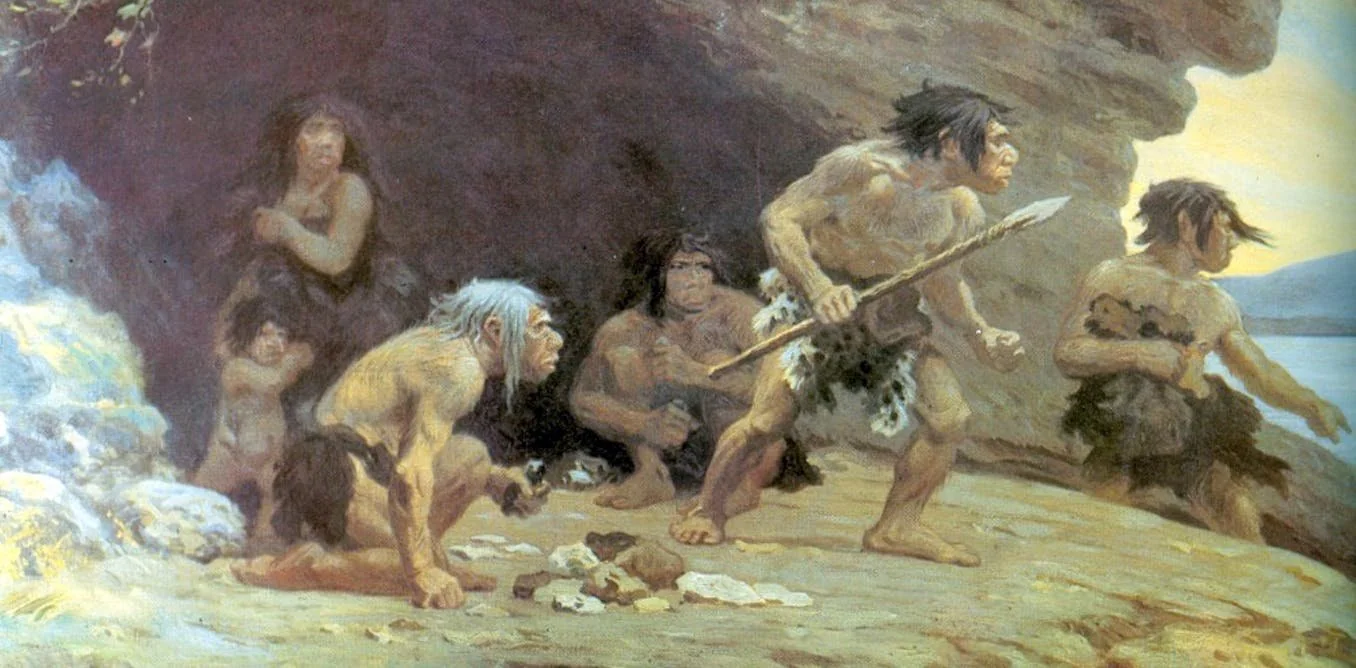
Movies thrive on conflict, and nothing telegraphs conflict faster than a face twisted in rage. When you set a story in the distant past, it is extremely tempting to imagine that every encounter was life-or-death and every conversation an argument. Directors lean into shouting, snarling, and aggressive body language to keep the tension high, giving the impression that ancient humans spent most of their days yelling or stabbing each other. Calm, cooperative, or tender scenes get less screen time because they are harder to make instantly gripping.
But if early humans were permanently furious, they would have struggled to build anything resembling a stable society. Cooperation is a survival tool every bit as important as a spear or a fire. Archaeology shows complex hunting strategies, shared child-rearing, and long-distance exchange networks that simply do not work if everyone is constantly enraged and unpredictable. Real people in tough environments do get angry, of course, but they also joke, negotiate, and comfort each other. Movies flatten all that nuance into a narrow emotional palette because rage reads clearly and quickly, even if it turns our ancestors into caricatures.
The Myth of Constant Misery vs. What Archaeology Suggests
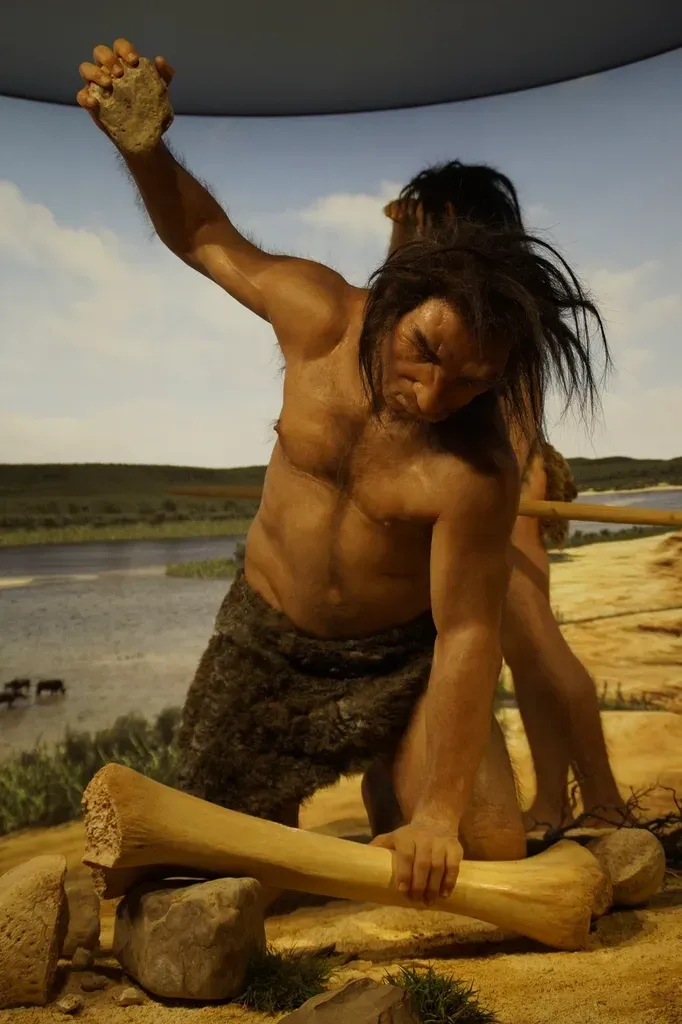
The idea that ancient life was one endless nightmare of hunger, cold, and violence is incredibly appealing to modern egos. It lets us feel superior, as if history has been an unbroken march from misery toward comfort and enlightenment. Yet archaeological evidence paints a more complicated picture. For many hunter-gatherer societies, daily work hours may have been shorter than in modern industrial life, leaving substantial time for rest, socializing, rituals, and creativity. Skeletal remains show wear and tear, disease, and injury, but they also reveal people who lived long enough to become elders, heal from fractures, and adapt.
There is no doubt that mortality was higher and medical care more limited, and that is a serious reality, not something to romanticize away. Still, constant misery just does not match what we see when we look carefully at tools, art, and living spaces. The presence of decorative items, musical instruments, and elaborate burials suggests that people cared about beauty, meaning, and each other. You do not carve delicate patterns into bone or paint detailed scenes on cave walls if you are too exhausted and hopeless to see beyond bare survival. Misery existed, but so did joy, boredom, curiosity, and silliness, none of which fit easily into the standard grim movie filter.
What Real Ancient Lives Probably Looked Like Day to Day
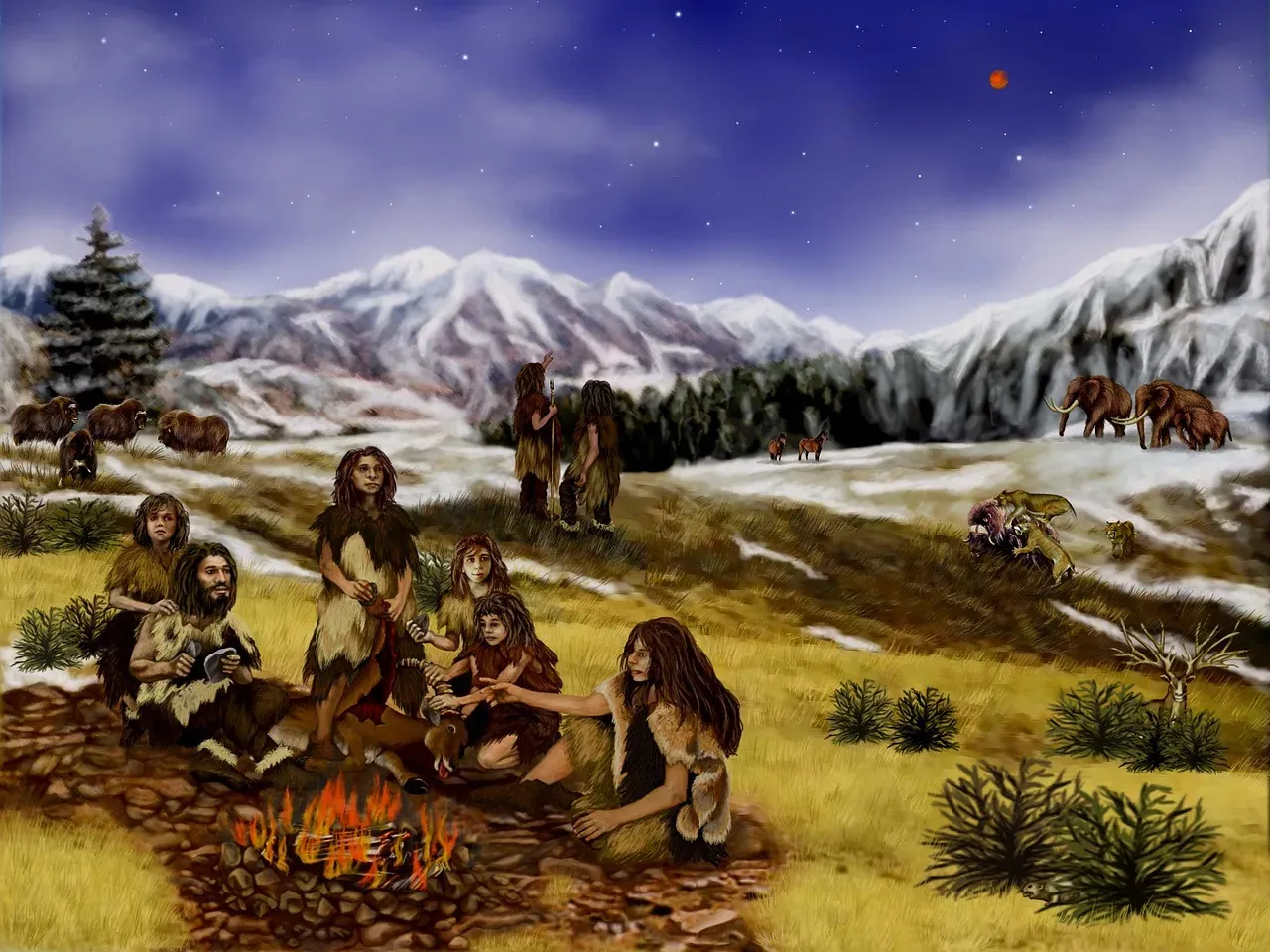
If you dropped into a small ancient community on an ordinary day, you would likely be surprised by how familiar some moments felt. You might find people chatting while making tools, teasing each other, or keeping children entertained with stories. You would see routine tasks like gathering plants, cleaning hides, preparing food, and tending fires, done with practiced efficiency rather than dramatic panic. Yes, there would be hardship, danger, and sudden crises, but most of life would be made up of rhythms and routines, not nonstop chaos.
People would groom themselves in practical ways, keep an eye out for injury, and share responsibilities. Elders might hold knowledge about medicine, weather, and animals, while younger members did more of the heavy labor. Children would play, imitate adults, and learn by doing. All of this is supported by comparisons with traditional societies that survived into recent centuries and by clues from the archaeological record. It is a far cry from the vision of everyone stomping around constantly enraged and covered head to toe in mud. Real life, even in harsh environments, has quiet afternoons, inside jokes, and tiny pleasures movies rarely bother to show.
Why We Need Our Ancestors to Look Worse Than Us

Underneath the mud and misery, there is a psychological comfort in believing that we have escaped a brutal, joyless past. When films show ancient humans as filthy, furious, and half-broken, it makes our current era feel like an automatic upgrade. Hot showers, antibiotics, and central heating are genuine leaps forward, but exaggerating how bad things used to be inflates our sense of progress. It turns history into a simple story of “primitive savages” becoming “modern civilized people,” which is both inaccurate and dangerous. That narrative has been used to justify conquest, colonialism, and the dismissal of cultures that do not fit a Western industrial mold.
There is also a subtle ego boost in imagining that we are smarter, kinder, and more emotionally complex than our ancestors. If they looked perpetually miserable, maybe they also felt less deeply, cared less about art, or understood less about relationships. The evidence points in the opposite direction: the capacity for love, grief, curiosity, and creativity appears very old in our species. Accepting that ancient people had rich emotional lives forces us to see them as equals, not as props in our story of inevitable progress. That is uncomfortable for some, so the grimy, angry stereotype lives on because it reassures us that we are the peak, not just another chapter.
How Filmmakers Could Do Better (Without Losing the Drama)
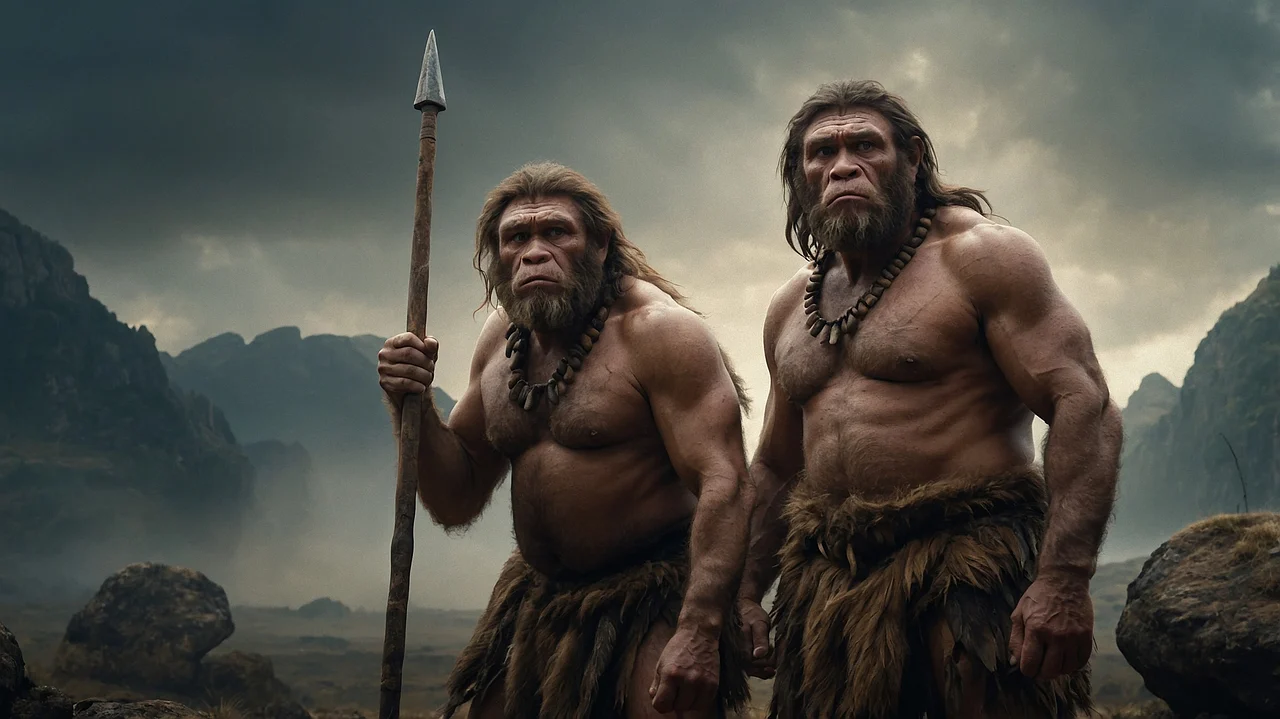
The good news is that telling more accurate, nuanced stories about ancient humans does not have to be boring. In fact, it could make movies more interesting. Instead of defaulting to mud-caked rage monsters, filmmakers could show communities that are capable, organized, and emotionally varied. They could still highlight danger and hardship but balance it with scenes of laughter, play, ritual, and quiet cooperation. Visually, costumes could include signs of grooming, simple ornaments, and practical hairstyles, rather than assuming that everyone looked like they had just rolled down a dirt hill.
From a storytelling perspective, complexity is where the real drama lives. Conflicts over resources and territory become more gripping when they involve people audiences recognize as layered and relatable. A parent trying to protect a child, a group deciding where to move next, or a healer struggling with a difficult illness are all powerful stories that do not require constant screaming and filth. As viewers, we can also push for this by praising films and series that break out of the cliché and give our ancestors some dignity. After all, if we expect more from our characters, Hollywood will eventually start delivering it.
Conclusion: Our Ancestors Deserve Better Than Mud and Misery

When I see yet another movie where ancient humans shuffle around like angry, filthy ghosts, I cannot help feeling a little annoyed on their behalf. These were people who survived without any of our modern safety nets, yet managed to raise children, care for the injured, create art, and develop complex cultures. Reducing them to dirty, furious caricatures is not just lazy; it quietly distorts how we understand ourselves. We inherit not only their genes but their capacity for love, cooperation, and creativity, and pretending they were emotionally shallow or permanently miserable is a way of dodging that uncomfortable continuity.
We should absolutely acknowledge the brutality of the past, the pain of disease, hunger, and violence that were far more common than today. But we can do that without stripping ancient humans of their humor, tenderness, and resilience. Personally, I think the most radical thing a filmmaker could do right now is show a prehistoric family laughing around a fire, reasonably clean, tired but content after a hard day. That image would challenge more assumptions than yet another mud-splattered battle scene ever could. Maybe the real question is not why ancient humans in movies always look dirty and miserable, but why we still need them to, even now.