
Movies love showing ancient humans as if they were stuck in an endless loop of grunting, poking fires, and shaking spears at the sky. You watch a film set twenty thousand years ago and think: really, no one ever thought of a backpack, a ladder, or even pockets? It is strangely funny once you notice it, and suddenly every fur-clad character looks a bit too clueless to be believable. The truth is, our ancestors were much more inventive than pop culture usually admits. They crossed oceans without GPS, survived ice ages without puffer jackets, and shaped the world with stone, wood, and bone. So why do movies keep serving us the same half-baked version of “dumb cavemen”? Let’s dig into some of the biggest reasons, and what they say about us more than about them.
The “Dumb Caveman” Trope Is Easier To Sell Than Smart Ancestors

One of the most stubborn ideas on screen is the image of early humans as almost a different species: hunched, mumbling, barely able to figure out fire. That picture is simple, familiar, and easy to recognize at a glance, which is exactly why filmmakers lean on it. It works like visual shorthand; as soon as you see furs, clubs, and dirty faces, your brain files it under “prehistoric” without needing much explanation.
The flip side is that this shortcut quietly suggests that ancient humans were less intelligent than we are, which modern research does not support. From a biological point of view, people living tens of thousands of years ago had the same kind of brains we do now. The difference was not raw intelligence, but information, tools, and accumulated culture over time. The “dumb caveman” trope is really a way to make audiences feel instantly superior, and that sense of superiority is part of the entertainment, whether we like it or not.
Slow, Incremental Inventions Don’t Look Exciting On Screen
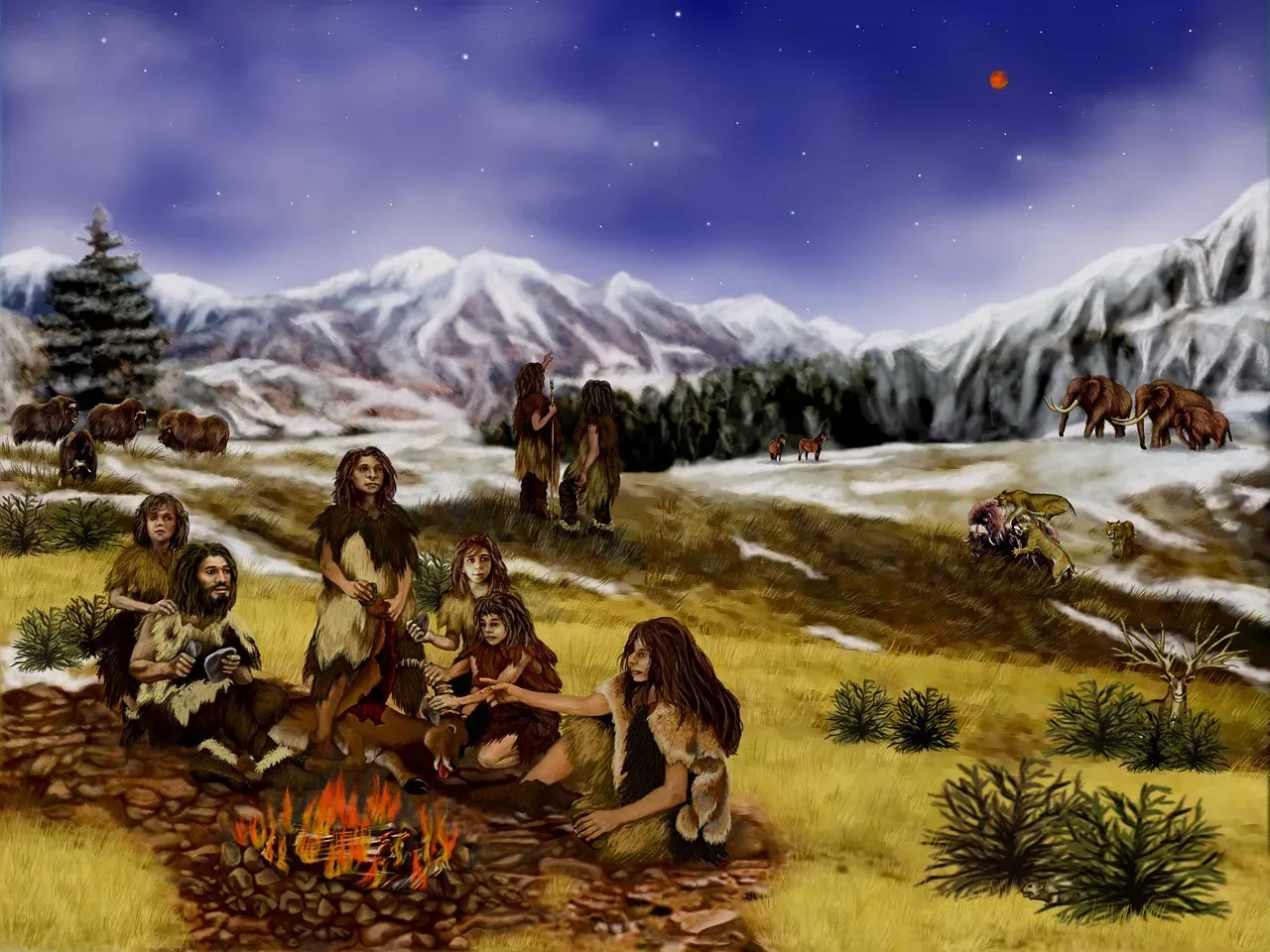
Real invention in human history is usually painfully slow, more like watching paint dry than a superhero origin story. A new tool or technique might appear in one small group, get copied badly by another, fade away, then reappear in a slightly improved form many generations later. That messy, gradual process is how you get from flaked stone to polished blades, or from simple shelters to planned villages. It is fascinating when you study it, but visually it is far from explosive.
Movies, on the other hand, thrive on sudden breakthroughs and big, dramatic moments. You rarely see a character spend years messing up, refining, and teaching others; you see a lightning bolt of inspiration and a clean, satisfying reveal. Because of this, ancient humans on screen get frozen at the beginning of the innovation curve, with maybe fire and a spear if they are lucky. The thousands of tiny tweaks that created real prehistoric technology just do not fit into a two-hour runtime built around battles, romances, and plot twists.
We Project Modern Snobbery Onto The Past

There is a quiet arrogance baked into how many movies show ancient life: the idea that modern people are the peak, and everyone before us was basically fumbling toward our greatness. You see it when a character time-travels to the past and instantly outsmarts everyone, as if knowing how to use a smartphone translates into knowing how to track animals, identify edible plants, or survive winter without electricity. It flatters the audience by suggesting that simply being born later means being better.
This mindset makes it hard to show ancient people inventing “useful” things because we unconsciously define useful as “similar to what we have now.” If a prehistoric person perfects a new knapping technique that makes stone blades more durable, that is a genuine leap in technology, but it will not impress viewers who are quietly expecting something closer to a primitive version of a gadget. So their true achievements get downgraded to background props, while their supposed ignorance is pushed front and center for laughs or drama.
Prehistoric Tech Actually Was Clever – We Just Don’t Recognize It
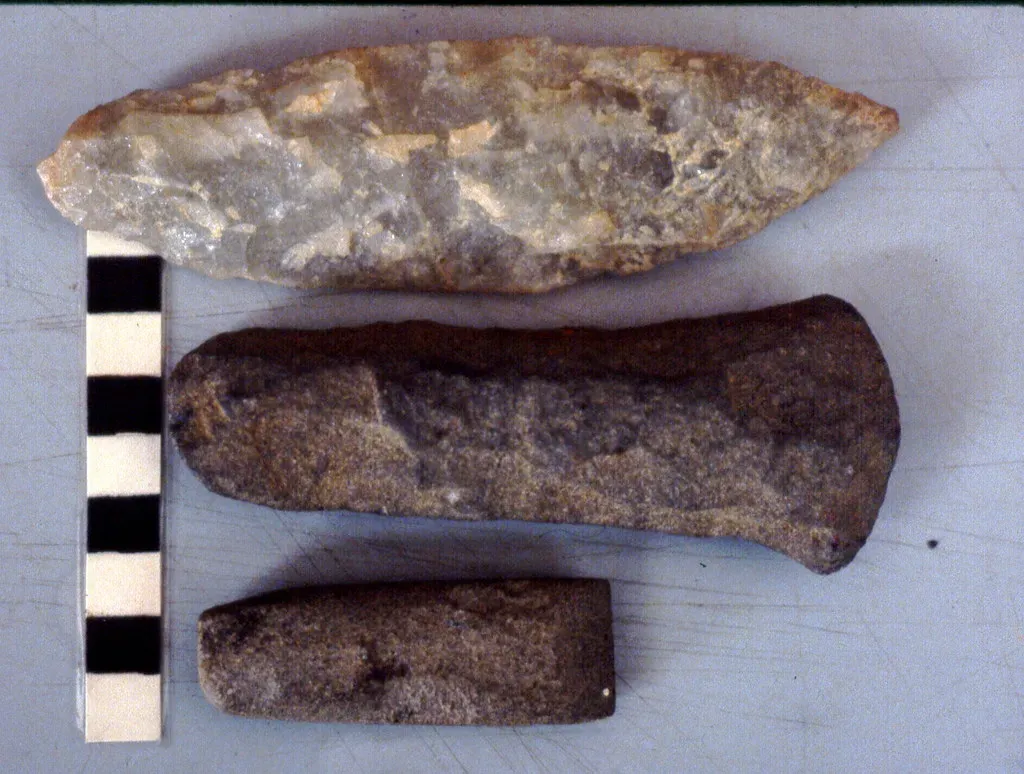
When you look at the archaeological record, it becomes obvious that ancient humans were constantly solving problems in smart and surprisingly elegant ways. They crafted composite tools by combining stone, wood, and binding materials like plant fibers or animal sinew, which is not far in concept from the way we use different materials in modern tools. They created clothing tailored with needles from bone, built coordinated hunting strategies, and sometimes managed long-distance trade in materials like obsidian or shells. None of that looks like nothing; it looks like people paying attention and experimenting.
The issue is that a stone tool or a carefully planned shelter does not scream innovation to someone used to stainless steel and skyscrapers. We underestimate the creativity needed to extract fire from friction or to design storage pits that keep food edible for months. Seen from up close, those choices are as inventive as designing a new app, just under different conditions and constraints. When movies skip over these real details, they erase entire layers of human ingenuity that quietly kept our species alive.
Studios Prefer Spectacle Over Anthropological Accuracy

Big-budget films are built to be visually striking first and accurate second, especially when dealing with distant eras. It is easier and more marketable to show a huge, inaccurate dinosaur charging a screaming human than to show people carefully working stone cores, tanning hides, or building fish traps. Real prehistoric life involved a lot of repetitive, skilled labor, and that does not compete well with explosions, chases, and larger-than-life villains. So accuracy gets traded away for spectacle, and nuance goes out the window.
When the priority is visual drama, ancient humans become set dressing rather than fully realized people. Their world is simplified into dangerous animals, harsh weather, and constant fear, with very little attention paid to things like social organization, child-rearing, rituals, or knowledge sharing. The result is a flat version of the past where nobody seems to be inventing anything because the camera is too busy watching them run, scream, or fight. It is not that the truth is boring; it is that the industry assumes audiences will not sit still for it, even though many viewers actually enjoy richer, more grounded stories.
The Real Story: Ancient Humans Were As Resourceful As We Are
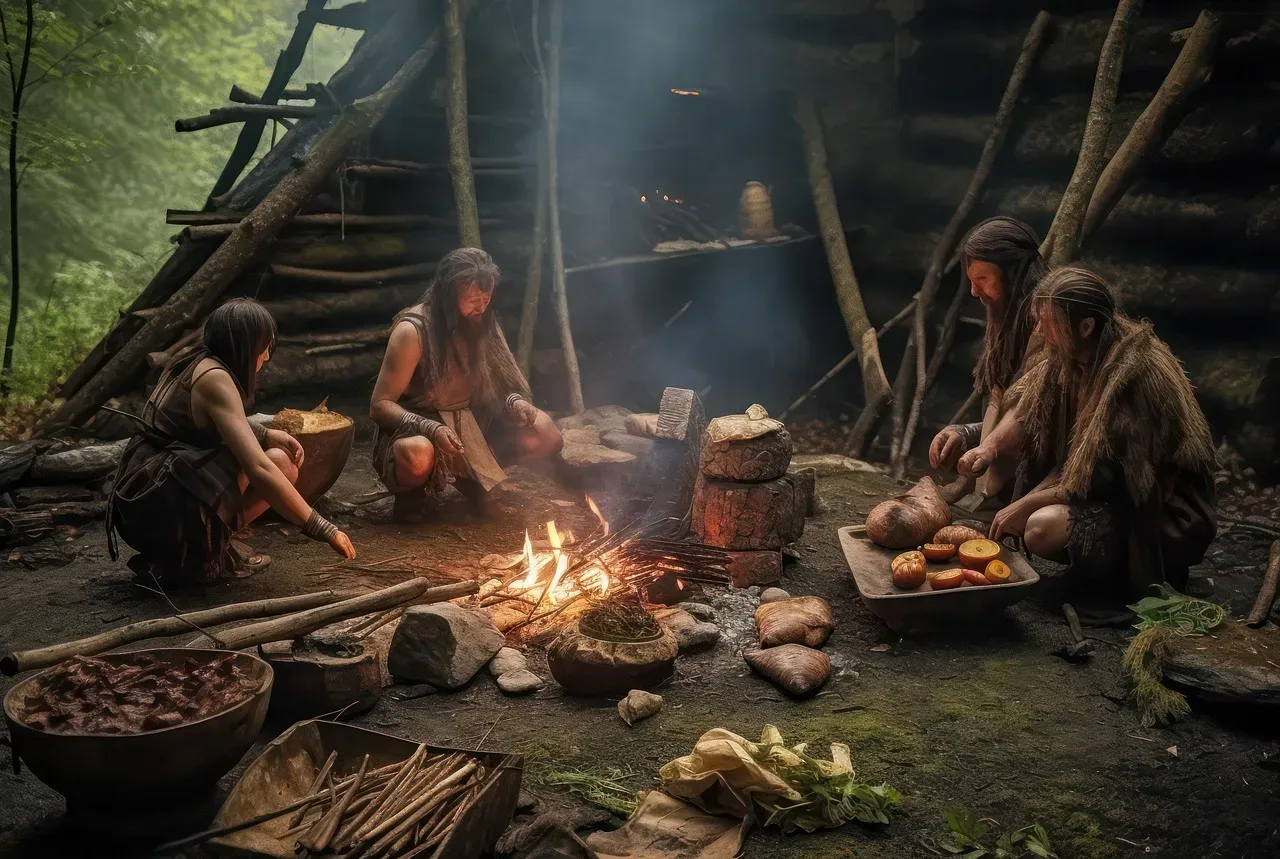
If you strip away the movie clichés, a different picture comes into focus: ancient humans were not failed inventors, they were experts at making the most of what they had. They lived in environments that would kill most of us in a week, with no written manuals, no weather apps, and no global supply chains. To survive, they had to observe obsessively, remember patterns across seasons, pass down techniques, and adapt quickly to changes like shifting animal migrations or climate swings. That is not the behavior of people who never come up with anything useful.
What they invented often looked humble from the outside: better hunting tools, safer shelters, smarter ways to share food, new pigments, or refined cooking techniques. But stacked over generations, those “small” steps shaped human evolution, culture, and even the landscapes around them. When I think about it, the idea that they just sat around waiting for the modern world to arrive feels almost insulting. The real story is less flashy but far more impressive: people like us, thinking hard with limited resources, slowly hacking the world into something survivable.
Conclusion: Maybe The Joke Is On Us

Once you start noticing how films flatten ancient humans into caricatures, it is hard to unsee it. The lack of “useful inventions” on screen says less about what our ancestors were actually capable of, and more about what modern culture chooses to admire. We have a bias toward shiny, fast, and obviously advanced, and we tend to overlook the quiet, gritty, trial-and-error creativity that made our existence even possible. In that sense, those movies are not just misrepresenting the past, they are also teaching us to undervalue the kind of patient problem-solving that still runs the world.
Personally, I think we underestimate ancient humans because it makes us feel safer about our own place in history. It is comforting to believe we are uniquely brilliant, perched at the very top of a neat ladder, rather than just one more rung in a long, messy climb. But if people with the same brains as ours could build so much with so little, maybe the real question is not why they did not invent more, but whether we are as inventive as we like to think. When you watch the next fur-and-spear movie, ask yourself: who is really being naive here, them or us?