The oceans of the Mesozoic Era were vastly different from today’s seas. Where modern waters host whales and dolphins as their largest inhabitants, ancient oceans teemed with massive marine reptiles that would dwarf any creature alive today. These titans of the deep vanished from Earth’s waters, leaving behind only fossilized remains and tantalizing mysteries about their disappearance.
You’re about to discover the shocking truth behind one of prehistory’s greatest mysteries. The story of why these magnificent sea monsters disappeared involves multiple catastrophic events, collapsing food webs, and environmental changes so dramatic they reshaped life on Earth forever.
The Rise and Reign of Ocean Giants
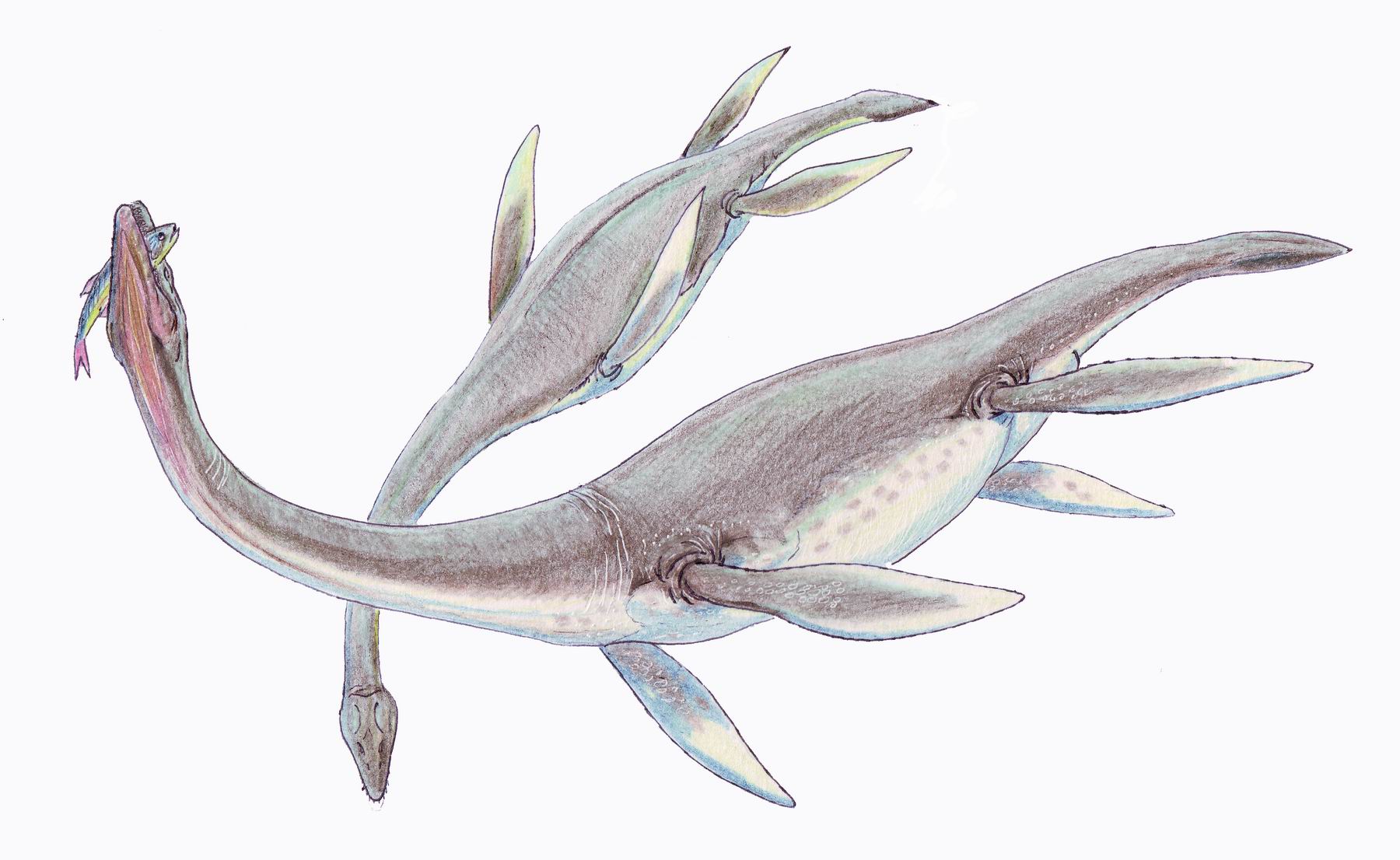
During the Triassic Period, marine reptiles rapidly diversified into many different forms as they spread around the world. Some of the best known are the plesiosaurs and ichthyosaurs, which quickly became the top predators in the oceans. These weren’t just large animals; they were evolutionary marvels perfectly adapted to aquatic life.
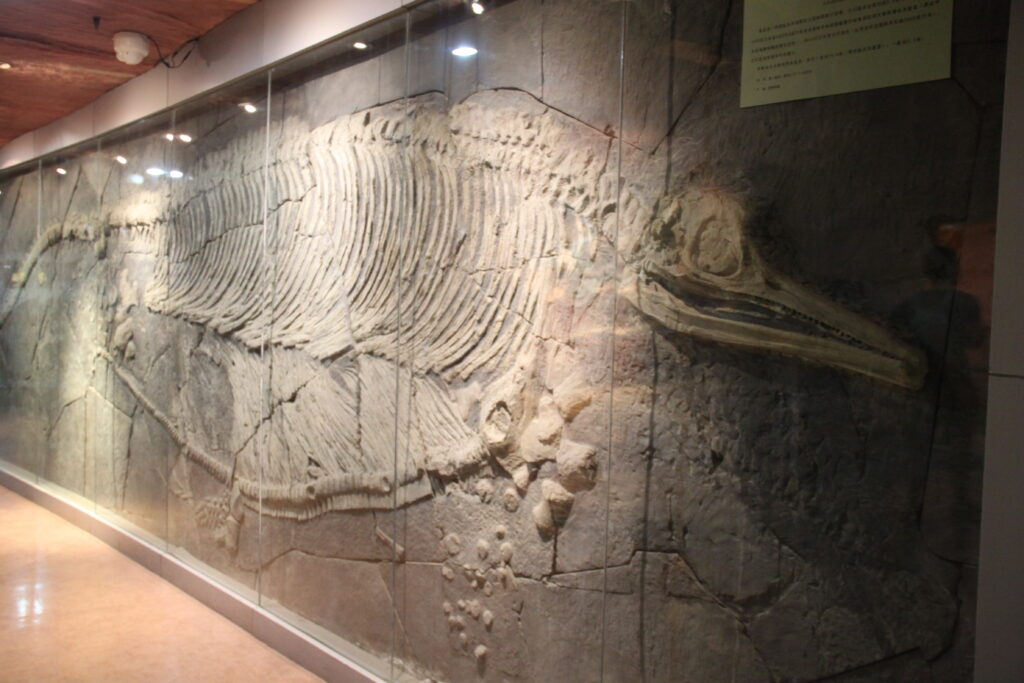
The giants among them were truly spectacular. Among the casualties were the shastasaurid ichthyosaurs, a group of whale-sized marine reptiles that could reach up to 21 metres long. Simple scaling would suggest that this ichthyosaur has an estimated total length of up to 26 meters (82 feet), the largest known to date marine reptile. The fossils of this individual were dated to be 202 million-year-old.
These marine reptiles dominated their ecosystems for over 150 million years. Marine reptiles were especially successful in the Mesozoic as major predators in the sea. Their success wasn’t just about size – they evolved diverse feeding strategies and occupied every available niche in marine environments.
The First Catastrophic Blow – End-Triassic Extinction
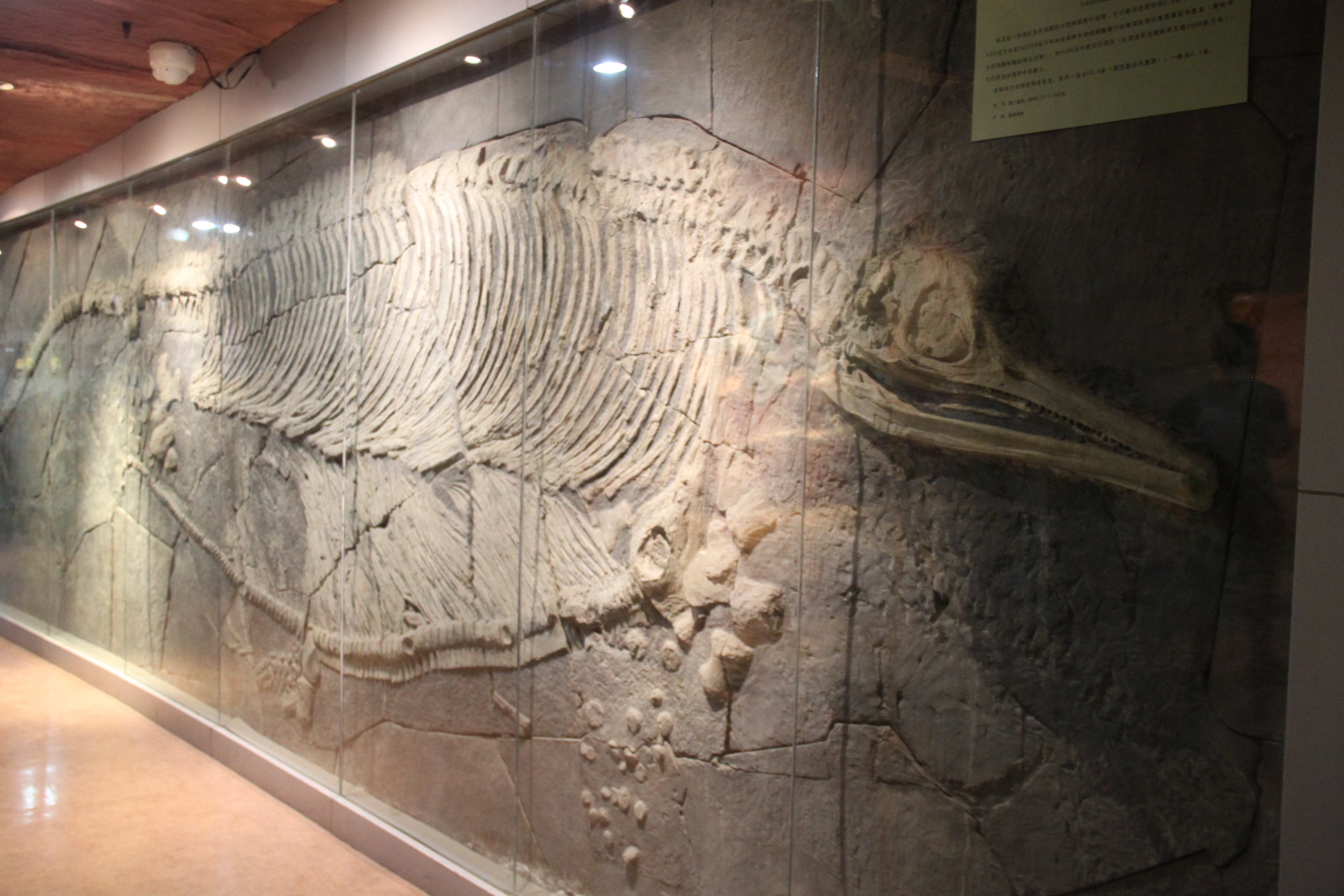
Their rapid expansion was brought to a halt at the end of the Triassic approximately 201.6 million years ago by a major extinction event. This wasn’t just a minor setback – it fundamentally altered the trajectory of marine reptile evolution. Ichthyosaurs passed through an evolutionary bottleneck at, or close to, the Triassic-Jurassic boundary, which reduced their diversity to as few as three or four lineages. Diversity bounced back to some extent in the aftermath of the end-Triassic mass extinction, but disparity remained at less than one-tenth of pre-extinction levels, and never recovered.
The consequences were staggering. Ichthyosaurs would never reach such massive sizes again for reasons that, according to PhD student Antoine Laboury, are “still a mystery”. The largest marine reptiles that ever lived disappeared during this period, forever changing the scale of ocean predators.
It represents one of five major extinction events during the Phanerozoic, profoundly affecting life on land and in the oceans. In the seas, about 48-50% of marine genera disappeared. This extinction fundamentally reset marine ecosystems, eliminating many of the most spectacular giants that had ruled the seas.
Sea Level Changes and Habitat Destruction
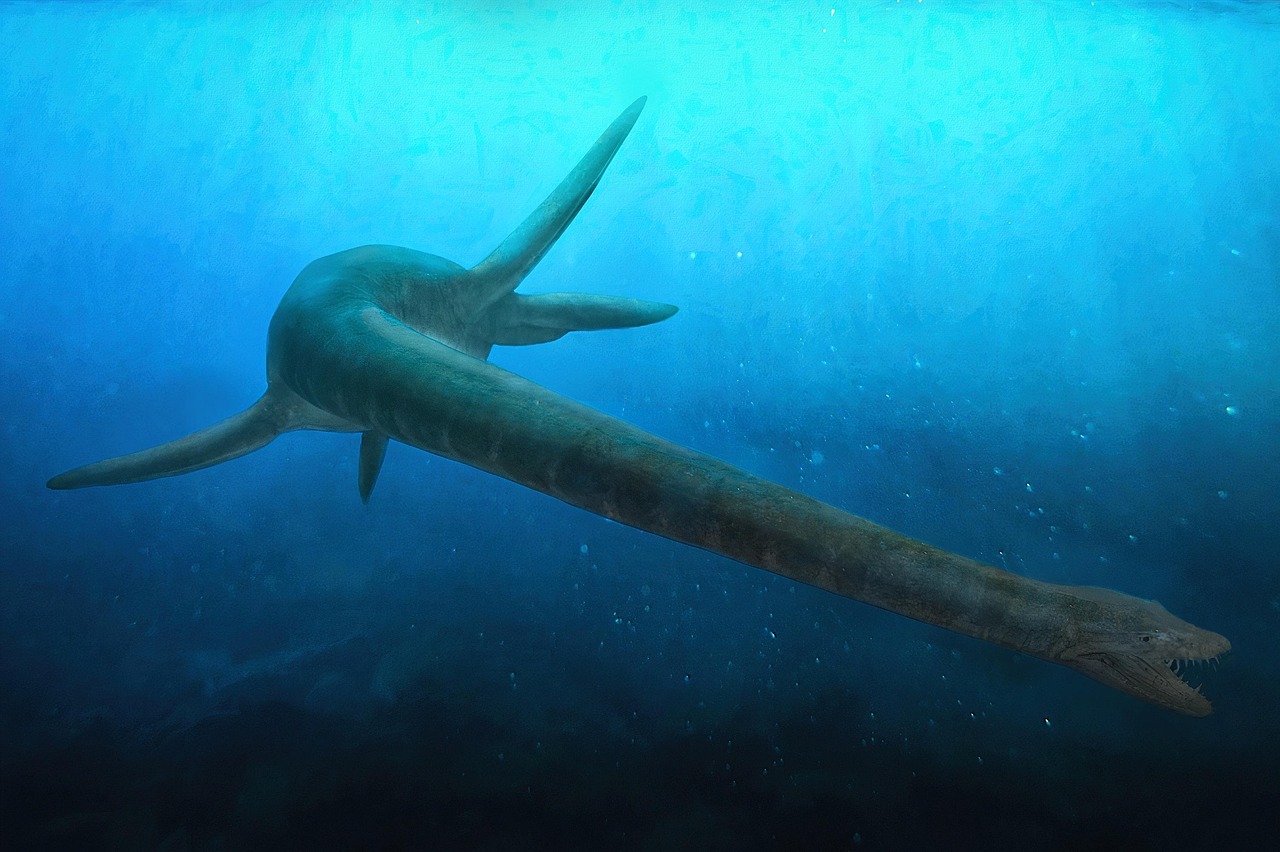
You might think that sea level changes would benefit marine animals by creating more ocean habitat, but the reality was far more complex. The proportional abundance of marine reptiles adapted toward a diet of shelled prey rose during times of rapid sea-level rise and fell during times of rapid sea-level fall, while open water forms were more resistant to these changes. Our results indicate that the rate of sea-level change, rather than the absolute magnitude of sea-level or flooded shelf area, played a role in shaping patterns of ecological diversification and ecologically selective extinction during the Triassic.
Large predators may be particularly sensitive to changes in habitat availability and marine productivity driven by changes in sea-level, especially those dependent on nearshore benthic food resources. The giants of the shallow seas were especially vulnerable when their coastal hunting grounds disappeared or transformed rapidly.
The problem wasn’t just losing habitat – it was the speed of change. “This adaptation likely enabled early plesiosaurs and the pelagic parvipelvians to survive sea-level fluctuations in the Triassic, playing a significant role in their future evolutionary success.” “This adaptation likely enabled early plesiosaurs and the pelagic parvipelvians to survive sea-level fluctuations in the Triassic, playing a significant role in their future evolutionary success”.
Volcanic Devastation and Ocean Chemistry
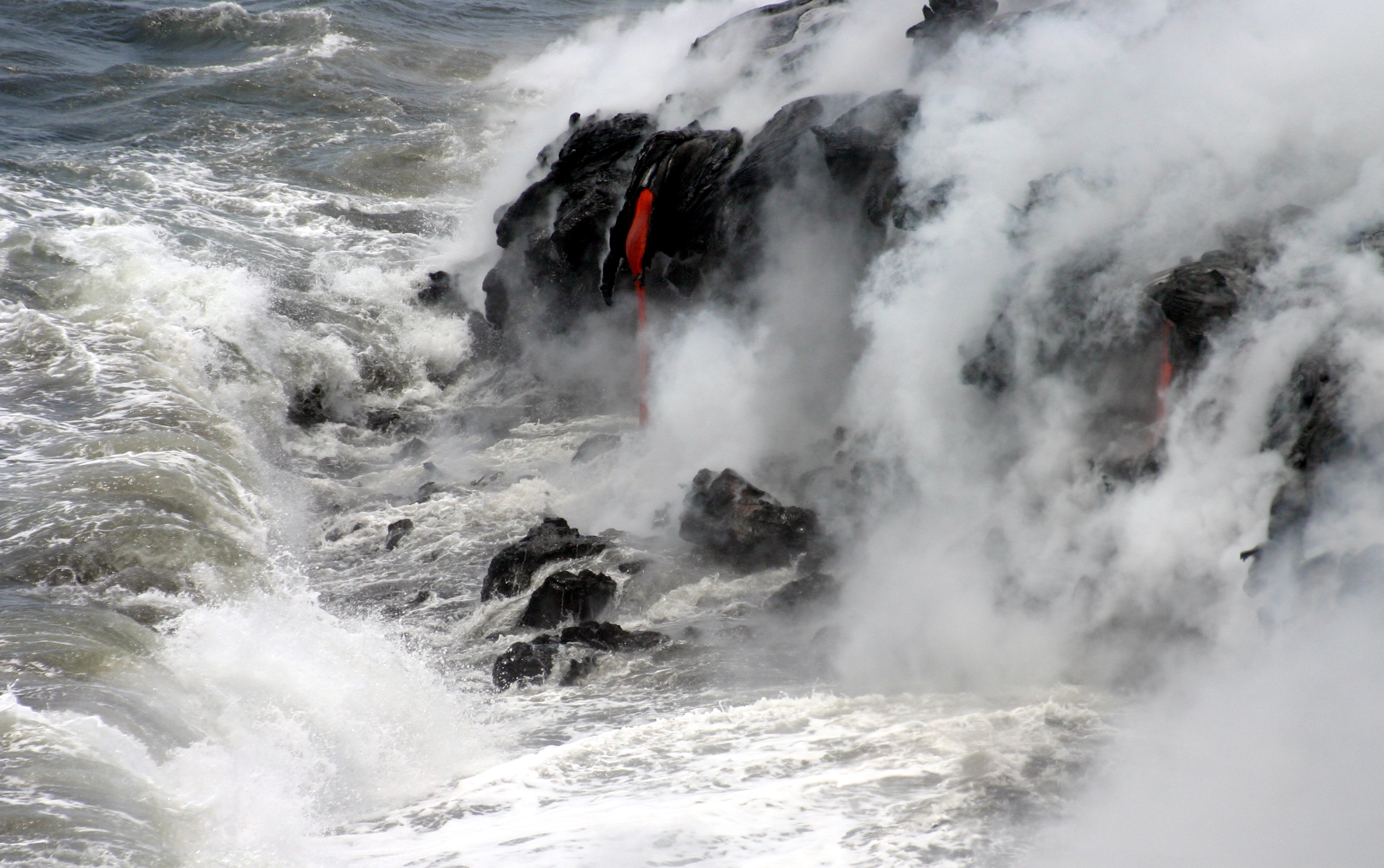
Massive volcanic eruptions created underwater hell on Earth. Around 90-94 million years ago, ichthyosaurs went extinct during environmental changes in the mid-Cretaceous, including oceanic anoxic events or “fish lizards”, and the pliosaurs, large-headed and more predatory cousins of the plesiosaurs.
Studies estimate that the rifting of the supercontinent Pangea, where eastern North America met northwestern Africa, may have released an estimated 30,000-60,000 gigatons of carbon dioxide, which likely strengthened the global greenhouse effect, increasing average air temperatures around the globe by approximately 3-6 °C (5-11 °F) and acidifying the oceans. Modern studies examining the region’s flood basalts generated by this rifting reveal that the rocks were created during a 620,000-year interval of volcanic activity that occurred at the end of the Triassic.
The volcanic activity didn’t just heat the oceans – it poisoned them. Acid rain from volcanic sulfur compounds devastated marine ecosystems, while toxic gases dissolved into seawater, creating conditions that even the most adaptable marine reptiles couldn’t survive.
Evolutionary Slowdown and Adaptation Failure
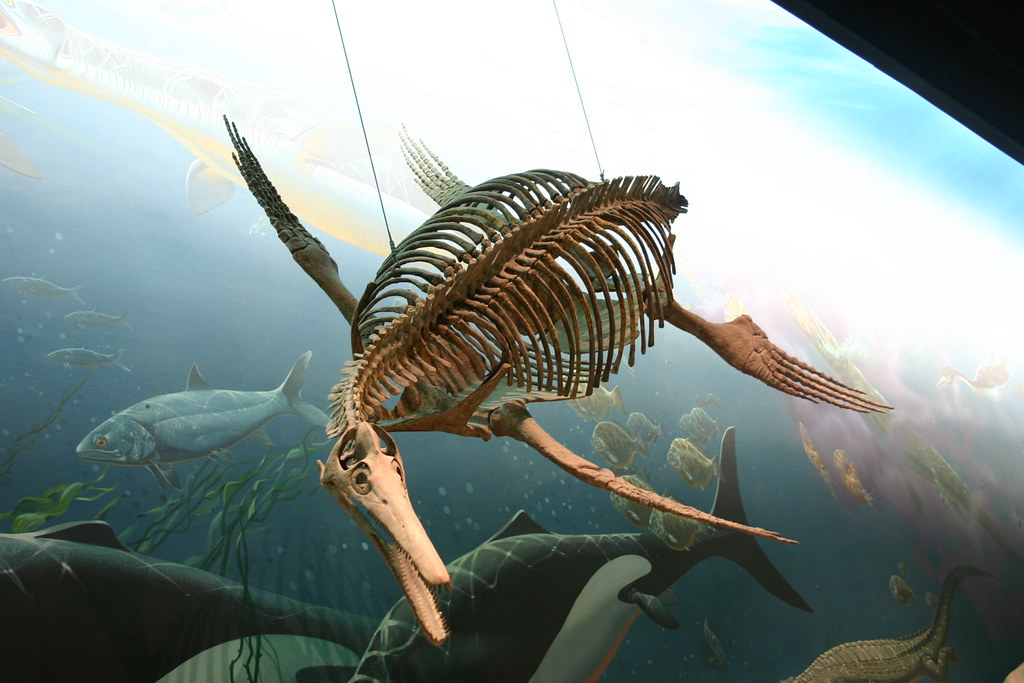
Even more devastating than sudden catastrophes was the marine reptiles’ inability to evolve quickly enough to meet changing conditions. Ichthyosaurs – shark-like marine reptiles from the time of dinosaurs – were driven to extinction by intense climate change and their own failure to evolve quickly enough. This wasn’t just about being big – it was about being too specialized.
Here, we show that ichthyosaurs maintained high but diminishing richness and disparity throughout the Early Cretaceous. The last ichthyosaurs are characterized by reduced rates of origination and phenotypic evolution and their elevated extinction rates correlate with increased environmental volatility.
The overspecialisation of ichthyosaurs may be a contributing factor to their extinction, possibly being unable to ‘keep up’ with fast teleost fish, which had become dominant at this time. The giants that once ruled the seas became evolutionary dead ends, unable to adapt to rapidly changing ocean conditions.
Climate Chaos and Temperature Extremes
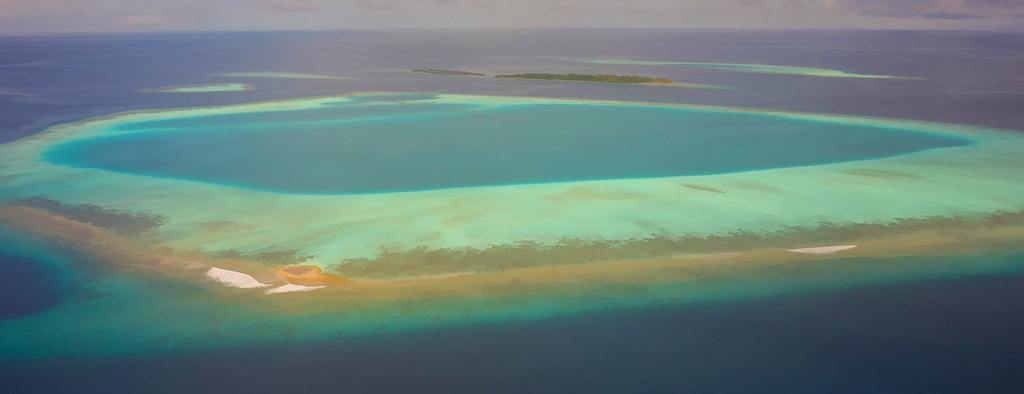
The Earth’s climate became wildly unstable during the final chapters of marine reptile dominance. Although the rising temperatures and sea levels evidenced in rock records throughout the world may not directly have affected ichthyosaurs, related factors such as changes in food availability, migratory routes, competitors and birthing places are all potential drivers, probably occurring in conjunction to drive ichthyosaurs to extinction.
A dramatic shift in the Earth’s climate killed off marine reptiles that swam at the time of the dinosaurs, according to a new study. About 100 million years ago, the oceans warmed up, polar ice melted and sea levels rose to unprecedented heights. These weren’t gradual changes that allowed adaptation – they were rapid shifts that overwhelmed even the most successful marine predators.
The temperature changes created a cascade of environmental problems. Warmer waters held less oxygen, while thermal expansion changed ocean currents that marine reptiles relied on for hunting and migration patterns they had followed for millions of years.
Food Web Collapse and Starvation
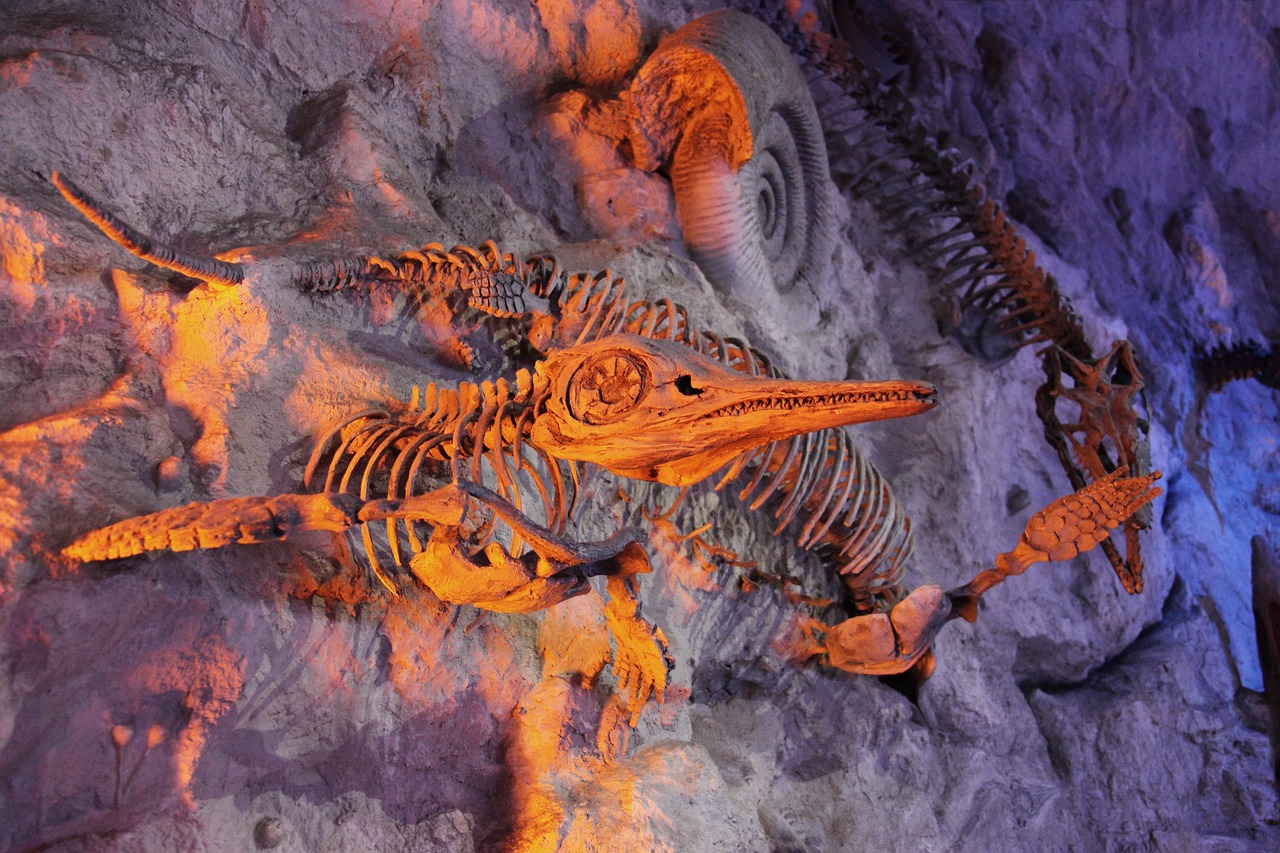
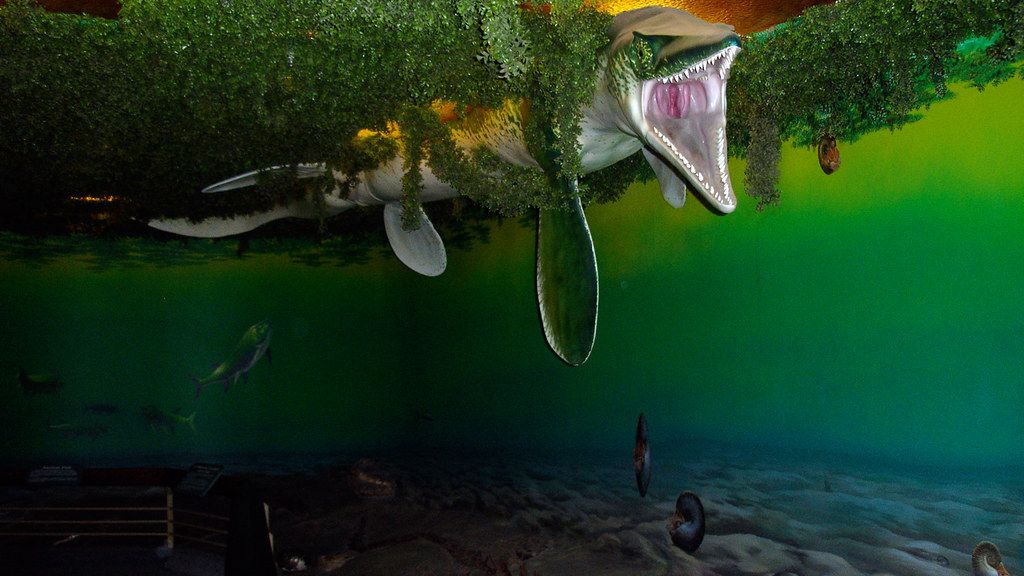
The foundation of ocean life crumbled beneath the marine giants. This was precisely what occurred at the end of the Cretaceous period when a majority of plankton species disappeared as part of the mass-extinction event. Plankton-eating fish – vital food sources for the plesiosaurs and mosasaurs – also dropped in number, triggering the reptiles’ disappearance.
The teeth of the plesiosaurs and mosasaurs proved to have stable-calcium isotope proportions comparable to those of the superpredators at the very top of today’s marine food web, namely the great white shark. “The findings,” the researcher continues, “indicate that all the reptiles that vanished at the Cretaceous-Paleogene boundary were fish-eating top predators in the Maastrichtian marine ecosystem.” Being at the top of the food chain made them extremely vulnerable when that chain collapsed.
In the open ocean, calcifying plankton such as foraminifera and calcareous nannofossils suffered >90% species-level extinctions (9, 14). These changes in the structure of the base of the food web likely helped to cause the extinctions of pelagic consumers such as ammonites and marine reptiles. When your food supply disappears, even being the largest predator in the ocean becomes meaningless.
Competition from Rising Fish and New Predators
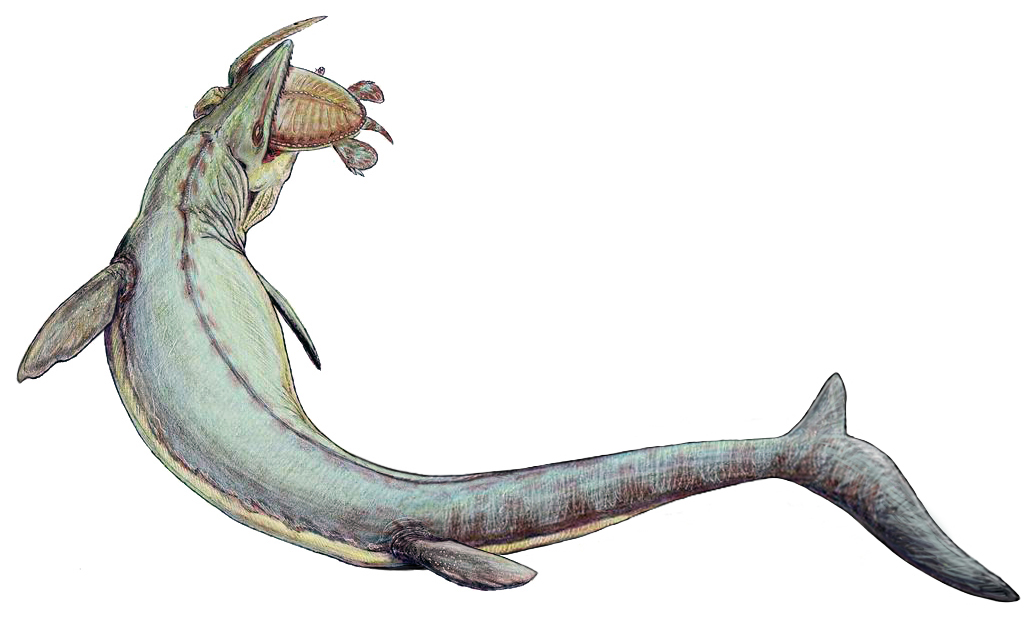
As marine reptiles struggled with environmental challenges, new competitors emerged to challenge their dominance. Ichthyosaurs disappeared in the course of this turnover, while numerous lineages of bony fishes and sharks evolved. The extinction of ichthyosaurs thus appears to be one aspect of a larger event. The rise of modern fish groups created intense competition for the same food sources.
With their demise, there was a huge gap in the ocean food web. However, this gap was quickly filled not by other marine reptiles, but by rapidly evolving fish species that proved more adaptable to changing conditions. These new predators were smaller but more efficient, able to exploit resources that the giant marine reptiles couldn’t access.
Previous molecular phylogenies and paleontological studies have shown that modern ray-finned fishes (crown teleosts) radiated sometime in the Late Cretaceous or early Paleogene. Our data suggest that crown teleosts came into their current dominant ecological role in pelagic ecosystems immediately following the Cretaceous−Paleogene mass extinction 66 million years ago by filling newly vacated ecological niches and marking the beginning of an “age of ray-finned fishes.”
The Final Asteroid Apocalypse
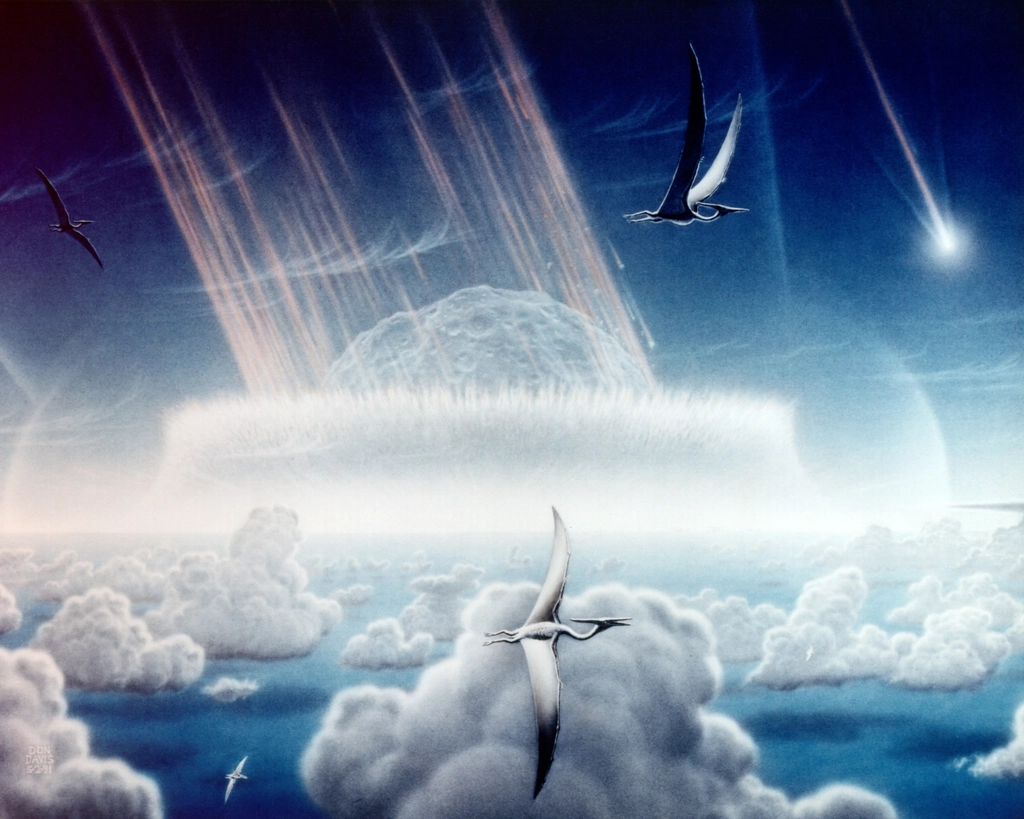
The ultimate catastrophe arrived 66 million years ago in the form of a massive asteroid impact. The asteroid impact at the Cretaceous-Paleogene (K/Pg) boundary 66 million years (Ma) ago triggered a cascading mass extinction through the entirety of the global food web that occurred in a geological instant (days to years). From giant marine reptiles to everything in the ocean food chain, the impact created conditions that no large marine predator could survive.
Ecological selectivity points to extreme post-impact light inhibition as the principal kill mechanism, with the marine food chain temporarily reset to a bacteria-dominated state. Subsequently, in a sunlit ocean inhabited by only rare survivor grazers but abundant small prey, it was mixotrophic nutrition (autotrophy and heterotrophy) and increasing cell sizes that enabled the eventual reestablishment of marine food webs some 2 million years later.
As the dust and soot lingered in the atmosphere, they blocked the warmth from the sun and Earth’s temperature dropped. Without sunlight, many plants on land and phytoplankton in the sea likely died. And without these sources of food, ecosystems across the globe collapsed. Ammonites, large marine reptiles, rudist clams, and many species of phytoplankton were particularly hard hit in the ocean. The darkness that followed the impact created a world where photosynthesis stopped, and the entire ocean ecosystem collapsed from the bottom up.
Conclusion
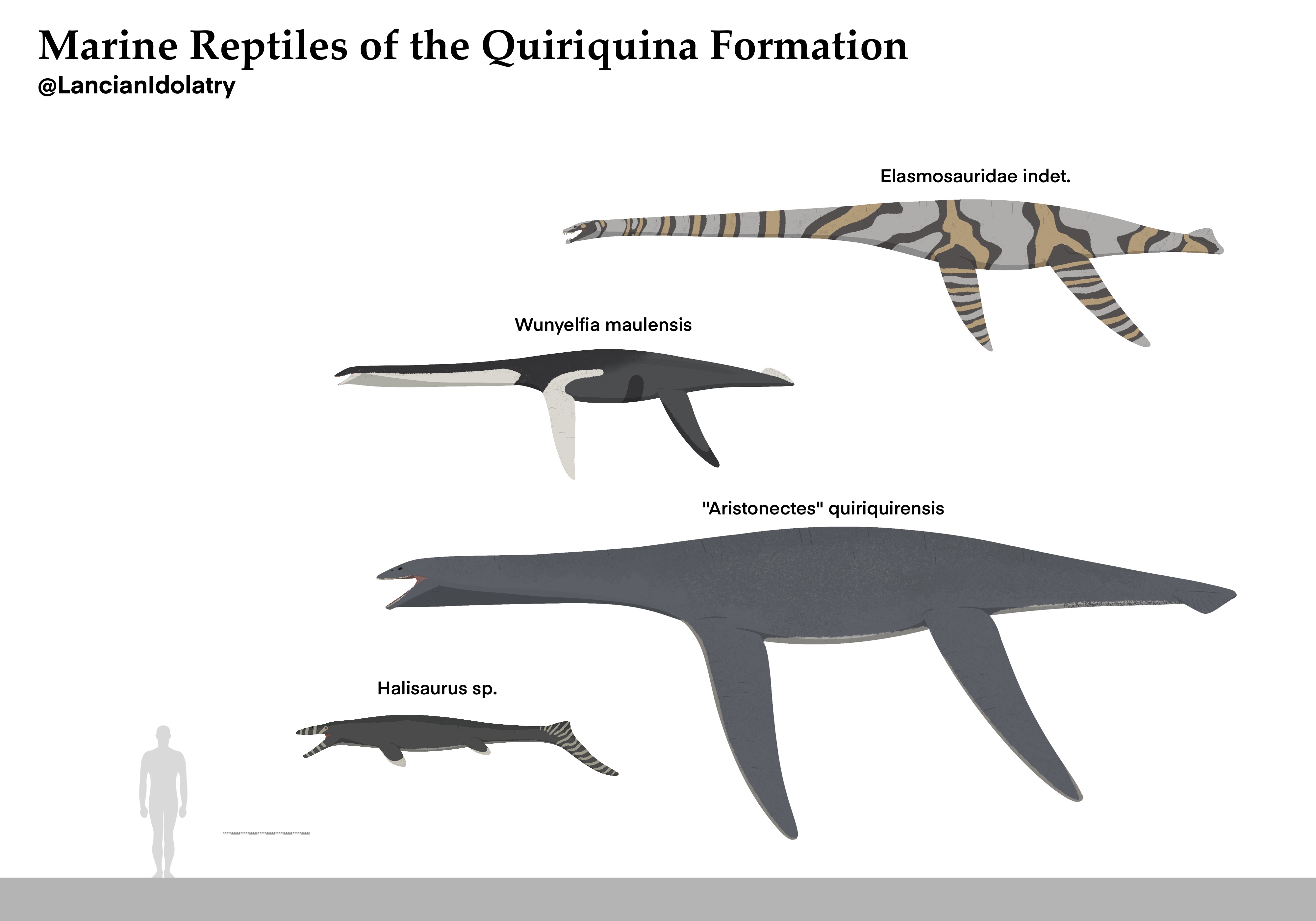
The disappearance of the largest marine reptiles wasn’t caused by a single catastrophic event, but rather by a devastating combination of environmental disasters that unfolded over millions of years. From volcanic eruptions that poisoned the oceans to sea level changes that destroyed crucial habitats, these magnificent creatures faced an impossible series of challenges.
Most shocking of all was their inability to adapt quickly enough to survive. But although stable and resilient ecosystems had returned by two million years after the mass extinction, it took a further eight million years for species numbers to fully recover to their previous levels. The marine reptiles’ evolutionary inflexibility, once their greatest strength in stable environments, became their fatal weakness when the world changed too quickly.
The final asteroid impact merely delivered the killing blow to creatures already struggling against impossible odds. In their place rose the age of modern marine life, dominated by fish, marine mammals, and creatures far smaller but infinitely more adaptable than the giants they replaced. What lessons does this ancient catastrophe hold for today’s changing oceans? Tell us what you think in the comments.