Have you ever wondered why your best friend seems energized after a busy party, while you need three days of silence just to recover? Or perhaps you’re the one thriving in crowded spaces, unable to understand why someone would choose a quiet night at home over lively company. Let’s be real, it’s fascinating how differently we all respond to being alone or being surrounded by people. The answer isn’t just about preference or lifestyle choices – your brain is actually wired in fundamentally different ways depending on where you fall on this spectrum. From the chemicals firing between neurons to the thickness of certain brain regions, science has uncovered remarkable differences that explain why some of us need solitude like oxygen while others feel starved without constant connection. So let’s dive in.
Your Brain Chemistry Tells the Whole Story
The way your brain responds to dopamine, the neurotransmitter associated with reward and motivation, plays a massive role in determining whether you seek out social situations or prefer quiet time. Here’s the thing – it’s not that one group has more dopamine than another. Extroverts actually have more dopamine receptors in their brains than introverts, which means they need higher levels to feel satisfied. Think of it like someone with a high tolerance for caffeine needing multiple espresso shots while another person gets jittery from half a cup.
Introverts are highly sensitive to dopamine, so they don’t need much of it to become energized, and too much becomes overstimulating. Introverts may prefer a different brain pathway activated by acetylcholine, a neurotransmitter linked to long-term memory and the ability to stay calm and alert, which can produce feelings of happiness when engaging in inward-focused activities. This explains why reading a book or working on a creative project alone can feel deeply satisfying for some people, while others would find it utterly boring.
The Reward System Works Differently for Everyone
Research shows that extroverts strongly associate contexts with reward feelings and experience more robust dopamine responses to rewards, which produces more frequent activation of strong positive emotions. Imagine walking into a bustling coffee shop – an extrovert’s brain lights up with anticipation and pleasure. An introvert? They might be calculating the nearest exit.
Studies using event-related potential methodology demonstrate that higher scores on extraversion are associated with higher amplitudes of brain responses elicited by human faces. Essentially, extroverts’ brains pay more attention to social stimuli. Researchers believe introverts are wired to respond differently to rewards than extroverts, making them less motivated and energized by the same social rewards. It’s not that introverts dislike people or avoid relationships – they just don’t get the same neurological “high” from them.
Brain Structure Reveals Physical Differences
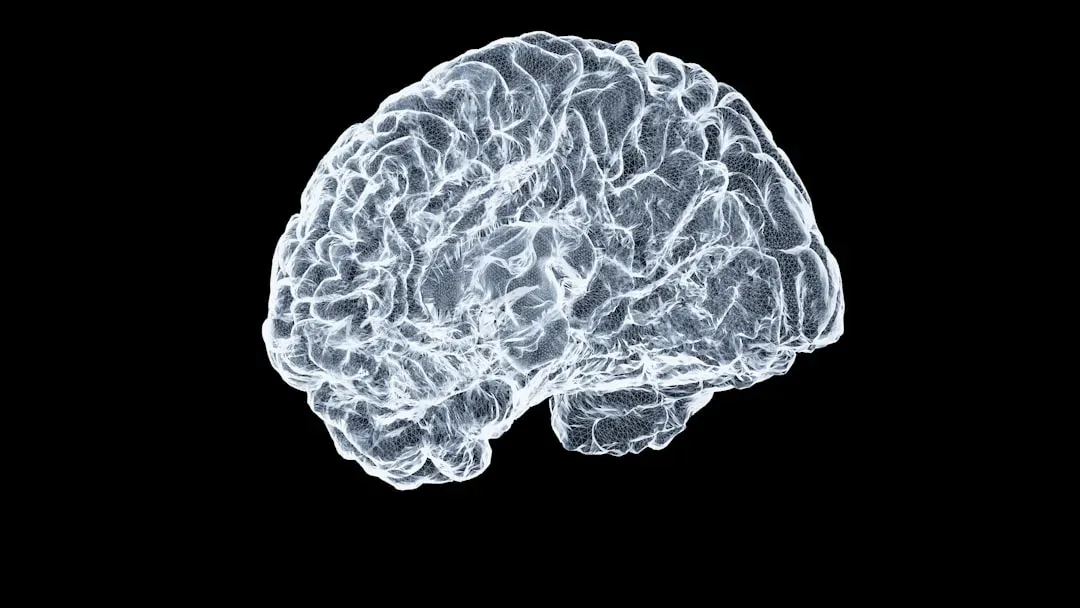
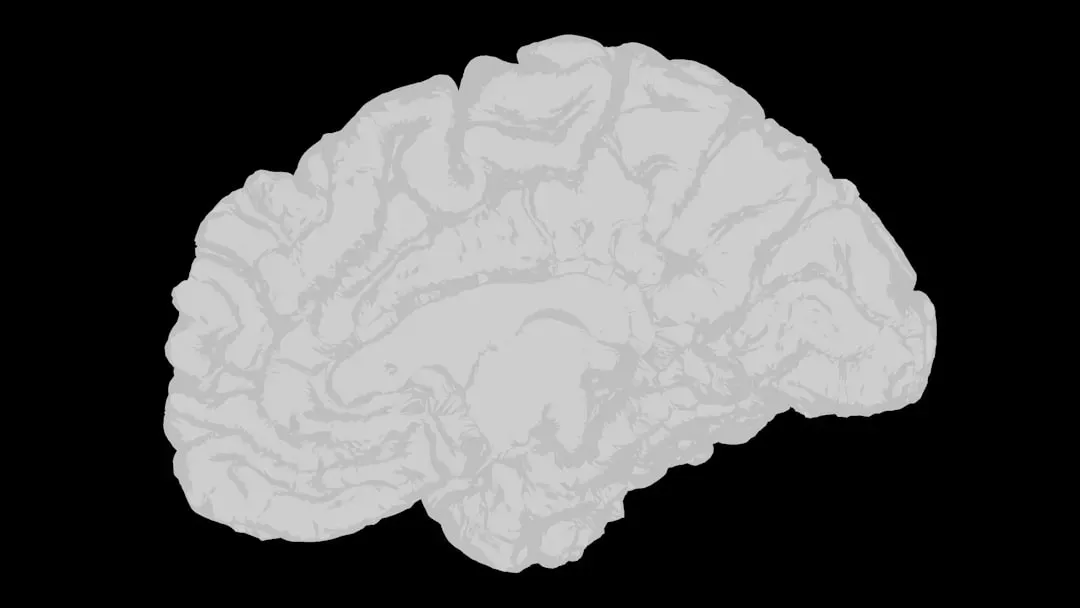
The physical architecture of your brain matters more than you might expect. Introverts have larger, thicker gray matter in their prefrontal cortex, the area associated with abstract thought and decision-making. This might explain why introverts tend to mull things over, processing information deeply before acting.
Brain imaging studies show introverts exhibit more activity in frontal lobes and anterior thalamus during internal processing like remembering and problem solving, while extroverts show more activity in areas involved in sensory processing like listening and watching. Research consistently shows biological factors, including differences in brain structure, influence these personality traits, with introverts tending to have higher blood flow in the prefrontal cortex involved in memory and planning. Your preference for a Friday night alone versus a packed social calendar might literally be built into your brain’s wiring.
Social Connection as a Fundamental Human Need
Now, here’s where things get complex. Social connection is widely acknowledged as a fundamental human need, linked to higher well-being and longer lifespan, with research showing it’s one of the strongest predictors of survival across social species. Humans are inherently social creatures, regardless of personality type.
The existence of social pain – feeling hurt by rejection or exclusion – is a sign that evolution has treated social connection as a necessity for survival, not a luxury. Health professionals have come to view social contact as a fundamental human need akin to food and shelter, with the U.S. Surgeon General highlighting social isolation as a major public health concern. Even the most introverted person needs some level of connection. The question is really about quantity and quality.
When Solitude Becomes a Strength
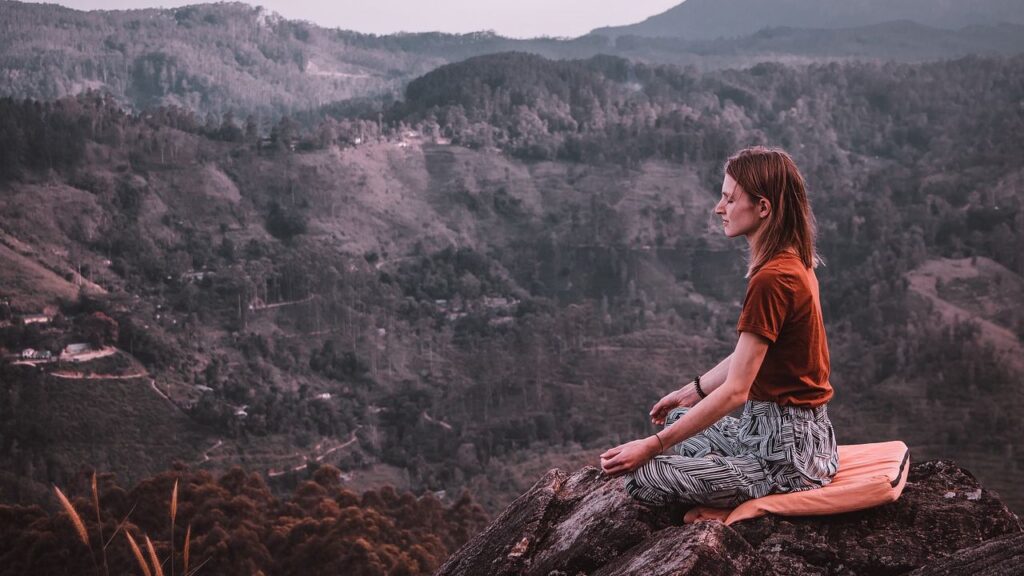
Research shows that on days when people spent more time alone, they felt less stress and greater autonomy satisfaction, feeling more authentic and free from pressure, with these benefits being cumulative for those who spent more time alone across the study. There’s something powerful about having space to simply be yourself without performing for anyone else.
Spending more hours alone is linked with increased feelings of reduced stress, with time alone leaving people feeling less stress and free to be themselves. Honestly, this makes perfect sense when you think about it – no one judging your choices, no need to maintain conversation, no pressure to smile or engage. Solitude encourages self-awareness, allowing people to turn inward and explore their thoughts, emotions, and motivations in a safe space without the influence of others. For many, this is where personal growth actually happens.
The Dark Side of Too Much Isolation
Yet solitude has its limits. Large amounts of solitude can undermine well-being, with loneliness – the perceived discrepancy between desired and actual social connection – having significant mental and physical health costs, suggesting a tipping point exists beyond which solitude becomes detrimental. There’s a crucial difference between choosing to be alone and feeling forced into isolation.
A World Health Organization report reveals that one in six people worldwide is affected by loneliness, which is linked to an estimated more than 871,000 deaths annually. Loneliness in young adults has steadily increased over four decades, was exacerbated by the COVID-19 pandemic, and contrary to expectations, did not return to pre-pandemic levels, with half of college undergraduates reporting significant loneliness. The numbers are genuinely alarming.
It’s Not About Introversion Alone

Here’s something surprising that many people get wrong. Research found that personality types such as introversion did not correlate with preference for time alone, concluding that personality had little to do with self-determined action of solitude. Wait, what? Turns out the relationship between introversion and loving alone time isn’t as straightforward as we thought.
Self-determined motivation for solitude reflects wanting time alone to find enjoyment and gain meaningful benefits, whereas preference for solitude concerns wanting time for oneself over others’ company regardless of reasons, with evidence mounting that these are empirically distinct. People who rated themselves high in spending time alone did so out of enjoyment, found it easy to resist social pressures in favor of caring for themselves, and used the time to self-regulate emotions and behaviors and learn about themselves. It’s about why you’re alone, not just that you are.
The Balance That No One Can Define
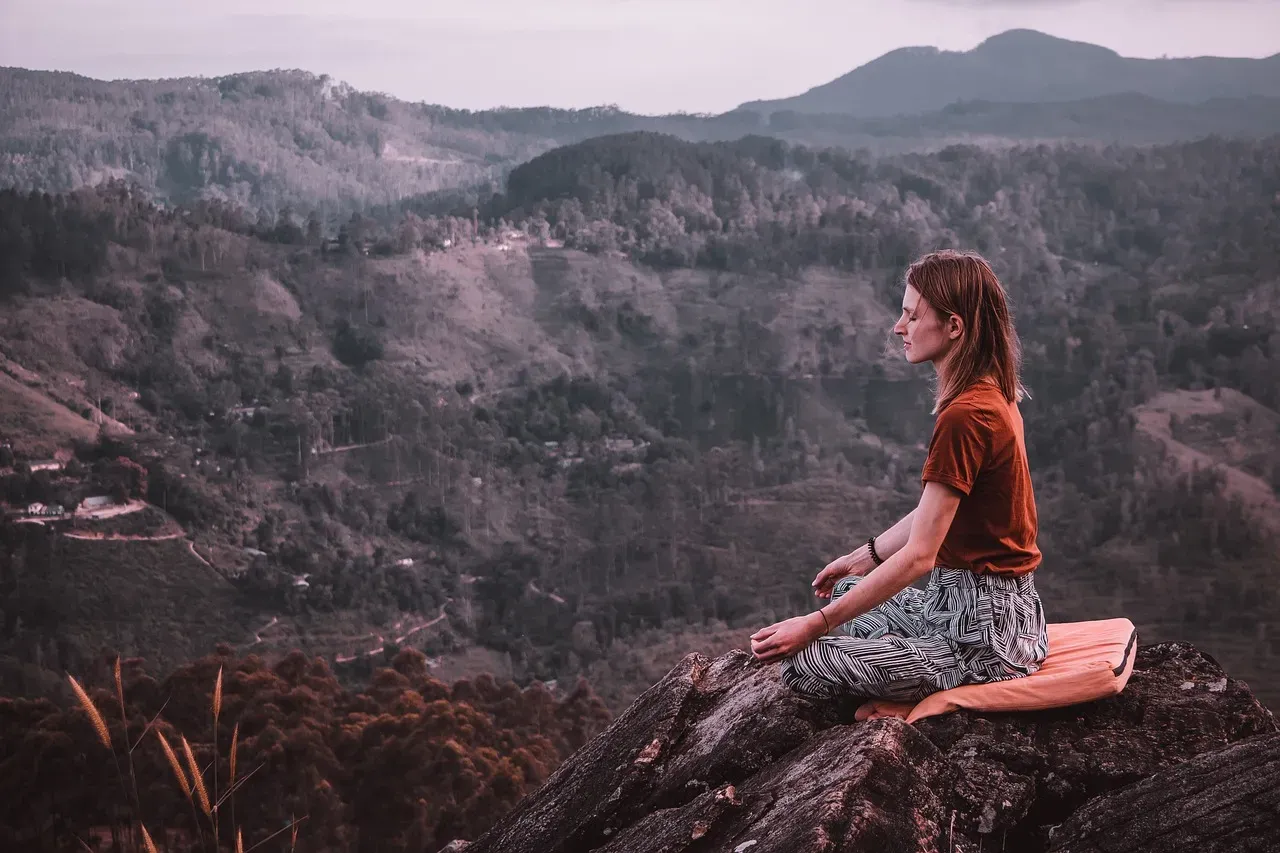
So what’s the perfect balance between solitude and socializing? Results showed there was no clear optimal balance between solitude and social time – no such thing as spending the ‘right’ number of hours in solitude, with no evidence for a one-size-fits-all optimal balance. I know it sounds frustrating, but it actually makes sense. We’re all different.
Linear effects suggested people were lonelier and less satisfied on days when they spent more hours in solitude, but these detrimental relations were nullified or reduced when daily solitude was autonomous and choiceful. On days when participants chose to spend more time alone, they felt not only less stressed but also less controlled or pressured to behave in a certain way, with these benefits being cumulative. The key word here is “chose.” Forced isolation damages us. Chosen solitude can heal.
Understanding Your Own Needs
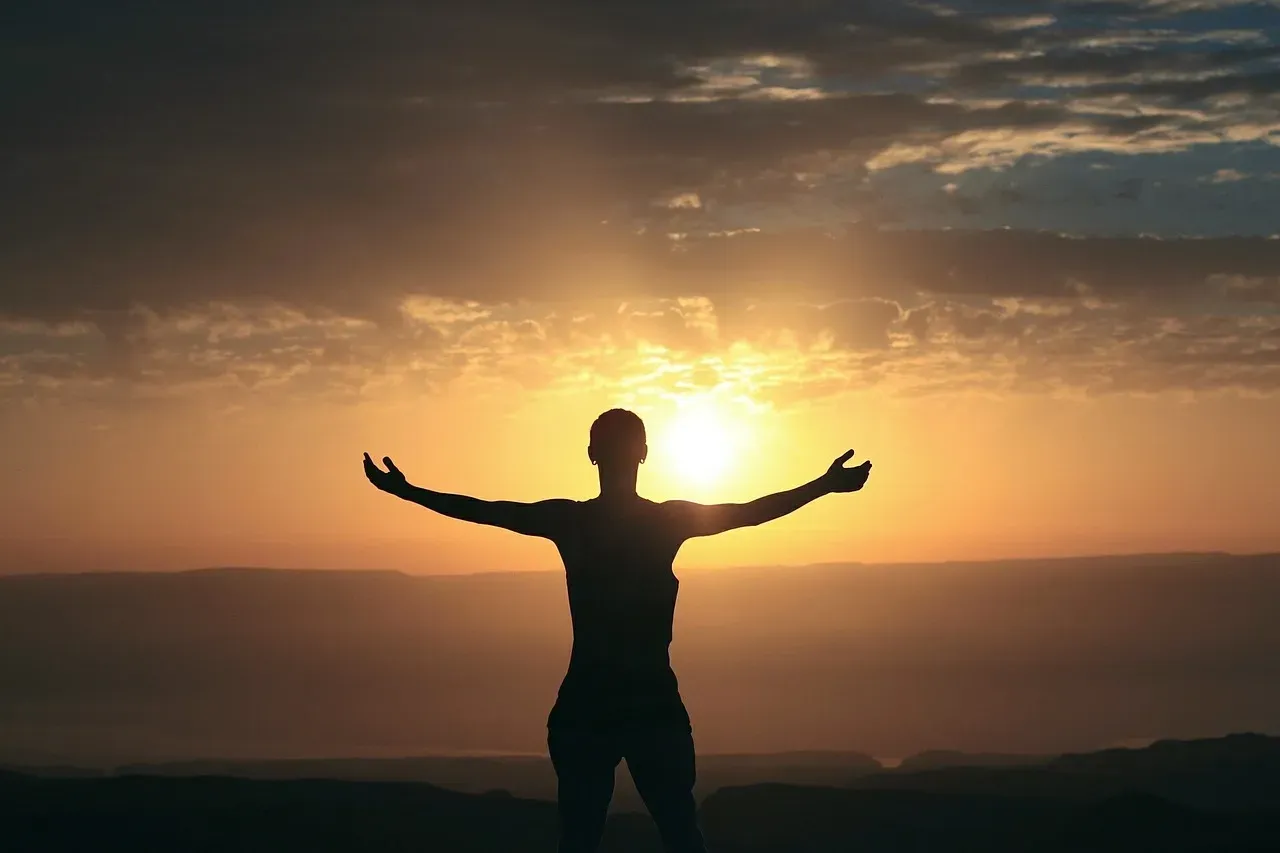
Findings document a long list of benefits gained when people choose to spend time by themselves, ranging from opportunities to recharge batteries and experience personal growth to making time to connect with emotions and creativity. The emphasis should always be on what genuinely restores you, not what you think you should want.
A 2024 national survey found that fifty-six percent of Americans considered alone time essential for their mental health, with Costco now selling solitude sheds for around two thousand dollars. People are literally buying physical structures to escape. Research on ‘aloneliness’ – negative feelings arising from insufficiency of desired solitude – found that some people preferred solitude more than others, and this was associated with higher levels of stress and depressive symptoms, suggesting too little solitude can increase life dissatisfaction. You can be lonely for solitude just as you can be lonely for company.
Conclusion
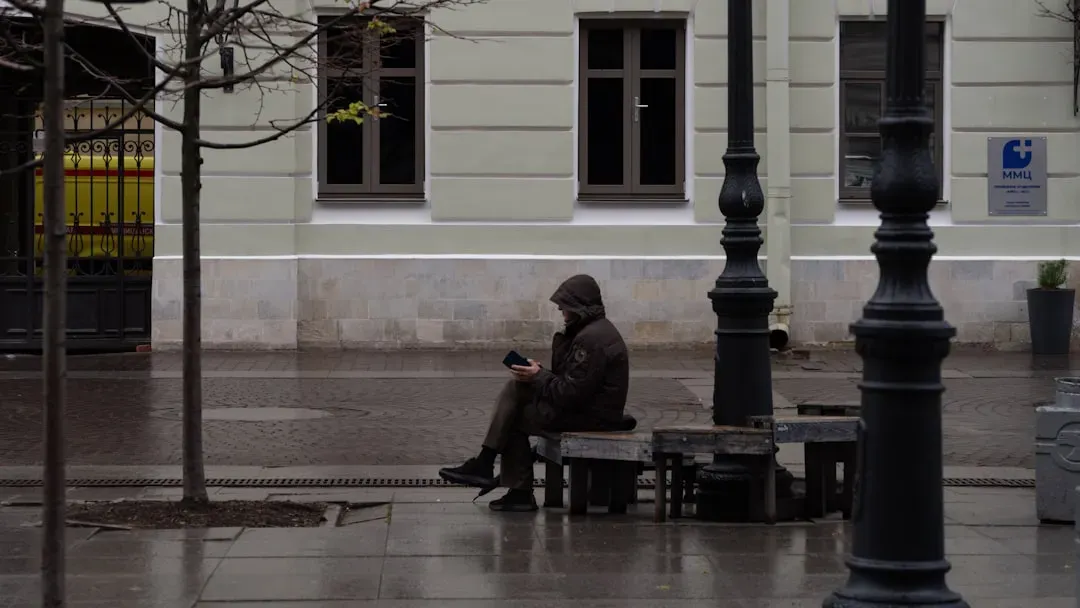
The truth is, whether you thrive on solitude or crave constant connection comes down to a fascinating mix of brain chemistry, neural architecture, and personal motivation. Neither preference makes you better or worse – just different. Research shows happiness depends on congruence between personality and lifestyle, with an introvert forced into constant social activity feeling exhausted and unhappy, just as an extrovert confined to solitude may feel bored and restless. The real wisdom lies in understanding your own wiring and honoring what actually nourishes you, not what society expects.
Maybe you’re someone who needs hours of silence to feel whole. Maybe you come alive in the buzz of conversation and laughter. Perhaps you’re somewhere in between, needing both at different times. What matters most is recognizing that your needs are valid, rooted in biology, and deserving of respect – from others and from yourself. So, what does your brain crave today?